
Reviewed · SILLAR ROUTE TOURS
Excursion + Sillar and Culebrillas Route in Arequipa
Arequipa’s famous white buildings begin in the sillar quarries, where stonecutters still cut the volcanic rock by hand. This four-hour outing takes you from city viewpoints to the working Añashuayco Quarry, then into the narrow Culebrillas canyon for ancient petroglyphs.
I like two things here: you see both the living craft of sillar cutting and the older traces left by the Wari culture, and the tour packs the main sights into a half day. The $14 price is also fair for transport and a professional guide. The main concern is timing, since one recent outing lost time waiting for late group members, and the bus had no air conditioning.
In This Review
- Key points to know
- Why sillar matters in Arequipa
- The 9:15 a.m. start and the first viewpoints
- Añashuayco Quarry and its towering walls
- Meeting a stonecutter and trying the work
- Walking into Culebrillas canyon
- Wari petroglyphs and apachetas
- The return to Arequipa
- Transport, comfort, and guide service
- What the $14 price really covers
- Who should book this half-day route
- Should you book the Sillar and Culebrillas route?
- FAQ
- How long does the Sillar and Culebrillas tour last?
- Is there a later departure?
- What languages are available for the guide?
- Is transport included?
- Is a guide included?
- Are entrance fees included?
- What will I see at Añashuayco Quarry?
- How long is the walk at Culebrillas?
Key points to know
- Añashuayco is still a working quarry: You can watch stonecutters explain their trade and try cutting a block yourself.
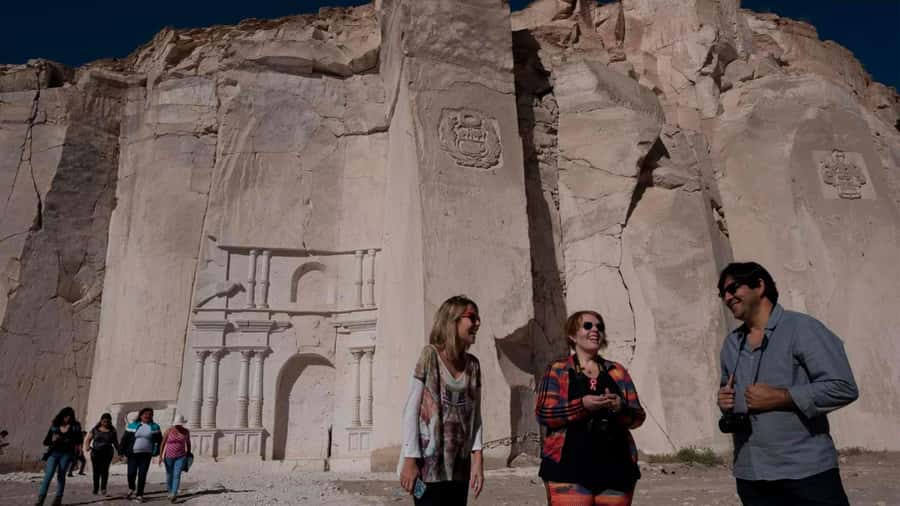
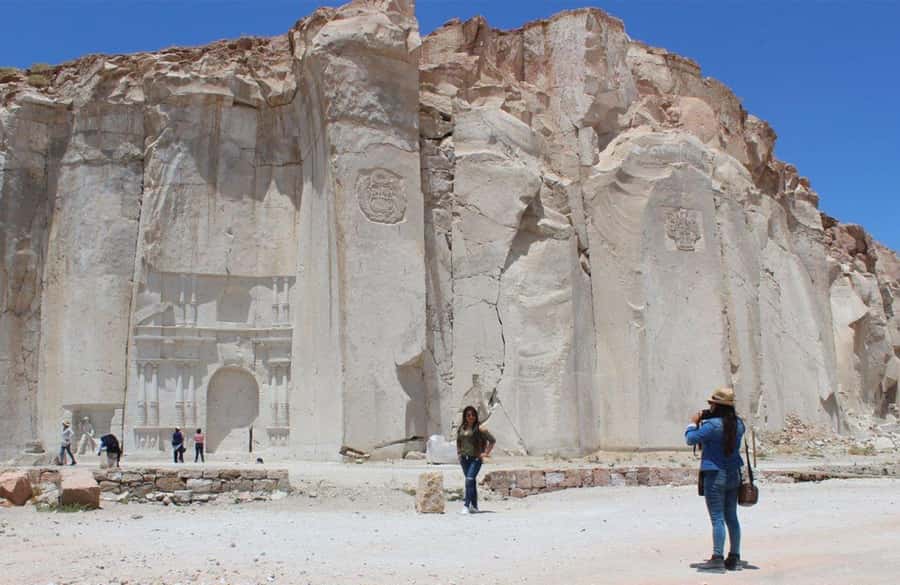
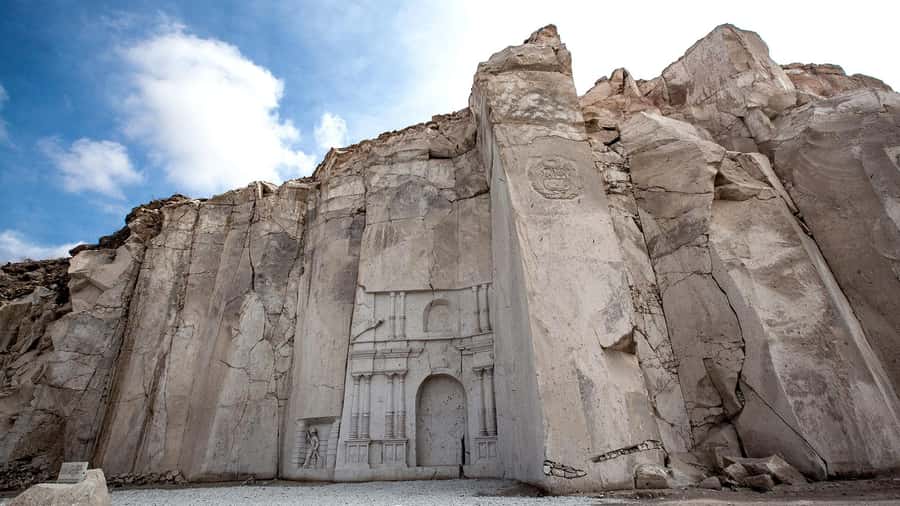
- The giant church carving is a striking photo stop: It shows how local workers turn the quarry walls into public art.
- Culebrillas offers a short canyon walk: Expect about 20 minutes between walls that reach 15 to 20 meters high.
- Wari petroglyphs add an older layer: The rock art is said to be more than 1,000 years old.
- The schedule is simple: The morning departure begins at 9:15 a.m. and returns near Arequipa’s Plaza de Armas around 1:30 p.m.
- Bring 10 soles for entrance fees: That charge is separate from the tour price.
Why sillar matters in Arequipa
Arequipa is closely linked with sillar, a pale volcanic stone used in churches, mansions, courtyards, and other major buildings around the city. The stone gives the historic center its light color and helps explain why Arequipa is often associated with white architecture.
This tour makes that connection easier to understand. Instead of only admiring carved facades in town, you visit the places where the material came from. You see the tall quarry walls created as workers extract blocks, then hear how the stone is shaped for construction and decoration.
I find that useful because the city’s architecture can otherwise seem almost too polished and finished. At Añashuayco, you get the rough beginning of the process. The visit links the stone beneath your feet in the city with the labor taking place outside it.
The sillar route is also not just a geology stop. It is a working cultural site. Quarrymen continue their trade, and the guide explains how the stone is produced and used. That human element gives the outing more weight than a quick stop at a scenic overlook.
More sillar route tours in Cusco:
- From Arequipa: Sillar Route Trek
★ 4.2 · 461 reviews - Sillar Route and Culebrillas Petroglyphs
★ 4.5 · 89 reviews - Sillar Route in Arequipa and viewpoint of the Volcanoes
★ 4.0 · 71 reviews
The 9:15 a.m. start and the first viewpoints
The morning departure begins at 9:15 a.m. The tour first heads toward the Sillar Route and makes a brief stop at a strategic viewpoint overlooking the volcanoes and the Chilina Valley.
The exact viewpoint can vary by season. At some times of year, the group may stop at another traditional lookout with views toward the volcanoes. The important point is not the name of the lookout, but the setting. You get a quick sense of Arequipa’s position among volcanic peaks and the Chilina Valley before focusing on the quarries.
This is a short stop, not a full morning of sightseeing. Keep your expectations in check. You are not booking a long viewpoint tour or a dedicated volcano excursion. Think of it as an orientation point that helps place the Sillar Route within the wider Arequipa area.
Have your camera ready, since the stop is brief. The tour then continues by road, with about 45 minutes of travel to Añashuayco Quarry. That drive is a substantial part of the first half of the outing, but it is what makes the four-hour schedule possible. You reach the quarry, visit the canyon and carving area, then continue to Culebrillas before returning to town.
Añashuayco Quarry and its towering walls
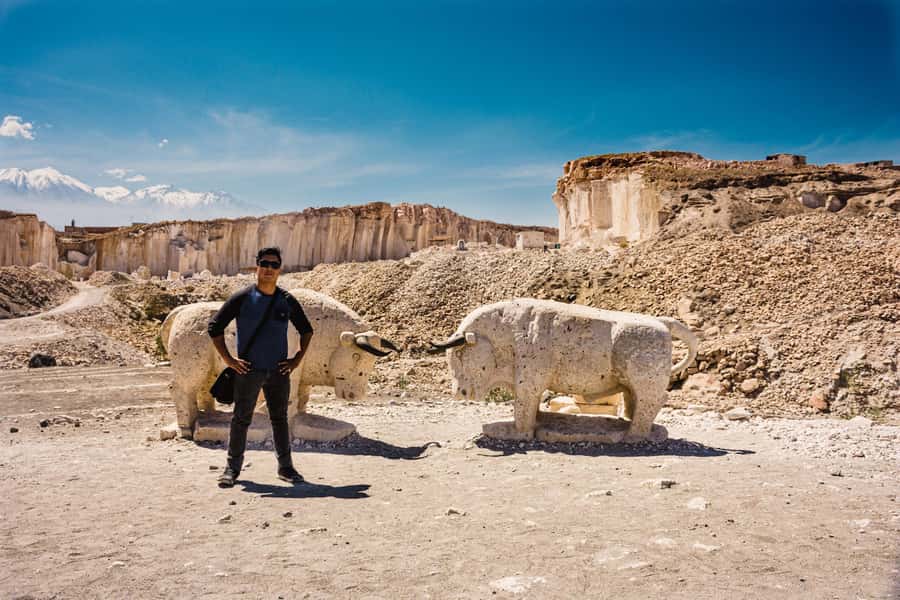
Añashuayco is the main stop, and it deserves most of your attention. The quarry is still active, with quarrymen beginning their work early in the day. By the time the tour arrives, you can see the enormous ignimbrite walls formed by stone extraction.
These walls rise several meters and create a canyon-like setting. The pale rock makes the area visually different from the streets of central Arequipa, yet the connection is clear: this is where much of the city’s distinctive building material begins.
Your guide explains the history of sillar, how blocks are produced, and the ways the stone has been used over time. Since English and Spanish guiding is available, check that you select the language you need when booking. No individual guide names are provided, so the quality of the visit depends on the assigned guide and how actively the group engages with the demonstrations.
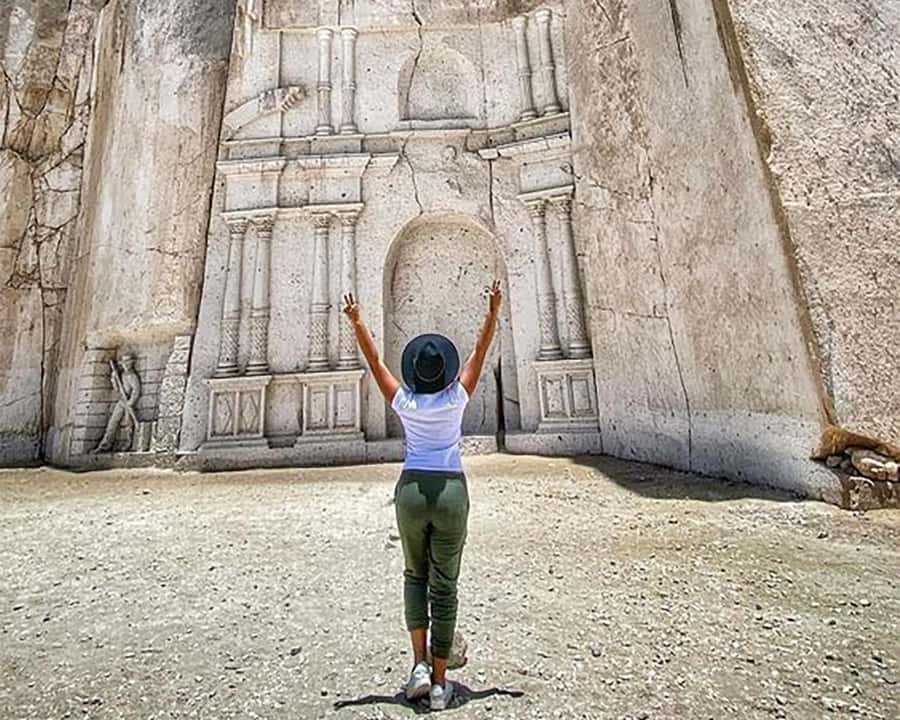
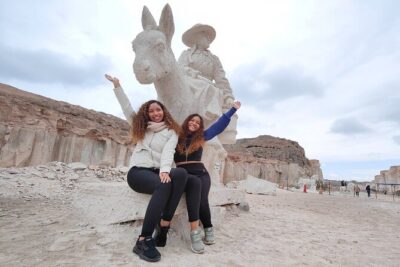
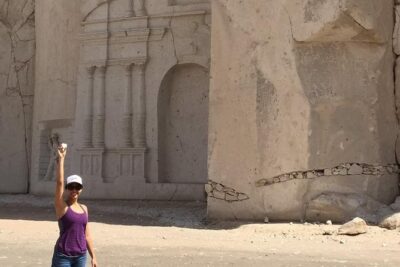
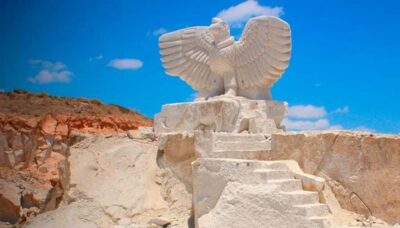
One of the most unusual features is the large carving of the Church of the Society of Jesus. Local stonemasons created this mega carving directly in the quarry area. It gives you a preview of Arequipa’s ornate religious architecture, but on a much larger and rougher scale.
I would allow time to look closely at the carving rather than treating it as a fast photo stop. The point is not only its size. It shows the skill involved in turning a plain stone surface into recognizable architecture, and it makes the link between quarry work and city monuments easy to grasp.
Meeting a stonecutter and trying the work
The tour may include a visit with one of the quarrymen, who explains what a normal workday is like. You can also try cutting one of the stone blocks yourself.
That hands-on moment is the most valuable part of the quarry visit for many people. Sillar may look soft because of its pale color and clean surfaces, but cutting stone is still physical work. Even a brief attempt gives you a better sense of the patience and effort behind Arequipa’s carved buildings.
This is also where the tour feels most connected to daily life. You are not only hearing a guide describe an old craft. You are seeing a trade that continues at the quarry today. The activity is short, but it adds meaning to everything you see later in the city.
Keep in mind that quarry work begins early, while the tour reaches Añashuayco after the drive from Arequipa. The exact level of activity can depend on the day and the work schedule. The quarry is in operation, but you should not expect a staged performance or a guaranteed demonstration of every step.
Same valley, a completely different kind of day:
- Cusco: Humantay Lake Tour with Breakfast and Buffet Lunch
★ 4.9 · 2,976 reviews - From Cusco: Sacred Valley & Maras Salt Mines Tour with Lunch
★ 4.8 · 2,227 reviews - From Cusco: Moray, Maras Salt Mines & Chinchero Weavers Tour
★ 4.8 · 1,925 reviews - From Cusco: Full-Day Group Tour of Machu Picchu
★ 4.7 · 1,767 reviews
Walking into Culebrillas canyon
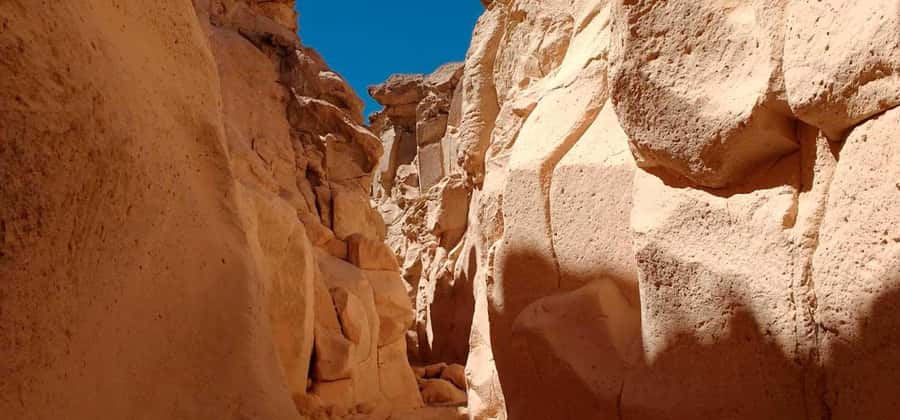
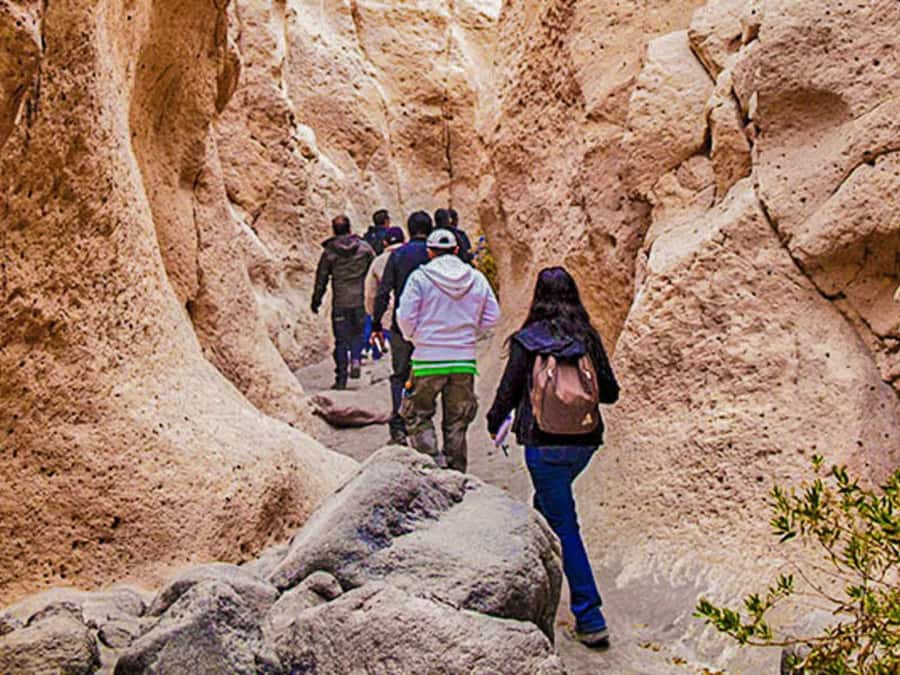
From Añashuayco, the vehicle travels about 30 minutes to Quebrada de Culebrillas. Here, you take a walk of roughly 20 minutes inside a narrow canyon formed by running water.
The canyon walls range from 15 to 20 meters high and grow taller as you continue inward. That change gives the walk a clear sense of progression. You begin in a more open area, then enter a tighter passage where the stone walls rise around you.
This is a short walk, not a demanding hike. Still, you should wear shoes suited to uneven ground and be comfortable walking inside a rocky canyon. The supplied details do not specify a difficulty rating or special facilities, so plan for a basic outdoor stop rather than a paved attraction.
Culebrillas works well after the quarry because the two sites show different forces shaping the stone. At Añashuayco, people cut the rock for building. At Culebrillas, water shaped a narrow passage over time. The guide can help connect those two parts of the route, even though the visit itself remains fairly brisk.
Wari petroglyphs and apachetas
At the end of the Culebrillas walk, you can see petroglyphs attributed to the Wari culture and dated to more than 1,000 years ago. They add an archaeological note to a tour otherwise focused on geology and local stonework.
The petroglyphs are not presented as a large museum collection. They are part of the canyon setting, so listen carefully to the guide’s explanation and look closely at the rock surfaces. Their value comes from their age and location. You are seeing marks left in the same general environment long before the current quarry industry.
Before returning to Arequipa, the group also stops to observe apachetas. These are piles or formations of stones placed one on top of another. They represent gratitude toward nature and are also associated with good luck.
The apachetas bring a more symbolic ending to the route. After hearing about labor, construction, and ancient markings, you encounter a simple practice connected with nature and belief. Some people find the piles especially atmospheric, while others may see them as a quick cultural detail. Either way, they are easy to include and give the final stop a different character from the quarry and canyon.
The return to Arequipa
The return journey begins around 12:30 p.m., with arrival near the Plaza de Armas at about 1:30 p.m. That timing makes the tour easy to fit into a larger Arequipa itinerary.
You can spend the morning outside the city, return in time for lunch, and still have the afternoon for the historic center, museums, or a slower walk through the city’s sillar buildings. If you prefer a later start, a 2:00 p.m. shift is also available, but the supplied schedule gives no exact return time for that option.
The drop-off is near the Plaza de Armas rather than necessarily at your hotel. That is convenient if you plan to continue sightseeing in the center, but you should allow for the short walk or separate transport needed after the tour.
The main practical issue is group timing. One recent outing experienced delays while waiting for members of the group. That may not happen every time, but it is a useful warning if you have a tight afternoon reservation or a bus to catch. I would avoid placing an important fixed appointment immediately after the stated return time.
Transport, comfort, and guide service
Tourist transport and a professional guide are included in the $14 price. For a half-day trip that visits two sites outside central Arequipa, that is good value, especially if you want a simple way to reach the quarries without arranging separate transport.
The vehicle comfort deserves a realistic note. One verified booking reported that the bus did not have air conditioning. Since the route includes road travel of about 45 minutes to Añashuayco and another 30 minutes to Culebrillas, the condition of the vehicle matters more than it would on a short city transfer.
Arequipa’s conditions can make a warm vehicle uncomfortable, so bring water and dress in light layers. This is practical advice based on the transport feedback, not a promise about every vehicle used. Vehicle type and equipment may vary.
A professional guide is included, with Spanish and English available. The guide’s role is important because the quarry, carving, petroglyphs, and apachetas need context. Without explanation, you would still see striking stone walls and old markings, but you would miss much of the connection between Arequipa’s architecture, the quarry workers, and the earlier cultures of the area.
What the $14 price really covers
At $14 per person, this is a budget-friendly way to combine transport, guiding, the Sillar Route, Añashuayco Quarry, and Culebrillas in one morning or afternoon. You are paying for access to a planned route rather than a private vehicle or a long specialist visit.
The separate entrance charge is 10 soles for the places visited. Add that amount when working out the real cost. The price does not include every expense, so bring cash for the admission fee.
The value is strongest if you want an efficient introduction to the region outside Arequipa. You get a working quarry, a stonecutting explanation, a large carving, a canyon walk, Wari petroglyphs, and apachetas within four hours.
The value is weaker if you prefer slow photography, extended hiking, or private attention. The schedule has several stops and road transfers, so each location receives a limited amount of time. This is a compact overview, not a full-day study of quarrying or archaeology.
You can cancel up to 24 hours ahead for a full refund, and the reserve-now-pay-later option lets you hold a place without paying immediately. Those policies make the booking less risky if your Arequipa schedule is still changing.
Who should book this half-day route
I would recommend this outing if you want to understand the source of Arequipa’s white stone rather than only admire the finished buildings downtown. It suits first-time visitors, families who can manage a short rocky walk, and anyone with limited time who wants several related sights in one trip.
It is also a good choice if you enjoy seeing traditional work in progress. The chance to meet a quarryman and try cutting a block gives the visit a practical edge that a standard viewpoint stop would lack.
You may want to skip it if you dislike road transfers, need guaranteed vehicle comfort, or have a strict appointment soon after the scheduled return. The bus issue and possible delays are worth taking seriously.
The tour is also not designed for someone seeking a long archaeological visit. The Wari petroglyphs are one stop within a wider route, not the central focus. The quarry and sillar story receive more attention.
Should you book the Sillar and Culebrillas route?
Book it if you want an affordable, well-packed half day that connects Arequipa’s white architecture with the quarrymen who produce its stone. The working Añashuayco Quarry, giant church carving, and hands-on cutting activity are the strongest reasons to go.
Add Culebrillas for the canyon walls, Wari petroglyphs, and apachetas. Just leave room in your schedule for group delays, prepare for a bus that may not have air conditioning, and carry the separate 10-sol entrance fee.
For $14 plus admission, this is a sensible choice for practical sightseeing and local context. It is less suitable for travelers seeking luxury, privacy, or a leisurely pace.
FAQ
How long does the Sillar and Culebrillas tour last?
The tour lasts four hours. The morning schedule begins at 9:15 a.m. and returns near the Plaza de Armas at about 1:30 p.m.
Is there a later departure?
Yes. A 2:00 p.m. shift is also available.
What languages are available for the guide?
The live guide service is available in Spanish and English.
Is transport included?
Yes. Tourist transport is included in the tour price.
Is a guide included?
Yes. A professional guide is included.
Are entrance fees included?
No. The entrance ticket costs 10 soles and must be paid separately.
What will I see at Añashuayco Quarry?
You will see a working quarry with tall ignimbrite walls, learn how sillar is produced and used, view a large carving of the Church of the Society of Jesus, and may meet a quarryman and try cutting a stone block.
How long is the walk at Culebrillas?
The walk inside Culebrillas canyon takes about 20 minutes. The canyon walls measure around 15 to 20 meters high and become taller farther inside.
Just added around Cusco
- Waqrapukara 1 day trekking + meals★ 3.9 · 3 reviews
- Zipline over the Sacred Valley Trip★ 5.0 · 11 reviews
- Valle Sur Cusco | half day★ 4.3 · 3 reviews
- Visit to the Cochahuasi Animal Sanctuary with rescued animal★ 4.1 · 4 reviews
- Visit Pisac from Cusco: Private Transport★ 4.6 · 9 reviews
- Maras and Huaypo lagoon by ATV from Cuzco | Local Operator★ 4.7 · 4 reviews
- Trek to Humantay Lake from Cusco★ 4.9 · 8 reviews
- Trek to Choquequirao 4 days★ 3.8 · 4 reviews
Sillar Route Tours, compared.
Sillar Route in Arequipa and viewpoint of the Volcanoes
Read our review →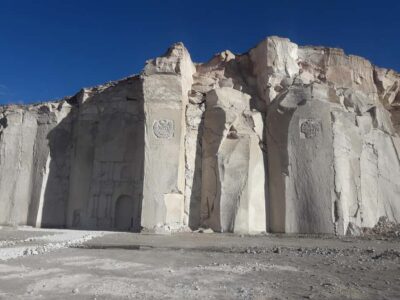
4 hours Tour: Route of Sillar with Trek in Culebrillas
Read our review →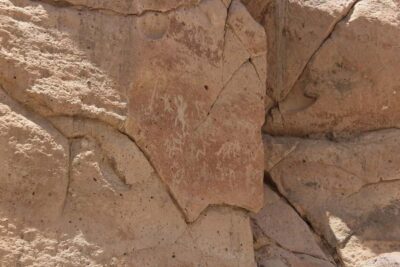
Route of the Sillar | Quarries of Añashuaycos | Half day
Read our review →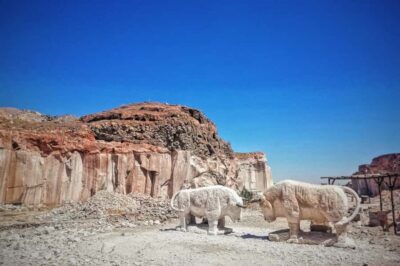
4-hour excursion: Sillar Route with Hiking in Culebrillas
Read our review →
Trek to the Route of the Sillar and Culebrillas in Arequipa
Read our review →Browse the lists this tour appears in