
Reviewed · HISTORICAL TOURS
Cusco: Half-Day Historic City Tour
Cusco’s best-known sights are spread between the city center and the hills above it, and this afternoon tour links them in one useful sweep. You’ll move from the Cathedral and Qoricancha to Sacsayhuaman, Qenqo, Puca Pucara, and Tambomachay without arranging separate taxis or guides.
I like two things here: the route gives you a quick grasp of both colonial Cusco and Inca Cusco, and the price is only $18 before entrance fees. The air-conditioned vehicle also matters at Cusco’s altitude, especially when the sun is strong and the roads climb.
The tradeoff is time. Four archaeological sites, two city-center monuments, and a craft stop make for a brisk afternoon. A few tour groups have also included sales presentations, and one English-language group spent part of the tour listening in Spanish, so confirm the language arrangement when you book.
In This Review
- Key points to know before you go
- A useful first afternoon in Cusco
- Inside the Cathedral of Cusco
- Qoricancha and the Inca temple beneath Cusco
- Sacsayhuaman’s massive stonework
- Qenqo, the ceremonial labyrinth
- Puca Pucara and the road through the hills
- Tambomachay and its fresh water spring
- The textile stop and the sales question
- How the timing affects the experience
- What to bring and how to prepare
- Guide quality and language
- Is the $18 price good value?
- Should you book this Cusco city tour?
- FAQ
- What time does the Cusco tour begin?
- Where does the tour end?
- Is hotel pickup included?
- What language is the tour conducted in?
- How large is the group?
- Are entrance tickets included?
- What sites are included?
- Is the tour suitable for wheelchair users?
- What should I bring?
- What happens if it rains?
Key points to know before you go
- The afternoon route covers six major stops: You’ll see the Cathedral, Qoricancha, Sacsayhuaman, Qenqo, Puca Pucara, and Tambomachay in one outing.
- The main archaeological sites require a separate tourist ticket: Budget 70 soles, plus 25 soles for the Cathedral and 15 soles for Qoricancha, all paid in local currency.
- The tour is designed for sampling, not slow exploration: You receive an explanation at each ruin, then limited time to look around.
- Pickup begins around 1:00 PM: Central hotels are included, while hotels outside the center use a meeting point near the Inka Ahy statue in the main square.
- The final stop is a craft center: You’ll hear about Inca textile traditions and how to identify garments made with vicuña wool, though this can also feel like a sales stop.
- The route is not suitable for wheelchairs or people with mobility impairments: Expect uneven archaeological ground and walking at high altitude.
A useful first afternoon in Cusco
I see this tour as an orientation with real substance. It does not give you a full day at each monument, but it lets you understand how Cusco’s Spanish colonial center sits beside, and often directly on top of, an earlier Inca city.
The timing is practical. Pickup starts at about 1:00 PM, and the vehicle returns near Santa Catalina Street, close to Cusco’s main square, at roughly 7:30 PM. That leaves your morning free for breakfast, a market visit, or a gentle first walk through the center.
The tour is conducted in English, with a local guide leading the group. The detailed group information gives a maximum of 12 participants, although another description refers to groups of up to 20. If the group size matters to you, ask for confirmation before paying.
The $18 price is attractive, but it is not the full cost. You’ll need 25 soles for the Cathedral, 15 soles for Qoricancha, and 70 soles for the tourist ticket, for a possible total of 110 soles in entrance fees. Bring soles rather than relying on a card at each stop.
A few more Cusco trips to weigh up
- Cusco: Historical Guided City Tour with 4 Inca Ruins
★ 4.5 · 99 reviews - Machu Picchu Private Archaeological and Historical Guided Tour
★ 5.0 · 86 reviews - 6-Day Cultural Tour to Machu Picchu
★ 5.0 · 76 reviews
Inside the Cathedral of Cusco
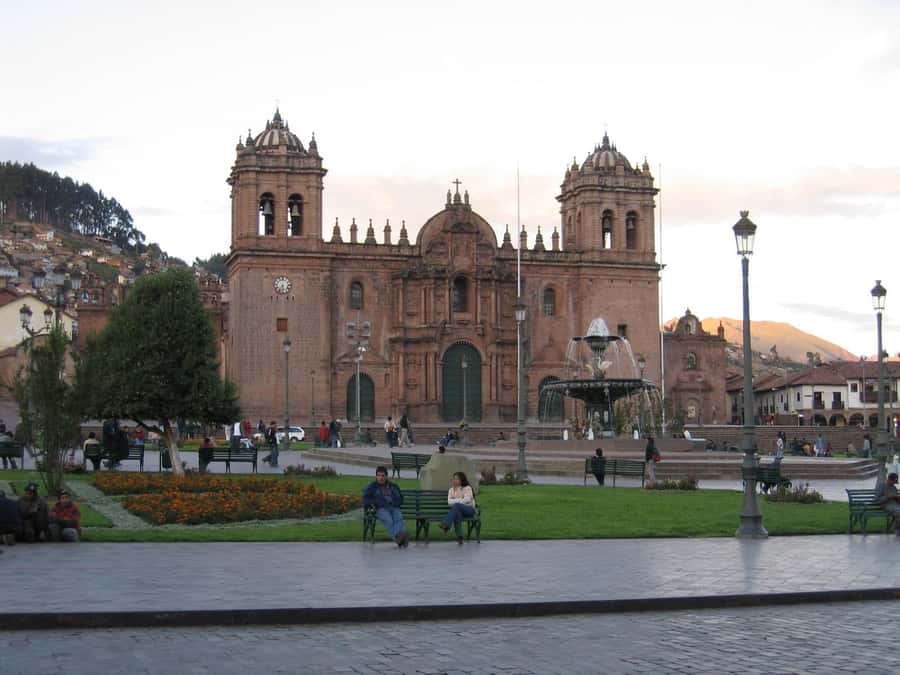
The tour begins in the city center with Cusco Cathedral, a UNESCO World Heritage Site and one of the city’s major colonial landmarks. Inside, you’ll find paintings, carved details, and sculptures that show how Spanish Catholic traditions took root in the former Inca capital.
This is a good place for a guide to explain the layers of Cusco. The value is not just the building itself. The artwork and decoration reflect the meeting of European religious forms with local materials, artists, and customs.
You should allow for a focused visit rather than quiet independent study. The guide explains the main details, and the group then moves on to Qoricancha. The separate 25-sol entrance charge is not included, so keep cash ready.
One guide received strong praise for explaining the church’s details clearly, but the overall experience depends heavily on the person leading your group. The tour has had guides described as warm and experienced, while another guide was considered repetitive and too long-winded. That difference matters in a place where good interpretation can make the visit far more meaningful.
Qoricancha and the Inca temple beneath Cusco
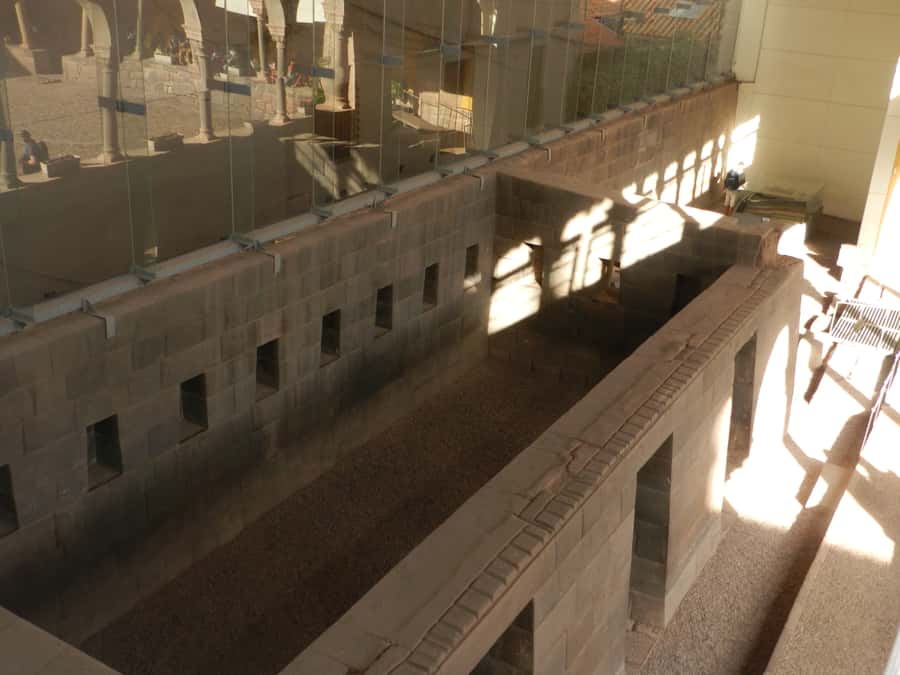
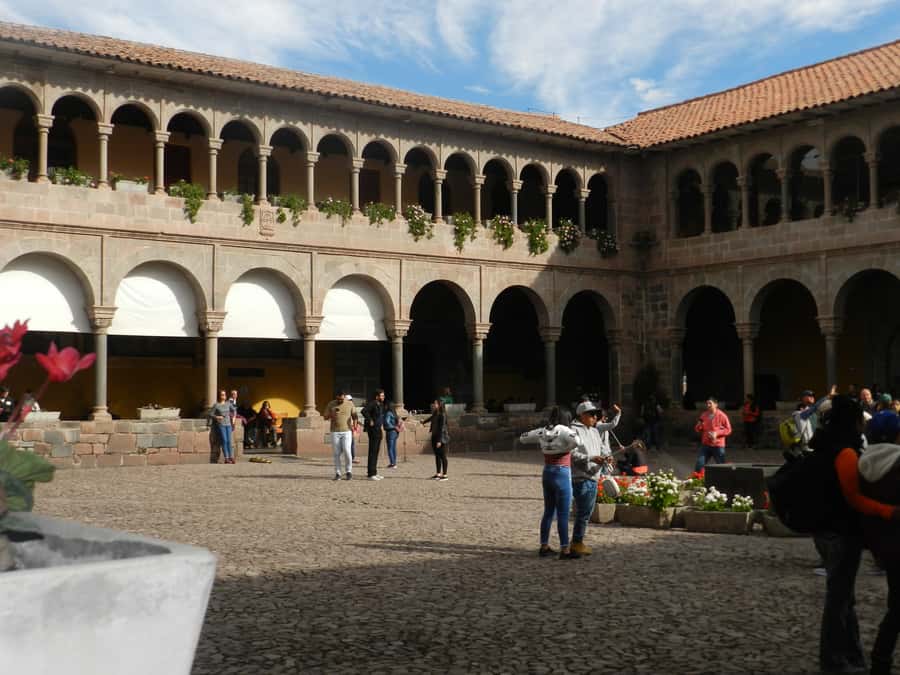
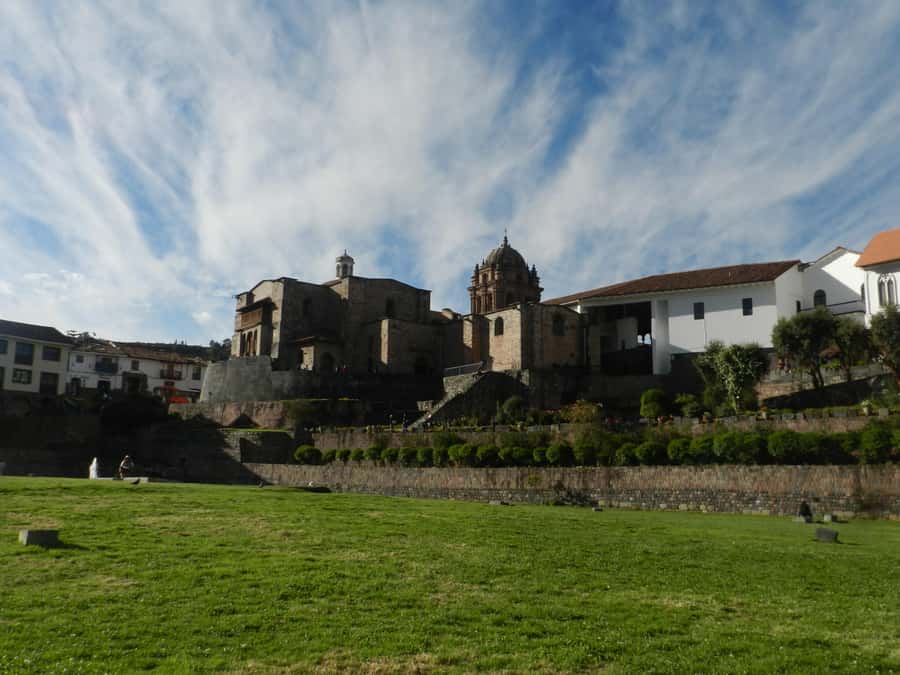
Qoricancha was an Inca temple dedicated to the Sun. Its name is often translated as Golden Enclosure, and the site remains one of the clearest places in Cusco to see the contrast between Inca engineering and Spanish colonial construction.
The Qoricancha Museum visit adds context before you head to the outer ruins. You’ll pay 15 soles separately for entry. At this point, listen for the explanation of how the temple functioned within Inca religious life, rather than treating it as just another church or museum.
I like this pairing with the Cathedral because it gives you two different views of the same city center. The Cathedral represents the Spanish colonial period, while Qoricancha points to the Inca ceremonial center that came before it.
The visit can feel short, especially if you want time to examine every display. Still, it is an efficient introduction, and the later ruins make more sense once you have seen Qoricancha.
Sacsayhuaman’s massive stonework
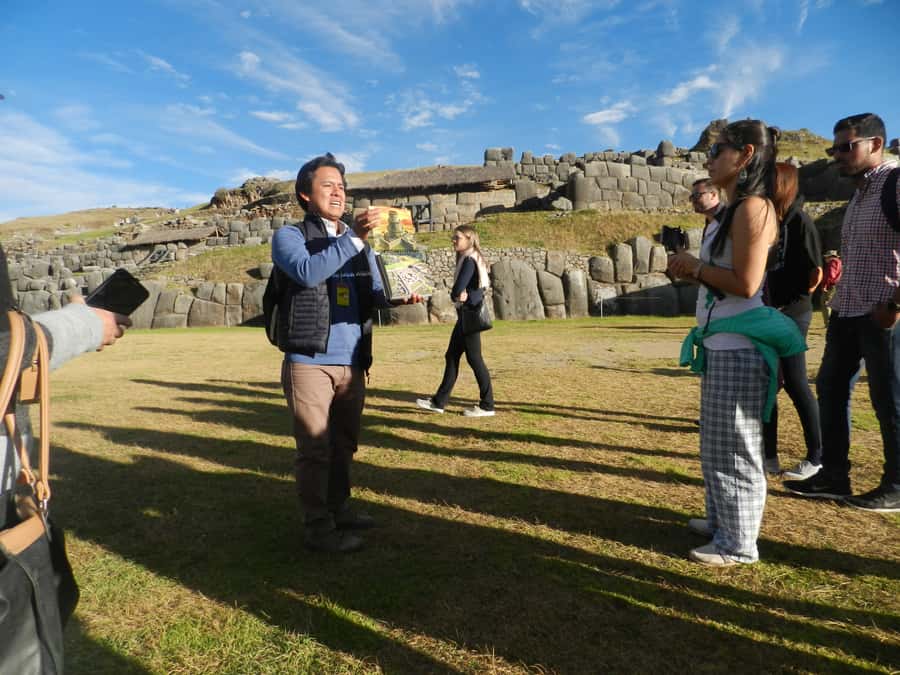
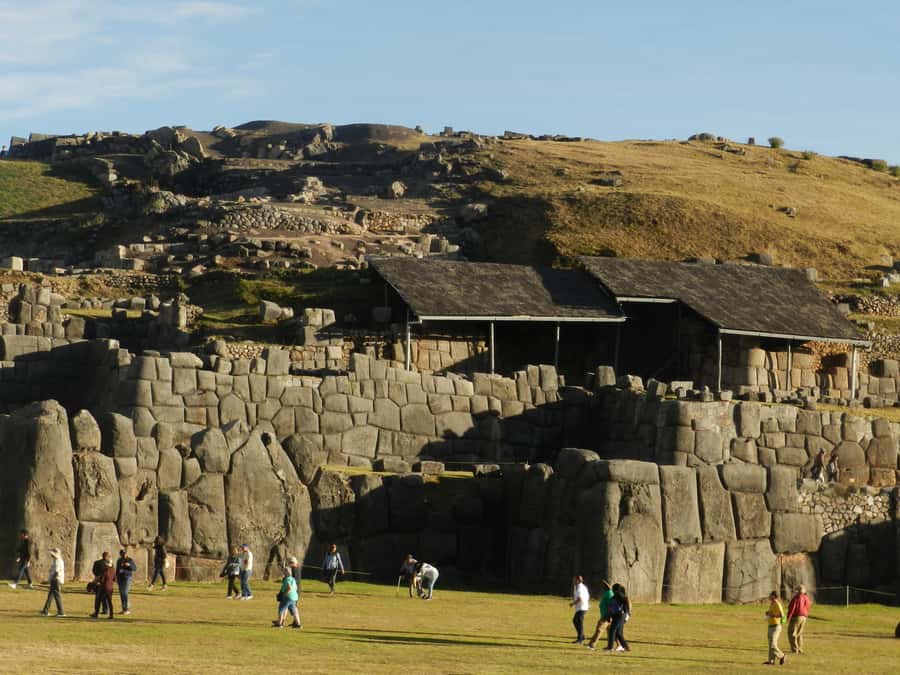
After the central sights, you’ll board the vehicle for the short ride to Sacsayhuaman, about 2 kilometers from Cusco’s center. The complex includes 33 archaeological sites and is commonly linked to military use.
This is usually the most visually powerful stop. The great walls and enormous fitted stones show the scale of Inca construction better than almost any other place on the route. Your guide will explain the site, then you’ll have some time to look around independently.
Do not expect a long, unhurried visit. The route covers four outer sites in one afternoon, and one experienced participant found the time at several locations too short. That is the central compromise of this tour: you see the important places, but you do not linger at each one.
Wear shoes with a firm sole. The instructions specifically call for hiking shoes, and that is sensible for uneven archaeological paths. Sun protection is also important. Bring a hat, sunscreen, and clothing that can handle changing mountain weather.
Same valley, a completely different kind of day:
- Cusco: Humantay Lake Tour with Breakfast and Buffet Lunch
★ 4.9 · 2,976 reviews - From Cusco: Sacred Valley & Maras Salt Mines Tour with Lunch
★ 4.8 · 2,227 reviews - From Cusco: Moray, Maras Salt Mines & Chinchero Weavers Tour
★ 4.8 · 1,925 reviews - From Cusco: Full-Day Group Tour of Machu Picchu
★ 4.7 · 1,767 reviews
Qenqo, the ceremonial labyrinth
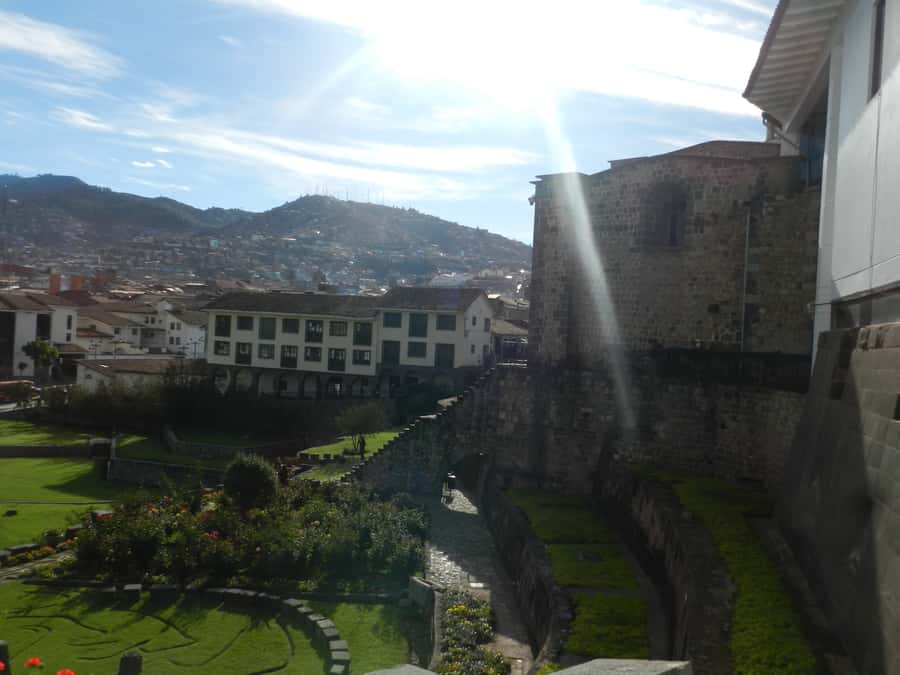
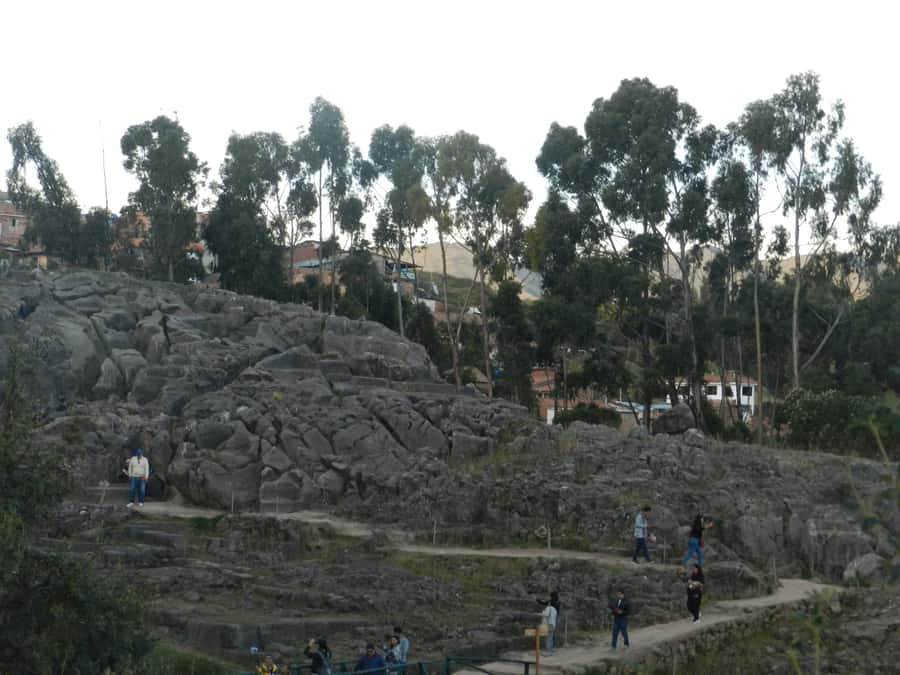
The next stop is Qenqo, whose name means labyrinth. It is regarded as a sacred place where ceremonies honored the Sun, Moon, and stars.
Qenqo is different from Sacsayhuaman. Instead of wide walls and open terraces, you’ll encounter a more enclosed ceremonial setting. The guide’s explanation helps you read the carved stone and understand why this site had religious importance.
The stop is relatively brief, so pay attention during the introduction. You may have only a limited window to explore on your own before the group moves to the vehicle. This is one reason I would not choose the tour if your main goal is detailed archaeological study.
The route also asks you to walk and reboard several times. If you are still adjusting to Cusco’s altitude, keep your pace steady and carry water, even though water is not specifically listed among the required items.
Puca Pucara and the road through the hills
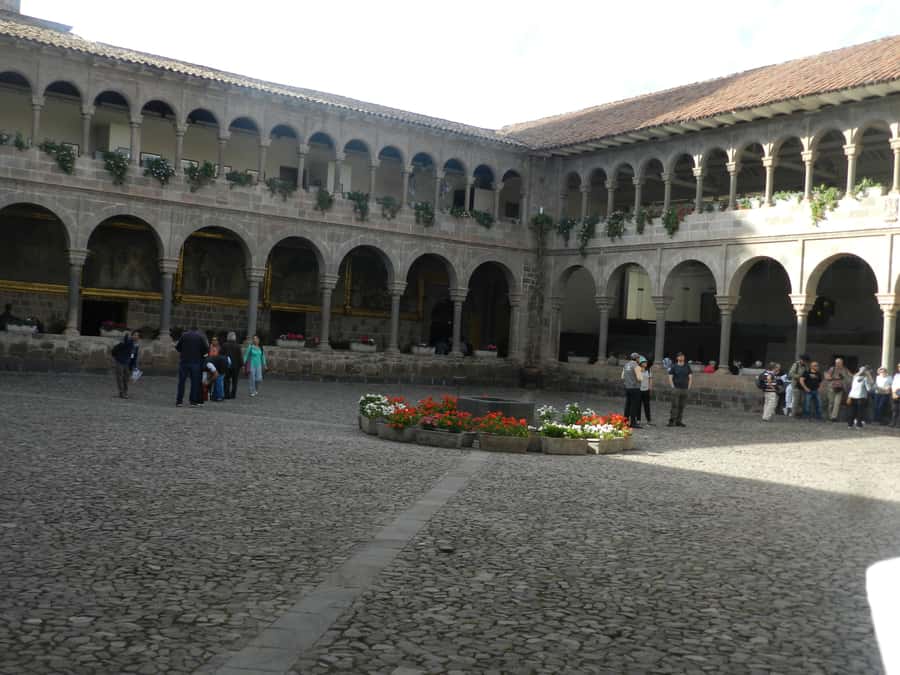
About 7 kilometers from the city center, Puca Pucara brings a different kind of Inca site to the afternoon. The complex includes halls, inner plazas, aqueducts, watchtowers, and paths. It is associated with military use and food storage.
The site helps you see how the Inca road network depended on more than temples and palaces. A place such as Puca Pucara could support movement, watch routes, and manage supplies.
The stop is more about getting the main idea than inspecting every structure. The guide gives a short explanation, then you have time to walk around. I would listen for how Puca Pucara fits into the wider network of roads and nearby sites, since that connection is the most interesting part.
Because the tour visits Puca Pucara after Sacsayhuaman and Qenqo, the sequence can begin to feel repetitive if the guide repeats the same general points about Inca society. One negative experience specifically called out repeated and lengthy explanations. A strong guide will keep each stop distinct.
Tambomachay and its fresh water spring
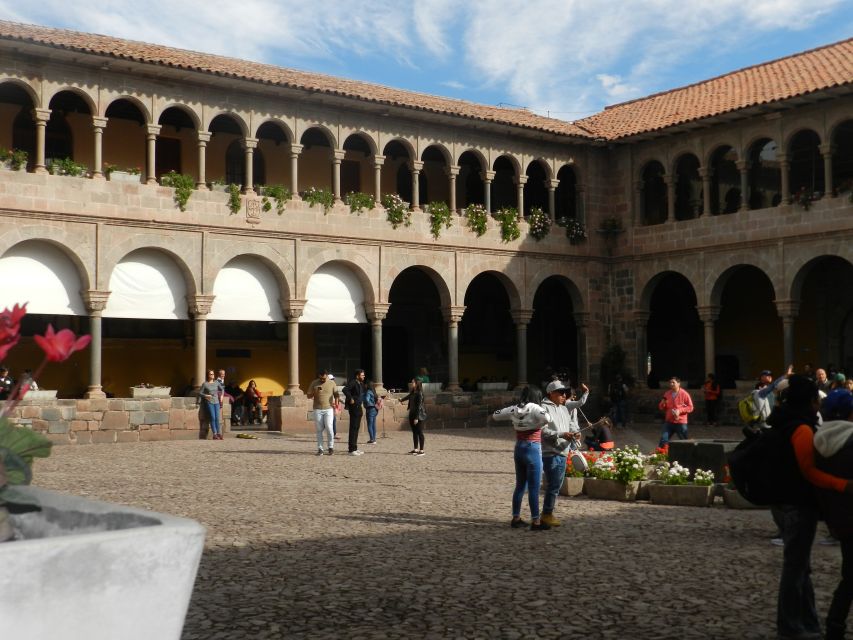
Tambomachay is the final archaeological stop. Its fresh water spring and channels give the site a quieter character than Sacsayhuaman or Qenqo.
The water features are the focus here. They show the Inca interest in controlled water, ritual spaces, and carefully built stone channels. After several large ruins, Tambomachay offers a calmer ending to the archaeological part of the tour.
Again, expect a short visit. The four outer sites are presented as a sequence, not as individual half-day excursions. If you want to photograph details or sit quietly beside the spring, you may feel pressed for time.
The return ride brings you back toward central Cusco. The vehicle is described as air-conditioned, though one past group traveled in a small van. Either way, transport is included, which saves you from negotiating separate rides to sites outside the center.
The textile stop and the sales question
Before the tour ends, you’ll visit a craft center. A local guide explains traditional Inca crafts and shows you how to identify clothing made from vicuña wool.
This can be useful if you plan to buy textiles in Peru. Learning the difference between genuine and imitation materials gives you a better basis for judging prices and quality. The stop also connects the archaeological sites with living craft traditions rather than leaving the afternoon in the distant past.
You should also know that this is a commercial stop. Some groups have experienced several sales pitches during the day, including presentations from people selling anise-flavored alcohol and a book. One person found the informal alcohol tasting enjoyable but disliked the book presentation and the sales emphasis.
I would treat the craft center as optional shopping time with an educational introduction. If you dislike retail stops, this may be the least appealing part of the route. If you are curious about Peruvian textiles, listen carefully, ask questions, and feel no pressure to buy.
How the timing affects the experience
The tour is advertised as seven hours, with pickup around 1:00 PM and a return near Santa Catalina Street at about 7:30 PM. In practice, that gives you an afternoon and early evening on the road.
The schedule works well for anyone who wants a broad first look at Cusco. You will cover more ground than you could comfortably manage on foot, and you will not have to plan separate transport to the outer sites.
The schedule works less well for anyone who wants long photo stops, private time, or detailed archaeological discussion. A past participant described the tour as a good way to sample many places quickly, while recommending a longer option for anyone with more time.
That is exactly how I would use it: book it early in your Cusco stay as a framework. Then return independently to the site that interests you most, if your schedule allows. The tour gives you the map in your head. It does not replace slow time at the ruins.
What to bring and how to prepare
Bring your passport or another form of identification, a sun hat, sunscreen, cash, sturdy walking shoes, and clothing suited to the weather. The tour runs in rain or shine, so a light weather layer is sensible.
Keep your entrance money separate and easy to reach. The Cathedral, Qoricancha, and tourist ticket are not included, and the instructions say to pay in local currency.
Hotel pickup applies to hotels in the city center. If your hotel is outside that area, pickup is arranged from the Inka Ahy statue in the main square. Confirm your hotel name and address when booking, then wait in the hotel reception at the assigned time.
The tour is not suitable for wheelchair users or people with mobility impairments. The uneven ruins, repeated vehicle transfers, and walking at elevation make that limitation important, not a minor footnote. Assistance dogs are allowed, but other pets are not.
Guide quality and language
The strongest praise for this experience centers on the guides who explain the sites clearly and bring the Inca story to life. Several people found the guide experienced, kind, and helpful, and one person said the tour successfully covered all the main archaeological sites in a single day.
The weak point is consistency. A guide who repeats information or spends too long on basic explanations can make an already tight schedule feel even tighter. One group also found that part of the tour was conducted in Spanish despite booking English.
Since the listed language is English, confirm that your departure will be English-only if that is important to you. Mixed-language tours may be practical for the operator, but they reduce your listening time and can make the schedule feel rushed.
Is the $18 price good value?
Yes, if you judge the tour as transport, entry-level guiding, and a broad introduction. For $18, you get central hotel pickup, transportation, and a local English-speaking guide. The vehicle takes you to four outer sites that would otherwise require separate transport and planning.
The real budget is higher once you add 110 soles in required entrance fees. That does not make the tour poor value, but you should compare the full cost rather than the headline price.
The tour is especially good value for a first visit, a short stay, or anyone who wants a simple afternoon plan. It is less good value for a traveler who wants a private guide, lengthy explanations, or complete control over how long to spend at each site.
Free cancellation up to 24 hours before departure and the option to reserve now and pay later add useful flexibility. Last-minute booking is available, though I would still confirm pickup and language before relying on a same-day reservation.
Should you book this Cusco city tour?
Book it if you want to see Cusco’s main historic sights and surrounding Inca ruins in one afternoon, with transport handled for you. It suits first-time visitors, short stays, budget-minded couples, and anyone who prefers a guided overview to complicated local logistics.
Skip it if you dislike group pacing, commercial craft stops, or extra entrance fees. You should also choose a longer or more focused experience if Sacsayhuaman or the Inca ceremonial sites are a major reason for your visit.
My practical choice would be to use this tour as a starting point, not the final word on Cusco. Its best features are the efficient route, strong archaeological coverage, and low base price. Its limits are the brisk timing and uneven guide experience. Go prepared with soles, good shoes, and modest expectations about free time, and the afternoon can give you a very useful first map of the city.
FAQ
What time does the Cusco tour begin?
Pickup begins at approximately 1:00 PM from hotels in Cusco’s city center.
Where does the tour end?
The coach returns at approximately 7:30 PM to Santa Catalina Street, near Cusco’s main square.
Is hotel pickup included?
Yes. Pickup is included for hotels in the city center. If your hotel is outside the center, pickup is arranged from the Inka Ahy statue in the main square.
What language is the tour conducted in?
The listed tour language is English, with a live English-speaking guide.
How large is the group?
The detailed activity information gives a maximum of 12 participants. Another description refers to groups of up to 20, so confirm the group size when booking.
Are entrance tickets included?
No. The Cathedral costs 25 soles, Qoricancha costs 15 soles, and the tourist ticket costs 70 soles. Pay these fees in local currency.
What sites are included?
The route includes the Cathedral of Cusco, Qoricancha Museum, Sacsayhuaman, Qenqo, Puca Pucara, Tambomachay, and a craft center.
Is the tour suitable for wheelchair users?
No. The experience is not suitable for wheelchair users or people with mobility impairments.
What should I bring?
Bring your passport or ID card, sun hat, hiking shoes, sunscreen, cash, and clothing suited to the weather.
What happens if it rains?
The tour operates rain or shine, so bring weather-appropriate clothing and be prepared for outdoor walking.
Just added around Cusco
- Waqrapukara 1 day trekking + meals★ 3.9 · 3 reviews
- Zipline over the Sacred Valley Trip★ 5.0 · 11 reviews
- Visit to the Cochahuasi Animal Sanctuary with rescued animal★ 4.1 · 4 reviews
- Valle Sur Cusco | half day★ 4.3 · 3 reviews
- Visit Pisac from Cusco: Private Transport★ 4.6 · 9 reviews
- Maras and Huaypo lagoon by ATV from Cuzco | Local Operator★ 4.7 · 4 reviews
- Trek to Humantay Lake from Cusco★ 4.9 · 8 reviews
- Trek to Choquequirao 4 days★ 3.8 · 4 reviews
Historical Tours, compared.
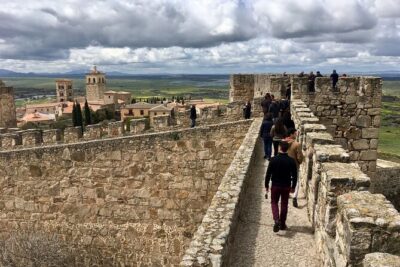
Guided Tour of Historic and Monumental Trujillo
Read our review →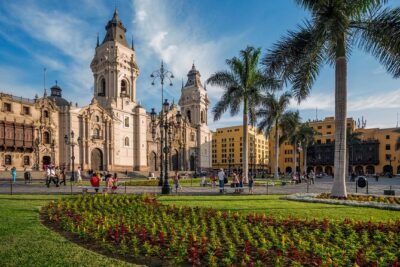
Lima’s Vibrant Heritage: Exploring the City’s Landmarks Half-day
Read our review →
Historic Center Street Food, Market, and Eateries Tour
Read our review →
Walking tour in the Historic Center of Arequipa
Read our review →
Historic Downtown, Miraflores & Catacombs Private Tour
Read our review →
Machu Picchu Private Archaeological and Historical Guided Tour
Read our review →Browse the lists this tour appears in