
Reviewed · CITY TOURS
Cusco: Half-Day City and Nearby Archaeological Sites Tour
Cusco’s Inca story comes into sharp focus on the climb from Coricancha, the former Temple of the Sun, to the enormous stone walls of Sacsayhuaman. In five hours, you get the city center and four major sights beyond it, which makes this a useful first look before tackling longer trips in the Sacred Valley.
I like the mix of indoor monuments and open-air ruins, and I like that the tour includes pickup from hotels in Cusco’s Historic Center. The main catch is the Cusco Tourist Ticket, which is not included and is needed for the four archaeological sites. One booking also reported confusion about what was included, so I would confirm the ticket details before departure.
In This Review
- Key points at a glance
- Why this five-hour route works for a first visit
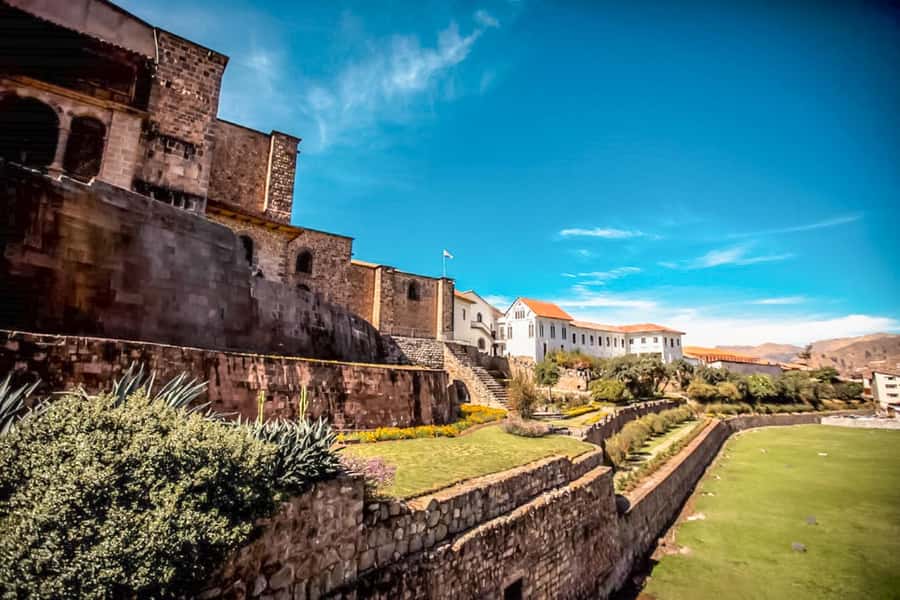
- Coricancha, where Inca gold met Spanish stone
- Cusco Cathedral and the Main Square
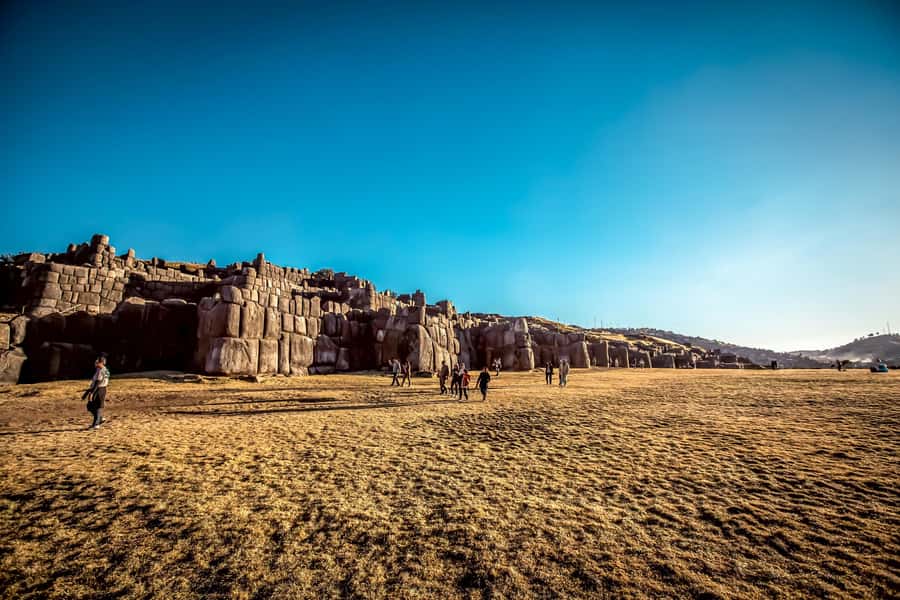
- Sacsayhuaman and its enormous fitted stones
- Quenqo, a smaller site with a religious purpose
- Puka Pucara, the Red Fortress
- What the guide adds to the experience
- Is $49 a good value?
- Timing, comfort, and access
- Who should book this Cusco tour?
- Should you book it?
- FAQ
- How long does the Cusco city and archaeological sites tour last?
- What sites are included in the route?
- Is hotel pickup included?
- Can I be picked up from an Airbnb?
- Is the Cusco Tourist Ticket included?
- Which admissions are included in the price?
- Which languages are available for the guide?
- What should I bring?
- Is the tour wheelchair accessible?
Key points at a glance
- Coricancha reveals two layers of Cusco: the Inca Temple of the Sun and the Santo Domingo Convent built over it.
- Sacsayhuaman is the visual high point: massive fitted stones make the fortress the tour’s most memorable stop.
- You visit five important monuments in five hours: Coricancha, the Cathedral, Sacsayhuaman, Quenqo, and Puka Pucara.
- The four outer archaeological sites require the BTC: admission to Coricancha and the Cathedral is included, but the Cusco Tourist Ticket is extra.
- Hotel pickup is limited to the Historic Center: private residences and Airbnb properties need a separate meeting point.
- Guide service is offered in four languages: English, Spanish, Portuguese, and French.
Why this five-hour route works for a first visit
Cusco can feel like several cities layered on top of one another. In the streets around the Main Square, Spanish churches sit on Inca foundations. Above town, ceremonial sites and defensive walls spread across the hills. This tour gives you a quick way to see both sides without spending a full day on the road.
The route lasts about five hours, long enough to cover the core sights but short enough to fit around other plans. I see it as an orientation tour rather than a final word on Cusco. You get names, places, and historical links that help you make better choices for the rest of your stay.
The order begins in the city, then heads uphill to the archaeological sites. That shift matters. Coricancha and the Cathedral give you the urban story, while Sacsayhuaman, Quenqo, and Puka Pucara show how the Inca used the hills around Cusco.
Pickup and drop-off are included for hotels in the Historic Center. If you are staying in a private residence or Airbnb, you need to contact the local operator a few days ahead and arrange a meeting point. This is a small detail, but it can save you from waiting at the wrong address.
A few more Cusco trips to weigh up
- Cusco: Half-Day City Tour with Sacsayhuaman and Q’enco
★ 4.6 · 1,129 reviews - Cusco: City Tour | Half-Day Tour to 4 Archaeological Sites
★ 4.6 · 206 reviews - Cusco: Half-Day City Tour
★ 4.2 · 129 reviews
Coricancha, where Inca gold met Spanish stone
Coricancha, also called the Temple of the Sun, is the best place on this route to understand how Cusco changed after the Spanish conquest. The complex was built by the Inca ruler Pachacutec, and the later Santo Domingo Convent was constructed on its foundations.
That physical overlap is the point. You are not looking at two unrelated buildings. You are seeing one power replace another while still relying on the earlier structure. The walls and layout help explain why Coricancha mattered as a religious center, not simply as an old temple.
Your guide can add the historical frame that the stones alone cannot provide. Look closely at how the Inca construction and colonial architecture meet. The contrast gives you a useful visual introduction to the way Cusco’s past was reused rather than erased.
Admission to Coricancha is included in the tour price. That helps the $49 cost feel more reasonable, since this is one of the two main city-center admissions covered by the operator.
Cusco Cathedral and the Main Square
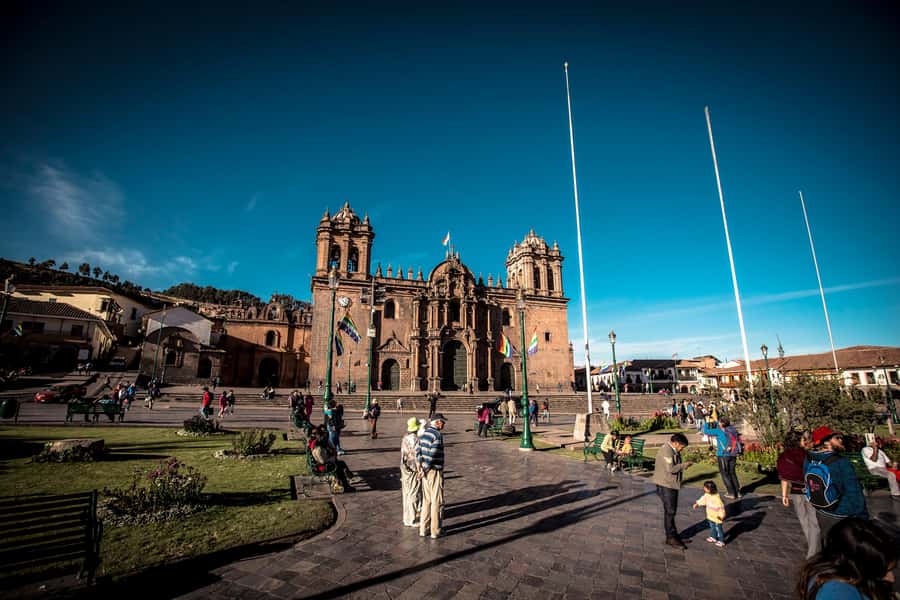
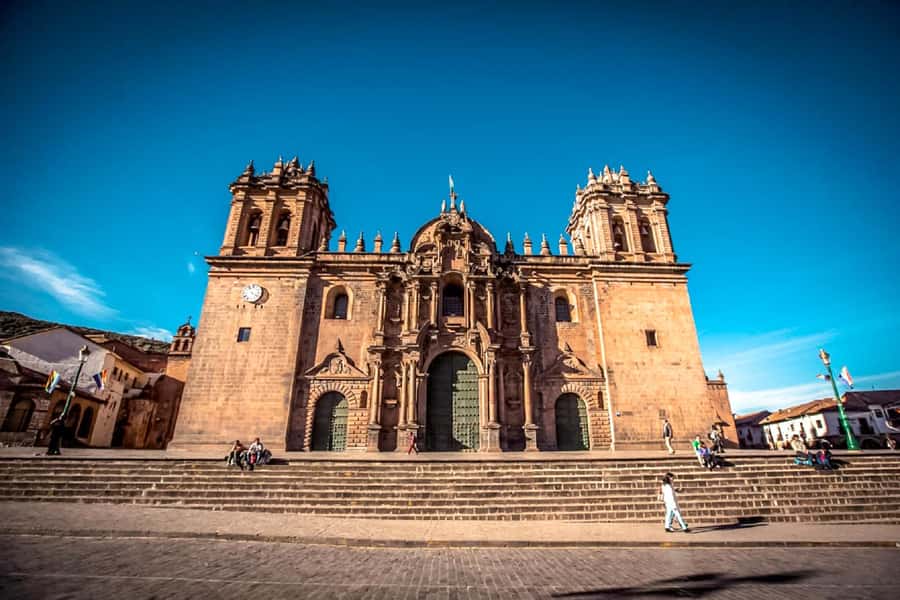
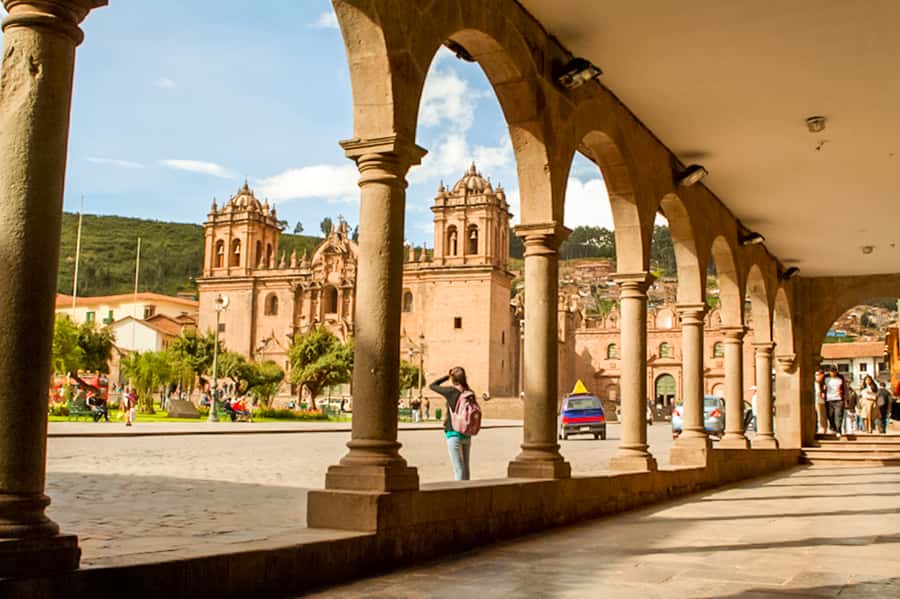
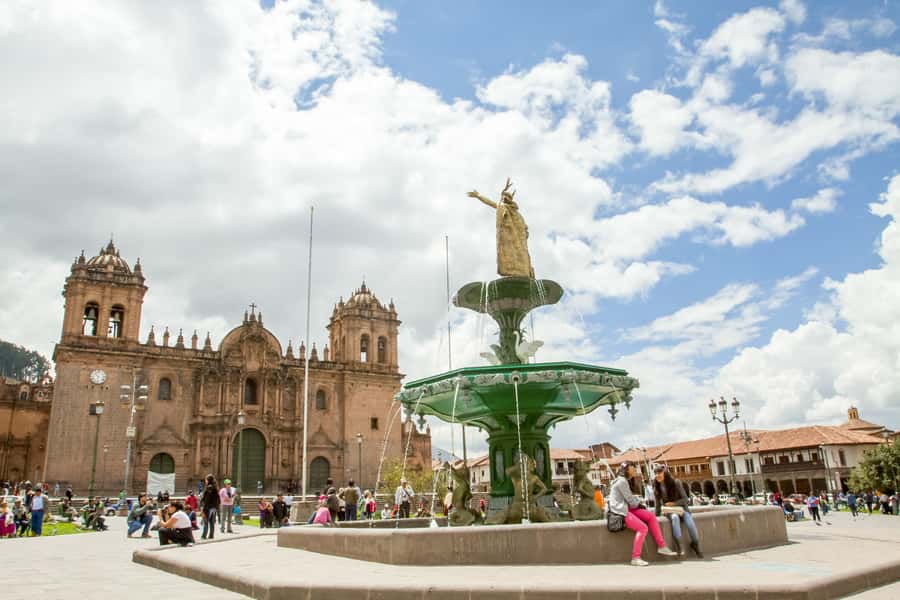
The Cathedral is the most imposing building in Cusco’s Main Square, and it shifts the tour from Inca religion to Spanish colonial power. Its size and location make its role clear: this was meant to be the central Christian monument in the city.
I like having the Cathedral paired with Coricancha. Seeing both in one morning or afternoon gives you a cleaner picture than visiting either one alone. Coricancha shows the Inca religious world, while the Cathedral represents the colonial order that followed.
Admission to the Cathedral is included. The stop is also practical for a first-time visitor because the Main Square is the natural center of Cusco. You can use the guide’s explanation here to get your bearings for later independent walks.
The tour information does not specify how long you spend inside each city monument. If you care most about art, architecture, or quiet time in the churches, keep in mind that this is a five-hour group route with several stops. It is designed to introduce, not exhaust, each site.
Sacsayhuaman and its enormous fitted stones
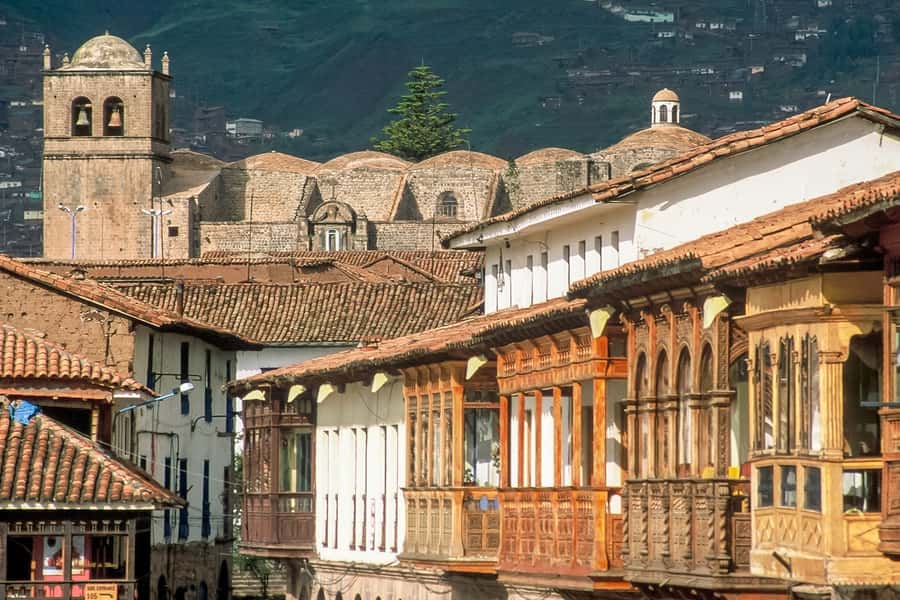
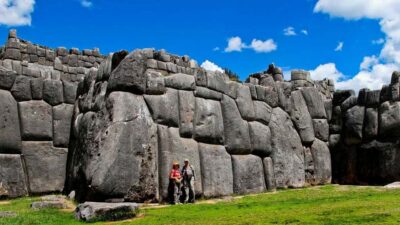
Sacsayhuaman is the tour’s biggest visual payoff. The fortress was built under Pachacutec in the fifteenth century, and its huge stones remain the feature that grabs your attention first. Their scale and careful placement make ordinary stonework look very small.
The exact method used to move and fit some of these blocks remains uncertain. That mystery is part of the appeal, but the practical lesson is just as important: Sacsayhuaman shows the labor, planning, and engineering behind Inca construction at a grand scale.
The site also has a strong ceremonial connection. Each June 24, Inti Raymi is recreated here, with the sun honored in a major cultural celebration. Even if you visit at another time, that annual event helps explain why Sacsayhuaman is more than a military-looking ruin.
You are heading uphill for this portion of the tour, so comfortable shoes are a must. Wear clothes that let you move easily, bring sunscreen, and expect strong sun exposure at the open sites. The supplied information does not promise a particular walking distance, so anyone who finds uneven ground difficult should consider the access limits carefully.
Same valley, a completely different kind of day:
- Cusco: Humantay Lake Tour with Breakfast and Buffet Lunch
★ 4.9 · 2,976 reviews - From Cusco: Sacred Valley & Maras Salt Mines Tour with Lunch
★ 4.8 · 2,227 reviews - From Cusco: Moray, Maras Salt Mines & Chinchero Weavers Tour
★ 4.8 · 1,925 reviews - From Cusco: Full-Day Group Tour of Machu Picchu
★ 4.7 · 1,767 reviews
Quenqo, a smaller site with a religious purpose
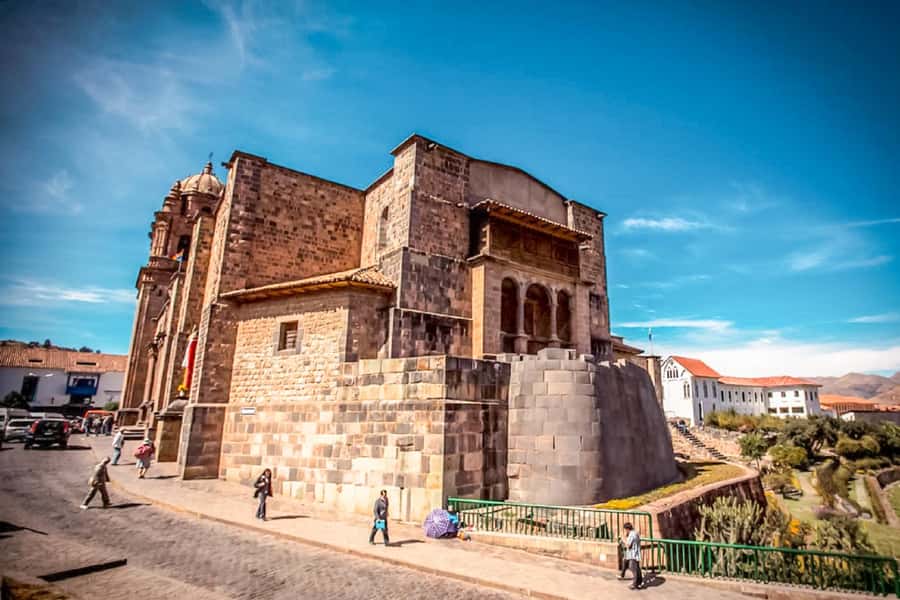
Quenqo is described as an archaeological complex used mainly for religious purposes. Compared with Sacsayhuaman, it is a more compact stop, but that does not make it unimportant.
This is where a live guide can add real value. Ruins with fewer obvious walls or rooms can be hard to interpret on your own. A guide speaking English, Spanish, Portuguese, or French can explain how the site fits into the ceremonial network around Cusco.
I would pay attention to the change in scale here. Sacsayhuaman gives you monumental construction, while Quenqo offers a more focused look at ritual use. Together, the sites show that Inca architecture was not only about defense or grand public spaces.
Because the tour covers several locations in one outing, your time at Quenqo may feel brief. That is a fair trade if you want breadth on your first day, but less ideal if you prefer to study one archaeological site at length.
Puka Pucara, the Red Fortress
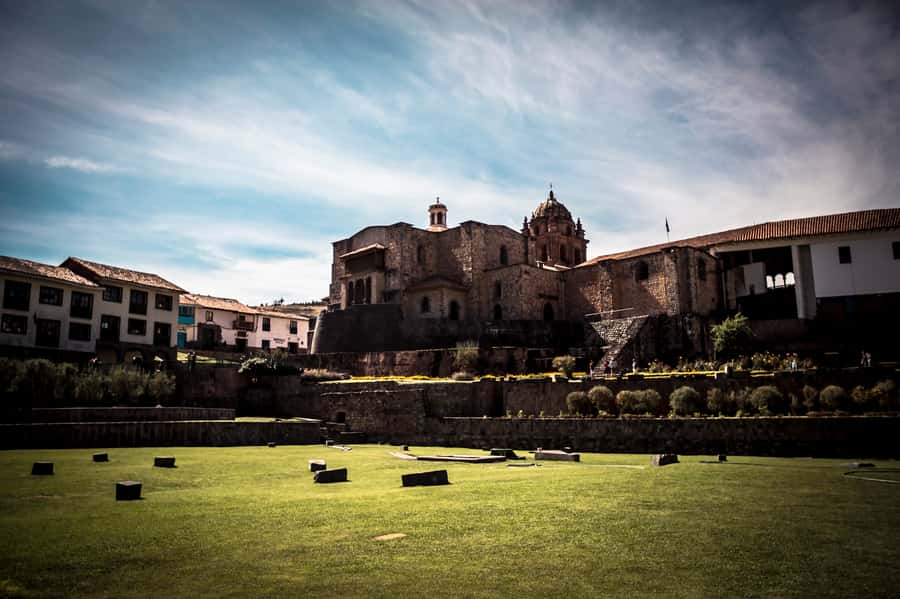
Puka Pucara means Red Fortress. The complex includes spaces, plazas, baths, aqueducts, walls, and towers, and it is thought to have had a military purpose.
The site is also linked to the Inca’s traveling entourage. It is believed the group used Puka Pucara while resting at Tambomachay. That connection makes the stop easier to understand: this was not simply an isolated fort, but part of a wider route and support system around Cusco.
Puka Pucara rounds out the tour well because it adds a practical side to the ceremonial sites. You see how architecture could serve movement, rest, defense, and control as well as religion.
The supplied itinerary does not include Tambomachay as a stop, so do not assume you will visit it on this particular route. Puka Pucara is the final named site, and the activity remains focused on the four archaeological locations listed.
What the guide adds to the experience
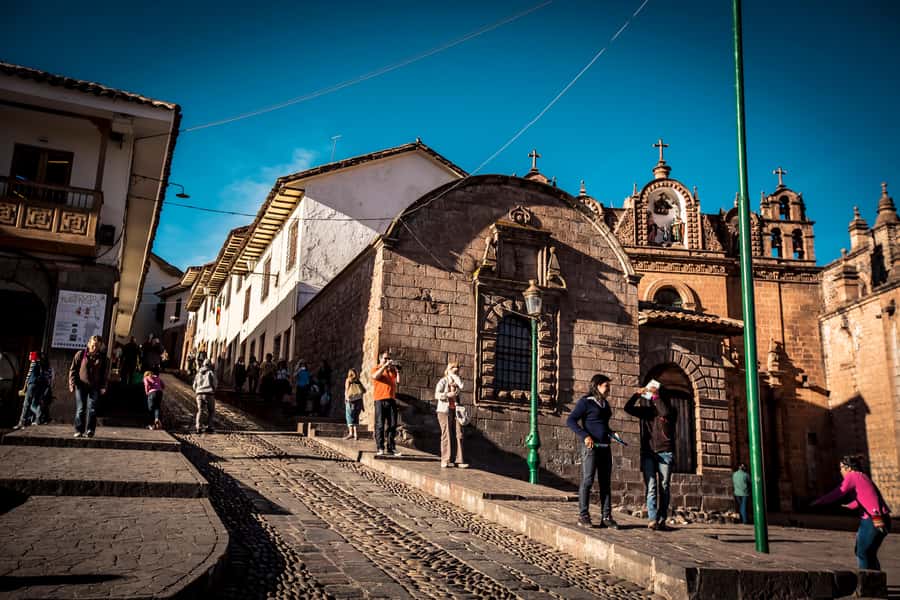
The guide is the key variable here. The sites are impressive, but the purpose of a guided visit is to connect them. Without explanation, you might see a temple, a church, a fortress, a ceremonial complex, and a red-walled ruin. With a good guide, the sequence becomes a story about Inca power, religion, Spanish conquest, and the organization of the area around Cusco.
Guiding is offered in English, Spanish, Portuguese, and French. Fred and Jose are two guide names associated with especially attentive service. Fred has been noted for taking time to explain and help, while Jose has been praised for making the visit well organized and engaging.
That does not guarantee which guide you will receive, so I would treat those names as useful possibilities rather than a promise. One booking also had a disagreement about what the tour included, though the guide helped resolve the problem. Confirming the admissions and meeting arrangements in advance is still the sensible move.
The tour’s rating is 4.6 from 14 ratings, which points to a generally strong experience but not a flawless one. The small number of ratings means I would not treat that number as a guarantee. One serious complaint described a tour that did not take place and a delayed refund, so keep your booking confirmation and pickup details handy.
Is $49 a good value?
At $49 per person, this is a fair price for a five-hour guided introduction, especially if you are staying in the Historic Center and want transport to the uphill sites. Pickup, drop-off, a professional guide, Coricancha admission, and Cathedral admission are included.
The cost looks different once you add the Cusco Tourist Ticket. The BTC is not included, and you need it to enter the four archaeological sites: Sacsayhuaman, Quenqo, Puka Pucara, and the other included archaeological stops covered by the ticket requirement. The exact ticket price is not provided here, so check the current rate before booking.
In practical terms, you are paying $49 for the transport, guide service, and two city admissions, then paying separately for the archaeological access. That can still be good value if you want one arranged route and clear explanations. It is less attractive if you already have transport, already hold the required ticket, and prefer to visit at your own pace.
Food, drinks, photos, personal expenses, and gratuity are not included. Bring your own water and budget for a tip if the guide provides good service.
Timing, comfort, and access
Five hours is a useful middle ground. The tour is not an all-day commitment, but it covers enough ground to give you a strong first look at Cusco. I would schedule it early in your stay so you can use the guide’s context during later visits.
Wear comfortable shoes and comfortable clothing. Sunscreen is specifically recommended, and the open-air archaeological sites make it sensible even on a cool day. Large bags and luggage are not allowed, and pets cannot join the tour.
The activity is not wheelchair accessible. It also does not accept unaccompanied minors, and children must travel with an adult. These rules matter because the route includes uphill archaeological sites and does not offer a stated accessibility adaptation.
Free cancellation is available up to 24 hours before the start time, and you can reserve now and pay later. Those terms help if your Cusco schedule is still shifting, though you should still check the exact start time when you select your date.
Who should book this Cusco tour?
I would recommend it to a first-time Cusco visitor who wants the main city monuments and nearby archaeological sites in one organized outing. It is especially useful if you are staying in the Historic Center, need hotel pickup, and want a guide to explain the links between Inca and colonial Cusco.
It also suits you if you have only half a day available. The route gives you more range than a city-only walk, with Sacsayhuaman providing the big architectural moment and Quenqo and Puka Pucara adding context.
I would hesitate if you want long, quiet visits at each site, have limited mobility, or dislike tours with several scheduled stops. You should also think twice if you have not budgeted for the BTC, since that extra ticket is required for the four archaeological sites.
Should you book it?
Book this tour if you want a structured first introduction to Cusco and value transport, a multilingual guide, and a broad set of sights over a slow, private visit. Coricancha, the Cathedral, Sacsayhuaman, Quenqo, and Puka Pucara make a sensible five-hour overview.
Before paying, confirm your hotel qualifies for Historic Center pickup and ask exactly how the Cusco Tourist Ticket will be handled. If you make those arrangements clear, the $49 base price offers a practical way to see the city’s most important nearby monuments without spending a full day away from Cusco.
FAQ
How long does the Cusco city and archaeological sites tour last?
The tour lasts five hours.
What sites are included in the route?
The route includes Coricancha, Cusco Cathedral, Sacsayhuaman, Quenqo, and Puka Pucara.
Is hotel pickup included?
Roundtrip pickup is included from hotels located in Cusco’s Historic Center.
Can I be picked up from an Airbnb?
Pickup from private residences and Airbnb properties is not included. You need to contact the local operator a few days before the tour to arrange a meeting point.
Is the Cusco Tourist Ticket included?
No. The Cusco Tourist Ticket, or BTC, is not included. You need it to visit the four archaeological sites.
Which admissions are included in the price?
Admission to Coricancha and Cusco Cathedral is included.
Which languages are available for the guide?
Live guiding is available in English, Spanish, Portuguese, and French.
What should I bring?
Bring comfortable shoes, sunscreen, and comfortable clothes. Food and drinks are not included.
Is the tour wheelchair accessible?
No. The activity is not suitable for wheelchair users. Children must also be accompanied by an adult, and unaccompanied minors are not allowed.
Just added around Cusco
- Waqrapukara 1 day trekking + meals★ 3.9 · 3 reviews
- Zipline over the Sacred Valley Trip★ 5.0 · 11 reviews
- Valle Sur Cusco | half day★ 4.3 · 3 reviews
- Visit to the Cochahuasi Animal Sanctuary with rescued animal★ 4.1 · 4 reviews
- Visit Pisac from Cusco: Private Transport★ 4.6 · 9 reviews
- Maras and Huaypo lagoon by ATV from Cuzco | Local Operator★ 4.7 · 4 reviews
- Trek to Humantay Lake from Cusco★ 4.9 · 8 reviews
- Trek to Choquequirao 4 days★ 3.8 · 4 reviews
City Tours, compared.
Half-Day City Tour with Sacsayhuaman and Q’enco
Read our review →
City Tour Cusco Qoricancha Sacsayhuaman y Tambomachay
Read our review →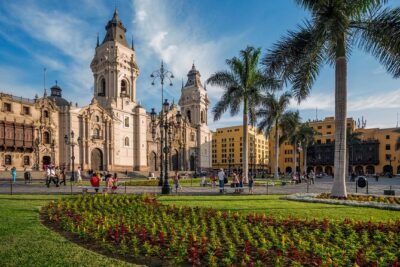
Lima’s Vibrant Heritage: Exploring the City’s Landmarks Half-day
Read our review →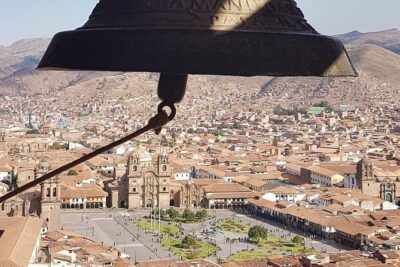
City Tour | Half-Day Tour to 4 Archaeological Sites
Read our review →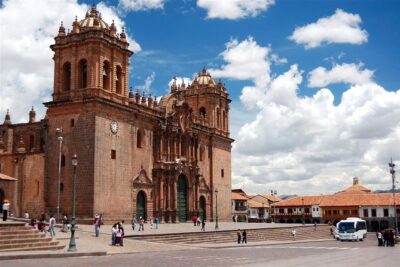
City Tour in Cusco & visit Museum South American Camelid Private.
Read our review →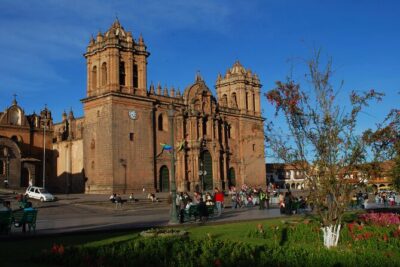
Cusco City Sightseeing, San Pedro Market, Cathedral and Qorikancha Temple
Read our review →
Browse the lists this tour appears in