
Reviewed · CITY TOURS
Cusco: City and Nearby Ruins 5-Hour Guided Tour
Cusco’s best introduction may be its most dramatic contrast: Inca stonework beneath Spanish churches, followed by enormous ruins on the hills above town. This five-hour tour gives you that story in one sweep, from Coricancha and the Cathedral to Sacsayhuaman, Qenqo, Tambomachay, and Puka Pukara.
I like the efficient mix of walking and minibus transport, and I like that the route includes both famous Sacsayhuaman and stranger, less polished Qenqo. The main caution is time. A textile shop stop has sometimes taken about 45 minutes, leaving the final ruins in fading light or darkness.
- Coricancha begins the story: See the former Sun Temple, one of Cusco’s most important Inca ceremonial sites.
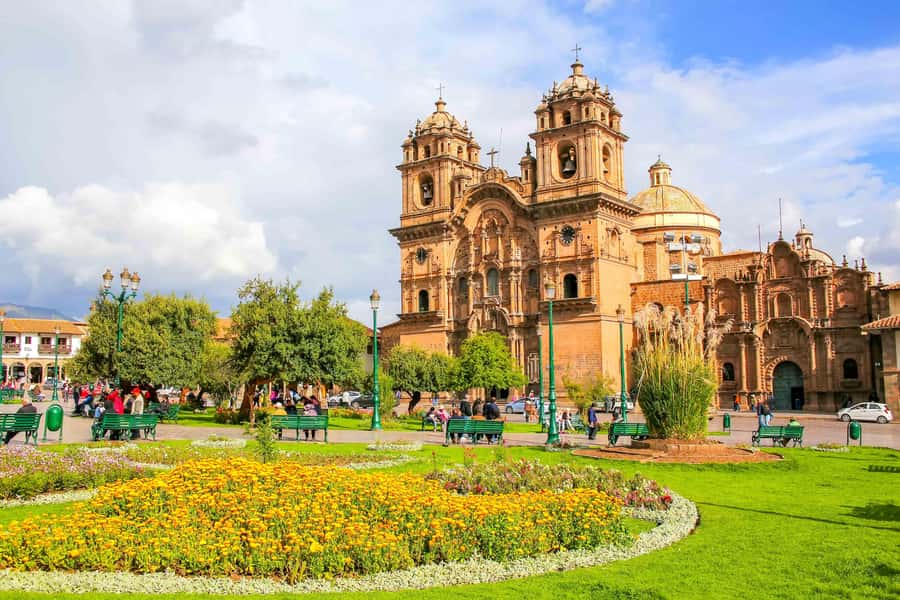
- The Plaza de Armas links two eras: Visit the Cathedral and learn how Spanish buildings were placed over Inca foundations.
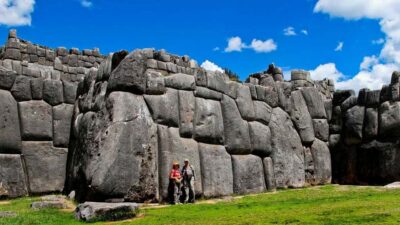
- Sacsayhuaman uses giant stones: Walk through walls made from blocks weighing up to 180 tons.
- Qenqo is the unusual stop: Look for carved stone spaces and subterranean passages tied to burial rites.
- The final three sites require transport: Tambomachay, Puka Pukara, and Sacsayhuaman sit outside central Cusco.
- The price is attractive, with a catch: The $22 fare covers the guide and transport, but not entrance tickets.
In This Review
- A Five-Hour Route Through Cusco’s Two Great Civilizations
- Coricancha: Inca Gold Beneath a Colonial Church
- The Plaza de Armas and Cusco Cathedral
- Sacsayhuaman and the Problem of Scale
- Qenqo, a Stone Site With a Strange Interior
- Tambomachay and the Inca Baths
- Puka Pukara, the Lookout Above the Road
- The Textile Shop Stop and Why It Matters
- Guide Quality and Language Choice
- Pace, Transport, and Physical Demands
- Is $22 Good Value?
- Who Should Book This Cusco Tour?
- Final Verdict: Book It With Two Questions First
- FAQ
- How long is the Cusco city and ruins tour?
- What time does the tour begin?
- Where does pickup take place?
- Where does the tour end?
- Which sites are included?
- Is the Cathedral of Cusco included?
- Are entrance fees included in the $22 price?
- Is transportation included?
- What languages are available?
- Can I book a private tour?
- Are pets allowed?
- Can I cancel or change my booking?
A Five-Hour Route Through Cusco’s Two Great Civilizations
This tour works because Cusco is not just an Inca city and not just a Spanish colonial city. It is both at once, often in the same building.
Your early afternoon begins with pickup from accommodation in downtown Cusco. The route then moves through central sights on foot before using a small vehicle for the hilltop ruins north of town. That keeps you from spending your limited time on uphill roads, though the schedule can feel tight.
The standard route includes six major stops:
- Coricancha
- Plaza de Armas and the Cathedral
- Sacsayhuaman
- Qenqo
- Tambomachay
- Puka Pukara
The guide speaks English or Spanish, and you can book a private departure or a small group. That choice matters here. A small group keeps the price low, while a private tour gives you a better chance to control the pace and ask more questions.
The tour earns its low $22 price by leaving entrance fees out. That is not a deal breaker, but you should budget for those tickets separately. Buying admission locally is possible and has been easy for some participants, so you do not need to treat the listed price as the full cost.
Coricancha: Inca Gold Beneath a Colonial Church
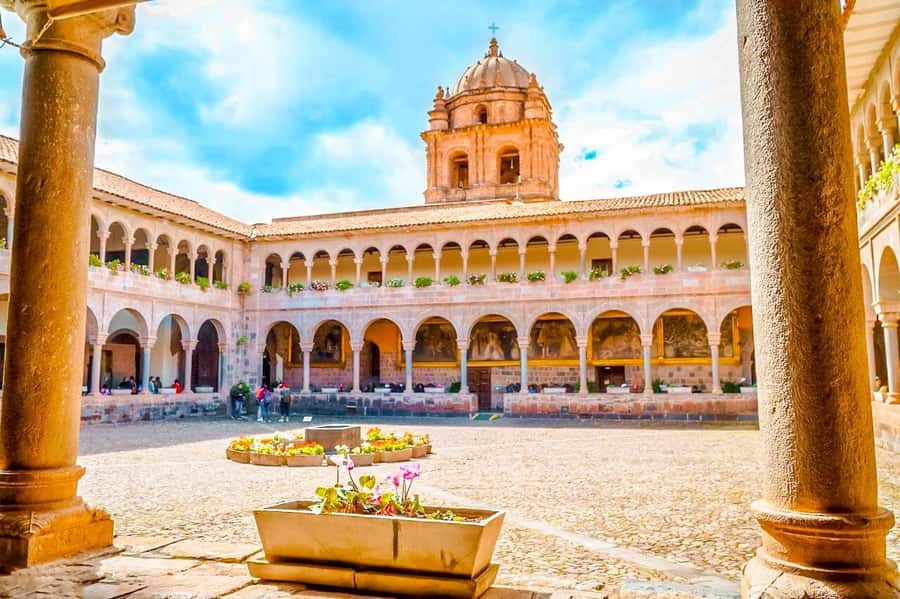
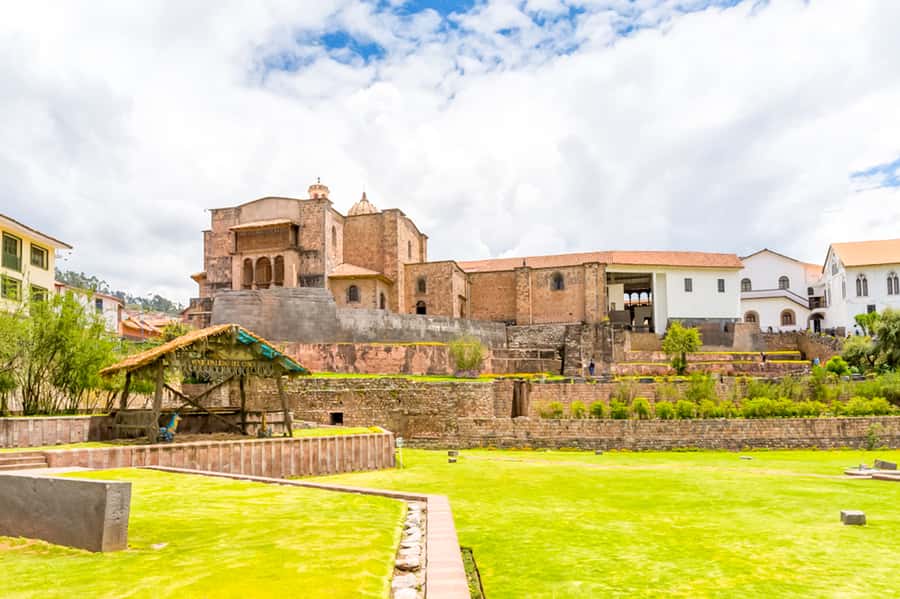
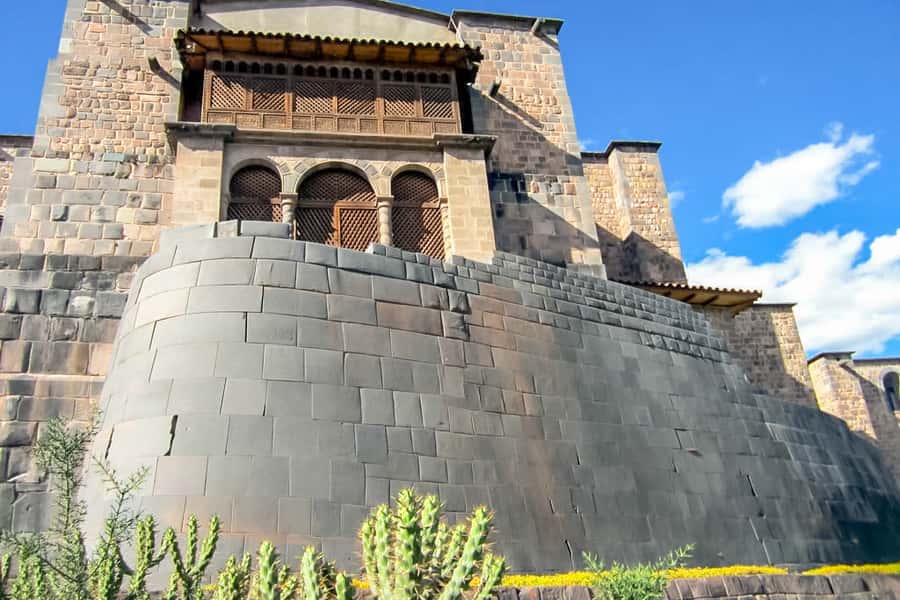
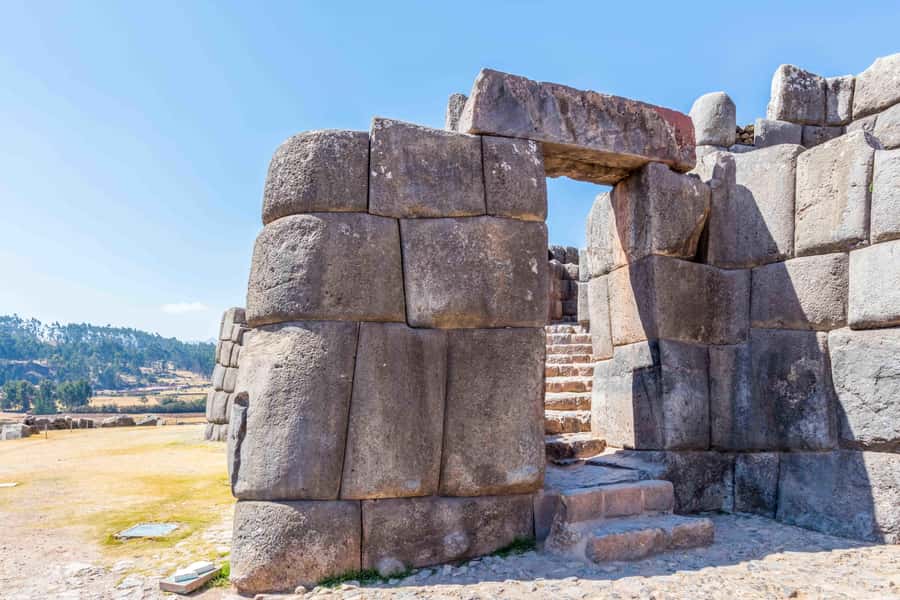
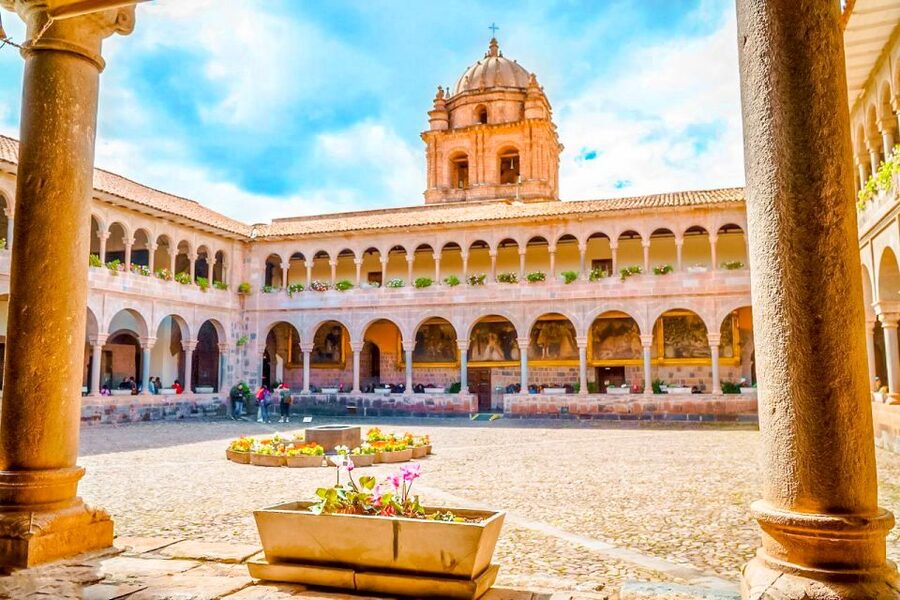
Coricancha is the right place to begin because it shows how central the Inca state made religion, astronomy, and royal power. The site was a ceremonial complex dedicated to the Sun, and its name is often translated as Golden Enclosure.
The Spanish construction above and around the temple makes the site especially useful for first-time visitors. You are not looking at an isolated ruin in a field. You are seeing Inca walls incorporated into the living city, with later buildings pressed against them.
Focus on the masonry. Inca builders shaped stones so tightly that the joints can seem drawn with a pencil. The clean lines and careful fitting are not decorative extras. They are the main message of the place: this was a center built to display control, skill, and power.
Your guide is important here. One guide named Peto was praised for bringing strong enthusiasm for Cusco and Inca culture, while another highly rated guide was noted for clear, detailed explanations. Those details point to the value of this tour: the stones are impressive on their own, but the story behind them makes the stop useful.
Do not expect a long, quiet museum visit. Five hours is enough for orientation and major sights, not for every room, artifact, and architectural detail. If Coricancha is your top priority, pay close attention here and ask questions early.
A few more Cusco trips to weigh up
- Machu Picchu: Inca Trail 2-Day Overnight Guided Tour
★ 4.9 · 203 reviews - Full Day Private Guided Tour in Machu Picchu
★ 5.0 · 115 reviews - Machu Picchu: Group Guided Tour
★ 4.7 · 102 reviews
The Plaza de Armas and Cusco Cathedral
From Coricancha, the tour continues to the Plaza de Armas, Cusco’s main square. This is where the city’s layered past becomes easy to read. Spanish colonial buildings surround a space that was also important under Inca rule.
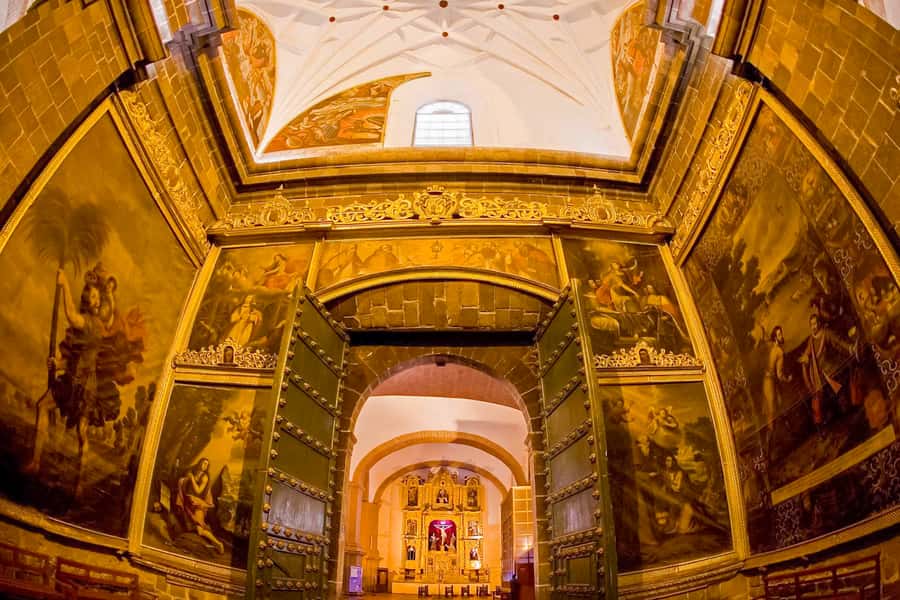
The Cathedral is the key interior visit on the usual afternoon route. Your guide explains how it was built over earlier Inca structures, giving you a clear example of conquest expressed through architecture.
Inside, expect grand colonial decoration and a very different visual language from the stonework at Coricancha. The contrast is the point. At Coricancha, the Inca achievement is expressed through precision masonry and sacred planning. In the Cathedral, Spanish religious power appears through a large church interior and its Catholic art.
A useful timing note: the Cathedral visit is not included on the morning version of the tour. The experience described here begins in the early afternoon, so confirm your exact departure and route if the Cathedral matters to you.
The Plaza de Armas stop is also one of the more manageable parts of the day. Two central sights can be reached on foot, while the outer ruins require the vehicle. That split gives the tour a sensible shape, at least when the schedule stays on track.
Sacsayhuaman and the Problem of Scale
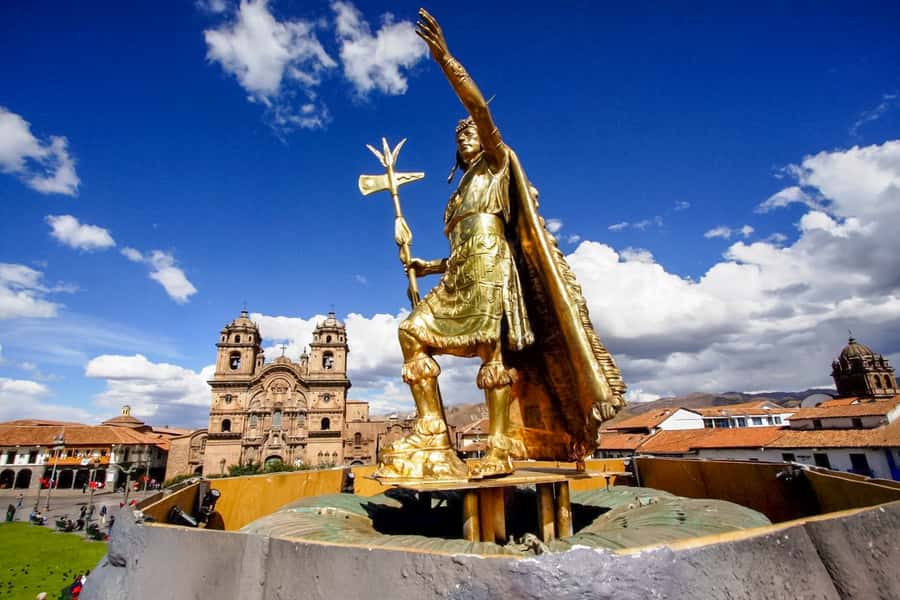
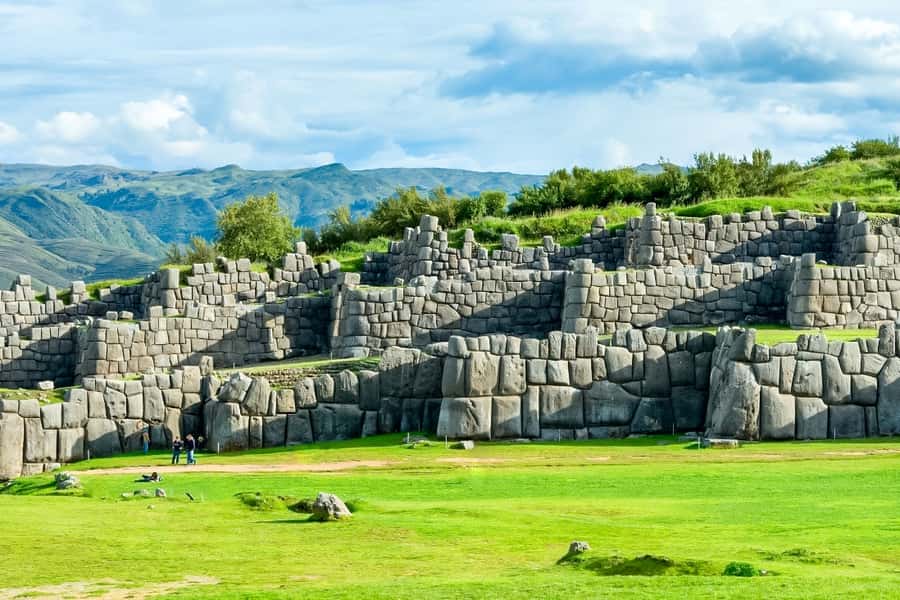
The drive to Sacsayhuaman takes you to one of the most memorable sites outside central Cusco. The complex is famous for huge zigzag walls made from massive stones fitted with remarkable precision.
Some blocks are described as weighing up to 180 tons. You do not need to remember the exact figure to understand the force of the place. Stand beside the walls and look at the scale of the individual stones, then look at the narrow joints between them. The construction is impressive because size and accuracy appear together.
The openings in the walls are part of the experience. Passing through them lets you see how the stonework was arranged, rather than viewing the walls only from a distance. Your guide can also help explain the site’s military and ceremonial roles, both of which matter when you are trying to understand why so much effort went into this hilltop complex.
Sacsayhuaman is often the emotional high point of the route. It gives you the clearest sense of the Inca ability to move, shape, and fit giant stones. It also offers broad views over Cusco, though the exact quality of those views depends on weather and light.
The drawback is that Sacsayhuaman needs time. If the group loses 45 minutes at a shop earlier in the route, this stop and the final sites may be rushed. For that reason, I would ask the guide at the start how much time is planned for each ruin.
Qenqo, a Stone Site With a Strange Interior
Qenqo is a different kind of stop. It does not impress through giant walls alone. Its appeal comes from carved stone, unusual passages, and the sense that important activity took place inside the rock.
The name is associated with zigzag forms. At Qenqo, you may see channels and carved surfaces that have led to different interpretations of the site. The tour description connects it with possible mummification, so this is a place where your guide’s explanation helps you separate likely ritual practice from speculation.
The subterranean passages are the feature to watch for. They give Qenqo a more enclosed, mysterious feel than the broad walls at Sacsayhuaman. Look carefully at the carved stone rather than rushing through to the next photo stop.
This is also where a tight schedule can hurt the experience. Qenqo rewards a few minutes of explanation, yet the site can feel brief if the group is behind time. One participant found the overall pace too fast and wanted more information at the ruins. That is a fair concern for anyone who prefers long visits and detailed archaeology.
Same valley, a completely different kind of day:
- Cusco: Humantay Lake Tour with Breakfast and Buffet Lunch
★ 4.9 · 2,976 reviews - From Cusco: Sacred Valley & Maras Salt Mines Tour with Lunch
★ 4.8 · 2,227 reviews - From Cusco: Moray, Maras Salt Mines & Chinchero Weavers Tour
★ 4.8 · 1,925 reviews - From Cusco: Full-Day Group Tour of Machu Picchu
★ 4.7 · 1,767 reviews
Tambomachay and the Inca Baths
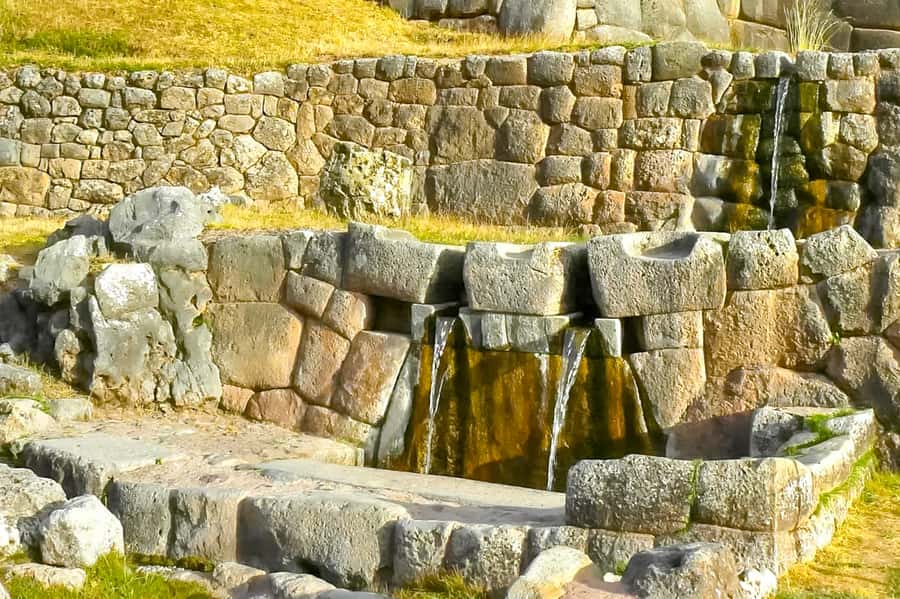
Tambomachay is known for its Inca baths and water channels. After the heavy masonry at Sacsayhuaman and the enclosed carvings at Qenqo, the waterworks offer a change of mood.
The site shows that Inca building was not only about walls and military strength. Water was also planned, directed, and used in ceremonial settings. Look for the relationship between the stone channels and the surrounding slopes.
You should keep expectations sensible. The tour does not promise an extended archaeological visit, and Tambomachay is one of three outer sites covered by the vehicle portion of the trip. You may get a useful explanation and a chance to inspect the stonework, but not a long period for independent wandering.
Light matters here. If an unplanned shopping stop delays the group, Tambomachay may be visited late in the day. Ask for the planned order of the final stops so you know what to expect.
Puka Pukara, the Lookout Above the Road
Puka Pukara is described as a military lookout point. Its position helps explain its purpose, since the site relates to movement along the route beyond Cusco.
Compared with Sacsayhuaman, Puka Pukara is less about giant stones and more about location. You are looking at a smaller defensive complex tied to the wider network around the Inca capital.
It is also the stop most vulnerable to poor timing. A late arrival can mean low light or darkness, which reduces what you can see and makes the visit feel like a quick final check rather than a proper stop. That does not make the site unimportant, but it makes the schedule a real part of the decision.
If you care most about the outer ruins, say so at the start. The guide may be able to explain the order and help the group use its remaining time well.
The Textile Shop Stop and Why It Matters
The biggest practical warning is the possible visit to a textile shop selling baby-alpaca clothing, gloves, and other items. A shopping stop is not listed among the historic sights, yet it has appeared during the route.
For some people, this can be useful. You may find higher-quality baby-alpaca goods in one place and get help avoiding poor-quality street items. For others, it feels like a sales presentation and an unnecessary interruption.
The problem is not only the shopping itself. A 45-minute stop can push the last two ruins into twilight or darkness. That changes the value of a tour that promises several archaeological sites.
I would handle this before departure. Ask clearly if a textile stop is planned and how long it will last. If you want to shop, use the time deliberately. If you do not, ask if you can wait nearby or if the group can keep the stop short. The answer may depend on the guide and group, but asking early gives you the best chance of avoiding a surprise.
Guide Quality and Language Choice
The guide can make or break this experience. The strongest feedback centers on clear explanations, strong organization, and real enthusiasm for Cusco and Inca culture. Peto was singled out as especially passionate, and another guide was praised for explaining Cusco’s story well.
There is also a clear language risk. One English-speaking participant found the tour was conducted in Spanish, while another English speaker said the guide often failed to translate because nearly everyone else in the group spoke Spanish.
That does not mean every bilingual departure will have this problem. It does mean you should confirm the language at pickup and speak up if the guide switches languages for too long. For a five-hour tour, missed explanations add up quickly.
A private group is the safer choice if language clarity and questions matter more than the lowest price. A small group is the better value if you can accept a shared pace and mixed-language setting.
Pace, Transport, and Physical Demands
The tour combines walking in central Cusco with minibus transport to the outer ruins. That is more practical than trying to cover every site on foot, especially in a city known for steep streets and high elevation.
Still, this is not a relaxed sightseeing loop. You will get in and out of the vehicle, walk through archaeological sites, and keep to a group schedule. The itinerary’s six stops leave little room for long pauses.
Wear shoes that feel secure on uneven stone and bring water. Those are sensible choices for any ruin route, though the provided details do not specify the exact walking distance or accessibility conditions.
Pickup is offered from accommodation in downtown Cusco. The tour ends back in downtown Cusco, which makes it easy to continue with dinner or an evening walk, provided the route has not run late.
Pets are not allowed. The activity is non-refundable, and confirmed tickets cannot be modified or exchanged, so check the date, language, pickup details, and group type before paying.
Is $22 Good Value?
At $22 per person, the tour is a strong low-cost way to cover central Cusco and the main nearby ruins in one afternoon. Transport and a professional guide are included, which matters because the outer sites are spread beyond the central square.
The price is not the full budget. Entrance fees are separate, and the tour may include a textile shop stop that is not part of the archaeological experience. If you want a fully private guide, the price may also be higher than the basic small-group rate.
I see the value in this tour as orientation. It gives you the city’s main themes, shows you the largest ruins, and helps you decide which sites deserve a longer return visit. It is less suitable if you want every stop examined slowly or if you dislike scheduled shopping.
Who Should Book This Cusco Tour?
I would choose this tour if you have limited time in Cusco and want a broad first look at both the city and the nearby ruins. It suits first-time visitors, budget-minded sightseers, and anyone who wants transportation handled rather than arranging separate trips to four outer sites.
It also works well if you enjoy seeing contrasts: Inca stonework beside Spanish colonial buildings, giant walls followed by carved underground spaces, and ceremonial waterworks near a military lookout.
I would hesitate if your main goal is detailed archaeology, quiet time at each site, or a completely shopping-free route. I would also think twice if you need guaranteed English interpretation and cannot confirm the language arrangement before departure.
Final Verdict: Book It With Two Questions First
This is a useful, affordable introduction to Cusco. Coricancha, the Cathedral, Sacsayhuaman, and Qenqo give you the strongest cultural and visual payoff, while Tambomachay and Puka Pukara round out the picture of the city’s surrounding Inca sites.
Book it if you value coverage and convenience. Before confirming, ask two direct questions: Will the tour definitely be guided in your chosen language, and will there be a textile shop stop? If the answers suit you, $22 plus entrance fees buys a lot of Cusco in five hours.
FAQ
How long is the Cusco city and ruins tour?
The tour lasts five hours.
What time does the tour begin?
It begins in the early afternoon. Exact starting times vary, so check availability for the date you want.
Where does pickup take place?
Pickup is provided from your accommodation in downtown Cusco.
Where does the tour end?
The tour ends back in downtown Cusco.
Which sites are included?
The route includes Coricancha, the Plaza de Armas, the Cathedral of Cusco on the afternoon route, Sacsayhuaman, Qenqo, Tambomachay, and Puka Pukara.
Is the Cathedral of Cusco included?
The Cathedral visit is included on the afternoon route described here. It is not included on the morning version of the tour.
Are entrance fees included in the $22 price?
No. Entrance fees are paid separately.
Is transportation included?
Yes. Transportation and a professional guide are included.
What languages are available?
Live guiding is available in English and Spanish.
Can I book a private tour?
Yes. Private and small-group options are available.
Are pets allowed?
No. Pets are not allowed.
Can I cancel or change my booking?
The activity is non-refundable, and confirmed tickets cannot be modified or exchanged.
Just added around Cusco
- Waqrapukara 1 day trekking + meals★ 3.9 · 3 reviews
- Zipline over the Sacred Valley Trip★ 5.0 · 11 reviews
- Valle Sur Cusco | half day★ 4.3 · 3 reviews
- Visit to the Cochahuasi Animal Sanctuary with rescued animal★ 4.1 · 4 reviews
- Visit Pisac from Cusco: Private Transport★ 4.6 · 9 reviews
- Maras and Huaypo lagoon by ATV from Cuzco | Local Operator★ 4.7 · 4 reviews
- Trek to Humantay Lake from Cusco★ 4.9 · 8 reviews
- Trek to Choquequirao 4 days★ 3.8 · 4 reviews
City Tours, compared.
Half-Day City Tour with Sacsayhuaman and Q’enco
Read our review →
City Tour Cusco Qoricancha Sacsayhuaman y Tambomachay
Read our review →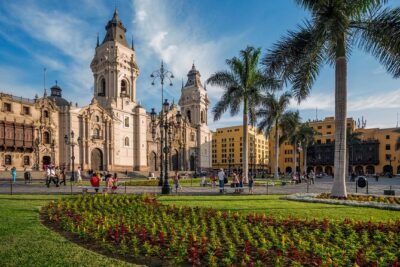
Lima’s Vibrant Heritage: Exploring the City’s Landmarks Half-day
Read our review →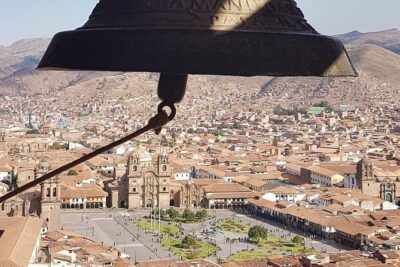
City Tour | Half-Day Tour to 4 Archaeological Sites
Read our review →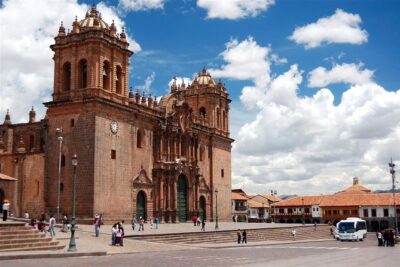
City Tour in Cusco & visit Museum South American Camelid Private.
Read our review →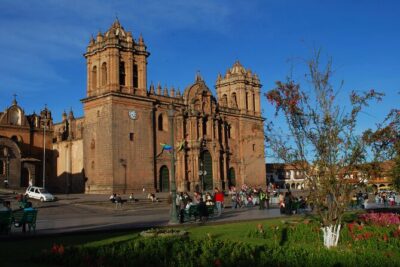
Cusco City Sightseeing, San Pedro Market, Cathedral and Qorikancha Temple
Read our review →
Browse the lists this tour appears in