
Reviewed · MACHU PICCHU TOURS
Cusco: 4-Day Salkantay Trek to Machu Picchu, Panoramic Train
The best part of this four-day Salkantay trek is the change in scenery. You begin among high Andean peaks and turquoise water, cross a cold mountain pass, then walk down through cloud forest before reaching Machu Picchu. It feels like several different Peru trips packed into one.
I like the small groups of up to 16 and the care built into the mountain days. You get a guide, cook, duffle transport, meals, snacks, water, and safety equipment, not just a path through the mountains. I also like the Pachamanca barbecue and coffee stop, which give the trek a local flavor beyond viewpoints and photo stops.
The main caution is the physical demand. Day two reaches 4,630 meters and includes a long descent, while day three combines hiking, transport, and a three-hour walk to Aguas Calientes. The second night’s Andean huts may also feel basic, and a warm shower can cost extra.
In This Review
- Key points to know before booking
- Why this Salkantay route is worth considering
- Day one: Humantay Lake and a night at SalkaGlamp
- Day two: The 4,630-meter Salkantay Pass
- Day three: Pachamanca, coffee, and the walk to Aguas Calientes
- Day four: Machu Picchu before the return train
- Lodging, meals, and what comfort means here
- How hard is this four-day trek?
- What to pack for the changing conditions
- Who should book this Salkantay experience?
- FAQ
- How long is the Salkantay trek to Machu Picchu?
- What is the highest point on the route?
- Where do I stay during the trek?
- Are meals included?
- Is the return train included?
- Can I visit Huayna Picchu or Machu Picchu Mountain?
- What languages do the guides speak?
- Should you book it?
Key points to know before booking
- 4,630-meter Salkantay Pass: Day two is the hardest section, with a two-hour climb followed by a long descent.
- Three very different sleeping styles: You spend one night in glamping tents, one in Andean huts, and one in a 3-star hotel.
- Food is part of the experience: Trail meals, a Pachamanca barbecue, and a hands-on coffee session are included.
- Small-group support: Groups are limited to 16, with English and Spanish guides, a chef, a satellite phone, oxygen, and a first-aid kit.
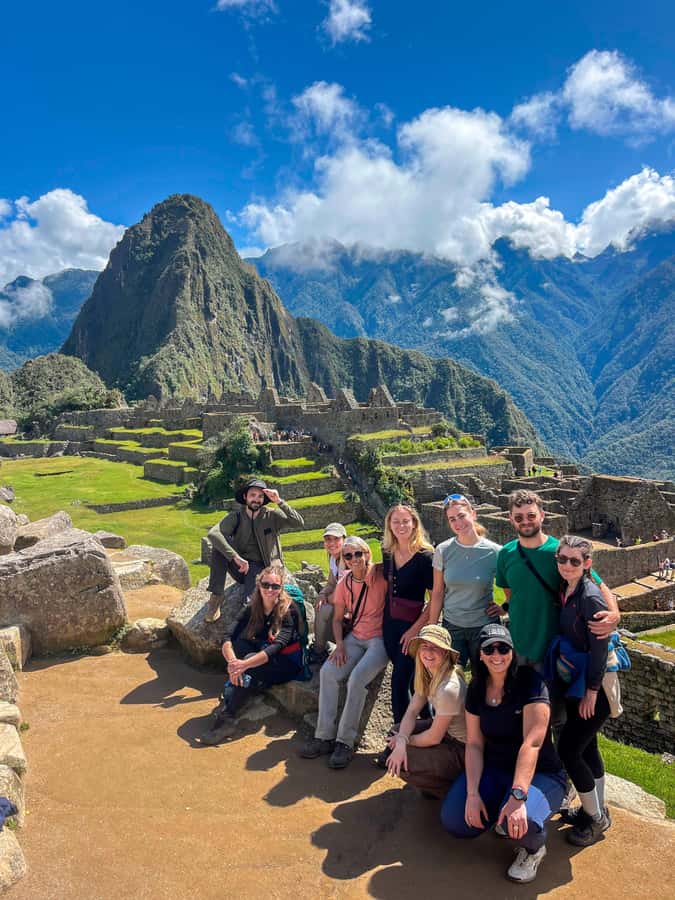
- Machu Picchu by early bus: You visit the citadel with a guide for about two to three hours, then return by Vistadome or 360° panoramic train.
- Plan for altitude and wet weather: Bring hiking shoes, rain gear, sun protection, warm clothes, and cash for extras.
Why this Salkantay route is worth considering
The Salkantay route is a strong alternative to a shorter approach to Machu Picchu because the journey itself is the main event. You are not simply transferred to Aguas Calientes and taken up to the ruins. You earn the arrival through high mountain country, rural communities, forest paths, and long walking days.
I especially like the route’s natural progression. Humantay Lake gives you a striking opening scene, the Salkantay Pass provides the physical challenge, and the descent into cloud forest changes the mood completely. By the time you reach Aguas Calientes, Machu Picchu feels like the final chapter rather than the entire reason for leaving Cusco.
At $552 per person, the price is not a budget trek, but it covers a great deal: transport from Cusco, trail meals, three nights of lodging, guides, entrance arrangements, a duffle bag allowance, and the return train. It also includes the Pachamanca and coffee activities, which many basic trekking packages do not offer.
You should still read the ticket details carefully before paying. The included section says entrance tickets for the trek and Machu Picchu are covered, while the exclusions say Machu Picchu tickets must be booked ahead. Ask the operator to confirm exactly which Machu Picchu circuit and ticket are included.
More machu picchu tours in Cusco:
- From Cusco: Full-Day Group Tour of Machu Picchu
★ 4.7 · 1,767 reviews - Machu Picchu Day Trip from Cusco
★ 4.5 · 1,644 reviews - Machu Picchu: Full-Day Tour from Cusco with Optional Lunch
★ 4.6 · 927 reviews
Day one: Humantay Lake and a night at SalkaGlamp
Your day begins early, with a 4:30 a.m. pickup from a hotel in Cusco’s historic center. That start is tough, especially after arriving in Peru, but it allows time for breakfast in Mollepata and a full first day on the trail.
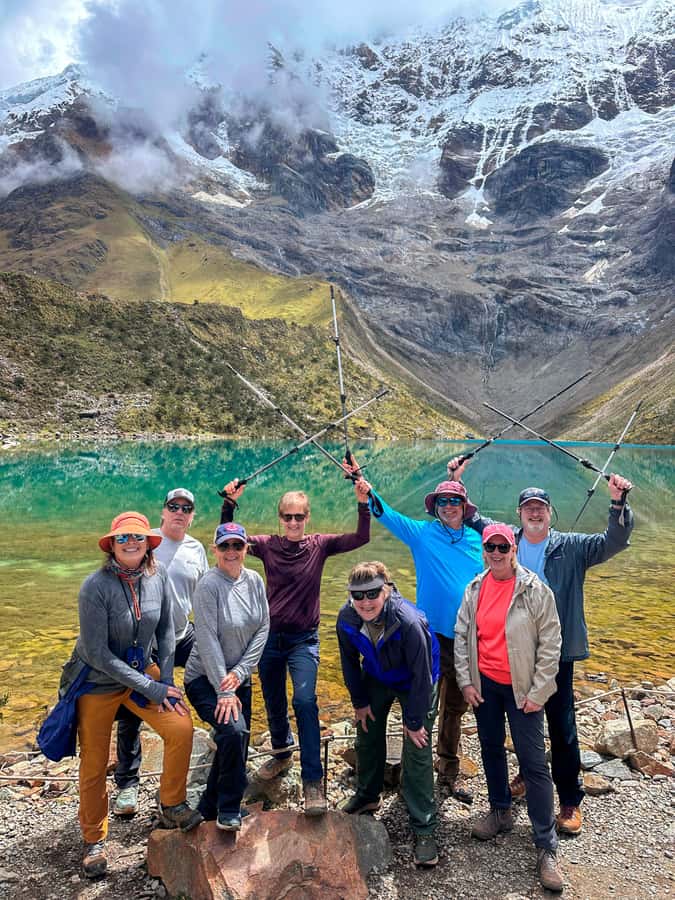
The drive passes through Andean valleys before reaching Challacancha, where the hike begins. The walk to Humantay Lake takes you toward a high mountain basin with turquoise water and views of the surrounding peaks. The lake is the first major reward, but it is also an early test of your legs and breathing.
After visiting the lake, you descend to Soraypampa for lunch. That descent matters because the morning climb can feel sharper than the distance suggests. Take your time, drink water, and use the walking poles if you rent them.
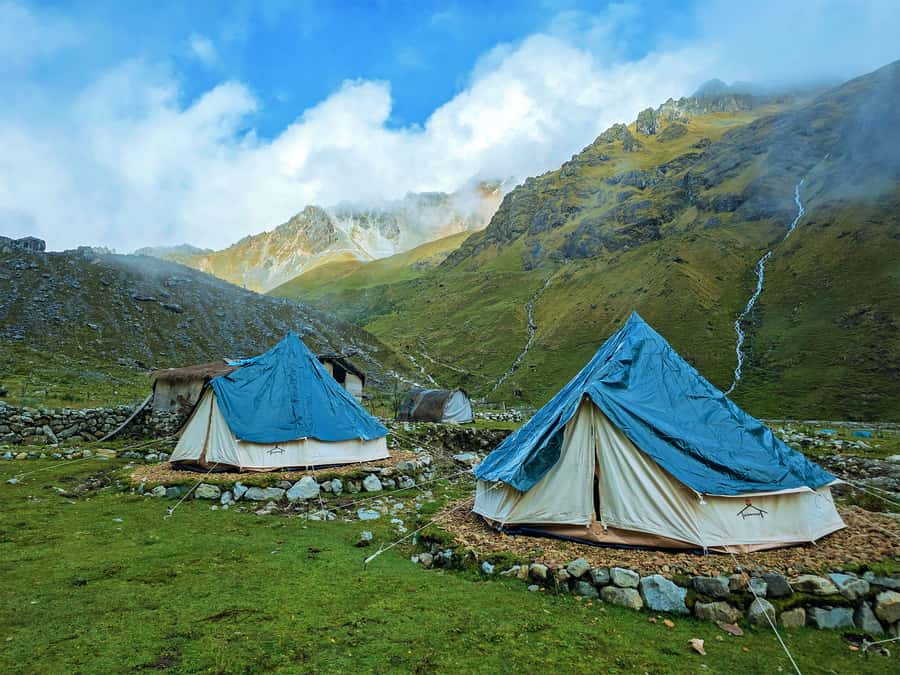
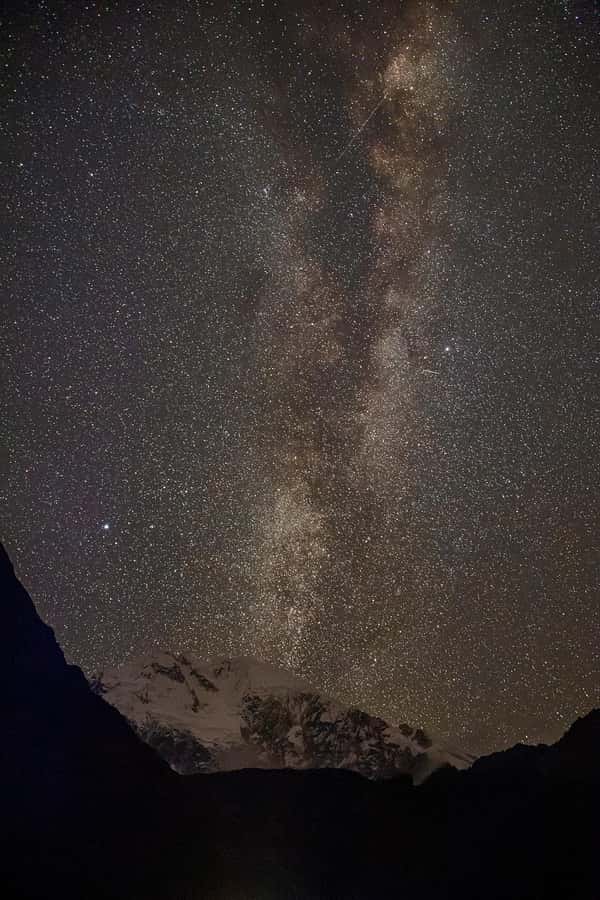
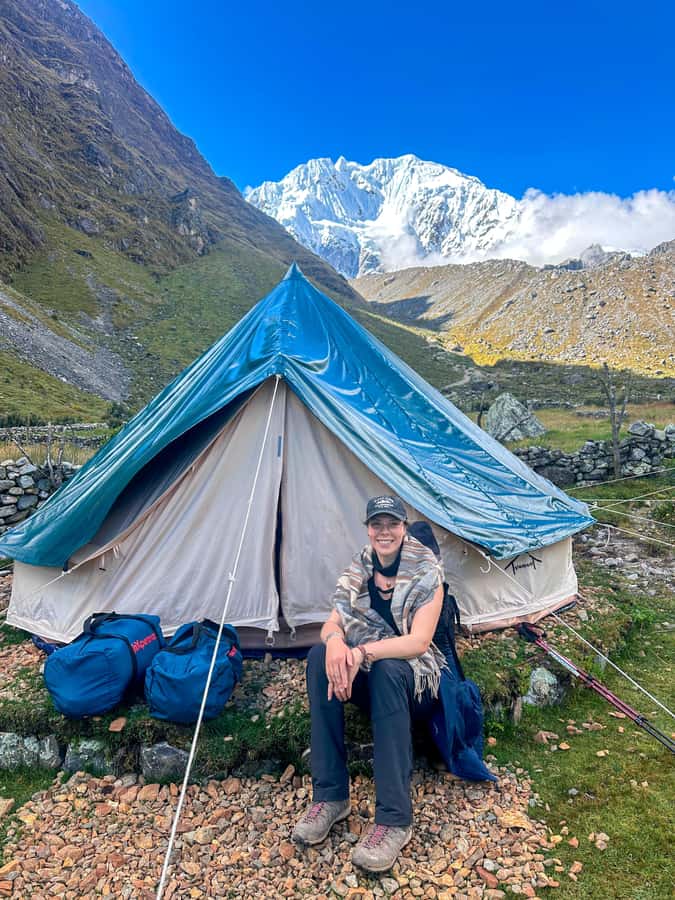
The route continues to the Salkantaypampa glamping camp. The tents are intended to provide more comfort than standard camping, with a sleeping pad, pillow, rain poncho, and hand towels supplied. Dinner is included, and the high mountain setting gives you a chance to see the stars if the weather is clear.
Do not expect a hotel room in the mountains. Glamping makes the night easier, but you are still sleeping outdoors in a cold, high-altitude setting. Pack warm layers where you can reach them quickly, rather than burying them in the duffle bag.
Day two: The 4,630-meter Salkantay Pass
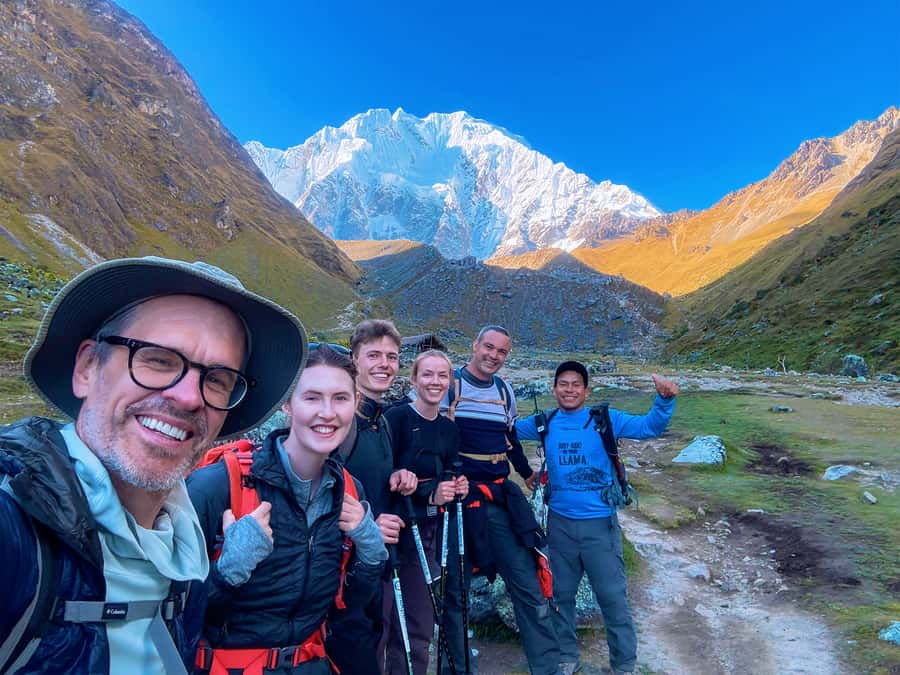
Day two is the physical centerpiece. Coffee or coca tea arrives at your tent before breakfast, a small but welcome touch on a cold morning. You then begin a roughly two-hour ascent to the Salkantay Pass.
At 4,630 meters, the pass is high enough to make pace more important than speed. You may feel short of breath even if you are fit. The best approach is a steady rhythm, regular water breaks, and honest communication with your guide.
At the top, you get views toward snow-covered peaks and the lake below Salkantay Mountain. This is the point where the effort feels worthwhile, but do not linger too long if the weather turns. Mountain conditions can change quickly, and the day still has many hours left.
The descent to Wayracmachay takes about three hours, followed by lunch. Downhill walking is easier on your lungs but can be harder on your knees. Good hiking shoes are important here, and trekking poles are worth renting if you normally use them on long descents.
After lunch, you continue for another three hours into cloud forest. The scenery shifts from stark high mountain terrain to flowers, orchids, and hummingbirds. That contrast is one of the route’s best features. You get a clear sense of how altitude shapes Peru’s plant and animal life within a single day.
The night is spent in Andean huts at Collpapampa. This is the least polished accommodation of the three nights. The huts and shared facilities can be basic, and warm showers may require an additional payment. If a private shower and hotel-style bathroom are essential to you, this is the point to adjust expectations.
Still, the location has a real advantage: you sleep surrounded by natural sounds after a demanding day. The camp is practical rather than luxurious, and the quality of this night may vary depending on the facilities in use.
Day three: Pachamanca, coffee, and the walk to Aguas Calientes
The third morning begins with breakfast and a three-hour hike to Lucmabamba. This section continues through the warmer forest, so insect repellent, sunscreen, and breathable clothing become more useful than the heavy layers needed near the pass.
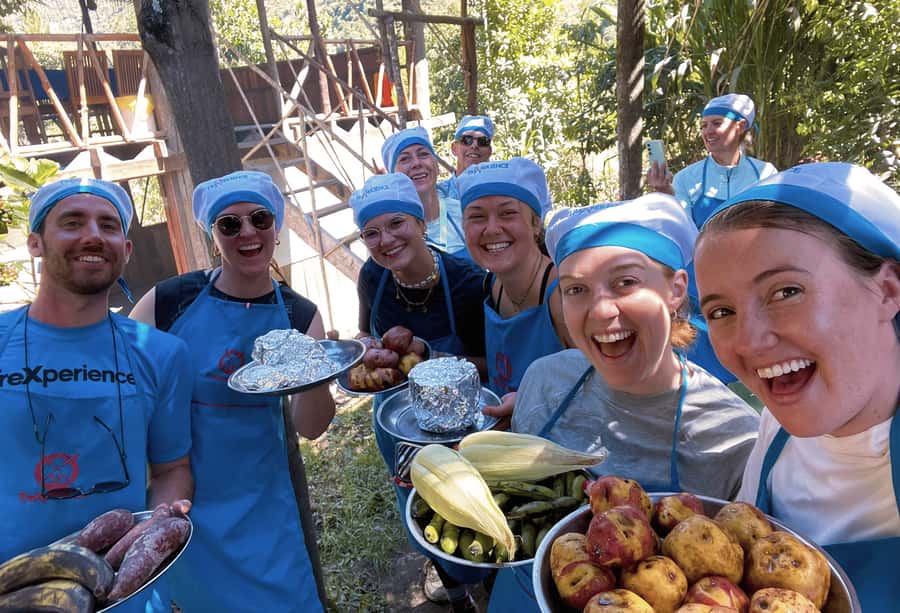
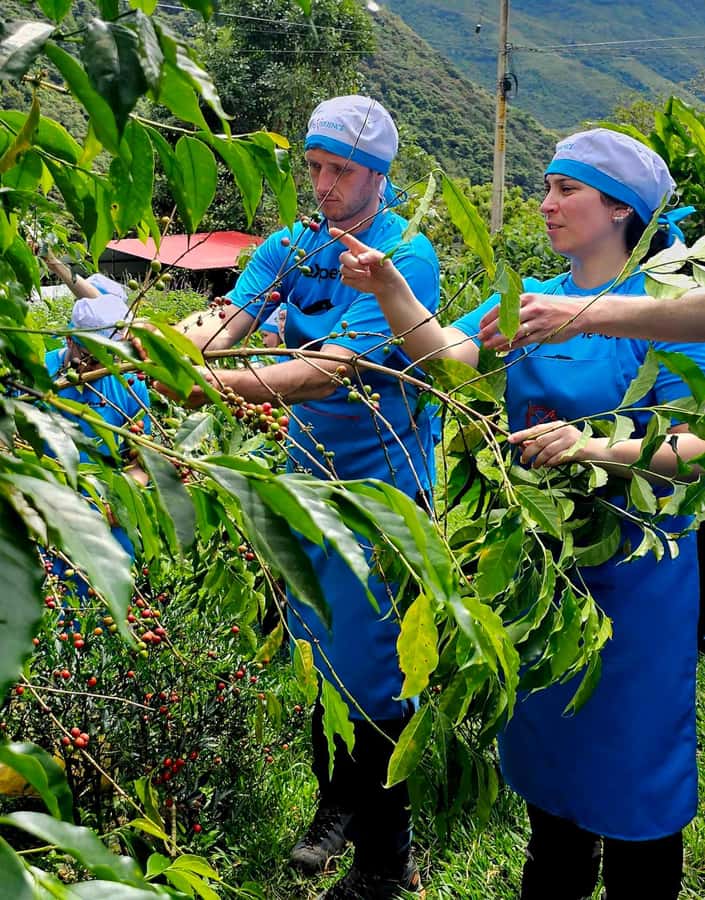
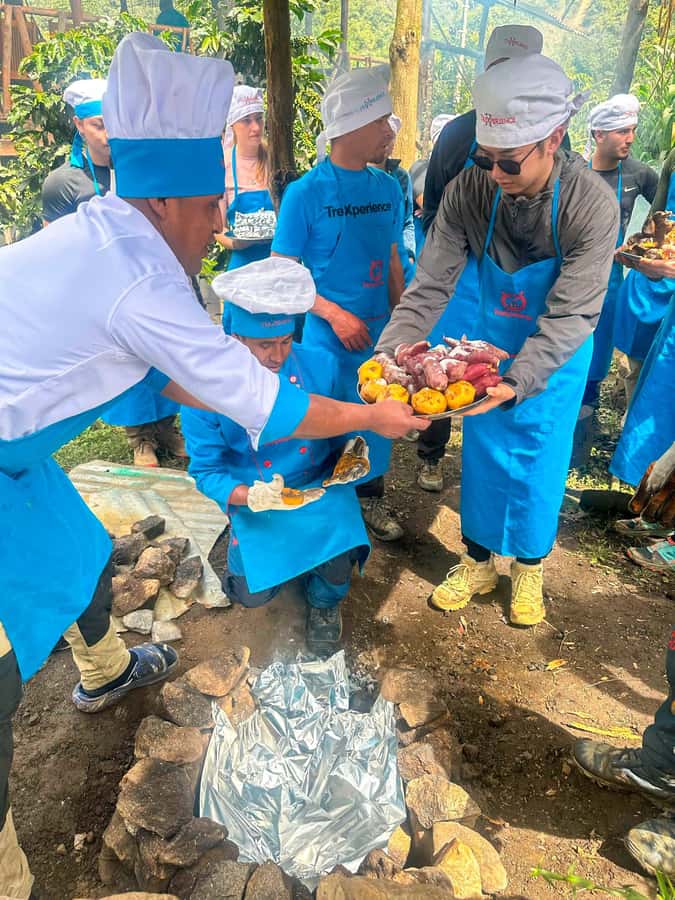
Lucmabamba is where the tour adds its most distinctive cultural activities. Pachamanca is a traditional Andean cooking method in which meat, vegetables, and fruits are cooked underground with hot stones. You take part in the meal and cooking process, rather than simply receiving another trail lunch.
That matters because food helps explain a place in a way a quick photo stop cannot. The barbecue also breaks up the long walking schedule and gives you time to enjoy the work of the cooking team. The trail kitchen receives especially strong praise for fresh, filling meals, with chefs such as Zenobio, Ismael, Felix, and Dionissios named by past groups. The specific chef on your departure will vary.
You also visit a local coffee farm and learn how beans become a cup of coffee. The experience includes preparing your own espresso. It is a small activity, but it adds variety after two hard days of walking and gives you a direct connection to local production.
After Lucmabamba, a vehicle takes you to Hidroelectrica. From there, you walk for about three hours to Aguas Calientes. This final stretch is not a short stroll. By this point, your legs may be tired, and the combination of road, rail-side walking, and accumulated mileage can make the approach feel long.
You finish at a 3-star hotel in Aguas Calientes, with dinner at a local restaurant. This hotel night is well timed. A real bed, breakfast, and a shower give you a better base for the early start to Machu Picchu.
More salkantay trek in Cusco:
- Salkantay Trek Challenge – 3 Days / 2 Nights
★ 5.0 · 101 reviews - Small Group 5 Days Salkantay and Machu Picchu by Llactapata Tour
★ 5.0 · 88 reviews - Machu Picchu: 5-Day Salkantay Trek with Panoramic Train
★ 5.0 · 79 reviews - Salkantay Trek 4 Days to Machu Picchu by Glamping Sky Lodge Dome
★ 5.0 · 68 reviews
Day four: Machu Picchu before the return train
You rise early for one of the first buses to Machu Picchu. The aim is to reach the citadel early, when the surrounding mountains may catch the first light. Sunrise is weather dependent, so treat it as a possibility rather than a promise.
Your guide leads a two to three-hour visit through the main areas of the site. Circuit 2 is the default route, but circuit 1 or 3 may be assigned if the standard option is sold out. These circuits control where you walk and what you can see, so confirm the arrangement before booking.
The guided portion is useful because Machu Picchu can otherwise become a series of stone walls and viewpoints without much explanation. Guides such as Alex, José, Filio, Roger, and William have led departures connected with this experience, though the guide on your trip may be different. Past groups have especially valued clear planning, Inca stories, patience with slower walkers, and support at the back of the group.
After the citadel, you return to Aguas Calientes for lunch, which is not included. Leave room in your budget and schedule for this meal. You then board either the Vistadome or 360° panoramic train for the journey back toward Cusco, where the team transfers you to your hotel.
The panoramic train is a pleasant finish after several days on foot. Large windows make the ride part of the sightseeing, and you avoid ending the trip with another long, ordinary transfer. Confirm the exact train assigned to your departure, since the description allows either option.
Lodging, meals, and what comfort means here
This is a comfort-minded trek, not a luxury trek. The first night’s glamping tent should feel more welcoming than a basic tent, and the final hotel night is a clear step up. The Collpapampa huts are the weak link, with shared facilities and possible charges for hot water.
The food plan is one of the strongest parts of the package. You receive three breakfasts, three lunches, and three dinners on the trail, plus water and daily snacks. Fresh cooking is valuable on a route with long climbs and descents, and the meals are designed to keep you moving rather than leave you relying on packaged food.
Tell the operator about dietary needs when you book. This is especially important on a remote trek, where replacing a meal at the last minute may be difficult.
A duffle bag is provided for up to 7 kilograms, or 11 pounds, of personal belongings. Your main suitcase does not belong on the trail. Pack a small day bag for water, rain gear, sunscreen, snacks, camera equipment, and clothing you need during the day.
How hard is this four-day trek?
The route suits people who are comfortable with long mountain walks, not just people who enjoy sightseeing. The highest point is 4,630 meters, and day two includes roughly two hours uphill, three hours downhill, then three more hours through the forest. Day three adds a three-hour walk after transport.
Altitude is the key concern. You should take the safety briefing seriously and tell the guide immediately if you feel unwell. The team carries a satellite phone, first-aid kit, and oxygen tank, but these supplies are safety measures, not a way to make the route easy.
The tour is not suitable for pregnant people, wheelchair users, or people with mobility, heart, or back problems. Children must be accompanied by a responsible adult, and unaccompanied minors are not accepted.
What to pack for the changing conditions
The route moves from cold high altitude to warmer forest and then back to a cool early morning at Machu Picchu. Pack layers rather than one bulky coat. Rain gear is essential, even when the forecast looks friendly.
Bring your passport, hiking shoes, comfortable clothes, hiking pants, sun hat, sunglasses, sunscreen, insect repellent, toiletries, hand sanitizer or tissues, a flashlight, and cash. A camera is welcome, but protect it from rain.
A sleeping bag, air mattress, and trekking poles are available to rent. The supplied pillow and sleeping pad reduce what you need to carry, but you should still ask about the exact rental cost before departure.
The tour does not allow weapons or sharp objects, smoking, alcohol, drugs, littering, feeding animals, or making fires. These rules are sensible on a remote trail and help protect both the group and the mountain environment.
Who should book this Salkantay experience?
I would choose this trip if you want Machu Picchu paired with a serious trek, local food, and a small group. It is particularly good for someone who values a strong support crew. Guides and assistant guides help set the pace, while the cook handles substantial meals and the operator manages transfers and luggage.
It also suits first-time overseas trekkers who want structure. You receive a safety briefing the day before, hotel pickup, a guide, meals, equipment support, and transport at each major transition. That removes much of the guesswork.
I would hesitate if you want a relaxed holiday, dislike early mornings, or need consistent hotel comfort. The second day is demanding, the fourth morning starts early, and the Collpapampa accommodation is basic. The activity is non-refundable, so make sure your health, schedule, and ticket details are settled first.
FAQ
How long is the Salkantay trek to Machu Picchu?
The experience lasts four days and includes the trek, Machu Picchu visit, and return journey to Cusco.
What is the highest point on the route?
The Salkantay Pass reaches 4,630 meters, or 15,190 feet, above sea level.
Where do I stay during the trek?
You spend one night in a glamping tent at Salkantay Camp, one night in Andean huts at Collpapampa, and one night in a 3-star hotel in Aguas Calientes.
Are meals included?
Three breakfasts, three lunches, and three dinners on the trail are included, along with water and daily snacks. Lunch in Aguas Calientes on the final day is not included.
Is the return train included?
Yes. The return to Cusco is by either the Vistadome or 360° panoramic train, followed by a transfer to your hotel.
Can I visit Huayna Picchu or Machu Picchu Mountain?
Optional tickets for Huayna Picchu or Machu Picchu Mountain are available with advance booking. They are not part of the standard arrangement.
What languages do the guides speak?
The guides speak English or Spanish. Groups are limited to 16 participants.
Should you book it?
Book this Salkantay trek if you want a full, active route to Machu Picchu with strong food, helpful mountain support, and more cultural variety than a simple ruins visit. The Humantay Lake, high pass, cloud forest, Pachamanca meal, coffee session, and panoramic train give the four days a pleasing range.
Skip it if you need soft beds every night or prefer a slower pace. Before paying, confirm the Machu Picchu ticket and circuit, ask about the hot shower charge, and check the exact train and rental costs. If those details suit you, $552 is a solid price for a demanding but well-supported way to reach Machu Picchu.
More Train Experiences in Cusco
- Cusco: Machu Picchu 2-Day Inca Trail with Panoramic Train
★ 4.9 · 260 reviews - The First Class Machu Picchu Train by Inca Rail
★ 4.0 · 182 reviews - From Cusco: 1-day Machu Picchu Tour by Train
★ 4.6 · 138 reviews - 2-Day Machu Picchu Tour by train from Cusco ( All included )
★ 5.0 · 85 reviews
More Hiking & Trekking in Cusco
- From Cusco: 7 Lakes Ausangate Trek with Breakfast and Lunch
★ 4.8 · 360 reviews - Cusco: Rainbow Mountain Tour and Red Valley Hike (Optional)
★ 4.7 · 149 reviews - Cusco: Full-Day Rainbow Mountain & Red Valley Trekking Tour
★ 4.5 · 121 reviews - From Cusco: Rainbow Mountain Trek
★ 4.5 · 98 reviews
Just added around Cusco
- Waqrapukara 1 day trekking + meals★ 3.9 · 3 reviews
- Zipline over the Sacred Valley Trip★ 5.0 · 11 reviews
- Valle Sur Cusco | half day★ 4.3 · 3 reviews
- Visit to the Cochahuasi Animal Sanctuary with rescued animal★ 4.1 · 4 reviews
- Visit Pisac from Cusco: Private Transport★ 4.6 · 9 reviews
- Maras and Huaypo lagoon by ATV from Cuzco | Local Operator★ 4.7 · 4 reviews
- Trek to Humantay Lake from Cusco★ 4.9 · 8 reviews
- Trek to Choquequirao 4 days★ 3.8 · 4 reviews
Machu Picchu Tours, compared.



4-Day Inca Trail to Machu Picchu with Accommodation
Read our review →
2-Day Trip to the Sacred Valley and Machu Picchu
Read our review →
Machu Picchu 2-Day Inca Trail with Panoramic Train
Read our review →
Browse the lists this tour appears in