
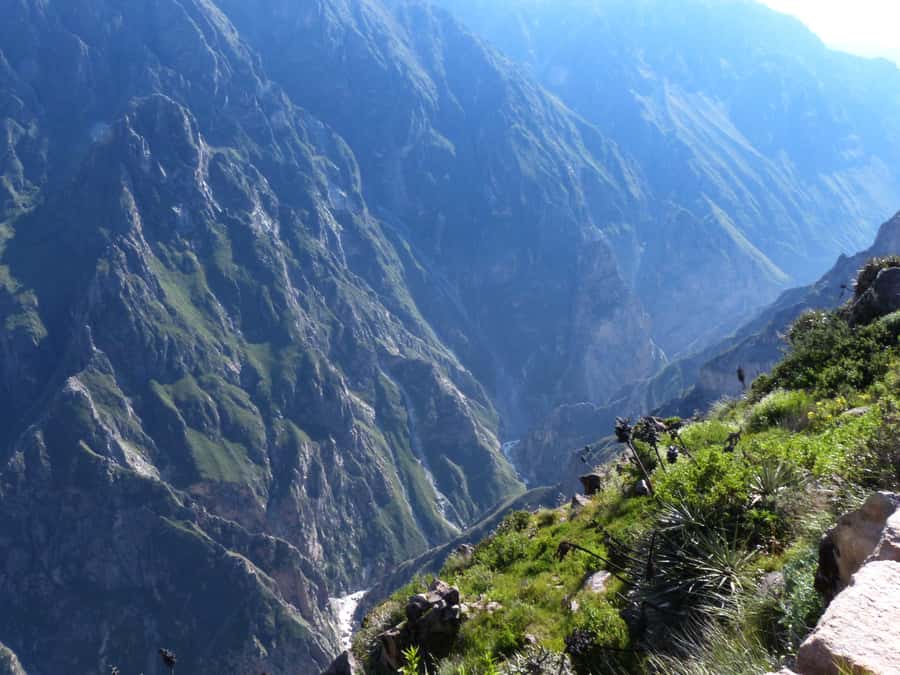
Reviewed · COLCA CANYON TOURS
Colca Canyon Day Trip: From Arequipa to Puno
The best part of this long day is that it links Colca Canyon with your onward trip to Puno, saving you from returning to Arequipa. You see condors at Cruz del Cóndor, colonial villages, Inca-era terraces, hot springs, vicuñas, alpacas, llamas, and high Andean lagoons in one sweeping route. I especially like the excellent transport from Colca to Puno and the chance to use the day as a practical transfer.
I also like the variety: this is not just a viewpoint stop, but a mix of wildlife, village visits, thermal pools, and mountain scenery. The tradeoff is serious: pickup begins around 2:30 to 3:00 AM, the day lasts about 16 hours, and guide punctuality has not always been perfect. One June 2025 booking recorded a guide arriving an hour late, so keep your morning flexible.
In This Review
- Key points to know before booking
- Why this Arequipa to Puno route works
- The 2:30 AM start and the road through Yura
- Cruz del Cóndor and the scale of Colca
- Pinchollo, Maca, and Yanque
- Antahuilque and Choquetico viewpoints
- Chacapi hot springs at 11:30 AM
- Lunch in Chivay and the vehicle change
- The 4,910-meter volcano viewpoint
- Tocrapampa wetlands and the camelids of Pampa Cañahuas
- Arriving in Puno around 7 PM
- What the $80 includes, and what it does not
- Who should book this day trip?
- Should you book it?
- FAQ
- How long does the Colca Canyon to Puno tour last?
- What languages does the guide speak?
- Is hotel pickup included?
- Is breakfast included?
- Is lunch included?
- How much are the Colca Canyon entrance fees?
- Are the Chacapi hot springs included?
Key points to know before booking
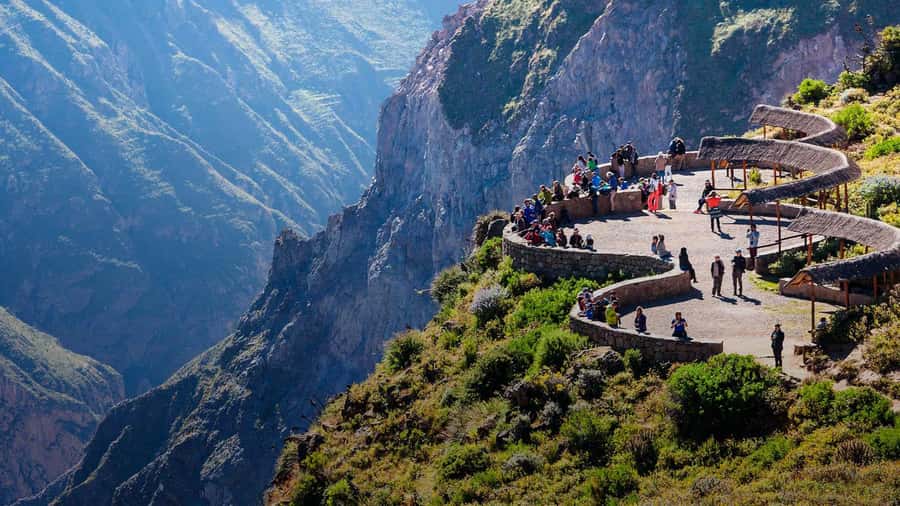
- Cruz del Cóndor comes first: You reach the main canyon viewpoint around 8:30 AM, when the condor sanctuary is the day’s central sight.
- The route doubles as a transfer: After Colca, a tourist vehicle takes you onward to Puno, arriving around 7 PM.
- Hot springs are optional: Chacapi costs S/. 15.00, giving you a warm-pool break with views of the canyon area.
- High-altitude stops matter: The volcano viewpoint reaches 4,910 meters, followed by wetlands, vicuñas, and lagoons.
- The $80 price has limits: Transport, hotel pickup, guide, and breakfast are included, but lunch and entrance fees are extra.
- It is a demanding day: A very early start, multiple stops, and a late arrival suit efficient planners more than slow-paced sightseers.
Why this Arequipa to Puno route works
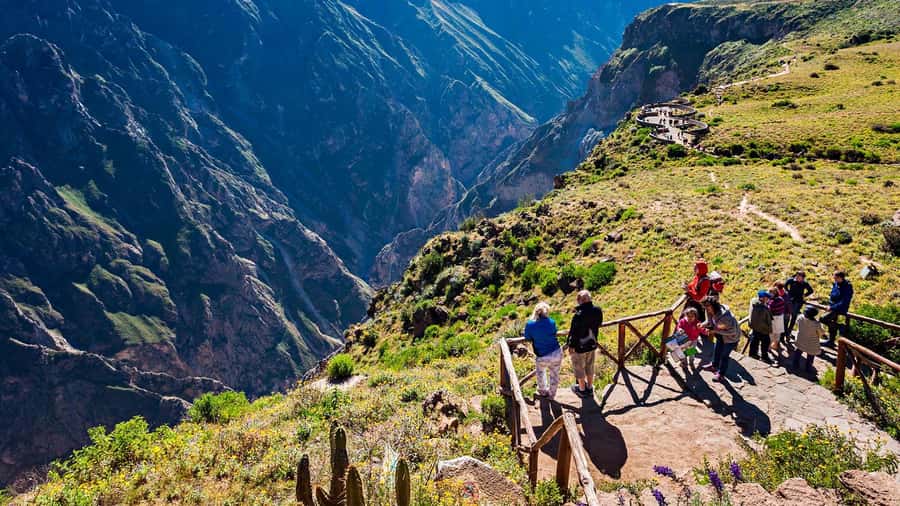
Colca Canyon is often treated as a side trip from Arequipa, but this excursion uses it as part of a one-way journey. That is the smart feature. Instead of sightseeing in Colca and then retracing the road to Arequipa, you continue toward Puno after lunch.
At $80 per person, the value depends on how you use the day. If you need to travel from Arequipa to Puno anyway, the tour combines transport, sightseeing, breakfast, and a guide in one booking. You still pay for the canyon entrance, lunch, and possibly the hot springs, but the route can save you the time and cost of arranging separate transport and a Colca visit.
You should also understand what this is not. It is not a relaxed canyon stay, a small walking tour, or a full Lake Titicaca excursion. The advertised finish is arrival in Puno, with Lake Titicaca available as your next stop. The day is about seeing Colca on the way there.
More colca canyon tours in Chivay:
- 2-Day Tour Colca Canyon in Arequipa with end in Puno
★ 4.6 · 248 reviews - Turist Bus Colca Canyon (Chivay) To Puno
★ 5.0 · 83 reviews - From Puno to Arequipa: 2 Days/1 Night Colca Canyon Tour
★ 3.6 · 83 reviews
The 2:30 AM start and the road through Yura
Your day begins with hotel pickup in Arequipa between about 2:30 and 3:00 AM. Several pickups may be coordinated, so your exact departure time depends on your hotel and the morning schedule.
That early start is tiring, but it serves a purpose. The route goes directly toward Cruz del Cóndor, with breakfast as the main stop before the viewpoint. You do not spend the morning on a long chain of minor roadside pauses.
One practical concern is communication at pickup. A June 2025 booking reported that the guide arrived an hour late, and another booking found that a clearer meeting point in the plaza would have helped. I would confirm the exact pickup location and time before bed, then avoid scheduling anything tight before departure.
The first road section takes you through Yura and toward the Colca area. The supplied schedule does not give a precise breakfast location or menu, so treat breakfast as a simple included meal rather than planning around a particular dish.
Cruz del Cóndor and the scale of Colca
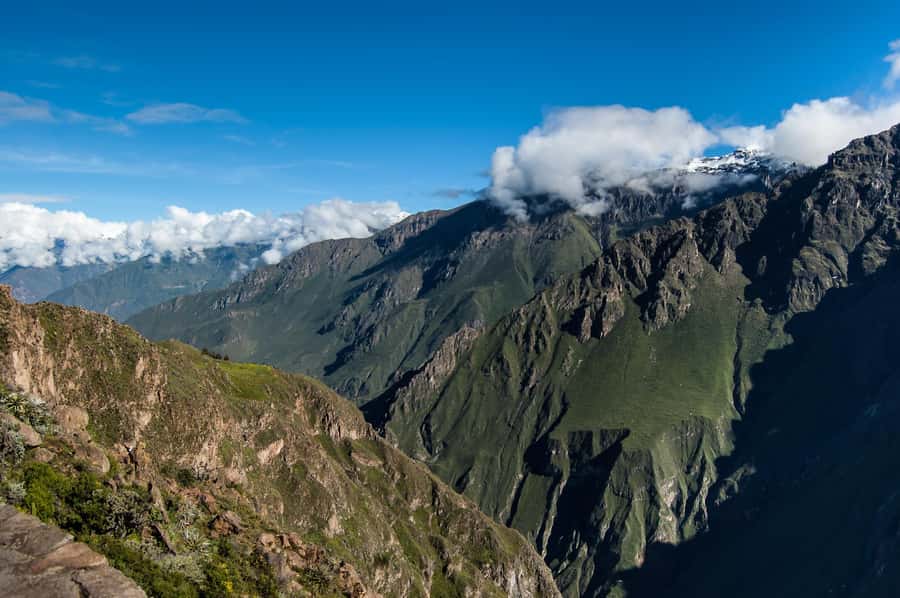
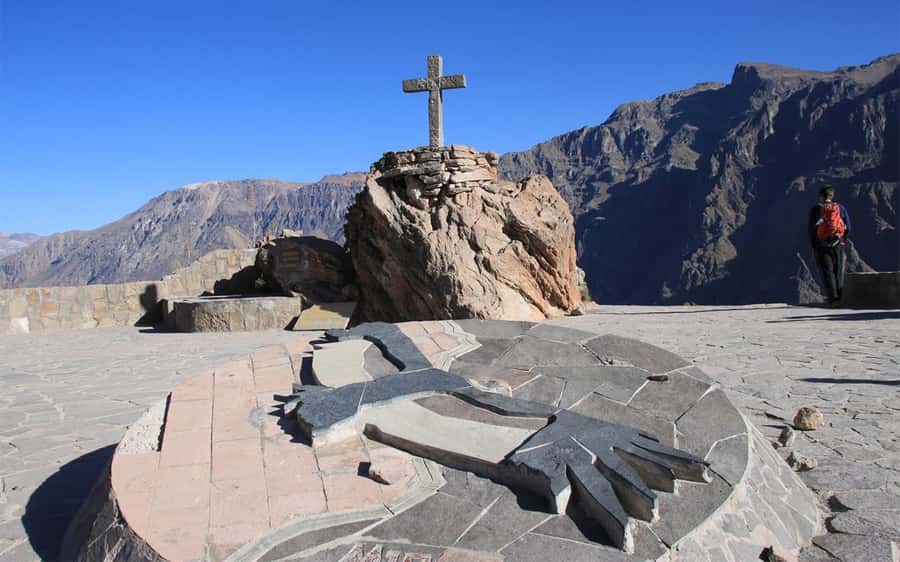
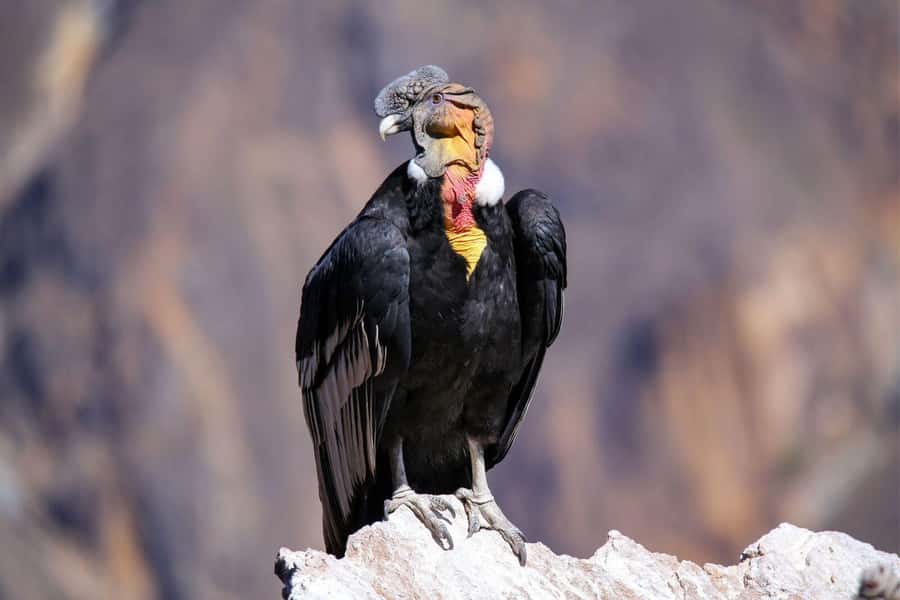
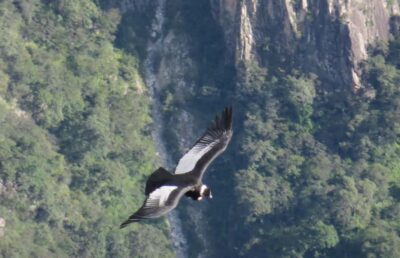
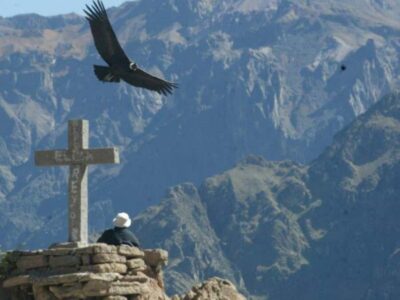
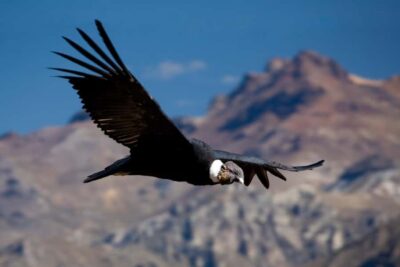
Around 8:30 AM, you reach Cruz del Cóndor. This is the main event of the morning, and the stop combines two strong sights: the immense cut of Colca Canyon and the chance to watch Andean condors near their sanctuary.
The canyon is described as one of the deepest in the world, but the useful point for you is visual scale. From the viewpoint, the canyon opens below while the condors use the rising air around the cliffs. Seeing them is never something a guide can guarantee, but the stop is designed around this possibility.
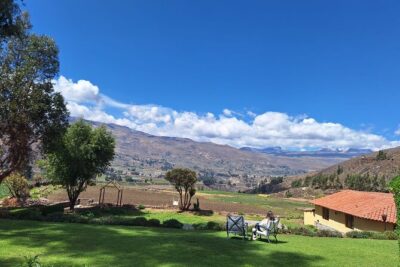
Allow yourself to look beyond the birds. Colca is also a place of terraces, steep walls, and high mountain country shaped by farming and old settlement patterns. The viewpoint gives you the broad picture before the tour shifts to smaller villages and roadside sights.
The visit is relatively early in the itinerary, which helps keep the rest of the day moving. It also means you should not expect a long hike into the canyon. The provided schedule describes a viewpoint visit, not a trek.
Pinchollo, Maca, and Yanque
On the return route, the tour stops in Pinchollo, Maca, and Yanque. These towns add a human scale to the morning after the wide view at Cruz del Cóndor.
The stops feature colonial churches, traditional clothing, camelids, and trained birds. The churches are part of the visual character of the Colca villages, while the clothing and animal displays bring local customs into the tour. You may find these stops more interesting if you enjoy short cultural visits rather than spending every minute at major viewpoints.
The schedule does not state how long you spend in each town, so expect brief visits rather than extended independent exploration. That can feel rushed if you want time to walk through a village, but it makes sense on a route that must reach Chivay, the hot springs, and then Puno before evening.
A local drink called Colca Sour, made with sancayo, is also part of the day’s tasting element. This is a small detail, but it gives the tour a regional flavor instead of making the canyon feel like a string of generic photo stops.
A few more Chivay trips to weigh up
- From Arequipa: One Day Trip to Colca Canyon Ending in Puno
★ 4.0 · 14 reviews - Offer Price: Colca Canyon One Day in Arequipa with Breakfast
★ 4.5 · 4 reviews - Full Day Trip to Colca Canyon from Arequipa ending in Puno
★ 4.5 · 4 reviews - From Arequipa: Colca Canyon and Condor Watching Day Trip
★ 3.7 · 3 reviews
Antahuilque and Choquetico viewpoints
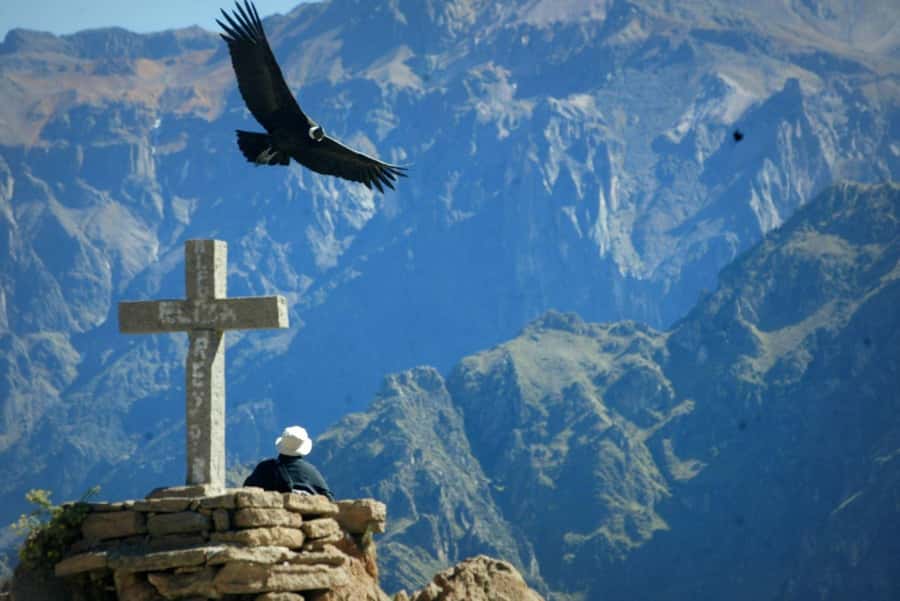
The viewpoints at Antahuilque and Choquetico focus on the older marks left across the Colca area. You can see pre-Incan tombs and models, as well as the canyon’s terraces and broad mountain scenery.
These stops are valuable because they explain how people used the region long before modern roads and tour vehicles. The terraces are not just attractive patterns on the hillsides. They show the scale of farming in a difficult high-altitude environment.
You should expect the guide to do much of the explaining here. One booking described the guide as talking for much of the time. That may be useful if you want context, but it can also leave less quiet time for taking in the view. If you prefer a slower pace, use the stops to step slightly aside when possible and enjoy a few minutes without commentary.
Since this is a full-day group route, the viewpoints are likely best approached as focused stops: listen, look, take your photographs, and be ready when the group moves on.
Chacapi hot springs at 11:30 AM
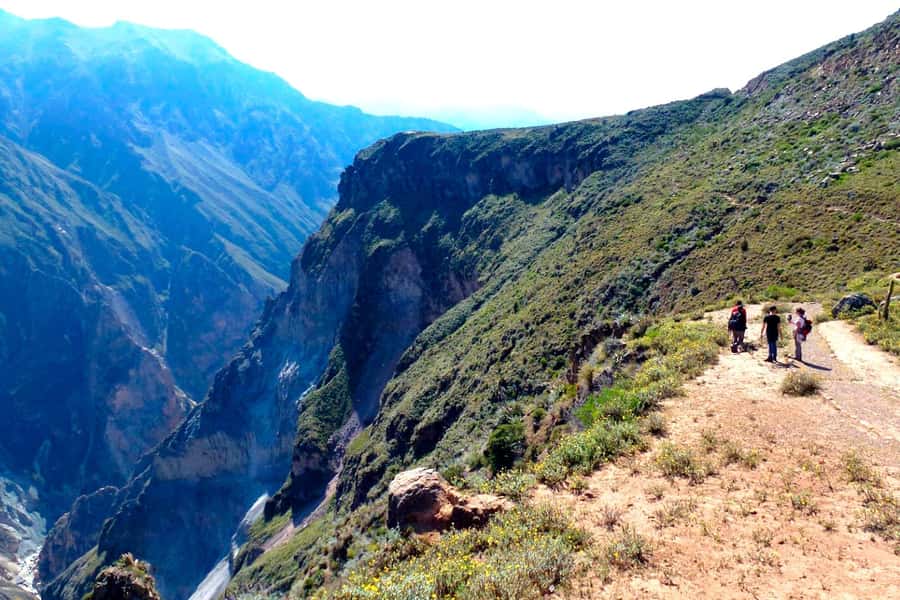
Around 11:30 AM, the tour reaches the Chacapi thermal baths. The pools are natural hot springs with views of the surrounding Colca area, offering a welcome change after the cold early morning and long hours in the vehicle.
Entry costs S/. 15.00 and is optional. Bring this amount in Peruvian soles if you want to enter, and remember that the fee is not included in the $80 price. The tour information does not specify changing facilities, towel rental, or how long you can stay, so do not assume those services are included.
The hot springs are a good choice for anyone who likes a physical break in the middle of a road day. They also make the outing feel less like a transport service with photo stops. On the other hand, the visit takes time from a tight schedule, and you may prefer to save the money or stay dry if you are focused on reaching Puno.
The setting matters more than the bath itself. You are not visiting a city spa. You are soaking in outdoor pools while looking across the canyon region, with the road still stretching ahead.
Lunch in Chivay and the vehicle change
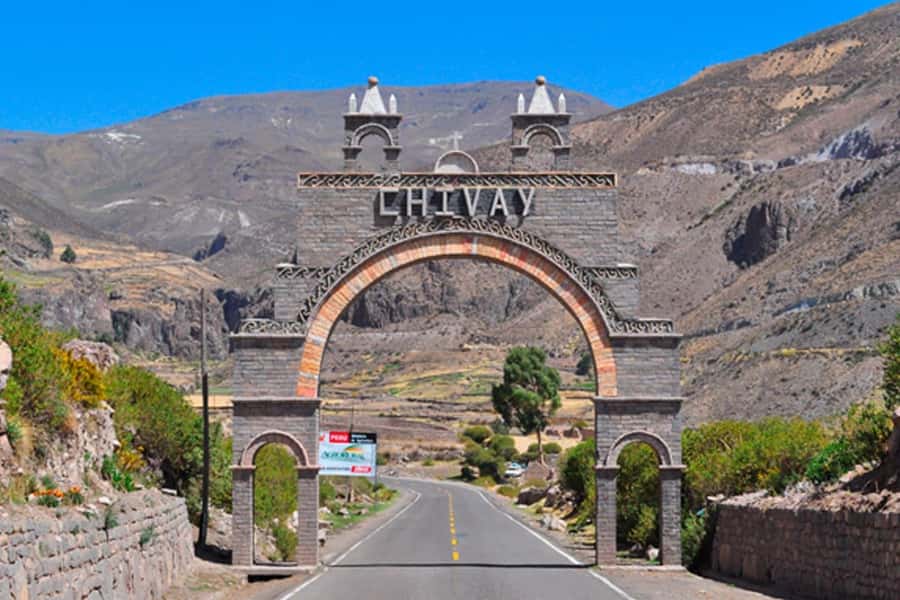
At about 12:30 PM, you stop in Chivay for one hour of lunch. Lunch is not included, so budget separately for your meal. The tour details do not name a restaurant or set menu, which means you should think of this as a scheduled meal break rather than a specific food experience.
One hour is enough for a straightforward lunch, but not for a long, unhurried meal. Keep your return time in mind, since the Puno section begins after this stop.
After lunch, you board another tourist vehicle for the journey to Puno. This change is important. The day is not simply a single coach ride from Arequipa; it is a Colca sightseeing program followed by a separate transfer leg.
The transport to Puno received particularly strong praise in the available booking feedback. That matches the practical value of the tour. Once you have spent the morning moving through Colca, a dependable vehicle for the long afternoon crossing matters a great deal.
The 4,910-meter volcano viewpoint
The afternoon route climbs to a volcano viewpoint at 4,910 meters above sea level. This is the highest point of the journey and one of the most important practical details to consider before booking.
You may feel the altitude more strongly here than at the lower canyon stops. The schedule does not describe a hike, so this is a viewpoint stop rather than a strenuous mountain walk, but you should still move slowly and avoid treating the brief visit like a race.
The appeal is the sheer openness of the high Andes. The stop gives you a different setting from the canyon, with broad high-country views and a sense of how dramatically the road has climbed.
Because the tour lasts until evening, this high point arrives after a long morning. If you already know that altitude affects you, the early start and extended road time may be more important factors than the sightseeing itself.
Tocrapampa wetlands and the camelids of Pampa Cañahuas
At Tocrapampa wetlands, you can look for wild birds among the highland water and grasses. The stop also includes herds of alpacas and llamas, giving you a chance to see common South American camelids in their mountain setting.
Pampa Cañahuas brings the most distinctive animal sighting of the afternoon: vicuñas. These elegant wild camelids are known for exceptionally fine fiber and are part of the Aguada Blanca and Salinas National Reserve.
The difference between these animals is worth noting. Alpacas and llamas are domesticated, while vicuñas are wild. Seeing them in herds across an open reserve is more meaningful than treating them as decorative photo props, and the guide can help you identify what you are looking at.
The schedule also includes high Andean lagoons near Puno. These final stops give the afternoon some variety after the long transfer. You move from canyon walls to wetlands, open reserve land, animals, and mountain water.
Do not expect every stop to become a long walk. The route is built around short viewing breaks along a major transfer journey. That is a fair trade if your main goal is to reach Puno while still seeing the highlands.
Arriving in Puno around 7 PM
The advertised arrival in Puno is approximately 7:00 PM. By then, you will have spent about 16 hours on the move, starting before sunrise and crossing a large section of southern Peru.
This makes the final arrival both useful and tiring. You are in position for a later Lake Titicaca visit, but the tour itself does not describe a boat trip, island visit, or lakeside program. It gets you to Puno, rather than providing a full Titicaca excursion.
The long finish is why I would not pair this day with an important evening booking. Give yourself room to account for road conditions, group timing, and the possibility of a delayed morning start.
The best use of the tour is as a sightseeing transfer. You see Colca, then continue to Puno without paying for a return to Arequipa. If you are staying in Arequipa and want a slower canyon experience, a separate Colca overnight trip would likely suit you better, but that is outside this activity.
What the $80 includes, and what it does not
For $80 per person, you receive tourist transport, hotel pickup, an official guide, breakfast, and the transfer from Colca to Puno. The English and Spanish guide option is useful, especially because much of the value at the viewpoints comes from understanding the tombs, terraces, villages, and wildlife.
Your extra costs are clear:
- Foreign visitors pay S/. 70.00 for the canyon entrance.
- Nationals pay S/. 20.00.
- Latinos pay S/. 40.00.
- Chacapi hot springs cost S/. 15.00 if you choose to enter.
- Lunch is not included.
- Any service not listed is also outside the price.
That makes the real budget higher than $80, but the base fare remains reasonable for a 16-hour route that includes transport between two major destinations. The value is strongest when you already need to get from Arequipa to Puno.
The price is less attractive if you only want a brief Colca visit and plan to return to Arequipa. In that case, you are paying for the long one-way transfer and late arrival even if you do not need them.
Who should book this day trip?
I would recommend it to you if you want efficiency, accept an early start, and plan to continue to Puno. It suits visitors who want a broad first look at Colca rather than a long hike or a quiet village stay.
It is also a good fit if you enjoy variety. The day includes condors, canyon viewpoints, churches, pre-Incan tombs, hot springs, high-altitude birds, alpacas, llamas, vicuñas, and lagoons. Few single-day routes pack so many different sights into one transfer.
I would hesitate if you dislike group schedules, need a late morning, or want plenty of time at each stop. The guide’s amount of commentary may also matter to you. Some people value constant explanation, while others want more silence at the viewpoints.
Before booking, confirm your exact pickup point, not only the hotel name. One booking found that a precise meeting place in the plaza would have made departure easier. Also plan for a full day, not a casual excursion. The early pickup and 7 PM arrival shape the whole experience.
Should you book it?
Book this tour if reaching Puno is part of your plan and you want to turn a long transfer into a day of major sights. The strong point is the route itself: Colca Canyon in the morning, then wildlife and high mountain scenery on the way to Puno.
Skip it if you want a restful holiday day, a canyon trek, or a detailed Lake Titicaca visit. At $80 plus entrance fees and lunch, it offers good practical value for a one-way journey, but you pay with time and energy. Confirm the meeting point, prepare for the 2:30 to 3:00 AM start, and treat the hot springs as an optional bonus rather than a central promise.
FAQ
How long does the Colca Canyon to Puno tour last?
The tour lasts about 16 hours, beginning with pickup in Arequipa around 2:30 to 3:00 AM and arriving in Puno at approximately 7:00 PM.
What languages does the guide speak?
The live guide service is available in Spanish and English.
Is hotel pickup included?
Yes. Tourist mobility and hotel pickup are included in the tour price.
Is breakfast included?
Yes. Breakfast is included, and the group stops for it on the way to Cruz del Cóndor.
Is lunch included?
No. Lunch in Chivay is not included. The schedule allows one hour for lunch at about 12:30 PM.
How much are the Colca Canyon entrance fees?
The listed entrance fee is S/. 70.00 for foreigners, S/. 20.00 for nationals, and S/. 40.00 for Latinos.
Are the Chacapi hot springs included?
No. Entry to the Chacapi thermal baths is optional and costs S/. 15.00.
Just added around Chivay
- Tour Fullday Colca Canyon with Breakfast and Typical Lunch★ 4.3 · 35 reviews
- Offer Price: Colca Canyon One Day in Arequipa with Breakfast★ 4.5 · 4 reviews
- Full Day Trip to Colca Canyon from Arequipa ending in Puno★ 4.5 · 4 reviews
- Full day excursion to Colca Canyon★ 4.2 · 6 reviews
- From Puno: 2-Day Tour to Colca Canyon ending in Arequipa★ 4.1 · 4 reviews
- From Arequipa: Tour Colca Canyon 2 Days with End in Puno★ 4.2 · 12 reviews
- From Arequipa Trek : 2-Days of Hiking in the Colca Canyon★ 4.5 · 35 reviews
- From Arequipa: One Day Trip to Colca Canyon Ending in Puno★ 4.0 · 14 reviews
Colca Canyon Tours, compared.
2-Day Tour Colca Canyon in Arequipa with end in Puno
Read our review →
Browse the lists this tour appears in