
Reviewed · COOKING CLASSES
Arequipa: Peruvian Cooking Class
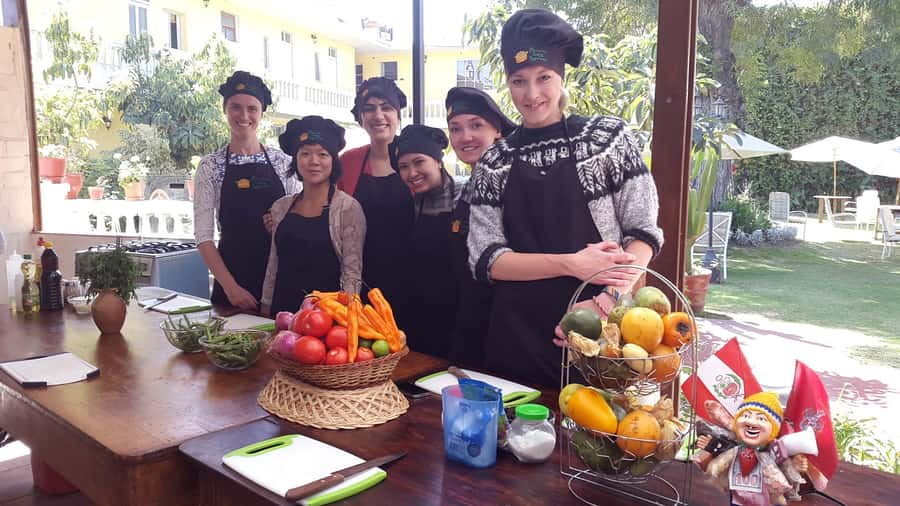
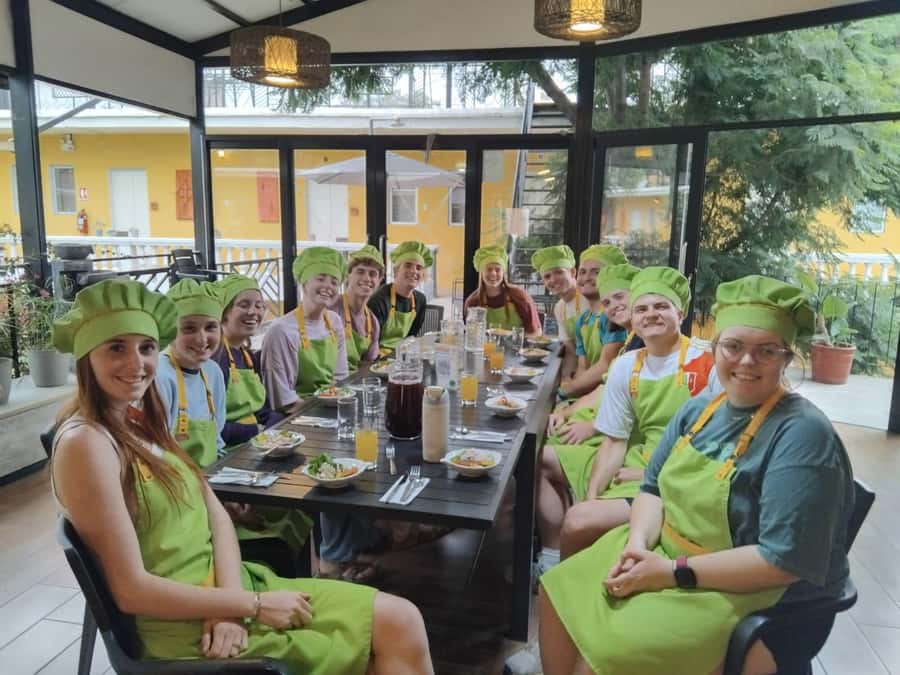
Arequipa’s food culture comes into focus when you make it yourself. In this two-hour cooking class, you put on an apron and chef’s hat, work alongside a professional chef, and prepare two Peruvian dishes before sitting down to eat them.
I like the choice of three menus, from spicy rocoto relleno to wok-cooked lomo saltado and fresh ceviche. I also like the small-group size, capped at 12 people, and the chance to chat with the chef and other participants while you cook. The main caution is menu control: one booking group was given the traditional menu after requesting the Andean option, so confirm your selection and dietary needs clearly.
In This Review
- Key points to know before booking
- Cooking Peruvian food in central Arequipa
- Choosing between the three Peruvian menus
- Andean menu: Solterito and rocoto relleno
- Traditional menu: causa and lomo saltado
- Seafood menu: ceviche and pescado a lo macho
- What the two-hour schedule is really like
- Learning food traditions while you cook
- Group size, atmosphere, and instruction
- Is $63 a fair price in Arequipa?
- Dietary needs and the heat factor
- Who will enjoy this class most?
- Should you book the Arequipa cooking class?
- FAQ
- Where does the cooking class meet?
- How long does the activity last?
- What food will I prepare?
- Is the class available in English?
- Can I request vegetarian food or report an allergy?
- Are hotel transfers included?
Key points to know before booking
- Three distinct menu choices: Pick from Andean, traditional, or seafood dishes, with vegetarian adjustments available if requested in advance.
- A practical taste of Peru: You prepare two courses yourself, then eat the food as lunch or dinner with dessert.
- Historic-center meeting point: The class begins at Casa de Avila Hotel, with no hotel transfers included.
- English and Spanish instruction: The chef explains each step in both languages, and Diana received particular praise for her clear teaching and good humor.
- Small group, short schedule: The maximum is 12 people, and the class lasts two hours, making it easy to fit into an Arequipa sightseeing day.
- Check your menu before arriving: Menu choice is important for allergies, spice tolerance, and personal preference, so ask for confirmation after booking.
Cooking Peruvian food in central Arequipa
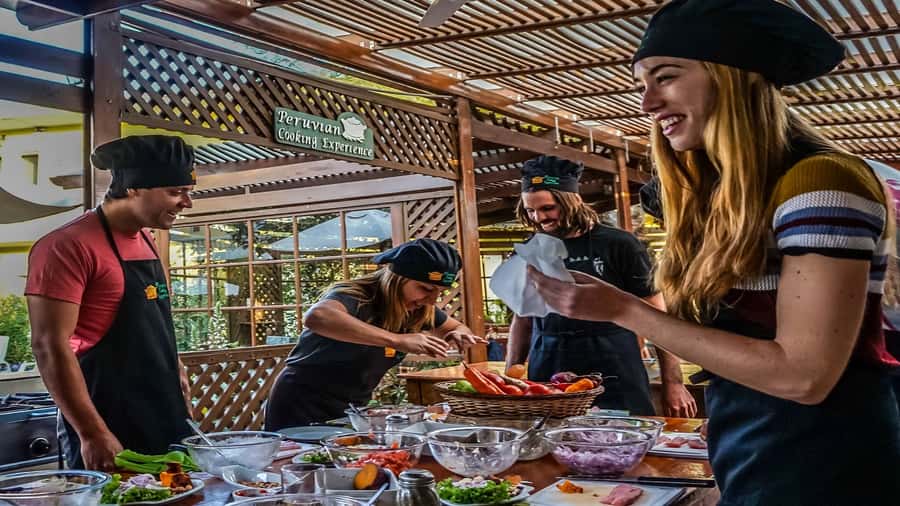
You meet at Casa de Avila Hotel in Arequipa’s historic center. Since transportation is not included, you’ll need to make your own way there, but the central location should fit easily into a day spent walking around town.
The class starts with chicha morada, a sweet, nonalcoholic drink made from purple corn. It is a useful first taste of Peru because it is refreshing, distinctive, and very different from the usual soft drinks you may already know. The drink is included, so you do not have to pay extra for it.
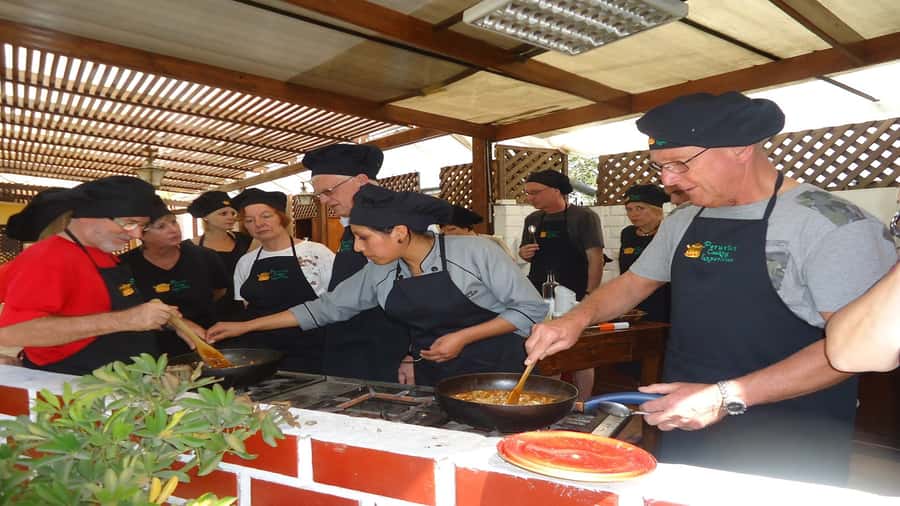
After the welcome drink, you put on an apron and chef’s hat. The tone is hands-on rather than purely demonstrational. The chef explains each step, and you help prepare the ingredients and assemble the dishes. You also have a chance to talk with the chef and the rest of the group, which adds a social side to the class without requiring a full-day commitment.
The class is led in Spanish and English. This matters if you want more than a recipe card or a quick demonstration. You can ask questions as the food comes together, and the chef can explain the background of the dishes and Peruvian food traditions.
One of the strongest points from the available feedback is the teaching. Diana was singled out for being a very good teacher, and another participant praised the clear English, careful explanations, and upbeat manner of the instructor. That is the sort of detail that can make a short class work well: you leave with a better idea of how the dishes are built, not just a plate of food.
A few more Arequipa trips to weigh up
- Cooking Class Typical Food in Arequipa
★ 3.9 · 3 reviews - Cusco: Peruvian Cooking Class, Cocktails & Local Market Tour
★ 4.9 · 512 reviews - Cooking class and market tour with a local chef
★ 5.0 · 186 reviews
Choosing between the three Peruvian menus
The menu is selected after your reservation is confirmed. The three choices are quite different, so this is not a minor detail. If you have a preference, allergy, or dietary restriction, state it when booking and check that it has been recorded.
Andean menu: Solterito and rocoto relleno
The Andean menu begins with solterito, a fresh salad made with onion, tomato, corn, beans, cheese, and potatoes. It is a good introduction to ingredients associated with the highlands, and its mix of fresh vegetables, legumes, dairy, and potatoes gives you several textures in one dish.
The second course is rocoto relleno. A rocoto is a red pepper with an apple-like shape and a strong heat. It is stuffed with seasoned ground meat, cheese, and raisins. The raisins add sweetness to a dish that can be quite spicy, while the cheese and meat make it filling.
Choose this menu if you want the most Arequipa-specific flavor profile of the three. Choose it with care if you are sensitive to chili. The description identifies the rocoto as strongly spicy, so this is not the safest pick for someone who wants a mild meal.
Traditional menu: causa and lomo saltado
The traditional menu starts with causa, a chilled mashed-potato dish seasoned with yellow pepper and lemon. It is filled with avocado and tuna or chicken, then decorated with black olives and vegetables.
Causa shows how much character Peru gets from potatoes and peppers. The yellow pepper brings flavor and color, while lemon keeps the potato from feeling heavy. The filling gives you a choice between seafood and poultry, although the exact option may need to be confirmed.
The main course is lomo saltado, one of Peru’s best-known Chinese-Peruvian fusion dishes. You prepare it in a wok with beef, onion, yellow pepper, and tomato. French fries and white rice accompany the dish.
This is the broadest crowd-pleaser of the menus. It has familiar elements, but the wok preparation and combination of beef, vegetables, fries, and rice show how Peruvian cooking has absorbed outside influences. If you want dishes that are hearty and recognizable, this is likely the most comfortable selection.
Same valley, a completely different kind of day:
- From Arequipa: Colca Canyon Full-Day Guided Tour with Meals
★ 4.5 · 982 reviews - Tour to the Salinas Lagoon and National Reserve in Arequipa
★ 4.5 · 548 reviews - From Arequipa: Sillar Route Trek
★ 4.2 · 461 reviews - Arequipa: Chili River White Water Rafting with Hotel Pickup
★ 4.8 · 329 reviews
Seafood menu: ceviche and pescado a lo macho
The seafood menu begins with ceviche, made from fresh fish marinated in lemon juice and served with onion, sweet potato, and corn. The contrast between sharp citrus, fresh fish, sweet potato, and corn gives the dish its appeal.
You then prepare pescado a lo macho, a fried fish fillet topped with a sauce of onions and tomatoes. It comes with white rice. Compared with ceviche, this second course is warmer and more filling, so the two dishes provide some variety within the menu.
This option suits you if seafood is a main reason for exploring Peruvian cuisine. It is less suitable if you have a seafood allergy or simply do not enjoy fish. Ask about adaptations before booking rather than waiting until class begins.
What the two-hour schedule is really like
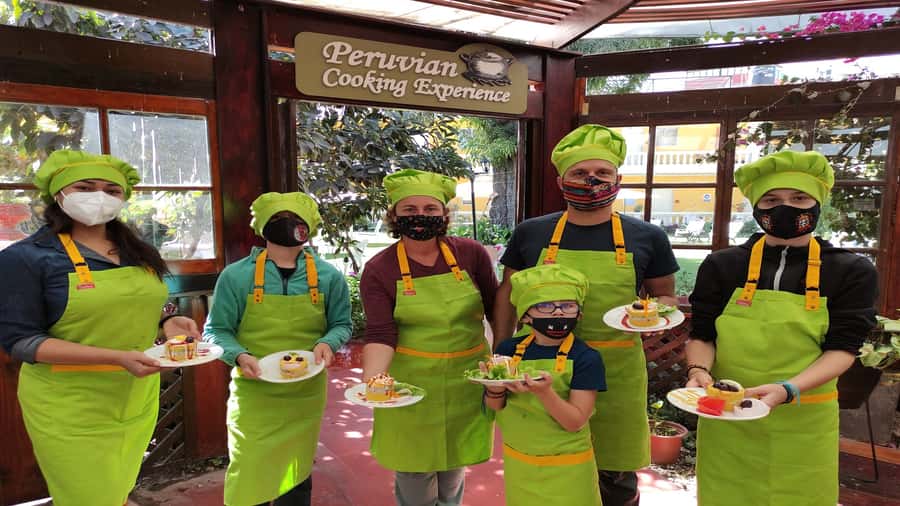
The class is compact. You begin with the drink and introduction, move into preparation, cook the two courses, and then eat your own food before finishing with dessert.
That short format is useful if you have only a few days in Arequipa or want to fit the class between visits to the city’s major sights. It also means the pace can be brisk. One booking group reported finishing about an hour early and not receiving the expected quinoa dessert. That is a serious issue for anyone choosing the class mainly for a relaxed, full meal.
I would treat the two-hour length as a target rather than a guarantee of a slow afternoon. Arrive ready to start, keep your questions focused, and confirm what dessert is included. The class is meant to be active, not a long restaurant meal with a cooking demonstration attached.
At the end, you eat what you prepared. That makes the meal more satisfying than simply watching a chef work. You can see how the ingredients changed from preparation to finished dishes, and you get a better sense of portion, seasoning, and presentation.
Learning food traditions while you cook
The class includes an explanation of Peruvian food history, but the information provided does not set out a formal lecture or a detailed cultural program. You should expect food-related context woven into the cooking rather than a separate history talk.
That approach can work well in two hours. A chef can explain why yellow pepper matters in causa, how rocoto differs from a mild pepper, or how lomo saltado reflects Chinese influence while you are handling the ingredients. The lesson becomes easier to remember because it is tied to something you are preparing.
I especially like that the menu brings together different sides of Peruvian cooking. The Andean dishes point toward potatoes, corn, beans, cheese, and chili. The traditional option shows a Chinese-Peruvian combination. The seafood menu centers on citrus-marinated fish and coastal flavors.
You should not book this expecting a market visit, a long restaurant tour, or a trip outside the city. The stated program stays in the cooking venue. Its value is in learning a small set of dishes and understanding some of the ingredients behind them.
Group size, atmosphere, and instruction
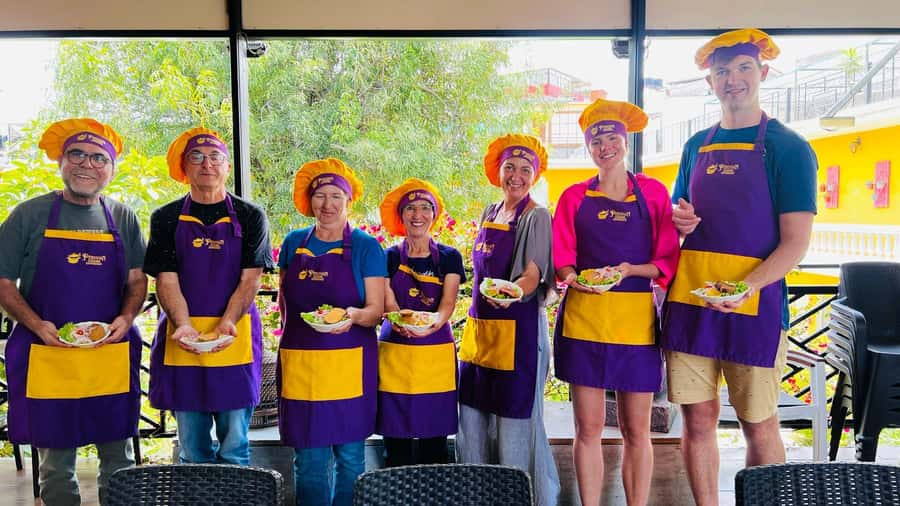
The maximum group size is 12. That is small enough for a shared activity but large enough that the class may not feel private. Your experience will depend partly on how many people actually attend and how well everyone keeps pace.
The social side is part of the appeal. You share travel stories with the chef and other participants while preparing the meal, which can make this a pleasant break from sightseeing on your own. It also gives couples, families with older children, and solo visitors an easy way to meet people without committing to a full group tour.
The activity is not suitable for children under eight. For older children, the key question is less about age and more about whether they can follow kitchen instructions and stay involved for the full session.
Instruction is available in English and Spanish. The feedback about Diana is particularly encouraging for English speakers. Still, if precise communication matters because of an allergy or medical dietary restriction, do not rely only on general English-language service. Put the information in writing when booking and ask for confirmation.
The venue was praised for its appearance and preparation, though one participant found the music too loud at the table. That may not bother you during the cooking portion, but it can make conversation harder when you sit down to eat. If you want a quiet meal, this is worth keeping in mind.
Is $63 a fair price in Arequipa?
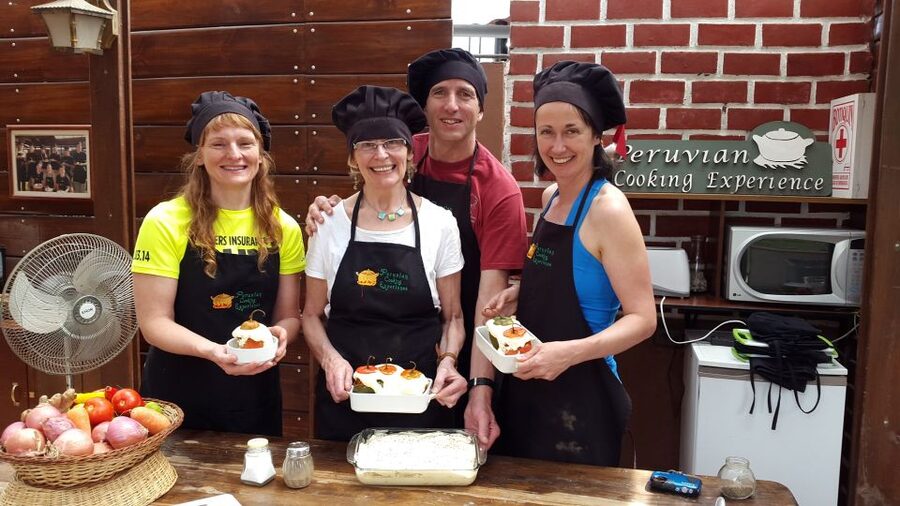
At $63 per person, this is not the cheapest way to eat in Arequipa. You are paying for instruction, ingredients, cookware, a two-course lunch or dinner, chicha morada, dessert, Wi-Fi, and the convenience of a planned activity in the historic center.
The value depends on what you want. If your goal is simply to get a large, inexpensive meal, you can likely find better value elsewhere. If you want a structured food lesson, hands-on preparation, and a meal you helped create, the price becomes easier to justify.
The class is also efficient. With a two-hour duration and a central meeting point, you do not lose half a day to transport. That helps the price if your Arequipa schedule is tight.
Still, the cost leaves little room for mistakes. A missed menu request, an abbreviated session, or omitted dessert changes the value quickly. I would confirm the selected menu, the dietary plan, and the full meal before arrival. Those checks are especially important because one person felt the price did not match the experience after the menu request was missed.
The overall rating is 4.4 from nine reviews, with several strong ratings praising the food, organization, atmosphere, and instruction. The lower ratings point to practical issues rather than a problem with the idea itself: menu communication, pace, value, and dessert. That is a fairly clear signal. The class can be very good when the details are handled correctly, but you should not book it blindly.
Dietary needs and the heat factor
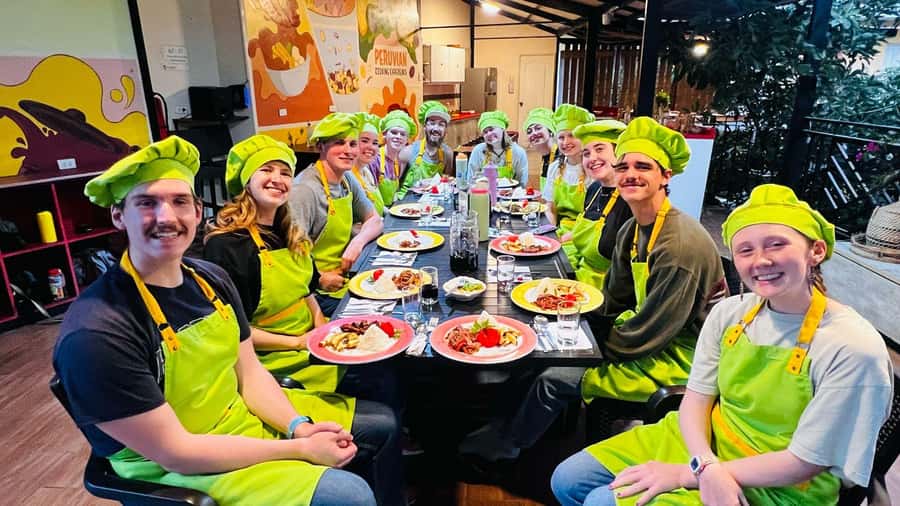
Vegetarian options are available, but you must request one when booking. Allergies and other dietary restrictions can also be accommodated if you provide the information in advance.
This matters because the standard menus include meat, fish, tuna or chicken, dairy, and chili. The rocoto relleno is specifically described as strongly spicy, while ceviche depends on fish. Do not assume that a chef can replace an ingredient on the spot without changing the planned dish.
If you are unsure which menu fits you, ask before payment or immediately after the reservation is confirmed. The provider contacts you to indicate the chosen menu, so use that contact to make your needs clear.
Comfortable clothing is the only listed item to bring. You do not need to bring cookware or ingredients. Wi-Fi is included, though the main reason to attend is the food lesson rather than internet access.
Who will enjoy this class most?
I would recommend it most strongly to you if you:
- Want a hands-on activity in central Arequipa
- Enjoy trying food that you helped prepare
- Have about two hours available
- Like social activities with a small group
- Want to sample several well-known Peruvian dishes
- Can confirm your menu and dietary needs in advance
It is a weaker choice if you want a quiet, slow meal, a private lesson, a market visit, or a very low-cost food experience. It may also disappoint you if you are highly sensitive to spice and do not receive clear menu information before the class.
The activity is wheelchair accessible, according to the provided information. Hotel pickup and return are not included, so plan your own route to Casa de Avila Hotel.
Should you book the Arequipa cooking class?
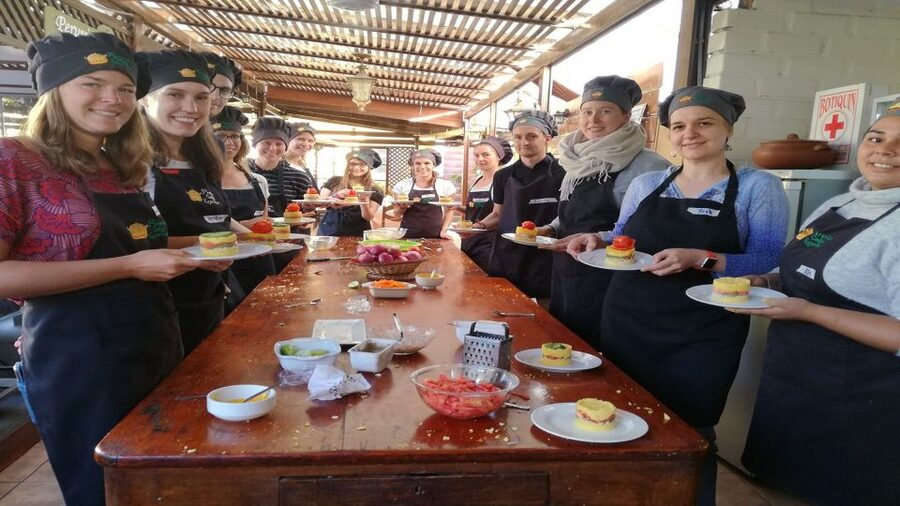
Book it if you want a short, social introduction to Peruvian cooking and you place real value on preparing the food yourself. The three menu choices give you a useful look at Andean ingredients, Chinese-Peruvian cooking, and seafood dishes, while the English and Spanish instruction makes the class accessible to a broad range of visitors.
Before committing, contact the provider and confirm the exact menu, especially if you requested the Andean option or need vegetarian, allergy-safe, or mild food. Also ask how the two-hour schedule and dessert will be handled.
With those points settled, the class offers a practical way to connect Arequipa’s food traditions with your own meal. If the menu is mishandled or the session is rushed, $63 feels high. If the chef gives clear instruction and the class runs as planned, you get more than lunch: you leave with recipes, cooking ideas, and a better feel for the food you will encounter elsewhere in Peru.
FAQ
Where does the cooking class meet?
The meeting point is Casa de Avila Hotel in the historic center of Arequipa.
How long does the activity last?
The cooking class lasts two hours. Starting times vary, so you need to check availability for the date you want.
What food will I prepare?
You prepare two courses from one of three menus. The Andean menu includes solterito and rocoto relleno. The traditional menu includes causa and lomo saltado. The seafood menu includes ceviche and pescado a lo macho.
Is the class available in English?
Yes. The professional chef teaches in Spanish and English.
Can I request vegetarian food or report an allergy?
Yes. Vegetarian options are available, and you should report allergies or other dietary restrictions when booking so the menu can be adapted.
Are hotel transfers included?
No. Roundtrip transportation to and from your hotel is not included. You make your own way to and from Casa de Avila Hotel.
Just added around Arequipa
- Walking tour through the Historic Center of Arequipa★ 4.0 · 3 reviews
- Trek to the Route of the Sillar and Culebrillas in Arequipa★ 4.0 · 9 reviews
- 3-Day Colca Canyon trek with Professional Guide★ 5.0 · 40 reviews
- Trekking, Waterfalls and Thermal Baths★ 4.5 · 47 reviews
- Full Day Tour to Colca Canyon from Arequipa★ 4.0 · 34 reviews
- Private 3 Day Colca Canyon Trekking tour (superior Service)★ 5.0 · 58 reviews
- Colca Full Day★ 5.0 · 57 reviews
- Arequipa, Historic and Colonial City and Santa Catalina Monastery★ 4.5 · 42 reviews
Cooking Classes, compared.
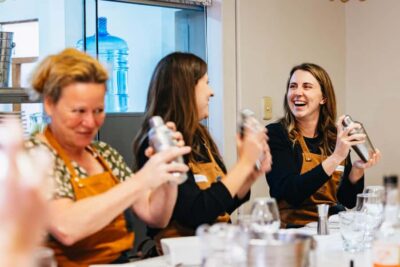
Peruvian Cooking Class, Cocktails & Local Market Tour
Read our review →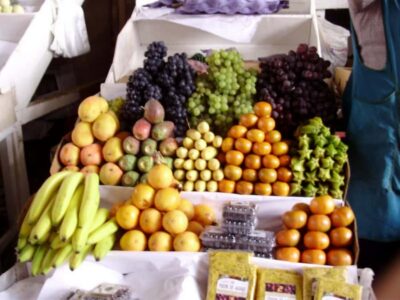
Cooking class and market tour with a local chef
Read our review →
Market Tour, Tasting of 35 Fruits, and 4-Course Peruvian Cooking Class in Lima
Read our review →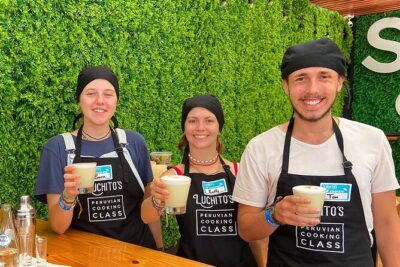
#1 Rated Cooking Classes with Local Market Tour & Pickup
Read our review →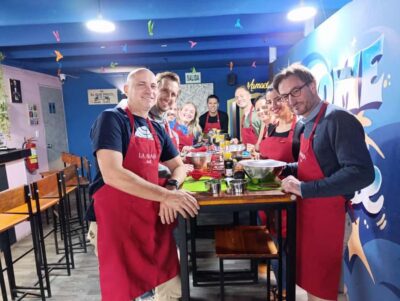
Amazing Peruvian Cooking Class Ceviche Seafood and Pisco Sour
Read our review →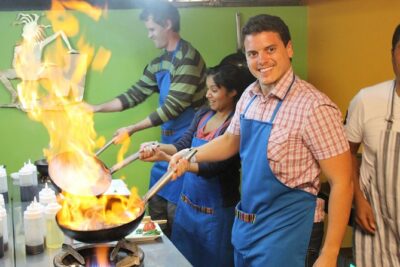
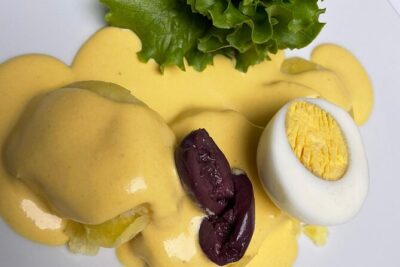
Private Cooking + Market with Maido’s Former Creative Chef (+trasportation)
Read our review →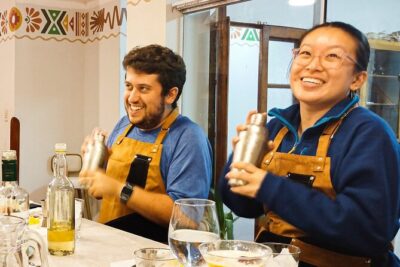
Vegan Peruvian Cooking Class Cocktails and Local Market in Cusco
Read our review →Browse the lists this tour appears in