
Reviewed · SILLAR ROUTE TOURS
Tour to the Sillar Route from Arequipa | Half Day
Arequipa’s famous white buildings begin at the quarry, where workers cut and shape sillar, the pale volcanic stone used across the city. This half-day trip takes you from a volcano viewpoint to Añashuayco Quarry, then into the narrow Culebrillas Canyon for petroglyphs and a short walk.
I like the direct look at living stonework, and I like the simple five-hour schedule, which leaves much of your afternoon free. The main concern is guide quality: one booking had a guide who spoke too softly, and the visit allowed too little time to explore independently.
In This Review
- Key points to know before booking
- Why sillar explains Arequipa’s white walls
- The 8:50 a.m. pickup and the ride out of Arequipa
- Añashuayco Quarry and the work behind the White City
- The 30-minute transfer to Culebrillas
- Petroglyphs with more questions than answers
- Is the $25 price good value?
- Guide quality can shape the whole morning
- Who will enjoy this half-day route?
- What to bring for the quarry and canyon
- Booking flexibility and the best time to decide
- Should you book the Sillar Route tour?
- FAQ
- Where does the tour take place?
- How long does the tour last?
- What time does pickup begin?
- What time does the tour return to Arequipa?
- Is hotel pickup included?
- Is transport included?
- Is a guide included?
- How much are the entrance fees?
- What should I bring?
Key points to know before booking
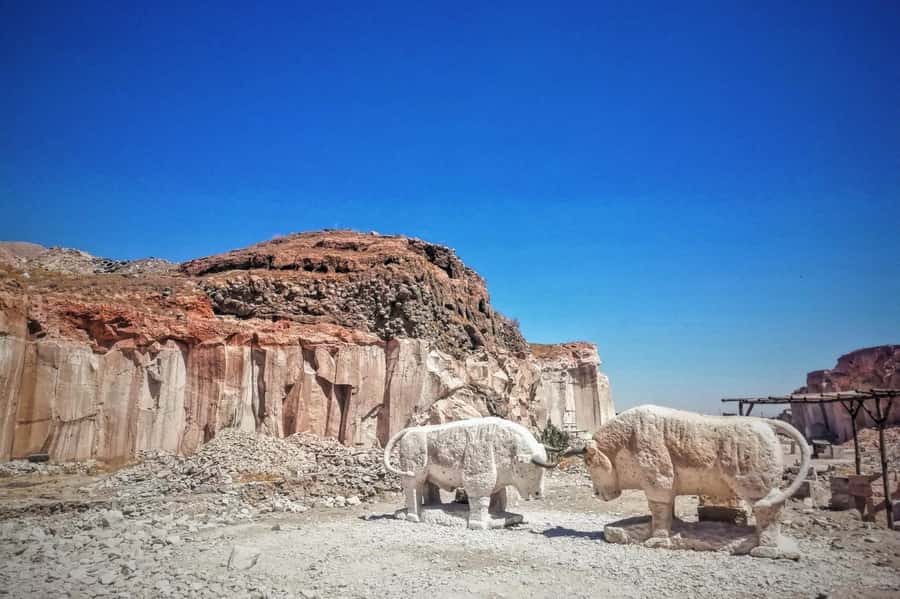
- Añashuayco Quarry: Watch local artisans work the white volcanic stone and see the large cut cliffs left by quarrying.
- Culebrillas Canyon: Walk for about 20 minutes between walls reaching up to 20 metres high.
- Undeciphered petroglyphs: Look for carved figures whose meaning is still unknown.
- Total cost: The advertised $25 price becomes at least $35 after both entrance fees, before insurance or other costs.
- Morning timing: Pickup begins at 8:50 a.m., with return to Arequipa around 1 p.m.
- Guide language: Tours are offered in English and Spanish, but clear, audible explanations matter here.
Why sillar explains Arequipa’s white walls
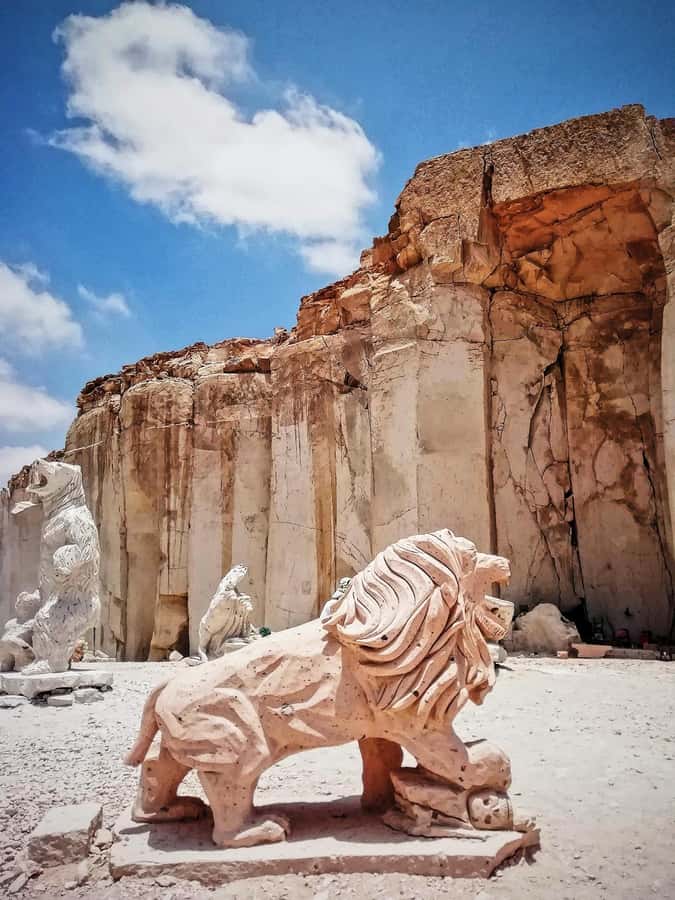
Arequipa is often called the White City because so many of its buildings use sillar, a pale volcanic stone. The nickname makes more sense once you leave the city and see where this building material is cut from the earth.
Sillar is not simply a decorative rock. It shaped Arequipa’s appearance and connects the city’s grand streets with the work of quarry communities outside town. The route gives you a useful piece of that story without requiring a full-day excursion.
The stonework has received recognition as Intangible Cultural Heritage of the Nation. That matters because the visit is not only about taking photographs of white cliffs. You are also seeing a skilled craft that remains part of local culture.
I find this kind of stop more useful than a quick city explanation. Inside Arequipa, you see the finished stone. At the quarry, you see the rough material, the cut faces, and the human work that turns volcanic rock into blocks and carvings.
More sillar route tours in Arequipa:
- From Arequipa: Sillar Route Trek
★ 4.2 · 461 reviews - Sillar Route and Culebrillas Petroglyphs
★ 4.5 · 89 reviews - Sillar Route in Arequipa and viewpoint of the Volcanoes
★ 4.0 · 71 reviews
The 8:50 a.m. pickup and the ride out of Arequipa
The day starts with pickup from your accommodation in Arequipa at 8:50 a.m. Transport is by bus or minibus, with a bilingual guide speaking English and Spanish.
That pickup is handy if you are staying in the city and do not want to arrange a taxi to a meeting point. It also keeps the morning straightforward: collect your group, leave Arequipa, and head toward the Sillar Route.
A first viewpoint provides views of the volcanoes around Arequipa. This is a good opening because it gives you the wider setting before the tour narrows into quarry cuts and canyon walls.
Bring your camera, but do not let the viewpoint become the whole event. The strongest part of this trip is the connection between the broad volcanic setting and the close-up stonework that follows.
The experience is listed as five hours, with a return around 1 p.m. That timing suits you if you have an afternoon museum visit, lunch reservation, or another Arequipa activity planned. It also means the schedule is fairly tight, so you should not expect a slow, unhurried day at each stop.
Añashuayco Quarry and the work behind the White City
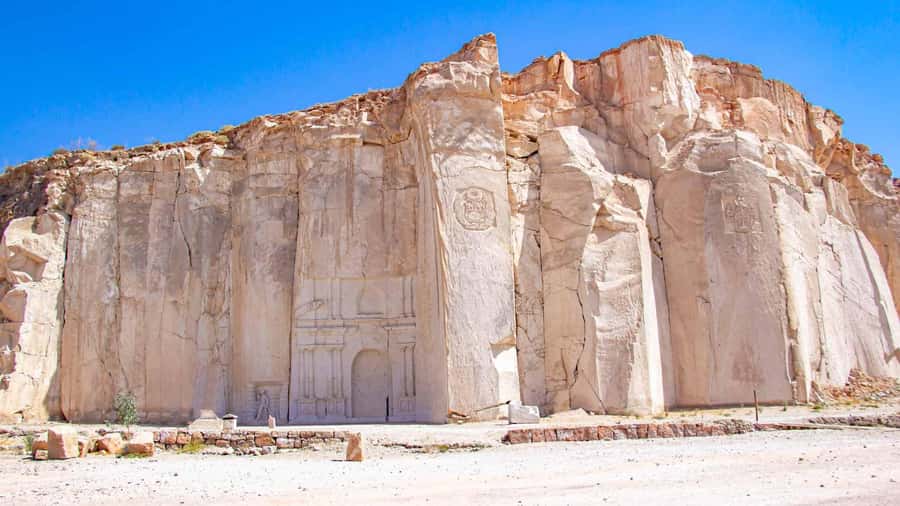
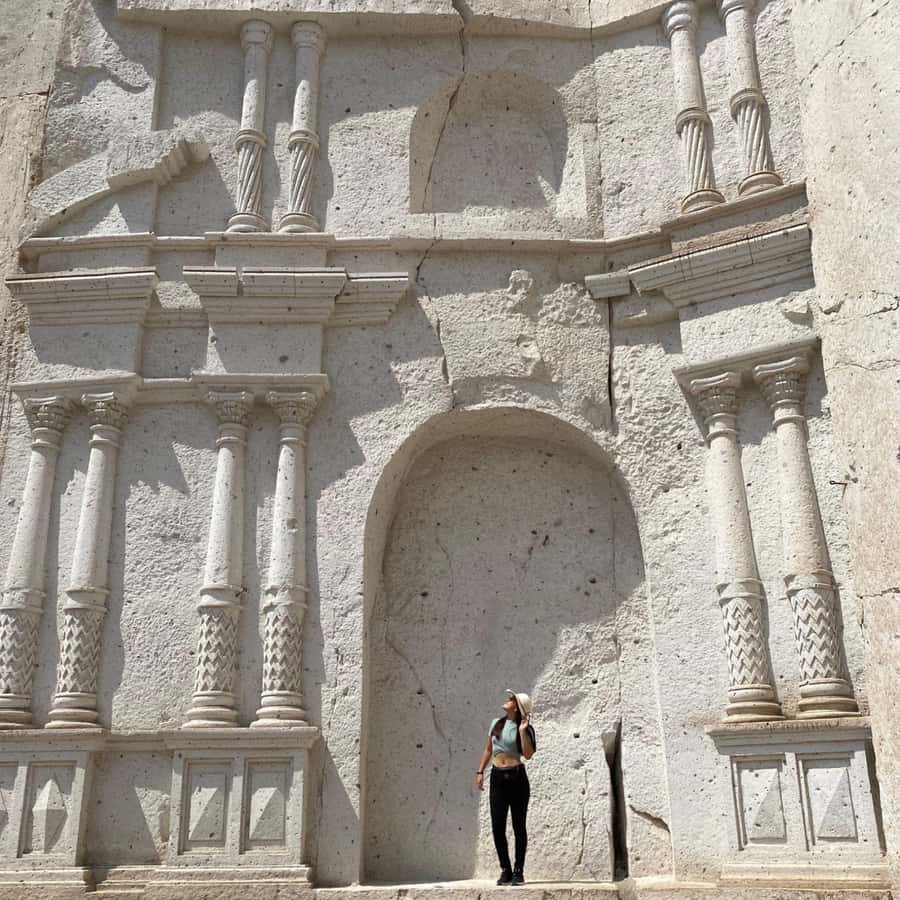
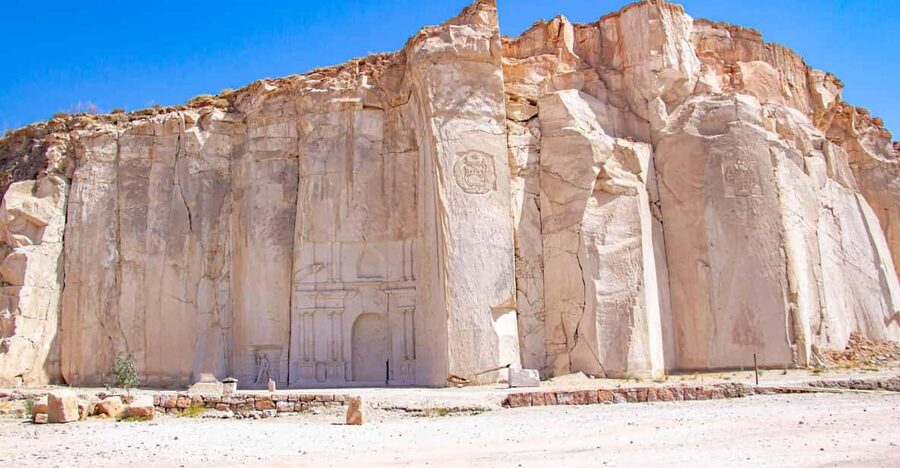
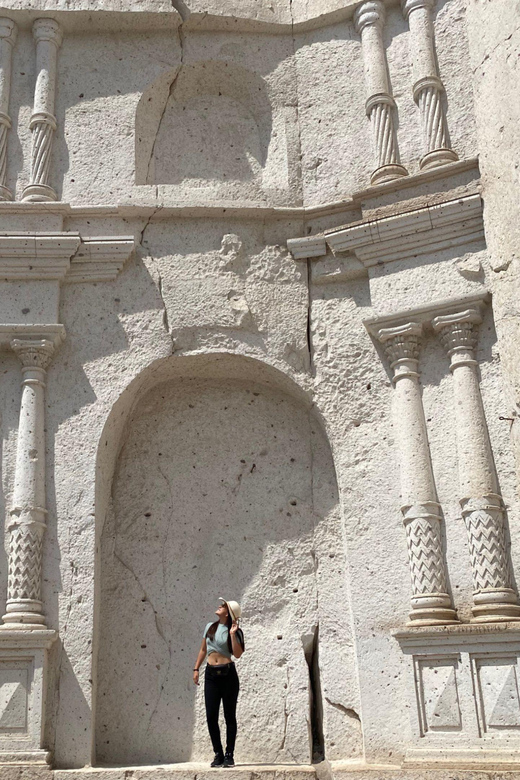
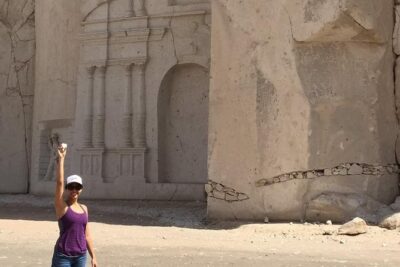
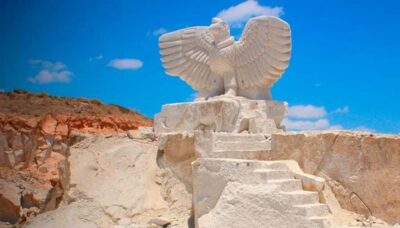
Añashuayco Quarry is the main cultural stop. Here, you can watch local artisans working the sillar and learn how the stone is carved.
The value of this visit depends heavily on the guide’s explanation. A slab of pale rock can look simple until someone explains how it is cut, shaped, and used. Since the work itself is the attraction, ask questions if the guide moves quickly or speaks too quietly.
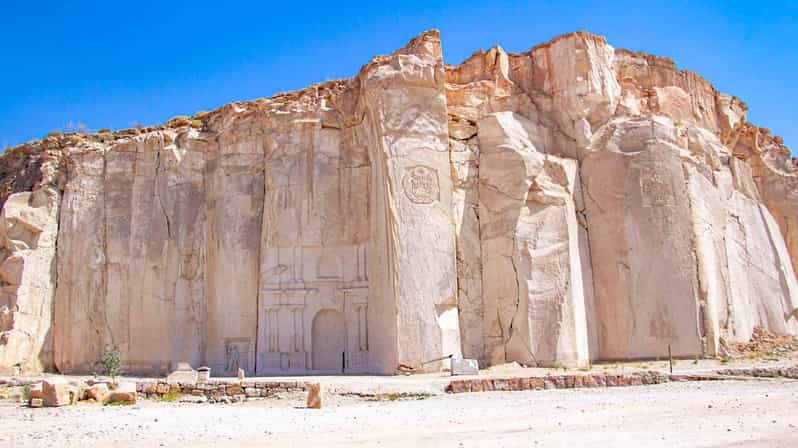
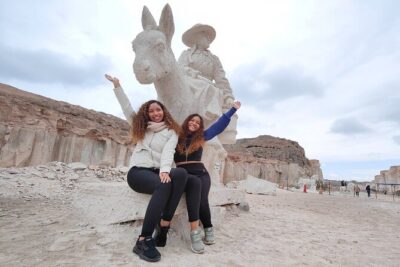
You will also see the canyon-like cliffs created by quarrying. These cuts give the place a strong visual quality, with large pale walls showing the scale of the extraction work. The quarry is not an untouched natural site, and that is precisely the point. Human activity has shaped what you are looking at.
I like the contrast here. You are not only told that sillar built Arequipa. You are taken to a place where the stone is still part of a working tradition.
Do keep your expectations in check. The visit is not described as a long workshop or hands-on carving class. You observe the artisans and learn about the process. If you want to spend a great deal of time photographing every wall or watching each stage of the work, the group schedule may feel brisk.
One practical issue is the amount of free time. A booking from August 2024 reported too little time for independent exploration along the route. That does not mean every departure runs the same way, but it is useful advice: pay attention during the explanation, then use any free minutes carefully.
The 30-minute transfer to Culebrillas
After Añashuayco, the bus or minibus drives for about 30 minutes to Quebrada de Culebrillas. This transfer separates the two main stops and gives you a short break after the quarry visit.
Culebrillas is a canyon with walls reaching up to 20 metres high. The route takes you inside for a walk of about 20 minutes.
That walk is short, but the setting changes the feel of the day. At Añashuayco, you are looking at an active stone-working area and broad quarry cuts. In Culebrillas, the walls close around you and the path becomes more intimate.
The canyon visit is not a demanding hike based on the information provided. Still, it is a walk through an uneven natural setting rather than a paved city attraction. Wear shoes suitable for a short walk and bring personal medication if you need it.
You should also pack biodegradable sunscreen. The tour specifically recommends it, and the open conditions around Arequipa make sun protection sensible. A pen is also listed among the items to bring, which may be useful if you want to note details from the guide or record questions.
One caution deserves attention: carry your own protection against insects. A booking from Germany specifically noted that information about mosquito protection for the canyon was missing. The tour does not include personal supplies, so bringing what you normally use is the safer choice.
Same valley, a completely different kind of day:
- From Arequipa: Colca Canyon Full-Day Guided Tour with Meals
★ 4.5 · 982 reviews - Tour to the Salinas Lagoon and National Reserve in Arequipa
★ 4.5 · 548 reviews - Arequipa: Chili River White Water Rafting with Hotel Pickup
★ 4.8 · 329 reviews - 2-Day Tour Colca Canyon in Arequipa with end in Puno
★ 4.6 · 248 reviews
Petroglyphs with more questions than answers
The final stop on the route is the canyon’s petroglyphs. These are figures carved into the stone, and their meaning has not been deciphered.
That uncertainty is part of the appeal. You are not being handed a neat story that claims to explain every mark. Instead, you see old carvings and understand that important questions remain open.
The petroglyphs also add a different layer to the day. The quarry shows a living craft. The canyon walls show geology and later human use. The carvings point to an earlier past that is not fully understood.
Because the walk through the canyon lasts about 20 minutes, do not expect a long archaeological visit. The tour gives you a look at the carvings as part of a short route, not a research-focused field trip.
Your guide’s voice and pacing matter most at this stop. Petroglyphs can be easy to miss, and the meaning of the visit depends on knowing where to look. One English-language booking praised clear explanations, while another had trouble hearing the guide even after asking for a louder voice. If you are in the back of the group, move closer when the guide begins speaking.
Is the $25 price good value?
At $25 per person, this is an inexpensive way to reach two sites outside Arequipa with transport and a bilingual guide included. The price works well if you want a short introduction to the Sillar Route without paying for a full-day trip.
But the real minimum cost is higher. You must add $5 for the Sillar Route entrance and another $5 for Culebrillas Canyon. That brings the known total to $35 per person, before travel insurance and any additional costs.
At $35, the value still looks reasonable if you care about the quarry, local stonework, and the canyon. Transport is important here because the experience combines sites separated by a 30-minute drive. Arranging separate transport could remove much of the convenience that makes this half-day option attractive.
The price is less compelling if you mainly want long photo stops or plenty of unstructured time. The schedule covers several points in five hours, so part of what you are paying for is an organized route rather than a leisurely private visit.
The tour can also be useful for budget-conscious visitors with limited time in Arequipa. You leave in the morning and return around 1 p.m., giving you a manageable afternoon. Just budget for the two entrance fees from the start.
Guide quality can shape the whole morning
The experience is available in English and Spanish, which is helpful for international visitors. The guide is meant to explain the stone, the quarrying process, the canyon, and the petroglyphs.
This is not a tour where commentary is a minor extra. The quarry and petroglyphs need context. Without it, you may see white rock, tall canyon walls, and carved figures without understanding how they connect to Arequipa.
One English-language booking found the explanations clear. Another had a serious problem with volume, even after asking the guide to speak louder. My advice is simple: stay near the guide during explanations and speak up early if you cannot hear. A minibus group can spread out quickly, and a soft voice becomes a real problem outdoors.
No guide names are provided for this departure, so you should not book expecting a particular named guide. The provider is MachuPicchu Peru tours, and the key choice is the language you need, English or Spanish.
The overall rating is 4.2 from four bookings. That is a positive signal, but it is a small sample, so I would treat it as a useful indication rather than a guarantee of a fixed standard on every departure.
Who will enjoy this half-day route?
I would recommend this tour to you if you want a clear introduction to Arequipa’s white-stone identity and prefer a short outing over a full-day commitment.
It suits:
- Visitors staying in Arequipa who want hotel pickup
- People interested in local crafts and stonework
- History-minded visitors who enjoy sites with unanswered questions
- Budget-conscious visitors who are comfortable adding entrance fees
- Anyone with an open afternoon after a morning excursion
- English or Spanish speakers who want a live guide
It may suit you less if you want a private pace, extensive photography time, or a long walk through the canyon. The tour covers several locations in a limited window, and one booking found the personal exploration time too short.
It is also not the right choice if you expect a fully guided archaeological explanation of the petroglyphs. Their meaning remains undeciphered, and the canyon visit is brief.
What to bring for the quarry and canyon
The official advice is practical:
- Passport or identity card
- Biodegradable sunscreen
- Personal medication
- Pen
I would add insect protection to that list because the canyon may have mosquitoes, and the tour does not provide travel insurance or personal supplies.
You should also wear footwear you can use comfortably for a 20-minute walk inside the canyon. The supplied information does not describe the path in detail, so it is wise to prepare for an outdoor surface rather than assume a smooth walkway.
Keep your belongings easy to reach during the stops. Since the schedule is compact, you will get more from the route if you can quickly apply sunscreen, take notes, or photograph the stone without wasting the short exploration periods.
Booking flexibility and the best time to decide
You can cancel up to 24 hours before the activity for a full refund. The reserve-now, pay-later option also lets you hold a place without paying on the day of booking.
Starting times are subject to availability, although the described departure begins with pickup at 8:50 a.m. Confirm the exact time when you book, especially if your accommodation pickup arrangements or afternoon plans are tight.
The tour lasts five hours. It returns to Arequipa at about 1 p.m., but you should allow some flexibility rather than scheduling another activity immediately after that time.
Should you book the Sillar Route tour?
Book it if you want to understand why Arequipa is called the White City, see artisans working sillar, and add a short canyon walk to your morning. The combination of a working quarry, volcano views, tall canyon walls, and undeciphered petroglyphs gives the outing more substance than a simple scenic drive.
The price is fair once you account for the $10 in entrance fees, especially because transport and a bilingual guide are included. The chief weakness is the tight schedule and the uneven guide experience, so stay close during explanations and do not count on a long period for independent exploring.
For a first look at the Sillar Route, I would book it. If you want a quiet private visit with time to study every carving and stone face, choose a slower option instead.
FAQ
Where does the tour take place?
The tour takes place in the Arequipa Region of Peru, visiting the Sillar Route, Añashuayco Quarry, and Quebrada de Culebrillas.
How long does the tour last?
The experience lasts five hours.
What time does pickup begin?
Pickup from your accommodation in Arequipa begins at 8:50 a.m.
What time does the tour return to Arequipa?
The tour is scheduled to return around 1 p.m.
Is hotel pickup included?
Yes. Hotel pickup from your accommodation in Arequipa is included.
Is transport included?
Yes. Transport is provided by bus or minibus.
Is a guide included?
Yes. A live bilingual guide is included, with tours offered in English and Spanish.
How much are the entrance fees?
The Sillar Route entrance fee is $5 per person, and the Culebrillas Canyon entrance fee is another $5 per person.
What should I bring?
Bring your passport or identity card, biodegradable sunscreen, personal medication, and a pen. Personal travel insurance and additional costs are not included.
Just added around Arequipa
- Walking tour through the Historic Center of Arequipa★ 4.0 · 3 reviews
- Trek to the Route of the Sillar and Culebrillas in Arequipa★ 4.0 · 9 reviews
- 3-Day Colca Canyon trek with Professional Guide★ 5.0 · 40 reviews
- Trekking, Waterfalls and Thermal Baths★ 4.5 · 47 reviews
- Colca Full Day★ 5.0 · 57 reviews
- Full Day Tour to Colca Canyon from Arequipa★ 4.0 · 34 reviews
- Private 3 Day Colca Canyon Trekking tour (superior Service)★ 5.0 · 58 reviews
- Arequipa, Historic and Colonial City and Santa Catalina Monastery★ 4.5 · 42 reviews
Sillar Route Tours, compared.
Sillar Route in Arequipa and viewpoint of the Volcanoes
Read our review →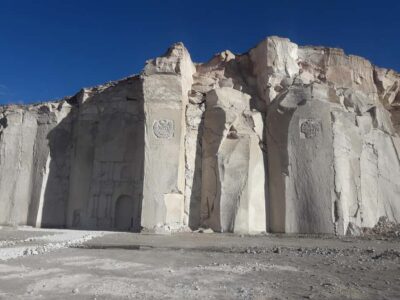
4 hours Tour: Route of Sillar with Trek in Culebrillas
Read our review →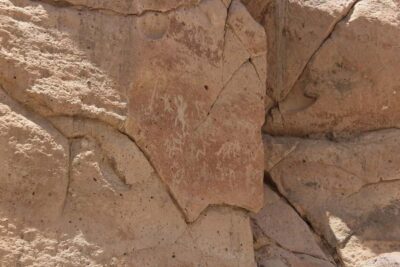
Route of the Sillar | Quarries of Añashuaycos | Half day
Read our review →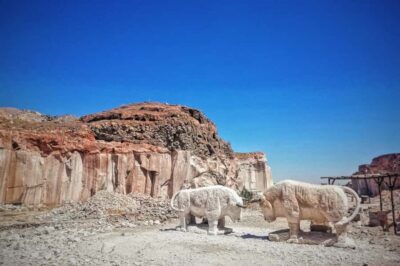
4-hour excursion: Sillar Route with Hiking in Culebrillas
Read our review →
Trek to the Route of the Sillar and Culebrillas in Arequipa
Read our review →Browse the lists this tour appears in