
Reviewed · MACHU PICCHU TOURS
Inca Trail 4 Day Adventure to Machu Picchu with Panoramic Train
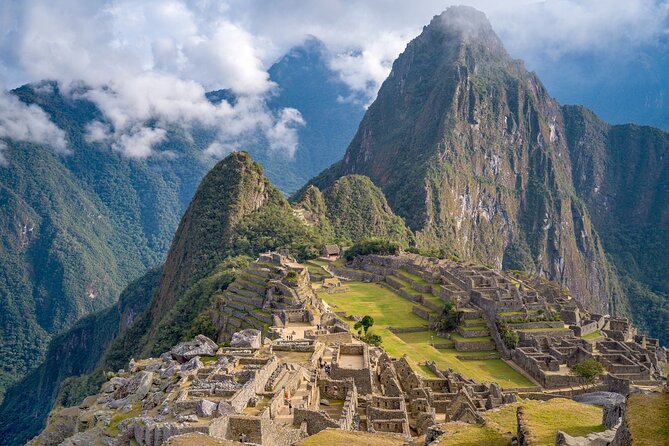
The best part of this four-day Inca Trail trek is the way Machu Picchu arrives at the end of a real journey. You walk from Km 82 through Patallacta, over the 4,200-meter Dead Woman Pass, past cloud-forest ruins, and through the Sun Gate before seeing the citadel below. That final view feels earned, not delivered by a bus.
I like the strong local focus, with Peruvian guides, porters, and a cook working as one team. I also like the practical package: permits, camping gear, meals, boiled water, Machu Picchu entry, and the train back to Ollantaytambo are covered. The main drawback is the physical demand, especially on Day 2, and the $950 price does not include a sleeping bag, walking sticks, the bus down to Aguas Calientes, or several meals.
In This Review
- Key points to know before booking
- A classic Inca Trail route with a local team
- Day 1: From Km 82 to Wayllabamba
- Day 2: Dead Woman Pass at 4,200 meters
- Day 3: Phuyupatamarca and Wiñay Wayna
- Day 4: Walking through the Sun Gate to Machu Picchu
- What the $950 price really covers
- Guides, pacing, and group size
- Food, equipment, and what you need to plan
- Social purpose and responsible expectations
- Who should book this Inca Trail adventure?
- Should you book it?
- FAQ
- How long is the Inca Trail tour?
- Where does the trek begin?
- What time is pickup?
- Is the Inca Trail permit included?
- Is food included during the trek?
- Are dietary preferences available?
- Are sleeping bags and walking sticks included?
- Is the bus from Machu Picchu to Aguas Calientes included?
- Is Huayna Picchu included?
Key points to know before booking
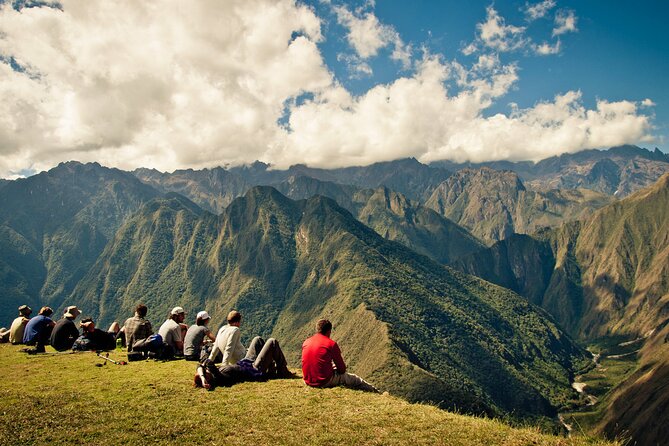
- The hardest climb reaches 4,200 meters: Day 2 is the test, with a long ascent to Warmiwañusca, also called Dead Woman Pass.
- The Sun Gate is your first Machu Picchu view: On Day 4, you approach the citadel on foot before the guided visit.
- Local staff are central to the experience: Guides including Paulo and Raul have led groups, while porters and a professional cook handle camp support.
- Meals are part of the trekking package: You receive three meals per day, snacks, and boiled drinking water, with vegetarian, vegan, and pescatarian options available.
- The group can reach 16 people: That is small enough for personal attention, but not the same as a private departure.
- The return is by tourist train: The standard train takes you from Aguas Calientes to Ollantaytambo, followed by private transport to Cusco.
A classic Inca Trail route with a local team
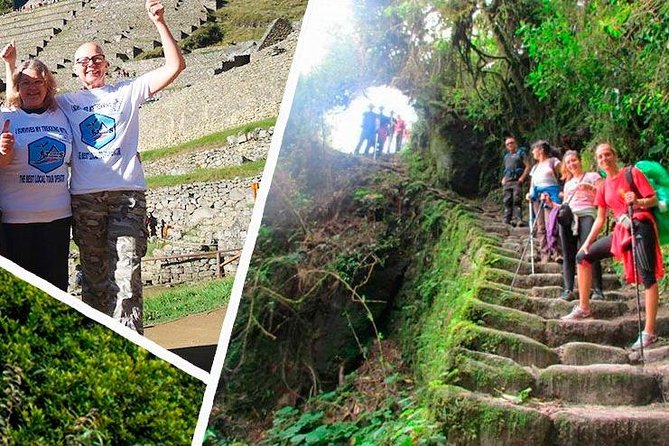
This is the full 4-day, 3-night route, not the shorter train-and-walk version. You sleep in camps, carry only your personal essentials, and spend four days moving through changing altitudes and climates.
The company presents itself as a 100% local Peruvian operator with a social mission. It supports remote communities through education and quality-of-life projects, including annual donations of books, notebooks, pencils, and other school supplies. That does not replace the need to check working conditions and porter care for yourself, but it gives the operation a clear local connection.
The staff structure is a major part of the value. A bilingual, certified guide leads the hike and explains the archaeological sites and Quechua culture. Porters carry the camping and kitchen equipment, while a professional cook prepares buffet-style meals. Past group experiences specifically praise guides Paulo and Raul for their patience, cultural explanations, and ability to adjust the pace for families and mixed-age groups.
You should receive a trek briefing with your guide the day before departure. The booking requires a current valid passport, and confirmation is subject to availability. The stated group limit is 16 people.
More machu picchu tours in Cusco:
- From Cusco: Full-Day Group Tour of Machu Picchu
★ 4.7 · 1,767 reviews - Machu Picchu Day Trip from Cusco
★ 4.5 · 1,644 reviews - Machu Picchu: Full-Day Tour from Cusco with Optional Lunch
★ 4.6 · 927 reviews
Day 1: From Km 82 to Wayllabamba
Your pickup is scheduled for 5:00 a.m. from accommodation in Cusco, Urubamba, or Ollantaytambo. That early start is useful because the first day includes transport, trail registration, several archaeological stops, and roughly six to seven hours of walking.
The route first passes through Ollantaytambo. You can buy last-minute equipment and personal items here, and you can order breakfast at a local restaurant. Treat this as a backup, not a relaxed morning meal. At 5:00 a.m., choices may be limited, and you will want to have your main gear organized before leaving.
The trail begins at Piskacucho, also called Km 82. The opening walk is fairly gentle by Inca Trail standards, but the day still demands stamina. After about two hours, you reach Patallacta, one of the largest archaeological sites along the route.
Patallacta is more than an early photo stop. Its terraces and stone structures sit beside the Urubamba River, and your guide uses the site to explain how the Incas built and organized settlements along this route. A guide who can connect the stones to the larger road system makes the first day far more interesting than a simple march toward camp.
After another stretch of walking, you stop for lunch. The included meals are served buffet-style, and the package includes vegetarian, vegan, and pescatarian choices when requested. After a short rest, you continue for another two and a half to three hours toward the first campsite at Wayllabamba.
Day 1 is a good introduction to the rhythm of the trek: walk, stop, eat, listen, and repeat. The drawback is the early pickup and the long first day after transport. Do not mistake the moderate opening terrain for an easy holiday walk.
Day 2: Dead Woman Pass at 4,200 meters
Day 2 is the crucial day. You start early with breakfast and a cup of coca tea, then walk while the mountain shadows provide some relief from the sun.
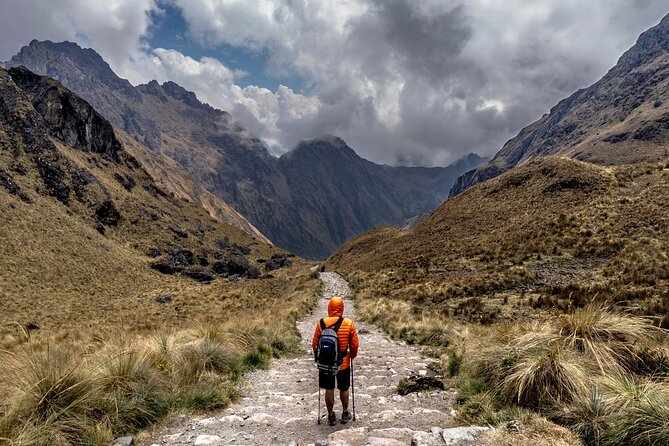
The goal is Warmiwañusca, or Dead Woman Pass, at 4,200 meters, or 13,780 feet. The climb is long and steady, and the altitude makes every step harder than the distance suggests. The itinerary estimates about eight hours of walking, making this the longest and toughest day of the route.
The reward is a clear sense of the Andes changing around you. You pass through different ecological zones and microclimates as you gain height. The trail can shift from forested sections to open, exposed mountain terrain, and the views become broader as you approach the pass.
At the top, take a short rest, but do not linger too long if conditions are cold or windy. The route then drops toward the Pacaymayu Valley. Descending is easier for some people, but it can be rough on knees and ankles after the climb.
This is where trekking poles earn their keep. The tour rents a professional Black Diamond pair for $20, and sleeping bags are also available to rent for $20. Those costs are not included, so add them before comparing the $950 price with other operators.
The company supplies a first-aid kit and an oxygen cylinder. That is sensible high-altitude support, but it does not prevent altitude sickness. You should still arrive in Peru with a realistic plan for acclimatization and tell your guide promptly if you feel unwell. The supplied information describes the trek as suitable for people with moderate physical fitness, not as a beginner stroll.
Day 3: Phuyupatamarca and Wiñay Wayna
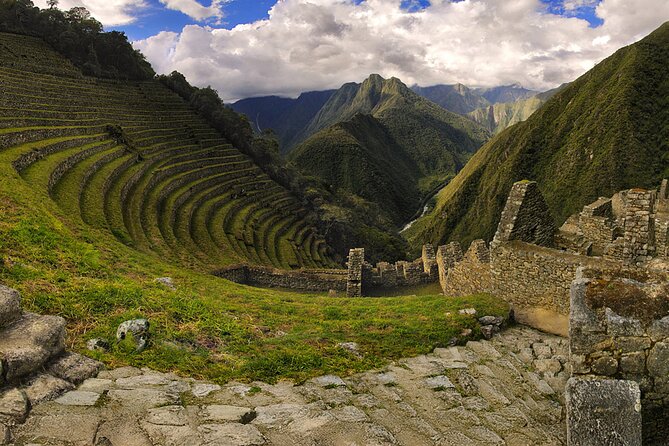
Many hikers consider Day 3 the prettiest day, and the route explains why. After an early breakfast, you walk for about two hours along a relatively level section known as the Inca Flat.
From here, you can see the snow-covered Salkantay mountain and the Vilcabamba range. The trail then reaches Phuyupatamarca, or Town in the Clouds, at about 3,650 meters, or 11,975 feet.
Phuyupatamarca is a dramatic ruin, with terraces and stonework perched high above the surrounding valleys. The name fits the setting. Mist can drift through the area, and the ruins feel closely tied to the mountain rather than placed beside it.
From the high ruins, the trail descends into cloud forest. This section brings a sharp change in scenery, with small streams, waterfalls, palms, orchids, bromeliads, parrots, and parakeets noted along the route. You are no longer walking through the dry, open highlands of the previous day.
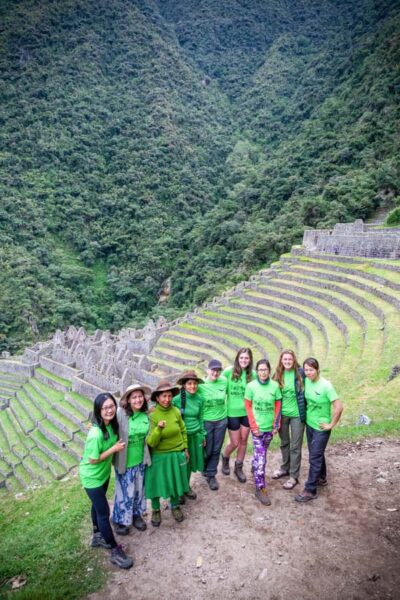
After lunch, you continue toward Wiñay Wayna, one of the most memorable archaeological sites on the trail. Its name is commonly translated as Forever Young, and its terraces and tightly fitted stone structures cling to a steep mountainside.
The supplied itinerary is cut off while describing the final part of this day, but the stated walking time is about six hours. Expect a full day with a mix of stone steps, forest paths, ruins, and changing weather. This is also the day when tired legs can make downhill sections feel surprisingly demanding.
The included support matters here. You have a cook, three meals, snacks, and boiled water rather than needing to organize food at every camp. You still need to manage your own personal items and buy mineral water if you prefer bottled water. Bottles may be available at some campsites, but the tour does not include them.
More inca trail treks in Cusco:
- Cusco: 4-Day Inca Trail to Machu Picchu with Accommodation
★ 4.8 · 432 reviews - Cusco: Machu Picchu 2-Day Inca Trail with Panoramic Train
★ 4.9 · 260 reviews - From Cusco: 2-Day Inca Trail to Machu Picchu
★ 4.2 · 244 reviews - Machu Picchu: Inca Trail 2-Day Overnight Guided Tour
★ 4.9 · 203 reviews
Day 4: Walking through the Sun Gate to Machu Picchu
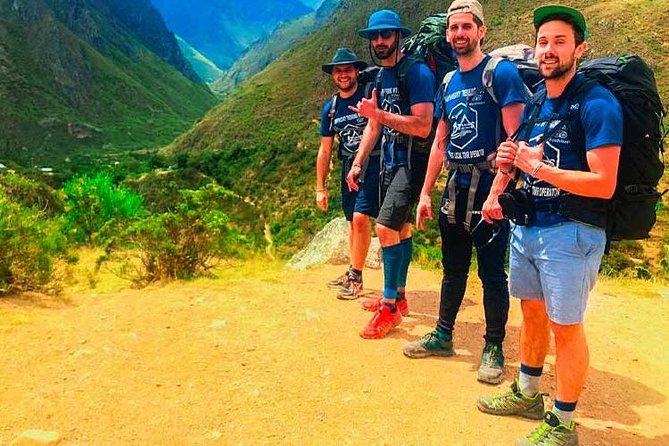
The final morning begins with breakfast and a goodbye to the porters and cook. You then make the final walk toward Machu Picchu.
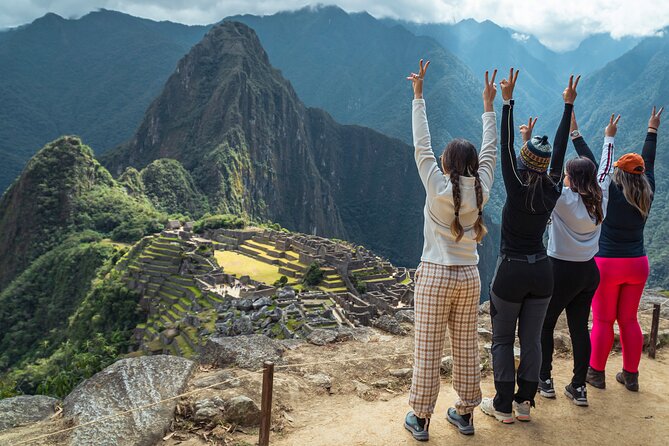
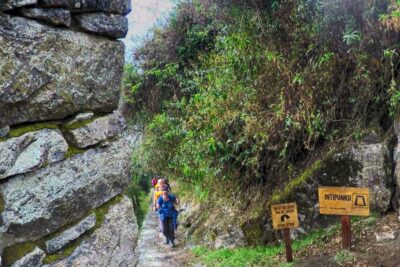
The first major arrival point is Inti Punku, the Sun Gate. This is one of the defining moments of the classic Inca Trail. Instead of arriving directly at the entrance by road, you first see Machu Picchu from above, with the citadel spread below you.
The route then continues to the entrance area, where you register and begin a guided tour lasting about two hours. Your guide explains principal sites including the Temple of the Sun, the Temple of the Water, and the Temple of the Moon.
The itinerary says you have time after the guided portion to explore on your own and take photographs. That is important. A guide gives the ruins meaning, but you also need quiet time to look closely at the stonework and absorb the setting at your own pace.
Huayna Picchu is optional and costs extra. The climb takes about two hours, and it requires a separate ticket. Do not assume it is included in the Machu Picchu entrance. The supplied details do not state ticket availability or the exact entry schedule, so confirm this before booking if Huayna Picchu is a priority.
The final transport details require a little budgeting. The bus from Machu Picchu down to Aguas Calientes costs $12 and is not included. The standard package includes a tourist train from Aguas Calientes to Ollantaytambo, then private transport from Ollantaytambo to Cusco. You can pay extra to upgrade to the Vistadome train.
What the $950 price really covers
At $950, this is not a bare-bones walking permit. The cost includes the Inca Trail permits and entrances, Machu Picchu entry, transport from your accommodation to the trailhead, porters, a cook, camping equipment, mattresses, tents, meals, snacks, and boiled water.
The tents are described as four-season tents shared by two hikers, with enough room for personal items. One point deserves a direct check if you are tall or need extra space: a past booking raised concern about tent dimensions. Ask the operator to confirm the actual tent size before paying, especially if you are close to two meters tall or dislike close quarters.
The package also includes a Survivor T-shirt for each group member. That is a small extra, not a reason to choose the tour, but it may be a nice reminder of the trek.
You should add the cost of a sleeping bag, walking sticks if needed, bottled water, the $12 bus, and your first breakfast and final lunch and dinner. Tips are optional. A Vistadome upgrade and Huayna Picchu are also extra.
The price offers good value if you want a guided, supported trek without arranging permits, camps, cooks, and return transport separately. It is less attractive if you already own camping equipment, prefer to carry your own food, or want a very private trip with a small specialist team.
Guides, pacing, and group size
The strongest human element here is the guide service. Paulo is repeatedly named in the supplied experiences, with particular praise for his explanations of Inca history and Quechua culture. He is also described as patient with children and able to set a sensible pace rather than racing ahead.
Raul is another frequently named guide. He is described as enthusiastic about the trail and attentive to different ages and abilities. Those details matter more than polished sales language because a good guide can turn a hard day into a manageable one.
Alberto handles much of the communication and booking coordination. The supplied experiences describe him as responsive, including when dates changed or plans became complicated. That is useful for a permit-based trek, where flexibility is limited.
The maximum group size is 16. That is not a tiny private departure, but it is still small enough for a guide to keep track of the group. If you want a private experience, ask directly before booking. The information supplied does not promise a private group.
Food, equipment, and what you need to plan
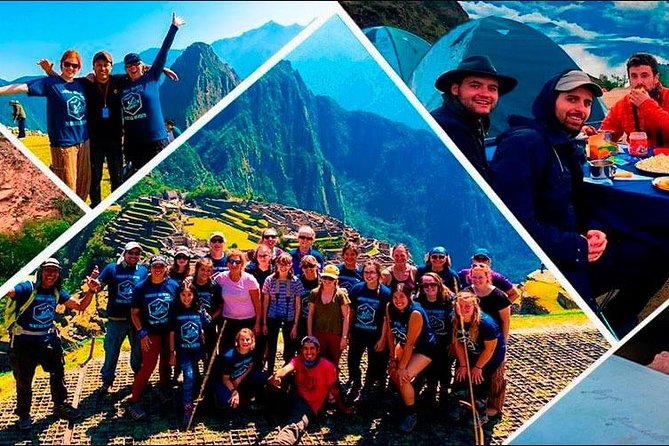
Three breakfasts, three lunches, and three dinners are included during the trek. Meals are served buffet-style, and dietary preferences can include vegetarian, vegan, and pescatarian requests.
The tour provides kitchen equipment, portable chairs and a table, mattresses, and tents. Porters carry the shared camping and kitchen equipment, which lets you focus on walking rather than hauling a full load.
You need to arrange your own sleeping bag or rent one for $20. Walking sticks are also available for $20 per pair. Mineral water is not included, although you can buy bottled water at some campsites. Boiled drinking water is provided during the trail.
Pack for a demanding mountain walk, not a casual day tour. Your moderate fitness should include comfort with long days, uneven stone paths, steep climbs, and descents. Keep personal gear light, since the practical advantage of the porter service disappears if you bring too much.
Social purpose and responsible expectations
The operator says it directs resources toward remote Peruvian communities, especially education and quality of life. Its annual school-supply support includes books, notebooks, pencils, and similar materials.
That focus may appeal to you if you prefer booking with a local company rather than a large international chain. Still, social claims are best treated as a reason to ask good questions, not as a substitute for them. You can ask how porter wages, loads, meals, and working hours are handled.
The trek depends on a large support team. Treat porters with respect, pack lightly, follow your guide’s instructions, and budget for tips if the service meets your expectations. Tips are not obligatory, but they are welcome.
Who should book this Inca Trail adventure?
You should consider this trip if you want the full classic route, enjoy archaeological sites, and prefer a supported camping experience. Families with older children may find the adjustable pace useful, based on the guide approach described in the supplied experiences.
It suits people who want logistics handled for them but do not need luxury camping. The included train and private transfer remove a common headache at the end of the trek.
Think twice if you have limited hiking experience, struggle with altitude, need a large tent, or dislike early starts and basic camps. The route is physically serious, and the non-refundable booking terms make careful planning especially important. Once you cancel or request a change, the amount paid is not refunded.
Should you book it?
I would choose this tour if the local team and full trail experience matter more to you than luxury or complete flexibility. The combination of permits, porters, meals, a cook, archaeological guidance, and return transport makes the $950 easy to understand.
Before paying, confirm your dates, passport details, tent dimensions, Huayna Picchu availability, rental needs, and the extra costs for the bus, water, and meals outside the trek. If those details fit your plans and you are ready for the 4,200-meter pass, this is a practical way to reach Machu Picchu on foot.
FAQ
How long is the Inca Trail tour?
The tour lasts approximately four days and includes three nights of camping before the return journey from Aguas Calientes.
Where does the trek begin?
The walk begins at Piskacucho, also known as Km 82, after transport from Cusco, Urubamba, or Ollantaytambo.
What time is pickup?
Pickup from your accommodation is scheduled for 5:00 a.m. on Day 1.
Is the Inca Trail permit included?
Yes. The tour includes all entrances and permits for the Inca Trail, along with entrance tickets to Machu Picchu.
Is food included during the trek?
Yes. The package includes three meals per day during the trek, including three breakfasts, three lunches, and three dinners. Snacks and boiled drinking water are also provided.
Are dietary preferences available?
Yes. Meals can be adapted for vegetarian, vegan, and pescatarian preferences.
Are sleeping bags and walking sticks included?
No. A professional sleeping bag can be rented for $20, and a professional Black Diamond pair of walking sticks can also be rented for $20.
Is the bus from Machu Picchu to Aguas Calientes included?
No. The bus costs $12 and is paid separately.
Is Huayna Picchu included?
No. Huayna Picchu is optional, takes about two hours, and requires an additional cost.
More 4-Day Experiences in Cusco
- 4 Day Tour to the Manu National Park
★ 5.0 · 81 reviews - Choquequirao Trek 4 days and 3 nights
★ 5.0 · 81 reviews - Cusco Sacred Valley and Machupicchu 4 Days
★ 5.0 · 80 reviews - Ancascocha Trek To Machu Picchu 4 Days And 3 Nights
★ 5.0 · 77 reviews
More Train Experiences in Cusco
- The First Class Machu Picchu Train by Inca Rail
★ 4.0 · 182 reviews - From Cusco: 1-day Machu Picchu Tour by Train
★ 4.6 · 138 reviews - 2-Day Machu Picchu Tour by train from Cusco ( All included )
★ 5.0 · 85 reviews - From Cusco: Sacred Valley & Machu Picchu 2-Day Tour by Train
★ 4.9 · 79 reviews
Just added around Cusco
- Waqrapukara 1 day trekking + meals★ 3.9 · 3 reviews
- Zipline over the Sacred Valley Trip★ 5.0 · 11 reviews
- Valle Sur Cusco | half day★ 4.3 · 3 reviews
- Visit to the Cochahuasi Animal Sanctuary with rescued animal★ 4.1 · 4 reviews
- Visit Pisac from Cusco: Private Transport★ 4.6 · 9 reviews
- Maras and Huaypo lagoon by ATV from Cuzco | Local Operator★ 4.7 · 4 reviews
- Trek to Humantay Lake from Cusco★ 4.9 · 8 reviews
- Trek to Choquequirao 4 days★ 3.8 · 4 reviews
Machu Picchu Tours, compared.



4-Day Inca Trail to Machu Picchu with Accommodation
Read our review →
2-Day Trip to the Sacred Valley and Machu Picchu
Read our review →
Machu Picchu 2-Day Inca Trail with Panoramic Train
Read our review →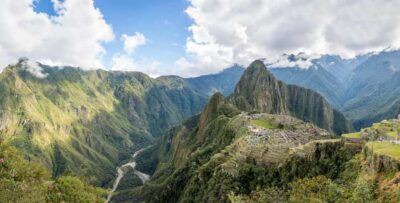
Browse the lists this tour appears in