
Reviewed · CITY TOURS
From Cusco: City tour 4 ruins + Qoricancha
Qoricancha, the Inca Temple of the Sun, gives this tour its best opening: Spanish colonial walls sit over one of Cusco’s most important Inca religious sites. From there, you visit the four nearby archaeological sites that once protected and supported the imperial capital.
I like the two daily departures, which make it easy to fit this tour around other plans. I also like the mix of walking, guided ruins, and short transport rides, especially if you want a useful first look at Cusco without arranging separate taxis.
The main drawback is time. Stops at Sacsayhuamán and Qoricancha can be rewarding, but unscheduled shopping stops or delays may leave less time at Qenqo, Puca Pucara, and Tambomachay.
In This Review
- Key points to know before booking
- Why this Cusco tour works well as a first outing
- Starting near Plaza de Armas and walking to Qoricancha
- Sacsayhuamán and the scale of Inca stonework
- Qenqo, a ceremonial site shaped by rock
- Puca Pucara and the old defensive network
- Tambomachay and the Inca worship of water
- How the timing affects your day
- What to bring for Cusco’s altitude and sun
- Guide quality and the importance of clear organization
- Is $11 good value?
- Who should book this Cusco city tour?
- Should you book it?
- FAQ
- How long does the Cusco city tour last?
- Where does the tour begin?
- What sites are included?
- Are entrance fees included in the $11 price?
- What languages are available?
- Are there morning and afternoon departures?
- What should I bring?
- Can I cancel the booking?
Key points to know before booking
- Qoricancha begins the tour: Walk about three blocks from Plaza de Armas to the former Inca Temple of the Sun.
- Four archaeological sites follow: Sacsayhuamán, Qenqo, Puca Pucara, and Tambomachay each served a different purpose.
- The $11 price is only the tour service: Entrance fees, meals, and personal expenses are extra.
- Morning and afternoon departures are offered: Meet around 8:40 to 9:00 a.m. or 12:40 to 1:00 p.m.
- Guides may be a highlight: Werner, Angélica, and Sam are named guides associated with especially helpful tours.
- Build in some flexibility: Late transport, a museum stop, or a clothing shop visit can shorten the time at the final ruins.
Why this Cusco tour works well as a first outing
Cusco can feel like a history lesson delivered at high altitude. In a few hours, this tour gives you the basic map: Qoricancha explains the spiritual heart of the Inca capital, while Sacsayhuamán and the other sites show how the city was defended, supplied, and connected to sacred water.
I especially like the cultural contrast. Qoricancha lets you see how Spanish colonial construction was placed over Inca foundations. The outer ruins then take you beyond the colonial center, where massive stones, ceremonial spaces, military terraces, and water channels tell a wider story about Inca Cusco.
The tour lasts about five hours. That is long enough to cover the main sites without taking an entire day, but it is not enough for a slow archaeological study. You will need to keep moving, particularly if the group loses time before reaching the last stops.
The price is appealing at $11 per person because transport and a bilingual guide are included. It is not the full cost, though. Entrance fees are not included, and you must also pay for food or drinks and any purchases along the way.
A few more Cusco trips to weigh up
- Cusco: Half-Day City Tour with Sacsayhuaman and Q’enco
★ 4.6 · 1,129 reviews - City Tour Cusco Qoricancha Sacsayhuaman y Tambomachay
★ 4.7 · 617 reviews - Cusco: Sightseeing Tour of the City on an Open-Top Bus
★ 4.0 · 481 reviews
Starting near Plaza de Armas and walking to Qoricancha
The meeting point is in or near Cusco’s Plaza de Armas. The morning shift begins with a meeting window from 8:40 to 9:00 a.m. and usually returns around 2:30 p.m. The afternoon shift meets from 12:40 to 1:00 p.m. and finishes around 6:30 p.m.
A guide is expected to contact you about 15 minutes before pickup. If pickup applies to your booking, wait in your hotel lobby for about 10 minutes. For the Plaza de Armas meeting, arrive early and look carefully for the correct group. Finding the right tour in the square has caused confusion, so keep your confirmation details ready.
From the square, you walk roughly three blocks to Qoricancha. This short walk is useful because it places the first site within Cusco’s historic center rather than beginning with a long vehicle ride.
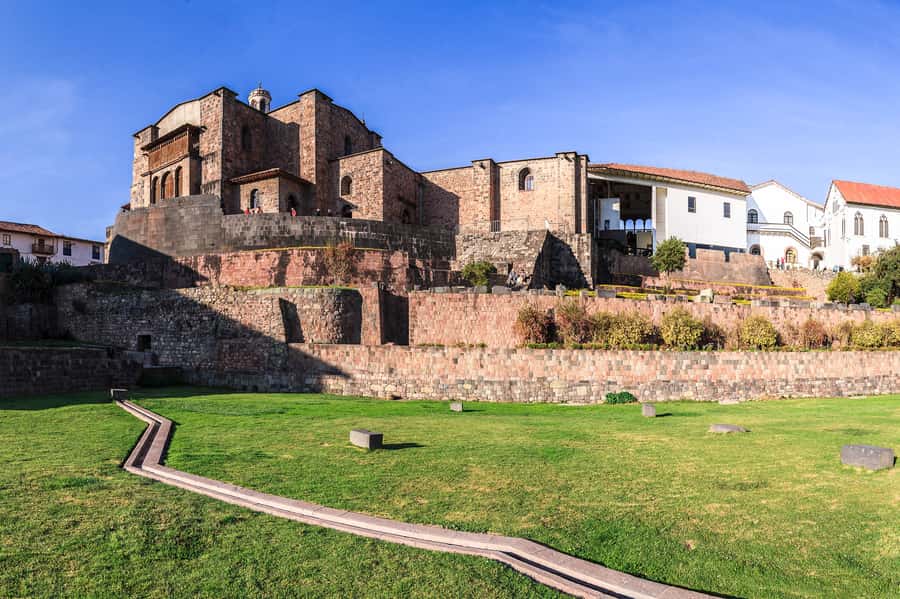
Qoricancha means Temple of the Sun. Under the Inca, it was a major religious complex associated with the sun and imperial power. The Spanish later built the Santo Domingo convent over the site, creating the clear Inca and Spanish combination promised by the tour.
Look closely at the masonry as you move through the complex. The value here is not simply seeing old stones. You can compare the tight, carefully fitted Inca construction with the later colonial walls and understand how conquest changed the appearance and use of Cusco’s sacred center.
Entrance fees are separate, so confirm what ticket you need before the day begins. If you intend to take another excursion through the Sacred Valley or visit additional archaeological parks, a full tourist ticket may offer better value. One price cited in the supplied information is S/130 for the complete ticket and S/70 for students, though you should verify current rates and eligibility at the ticket office.
Sacsayhuamán and the scale of Inca stonework
After Qoricancha, the tour uses tourist transport to reach Sacsayhuamán. This is usually the most impressive ruin on the route, and you should protect enough time for it.
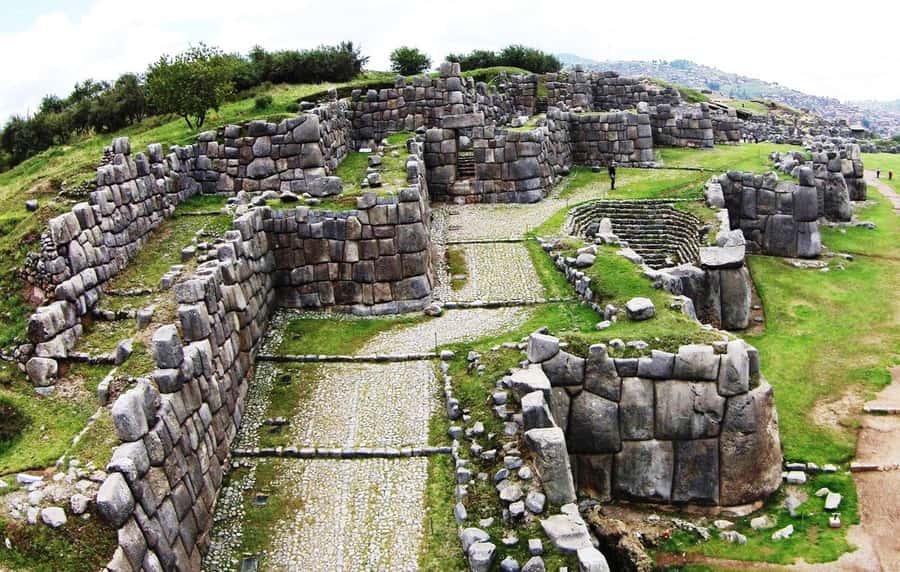
Sacsayhuamán is associated with Inca military architecture. Its huge stone walls were assembled from blocks that fit together with remarkable precision. The scale makes the site easy to appreciate even if you are not an archaeology specialist: you see the defensive purpose in the terraces and the effort required to move and place the stones.
A good guide can add the meaning that the stones alone cannot provide. Angélica and Werner are two guides specifically praised for clear, attentive explanations. If your guide gives you a strong historical overview here, listen closely. This is the stop where the Inca Empire’s organization and engineering become easiest to picture.
The site also requires sensible footwear. The ground can be uneven, and the tour moves on to several more locations. Comfortable shoes are not a minor suggestion. They will make the half-day much easier.
Qenqo, a ceremonial site shaped by rock
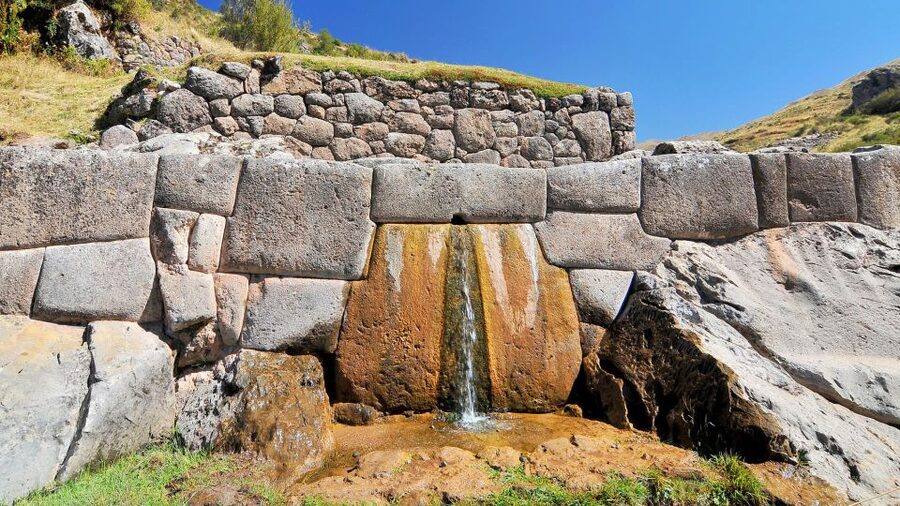
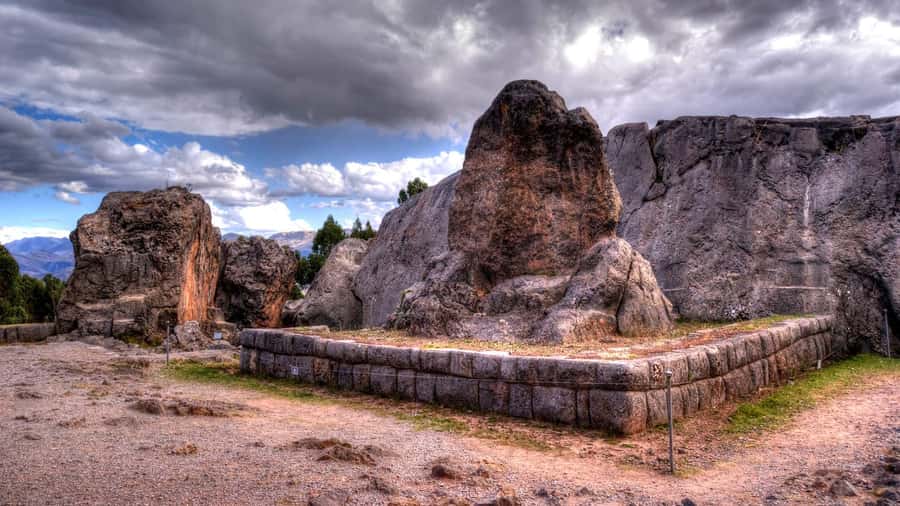
Qenqo is a shorter, more atmospheric stop. The site was built around a natural rock formation and used for religious ceremonies and rituals.
The appeal is different from Sacsayhuamán. Instead of monumental defensive walls, you find a ceremonial setting where the natural stone is part of the design. Your guide’s explanation matters here because the remains can be harder to interpret on your own.
This is also one of the stops most vulnerable to a rushed schedule. If the tour has spent extra time elsewhere, you may get only a brief explanation and quick photographs. Pay attention when you arrive, and ask your guide to point out the most important carved or ceremonial features.
The high-altitude setting adds another practical concern. Vertigo is listed as a reason this activity may not suit you. If steep ground, exposed viewpoints, or uneven paths make you uncomfortable, tell the guide early and move at your own pace.
Same valley, a completely different kind of day:
- Cusco: Humantay Lake Tour with Breakfast and Buffet Lunch
★ 4.9 · 2,976 reviews - From Cusco: Sacred Valley & Maras Salt Mines Tour with Lunch
★ 4.8 · 2,227 reviews - From Cusco: Moray, Maras Salt Mines & Chinchero Weavers Tour
★ 4.8 · 1,925 reviews - From Cusco: Full-Day Group Tour of Machu Picchu
★ 4.7 · 1,767 reviews
Puca Pucara and the old defensive network
Puca Pucara was a military fortress within Cusco’s defensive system. Its remains include walls, terraces, and stairways, giving you a more compact view of how movement around the capital was monitored.
The site is not as visually overwhelming as Sacsayhuamán, but it helps complete the military picture. Instead of seeing one major stronghold, you begin to understand that Cusco was supported by a network of positions placed around the city.
This stop tends to be brief. That is not necessarily a flaw, since Puca Pucara is smaller than the main sites, but it means your experience depends heavily on the guide’s ability to explain the purpose of the ruins in a few clear minutes.
Keep your camera and sunscreen handy. The route is outdoors, and the sun can feel strong even when the air is cool. A hat, sunglasses, and sunscreen are specifically recommended.
Tambomachay and the Inca worship of water
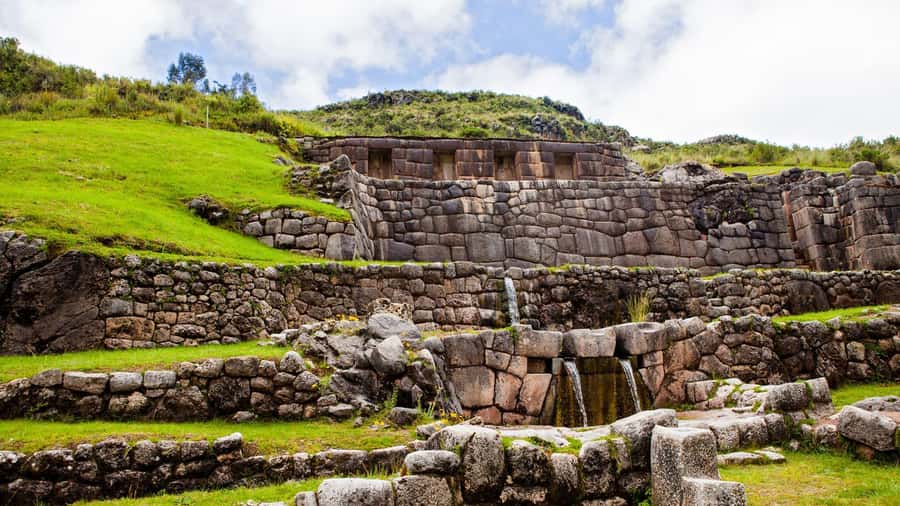
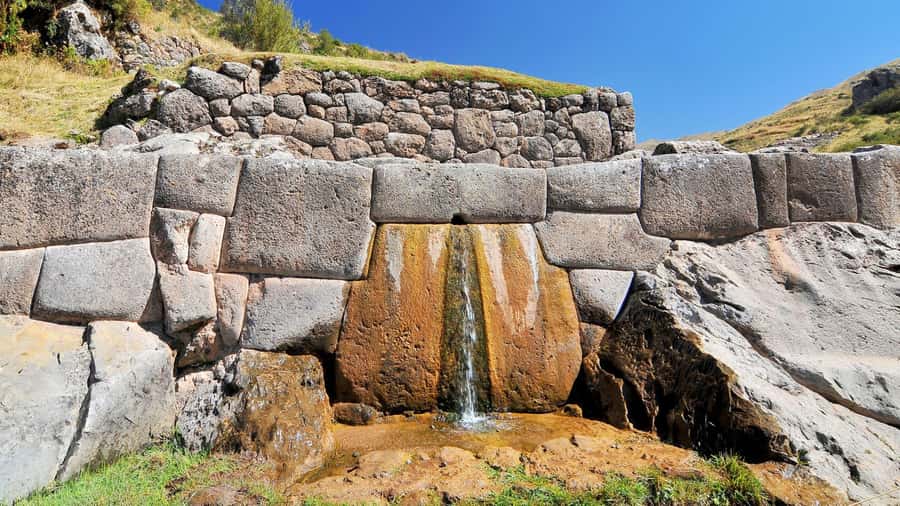
Tambomachay is the final archaeological stop. It was dedicated to water, purification, and ritual use, with canals and fountains forming the main attraction.
After the military sites, Tambomachay changes the mood. The water channels show a more ceremonial side of Inca planning and remind you that the empire’s sacred places were not limited to temples and fortresses.
The site is best understood with a short explanation from the guide. Look for the flow of water through the stonework and consider how carefully the channels were designed. The stop may feel rushed if earlier delays have accumulated, so listen first and take photographs afterward.
The tour then returns to Cusco, finishing near the Plaza de Armas. That ending is convenient if you want lunch, a rest, or a separate afternoon plan in the center.
How the timing affects your day
The morning departure is the better choice if you want the afternoon free. It normally finishes around 2:30 p.m., although the exact return can shift. The afternoon departure works well if you want a slower morning, but you should expect to finish around 6:30 p.m.
Sunday hours may vary because some tourist sites open later. Confirm the departure time before you set your plans, especially if you are connecting this tour with another activity.
The route is advertised as five hours, but that should be treated as an approximate window. A late bus has caused problems, and confusion at the meeting point has also delayed departures. A clothing shop or an extra museum stop has, in some cases, reduced the time available for the final ruins.
That possibility matters because the tour’s value comes from its archaeological stops, not from shopping. If your guide suggests an extra stop, listen to the explanation and decide how much time you are willing to spend there. You can also politely ask how it will affect Qenqo, Puca Pucara, and Tambomachay.
What to bring for Cusco’s altitude and sun
Cusco’s altitude can make a five-hour outing more tiring than the schedule suggests. Drinking coca tea before the tour is recommended as a way to help prevent altitude sickness. The tour is not designed for people with vertigo, and you should wear clothing suited to changing conditions.
Bring:
- Passport or identity card
- Comfortable walking shoes
- Sunglasses
- Hat
- Sunscreen
- Camera
Keep water and other drinks for the stops rather than carrying alcoholic drinks in the vehicle. Alcohol, drugs, littering, pets, and drinks in the vehicle are not allowed.
The combination of sun, altitude, walking, and uneven archaeological ground is the real challenge here. You do not need special equipment, but you do need to take the basic precautions seriously.
Guide quality and the importance of clear organization
A good guide can turn four separate ruins into one understandable story. The strongest named guides in the supplied feedback are Werner and Angélica, both praised for attentive and clear explanations. Sam also helped resolve a meeting-point problem and then delivered a solid tour.
The bilingual service is offered in Spanish and English. Ask questions when you can, especially at Qoricancha and Sacsayhuamán, where context adds far more value than simply taking photographs.
Organization has been less consistent than the guiding. A missing name on a list, confusion in Plaza de Armas, and late transport can make the first part of the day stressful. Arrive early, keep your booking information accessible, and make sure you are standing with the correct guide before leaving the square.
The tour is a better fit for you if you prefer a broad introduction with transport included. It is less suitable if you want long, quiet periods at each ruin or dislike any possibility of commercial stops.
Is $11 good value?
At $11, the tour is inexpensive for a five-hour route that includes tourist transport and a bilingual guide. It can save you the trouble of arranging separate rides to four sites outside the center, and it gives you a basic historical framework for Cusco.
The price looks less simple once entrance fees are added. Since tickets are excluded, compare the cost with your wider Cusco plans. If you will visit the Sacred Valley and several archaeological parks, a complete tourist ticket may be the smarter purchase than buying isolated admissions.
Meals and extra expenses are also excluded. Plan for those separately, and do not assume that a low advertised price covers the entire day.
The value depends on what you want from the outing. For a first day in Cusco, it offers an efficient way to get oriented and see major sites while beginning to adjust to the altitude. For a serious archaeology visit, the short stops and possible delays may feel limiting.
Who should book this Cusco city tour?
I would choose this tour if you have limited time in Cusco, want a guide to explain the main sites, and prefer not to organize transport yourself. It also makes sense early in a stay, when you want a manageable introduction before a longer Sacred Valley excursion.
Families and first-time visitors may appreciate the simple route, though everyone should be comfortable walking and handling outdoor conditions. English and Spanish support makes the tour practical for both language groups.
I would be cautious if you have vertigo, need an exact finish time, or want to spend unhurried time at every ruin. I would also ask about shopping stops before departure if your priority is archaeology.
Canceling up to 24 hours before the activity qualifies for a full refund, and reserve-now-pay-later booking keeps your immediate plans flexible. Those terms help if your Cusco schedule is still shifting.
Should you book it?
Book this tour for a low-cost overview of Qoricancha and the four principal ruins around Cusco. The best parts are the Inca and Spanish contrast at Qoricancha, the huge masonry at Sacsayhuamán, and the clear guidance that people such as Werner and Angélica have provided.
Before paying, budget for the tourist ticket and ask how much time will be reserved for each archaeological site. If the operator can keep the route focused, this is a useful first look at Cusco. If you want depth, silence, and complete control over the schedule, hire a private guide or visit the sites independently instead.
FAQ
How long does the Cusco city tour last?
The scheduled duration is five hours. The morning shift usually ends around 2:30 p.m., while the afternoon shift usually ends around 6:30 p.m.
Where does the tour begin?
The tour begins with a meeting in Cusco’s Plaza de Armas. Some bookings include pickup, in which case the guide contacts you about 15 minutes beforehand and asks you to wait in your hotel lobby for about 10 minutes.
What sites are included?
The route includes Qoricancha, Sacsayhuamán, Qenqo, Puca Pucara, and Tambomachay.
Are entrance fees included in the $11 price?
No. Entrance fees are not included. Meals and extra personal expenses are also separate.
What languages are available?
A live bilingual guide is available in English and Spanish.
Are there morning and afternoon departures?
Yes. The morning meeting window is from 8:40 to 9:00 a.m. The afternoon meeting window is from 12:40 to 1:00 p.m. Sunday times may vary because some sites open later.
What should I bring?
Bring your passport or identity card, comfortable shoes, sunglasses, a camera, sunscreen, and a hat. Coca tea before the tour is recommended to help with altitude sickness.
Can I cancel the booking?
Yes. You can cancel up to 24 hours in advance for a full refund. Reserve-now-pay-later booking is also available.
Just added around Cusco
- Waqrapukara 1 day trekking + meals★ 3.9 · 3 reviews
- Zipline over the Sacred Valley Trip★ 5.0 · 11 reviews
- Valle Sur Cusco | half day★ 4.3 · 3 reviews
- Visit to the Cochahuasi Animal Sanctuary with rescued animal★ 4.1 · 4 reviews
- Visit Pisac from Cusco: Private Transport★ 4.6 · 9 reviews
- Maras and Huaypo lagoon by ATV from Cuzco | Local Operator★ 4.7 · 4 reviews
- Trek to Humantay Lake from Cusco★ 4.9 · 8 reviews
- Trek to Choquequirao 4 days★ 3.8 · 4 reviews
City Tours, compared.
Half-Day City Tour with Sacsayhuaman and Q’enco
Read our review →
City Tour Cusco Qoricancha Sacsayhuaman y Tambomachay
Read our review →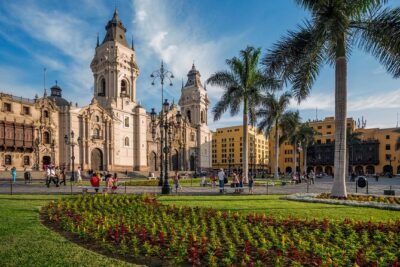
Lima’s Vibrant Heritage: Exploring the City’s Landmarks Half-day
Read our review →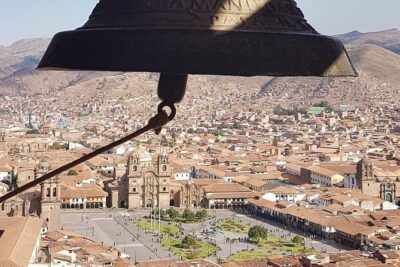
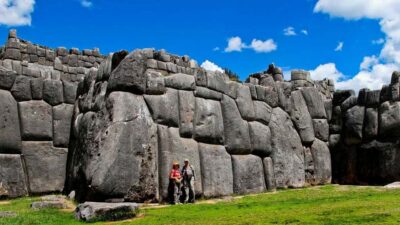
City Tour | Half-Day Tour to 4 Archaeological Sites
Read our review →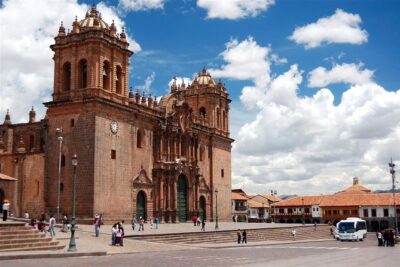
City Tour in Cusco & visit Museum South American Camelid Private.
Read our review →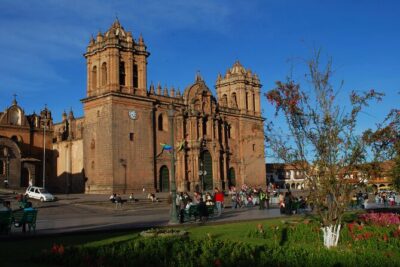
Cusco City Sightseeing, San Pedro Market, Cathedral and Qorikancha Temple
Read our review →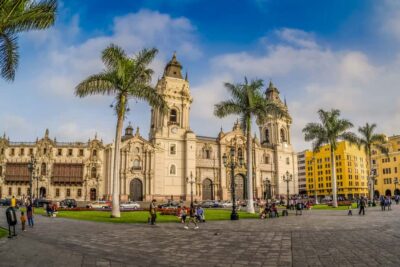
Browse the lists this tour appears in