
Reviewed · SILLAR ROUTE TOURS
From Arequipa: Sillar Route and Hike in Culebrillas
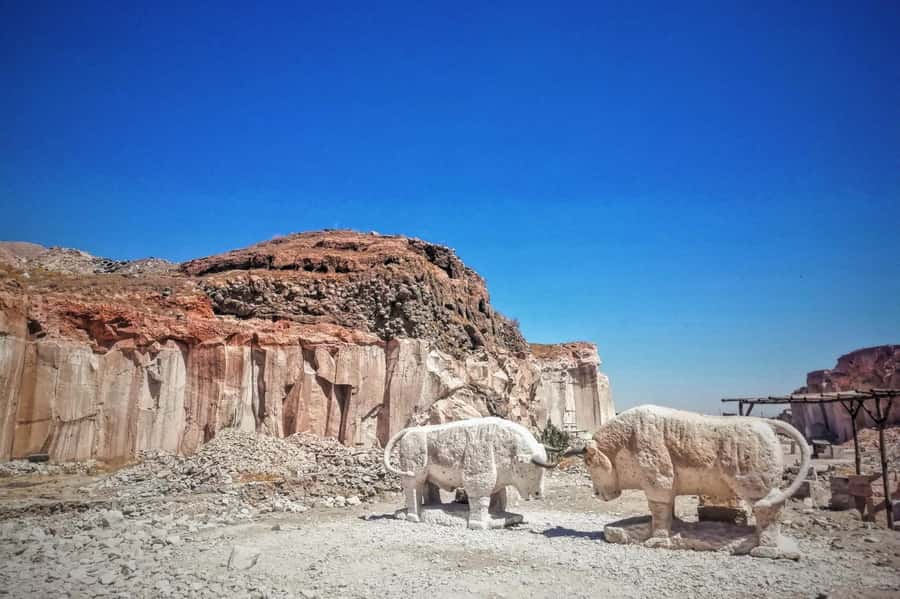
Arequipa’s famous white buildings begin at the sillar quarries, where you can see the volcanic stone being extracted and learn how it shaped the city. The tour then shifts from quarry work to a short walk through Culebrillas, a narrow canyon with petroglyphs at the end.
I like the useful connection between Arequipa’s architecture and the source of its building stone. I also like the compact four-hour schedule, English and Spanish guiding, and the chance to add a bit of walking and archaeology without committing to a full-day outing. The main concern is group size: the current details say a maximum of 10, but one older booking reported 22 people in an overcrowded vehicle, so confirm the arrangement before you go.
In This Review
- Key points to know before booking
- Why the sillar route matters in Arequipa
- Leaving Arequipa for Añashuayco quarry
- At Añashuayco, meet the stone behind the city
- Culebrillas canyon brings a change of pace
- Petroglyphs at the end of the walk
- Food, local flavor, and what is actually included
- Is the $12 price good value?
- Group size and guiding can make or break the outing
- Who will enjoy this four-hour outing?
- Booking advice and cancellation flexibility
- Should you book the Sillar Route and Culebrillas tour?
- FAQ
- How long does the Sillar Route and Culebrillas tour last?
- What places does the tour visit?
- How long is the walk at Culebrillas?
- Is transportation included?
- Is a tour guide included?
- How much do the entrance fees cost?
- What should I bring?
- Is the tour suitable for pregnant women?
- Is the tour suitable for people with vertigo or recent surgeries?
- Can I cancel the tour for a refund?
Key points to know before booking
- See where Arequipa’s white stone comes from: The Añashuayco quarry explains the material used in many buildings around the city’s main square.
- Walk for about 20 minutes in Culebrillas: The canyon was formed by water erosion and provides the tour’s main outdoor stretch.
- Photograph petroglyphs: Ancient rock markings appear after the canyon walk.
- Budget 10 soles for entrances: The quarry costs 5 soles and Culebrillas costs another 5 soles.
- Look for a small group, but verify it: The advertised limit is 10 participants, though one past booking described a much larger vehicle load.
- Guides may include Alexandra or Toni: Both names received especially positive comments for clear, friendly guiding.
Why the sillar route matters in Arequipa
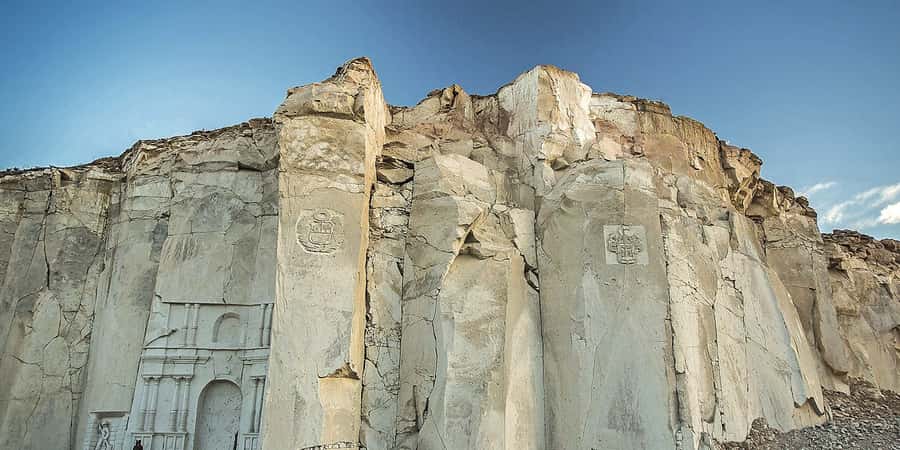
Arequipa is often called the White City because pale volcanic sillar gives many central buildings their distinctive look. This tour takes you beyond the polished facades and shows you the working source of that stone at Añashuayco.
That connection is the heart of the outing. Instead of simply photographing a white church or colonial wall, you learn what the material is, how it is extracted, and why it appears so often in Arequipa’s central architecture.
The guide’s explanation is important here. The quarry itself is not a museum with a long indoor exhibit. Its value comes from seeing the stone in place and hearing how local building traditions developed around it.
If you enjoy understanding how a city was made, you’ll get more from this stop than someone looking only for a scenic photo. The quarry gives the city’s architecture a practical foundation, quite literally.
More sillar route tours in Peru:
- From Arequipa: Sillar Route Trek
★ 4.2 · 461 reviews - Sillar Route and Culebrillas Petroglyphs
★ 4.5 · 89 reviews - Sillar Route in Arequipa and viewpoint of the Volcanoes
★ 4.0 · 71 reviews
Leaving Arequipa for Añashuayco quarry
The outing begins with hotel pickup in Arequipa. Once everyone is in the vehicle, you leave the city for the Añashuayco quarry, where the guide introduces the extraction process and the role of sillar in local construction.
The exact pickup time is not fixed in the supplied details, so you’ll need to check availability when booking. The complete experience lasts about four hours, including transport, the quarry visit, the Culebrillas walk, the petroglyph stop, and the return to Arequipa.
Transport is included, which makes the tour useful if you do not have a car or prefer not to arrange separate rides into the quarry area. At $12 per person, the base cost is low for a half-day excursion, though you should add the two entrance fees to your budget.
The vehicle and group size can affect the experience more than the advertised price. A small group of up to 10 should make it easier to hear the guide and ask questions. Since one older booking reported 22 people in a vehicle described as holding 19, I would confirm the current group limit and vehicle setup before paying.
At Añashuayco, meet the stone behind the city
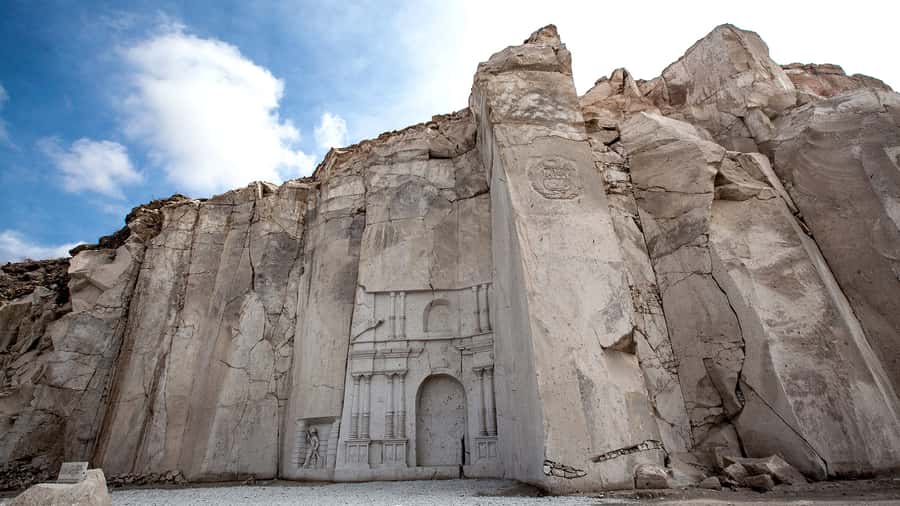
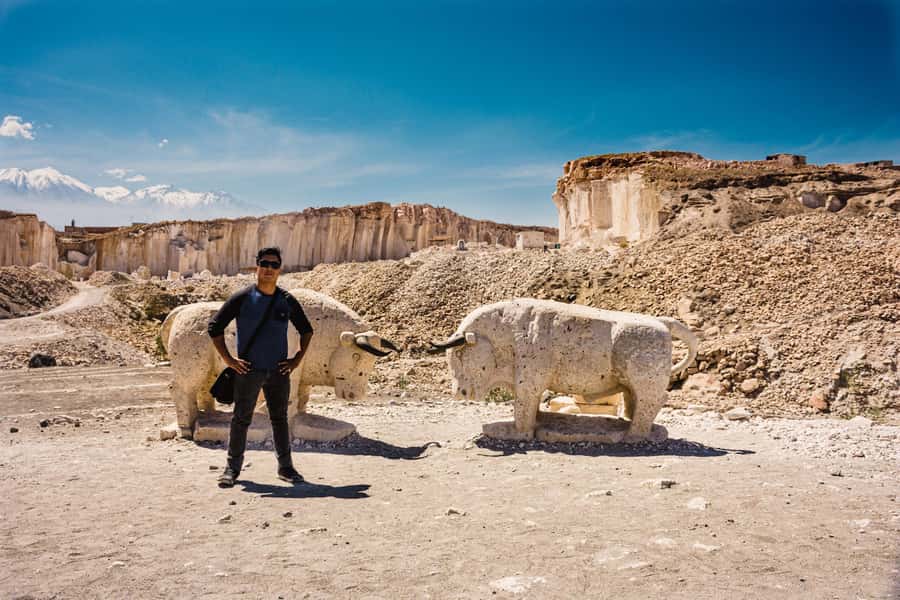
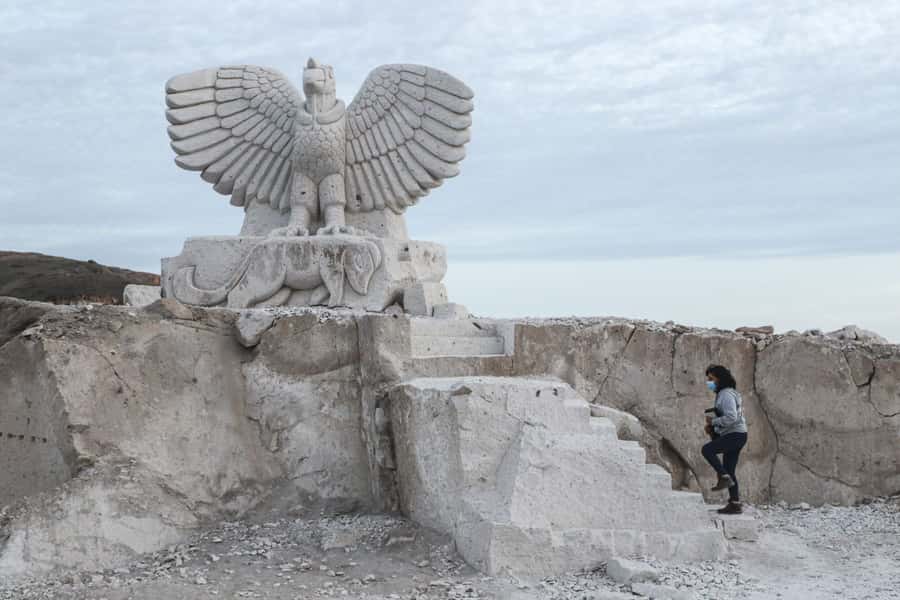
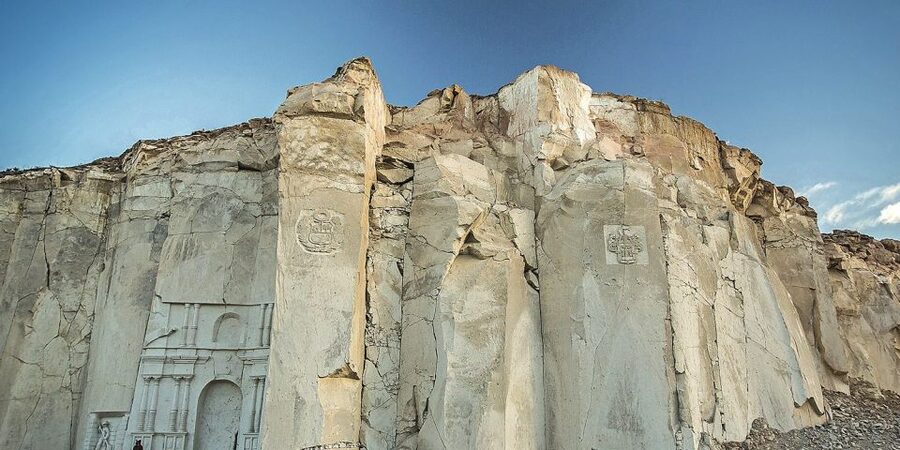
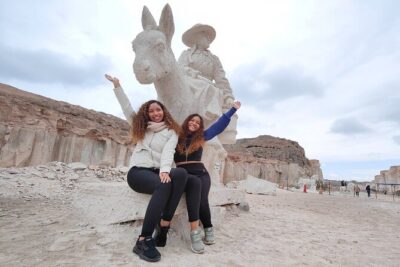
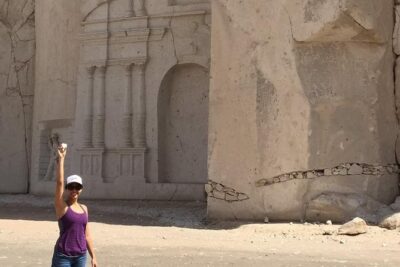
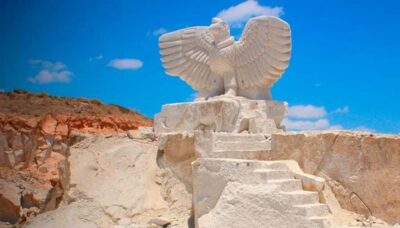
At the quarry, the guide explains how sillar is extracted. You’ll learn about the stone used in many structures around Arequipa’s main square, giving you a clearer idea of why the city’s central buildings have such a consistent pale appearance.
This is the most educational portion of the tour. The guide’s talk turns a pile of pale volcanic rock into part of Arequipa’s story. You can look at the quarry with a better sense of what you’re seeing, rather than treating it as a generic stop outside town.
Allow yourself time to look closely and take photographs, but remember that the guide’s explanation is what makes the visit worthwhile. The quarry is not presented as a long hiking route in the supplied information, so this is primarily a sightseeing and learning stop.
An entrance fee of 5 soles is not included. That is a small extra cost, but it is worth knowing in advance because the advertised price does not cover every admission.
The strongest guiding can make a real difference here. Alexandra received praise for explaining both Arequipa and Culebrillas while still leaving time for independent exploration. Toni was also praised for making the visit entertaining and interesting. Guide assignments can change, so you should not assume either person will lead your departure.
Culebrillas canyon brings a change of pace
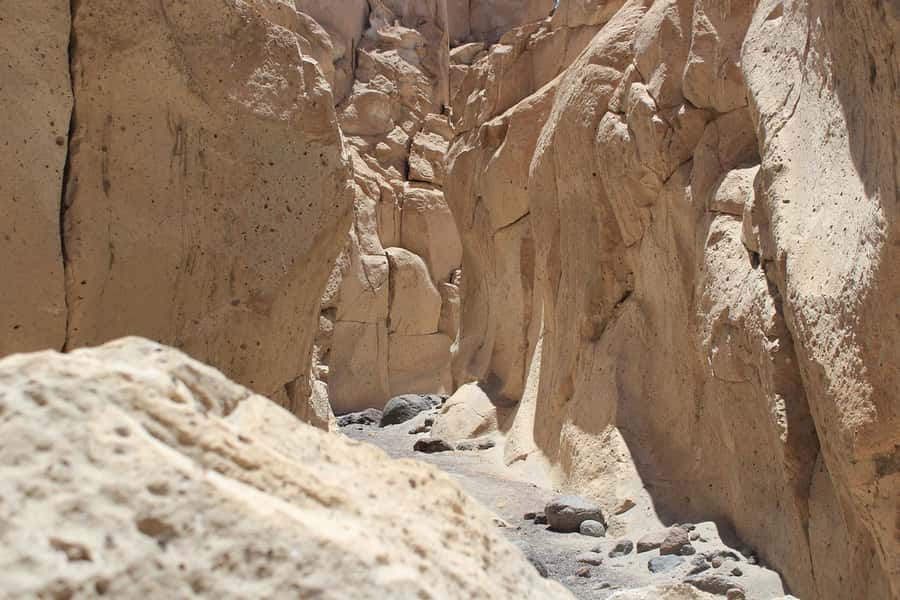
After the quarry, the tour continues to Culebrillas creek. Here, you walk for about 20 minutes through a small canyon shaped by water erosion.
This short walk gives the tour a welcome change of rhythm. The quarry focuses on stone extraction and human work. Culebrillas shows what water has done to the surrounding rock over time. You get a simple pairing of geology, local construction, and outdoor scenery within one half-day route.
The walk is not described as a long or demanding hike. Still, you should wear comfortable clothes and shoes suited to uneven ground. The tour specifically advises comfortable clothing, and that is sensible even for a 20-minute walk.
People with vertigo should avoid this outing. Pregnant women and people with recent surgeries are also listed as unsuitable for the activity. These limits matter most at the canyon, where a narrow route or uneven footing could make the walk uncomfortable or unsafe.
The canyon section is likely to appeal to you if you want some movement but do not want a serious trek. If you are seeking a long hike, extensive wilderness time, or a strenuous route, this four-hour trip will probably feel too light.
A few more Peru trips to weigh up
- From Cusco: 7 Lakes Ausangate Trek with Breakfast and Lunch
★ 4.8 · 360 reviews - From Arequipa: 2-Day Colca Canyon Trekking Tour
★ 4.8 · 243 reviews - Cusco: Rainbow Mountain Tour and Red Valley Hike (Optional)
★ 4.7 · 149 reviews - Cusco: Full-Day Rainbow Mountain & Red Valley Trekking Tour
★ 4.5 · 121 reviews
Petroglyphs at the end of the walk
The tour finishes its sightseeing portion with petroglyphs in the Culebrillas area. You can stop to admire and photograph the rock markings before returning to Arequipa.
This is a modest archaeological stop, but it adds another layer to the route. The tour begins with modern and historic construction material, continues through a water-cut canyon, and ends with marks made on rock. The sequence gives the trip more variety than a quarry visit alone.
Do not expect a large archaeological complex based on the information provided. The petroglyphs are a brief viewing stop after the walk. Their appeal comes from the setting and the chance to see them in person, not from a long museum-style presentation.
Your guide’s explanation will shape how much you take away from this part. A good guide can point out what to look for and give the markings context, while still leaving you time to take photographs. Alexandra was specifically praised for offering interesting facts without rushing independent exploration.
Food, local flavor, and what is actually included
The experience highlights typical dishes and local gastronomy, but the included services list only tourist transport and a tour guide. It does not clearly promise a meal, tasting, or restaurant stop.
That distinction matters. You may encounter local food during the outing, but you should not book this tour expecting lunch to be included unless the operator confirms it. The $12 price makes more sense as a transport and guiding cost, with food handled separately if available.
If local cooking is a major reason for booking, ask directly about the food portion before departure. The written details support an interest in typical dishes, but they do not specify a menu, tasting, or dining location.
Is the $12 price good value?
At $12 per person, this is an inexpensive way to reach two attractions outside Arequipa and receive a guided introduction to them. Transport is included, and the four-hour duration gives you more than a quick photo stop while still leaving most of your day free.
The real price is $22 if you add the two 5-sol entrance fees, using the stated exchange of the local currency. Food, if you choose to buy it, would be extra. Even so, the cost remains reasonable for a half-day excursion, especially if your alternative is arranging transport to the quarry and canyon on your own.
The value depends on your expectations. You are paying for access, transportation, and interpretation, not a long trek or a full cultural program. The quarry and petroglyphs are relatively focused stops, and the Culebrillas walk lasts only about 20 minutes.
I would consider it good value for a first visit to Arequipa, particularly if you want context for the city’s white architecture. I would look elsewhere if you want a private tour, a substantial food experience, or a larger archaeological itinerary.
Group size and guiding can make or break the outing
The advertised format is a small group limited to 10 participants. That is a useful size for a short tour because you can generally hear the guide and move between stops without a long delay.
The past complaint about 22 people in a vehicle is serious enough to mention. It describes both overcrowding and a safety concern involving the guide. That account is from 2023, while more recent bookings praised the experience and specific guides, so it may not reflect the current operation. Still, I would ask the provider to confirm the maximum number of participants and the vehicle capacity.
A strong guide is especially valuable on this route because neither stop depends entirely on dramatic scenery. The explanations connect the places. Alexandra was praised for useful facts about Arequipa and Culebrillas, along with free time to explore. Toni was praised for keeping the excursion fun while explaining why the sillar quarry is interesting.
Guides speak Spanish and English. If you need one language in particular, confirm your departure language when booking.
Who will enjoy this four-hour outing?
I would recommend the tour for:
- First-time visitors who want to understand Arequipa’s white architecture.
- People who enjoy geology, local building traditions, and short archaeological stops.
- Visitors who want a half-day activity rather than a full-day excursion.
- Anyone without private transport to the Añashuayco quarry and Culebrillas.
- Photographers looking for pale stone, a narrow canyon, and petroglyphs.
- Visitors comfortable with a short walk on uneven ground.
I would be cautious about booking if you have vertigo, are pregnant, or have had recent surgery. The activity also may not suit anyone expecting a long hike, a guaranteed meal, or a private vehicle.
Bring your passport or ID card and comfortable clothing. Alcohol and drugs are not allowed. The supplied information does not call for specialist hiking equipment.
Booking advice and cancellation flexibility
The tour offers free cancellation up to 24 hours before departure for a full refund. It also allows you to reserve now and pay later, which helps if your Arequipa schedule is still changing.
Those policies are useful, but I would spend just as much attention on the practical questions. Confirm the pickup time, current group size, vehicle capacity, guide language, and whether any food stop is actually included.
You should also remember that the quarry and Culebrillas entrance fees are separate. Set aside 10 soles per person so the extra cost does not catch you by surprise.
Should you book the Sillar Route and Culebrillas tour?
Book it if you want an affordable, compact introduction to the material, geology, and small-scale archaeology around Arequipa. The link between the sillar quarry and the city’s white buildings is genuinely useful, while Culebrillas adds a pleasant walk and petroglyphs without taking up a full day.
I would book only after confirming the current group arrangement. The advertised limit of 10 is appealing, but the older overcrowding complaint means this detail deserves a quick check.
For most visitors, the tour is best seen as a practical half-day outing rather than a major adventure. At $12 plus 10 soles in entrances, it offers solid value if your priorities are transportation, a bilingual guide, and a few varied stops close to Arequipa.
FAQ
How long does the Sillar Route and Culebrillas tour last?
The tour lasts about four hours, including hotel pickup, transportation, the quarry visit, the Culebrillas walk, the petroglyph stop, and the return to Arequipa.
What places does the tour visit?
The route includes the Añashuayco sillar quarry and Culebrillas creek. You also stop to see and photograph petroglyphs.
How long is the walk at Culebrillas?
The walk through the small canyon lasts about 20 minutes.
Is transportation included?
Yes. Tourist transport and hotel pickup are included.
Is a tour guide included?
Yes. A live tour guide is included. Guiding is available in Spanish and English.
How much do the entrance fees cost?
The Añashuayco quarry entrance costs 5 soles, and the Culebrillas entrance costs another 5 soles. These fees are not included in the tour price.
What should I bring?
Bring your passport or ID card and wear comfortable clothes.
Is the tour suitable for pregnant women?
No. Pregnant women are listed among those for whom the activity is not suitable.
Is the tour suitable for people with vertigo or recent surgeries?
No. The activity is listed as unsuitable for people with vertigo and people with recent surgeries.
Can I cancel the tour for a refund?
Yes. You can cancel up to 24 hours in advance for a full refund. You can also reserve now and pay later.
Just added around Peru
- Walking tour through the Historic Center of Arequipa★ 4.0 · 3 reviews
- Waqrapukara 1 day trekking + meals★ 3.9 · 3 reviews
- Zipline over the Sacred Valley Trip★ 5.0 · 11 reviews
- Valle Sur Cusco | half day★ 4.3 · 3 reviews
- Visit to the Cochahuasi Animal Sanctuary with rescued animal★ 4.1 · 4 reviews
- VISIT THE NATIONAL RESERVE OF PARACAS BY ATV★ 4.8 · 23 reviews
- Uros Floating Islands Tour in Puno★ 3.7 · 9 reviews
- Vinicunca Mountain Tour – Full Day Tour to Rainbow Mountain★ 3.4 · 4 reviews
Sillar Route Tours, compared.
Sillar Route in Arequipa and viewpoint of the Volcanoes
Read our review →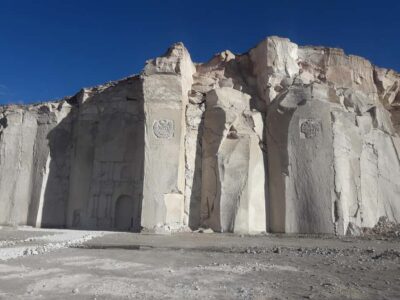
4 hours Tour: Route of Sillar with Trek in Culebrillas
Read our review →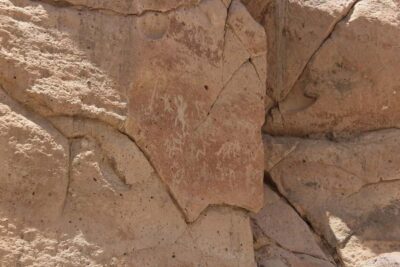
Route of the Sillar | Quarries of Añashuaycos | Half day
Read our review →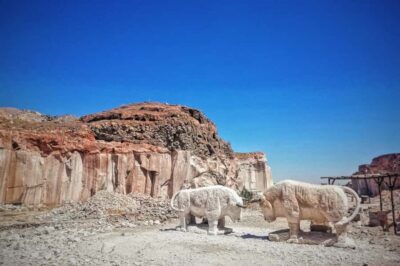
4-hour excursion: Sillar Route with Hiking in Culebrillas
Read our review →
Trek to the Route of the Sillar and Culebrillas in Arequipa
Read our review →Browse the lists this tour appears in