
Reviewed · CITY TOURS
Cusco: Private City Tour and Trip to Archeological Sites
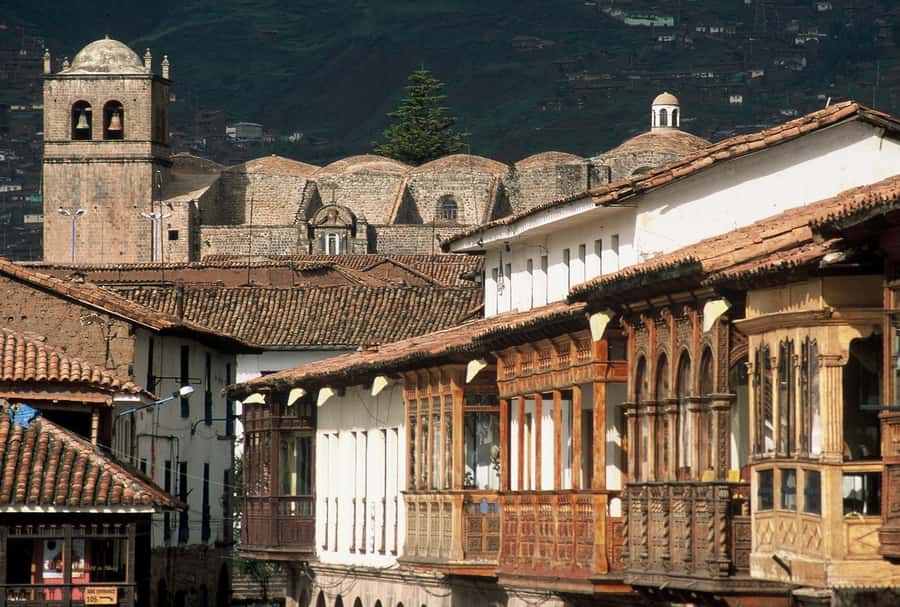
Cusco’s past comes at you in layers on this four-hour private tour: Inca stonework below a Spanish convent, a grand cathedral on the Main Square, and fortress ruins high above town. It is a smart first look at the city, especially if you want the main sights explained rather than simply photographed.
I like the private format, which gives you room to ask questions and set a useful pace. I also like the comfortable van and hotel pickup, details praised by a Brazilian visitor who found the Cusco-born guide punctual, attentive, and full of engaging information. The catch is time: four hours moves quickly, and the Cusco Tourist Ticket is not included for the hilltop ruins.
In This Review
- Key points to know before booking
- Why this is a useful first look at Cusco
- Santo Domingo and the gold-covered Coricancha
- Cusco Cathedral on the Main Square
- Sacsayhuaman and the hills above Cusco
- Qenqo and Inca ritual life
- Puka Pukara, the Red Fortress
- What the private transport adds
- Guide languages and the value of local context
- Is $101 per person a fair price?
- Who will get the most from this tour?
- My booking advice
- FAQ
- How long does the Cusco private city tour last?
- What sights are included in the route?
- Is hotel pickup included?
- Is the Cusco Tourist Ticket included?
- Which languages are available?
- Is the tour private?
- Are food and drinks included?
- Can wheelchair users join the tour?
Key points to know before booking
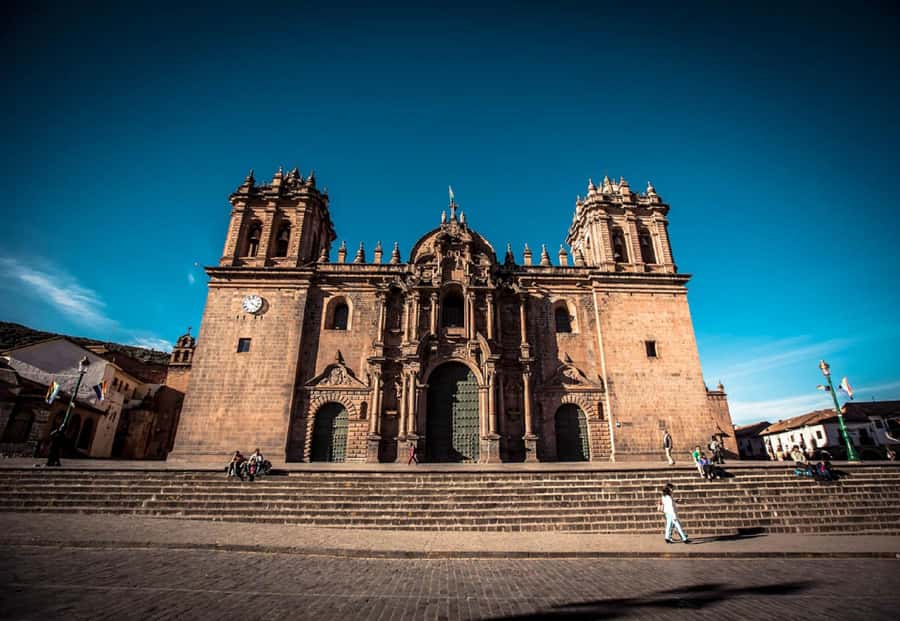
- Coricancha beneath Santo Domingo Convent: See the surviving Inca foundations of Cusco’s most important sun temple.
- Five major stops in four hours: The route covers Santo Domingo, the Cathedral, Sacsayhuaman, Qenqo, and Puka Pukara.
- Private van and hotel pickup: Pickup is available from hotels in Cusco’s Historic Center, with drop-off included.
- The BTC ticket costs extra: You need the Cusco Tourist Ticket to enter Sacsayhuaman, Qenqo, Puka Pukara, and other listed archaeological sites.
- Three guide languages: You can book with a live guide in English, Spanish, or Portuguese.
- Good for first-time visitors: The tour links the central sights with the ruins above town without making you arrange separate transport.
Why this is a useful first look at Cusco
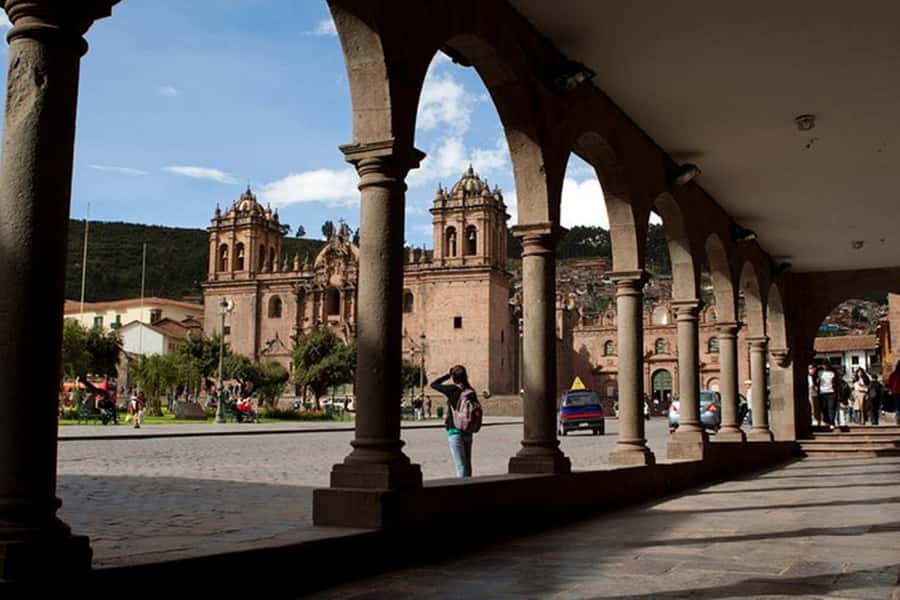
Cusco can feel confusing at first. The city center is compact, but its story is not. Inca temples became Spanish churches, royal roads became colonial streets, and major ruins sit on steep hills outside the center. This tour gives you a clear outline of that story in one morning or afternoon.
The private setup matters here. You are not tied to the questions or walking speed of a large group. If the guide’s explanation of Coricancha catches your interest, you can ask about Inca religion. If the stonework at Sacsayhuaman raises questions, you can focus there instead of waiting for a crowd to move along.
The tour lasts four hours, so I would think of it as an introduction, not a slow archaeological study. You will see the major places, hear their basic context, and get a better idea of where to return on your own. That is a good trade for anyone with limited time in Cusco.
A comfortable van is another practical advantage. The route climbs from the city center into the hills, and private transport keeps this short tour from turning into a tiring uphill walk. You should still wear comfortable shoes, since the ruins involve uneven ground and outdoor walking.
A few more Cusco trips to weigh up
- City Tour in Cusco & visit Museum South American Camelid Private.
★ 5.0 · 147 reviews - Private Tour to Sacred Valley and Machu Picchu from Cusco
★ 5.0 · 133 reviews - Private Rainbow Mountain Full Day Tour from Cusco
★ 5.0 · 129 reviews
Santo Domingo and the gold-covered Coricancha
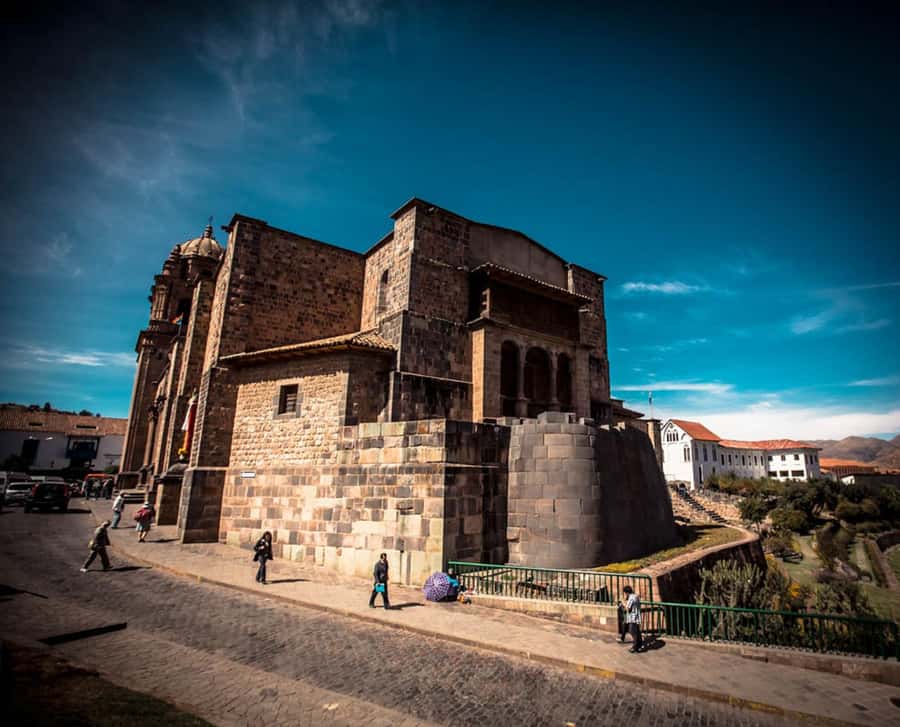
The tour begins at Santo Domingo Convent, a large Renaissance-baroque complex built over the Inca Coricancha temple. This is one of Cusco’s most striking examples of two cultures occupying the same piece of ground.
Coricancha was dedicated to the worship of the sun and was among the most important religious centers in the Inca Empire. Ancient accounts describe walls covered in gold leaf and rooms filled with golden representations of the natural world. Much of that wealth disappeared after the Spanish conquest, but the Inca foundations remain visible beneath the convent.
Look closely at the contrast between the two building traditions. The colonial convent rises above the site with its European religious design, while the Inca base uses carefully fitted stone. The surviving foundations are the real lesson here. They show that the Spanish did not simply build a new church nearby. They built directly over a major Inca temple.
Admission to Coricancha is included in the $101 price. That helps the value of the tour, since this is one of the central historical sights in Cusco and the guide’s explanation gives the stonework a clear purpose. The visit should also help you read other sites later in your trip, especially when you encounter the Inca preference for precise stone construction.
Cusco Cathedral on the Main Square
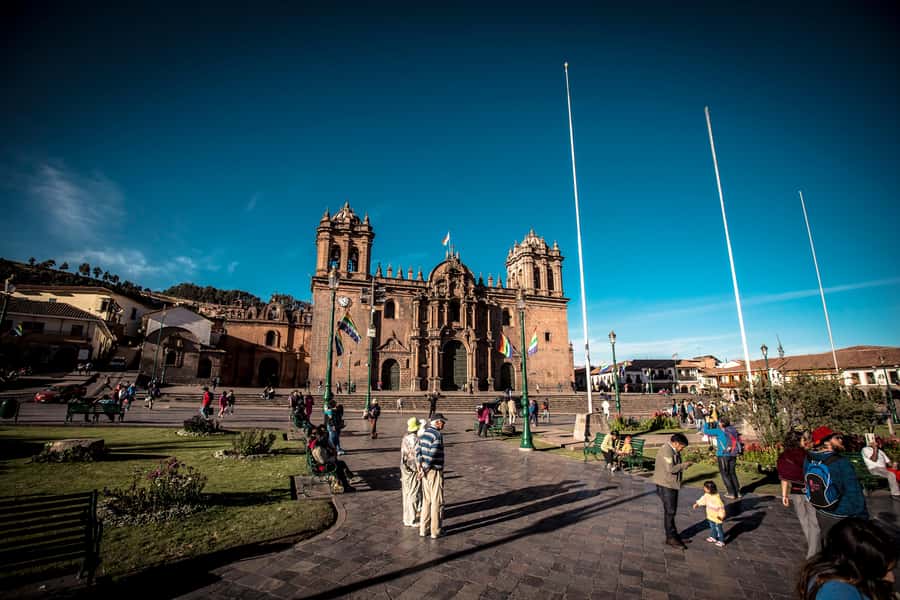
From Santo Domingo, the tour continues to Cusco Cathedral, the most imposing monument on the Main Square. The cathedral provides a sharp change of mood and style after Coricancha. Here, the focus shifts from an Inca sun temple to the grand colonial Catholic center of the city.
The building’s position matters. Cusco’s Main Square has long been the center of civic and religious life, and the cathedral dominates the space. It is not just another church stop added to fill time. It helps you understand how the Spanish reshaped the heart of the former Inca capital.
Your guide can connect the cathedral to the broader history of Cusco and explain how the city’s religious buildings reflect the colonial period. Since admission is included, you do not need to arrange a separate ticket for this part of the visit.
The drawback is that a short city tour cannot cover every detail inside a major cathedral. If you care deeply about colonial art or church architecture, you may want to return later with more time. For a first visit, though, the stop gives you a useful anchor in the center before the route heads uphill.
Sacsayhuaman and the hills above Cusco
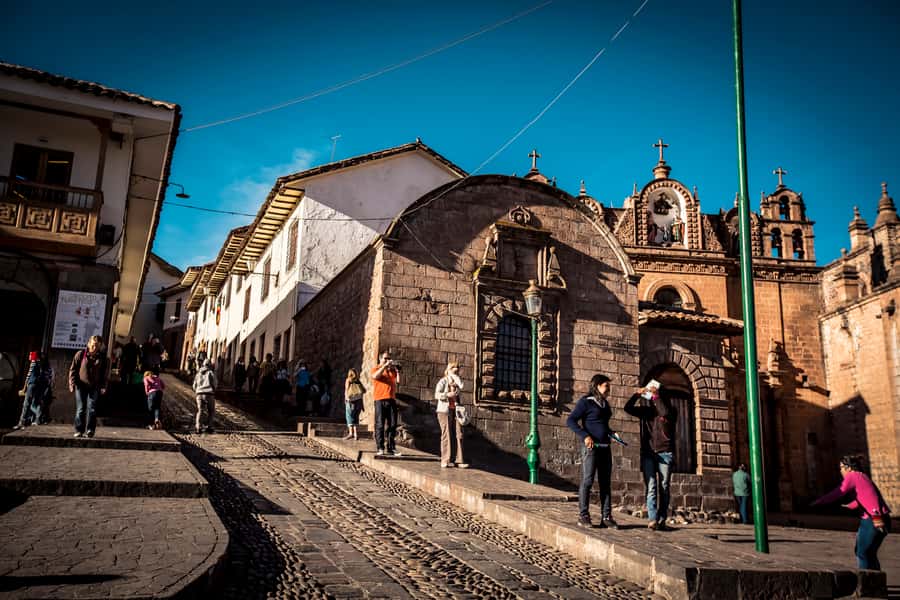
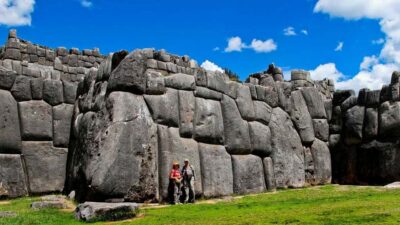
The tour then leaves the central streets and climbs toward Sacsayhuaman, the largest and most dramatic archaeological stop on the route. The fortress ruins sit above Cusco, where the huge ramparts offer wide views over the city.
Sacsayhuaman is a place where scale does much of the talking. The massive stone walls make the complex feel different from the tighter masonry you see in the center. You can look across the ramparts toward Cusco and understand why the site had such strong defensive value.
The panoramic view is one of the best reasons to include this stop early in your visit. The city below becomes easier to understand from above, and you gain a sense of how the Inca capital was arranged between the surrounding hills.
The site is also where the extra ticket becomes important. The Cusco Tourist Ticket, known as the BTC, is not included in the tour price. You need it to visit Sacsayhuaman, Qenqo, Puka Pukara, and the other archaeological sites listed in the important information.
Check the ticket requirement before your pickup time. The tour price covers Coricancha and the Cathedral, but not the BTC. This is the main extra cost to plan for, and it affects the tour’s total value. At $101 per person, the private transport and guide can make sense for a small group, but you should budget separately for the archaeological admissions.
Same valley, a completely different kind of day:
- Cusco: Humantay Lake Tour with Breakfast and Buffet Lunch
★ 4.9 · 2,976 reviews - From Cusco: Sacred Valley & Maras Salt Mines Tour with Lunch
★ 4.8 · 2,227 reviews - From Cusco: Moray, Maras Salt Mines & Chinchero Weavers Tour
★ 4.8 · 1,925 reviews - From Cusco: Full-Day Group Tour of Machu Picchu
★ 4.7 · 1,767 reviews
Qenqo and Inca ritual life
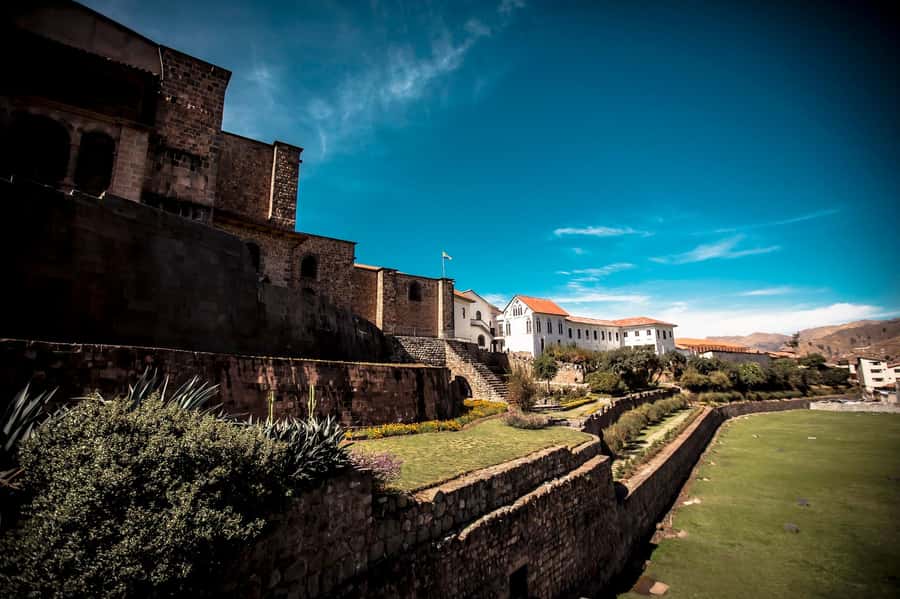
Qenqo offers a smaller, more atmospheric stop after the enormous walls of Sacsayhuaman. The ruins include a temple and amphitheater, and the site is linked to agricultural rituals practiced by the Incas.
This stop adds an important piece to the route. Sacsayhuaman shows the power and defensive side of the Inca world, while Qenqo points toward ritual and agriculture. Together, they give you a wider picture than a fortress visit alone.
Qenqo is also a reminder that the surviving ruins do not always look like complete buildings. You may see stone surfaces, carved areas, open spaces, and partial structures rather than intact rooms. A guide is particularly useful here because the meaning of the remains is not always obvious from the stones alone.
The tour does not promise a long stop at each site, and four hours must cover the central city plus several archaeological complexes. If you want time for detailed photography or a slow look at every carved feature, the pace may feel brisk. If you want a guided introduction that connects the sites, it works better.
Puka Pukara, the Red Fortress
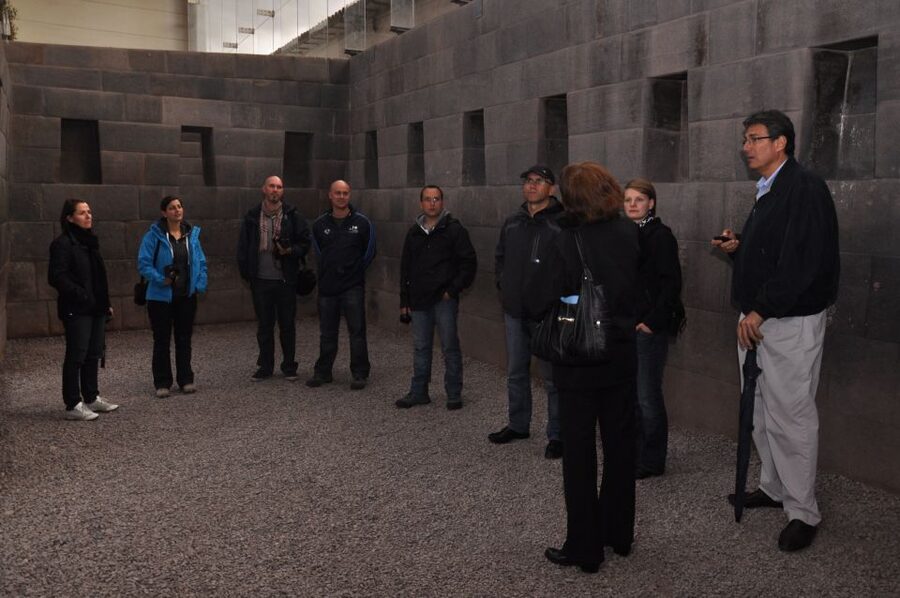
The final named archaeological stop is Puka Pukara, which means Red Fortress in Quechua. It is an Inca military complex on a prominent hill, and its position helps explain its purpose.
The remains include dwellings, squares, bathrooms, aqueducts, walls, and towers. Unlike a single wall or isolated temple, Puka Pukara gives you a sense of a working complex with several functions. Its hilltop setting also links it to the wider network of roads and sites around Cusco.
This is a strong ending because the site brings the route back to practical Inca organization. After seeing religious spaces and a major fortress, you finish with a complex connected to military control and movement through the area.
The supplied information also notes Tambomachay when describing the BTC requirement, but the stated itinerary specifically details visits to Sacsayhuaman, Qenqo, and Puka Pukara. I would confirm the exact stop sequence with the operator if Tambomachay is important to you. Do not assume it is part of the four-hour route simply because it appears in the ticket information.
What the private transport adds
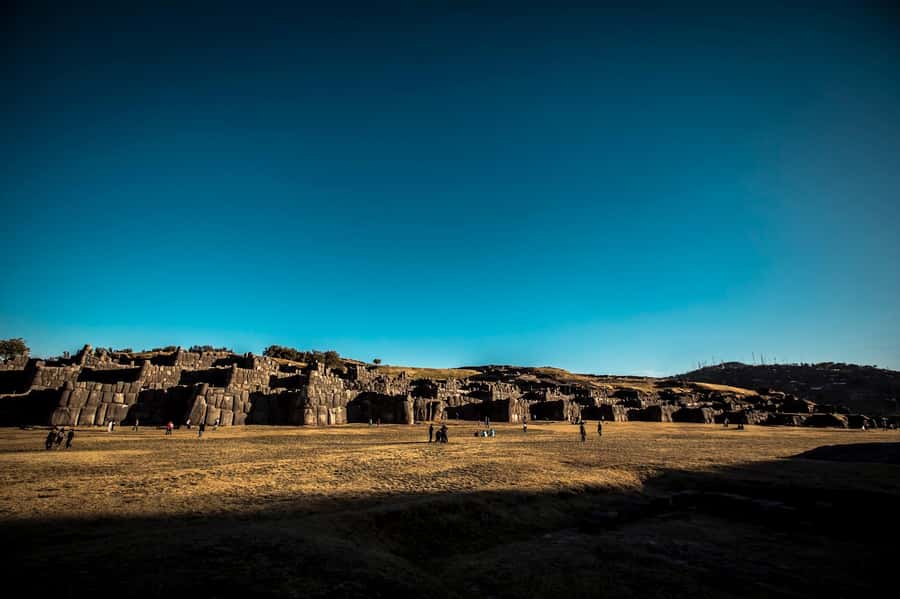
Hotel pickup and drop-off are included for hotels in Cusco’s Historic Center. You should be in your hotel lobby 15 minutes before the scheduled pickup time. This is a small detail, but it helps avoid a rushed start in a city where narrow streets and busy central areas can make meeting a vehicle less simple.
The route is particularly practical because the sites are spread between the center and the hills. Public transport would not give you the same direct connection, and arranging separate taxis for every stop would take time and require more coordination.
A Brazilian visitor specifically praised the comfortable van and punctual service. The same visitor also valued the guide’s natural connection to Cusco and the way the explanations added interest to both the historic center and the archaeological sites. That combination is important: you are paying for interpretation as well as transport.
The group is private, but the exact vehicle size is not stated. It is best to think of this as a private booking with a dedicated guide and transport rather than assume a particular type of van or a specific maximum group size.
Guide languages and the value of local context
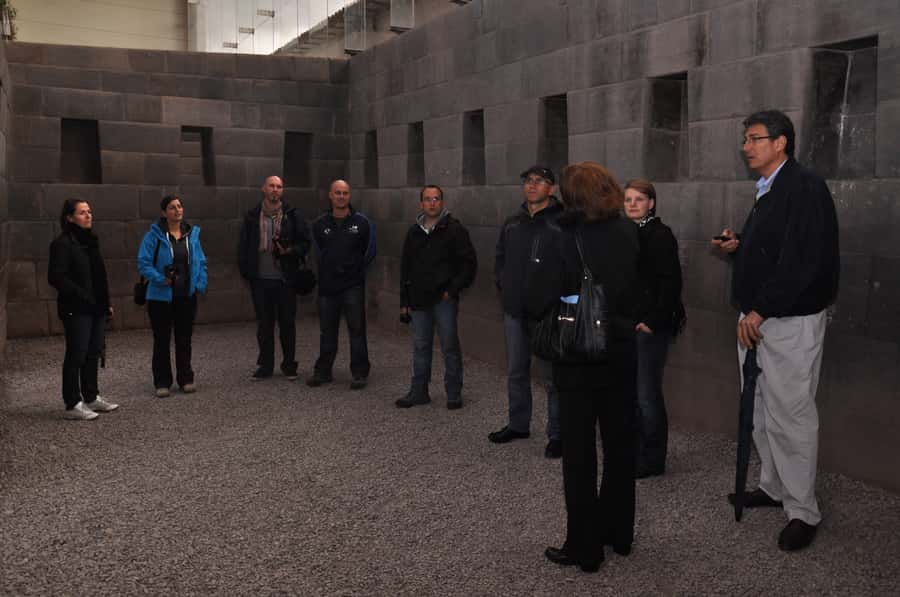
Guides are available in English, Spanish, and Portuguese. The choice matters in Cusco because the tour covers religious ideas, colonial change, Quechua place names, and Inca engineering in a short period. Clear explanations can make the difference between seeing old stones and understanding why the sites were built.
No individual guide name is provided in the tour details. What is clear is that the guide is live and that the service is available in three languages. A verified Brazilian booking described the guide as a Cusco native who was punctual, attentive, and able to share interesting information in a natural way.
The review from Chile also gave the service a full recommendation, though without specific comments about the itinerary. The overall rating is 4.8 from five reviews, which is encouraging but still based on a small number of opinions. I would treat it as a positive sign, not as proof that every departure will feel identical.
A private guide also lets you ask practical questions about the rest of your stay. Use the time well. Ask which parts of the city deserve a second visit, how the Inca and colonial sites fit together, and which details to watch for as you explore Cusco on foot.
Is $101 per person a fair price?
At $101 per person, this is not the cheapest way to see Cusco. The value comes from the combination of a private group, hotel transport, a professional guide, and admission to Coricancha and the Cathedral.
For a couple or small group, private transport may be worth the extra cost. You avoid organizing several rides between the center and the hilltop sites, and you can ask questions without competing with a large group. The comfortable van is another plus for a route that includes uphill travel.
The price is less attractive if you are traveling alone or mainly want a quick ride to the ruins. You must also add the Cusco Tourist Ticket, food and drinks, personal expenses, and a gratuity if you choose to leave one. Sales tax may also be collected by the local operator for Peruvians or foreign people staying in Peru for more than 60 days, since the published rates do not include it in those cases.
I would compare the cost with your priorities. If you value convenience, a private guide, and a strong first orientation, the price can be reasonable. If your main goal is to spend a long time at each ruin, a longer archaeological tour may offer better value than trying to fit so much into four hours.
Who will get the most from this tour?
This is best for first-time visitors who want a clear introduction to Cusco without arranging several separate visits. It suits couples, families with older children, and small private groups who prefer their own guide and vehicle.
It is also useful near the start of a Cusco stay. The central sights give you historical context, and Sacsayhuaman provides an early view over the city. You can use what you learn here to make better choices about later visits.
The tour is less suitable if you want a slow, highly detailed study of one site. Four hours is efficient, but it requires movement and attention. It is also not suitable for wheelchair users, and children must be accompanied by an adult.
Wear comfortable shoes, sunscreen, and comfortable clothing. Do not bring luggage or large bags, and pets are not allowed. The route includes outdoor archaeological sites, so practical clothing matters more than dressing up for the colonial center.
My booking advice
I would book this tour if you have only a short time in Cusco, want private transport, and prefer a guide to connect the Inca and colonial sides of the city. The Coricancha foundations, Cathedral, Sacsayhuaman views, Qenqo rituals, and Puka Pukara defenses make a well-rounded introduction.
I would pause if you are watching every dollar, traveling alone, or already plan to visit the same ruins on a longer group excursion. In that case, the $101 price plus the BTC may be more than you need.
Before booking, check that your hotel is in the Cusco Historic Center, confirm the guide language, and arrange the Cusco Tourist Ticket in advance. If those details fit your plans, this is a convenient and informative first day in the Cusco area.
FAQ
How long does the Cusco private city tour last?
The tour lasts four hours.
What sights are included in the route?
The route includes Santo Domingo Convent and the Coricancha foundations, Cusco Cathedral, Sacsayhuaman, Qenqo, and Puka Pukara.
Is hotel pickup included?
Yes. Hotel pickup and drop-off are included for hotels located in Cusco’s Historic Center. You should arrive in the hotel lobby 15 minutes before pickup.
Is the Cusco Tourist Ticket included?
No. The Cusco Tourist Ticket, or BTC, is not included. It is required to visit Sacsayhuaman, Qenqo, Puka Pukara, and the other archaeological sites named in the ticket information.
Which languages are available?
The live guide is available in English, Spanish, and Portuguese.
Is the tour private?
Yes. This is a private group experience.
Are food and drinks included?
No. Food, drinks, personal expenses, and gratuity are not included.
Can wheelchair users join the tour?
No. The experience is not suitable for wheelchair users. Children must be accompanied by an adult.
Just added around Cusco
- Waqrapukara 1 day trekking + meals★ 3.9 · 3 reviews
- Zipline over the Sacred Valley Trip★ 5.0 · 11 reviews
- Visit to the Cochahuasi Animal Sanctuary with rescued animal★ 4.1 · 4 reviews
- Valle Sur Cusco | half day★ 4.3 · 3 reviews
- Visit Pisac from Cusco: Private Transport★ 4.6 · 9 reviews
- Maras and Huaypo lagoon by ATV from Cuzco | Local Operator★ 4.7 · 4 reviews
- Trek to Humantay Lake from Cusco★ 4.9 · 8 reviews
- Trek to Choquequirao 4 days★ 3.8 · 4 reviews
City Tours, compared.
Half-Day City Tour with Sacsayhuaman and Q’enco
Read our review →
City Tour Cusco Qoricancha Sacsayhuaman y Tambomachay
Read our review →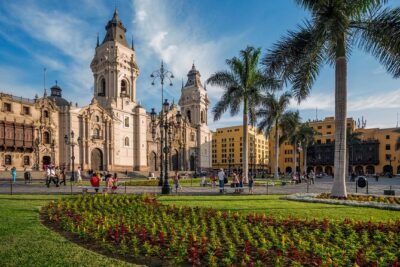
Lima’s Vibrant Heritage: Exploring the City’s Landmarks Half-day
Read our review →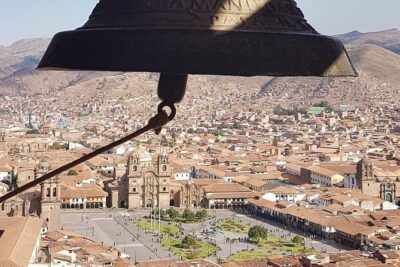
City Tour | Half-Day Tour to 4 Archaeological Sites
Read our review →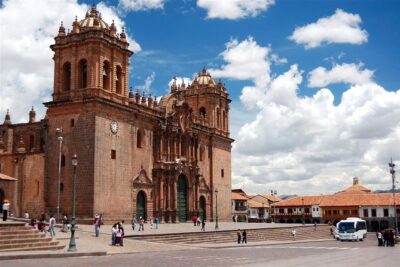
City Tour in Cusco & visit Museum South American Camelid Private.
Read our review →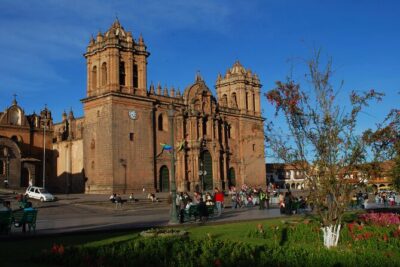
Cusco City Sightseeing, San Pedro Market, Cathedral and Qorikancha Temple
Read our review →
Browse the lists this tour appears in