
Reviewed · CITY TOURS
Cusco : City Tour of 4 Ruins and Sun Temple
Cusco’s best short city tour pairs the Temple of the Sun with four Inca sites in the hills above town. In a single outing, you move from polished colonial streets to huge fitted stones, ritual carvings, water channels, and a former military lookout.
I like the efficient mix of Inca and Spanish architecture at Coricancha, and I like the mountain views from Sacsayhuamán and Puca Pucara. The main caution is time: the schedule is tight, and some departures have included shopping stops that cut into visits to the ruins.
In This Review
- Key points to know
- Five Inca sites in one half-day
- Coricancha: where Inca gold met Spanish stone
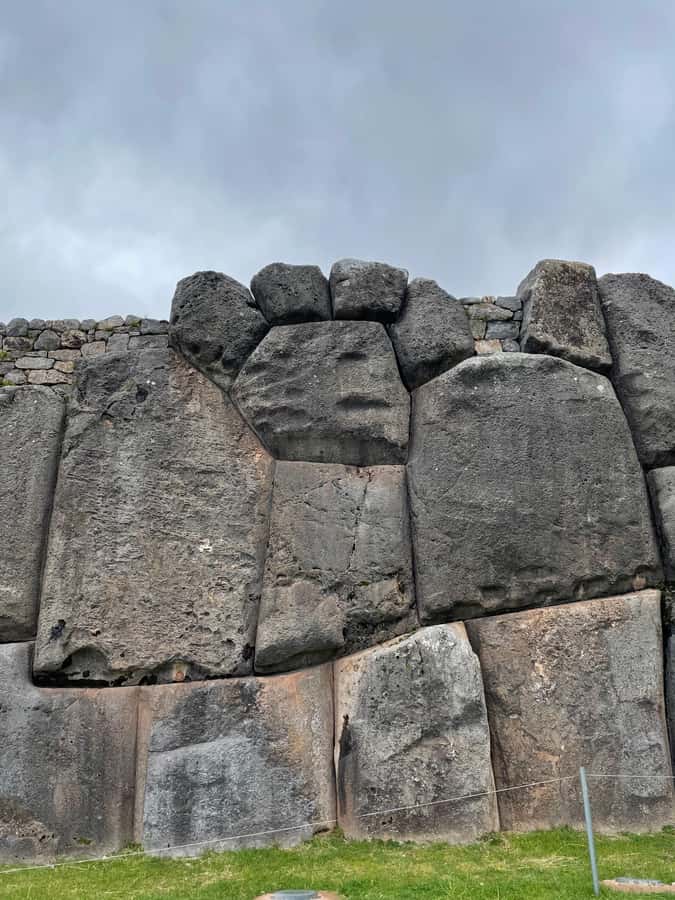
- Sacsayhuamán and its enormous fitted stones
- Qenqo: carved rock and ceremonial clues
- Tambomachay and the Inca water channels
- Puca Pucara, a military post above Cusco
- The real value of a $16 tour
- Timing, language, and the pace of the day
- The shopping-stop question
- Who should book this Cusco tour?
- FAQ
- How long does the Cusco ruins tour last?
- Which sites are included?
- Is hotel pickup included?
- Are entrance fees included in the $16 price?
- What languages are available?
- What should I bring?
- Is the tour suitable for people with altitude sickness?
- Can I cancel the booking?
Key points to know
- Coricancha gives you the strongest cultural contrast: an Inca temple foundation supports a Spanish colonial church.
- Sacsayhuamán has the most dramatic stonework and city views, but forty-five minutes can feel short.
- Qenqo is compact and mysterious, with carved rock spaces and ceremonial channels.
- Tambomachay rewards close attention: its stone water courses are the focus, not a large ruin complex.
- Puca Pucara explains Cusco’s defenses, with a strategic position above the city.
- Budget at least 85 soles for admissions: 15 soles for Coricancha and 70 soles for the partial Tourist Ticket.
Five Inca sites in one half-day
This PeruVibes tour is designed for you if you want a quick introduction to Cusco’s main archaeological sights without arranging separate transport. Pickup is available at hotels near the historic center, followed by a short walk and tourist van rides between the sites.
The morning departure begins at 9:00 a.m. and returns around 2:00 p.m. An afternoon option begins at 1:00 p.m. and returns around 6:30 p.m. The advertised duration is five hours, though the afternoon timetable runs closer to five and a half hours on paper.
You’ll travel with a bilingual guide in English and Spanish. A guide named Yako has been singled out for being caring and for explaining Inca civilization clearly. That kind of personal guidance matters here because several sites are made up of walls and carved rocks that are easy to skim past without explanation.
The tour ends around Calle Plateros, a useful central location near Cusco’s historic core. You’ll have transport between the sites, but expect some walking at each stop. Comfortable shoes are essential, and hiking shoes are sensible if the ground is wet or uneven.
A few more Cusco trips to weigh up
- Cusco: Half-Day City Tour with Sacsayhuaman and Q’enco
★ 4.6 · 1,129 reviews - City Tour Cusco Qoricancha Sacsayhuaman y Tambomachay
★ 4.7 · 617 reviews - Cusco: Sightseeing Tour of the City on an Open-Top Bus
★ 4.0 · 481 reviews
Coricancha: where Inca gold met Spanish stone
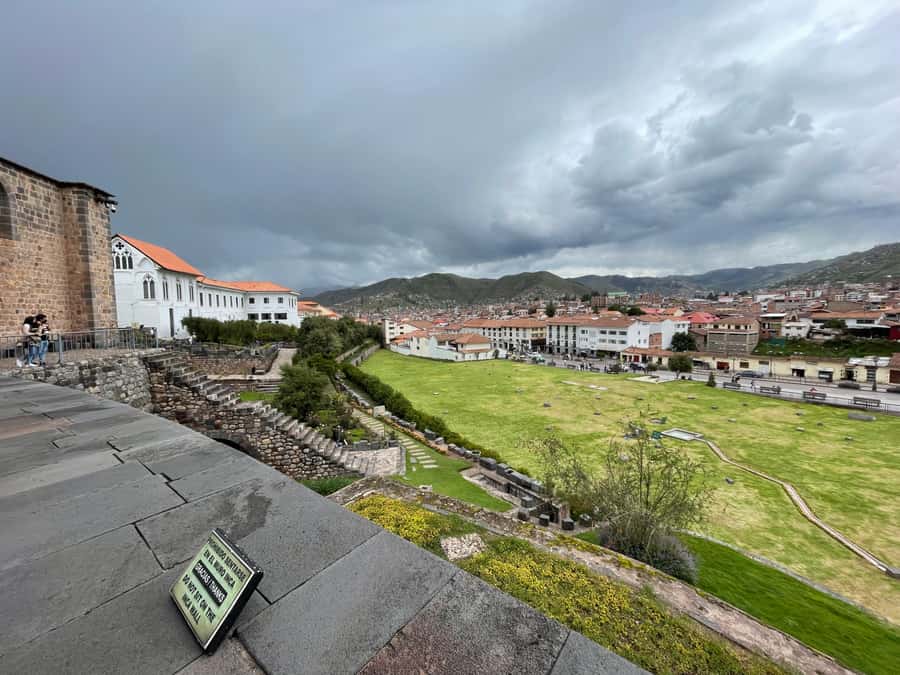
Coricancha is the best opening stop because it gives you the basic story of Cusco in one place. The name is commonly translated as the Golden Enclosure, and the site was dedicated to the Inca Sun God. Today, it also contains the Santo Domingo church and convent, creating a striking mix of Inca masonry and Spanish colonial construction.
You’ll spend about forty minutes to an hour here, depending on the departure and the exact pace. This is mainly a guided visit, with time for photographs and close views of the architecture.
Pay attention to the lower Inca walls. Their stones are tightly cut and fitted, with a controlled precision that differs from the later colonial work above. The value of a guide becomes clear here, since the building itself shows how Spanish structures were placed over important Inca foundations.
Coricancha has its own admission fee of 15 soles, separate from the archaeological ticket used for the other sites. Bring cash in Peruvian soles, since the entrance payment is made in local currency. At this point in the tour, you’ll also want your camera ready, though the architectural details matter more than simply collecting a quick photograph.
Sacsayhuamán and its enormous fitted stones
After Coricancha, the van takes you uphill to Sacsayhuamán. The drive is listed at about fifteen minutes, and the site visit is planned for roughly forty to forty-five minutes.
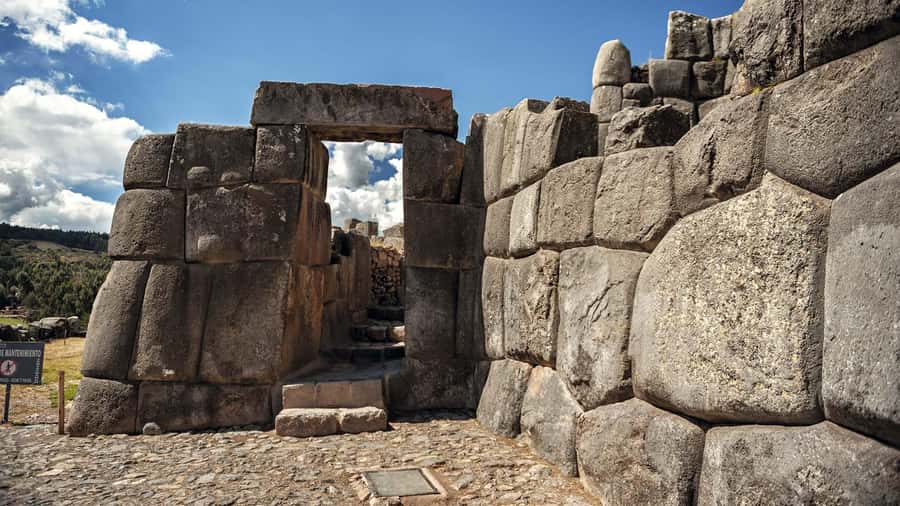
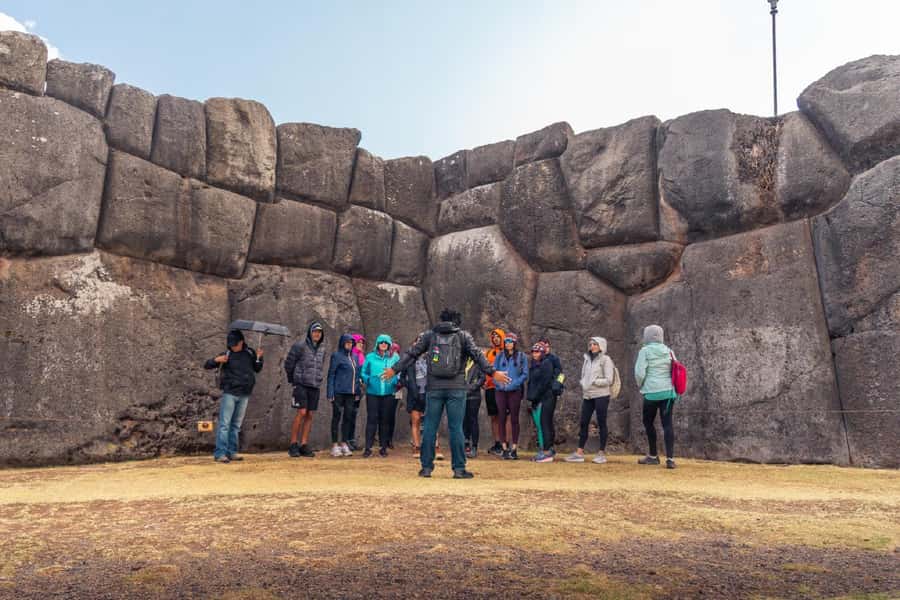
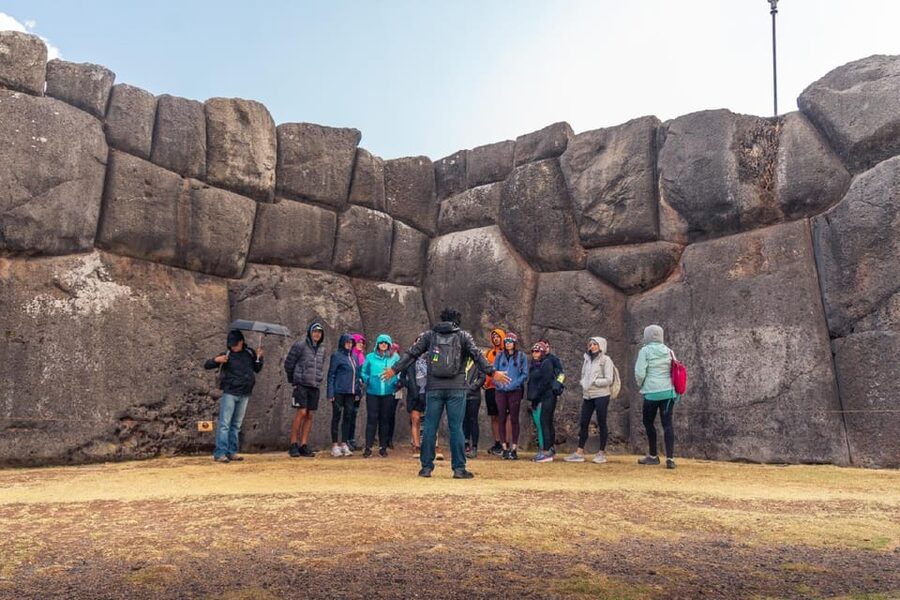
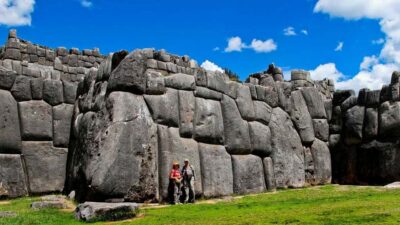
This is the tour’s most impressive stop for sheer scale. Sacsayhuamán is known for immense carved blocks fitted together without ordinary mortar. The walls make you think about transport, cutting, and construction long before modern machinery. The site also gives you broad views over Cusco, helping you understand the city’s position below.
You’ll have a guided visit, time for photographs, and some walking. Wear shoes with a firm sole, especially in the rainy season. The stone surfaces and paths can be uncomfortable in flimsy footwear.
The schedule is the weak point here. Forty-five minutes is already a brisk visit for a large archaeological complex, and one reported departure spent only about fifteen minutes at Sacsayhuamán. That leaves little time to listen, take photographs, and look at the stonework without rushing.
I would treat this stop as an introduction rather than a full study. If Sacsayhuamán is high on your list, check with the guide at the start and keep an eye on the time. You want enough room here to see the main walls and enjoy the view, not just step out of the van and hurry back.
Qenqo: carved rock and ceremonial clues
Qenqo is only a short van ride from Sacsayhuamán, listed at about five minutes. The visit lasts around twenty to forty-five minutes, depending on the schedule.
This is a smaller and more puzzling site. Its appeal comes from carved rock formations, narrow passages, channels, and spaces linked to ceremony. It does not have the giant scale of Sacsayhuamán, so the guide’s explanation helps you make sense of what you are seeing.
Look closely instead of expecting a grand viewpoint or a long walk. Qenqo is about shapes cut into stone and the way people used the site for ritual purposes. The uneven surfaces may require care, especially if rain has made them slippery.
The short visit can work well because Qenqo is compact. The problem comes when shopping stops or delays take time from the ruins. Keep this stop focused. It is easy for a twenty-minute visit to become little more than a photograph if the group is not moving efficiently.
Same valley, a completely different kind of day:
- Cusco: Humantay Lake Tour with Breakfast and Buffet Lunch
★ 4.9 · 2,976 reviews - From Cusco: Sacred Valley & Maras Salt Mines Tour with Lunch
★ 4.8 · 2,227 reviews - From Cusco: Moray, Maras Salt Mines & Chinchero Weavers Tour
★ 4.8 · 1,925 reviews - From Cusco: Full-Day Group Tour of Machu Picchu
★ 4.7 · 1,767 reviews
Tambomachay and the Inca water channels
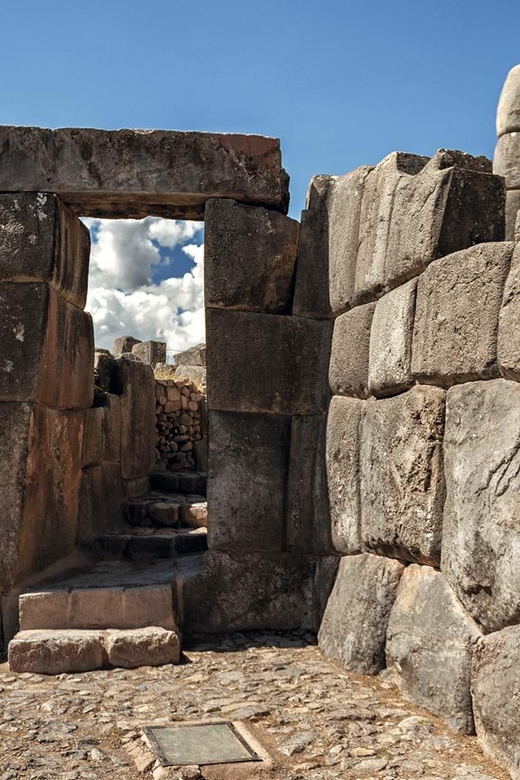
From Qenqo, the van continues for about twenty minutes to Tambomachay. The visit is scheduled for roughly forty-five minutes to an hour, making it one of the longer stops.
Tambomachay is associated with ritual water use and purification. Water flows through carefully built stone channels and fountains, giving the site a calmer feel than the massive walls at Sacsayhuamán. The engineering is subtle. You are looking at controlled water movement, not a giant temple complex.
This is a good place to slow down and watch how the channels are arranged. Your guide can explain the role of water in Inca ceremony and daily life, while you use the free time for photographs and a short walk.
Bring a waterproof layer during the rainy season. A poncho can be bought in the plaza if needed, but packing waterproof clothing is less distracting and usually more practical. Breathable clothes, long pants, and a long-sleeved shirt also help with sun and changing conditions.
Tambomachay is especially useful for you if you want more than military walls and panoramic views. It shows a different side of Inca planning, one based on water, ritual, and precision.
Puca Pucara, a military post above Cusco
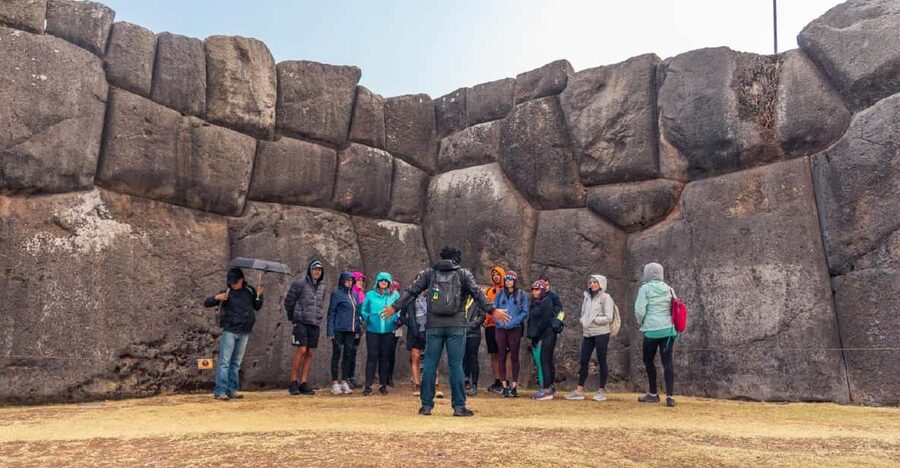
Puca Pucara is reached by another short van ride, listed at around five minutes. The stop lasts about twenty minutes in the more compact schedule, though the general timetable allows roughly forty-five minutes.
The site is linked to military control and strategic movement around Cusco. From its position above the city, you can see why this area mattered. The views help you read the site as a lookout and control point rather than as an isolated set of stone foundations.
Puca Pucara is less visually overwhelming than Sacsayhuamán, but it rounds out the tour. Coricancha shows religious power, Qenqo shows ceremonial use, Tambomachay shows water engineering, and Puca Pucara adds defense and surveillance.
Your final stop may be described in the route as part of the Cusco Region, but the intended attraction is Puca Pucara. Since the timing can vary, ask your guide how much time is planned before you leave the van. The return ride to Cusco is listed at about thirty minutes, ending around Calle Plateros.
The real value of a $16 tour
At $16 per person, the tour is inexpensive for five hours of transport, a bilingual guide, hotel pickup near the historic center, and visits to five important sites. If you tried to arrange separate rides to each ruin, the price and effort could quickly become less convenient.
The low tour price does not include entry. You should budget:
- 15 soles for Coricancha
- 70 soles for the partial Tourist Ticket covering the archaeological sites
That makes the real cost higher than the advertised tour price, though it remains reasonable for the number of places included. You can buy the tickets at the entrance to any archaeological site, and payment is made in soles.
The best value comes from the transport and orientation. You do not need to work out how to reach the hilltop ruins, and a guide can connect the sites into one story. The weaker value appears if too much of the day is given to shopping or if the stops become rushed.
A reported departure included a long visit to a textile shop, along with offers to buy books and liquor on the bus. Those stops are not part of the main attraction, and they can take time from Sacsayhuamán or Qenqo. If shopping is not your goal, make your preference clear at the beginning and ask how much time will be spent at each ruin.
Timing, language, and the pace of the day
The tour is offered in English and Spanish. Since explanations may be given in both languages, the English portion can sometimes be shorter. If you need a detailed English explanation, stay close to the guide and ask questions at each site rather than waiting until the end.
The morning schedule is usually easier for photography and sightseeing because it brings you back in the afternoon. The afternoon departure works if you have already spent the morning in central Cusco, but the later return could coincide with rain or fading light. The supplied times also vary slightly between the general schedule and the detailed route, so confirm the exact departure when you book.
Pickup is included from hotels near Cusco’s historic center. You will be contacted a day in advance to coordinate it. If the meeting point has poor phone coverage, the guide may call out your name.
Plan for a mixed day of walking, van travel, stone paths, sun, and possible rain. Bring your passport or ID, cash, a charged phone, sunscreen, and clothes that can get dirty. Hiking pants or long pants are more useful than delicate city clothes.
The tour is not suitable for children under three, babies under one, people suffering from altitude sickness, or people over ninety-five. More broadly, anyone who is already struggling with Cusco’s altitude should not force a hilltop sightseeing day.
The shopping-stop question
The biggest concern is not the ruins. It is control of the schedule.
A city tour can include a brief artisan stop without ruining the day, but a half-hour textile shop visit is a different matter when Sacsayhuamán itself receives only fifteen minutes. You are paying for archaeological sites, not a sales presentation.
This is where expectations matter. If you enjoy browsing alpaca clothing and local goods, the stop may be welcome. If you want more time at the stones, water channels, and ceremonial spaces, say so politely and early.
The guide quality also appears uneven. Yako received specific praise for care and clear information about Inca civilization. Another account described a guide whose phone calls during free moments felt distracting, even though the factual explanation was acceptable. That suggests the experience depends partly on the guide assigned that day.
The overall rating of 4.1 from nine ratings points to a generally useful but not flawless outing. The strongest praise centers on informative guiding and the appeal of the sites. The sharpest criticism concerns rushed visits, bilingual timing, and sales stops.
Who should book this Cusco tour?
I would recommend it to a first-time Cusco visitor who wants to see the main nearby ruins in one organized half-day. It is particularly useful if you have limited time, prefer not to arrange transport, or want a guide to explain the difference between religious, ceremonial, military, and water-related sites.
It also suits budget-minded visitors. Even after adding the entry fees, you are paying for a large amount of sightseeing and transport in one outing.
I would be more cautious if you want long, quiet visits at each site. Sacsayhuamán deserves more time than the tight schedule may allow, and shopping diversions can make the day feel hurried. In that case, a private arrangement or a tour with clearly guaranteed site time may fit better, though the price will likely be higher.
Book this tour if your priority is coverage and convenience. Skip it if you dislike fixed schedules, sales stops, or bilingual explanations shared between two languages. If you do book, bring soles for admission, wear sturdy shoes, ask about the site timing at pickup, and protect the hours promised for the ruins.
FAQ
How long does the Cusco ruins tour last?
The advertised duration is five hours. The morning departure runs from about 9:00 a.m. to 2:00 p.m., while the afternoon schedule begins at 1:00 p.m. and returns around 6:30 p.m.
Which sites are included?
The tour visits Coricancha, Sacsayhuamán, Qenqo, Tambomachay, and Puca Pucara.
Is hotel pickup included?
Yes. Pickup is included from hotels near the historic center of Cusco. The provider contacts you a day in advance to coordinate the pickup.
Are entrance fees included in the $16 price?
No. Coricancha costs 15 soles, and the partial Tourist Ticket costs 70 soles. You can buy tickets at the entrance to an archaeological site, and payment is made in soles.
What languages are available?
The tour has live guides in English and Spanish. Explanations may be given in both languages during the same visit.
What should I bring?
Bring your passport or ID, comfortable or hiking shoes, a camera, biodegradable sunscreen, cash, a charged smartphone, and clothing suitable for walking. During the rainy season, waterproof clothing or a poncho is useful.
Is the tour suitable for people with altitude sickness?
No. The activity is not suitable for people with altitude sickness. It is also not suitable for children under three, babies under one, or people over ninety-five.
Can I cancel the booking?
Yes. You can cancel up to 24 hours in advance for a full refund. The reserve-now, pay-later option lets you keep your plans flexible.
Just added around Cusco
- Waqrapukara 1 day trekking + meals★ 3.9 · 3 reviews
- Zipline over the Sacred Valley Trip★ 5.0 · 11 reviews
- Valle Sur Cusco | half day★ 4.3 · 3 reviews
- Visit to the Cochahuasi Animal Sanctuary with rescued animal★ 4.1 · 4 reviews
- Visit Pisac from Cusco: Private Transport★ 4.6 · 9 reviews
- Maras and Huaypo lagoon by ATV from Cuzco | Local Operator★ 4.7 · 4 reviews
- Trek to Humantay Lake from Cusco★ 4.9 · 8 reviews
- Trek to Choquequirao 4 days★ 3.8 · 4 reviews
City Tours, compared.
Half-Day City Tour with Sacsayhuaman and Q’enco
Read our review →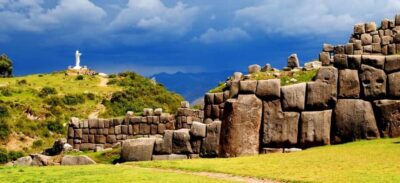
City Tour Cusco Qoricancha Sacsayhuaman y Tambomachay
Read our review →
Lima’s Vibrant Heritage: Exploring the City’s Landmarks Half-day
Read our review →
City Tour | Half-Day Tour to 4 Archaeological Sites
Read our review →
City Tour in Cusco & visit Museum South American Camelid Private.
Read our review →
Cusco City Sightseeing, San Pedro Market, Cathedral and Qorikancha Temple
Read our review →
Browse the lists this tour appears in