
Reviewed · CITY TOURS
City Tour in Cusco
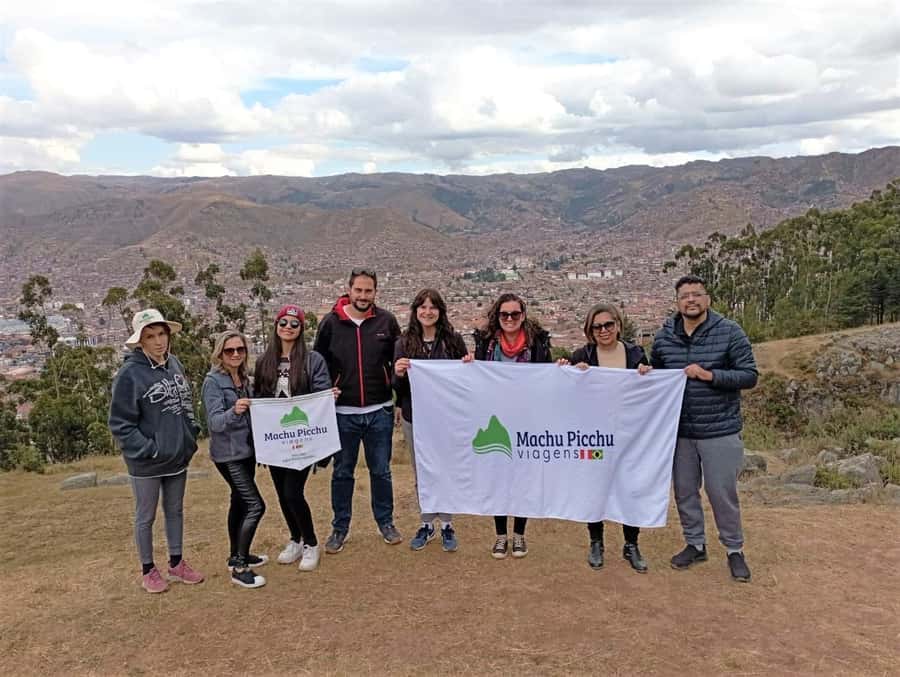
Cusco’s greatest trick is that you can walk through a Spanish colonial city and still see the bones of the Inca capital beneath your feet. This four-hour tour links the city’s two key monuments, Qorikancha and the Cathedral, with four important sites in the hills above town.
I like the efficient route and the mix of grand architecture, ceremonial sites, mountain views, and ancient water channels. I also like that hotel transport and a guide are included for only $20 per person. The main concern is communication: one booking was made for Portuguese but did not receive a Portuguese-speaking tour, and the pickup instructions were unclear.
In This Review
- Key points to know before booking
- Why this half-day route works in Cusco
- Qorikancha, where Inca gold met Spanish stone
- The Cathedral and Cusco’s colonial center
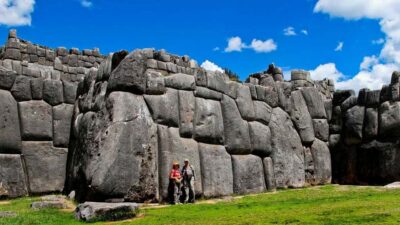
- Sacsayhuaman and the scale of Inca building
- Qenqo and the darker side of ceremony
- Puca Pucara and a view from the mountain road
- Tambomachay and the sound of running water
- What the $20 price really covers
- Guide language and pickup details
- Timing, transport, and the pace of four hours
- Who should book this Cusco city tour?
- Should you book it?
- FAQ
- How long does the City Tour in Cusco last?
- What sites are included?
- Is transportation included?
- Which languages are available?
- Are entrance tickets included in the price?
- What is included for the $20 price?
- Can I cancel the booking?
Key points to know before booking
- Qorikancha reveals two layers of Cusco: an important Inca temple sits beneath the later Catholic church and convent.
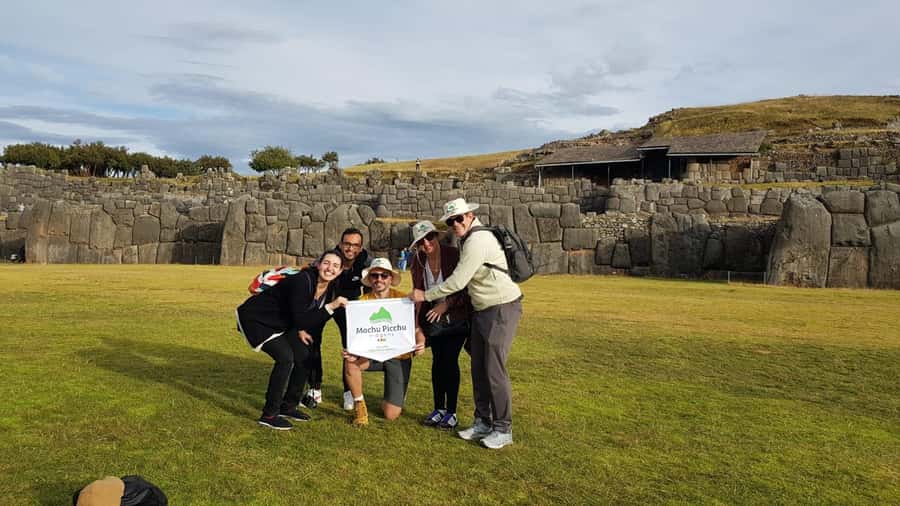
- Sacsayhuaman is the tour’s biggest visual stop: enormous fitted stones make the fortress feel more powerful in person than in photographs.
- Puca Pucara gives you a high view of Cusco: it is a useful stop for understanding how the city sits in the surrounding mountains.
- Tambomachay still has flowing water: its channels and three fountains show how carefully the Incas managed water.
- Admission tickets are extra: the $20 price covers guiding and transport, not entry fees or meals.
- Language matters: the service is offered in English, Spanish, or Portuguese, with one bus per language, but you should confirm the assigned language and pickup point before departure.
Why this half-day route works in Cusco
Cusco can feel confusing at first. Streets twist, elevations change quickly, and the most important sites are split between the historic center and the hills outside it. This tour gives you a useful first look without asking you to arrange several taxis or work out the route yourself.
The route also tells a clear story. You begin with the Inca capital and Spanish colonial rule in the center, then move outward to ceremonial, military, and water sites. In four hours, you get a broad introduction rather than a slow study of one monument.
That speed is both the appeal and the limitation. You can see a lot, but you should not expect a long, quiet visit at every stop. If you want detailed time inside the Cathedral or a careful archaeological discussion at each site, a private or longer tour may serve you better.
The group service uses an air-conditioned vehicle and provides a complimentary bottle of water. Transport is offered to and from most Cusco hotels, with drop-off at your accommodation or at the Plaza de Armas. That last option is handy if you want to continue walking through the center after the tour.
A few more Cusco trips to weigh up
- Cusco: Half-Day City Tour with Sacsayhuaman and Q’enco
★ 4.6 · 1,129 reviews - City Tour Cusco Qoricancha Sacsayhuaman y Tambomachay
★ 4.7 · 617 reviews - Cusco: Sightseeing Tour of the City on an Open-Top Bus
★ 4.0 · 481 reviews
Qorikancha, where Inca gold met Spanish stone
Qorikancha is the essential starting point because it explains Cusco better than almost any single building. The site was the principal Inca temple dedicated to the sun, and its foundations later supported a Catholic church. You are looking at two belief systems occupying the same valuable piece of ground.
The contrast is what makes the visit memorable. Inca construction is known for tightly fitted stonework, while the later church reflects Spanish religious and architectural priorities. Your guide can help you read those layers instead of seeing the building as just another historic church.
The name Qorikancha is often translated as Temple of the Sun, and the stop gives context to the Inca world that you will encounter again at Sacsayhuaman, Qenqo, Puca Pucara, and Tambomachay. The tour is strongest when it connects these places rather than treating them as unrelated ruins.
Remember that admission tickets are not included in the tour price. The supplied information does not state the current entrance cost, so check the total expense before booking if you are keeping to a strict budget.
The Cathedral and Cusco’s colonial center
The Cathedral of Cusco brings the Spanish chapter into sharper focus. It is a major example of colonial baroque architecture, built on foundations associated with an earlier Inca palace. That location is not a minor detail. It shows how colonial power took over the symbolic center of the Inca city.
Inside and around the Cathedral, you can expect ornate religious art and a grander, more formal style than at Qorikancha. The tour also includes a walk through the historic center, where Inca stonework and colonial buildings appear side by side.
I like this part of the route because it gives you a practical way to read Cusco’s streets. Look down at the stone bases and walls, then look up at the later facades. The city’s character comes from that collision, not from either period alone.
The center is also where the tour feels most compact. Since the schedule includes several sites beyond town, your guide will need to keep the visit moving. If the Cathedral is your top priority, listen carefully to the guide and save time for the parts that matter most to you.
Sacsayhuaman and the scale of Inca building
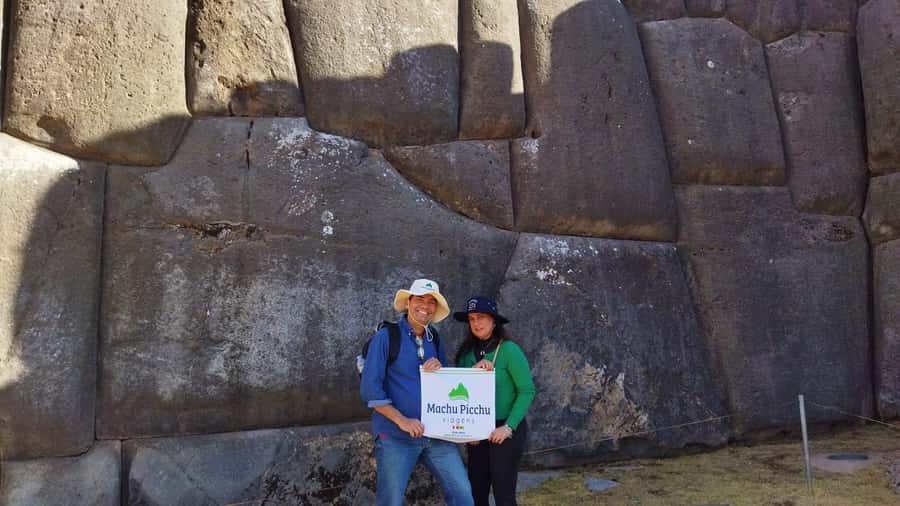
Sacsayhuaman is likely to be the most dramatic stop. The ceremonial fortress sits above Cusco and is known for massive stone blocks fitted together with striking precision. The size of the walls helps you understand that Inca construction was not limited to small temples or ordinary town buildings.
Photographs often flatten Sacsayhuaman. In person, the large stones and broad setting give it a much stronger sense of scale. The site also helps explain Cusco’s position below the surrounding heights, since you see the city from a commanding point rather than from its streets.
The word fortress is useful, but the site also had ceremonial importance. Your guide will provide the interpretation that turns the stonework into a story about Inca power, planning, and ritual life.
The drawback is time. A four-hour route has to share the clock among six major locations, and Sacsayhuaman rewards extra time. You may leave wishing you had longer to study the walls and views. Still, for a first visit to Cusco, this stop gives you one of the clearest physical impressions of Inca ambition.
Same valley, a completely different kind of day:
- Cusco: Humantay Lake Tour with Breakfast and Buffet Lunch
★ 4.9 · 2,976 reviews - From Cusco: Sacred Valley & Maras Salt Mines Tour with Lunch
★ 4.8 · 2,227 reviews - From Cusco: Moray, Maras Salt Mines & Chinchero Weavers Tour
★ 4.8 · 1,925 reviews - From Cusco: Full-Day Group Tour of Machu Picchu
★ 4.7 · 1,767 reviews
Qenqo and the darker side of ceremony
Qenqo has a different mood. Its name is associated with a winding or zigzag form, and the site is presented as a ceremonial center where important rituals and sacrifices were believed to have taken place. Compared with Sacsayhuaman, it is less about huge walls and more about atmosphere, carved stone, and ritual purpose.
This is the place to pay attention to your guide’s explanation. Without context, Qenqo can look like a collection of rocks and passages. With context, its dark ceremonial character becomes easier to grasp.
The description of Qenqo as gloomy is fair. It is not a cheerful garden stop or a polished museum. That is part of its value. You get a glimpse of the religious world behind the grand public image of the Inca state.
The visit may feel brief, especially if you are interested in ancient ritual. Treat it as an introduction, not a complete archaeological study. The tour’s broad route gives you the essential setting and purpose, then moves on to other types of Inca sites.
Puca Pucara and a view from the mountain road
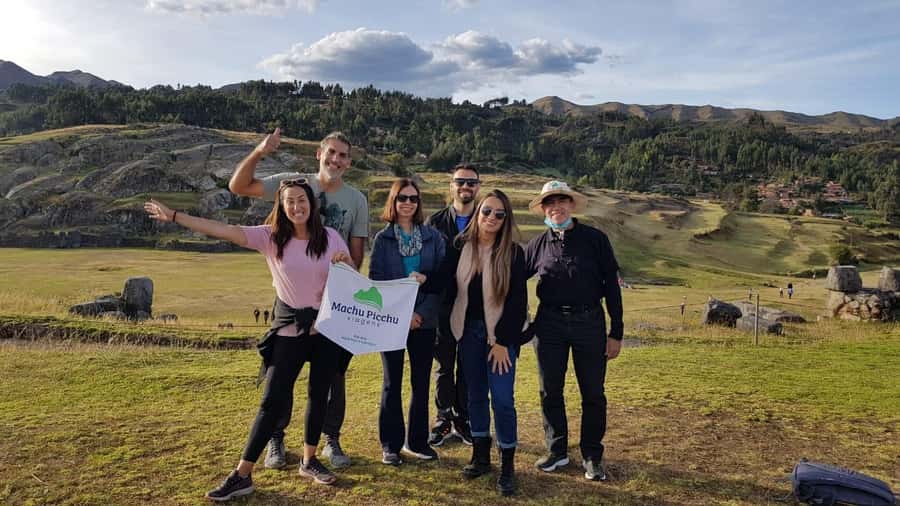
Puca Pucara takes you farther from the center and higher into the surrounding mountains. The stop is especially useful for seeing Cusco from above and for understanding how the city relates to its highland setting.
The site is commonly associated with defensive or administrative functions, but the supplied tour information emphasizes the view. That view gives the route a welcome change of pace after the enclosed spaces and heavy stonework at Qorikancha, the Cathedral, Sacsayhuaman, and Qenqo.
Bring your attention to the position of the site as much as to the ruins themselves. From up high, you can better grasp why movement through this region mattered and how the Inca capital occupied a strategic mountain setting.
Because the tour lasts only four hours, Puca Pucara works best as a concise viewpoint and archaeological stop. It is not presented as a long mountain outing. You get the high-country perspective without giving up the city center and the other main ruins.
Tambomachay and the sound of running water
Tambomachay is the quietest and most distinctive stop in the group. Its importance comes from water. The site has functioning channels and three fountains, showing careful Inca control of springs and irrigation.
I find this a valuable counterpoint to Sacsayhuaman. Sacsayhuaman shows power through giant stones. Tambomachay shows skill through water that still moves through an ancient system. The effect is more subtle, but it can be just as memorable.
The fountains are described as the oldest functioning water fountains in the area, and the tour presents them as an example of Inca hydraulic engineering. You will not simply be looking at dry ruins. The continuing flow gives the site a sense of purpose that is easy to understand.
This stop also rounds out the tour’s picture of the Inca state. The empire needed ceremonial places, military structures, temples, and practical systems. Tambomachay shows that engineering and water management were part of daily control of the highlands.
What the $20 price really covers
At $20 per person, this is a low-cost way to cover a wide area of Cusco. The price includes a certified professional guide, roundtrip transport to and from most Cusco hotels, an air-conditioned vehicle, and a bottle of water. For many people, the transport alone makes the arrangement worthwhile.
The value is strongest if you want orientation on your first day or two in Cusco. You can see the main sites, learn how they connect, and then decide where to return for more time. The Plaza de Armas drop-off also lets you continue exploring without going back to your hotel immediately.
The price does not include admission tickets, food, drinks, or gratuity. Those extra costs matter because the tour visits several archaeological and religious sites. Check which entrance tickets you will need before departure, and keep funds available for them.
You should also understand what the low price does not promise. This is a shared half-day experience, not a private custom tour. The one-bus-per-language format helps separate English, Spanish, and Portuguese service, but it also means the pace and explanation are built for a group.
Guide language and pickup details
The tour offers live guiding in English, Spanish, and Portuguese. That is important in Cusco, where a good explanation adds much more than a list of dates and names. You will get the most from Qorikancha, Qenqo, and Tambomachay when the guide can explain what you are seeing in a language you understand well.
There is one clear warning to take seriously. A booking made for Portuguese did not receive the service in Portuguese, leaving a child unable to follow the explanation. The guide, Fernando, was described as helpful and polite, but his good manner did not solve the language problem.
Confirm your selected language before the tour begins. If you are booking for a family member or child who needs a particular language for the educational value, this check is especially important.
Pickup communication also needs care. One booking involved confusion about the meeting point, and the group had to chase down the correct information to avoid missing the tour. Ask for the exact pickup location and time in writing, then allow enough time to reach it.
Timing, transport, and the pace of four hours
Four hours is enough to sample the route, but it leaves little room for delays. Pickup, city traffic, transfers to the hills, and visits to six major places all use part of the schedule. You should think of this as a well-packed introduction to Cusco rather than a relaxed day among ruins.
The air-conditioned vehicle is a practical inclusion. Cusco’s roads and elevation can make a long series of transfers tiring, and you will appreciate having organized transport between the central sights and the hilltop sites.
Hotel pickup is available at most Cusco hotels, though the exact coverage is not specified. If your accommodation is outside the normal pickup area, confirm the meeting arrangement before paying.
The tour ends at your accommodation or the Plaza de Armas. I would choose the plaza if you still have energy for central Cusco, since Qorikancha and the Cathedral will already have placed you close to the city’s main historic core.
Who should book this Cusco city tour?
This tour suits first-time visitors who want a broad introduction without arranging several separate rides. It also works well for anyone with only half a day available, families who want the major sites in one outing, and budget-minded visitors who value transport and a guide.
It is a good fit if you like variety. In one morning or afternoon, you move from temple and Cathedral to fortress, ceremonial center, high viewpoint, and fountains. That range gives you a much fuller picture than visiting only the Plaza de Armas.
You may want another option if your top priority is a particular monument. Sacsayhuaman, Qorikancha, or the Cathedral could each fill more than the time available here. A private guide would also give you more control over the pace and language.
I would be cautious if you are booking in Portuguese without confirming the assignment. The language issue is the most serious weakness in the available information, and it matters greatly when the tour is meant to teach children or help you understand unfamiliar sites.
Should you book it?
Book this tour if you want an affordable, efficient first look at Cusco and are comfortable paying entrance fees separately. The combination of Qorikancha, the Cathedral, Sacsayhuaman, Qenqo, Puca Pucara, and Tambomachay gives you strong coverage for four hours.
Before booking, confirm two things: your exact pickup point and the guide language. If both are clear, the $20 price offers solid value. If either remains uncertain, especially the language, choose a tour with firmer communication or a private arrangement.
FAQ
How long does the City Tour in Cusco last?
The tour lasts four hours.
What sites are included?
The route includes Qorikancha, the Cathedral of Cusco, Sacsayhuaman, Qenqo, Puca Pucara, and Tambomachay. It also includes exploration of Cusco’s historic center.
Is transportation included?
Yes. Roundtrip transportation to and from most Cusco hotels is included in an air-conditioned vehicle. You may also be dropped off at the Plaza de Armas.
Which languages are available?
Live guiding is offered in English, Spanish, and Portuguese. The service uses one bus per language.
Are entrance tickets included in the price?
No. Admission tickets are not included. Meals, drinks, and gratuity are also separate.
What is included for the $20 price?
The price includes the professional certified guide, roundtrip transport to and from most Cusco hotels, an air-conditioned vehicle, and a complimentary bottle of water.
Can I cancel the booking?
You can cancel up to 24 hours in advance for a full refund. Reserve now and pay later is also available.
Just added around Cusco
- Waqrapukara 1 day trekking + meals★ 3.9 · 3 reviews
- Zipline over the Sacred Valley Trip★ 5.0 · 11 reviews
- Valle Sur Cusco | half day★ 4.3 · 3 reviews
- Visit to the Cochahuasi Animal Sanctuary with rescued animal★ 4.1 · 4 reviews
- Visit Pisac from Cusco: Private Transport★ 4.6 · 9 reviews
- Maras and Huaypo lagoon by ATV from Cuzco | Local Operator★ 4.7 · 4 reviews
- Trek to Humantay Lake from Cusco★ 4.9 · 8 reviews
- Trek to Choquequirao 4 days★ 3.8 · 4 reviews
City Tours, compared.
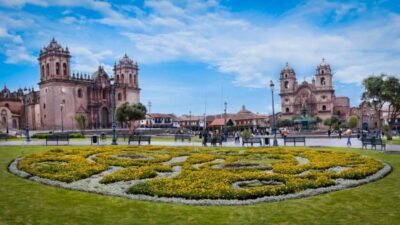
Half-Day City Tour with Sacsayhuaman and Q’enco
Read our review →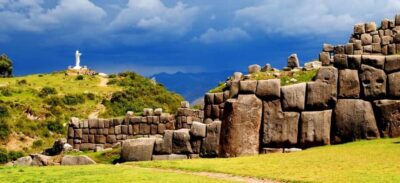
City Tour Cusco Qoricancha Sacsayhuaman y Tambomachay
Read our review →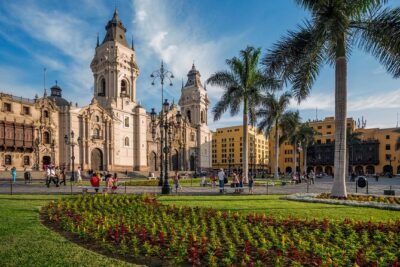
Lima’s Vibrant Heritage: Exploring the City’s Landmarks Half-day
Read our review →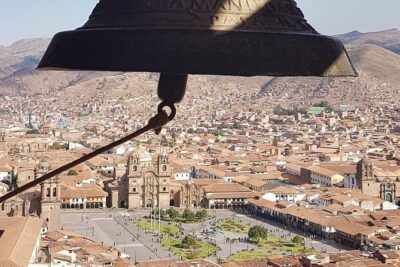
City Tour | Half-Day Tour to 4 Archaeological Sites
Read our review →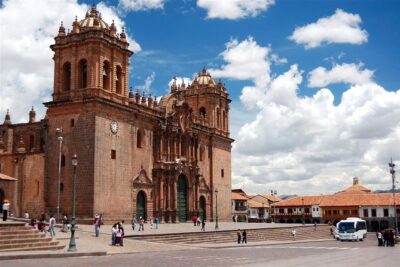
City Tour in Cusco & visit Museum South American Camelid Private.
Read our review →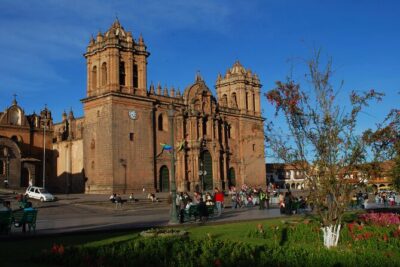
Cusco City Sightseeing, San Pedro Market, Cathedral and Qorikancha Temple
Read our review →
Browse the lists this tour appears in