
Reviewed · CITY TOURS
City Tour Cusco
Cusco’s best introduction may be just outside its colonial center, where Sacsayhuaman’s enormous stones meet the high Andean hills. This half-day outing links four important Inca sites, giving you a quick, useful look at the culture and architecture that shaped the city.
I like the low price and the chance to compare Inca and Spanish architecture in one outing. I also like the live guide, who can point out details you could easily miss on your own. The main drawback is that entrance tickets are not included, and the sites involve uneven ground and some walking.
In This Review
- Key points to know before you book
- Why this is a useful first look at Cusco
- Sacsayhuaman and the stones that still puzzle visitors
- Q’enqo, a shrine carved into the rock
- Tambomachay and the importance of moving water
- Puca Pucará, a lookout over the valley
- How the half-day schedule works
- What the $15 price really includes
- Practical preparation for the ruins
- Who will get the most from this tour
- Should you book City Tour Cusco?
- FAQ
- Where does the City Tour Cusco begin?
- Where does the tour finish?
- How long does the tour last?
- Which sites are included?
- Is transportation included?
- Is a guide included?
- Are entrance tickets included?
- Are meals and drinks included?
- What should I bring?
- Can I cancel or pay later?
Key points to know before you book
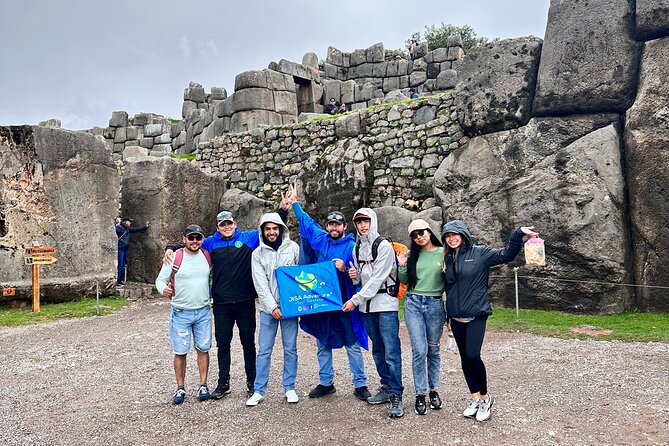
- Sacsayhuaman provides the big opening: Walk among three levels of massive stone construction and see the remains of towers that once watched over Cusco.
- Q’enqo adds a more mysterious stop: This shrine includes an interior altar associated with ceremonies and Pachamama.
- Tambomachay shows the Inca respect for water: Springs still flow through this carefully built site.
- Puca Pucará explains Cusco’s defenses: Its high position offers a practical view of the valley and the imperial city.
- The $15 price covers the basics: Transportation, a professional guide, site guiding, and agency assistance are included, but entry tickets and food are extra.
- Plan for a half day outdoors: The tour is listed as five hours, with another timing reference of about five and a half hours, and it is not suitable for people with mobility impairments.
Why this is a useful first look at Cusco
Cusco can feel like two cities at once. Spanish colonial buildings line the main square, but Inca walls often form their foundations. Streets that look orderly and European can turn a corner and reveal huge fitted stones from an older city.
This tour helps you make sense of that contrast. Rather than spending the whole day inside museums, you travel beyond the center to see ceremonial, religious, water-related, and defensive sites in their original settings. You get the broad picture quickly.
The price is appealing at $15 per person. That is a modest cost for transport and a guided visit lasting roughly half a day. Still, do not treat the price as the full cost. Entrance tickets are not included, and no meals, drinks, snacks, or travel insurance are covered.
The guide is an important part of the value. The booking offers English and Spanish guiding, and the guide leads the tour at the sites rather than simply dropping you at the entrance. Esnel, from Brazil, described the outing as pleasant and praised the guide’s kindness and preparation. No guide name is supplied, so you should confirm your assigned guide when arranging pickup.
A few more Cusco trips to weigh up
- Cusco: Half-Day City Tour with Sacsayhuaman and Q’enco
★ 4.6 · 1,129 reviews - City Tour Cusco Qoricancha Sacsayhuaman y Tambomachay
★ 4.7 · 617 reviews - Cusco: Sightseeing Tour of the City on an Open-Top Bus
★ 4.0 · 481 reviews
Sacsayhuaman and the stones that still puzzle visitors
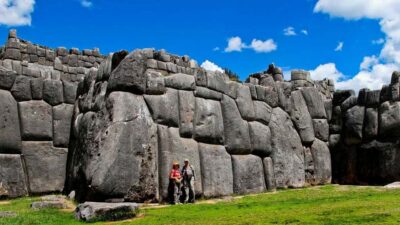
Sacsayhuaman is the tour’s grandest stop. The site is described as a ceremonial fortress, though its role was not limited to one simple modern label. Its terraces, walls, and elevated position show the scale of Inca building around Cusco.
You tour three levels of the site. At the upper part, you can see the bases of the great towers that once dominated the city in Inca times. Even without knowing every historical detail, the size of the stonework makes an immediate impression.
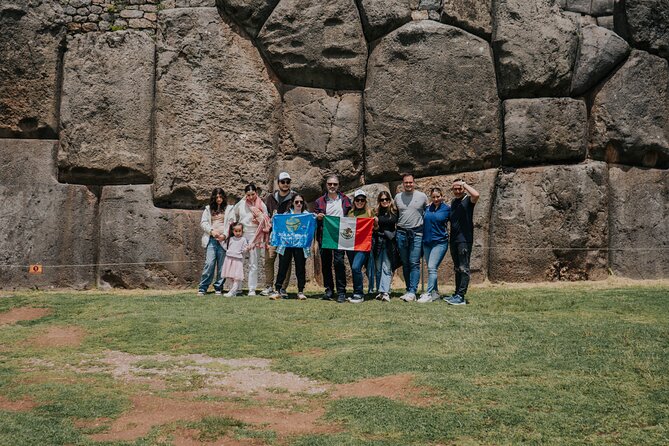
The construction is the point here. Huge blocks fit together with remarkable precision, and the walls follow the shape of the hill rather than fighting it. Your guide can help you notice how the builders worked with the slope and how the site connected visually with Cusco.
The setting also matters. From Sacsayhuaman, you see broad Andean scenery around the old imperial center. It is a good place to pause, take photographs, and understand why Cusco was such an important center of power.
Do not expect a quiet, easy stroll on a flat paved path. The site has multiple levels, and the tour is specifically not suitable for people with mobility impairments. Wear shoes you trust on uneven ground, and bring your passport or ID card, which is listed among the required items.
Q’enqo, a shrine carved into the rock
Q’enqo changes the mood. Instead of the open scale of Sacsayhuaman, this stop focuses on a shrine associated with the Puma and ceremonies connected with Pachamama, or Mother Earth.
The description includes an altar for sacrifices inside the site. That detail gives the place a strong ceremonial character, but the value of the stop is not simply the dramatic wording. Q’enqo helps you see that Inca sacred places could use natural rock, carved surfaces, and enclosed spaces rather than only monumental walls.
This is where a guide can earn the cost of the tour. A quick solo visit might leave you seeing a rock formation and a dark interior without understanding how the parts relate. A prepared guide can explain what you are looking at and separate visible features from interpretation.
The stop is likely shorter than Sacsayhuaman, but that does not make it disposable. It adds a religious dimension to a route that could otherwise feel like a parade of stone walls. Bring your identification and leave large bags behind, since luggage and large bags are not allowed.
Tambomachay and the importance of moving water
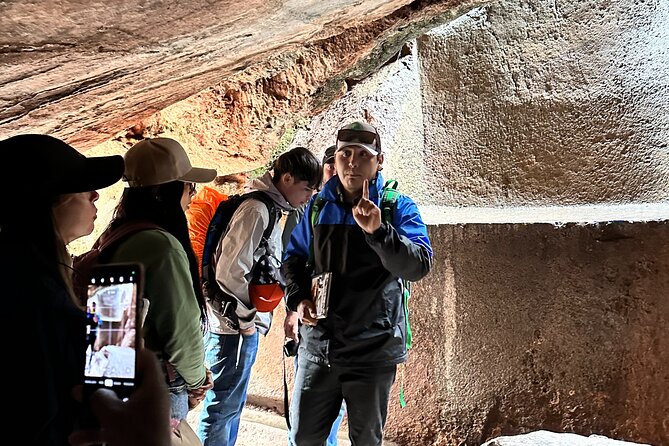
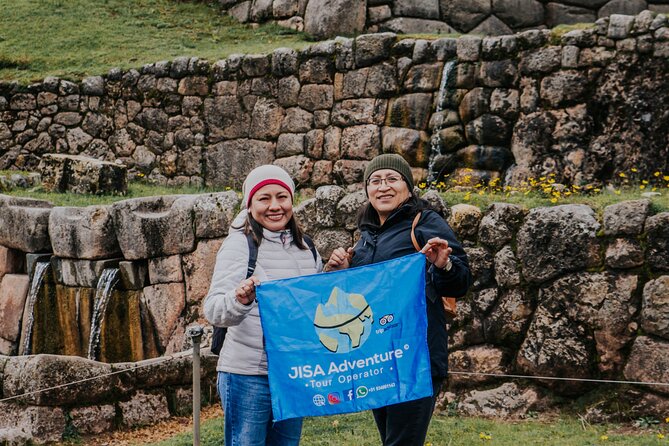
Tambomachay is the most refreshing idea on the route, at least in a symbolic sense. It is an Inca monument built around spring water, with sources that still irrigate fields and terraces connected with the city.
The site is presented as one of the pillars of the Andean cosmovision. That makes it useful for understanding how water was treated as more than a practical resource. At Tambomachay, architecture, agriculture, ritual, and the natural world meet in one compact place.
Look closely at the channels and stonework. The attraction is not a single giant monument. It is the careful handling of water, with built surfaces guiding the flow. The guide can point out how the spring sources function and why this site mattered within the wider Inca view of the world.
This stop may be especially rewarding if you prefer smaller details to sheer scale. Sacsayhuaman overwhelms you with masonry. Tambomachay asks you to notice engineering and the continued presence of water.
The setting is outdoors, and the tour moves between several sites in one morning or afternoon. If you need frequent rest or find uneven paths difficult, this is one of the stops to consider carefully before booking.
Same valley, a completely different kind of day:
- Cusco: Humantay Lake Tour with Breakfast and Buffet Lunch
★ 4.9 · 2,976 reviews - From Cusco: Sacred Valley & Maras Salt Mines Tour with Lunch
★ 4.8 · 2,227 reviews - From Cusco: Moray, Maras Salt Mines & Chinchero Weavers Tour
★ 4.8 · 1,925 reviews - From Cusco: Full-Day Group Tour of Machu Picchu
★ 4.7 · 1,767 reviews
Puca Pucará, a lookout over the valley
The final listed site is Puca Pucará, described as a watchtower and strategic place overlooking the valley and Cusco. Its name is commonly associated with a red fortress, but the practical point of the visit is its position.
From here, the route’s defensive story becomes easier to understand. Sacsayhuaman shows the power and ceremonial scale of the Inca capital. Puca Pucará shows how high ground could help control movement and watch the approaches to the imperial city.
The stop is also a good visual finish. After looking at walls, shrines, and water channels, you get a broader view of how the sites related to Cusco. Your guide can help connect the places instead of leaving them as four unrelated ruins.
The site is not presented as a long visit or a major fortress complex. Think of it as a lookout with historical importance and good views, not as a second Sacsayhuaman. That distinction helps set fair expectations.
How the half-day schedule works
The tour begins with pickup from the Plaza de Armas in Cusco, and hotel collection can be coordinated. The information also allows a neutral meeting point if needed, with the schedule arranged in advance.
The stated duration is five hours. Another timing note describes the guided visit as about five and a half hours, so I would keep at least half a day free and avoid booking a tight connection afterward. Pickup timing is provided after arrangements are made.
Transportation is included, which matters in Cusco. The sites sit outside the central square, and arranging separate rides would add effort and make it harder to keep the visits in a sensible order. Tourist transportation also lets you focus on the guide and scenery between stops.
You receive guided visits at the sites, not just transport. The guide speaks English or Spanish, so choose the language you can follow most comfortably. Since the entire route is built around explanation, language fit matters more here than it would on a simple transfer.
Food is not part of the outing. Eat before you leave or make your own plan for afterward. Drinks and snacks are also excluded, and you should carry only what you need because large bags are not allowed.
What the $15 price really includes
At $15, this is a budget-friendly way to cover several major sights in one organized trip. You are paying for transportation, a professional tourist guide, roughly five hours of guided touring, and 24/7 assistance from the agency.
That package can be good value if you want a structured introduction to Cusco’s Inca sites. It is especially useful when you have limited time or do not want to work out transport between four separate locations.
The catch is the entrance fee. The tour price does not include site tickets, and the supplied information gives no ticket amount. Check the current entry requirements and cost before you commit, then add that amount to your travel budget.
Meals, beverages, snacks, and insurance are also your responsibility. The low headline price should therefore be read as the cost of the tour service, not the total cost of the outing.
The group size is not stated. That matters because a small group usually allows more questions and easier movement, while a larger group can feel less personal. Ask the provider about group size if that affects your decision.
Practical preparation for the ruins
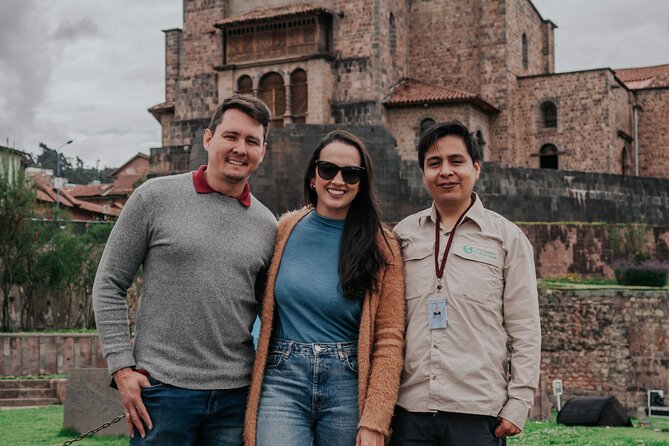
Bring your passport or ID card. That is the one item specifically required for the activity, so do not leave it at your hotel.
Avoid bringing luggage or a large bag. A small day bag with essentials is the safer choice, though the supplied information does not specify a permitted bag size. Keep your belongings light so you can manage the site paths more easily.
Plan for outdoor conditions and uneven walking surfaces. The tour is not suitable for people with mobility impairments, and the three-level visit at Sacsayhuaman is a clear reason why. Even if you walk well, comfortable shoes will make the route less tiring.
You should also allow time for the full outing. The duration is given as five hours, with a separate estimate of about five and a half hours. Pickup coordination can affect the start, so do not schedule another activity immediately afterward.
Free cancellation is available up to 24 hours before the activity for a full refund. You can also reserve now and pay later, which is useful if your Cusco plans may change. Those policies add flexibility, but they do not replace checking the ticket cost and pickup details.
Who will get the most from this tour
I would recommend this outing to a first-time Cusco visitor who wants a clear introduction to Inca sites without spending a full day away from the city. It suits people who value context, transport, and a guide’s explanation more than free time at one single ruin.
It is also a good fit if you want to compare different kinds of Inca places. You see monumental walls at Sacsayhuaman, a ceremonial shrine at Q’enqo, water engineering at Tambomachay, and a lookout at Puca Pucará.
The tour is less suitable if you dislike fixed schedules or prefer to explore ruins alone. The group size is not stated, so you should not assume a private experience. It is also a poor choice for anyone with limited mobility, since the route includes several outdoor archaeological sites and multiple levels.
If you already plan a long, detailed visit to these same sites, this may feel brief. The strength here is coverage and orientation. You see four places in one half day, but you will not have unlimited time at each one.
Should you book City Tour Cusco?
Book it if you want an affordable, guided overview of Cusco’s main Inca sites and you are comfortable paying entry fees separately. The route gives you more than a photo stop: it links architecture, ceremony, water, defense, and the city’s relationship with its surrounding hills.
I especially like the combination of Sacsayhuaman’s scale and Tambomachay’s subtle water channels. The guide’s role also appears important, with Esnel praising a kind and well-prepared guide after a March 2024 booking.
Skip it if mobility is a concern, if you need a private or highly flexible schedule, or if you want to spend most of your day at one archaeological site. For everyone else, $15 is a sensible starting price for a compact Cusco orientation, as long as you budget for admission and arrive ready for a half day of walking.
FAQ
Where does the City Tour Cusco begin?
Pickup is available from Cusco’s Plaza de Armas. Hotel collection can also be arranged, and a neutral meeting point may be coordinated with the agency.
Where does the tour finish?
The tour finishes at Cusco’s main square, also known as the Plaza de Armas.
How long does the tour last?
The activity is listed as five hours. The guided visit is also described as about five and a half hours, so allow roughly half a day.
Which sites are included?
The route visits Sacsayhuaman, Q’enqo, Tambomachay, and Puca Pucará.
Is transportation included?
Yes. Tourist transportation is included in the activity.
Is a guide included?
Yes. A professional tourist guide leads the visits at the sites. Guiding is available in English and Spanish.
Are entrance tickets included?
No. Entrance tickets are not included in the $15 price.
Are meals and drinks included?
No. Meals, beverages, snacks, and other food are not included.
What should I bring?
Bring your passport or ID card. Large bags and luggage are not allowed.
Can I cancel or pay later?
You can cancel up to 24 hours in advance for a full refund. Reserve now and pay later is also available.
Just added around Cusco
- Zipline over the Sacred Valley Trip★ 5.0 · 11 reviews
- Waqrapukara 1 day trekking + meals★ 3.9 · 3 reviews
- Valle Sur Cusco | half day★ 4.3 · 3 reviews
- Visit to the Cochahuasi Animal Sanctuary with rescued animal★ 4.1 · 4 reviews
- Visit Pisac from Cusco: Private Transport★ 4.6 · 9 reviews
- Maras and Huaypo lagoon by ATV from Cuzco | Local Operator★ 4.7 · 4 reviews
- Trek to Humantay Lake from Cusco★ 4.9 · 8 reviews
- Trek to Choquequirao 4 days★ 3.8 · 4 reviews
City Tours, compared.
Half-Day City Tour with Sacsayhuaman and Q’enco
Read our review →
City Tour Cusco Qoricancha Sacsayhuaman y Tambomachay
Read our review →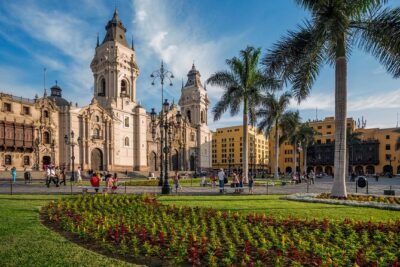
Lima’s Vibrant Heritage: Exploring the City’s Landmarks Half-day
Read our review →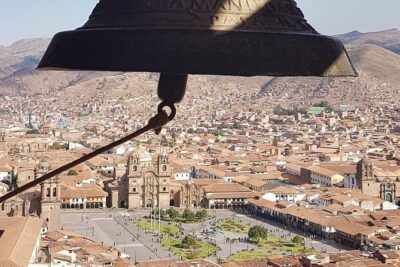
City Tour | Half-Day Tour to 4 Archaeological Sites
Read our review →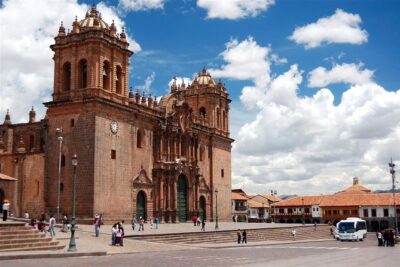
City Tour in Cusco & visit Museum South American Camelid Private.
Read our review →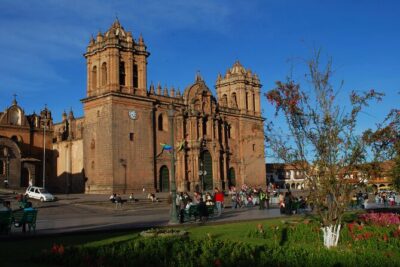
Cusco City Sightseeing, San Pedro Market, Cathedral and Qorikancha Temple
Read our review →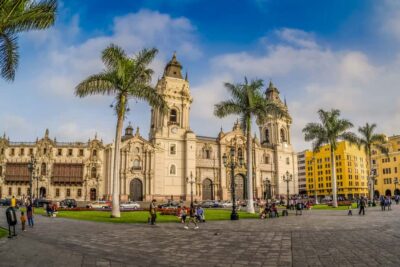
Browse the lists this tour appears in