
Reviewed · SILLAR ROUTE TOURS
4-hour excursion: Ruta del Sillar with Hiking in Culebrillas
The most memorable part of this Arequipa excursion is the short walk through Culebrillas Canyon, where tall stone walls close around a narrow path and ancient Wari petroglyphs appear along the rock. I also like seeing sillar being worked in the Añashuayco quarries, rather than only admiring the finished stone in Arequipa’s churches and mansions.
The tour offers two things I value: a low $18 price for transport and a guide, plus a useful mix of geology, local craft, archaeology, and mountain views. The main concern is communication. English is offered, but some departures have been conducted mostly in Spanish, and pickup details have caused confusion.
In This Review
- Key points to know
- Why sillar matters in Arequipa
- The first lookout over volcanoes and the Chilina Valley
- Añashuayco, where the stone is still cut
- Culebrillas Canyon and the Wari carvings
- Apachetas and the final stop
- Timing, transport, and what the day feels like
- English guiding and the communication question
- Is $18 a good value?
- What to bring and how to prepare
- Who should book this excursion?
- Should you book the Sillar Route with Culebrillas?
- FAQ
- How long does the Sillar Route and Culebrillas excursion last?
- What time does the morning tour start?
- Is there an afternoon departure?
- What languages are available?
- What is included in the price?
- Is the entrance fee included?
- How long is the walk in Culebrillas Canyon?
- What can I see in Culebrillas Canyon?
- Where does the tour end?
Key points to know
- Culebrillas is the highlight: Expect about 20 minutes of walking inside a narrow canyon with 15 to 20-meter walls and Wari petroglyphs.
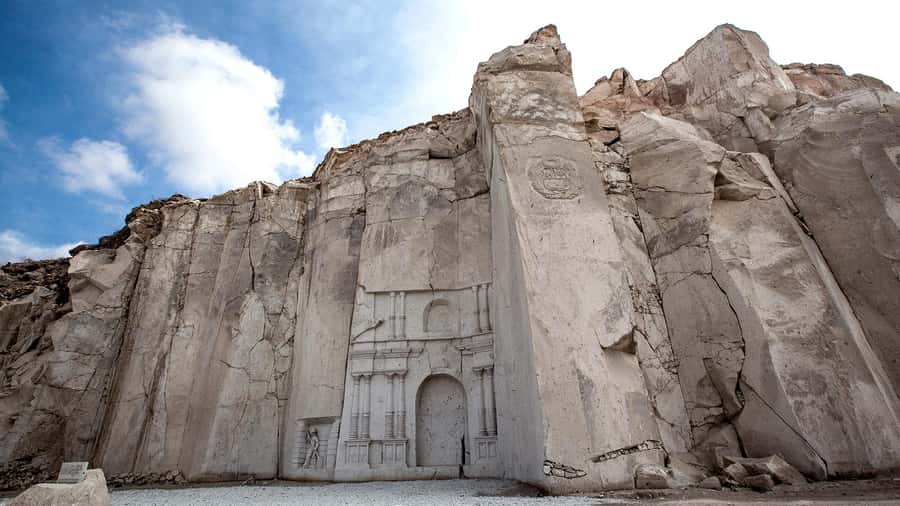
- Añashuayco is a working quarry: You can see ignimbrite cliffs, a large church carving, and a stonemason demonstrate how sillar blocks are cut.
- The volcano viewpoint adds context: You may see the volcanoes, Chilina Valley, and Andean terraces from a strategic lookout.
- The tour is inexpensive but not all-inclusive: Transport and a professional guide are included, while site entrance costs 10 soles.
- English service needs checking: Spanish and English are advertised, but English delivery has not been consistent.
- The schedule is convenient: Morning departures return near Arequipa’s Plaza de Armas around 1:30 PM, with a second shift at 2:00 PM.
Why sillar matters in Arequipa
Arequipa is often called the White City because many of its best-known buildings use pale volcanic stone called sillar, also known as ashlar. The material came from volcanic deposits in the surrounding area and became central to the city’s churches, courtyards, walls, and carved façades.
This tour helps you connect the finished buildings in central Arequipa with the place where the stone is extracted. That makes the city’s architecture easier to understand. A cathedral or colonial church can seem like a polished historic object when you see it downtown. At Añashuayco, you get a look at the hard, dusty work behind the stone.
The route is not just a photo stop at an old quarry. It focuses on how sillar is produced and used, and you may interact with a stonemason while watching the cutting process. That small demonstration gives the visit a human side. You are not only looking at rock walls. You are seeing a continuing craft.
More sillar route tours in Arequipa:
- From Arequipa: Sillar Route Trek
★ 4.2 · 461 reviews - Sillar Route and Culebrillas Petroglyphs
★ 4.5 · 89 reviews - Sillar Route in Arequipa and viewpoint of the Volcanoes
★ 4.0 · 71 reviews
The first lookout over volcanoes and the Chilina Valley
The opening stop is a strategic viewpoint with broad views toward the volcanoes and the Chilina Valley. Depending on the season and the day’s operating plan, the group may use another traditional lookout first.
This is a short stop, not a long mountain walk. Its purpose is to give you a sense of the setting before you reach the quarries. The view also puts the volcanic origin of sillar into context. You can see the surrounding Andean terrain and the terraces, or andenerías, that shape parts of the valley.
Bring a little patience here. The view depends on conditions, and the stop is described as brief. Clouds, haze, or the timing of the visit may limit what you see. Still, it is a useful introduction, especially if your time in Arequipa is focused mainly on the city center.
The viewpoint is also one reason this works well as a first-day activity. You get outside the central streets without committing to a full-day trip into the highlands.
Añashuayco, where the stone is still cut
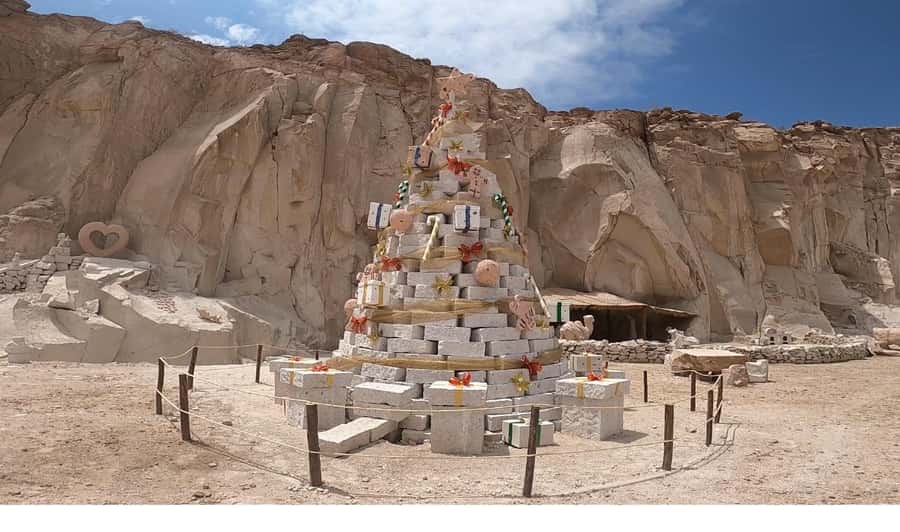
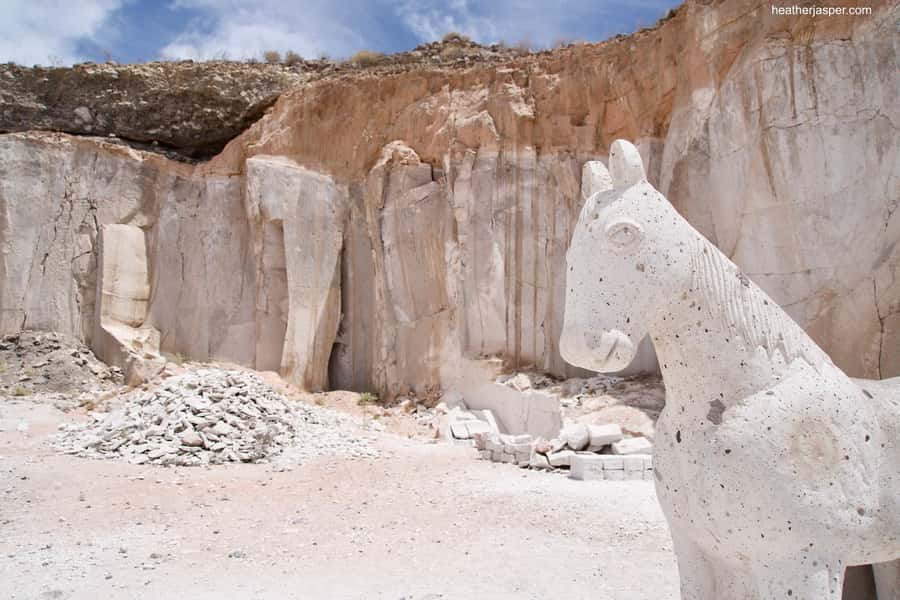
About 45 minutes after leaving the viewpoint, the tour reaches the Añashuayco quarries. This is the most substantial stop on the Sillar Route. You will see immense ignimbrite cliffs shaped by the extraction of volcanic stone.
The quarry is an active working site, so it has a different feel from a carefully presented museum. The attraction is the scale of the cut walls and the chance to see how sillar is handled. The stone is not simply lying around as a natural formation. The dramatic canyon has been shaped by people removing blocks over time.
A guide explains the background of sillar, its production, and its use in Arequipa. The exact quality of this explanation depends heavily on the guide and language used that day. If you receive the English-speaking guide, the stop should be much easier to follow. If the English guide is unavailable, you may need some Spanish or help from another person in your group.
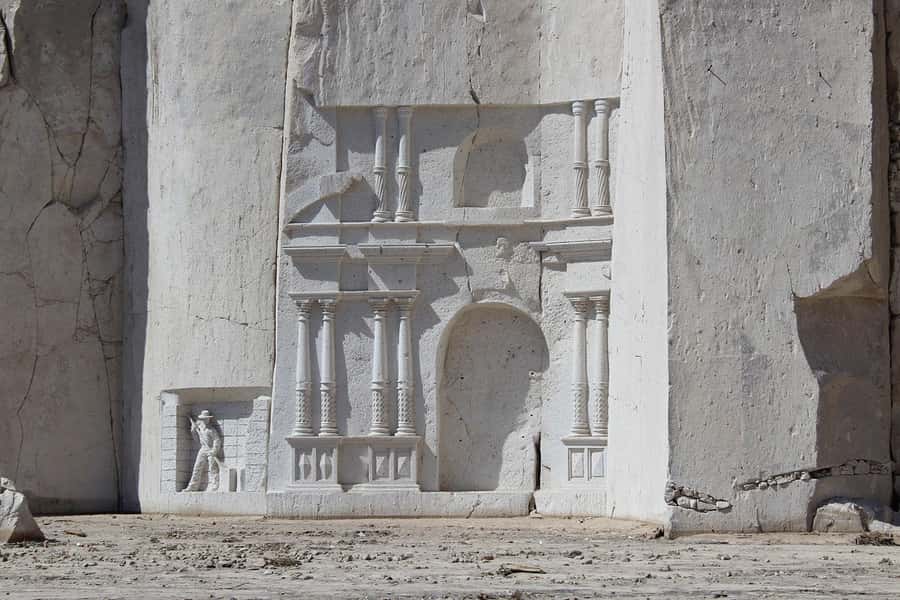
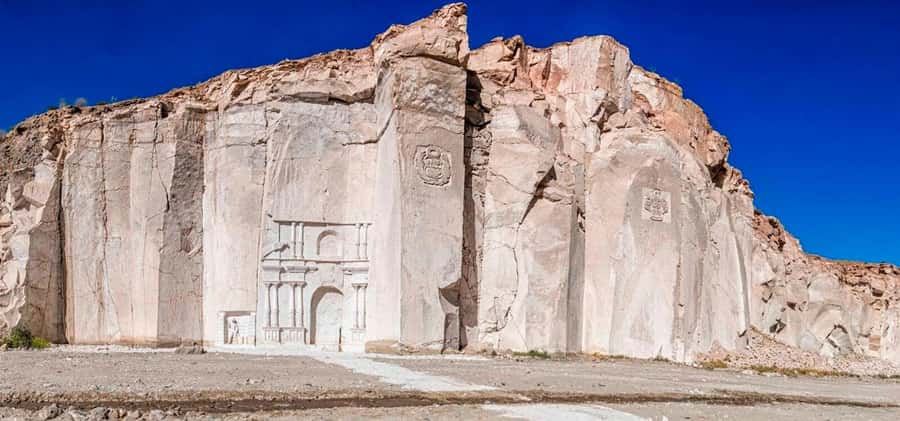
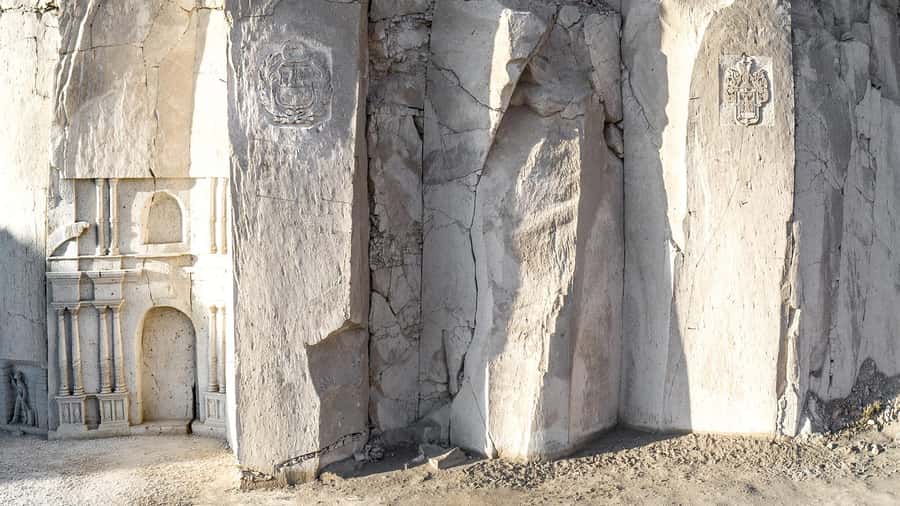
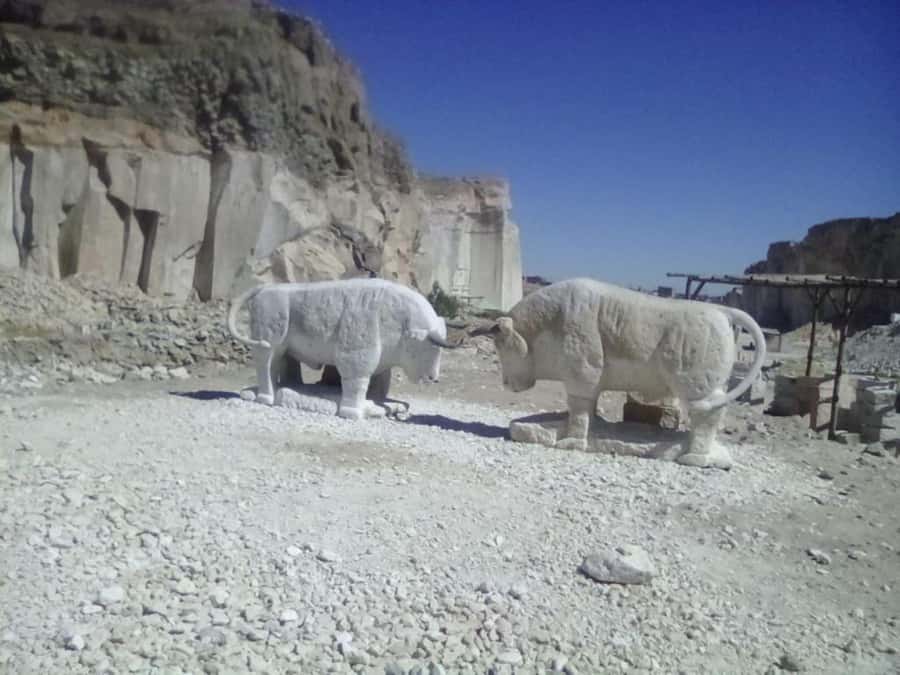
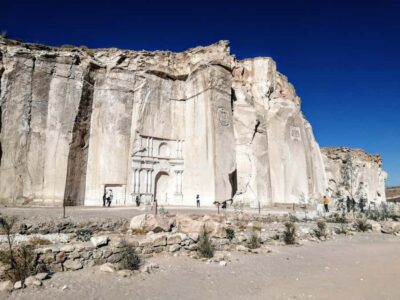
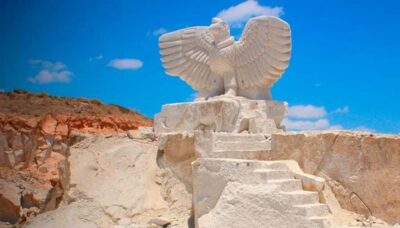
One of the quarry’s visual highlights is a large carving of the Church of the Society of Jesus. Local stonemasons created it to show what can be done with the material. It gives you a closer look at sillar as a carving medium, not just as a building block.
You also have the chance to interact with a stonemason and try to understand how stone blocks are cut. This is a valuable part of the stop because it shows skill that is easy to miss when you see finished colonial façades. The work is physical and precise, and the demonstration makes Arequipa’s architecture feel less remote.
Expect the quarry to be dusty and exposed. The information provided does not promise extensive walking here, but you should still wear practical shoes and protect yourself from the sun. Keep your expectations realistic. This is a working extraction area, not a polished attraction with a long sequence of exhibits.
Culebrillas Canyon and the Wari carvings
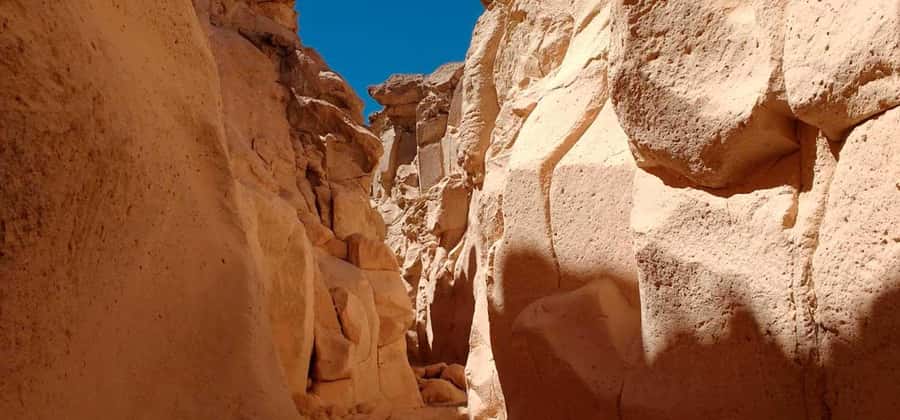
Around 30 minutes after the quarry, the route continues to Quebrada de Culebrillas. This is where the tour shifts from quarry history to a short outdoor walk.
The path through the canyon takes about 20 minutes. Its walls rise roughly 15 to 20 meters, creating a narrow passage formed by the movement of water. The scale is modest compared with major canyon hikes, but the enclosed setting makes the walk feel more adventurous than the time involved suggests.
The walk is the strongest part of the excursion for many reasons. It is active without taking up the whole day, and it gives you a chance to see the rock close up rather than from a roadside viewpoint. The canyon also has a quieter, more physical quality after the explanations and demonstrations at the quarry.
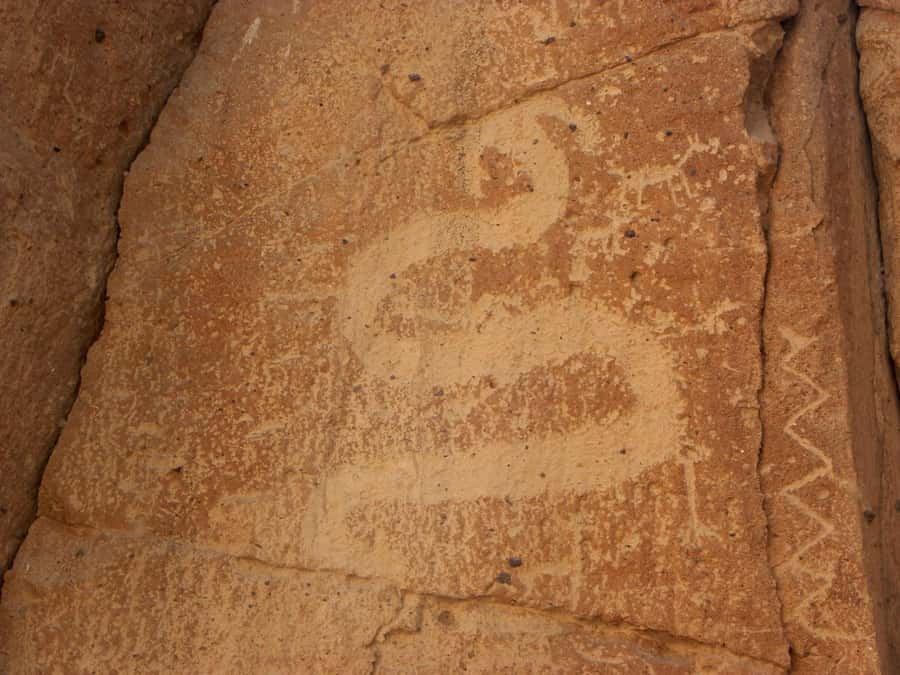
The main cultural feature is a set of Wari petroglyphs more than a thousand years old. Their presence adds an archaeological layer to the outing. You are not only seeing volcanic stone shaped by water and quarrying. You are also seeing marks left by an earlier Andean culture.
The walk is short, but the canyon can become crowded. One account described the path as the best part of the trip while also noting that many people were there. If you want a peaceful wilderness experience, this is not the right expectation. Think of it as an accessible cultural walk in a popular local attraction.
Stay close to the guide during the petroglyph stop. The value is in knowing what you are looking at and where to look. If the explanation is only in Spanish, you may miss part of the archaeological context, so confirm language support before booking.
A few more Arequipa trips to weigh up
- From Arequipa: 2-Day Colca Canyon Trekking Tour
★ 4.8 · 243 reviews - 2 Day 1 Night Trek / Colca Canyon
★ 4.5 · 92 reviews - 4 hours Tour: Route of Sillar with Trek in Culebrillas
★ 4.2 · 69 reviews - Private 3 Day Colca Canyon Trekking tour (superior Service)
★ 5.0 · 58 reviews
Apachetas and the final stop
Before returning to Arequipa, the tour stops at the apachetas. These are small stone formations made by placing stones on top of one another. They symbolize gratitude toward nature and are associated with good luck.
This stop is brief, but it adds a spiritual and local touch to the route. Apachetas are not grand monuments. Their meaning comes from the custom behind them and the feeling of leaving a small offering or mark along a journey.
The stop also rounds out the themes of the excursion. At the viewpoint, you see the volcanic setting. At Añashuayco, you see stone extracted and carved by people. In Culebrillas, you see water-shaped rock and old petroglyphs. At the apachetas, you encounter a living Andean tradition connected with travel and nature.
Do not expect a long ceremony or a formal cultural presentation. The information only promises a visit to the stone formations and a chance to take in their atmosphere.
Timing, transport, and what the day feels like
The morning departure begins at 9:15 AM. The planned return trip starts around 12:30 PM, with arrival near the Plaza de Armas at about 1:30 PM. The stated duration is 270 minutes, or four and a half hours, so the exact timing may shift depending on stops, traffic, and the departure arrangement.
There is also a 2:00 PM option. That may suit you if you want a slower morning, but the supplied schedule does not give a separate return time for that shift. Check the departure and return details before you pay.
Tourist transportation and a professional guide are included. The activity ends with drop-off near central Arequipa’s main square, which is useful if you have an afternoon museum visit, lunch reservation, or another city activity planned.
Pickup communication deserves special attention. You are asked to provide your phone number with the full country code and to have WhatsApp. This matters because pickup information is sent through WhatsApp, and the meeting point can change depending on the message you receive.
I would confirm the pickup place and time in writing the day before. One booking involved a 20-minute wait followed by a phone call in Spanish asking where the passengers were. Another booking had conflicting information about the meeting point. These are fixable problems, but they can be stressful at the start of a short excursion.
For last-minute reservations, check availability with the supplier by email before booking. That is especially important if you need the 2:00 PM departure or are arranging the tour close to your travel date.
English guiding and the communication question
Spanish and English are listed as the tour languages. That is helpful for an international audience, but the actual English service has not always been dependable.
Some departures have had an English-speaking guide become unavailable, leaving the tour mainly in Spanish. In one case, the guide was friendly and helpful, but a passenger who spoke only a little Spanish could understand only part of the explanation. Another booking involved a guide who spoke very little English even after the group was moved.
This does not mean every departure will have a language problem. It does mean you should not book this tour assuming English interpretation is guaranteed unless the supplier confirms it directly. Send a WhatsApp message before the tour and ask whether the guide for your specific departure will conduct the explanation in English.
If you speak Spanish, the risk is much smaller. You can follow the quarry presentation, ask questions, and understand the guide’s comments about the petroglyphs. If you speak no Spanish, the visual parts of the tour still work, but you may get less from the cultural information.
The activity has a mixed overall rating of 3.5 from six ratings. That reflects the main split in the experience: the places themselves are appealing, while organization and language delivery can vary.
Is $18 a good value?
At $18 per person, this is a budget-friendly way to visit several sites outside Arequipa without arranging private transport. The price covers tourist transportation and a professional guide, and the route includes four different types of stop.
You should add the 10 soles entrance fee for the sites. That is a small extra charge, but it changes the true cost slightly. The tour still offers good value if you want a half-day outing and do not need a private vehicle.
The strongest value comes from the range of the route. In a few hours, you get:
- A view toward volcanoes and the Chilina Valley
- A working sillar quarry
- A large stone carving
- A stonemason demonstration
- A canyon walk
- Wari petroglyphs
- Apachetas linked with Andean custom
The tradeoff is that the schedule is compact. You will not have a long time at each location, and the Culebrillas walk lasts only about 20 minutes. If you want a slow, detailed quarry visit or a serious hiking day, this will feel too brief.
For a first look at the Sillar Route, the price is fair. For an experience centered on expert English interpretation, the value depends on confirming the guide in advance.
What to bring and how to prepare
Wear shoes suitable for a short walk over uneven ground. The canyon section is not described as a long hike, but ordinary city footwear may be less comfortable on the path.
Bring sun protection and water. The stops are outdoors, and the quarry and viewpoints may have little shade. A small bag is easier than bulky luggage on shared transport.
Keep your phone charged. WhatsApp is used for communication, and you may need it to confirm pickup details. Include your international country code when giving your number.
If you want the best possible explanation, prepare a few questions about sillar, the Church of the Society of Jesus carving, and the Wari petroglyphs. A clear language check before departure can also prevent disappointment.
Who should book this excursion?
I would recommend it to you if you have one free morning or afternoon in Arequipa and want to see more than the colonial center. It suits people who like short walks, local craft, geology, archaeological details, and practical sightseeing at a low price.
It also works well for anyone who wants a taste of the surrounding area without spending a full day on a distant excursion. The route is varied, and Culebrillas gives the outing a welcome change of pace.
I would be cautious if you need reliable English throughout the tour. Contact XPLORA AMERICA first and confirm that an English-speaking guide is assigned to your departure. I would also be cautious if you dislike group stops, since Culebrillas can be crowded and the timetable is shared.
Should you book the Sillar Route with Culebrillas?
Book it if you want an inexpensive, compact introduction to Arequipa’s volcanic stone tradition, with the added reward of a canyon walk and old Wari petroglyphs. The quarry and Culebrillas work well together, and the short duration leaves room for lunch and more sightseeing in the city.
Before booking, confirm three things: your pickup location, the departure time, and the language of the guide. If those details are clear, this is a good-value half-day outing. If English interpretation is essential and the supplier cannot confirm it, choose another tour or book only if you are comfortable following Spanish explanations.
FAQ
How long does the Sillar Route and Culebrillas excursion last?
The activity is listed as lasting 270 minutes, or four and a half hours. The morning schedule begins at 9:15 AM and arrives back near central Arequipa at about 1:30 PM.
What time does the morning tour start?
The morning departure starts at 9:15 AM.
Is there an afternoon departure?
Yes. A second departure option is offered at 2:00 PM. The available return time for that shift should be checked before booking.
What languages are available?
The tour is offered in Spanish and English. English guiding has not been consistent on every departure, so confirm the language with the supplier before the tour.
What is included in the price?
Tourist transportation and a professional guide are included.
Is the entrance fee included?
No. The entrance ticket to the sites costs 10 soles and is not included in the tour price.
How long is the walk in Culebrillas Canyon?
The walk through the canyon takes approximately 20 minutes.
What can I see in Culebrillas Canyon?
You can see canyon walls about 15 to 20 meters high and petroglyphs attributed to the Wari culture that are more than a thousand years old.
Where does the tour end?
The return transfer drops you near the Plaza de Armas in central Arequipa.
Just added around Arequipa
- Walking tour through the Historic Center of Arequipa★ 4.0 · 3 reviews
- Trek to the Route of the Sillar and Culebrillas in Arequipa★ 4.0 · 9 reviews
- 3-Day Colca Canyon trek with Professional Guide★ 5.0 · 40 reviews
- Trekking, Waterfalls and Thermal Baths★ 4.5 · 47 reviews
- Colca Full Day★ 5.0 · 57 reviews
- Full Day Tour to Colca Canyon from Arequipa★ 4.0 · 34 reviews
- Private 3 Day Colca Canyon Trekking tour (superior Service)★ 5.0 · 58 reviews
- Arequipa, Historic and Colonial City and Santa Catalina Monastery★ 4.5 · 42 reviews
Sillar Route Tours, compared.
Sillar Route in Arequipa and viewpoint of the Volcanoes
Read our review →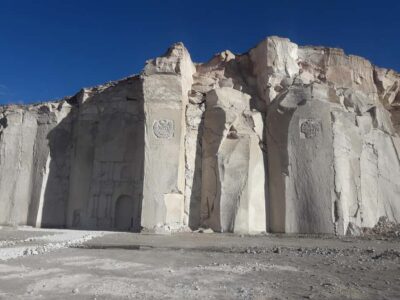
4 hours Tour: Route of Sillar with Trek in Culebrillas
Read our review →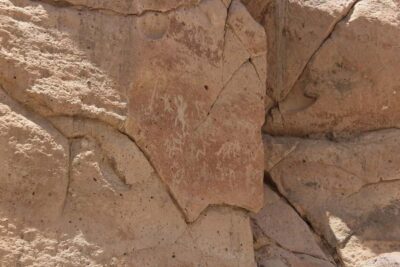
Route of the Sillar | Quarries of Añashuaycos | Half day
Read our review →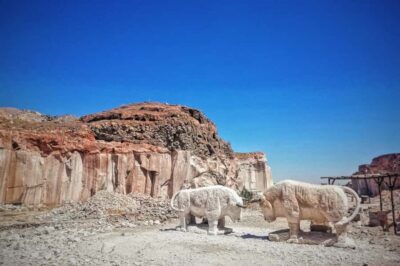
4-hour excursion: Sillar Route with Hiking in Culebrillas
Read our review →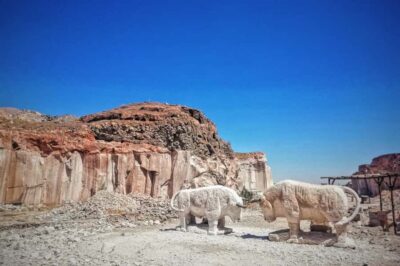
Trek to the Route of the Sillar and Culebrillas in Arequipa
Read our review →Browse the lists this tour appears in