
Reviewed · MACHU PICCHU TOURS
Sacred Valley & Machu Picchu by Train: 2-Day, 1-Night Tour
Machu Picchu is the headline, but the real strength of this two-day trip is how much of the Sacred Valley it fits in before you reach the famous citadel. You’ll see alpacas, Inca terraces, salt pans, markets, and Ollantaytambo, then sleep in Aguas Calientes so you can take an early bus up to Machu Picchu.
I like the efficient door-to-door transport and the small group limit of 16. I also like that the tour includes several major entry tickets, both train rides, a hotel, a buffet lunch, and dinner, so you are not piecing together a complicated route yourself. The drawback is the pace: Day 1 is long, and the fixed train schedule gives you little say over how much time you spend in each place.
In This Review
- Key points
- Why this two-day route works
- Alpacas, weaving, and the first Sacred Valley views
- Pisac ruins above the valley
- Urubamba lunch and the circular terraces of Moray
- The salt pans of Maras
- Ollantaytambo, the last major Inca stop
- An early start for Machu Picchu
- Returning by train to Cusco
- What the $698 price includes
- Who should book this tour
- FAQ
- How long is the Sacred Valley and Machu Picchu tour?
- Is hotel pickup included in Cusco?
- What languages are available for the guide?
- Is the group private?
- Is the hotel in Aguas Calientes included?
- Are the Machu Picchu buses and trains included?
- Can I hike Huayna Picchu or Machu Picchu Mountain?
- What should I bring?
- Are meals included?
- Should you book it?
Key points
- A full Sacred Valley route: Visit Pisac, Moray, Maras, Ollantaytambo, and the Urubamba area before heading to the train.
- A practical Machu Picchu morning: Sleep in Aguas Calientes and take one of the first buses up to the ruins.
- A small-group setting: Departures are limited to 16 people, with English or Spanish guides.
- Useful inclusions: Transport, entrance tickets, hotel, Expedition train, Machu Picchu bus, lunch, and dinner are covered.
- Good cultural variety: See alpacas and weaving, bargain at Pisac Market, and learn how Maras salt is produced.
- A tightly packed schedule: This suits you if you want major sights in two days, not a slow rural getaway.
Why this two-day route works
This is a fast, well-organized way to combine two popular parts of Peru: the Sacred Valley and Machu Picchu. From Cusco, you travel west through a string of Inca sites and highland communities, then board the train at Ollantaytambo for Aguas Calientes.
The route is especially useful if you have limited time. You do not need to arrange separate transport between Cusco, Pisac, Urubamba, Maras, Ollantaytambo, and Machu Picchu. Pickup is available from a hotel, hostel, or Airbnb in Cusco, and the return transfer brings you back to your Cusco hotel at the end.
You should still expect a busy trip. Day 1 includes several stops, a buffet lunch, archaeological visits, and an evening train. Day 2 starts early and ends with the train back to Ollantaytambo, followed by a van ride to Cusco. This is efficient, but it is not restful.
More machu picchu tours in Cusco:
- From Cusco: Full-Day Group Tour of Machu Picchu
★ 4.7 · 1,767 reviews - Machu Picchu Day Trip from Cusco
★ 4.5 · 1,644 reviews - Machu Picchu: Full-Day Tour from Cusco with Optional Lunch
★ 4.6 · 927 reviews
Alpacas, weaving, and the first Sacred Valley views
The first stop is an alpaca center and textile farm, about 30 minutes from Cusco. You can see llamas, alpacas, vicuñas, and guanacos, then visit the textile center to learn how local weavers produce cloth and create natural colors.
This stop gives the tour a useful opening. Instead of beginning with one ruin after another, you get an introduction to Andean animals and traditional textile work. The center also sells products, so you may want to compare prices before buying anything later at Pisac Market.
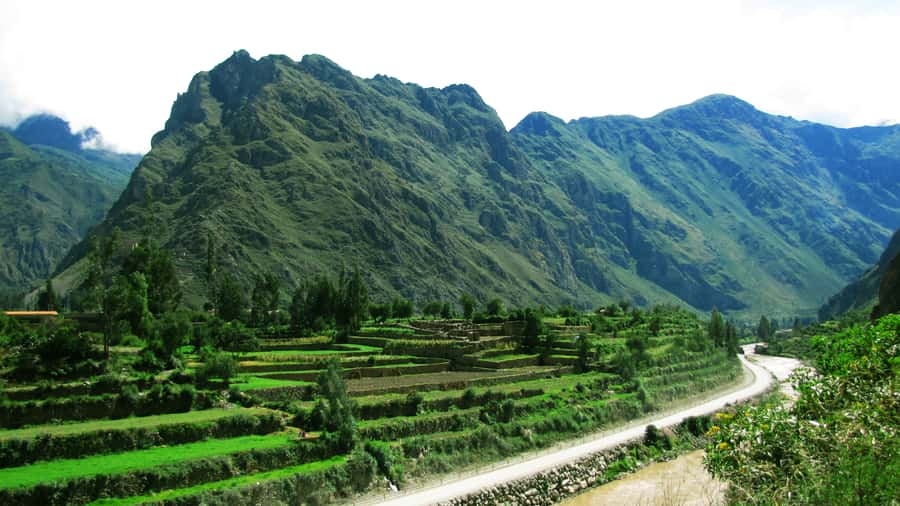
Next comes Mirador Taray, a lookout over the Sacred Valley. From here, you can see the Urubamba River and farming lands once shaped by the Incas. The viewpoint helps you understand why the valley mattered: it offered fertile ground, water, and a route through the mountains.
Bring your camera, but also listen to the guide here. The broad view makes the valley easier to understand than any map. Since the tour moves on after the stop, keep your daypack ready and do not expect a long break.
Pisac ruins above the valley
Pisac’s archaeological site sits high on the mountain and is one of the more striking stops on the route. You will see stone walls, agricultural terraces, irrigation systems, temples, storehouses, and what is described as the Inca Empire’s largest cemetery.
The terraces are the key feature. They show how the Incas made productive use of steep slopes, while the stonework gives the guide plenty to explain. Because the site is above the valley, you also get another high view across the fields and river below.
Wear shoes you can walk in comfortably. The tour includes several archaeological sites, and Pisac is not simply a quick roadside photo stop. Your guide will lead you through the main areas for about three hours at Machu Picchu later, but the exact time at Pisac depends on the group and the day’s schedule.
After the ruins, you go to Pisac Market. This is your chance to look at ceramics, textiles, jewelry, Andean instruments, alpaca products, and other souvenirs. Bargaining is part of the shopping experience, but keep it friendly and practical. If you see something you truly want, ask about the material and compare a few stalls before settling on a price.
The market can be more enjoyable if you treat it as a place to browse rather than a guaranteed bargain. Prices and quality vary. You also have limited luggage space, since large bags are not allowed on the tour, so choose purchases that fit in your daypack.
Urubamba lunch and the circular terraces of Moray
After Pisac, the group travels for about an hour to Urubamba for a buffet lunch. The meal includes local Peruvian dishes made with fresh local products, giving you a chance to eat without searching for a restaurant during a busy day.
Lunch is included, which matters on this route. You are moving between several sites, and having a planned meal saves time. Dinner in Ollantaytambo is also included later, while other meals are your responsibility.
The afternoon continues to Moray. Its circular terraces are one of the most unusual Inca sites in the Sacred Valley. The terraces descend in broad rings, creating a dramatic pattern that looks almost designed for a modern public park, though their exact original purpose is still discussed.
You will have time to view the terraces and hear the guide explain their agricultural importance. Moray is a strong contrast to Pisac. Pisac spreads along a mountainside, while Moray pulls your attention inward toward the circular forms.
The stop is open and exposed, so carry water and protect yourself from the sun. The altitude and busy schedule can make even a short walk feel harder than expected. Take your time, especially if you are still adjusting to Cusco.
More sacred valley tours in Cusco:
- From Cusco: Sacred Valley & Maras Salt Mines Tour with Lunch
★ 4.8 · 2,227 reviews - From Cusco: Moray, Maras Salt Mines & Chinchero Weavers Tour
★ 4.8 · 1,925 reviews - Cusco: Sacred Valley, Pisac, Ollantaytambo, Salt Mines Moray
★ 4.6 · 1,058 reviews - Cusco:Chinchero,Moray & Salt Mines drop-off in Ollantaytambo
★ 4.8 · 793 reviews
The salt pans of Maras
Salineras of Maras is another sharp change in scenery. Hundreds of small salt ponds run down the mountainside, where salt is collected from mineral-rich spring water. The white and tan pools form lines across the slope, making this one of the tour’s most memorable visual stops.
Maras is valuable because it remains tied to local work, not just ancient stone construction. Your guide can explain how the ponds function and why salt production developed here. The visit also adds variety to a day otherwise centered on ruins and terraces.
The route lists both Moray and Maras after lunch, so the afternoon is full. You should not count on lingering at either site for as long as you might on a private tour. The advantage is that you see both without arranging another day of transport.
Ollantaytambo, the last major Inca stop
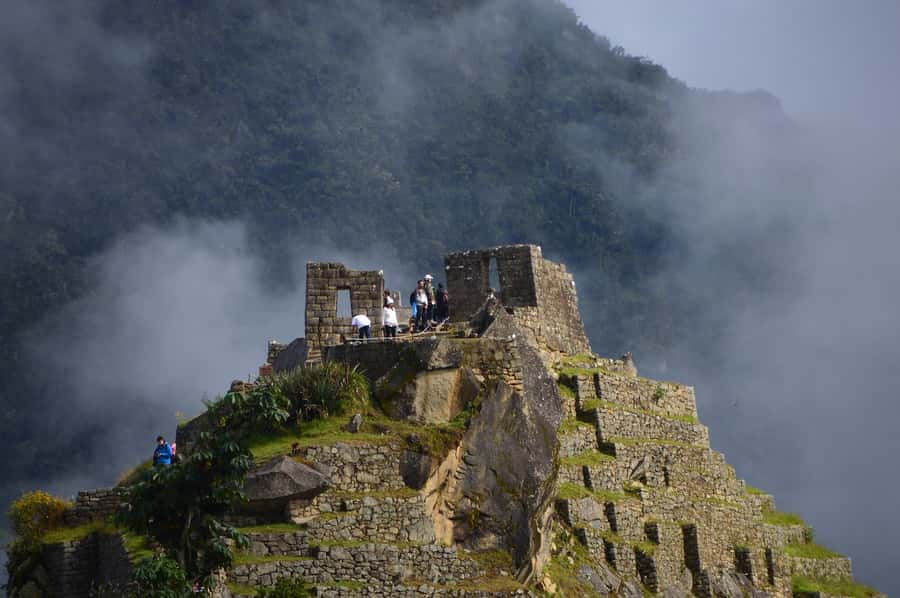
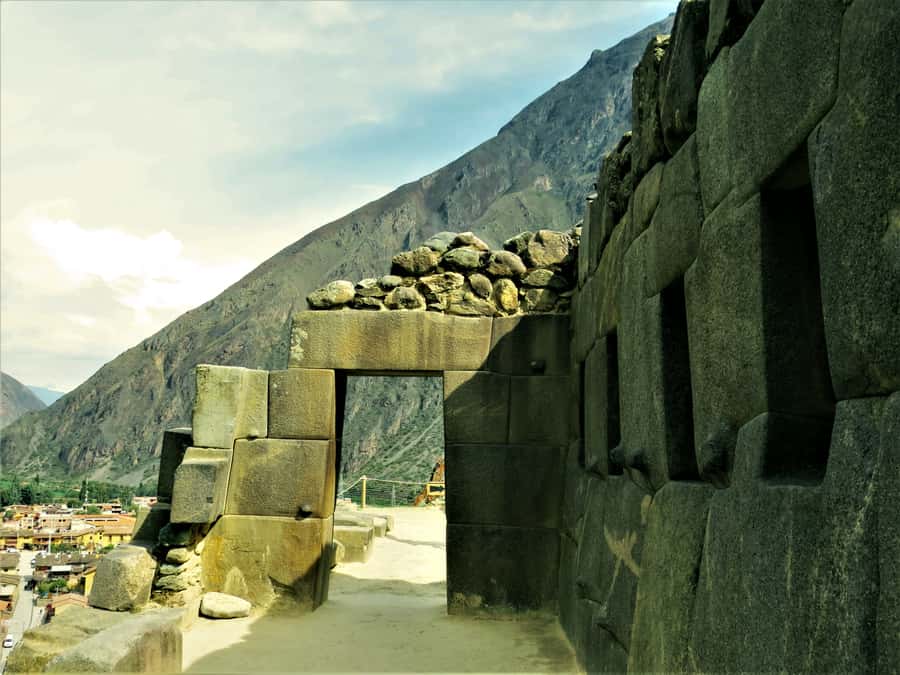
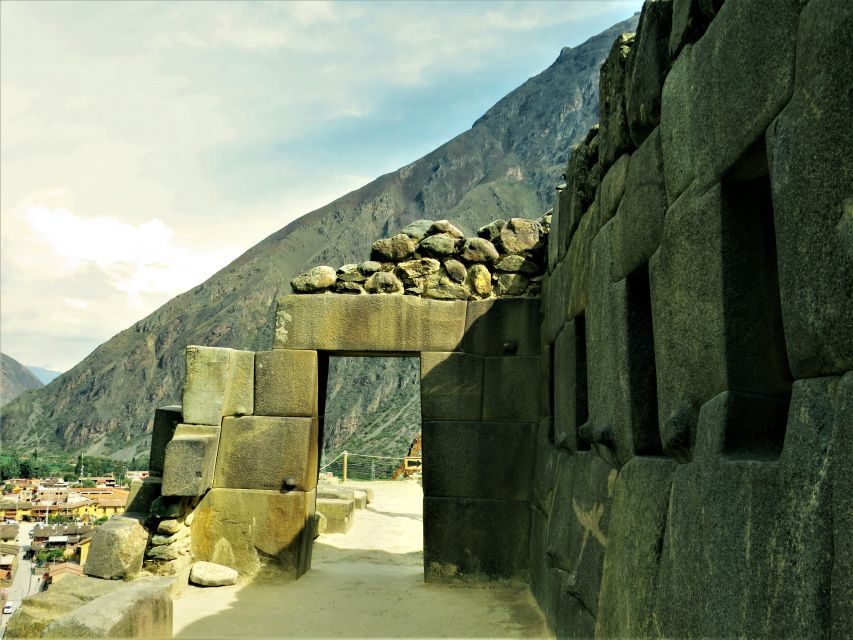
Ollantaytambo is the final archaeological visit before the train. The town is built over ancient Inca structures, and its site includes temples, terraces, storehouses, and a large monolithic stone.
This is more than a quick transfer point. Ollantaytambo is a functioning town with Inca foundations, and walking through it helps connect the earlier Sacred Valley stops. The terraces and high stonework also make a powerful final chapter before Machu Picchu.
Pay close attention to the time here. The Expedition train to Aguas Calientes is part of the schedule, and the group cannot simply stay if the train is ready to leave. The fixed departures are one of the tour’s main limits. One past booking found the train ride comfortable but wished for more choice over the departure times.
The Expedition train itself is a practical part of the package. It avoids the need to book separate rail tickets and carries you onward to Aguas Calientes, the town below Machu Picchu. Once there, you spend the night in a three-star hotel.
An early start for Machu Picchu
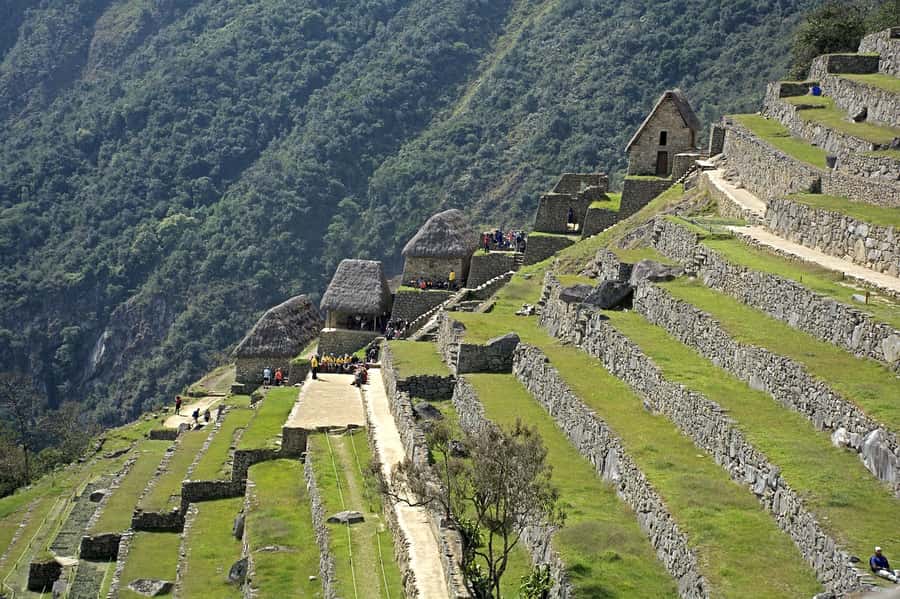
On Day 2, you have breakfast at the hotel and take one of the first buses up to Machu Picchu. The early departure is important. It gives you a better chance of seeing the citadel in the morning and supports the tour’s sunrise focus, although exact light and entry timing depend on the day’s schedule and conditions.
You must bring your original passport. It is required at the Machu Picchu checkpoint, not simply a photocopy or a picture on your phone. Keep it secure but easy to reach.
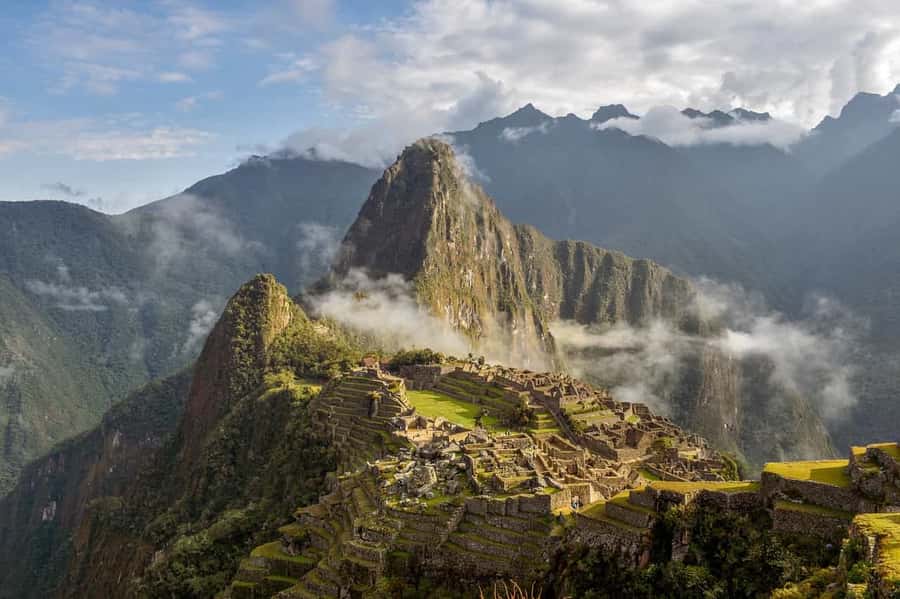
The guided visit lasts about three hours. You will see terraces, storehouses, temples, and palaces while your guide explains how the site fits into the Inca world. This is where a strong guide makes a real difference. Guides named Herbert Vidal, Alex, and Oliver have led departures, and the tour is designed around detailed explanations in English or Spanish.
The available feedback points to patient, clear guiding as a major strength. One guide, Oliver, was praised for answering questions carefully, while Herbert Vidal was noted for explaining more when asked. That suggests you should speak up if you want more detail about construction, religion, farming, or the purpose of a particular building.
Machu Picchu is not a free-roaming visit under this plan. You follow the guided route and then have the option of paying extra for Huayna Picchu or Machu Picchu Mountain. Those hikes are not included, so do not assume you can add one without checking availability and cost.
Returning by train to Cusco
After Machu Picchu, you take the bus down to Aguas Calientes. Lunch there is optional and paid separately, so budget for it. You then board the Expedition train back to Ollantaytambo and continue by van to your Cusco hotel.
This return section is another reason to pack lightly. Large bags are not allowed, and the tour calls for a daypack. A small bag also makes the train, bus, and van connections easier.
The full return journey can feel tiring after an early morning at Machu Picchu. Still, the door-to-door service removes much of the stress. You are not left to find a station, arrange a taxi, or work out how to get from Ollantaytambo back to Cusco.
What the $698 price includes
At $698 per person, this is not the cheapest way to visit Machu Picchu. It can still offer fair value if you want an organized package that covers nearly every major cost.
Included are:
- Hotel pickup and return service in Cusco
- Transport throughout the trip
- Entrance tickets to Pisac, Moray, Maras, Ollantaytambo, and Machu Picchu
- Buffet lunch in Urubamba
- Dinner in Ollantaytambo
- One night in a three-star Aguas Calientes hotel
- Round-trip buses between Aguas Calientes and Machu Picchu
- Round-trip Expedition train
- English or Spanish guide
- Taxes and reservation charges
You still pay for meals not listed, travel insurance, and the Huayna Picchu or Machu Picchu Mountain hikes. The biggest value comes from convenience. If you tried to arrange the same sequence yourself, you would need to coordinate several entry tickets, road transfers, train tickets, a hotel, and the Machu Picchu bus.
The tradeoff is control. A private or self-planned trip could give you more say over train times, meal stops, and the length of each visit. This small-group option gives you fewer decisions and a tighter schedule.
Who should book this tour
I would recommend this tour if you have only two days and want the major Sacred Valley highlights before Machu Picchu. It suits you if you prefer a guide who can explain the ruins, want transport handled from start to finish, and appreciate having meals and tickets bundled into one price.
It is also a good match if you are comfortable with early mornings, long road days, and a fixed train timetable. The group limit of 16 is more personal than a large coach, while still keeping the price below many private arrangements.
I would think twice if you want slow market browsing, long photography stops, or a relaxed stay in Aguas Calientes. You should also compare the cost if you already have a hotel in Cusco, can arrange transport easily, or want to choose your own train times.
The tour is non-refundable, so confirm your Cusco accommodation, passport details, and travel dates before paying. Give the operator a working phone number, WhatsApp contact, or email so they can reach you about pickup.
FAQ
How long is the Sacred Valley and Machu Picchu tour?
The tour lasts two days and one night. Day 1 runs from Cusco through the Sacred Valley to Aguas Calientes, and Day 2 covers Machu Picchu before the return to Cusco.
Is hotel pickup included in Cusco?
Yes. Pickup is available from a hotel, hostel, or Airbnb in Cusco, followed by return service to your hotel.
What languages are available for the guide?
Guides are available in English or Spanish.
Is the group private?
No. It is a small-group tour limited to 16 participants.
Is the hotel in Aguas Calientes included?
Yes. One night in a three-star hotel in Aguas Calientes is included.
Are the Machu Picchu buses and trains included?
Yes. The package includes round-trip buses between Aguas Calientes and Machu Picchu, plus round-trip travel on the Expedition train.
Can I hike Huayna Picchu or Machu Picchu Mountain?
You can request one of these extra hikes, but neither is included in the price. The tour lists them as optional additional activities.
What should I bring?
Bring your original passport and a daypack. Large bags, drones, alcohol, and drugs are not allowed, and you may not feed the animals at the alpaca center.
Are meals included?
Day 1 includes a buffet lunch in Urubamba and dinner in Ollantaytambo. Other meals, including lunch in Aguas Calientes on Day 2, are not included.
Should you book it?
Book this tour if you want maximum sightseeing in minimum time and value having the hard parts arranged for you. The mix of Pisac, Moray, Maras, Ollantaytambo, and Machu Picchu is strong, and the early Aguas Calientes overnight makes the Machu Picchu morning practical.
Skip it if you need flexible train times or a slower pace. At $698, you are paying for coordination, included tickets, meals, and guidance rather than the lowest possible fare. For a short first visit to the Cusco region, that convenience can be worth it.
More Evening Experiences in Cusco
- Cusco by Night: Planetarium Cusco, Dinner, and Pisco Sour
★ 5.0 · 75 reviews - From Cusco: 2-Night Lake Titicaca Excursion
★ 3.7 · 62 reviews - Rainbow Mountain and Red Valley Hike – 2 Days / 1 Night
★ 5.0 · 41 reviews - Titicaca Lake 2 Day 1 Night from Cusco to Puno
★ 4.5 · 33 reviews
More Train Experiences in Cusco
- Cusco: Machu Picchu 2-Day Inca Trail with Panoramic Train
★ 4.9 · 260 reviews - The First Class Machu Picchu Train by Inca Rail
★ 4.0 · 182 reviews - From Cusco: 1-day Machu Picchu Tour by Train
★ 4.6 · 138 reviews - 2-Day Machu Picchu Tour by train from Cusco ( All included )
★ 5.0 · 85 reviews
Just added around Cusco
- Waqrapukara 1 day trekking + meals★ 3.9 · 3 reviews
- Zipline over the Sacred Valley Trip★ 5.0 · 11 reviews
- Valle Sur Cusco | half day★ 4.3 · 3 reviews
- Visit to the Cochahuasi Animal Sanctuary with rescued animal★ 4.1 · 4 reviews
- Visit Pisac from Cusco: Private Transport★ 4.6 · 9 reviews
- Maras and Huaypo lagoon by ATV from Cuzco | Local Operator★ 4.7 · 4 reviews
- Trek to Humantay Lake from Cusco★ 4.9 · 8 reviews
- Trek to Choquequirao 4 days★ 3.8 · 4 reviews
Machu Picchu Tours, compared.



4-Day Inca Trail to Machu Picchu with Accommodation
Read our review →
2-Day Trip to the Sacred Valley and Machu Picchu
Read our review →
Machu Picchu 2-Day Inca Trail with Panoramic Train
Read our review →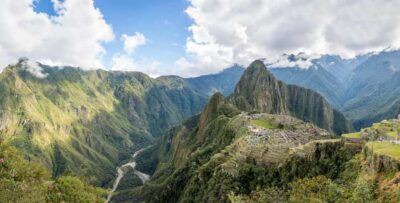
Browse the lists this tour appears in