
Reviewed · HUMANTAY LAKE TOURS
Humantay Lake 2 Day Trek with Sky Camp from Cusco
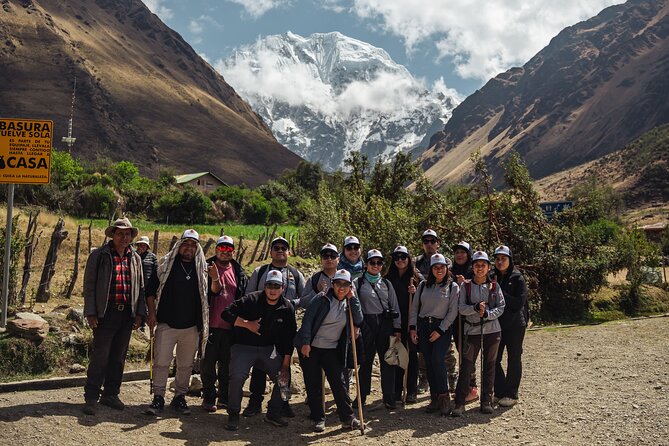
Humantay Lake is the star here, but the overnight stay makes this more than a rushed day trip. You hike through Andean valleys to a dome at 3,900 meters, then climb to turquoise Humantay Lake and, the next morning, Salkantay Pass at 4,650 meters.
I like the small-group promise, the included sleeping bag and trekking poles, and the chance to see the mountains under a clear night sky. I also like that your guide covers Peru’s flora and fauna rather than treating the trek as a simple photo stop.
The main concern is that group size and pickup arrangements may not always match the advertised plan. Some departures have reportedly included 19 or 20 people, and one pickup involved a six-block walk to the van, so confirm these details before you pay.
In This Review
- Key points to know before booking
- Why this two-day trek is different from a standard lake visit
- The 5:00 a.m. start and the ride to Mollepata
- Challacancha to Soraypampa at 3,900 meters
- Sky Camp at Soraypampa
- The climb to Humantay Lake at 4,200 meters
- The Seven Serpents and Salkantay Pass
- The descent to Soraypampa and return to Cusco
- Meals, equipment, and guide support
- Group size, pickup, and service concerns
- Who should book this trek?
- Should you book the Humantay Lake Sky Camp trek?
- FAQ
- Where does the Humantay Lake Sky Camp trek begin?
- How long does the experience last?
- How high is Humantay Lake?
- How high is Salkantay Pass?
- Where do you sleep?
- Are meals included?
- Is drinking water provided?
- Is trekking equipment included?
- Are horses included?
- Can I cancel for a refund?
Key points to know before booking
- Two famous mountain sites in two days: You visit Humantay Lake on day one and Salkantay Pass on day two.
- High-altitude sleeping: Sky Camp sits at 3,900 meters, before your climb to 4,200 meters at the lake.
- A demanding second morning: The trail reaches 4,650 meters at Salkantay Pass, where thin air matters more than distance.
- Early departure from Cusco: Pickup begins at 5:00 a.m., with transport to Mollepata for breakfast.
- Included trekking gear: You receive a sleeping bag, trekking poles, filtered water, snacks, and camping equipment.
- Check the group size: The stated limit is 10 people, but some departures have been larger.
Why this two-day trek is different from a standard lake visit
Many visits to Humantay Lake are packed into one long day from Cusco. This trip gives you an overnight base at Soraypampa, so you are not simply racing up to the lake, taking a few photographs, and returning to the city.
The extra night also adds Salkantay Pass. That makes the trip more demanding, but it gives you two distinct mountain experiences. Humantay Lake offers a close, brilliant view of glacier-fed water. Salkantay Pass gives you a broader high-mountain setting, with huge peaks and snow-covered ridges around you.
The advertised price is $520 per person. That is a serious amount for a two-day trek, but it covers private group transportation, a Sky Camp dome, meals, entrance to Humantay Lake, a licensed guide, a sleeping bag, poles, snacks, drinking water, and first aid support.
The value depends on what matters to you. If you want a simple, low-cost day hike, this is not the right choice. If you want an overnight mountain experience with transport and gear handled for you, the package is easier to justify. I would still compare the group-size promise, vehicle quality, and meal arrangements before booking.
More humantay lake tours in Cusco:
- Cusco: Humantay Lake Tour with Breakfast and Buffet Lunch
★ 4.9 · 2,976 reviews - From Cusco: Excursion to Humantay lake from Cusco
★ 4.7 · 514 reviews - Humantay Lagoon Tour
★ 5.0 · 96 reviews
The 5:00 a.m. start and the ride to Mollepata
Your day begins early in Cusco’s Historic Center. Pickup is scheduled for 5:00 a.m., although one departure collected its first passenger at 4:20 a.m. and spent another 35 to 40 minutes gathering people around the city.
That early start is not just a formality. The drive to Mollepata covers about 120 kilometers, and the route takes much of the morning. You should expect a long transport period before the hiking really begins.
At Mollepata, you stop for a traditional Andean breakfast. The meal is meant to give you fuel before the trail, and a hot breakfast is useful on a morning that starts before sunrise. Still, food quality has not been consistent. One report described both breakfast and lunch as poor, so anyone with a sensitive stomach should consider carrying a few familiar snacks of their own.
The tour includes private transportation for the group and hotel pickup and drop-off from the Cusco Historic Center. That is convenient, but do not assume the vehicle will pull directly to every hotel entrance. A reported pickup required a six-block walk to where the van was parked.
The transport itself deserves a clear question before departure. One vehicle was described as old, with air conditioning that did not work. That may not define every outing, but it is worth asking about the pickup point, vehicle, and actual group count during your pre-trip briefing.
Challacancha to Soraypampa at 3,900 meters
After breakfast, you continue to Challacancha, the official trailhead for this route. The opening walk leads through mountain scenery, Andean valleys, small streams, and relatively quiet natural areas.
This first section is useful for getting your body moving before the hardest climbs. It also lets you see the change from the populated areas around Cusco to the open terrain near Soraypampa. Your guide can point out local plants and animals along the way, which adds meaning to scenery that might otherwise blur together during a tiring hike.
The schedule gives about seven hours for this part of day one, including transport, the approach walk, arrival at camp, and the midday meal. That is a full morning and afternoon, not a casual stroll.
Altitude is the issue to watch. Soraypampa is already at 3,900 meters, higher than many people expect when they look at the total hiking distance. If you have just arrived in Cusco, the overnight camp and the next day’s climb can feel much harder than the numbers suggest.
The tour asks for a moderate level of physical fitness. That description should be taken seriously. You do not need to be an elite hiker, but you do need to handle sustained uphill walking, cold conditions, and thin air.
Sky Camp at Soraypampa
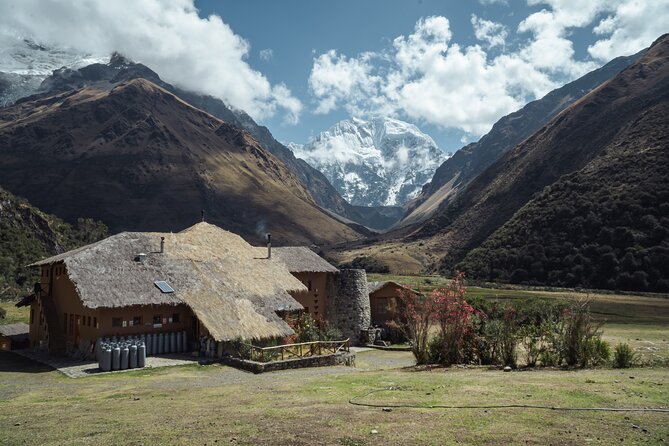
Sky Camp is the unusual part of the trip. Instead of a basic tent, you sleep in a private camping dome with views toward the Salkantay and Humantay mountains.
The dome gives you a more comfortable base than ordinary trekking camp. Private camping equipment, bedding, and a sleeping bag are included, so you do not need to bring a full camping setup. Morning tea, meals, snacks, and filtered water are also part of the package.
After lunch, the schedule allows time to rest and adjust to the altitude. This pause matters. You have a lake climb later in the day, and the camp provides a place to slow down rather than immediately tackling the next section.
Do not confuse glamping with hotel comfort. The camp is still at high altitude, and conditions can be cold. You are sleeping in the Andes, not in a heated city room. Pack warm clothing even if Cusco feels mild when you leave.
The location is also part of the appeal. Dinner is served after the afternoon hike, and the domes face the mountains. On a clear night, you may have stars overhead and peaks outside your door. Weather controls how much of that you see, but the setting is a strong reason to choose the overnight version.
A few more Cusco trips to weigh up
- From Cusco: 7 Lakes Ausangate Trek with Breakfast and Lunch
★ 4.8 · 360 reviews - Cusco: Rainbow Mountain Tour and Red Valley Hike (Optional)
★ 4.7 · 149 reviews - Cusco: Full-Day Rainbow Mountain & Red Valley Trekking Tour
★ 4.5 · 121 reviews - Salkantay Trek Challenge – 3 Days / 2 Nights
★ 5.0 · 101 reviews
The climb to Humantay Lake at 4,200 meters
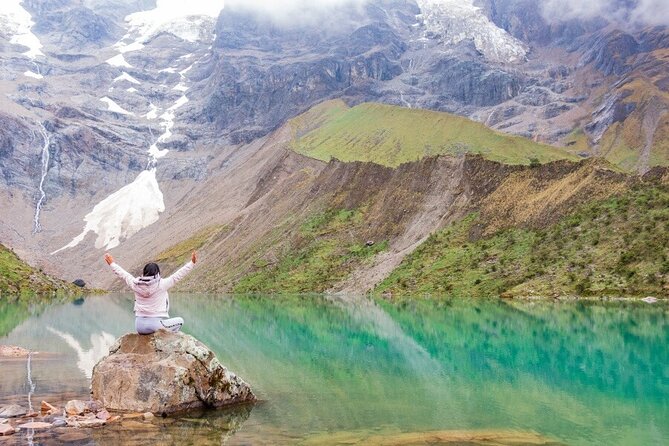
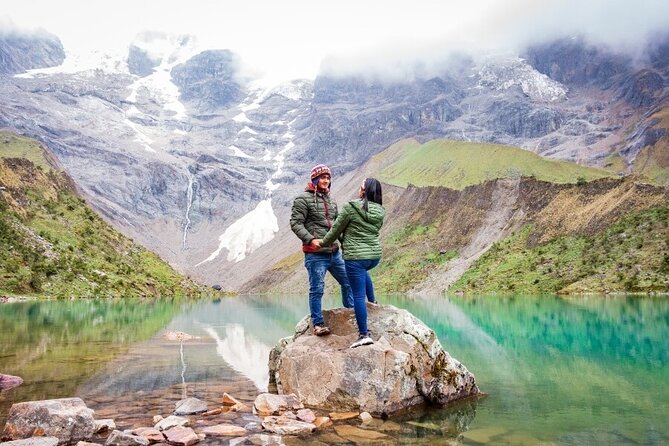
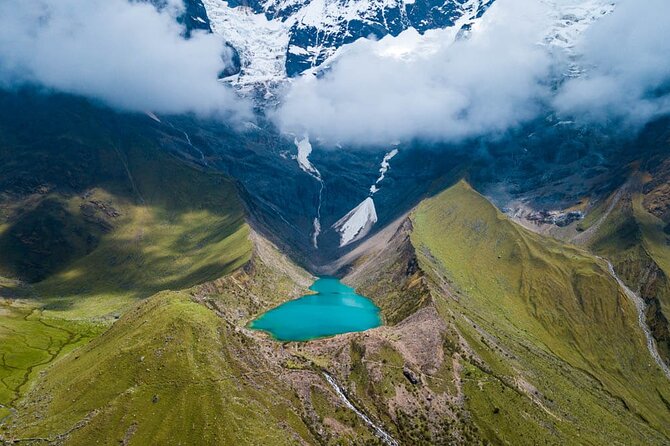
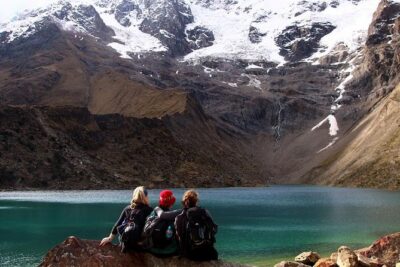
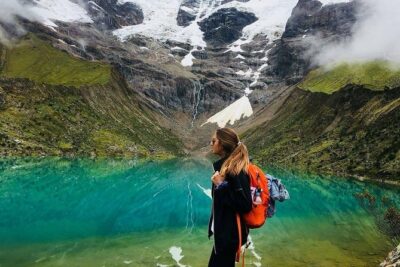
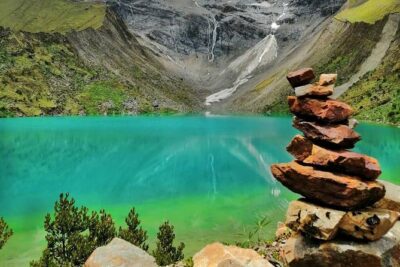
The afternoon hike to Humantay Lake is the emotional center of the trip. The lake sits at about 4,200 meters, framed by glaciers and high peaks, with striking turquoise water.
The color is the reward, but the climb is not easy. A separate description puts the round-trip lake hike at roughly 12 kilometers and about three hours of walking, with a sustained uphill grade. The exact timing can vary, especially at altitude and with rest stops.
Move slowly. The most useful approach is a steady pace, short steps, and regular breathing rather than trying to stay beside the fastest person in the group. Trekking poles are included and can help on both the climb and the descent.
One weakness is that the hike may feel largely self-directed. You may spend much of the uphill and downhill walking at your own pace, with limited contact with the guide during the actual climb. That suits confident hikers who like freedom, but it is less reassuring if you want close guidance throughout.
At the lake, take time to look beyond the famous photograph. The water, glacier, rock, and sky create the scene, but the altitude changes how long you may want to stay. Your guide can also connect the setting to local plants, animals, and Andean traditions.
Afterward, you return to Sky Camp for dinner. The total first day is long, and much of it includes driving, waiting, eating, and walking at altitude. It is not a gentle introduction to trekking, but the overnight setting breaks up the usual one-day rush.
The Seven Serpents and Salkantay Pass
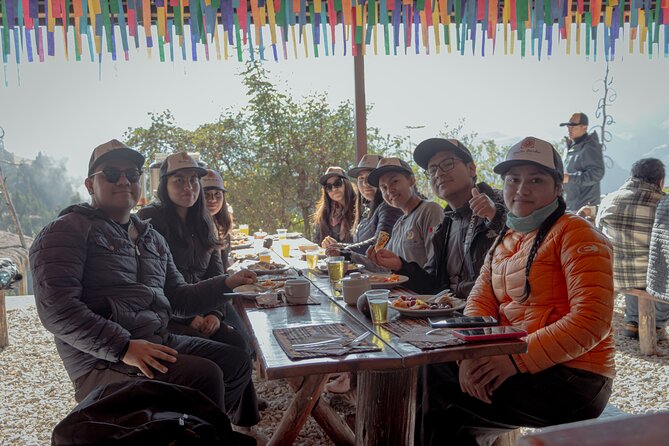
Day two begins with an early breakfast at camp. You wake to mountain views, then start the climb toward Salkantaypampa and the trail known as the Seven Serpents.
The name comes from the zigzag shape of the route. The switchbacks make the ascent more manageable than a straight climb, but they do not make it easy. You continue upward until you reach Salkantay Pass at approximately 4,650 meters.
This is the highest point of the experience. At the pass, the focus shifts from one lake to a wide view of glaciers and the snow-covered peaks of Mount Salkantay. It is a dramatic place for photographs, but you should also allow yourself a quiet moment. The elevation, scale, and silence make this feel different from a normal mountain viewpoint.
The schedule allows about four hours for this section. The time includes the climb, stops, and time at the pass. At this height, your pace may be slow, and that is normal. You should not judge the effort by distance alone.
The pass is also where the tour’s fitness requirement becomes clearest. Someone who managed the lake climb may still find the second morning difficult because the trail rises higher. If you develop serious altitude symptoms, tell the guide rather than pushing on for a photograph.
The descent to Soraypampa and return to Cusco
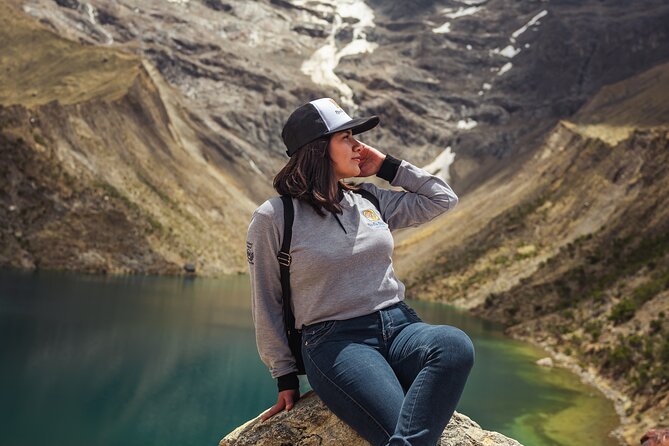
After the pass, you descend to Soraypampa for lunch at Sky Camp. The descent is less demanding on your breathing, but steep ground can tire your knees, especially after two days of hiking.
After lunch and a short rest, you walk about 30 minutes to meet the private transport. The return drive to Cusco completes the Salkantay and Humantay route, with more mountain scenery along the way.
The second day is listed at about four hours, but the complete return to Cusco involves lunch, the walk to the vehicle, and the drive. Plan to be away from the city for most of the day.
This is another reason to think about the trip as an overnight trek rather than a short excursion. You spend real time in transit, and the road portion is a major part of the experience. The benefit is that transportation connects several remote points without requiring you to arrange separate transfers.
Meals, equipment, and guide support
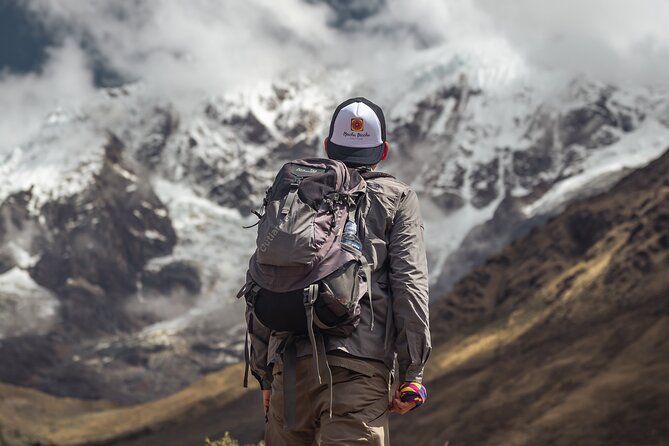
The package includes two breakfasts, two lunches, one dinner, morning tea, daily snacks, and filtered drinking water during the hike. It also includes a first aid kit and a professional licensed guide.
The equipment list is practical. A sleeping bag is important at Soraypampa, and trekking poles are useful on the lake climb, the pass, and the descent. Private camping equipment means you do not need to organize the shelter yourself.
Food is the least dependable part of the package based on the information available. The meals are described as traditional and nutritious, but one departure had very poor breakfast and lunch. I would bring compact backup food, especially if you need simple meals for high-altitude exercise.
Horses are not included. That matters because the route is strenuous and the altitude can be rough. If you think you may need a horse for part of the trek, ask about availability and cost before leaving, rather than assuming one will be provided.
Tips for the guide and driver are optional and not included. An extra luggage bag, including a duffel bag, is also not included, so confirm how much personal luggage the vehicle and camp arrangements can handle.
Group size, pickup, and service concerns
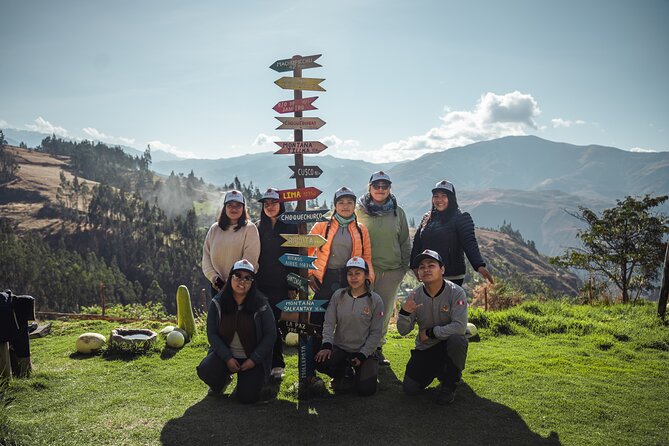
The tour is promoted for a maximum of 10 people, which would be a real advantage. A small group makes it easier to keep a steady pace, hear the guide, and avoid turning the camp and transport into a crowded operation.
The stated limit has not always held. One group had 19 people, and another had 20 despite a smaller advertised maximum. This is the single most important point to verify with Machu Picchu Peru Tours before booking.
The guide service can still be good even when the logistics are messy. One guide named John was described as excellent, nice, and helpful. That is encouraging, but guide assignment can change, so you should not assume John will lead your departure.
The overall rating is 4.9 from 62 ratings, with 98 percent recommending the experience. That suggests the scenery and core trek make a strong impression. The lower scores focus less on Humantay Lake itself and more on group size, food, vans, and communication.
I would ask four questions before paying:
- Is my group definitely limited to 10 people?
- Where exactly will pickup happen from my hotel?
- What type of vehicle will be used?
- Who is the guide for my departure?
Clear answers will tell you a great deal about how well the operation is being managed.
Who should book this trek?
I would choose this trip if you want a high-altitude mountain experience with an overnight camp, included gear, and both Humantay Lake and Salkantay Pass in one package.
It suits you best if you already have some hiking experience and are comfortable with long days, early starts, and uncertain weather. It is also a good fit if the Sky Camp dome matters to you. The overnight setting is the feature that makes this tour more distinctive than a standard lake outing.
I would be cautious if you have only just arrived in Cusco, dislike long van rides, or need close guide support on every part of a hike. You should also think twice if you are choosing it mainly for a small group. The advertised limit is attractive, but the reported larger departures mean you need confirmation.
Free cancellation is available if you cancel at least 24 hours before the start time. Poor weather or failure to meet the minimum group size may lead to a different date or a full refund.
Should you book the Humantay Lake Sky Camp trek?
The scenery is worth the effort. Humantay Lake is spectacular, and Salkantay Pass adds a second, higher mountain moment that a normal lake day does not provide.
I would book this experience only after confirming the group size, pickup procedure, vehicle, meals, and guide. At $520, you are paying for convenience and an overnight mountain stay, so the basic operation should match what is promised.
If those details are confirmed, this can be a memorable two-day route from Cusco. If the operator cannot give clear answers, choose a company with a firm small-group policy and more reliable transport arrangements.
FAQ
Where does the Humantay Lake Sky Camp trek begin?
The trek begins with hotel pickup in Cusco at about 5:00 a.m. Pickup and drop-off are included for hotels in Cusco’s Historic Center.
How long does the experience last?
The experience lasts approximately two days. You return to Cusco after descending to Soraypampa on the second day and taking private transportation back to the city.
How high is Humantay Lake?
Humantay Lake is at approximately 4,200 meters above sea level.
How high is Salkantay Pass?
Salkantay Pass reaches approximately 4,650 meters above sea level.
Where do you sleep?
You spend one night in a Sky Camp dome at Soraypampa, at about 3,900 meters.
Are meals included?
Yes. The package includes two breakfasts, two lunches, one dinner, morning tea, and daily snacks during the trek.
Is drinking water provided?
Filtered drinking water is provided during the hike.
Is trekking equipment included?
Yes. Private camping equipment, a sleeping bag, and trekking poles are included.
Are horses included?
No. Horses are not included in the tour price.
Can I cancel for a refund?
You can receive a full refund if you cancel at least 24 hours before the experience begins. Cancellations or changes made less than 24 hours before the start time are not accepted for a refund.
More 2-Day Experiences in Cusco
- From Cusco: 2-Day Trip to the Sacred Valley and Machu Picchu
★ 4.6 · 265 reviews - Cusco: Machu Picchu 2-Day Inca Trail with Panoramic Train
★ 4.9 · 260 reviews - From Cusco: 2-Day Inca Trail to Machu Picchu
★ 4.2 · 244 reviews - Machu Picchu: Inca Trail 2-Day Overnight Guided Tour
★ 4.9 · 203 reviews
Just added around Cusco
- Waqrapukara 1 day trekking + meals★ 3.9 · 3 reviews
- Zipline over the Sacred Valley Trip★ 5.0 · 11 reviews
- Valle Sur Cusco | half day★ 4.3 · 3 reviews
- Visit to the Cochahuasi Animal Sanctuary with rescued animal★ 4.1 · 4 reviews
- Visit Pisac from Cusco: Private Transport★ 4.6 · 9 reviews
- Maras and Huaypo lagoon by ATV from Cuzco | Local Operator★ 4.7 · 4 reviews
- Trek to Humantay Lake from Cusco★ 4.9 · 8 reviews
- Trek to Choquequirao 4 days★ 3.8 · 4 reviews
Humantay Lake Tours, compared.
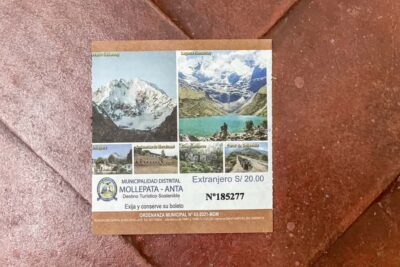
Humantay Lake Tour with Breakfast and Buffet Lunch
Read our review →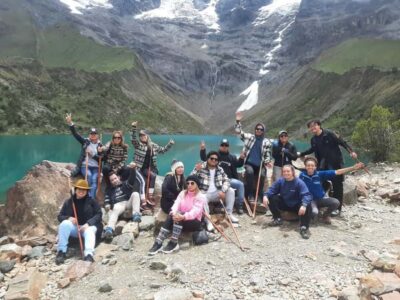
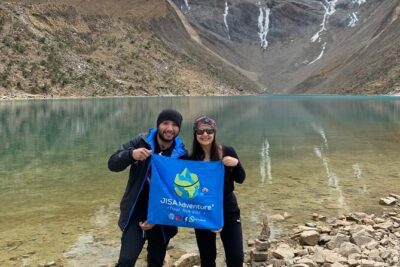
Full-Day Trek to Humantay Lake from Cusco with Guide
Read our review →
Cusco 7 days Tour in Machu Picchu, Humantay Lake and Vinicunca
Read our review →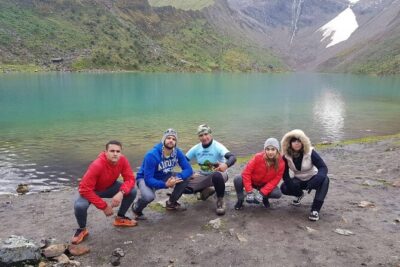
Browse the lists this tour appears in