
Reviewed · WALKING TOURS
Cusco: Walking Tour with a Local Guide
Cusco’s old center is best understood on foot, where an Inca wall can sit beneath a colonial building and a narrow stone lane can lead to a working artisan shop. This 150-minute private walking tour takes you from the Main Square through Qoricancha and San Blas, giving the city a clear historical shape.
I like the route for two reasons: it links the major sights with smaller streets, and it puts real weight on local life rather than only grand monuments. Guide Enrique earned special praise for keeping a comfortable pace and pointing out places you might otherwise pass without noticing.
The drawback is simple: this is a walking tour with a moderate amount of uphill and uneven ground. A separate concern is reliability, since one booking recorded no guide at the meeting point and no response to messages. Confirm your meeting details before setting out.
In This Review
- Key things to know before walking Cusco
- Starting between Calle del Medio and Plaza de Armas
- Plaza de Armas puts Cusco’s story in one frame
- Loreto Street shows colonial walls beside Inca craft
- Qoricancha explains why the sun mattered
- Cusicancha and Inka Roca Street reveal a quieter side
- San Blas brings the walk into local streets
- What the $15 price really gives you
- Pace, clothing, and practical comfort
- The guide matters more than the low price
- Who should book this Cusco walk
- FAQ
- How long does the Cusco walking tour last?
- Where does the tour meet?
- Where does the tour finish?
- Which languages are available?
- Is transportation included?
- What should I bring?
- Is the tour wheelchair accessible?
- Should you book this Cusco walking tour?
Key things to know before walking Cusco
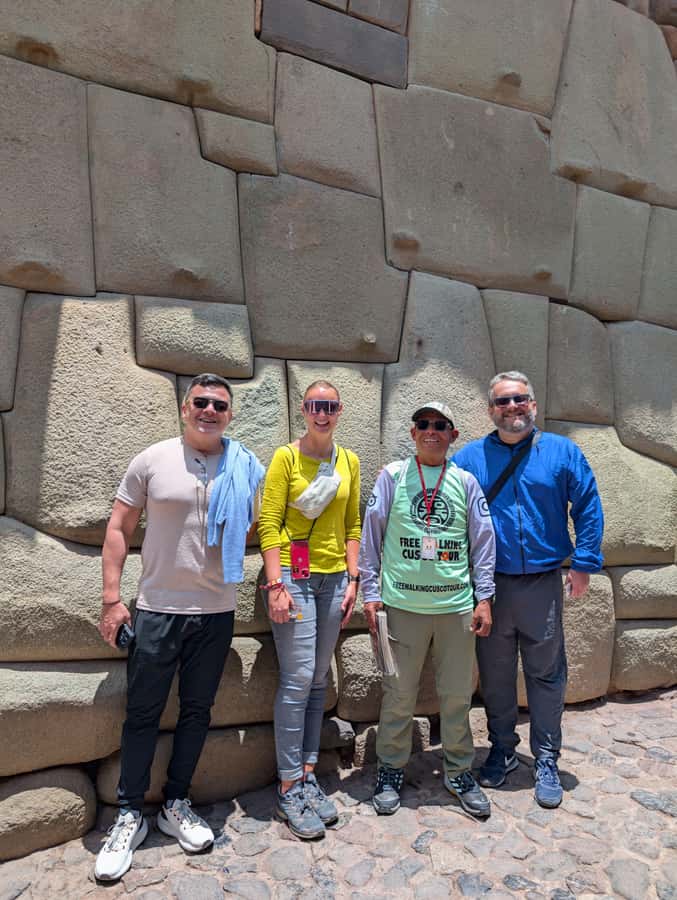
- Qoricancha explains Inca sun worship: The Temple of the Sun is the historical heart of the route and gives context to Cusco’s Inca beliefs and stonework.
- San Blas adds everyday Cusco: Artisan workshops, colonial churches, and local streets replace the formal feel of the Main Square.
- The route connects famous and less obvious sights: You walk through Loreto Street, Inka Roca Street, and Cusicancha rather than staying only in the central plaza.
- A local guide makes the old stones readable: The tour focuses on legends, architecture, and the people who shaped Cusco.
- The price is low for a two-and-a-half-hour orientation: At $15 per person, it can be a practical first activity in Cusco, especially if your guide arrives as planned.
Starting between Calle del Medio and Plaza de Armas
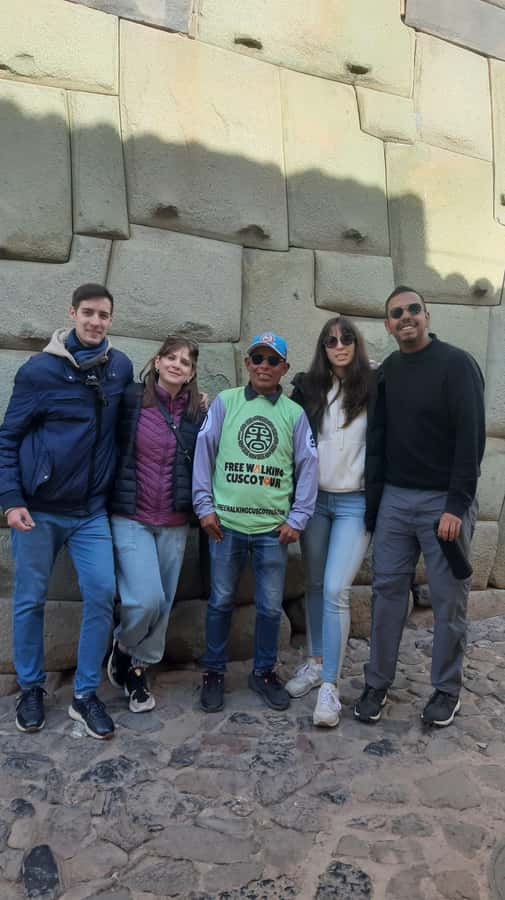
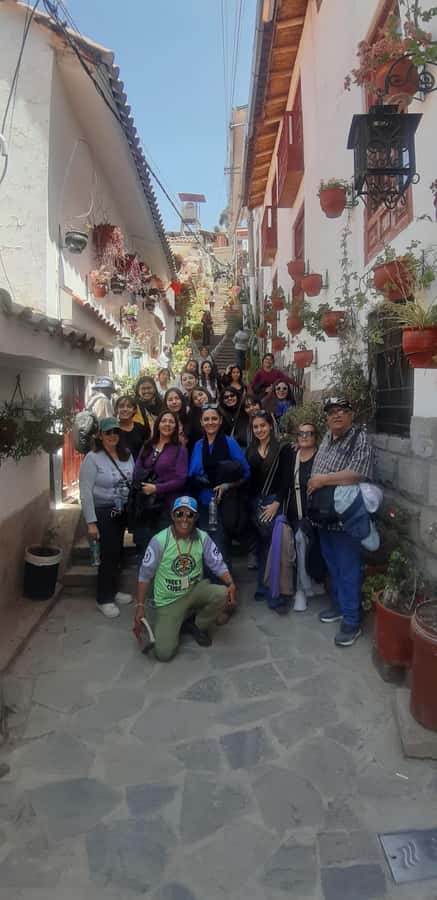
You meet between Calle del Medio and Cusco’s Plaza de Armas. Look for the guide wearing a green T-shirt, and use the stated coordinates, -13.5170627, -71.9795113, if you want to check your position before meeting.
This is a sensible starting point. The Main Square is the city’s natural reference point, and beginning here helps you get your bearings before moving into the smaller streets. There is no hotel pickup, so you need to reach the plaza on your own. Food and drinks are also not included.
The guide speaks English or Spanish. If you want the most from the history and legends, choose the language in which you can ask easy follow-up questions. This is not a lecture in a coach. You are on foot, close to the walls, shopfronts, and street activity, so the quality of the explanation matters a great deal.
The tour is described as private, though the supplied details do not state a maximum group size. If you are booking for a couple or family, it is worth checking how the private format will apply to your reservation.
A few more Cusco trips to weigh up
- Cusco: Historic Walking Tour with Pisco Sour and Music Show
★ 4.6 · 65 reviews - Walking Culinary Experience
★ 5.0 · 41 reviews - Cusco: Walking Tour Cusco
★ 3.4 · 6 reviews
Plaza de Armas puts Cusco’s story in one frame
The Main Square is where the tour begins to explain Cusco as both an Inca capital and a colonial city. You learn about the plaza’s past, the colonial buildings around it, and the legends connected with the Inca world.
I like starting here because the setting makes the city’s layered past easy to see. The square gives you the grand public face of Cusco, while the rest of the walk gradually shifts toward lanes, walls, workshops, and neighborhoods.
Expect the guide to place the architecture in context rather than simply name it. The value is in understanding why the square matters and how the city’s older traditions continue to shape its identity. Since the details describe history and Inca legends, the tone should suit you if you want more than a photo stop.
The plaza can also be the least intimate part of the experience. It is a major city meeting point, so you may find the opening more formal and crowded than the later streets. Give the guide time to establish the story before judging the tour.
Loreto Street shows colonial walls beside Inca craft
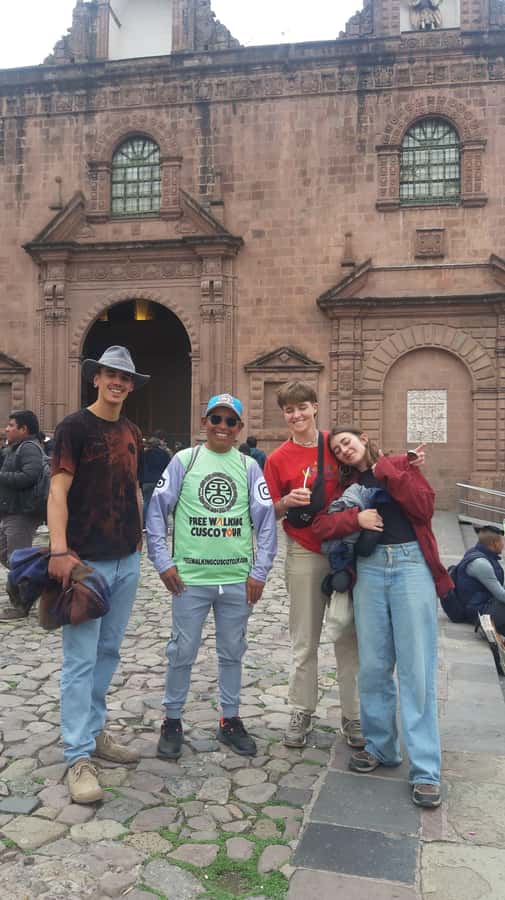
From the Main Square, the walk continues to Loreto Street. Here you see colonial architecture, local shops, and artisan workshops along a narrower urban route.
This is one of the strongest parts of the walk for anyone who likes details at eye level. Instead of viewing Cusco from a distance, you can look closely at the relationship between old stonework, colonial façades, and present-day commerce. The route also gives the guide a chance to explain how the city’s past remains visible in ordinary streets.
The shops and workshops add a useful human scale. You are not only hearing about Cusco as an ancient center. You are seeing places where local work and trade continue within the historic core.
The tour does not include purchases, meals, or drinks, so treat the workshops as part of the walk rather than a shopping package. If a particular craft catches your eye, you may need to return later with more time.
Qoricancha explains why the sun mattered
The route then reaches Qoricancha, also called the Temple of the Sun. This is the central historical stop, and the guide explains the importance of the sun in Inca culture while pointing out the Inca architecture.
The subject fits Cusco perfectly. The sun was not a minor decorative idea in Inca culture, and Qoricancha gives the tour a place to explain belief, power, and architecture together. You can expect the guide to connect what you see in the stonework with the role of the sun in the Inca worldview.
The stop is also useful because it gives you a stronger reason to study construction details. Without context, old walls can blur into a series of impressive stones. With a guide, you can focus on why the site mattered and how the architecture expresses the importance of the place.
The information says the tour skips the ticket line, but it does not specify whether an admission ticket is included. Ask about entry costs if you need a precise budget. The tour price covers the professional guide and the activity itself, while the supplied details do not list food, drinks, or entrance fees as inclusions.
Flash photography is not allowed, and smoking is prohibited. Bring your camera, but follow the site rules and do not let taking pictures distract you from the explanation.
Same valley, a completely different kind of day:
- Cusco: Humantay Lake Tour with Breakfast and Buffet Lunch
★ 4.9 · 2,976 reviews - From Cusco: Sacred Valley & Maras Salt Mines Tour with Lunch
★ 4.8 · 2,227 reviews - From Cusco: Moray, Maras Salt Mines & Chinchero Weavers Tour
★ 4.8 · 1,925 reviews - From Cusco: Full-Day Group Tour of Machu Picchu
★ 4.7 · 1,767 reviews
Cusicancha and Inka Roca Street reveal a quieter side
After Qoricancha, the walk continues to the Inka Palace Cusicancha. It is described as an Inca palace and temple that is now a church, making it another clear example of the layers that define central Cusco.
This stop adds a useful contrast to Qoricancha. Instead of focusing only on one famous temple, you see how an older Inca place can exist alongside later religious and colonial use. That change of function helps explain why Cusco can feel historically complicated within a very small area.
The route then follows Inka Roca Street. Expect a narrow cobblestone lane, colonial houses, and glimpses of local life. This is where the tour moves away from the large civic spaces and lets you notice smaller details in the street pattern and buildings.
Wear shoes with good support. Cobblestones are not the place for thin soles or loose sandals, and the tour requires a moderate level of fitness. The route is not suitable for wheelchair users or people with mobility impairments, and the stated information does not promise a step-free path.
San Blas brings the walk into local streets
The final neighborhood is San Blas, one of Cusco’s most recognizable areas. The tour takes you past artisan workshops, colonial churches, and streets where you can see daily Cusqueño life.
I like ending here because San Blas feels less ceremonial than the Main Square. The walk begins with public history and major landmarks, then finishes among neighborhood details and working creative spaces. That progression helps you understand Cusco as a living city, not just an open-air museum.
The workshop visits are not presented as formal demonstrations, so keep your expectations practical. You will see artisan activity and local shops, but the exact businesses open during your walk can vary. The value is the chance to observe the neighborhood and ask your guide about what you are seeing.
The finish is at the Mirador de San Blas. The route information does not promise a particular view condition or a long stop there, but it is a logical ending point after the uphill streets of San Blas. You should be ready for a little more effort toward the end rather than assuming the walk is flat.
What the $15 price really gives you
At $15 per person, this is inexpensive for a 150-minute guided introduction to central Cusco. You are paying mainly for orientation and interpretation: a person who connects the Main Square, Inca temples, colonial streets, and San Blas into one walk.
That value is strongest if you have just arrived in Cusco and want to understand the center before exploring alone. A local guide can point out the route between major places, explain what you are looking at, and introduce streets you might skip if you only followed a map.
The price is less of a bargain if you expect a full sightseeing package. Pickup and drop-off are not included, and food and drinks are your responsibility. Entrance costs are not clearly listed among the inclusions, so confirm whether Qoricancha admission is separate.
The tour includes a professional guide and fun, but no promise of a meal, transport, or extended time inside each attraction. Think of it as a focused city walk, not an all-day cultural program.
Pace, clothing, and practical comfort
The walk lasts two and a half hours. That is long enough to cover a useful section of the historic center, but short enough to fit around another activity. Guide Enrique’s reported pace was comfortable, which is good news if you want time to look and listen rather than rush from stop to stop.
Cusco’s sun can be strong, so bring a hat, sunscreen, and water. Comfortable shoes are essential. You should also prepare for cobblestones and moderate walking, especially as the route reaches San Blas.
The tour is not wheelchair accessible and is not suitable for people with mobility impairments. That is not a minor footnote here. The cobbled streets, narrow lanes, and San Blas finish make mobility a central booking consideration.
Smoking is not allowed, and flash photography is prohibited. There is no included food or drink, so carry water and plan any snack around the walk rather than expecting a stop supplied by the guide.
The guide matters more than the low price
A walking tour lives or dies by its guide. The strongest available experience was with Enrique, who handled the pace well and explained sights that would be easy to miss alone. That is exactly what you want from this route: clear stories, useful orientation, and attention to small details.
The language options are English and Spanish. The guide’s ability to explain Inca legends, colonial architecture, and local customs in a way you can follow will shape the experience more than the number of stops.
There is one serious warning. One booking recorded that no guide appeared, messages received no response, and the person joined another free group in the plaza instead. The overall score is 4.3 from five ratings, so the sample is small, but this no-show deserves attention.
I would save the meeting details, arrive at the stated point, and look for the green T-shirt. If the guide does not appear, use the booking contact promptly rather than wandering away without trying to resolve it. The flexible cancellation policy helps: you can cancel up to 24 hours before the start for a full refund, and you can reserve now and pay later.
Who should book this Cusco walk
I would choose this tour if you want a short, affordable introduction to the city with history tied to actual streets and buildings. It suits first-time visitors, independent explorers who want a better map of central Cusco, and anyone interested in the link between Inca culture and colonial architecture.
It is also a good fit if you prefer a local guide to a large formal group. The private format and the route through San Blas should allow a more direct conversation, although the exact group arrangement is not stated.
I would look elsewhere if you need transport, a meal, guaranteed mobility access, or a long indoor visit at each monument. I would also avoid booking it without a backup plan if your schedule is tight, given the recorded no-show.
FAQ
How long does the Cusco walking tour last?
The tour lasts 150 minutes, or two and a half hours.
Where does the tour meet?
You meet between Calle del Medio and Plaza de Armas in Cusco. Look for a guide wearing a green T-shirt. The listed coordinates are -13.5170627, -71.9795113.
Where does the tour finish?
The walk finishes at the Mirador de San Blas.
Which languages are available?
The live guide speaks English or Spanish.
Is transportation included?
No. Pickup and drop-off are not included, so you must reach the meeting point yourself and arrange your own return.
What should I bring?
Bring comfortable shoes, a hat, sunscreen, and water. The walk involves a moderate amount of walking.
Is the tour wheelchair accessible?
No. It is not suitable for wheelchair users or people with mobility impairments.
Should you book this Cusco walking tour?
For $15, I think this is a sensible way to get your first practical understanding of Cusco. The route covers the Main Square, Loreto Street, Qoricancha, Cusicancha, Inka Roca Street, and San Blas, while the guide adds the legends and cultural context that a self-guided stroll can miss.
Book it if you are comfortable walking on cobblestones, want an English or Spanish explanation, and value local streets as much as famous monuments. Before paying, confirm the meeting details and ask about any separate entrance fee at Qoricancha. If Enrique is your guide, expect a measured pace and useful historical detail. Just keep the no-show report in mind and allow some flexibility in your plans.
Just added around Cusco
- Waqrapukara 1 day trekking + meals★ 3.9 · 3 reviews
- Zipline over the Sacred Valley Trip★ 5.0 · 11 reviews
- Valle Sur Cusco | half day★ 4.3 · 3 reviews
- Visit to the Cochahuasi Animal Sanctuary with rescued animal★ 4.1 · 4 reviews
- Visit Pisac from Cusco: Private Transport★ 4.6 · 9 reviews
- Maras and Huaypo lagoon by ATV from Cuzco | Local Operator★ 4.7 · 4 reviews
- Trek to Humantay Lake from Cusco★ 4.9 · 8 reviews
- Trek to Choquequirao 4 days★ 3.8 · 4 reviews
Walking Tours, compared.
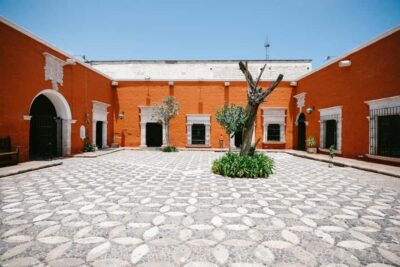
Walking tour in the Historic Center of Arequipa
Read our review →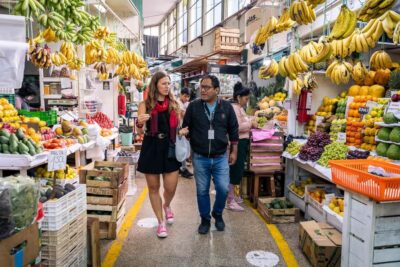
Miraflores Trending Flavors Half-Day Walking Tour
Read our review →
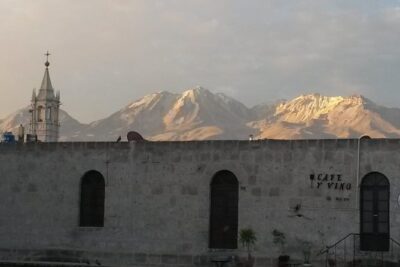
Arequipa Walking Tour city center and drinks experience
Read our review →
Historic Walking Tour with Pisco Sour and Music Show
Read our review →
Trending Flavors: Miraflores Walking Tour Including Food and Drinks Tasting
Read our review →
City Tour by Panoramic Bus – Walking & Catacombs
Read our review →Browse the lists this tour appears in