
Reviewed · SACRED VALLEY TOURS
Cusco: Pisac, Sacsayhuaman, Q’enqo, and Tambomachay Tour
The best part of this six-hour Cusco tour is the sharp contrast between Písac’s market and terraces and the great stonework above Cusco. In one outing, you see daily commerce, highland views, ceremonial sites, water temples, and an old Inca road station.
I like the private group format, which gives you room to ask questions, and I like that the guide handles the driving between scattered sites. The drawback is simple: admission is extra, and the vehicle may feel tight for four adults, so confirm the transport arrangement before you go.
In This Review
- Key points to know before booking
- From Cusco to Písac and the Sacred Valley
- Taray Viewpoint and the terraces below
- Sacsayhuamán and the scale of Inca stonework
- Q’enqo, a ritual site carved into stone
- Tambomachay and the worship of water
- Puka-Pukará from the road
- What the guide adds to the day
- The six-hour schedule and transport
- Is the $77 price good value?
- Who should book this Cusco outing?
- Should you book it?
- FAQ
- How long does the tour last?
- What places are included?
- Is hotel pickup included?
- Is the tour private?
- Which languages are available?
- Are entrance tickets included?
- Does the tour include transportation?
- What should I bring?
- Is the tour suitable for wheelchair users?
- Can I cancel the booking?
Key points to know before booking
- Písac combines a market visit with an archaeological park, so you get more than a quick shopping stop.
- Taray Viewpoint gives you a broad look across the Sacred Valley, including its many agricultural terraces.
- Sacsayhuamán, Q’enqo, Tambomachay, and Puka-Pukará sit close to Cusco and each shows a different side of Inca life.
- Juan Carlos is a trained archaeologist, while Jessica has been praised for both guiding and driving, though the assigned guide can vary.
- The tour lasts six hours, with hotel pickup and drop-off inside Cusco’s historic center.
- Bring money for entrance tickets, priced at S/ 70 for foreign visitors and S/ 40 for Peruvians.
From Cusco to Písac and the Sacred Valley
This tour begins with pickup at your hotel, provided it is inside Cusco’s historic center. If your hotel is farther out, the operator arranges a meeting point in advance. That small detail matters in Cusco, where steep streets, narrow lanes, and traffic can make a simple pickup less simple than it sounds.
The drive to Písac sets up the day well. You leave the city and reach the Sacred Valley, where the views open out and the Inca terraces become the main story. Your guide can connect what you see from the road with the sites you visit later, which is much more useful than treating each stop as a separate photo opportunity.
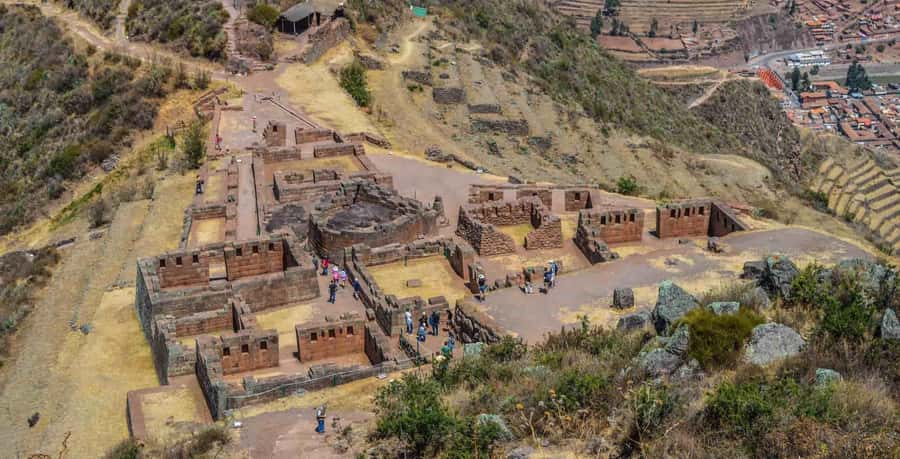
Písac is often known mainly for its market, but this outing includes the archaeological park too. That makes the stop more worthwhile for anyone who wants context and ruins, not just handicrafts. You walk through the town, browse artisan stalls, and then take a guided visit to the old Inca site.
The market is a good place to look at the range of goods associated with the region. You may find textiles, crafts, and souvenirs, but the exact stalls and activity can change. I would treat the shopping as an extra, not the main reason to book the tour.
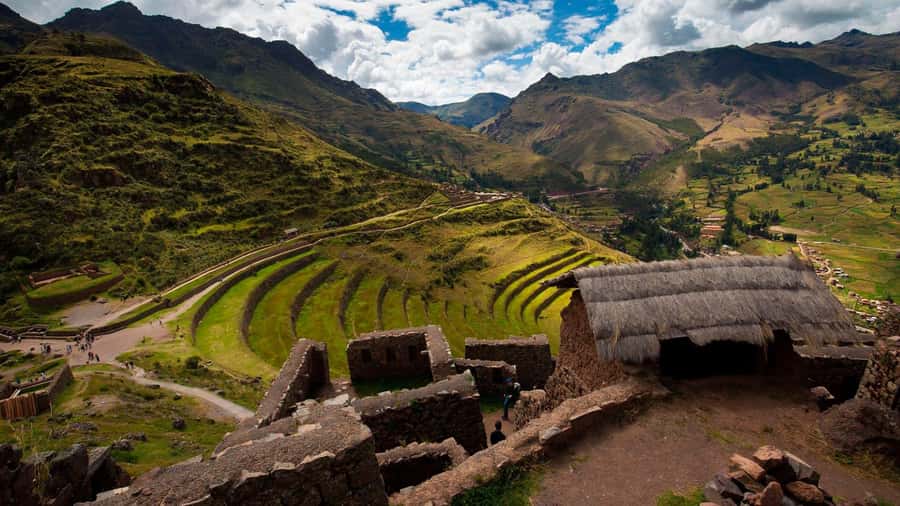
The archaeological park is the more important part. Písac is known for its terraces, and the site helps you understand how the Incas used steep mountain slopes for farming. The terraces are not just scenic. They show careful planning, labor, and adaptation to difficult highland terrain.
You should wear shoes with a firm sole. The visit involves walking around an archaeological site, and the tour itself advises comfortable clothing and footwear. There is no reason to bring heavy gear, but water, sunscreen, and a hat are practical choices at Cusco’s high elevation and strong sunlight.
More sacred valley tours in Cusco:
- From Cusco: Sacred Valley & Maras Salt Mines Tour with Lunch
★ 4.8 · 2,227 reviews - From Cusco: Moray, Maras Salt Mines & Chinchero Weavers Tour
★ 4.8 · 1,925 reviews - Cusco: Sacred Valley, Pisac, Ollantaytambo, Salt Mines Moray
★ 4.6 · 1,058 reviews
Taray Viewpoint and the terraces below
On the return toward Cusco, the tour stops at Taray Viewpoint. This is a short stop, but it gives you one of the clearest wide views of the Sacred Valley included in the day.
From here, you can appreciate the scale of the terraces far better than you can while standing beside them at Písac. The view also gives your guide a chance to explain how the valley functioned as an agricultural center for the Incas.
I like this stop because it slows the pace. The ruins around Cusco are compact and often visited one after another. Taray gives you a broader view and a chance to take photographs without being inside a walled site.
The weather can change quickly, so bring a light layer even if Cusco starts out sunny. The tour specifically warns you to prepare for varying conditions. You should also keep your camera ready, since this is one of the day’s best points for a panoramic photograph.
Sacsayhuamán and the scale of Inca stonework
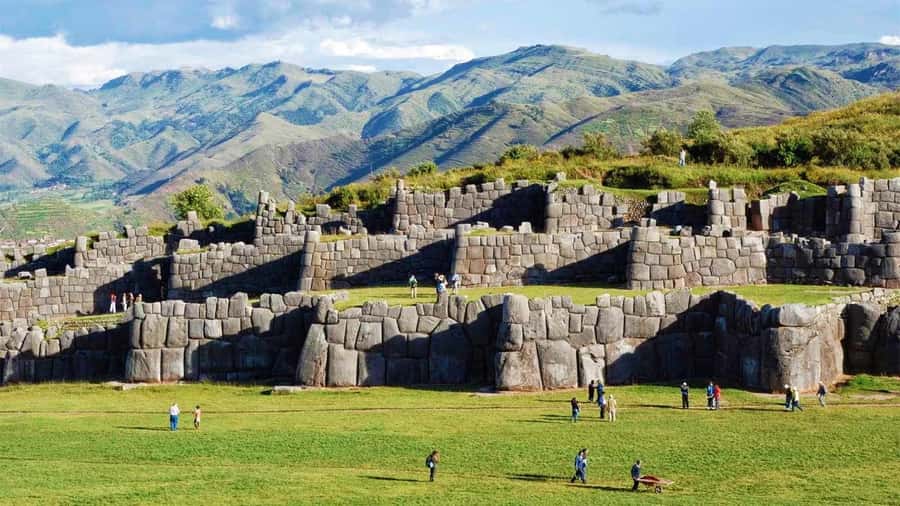
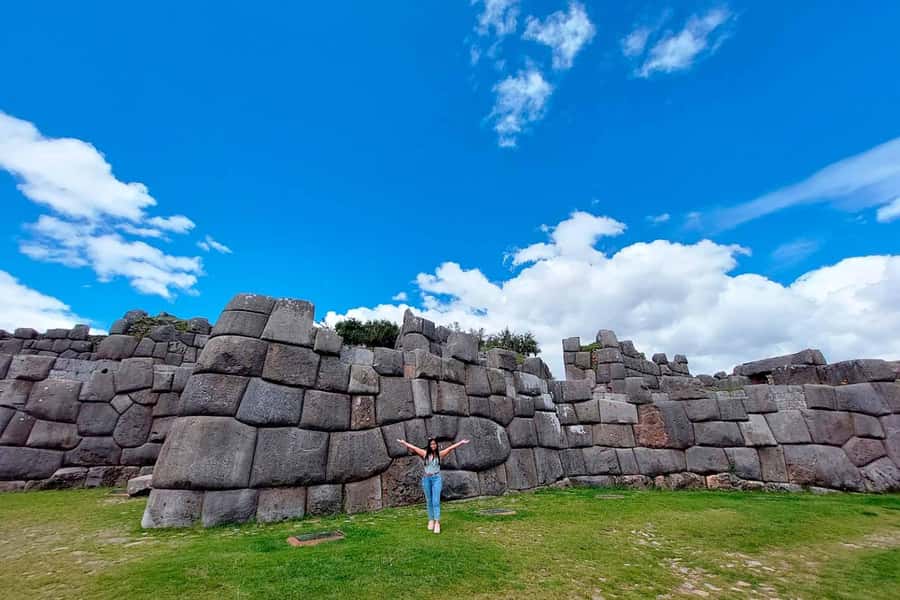
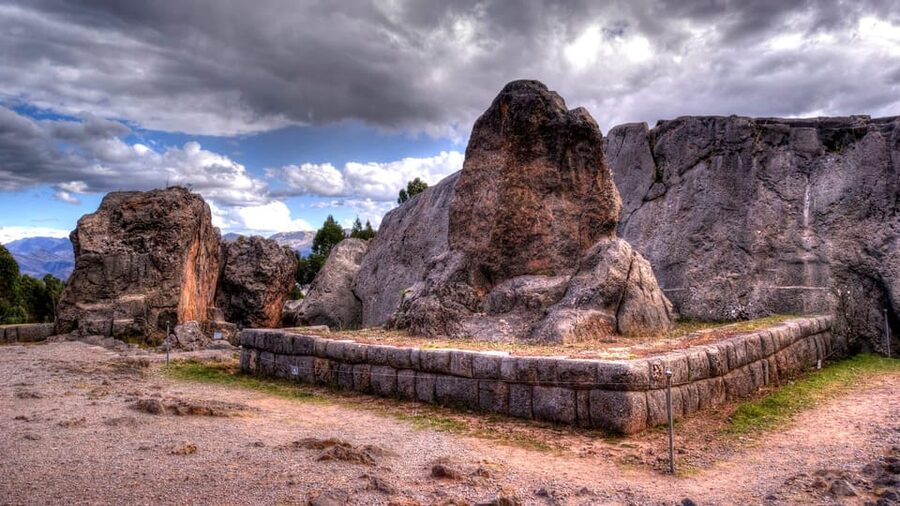
Back near Cusco, the itinerary turns to Sacsayhuamán, one of the most impressive sites in the area. It is described as a ceremonial fort made of great stone monuments, and the main impact comes from the size and precision of the masonry.
This is a place where a guide adds real value. Without explanation, you can admire the huge stones and unusual angles, but you may miss why the construction matters. A strong guide can also help separate established archaeological evidence from popular stories about the Incas.
The site is open and exposed, so expect walking under the sun. Take your time with the views back toward Cusco, and listen closely as your guide explains the role of the complex and the effect of the Spanish conquest on the city and its monuments.
One guide who has received especially strong praise is Juan Carlos, a trained archaeologist. His explanations are described as clear, precise, and evidence-based. If you can request him, it is worth doing, though the tour does not guarantee a particular guide.
Sacsayhuamán can be the highlight for visitors who care most about engineering and stone construction. If you prefer markets, food, or village life, Písac may be your favorite stop instead. The good news is that this tour does not force you to choose one style of experience.
Q’enqo, a ritual site carved into stone
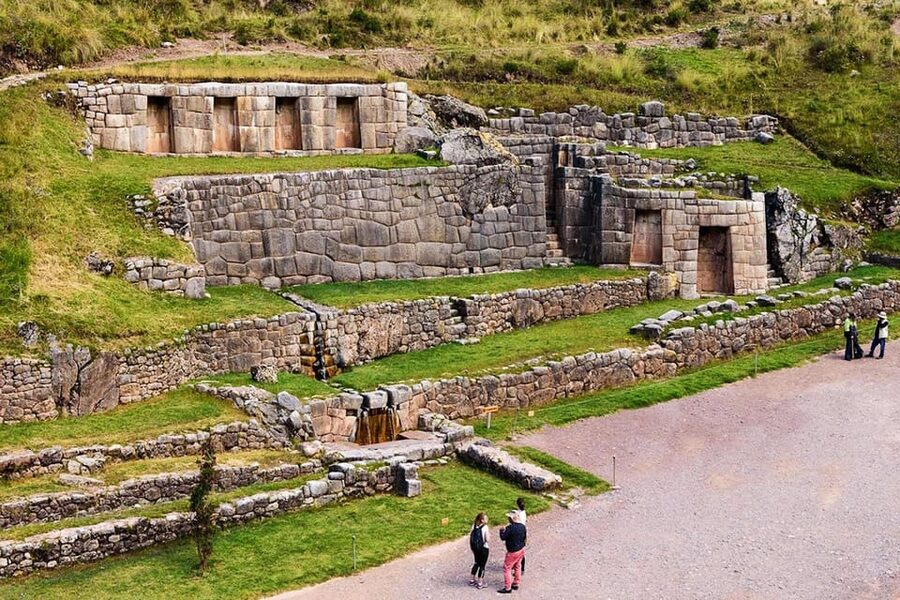
Q’enqo offers a different mood from Sacsayhuamán. It was a ritual site, and the tour explains that sacrifices once took place here. The name and purpose of the site are tied to carved rock and ceremonial activity, giving you a glimpse of religious practices rather than defensive construction.
This is a shorter and more concentrated stop. You should expect to inspect stone features and listen to the guide’s interpretation rather than roam through a large complex. That makes the guide’s skill important once again.
I find the sequence useful. Sacsayhuamán introduces monumental construction, while Q’enqo shifts the focus to ritual. In a single afternoon, you see that Inca sites were not all built for the same purpose.
The tour also provides historical background about the Incas and the Spanish conquest. Ask questions if you want to understand how the sites were used and what changed after the Spanish arrived. The private format is helpful here, since you do not have to limit your questions to a preset group pace.
More sacsayhuaman tours in Cusco:
- Cusco: Half-Day City Tour with Sacsayhuaman and Q’enco
★ 4.6 · 1,129 reviews - City Tour Cusco Qoricancha Sacsayhuaman y Tambomachay
★ 4.7 · 617 reviews - Cusco City Sightseeing and Sacsayhuaman Archeological Park Tour
★ 4.5 · 101 reviews - Cusco 4-Hour Private Tour Including Sacsayhuaman and Qenqo
★ 5.0 · 77 reviews
Tambomachay and the worship of water
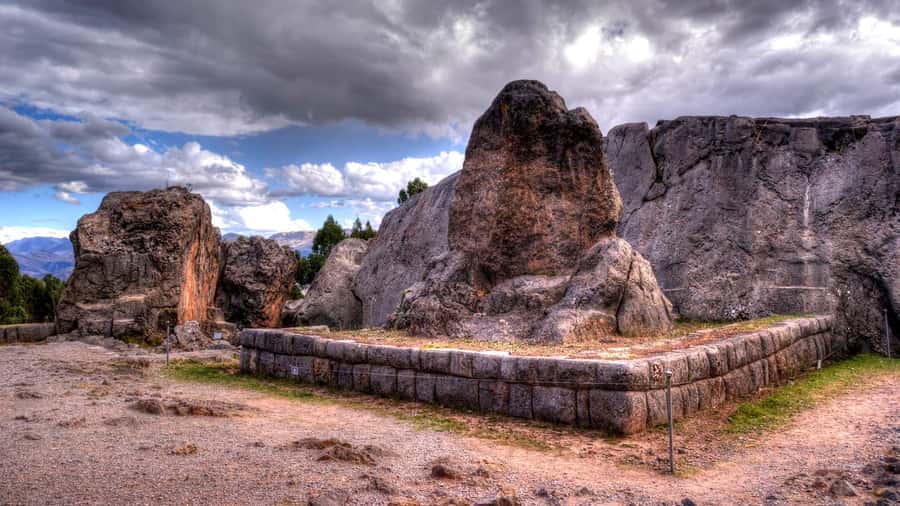
Tambomachay is presented as a temple dedicated to the worship of the water god. Its presence adds another piece to the day’s picture of Inca belief and design.
Compared with Sacsayhuamán, Tambomachay feels more focused on water and ritual. The stop is valuable because it shows how the Incas gave cultural and religious meaning to natural resources. Your guide can explain the site while you examine its channels and stonework.
The exact amount of time at each ruin can vary, since the tour is private and the total outing lasts six hours. If you have a particular interest in Tambomachay, tell your guide early in the day. The same advice applies to Písac, especially if you want time for both the market and archaeological park.
Puka-Pukará from the road
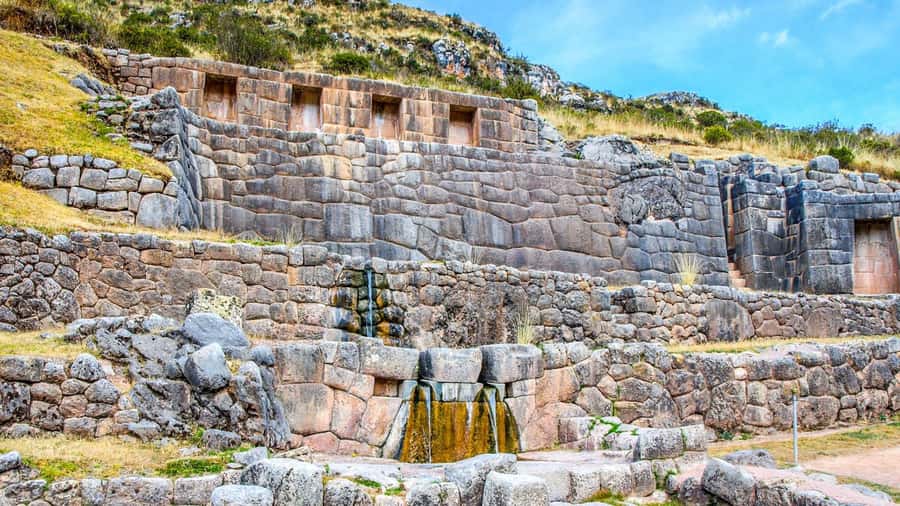
The final site is Puka-Pukará, an ancient tambo, or guard post, along the Inca roads. The itinerary calls for a panoramic view of the site rather than a long exploration inside it.
That distinction is worth noting. Puka-Pukará is included, but it may function more as a scenic and historical stop than a full site visit. You can photograph the structure and learn how it fitted into the wider road network.
The stop rounds out the day nicely. You have seen a ceremonial complex, a ritual site, a water temple, and a road station. Together, they show how the area around Cusco supported religion, movement, agriculture, and government.
What the guide adds to the day
This tour depends heavily on the quality of the guide. The sites are important, but several are made up of stone walls, terraces, and carved features that need explanation.
Juan Carlos has a background in archaeology and is especially suited to visitors who want careful answers and solid historical detail. Jessica has also made a strong impression as both driver and guide, with praise for her kindness and ability to make the day work well when transport problems arose.
The assigned guide may be someone else. The tour is offered in English or Spanish, and the private group setup should make it easier to ask questions. I would state your preferred language when booking and ask if a particular guide is available.
You should also clarify the group size and vehicle. One booking for four adults resulted in a vehicle that was not a comfortable fit. That does not mean every departure has the same problem, but it is a fair question to ask before paying.
The six-hour schedule and transport
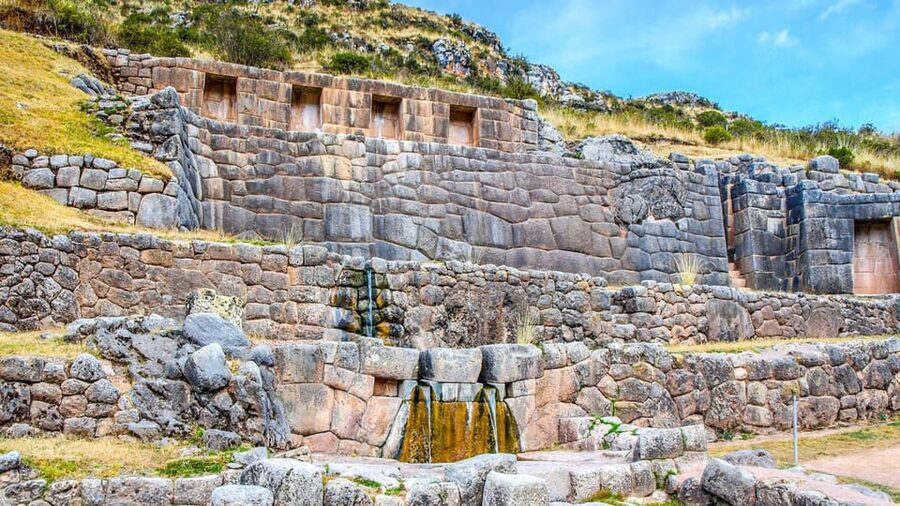
Six hours is an efficient amount of time for this route, but it is not a slow, unhurried exploration of every place. You are covering Písac, the Taray viewpoint, and four sites near Cusco, with transport between them.
The included car or minibus and hotel pickup make the day easier than arranging separate taxis. You do not need to negotiate several rides or work out how to connect Písac with the Cusco ruins.
The tradeoff is that road time takes up part of the schedule. If you want long market shopping, extended photography, or detailed study at every ruin, you may find the pace brisk. If you want a broad introduction to the area in one day, the route is practical.
Hotel drop-off is included at the end. The tour is not suitable for wheelchair users or people with back problems, and the walking makes comfortable shoes important. Smoking is not allowed during the experience.
Is the $77 price good value?
The tour costs $77 per person, before entrance fees. Foreign visitors pay S/ 70, or about $18.70, for the archaeological sites, while Peruvians pay S/ 40, or about $10.70. Add that cost when comparing this outing with other Cusco tours.
At the advertised price, you are paying for hotel pickup and drop-off, private transport, and an English or Spanish-speaking guide. That is a reasonable package if you value convenience and interpretation. The price is less attractive if you mainly want transportation and prefer to explore sites on your own.
The private format is the strongest value point. You can ask about the Incas, the Spanish conquest, the terraces, or the role of each site without waiting for a large group to catch up. The value also rises if you receive a guide with archaeological training, such as Juan Carlos.
The main value warning is the vehicle. For two adults, the transport may be perfectly comfortable, but four adults should confirm the vehicle type and seating before booking. A low price loses its appeal if the ride feels cramped for most of the day.
Who should book this Cusco outing?
I would recommend this tour to you if you want a first look at several major sites and prefer a guide to explain what you are seeing. It suits couples, small private groups, and visitors with only a short stay in Cusco.
It is also a good fit if you want both the Sacred Valley and the ruins around Cusco without arranging two separate excursions. Písac adds village and market time, while Sacsayhuamán, Q’enqo, Tambomachay, and Puka-Pukará give the day a strong archaeological focus.
You may want a different plan if you need wheelchair access, have back problems, or dislike a schedule with several walking stops. You should also look elsewhere if you want an entire day at Písac alone, since this tour returns to Cusco after the valley visit.
Free cancellation up to 24 hours before the tour and reserve-now, pay-later booking make it easier to keep plans flexible. Even so, check the start time and pickup details when you book, since available departure times can vary.
Should you book it?
Book this tour if you want a compact, well-rounded route with private transport and a live guide. The combination of Písac’s terraces, the Taray viewpoint, and four different sites near Cusco gives you a useful sense of how the Inca world worked.
Before booking, confirm three things: the language of your guide, the vehicle size for your group, and the separate entrance fee. If those details suit you, the $77 price is fair for the coverage and convenience.
FAQ
How long does the tour last?
The tour lasts six hours, including transport between Cusco, Písac, the Sacred Valley viewpoint, and the archaeological sites near Cusco.
What places are included?
The route includes Písac town and market, the Písac archaeological park, Taray Viewpoint, Sacsayhuamán, Q’enqo, Tambomachay, and a panoramic view of Puka-Pukará.
Is hotel pickup included?
Yes. Pickup and drop-off are included for hotels inside Cusco’s historic center. If your hotel is farther away, a meeting point is arranged in advance.
Is the tour private?
Yes. The experience is offered as a private group tour.
Which languages are available?
The tour is available with a live guide in English or Spanish.
Are entrance tickets included?
No. Foreign visitors pay S/ 70 per person, and Peruvians pay S/ 40 per person for admission to the archaeological sites.
Does the tour include transportation?
Yes. Transport by car or minibus is included, along with pickup and drop-off at the appropriate hotel or meeting point.
What should I bring?
Bring comfortable shoes, a hat, sunscreen, water, and a camera. You should also wear clothing suitable for walking and changing weather.
Is the tour suitable for wheelchair users?
No. The tour is not suitable for wheelchair users.
Can I cancel the booking?
You can cancel up to 24 hours in advance for a full refund. Reserve-now, pay-later booking is also available.
Just added around Cusco
- Waqrapukara 1 day trekking + meals★ 3.9 · 3 reviews
- Zipline over the Sacred Valley Trip★ 5.0 · 11 reviews
- Valle Sur Cusco | half day★ 4.3 · 3 reviews
- Visit to the Cochahuasi Animal Sanctuary with rescued animal★ 4.1 · 4 reviews
- Visit Pisac from Cusco: Private Transport★ 4.6 · 9 reviews
- Maras and Huaypo lagoon by ATV from Cuzco | Local Operator★ 4.7 · 4 reviews
- Trek to Humantay Lake from Cusco★ 4.9 · 8 reviews
- Trek to Choquequirao 4 days★ 3.8 · 4 reviews
Sacred Valley Tours, compared.

Sacred Valley & Maras Salt Mines Tour with Lunch
Read our review →
Moray, Maras Salt Mines & Chinchero Weavers Tour
Read our review →
Sacred Valley, Pisac, Ollantaytambo, Salt Mines Moray
Read our review →
Chinchero,Moray & Salt Mines drop-off in Ollantaytambo
Read our review →

Pisac Indian Market and Ollantaytambo Fortress with Lunch
Read our review →
2-Day Trip to the Sacred Valley and Machu Picchu
Read our review →Browse the lists this tour appears in