
Reviewed · AREQUIPA TOURS
8-Hours Tour in Arequipa Laguna de Salinas with Pick-up
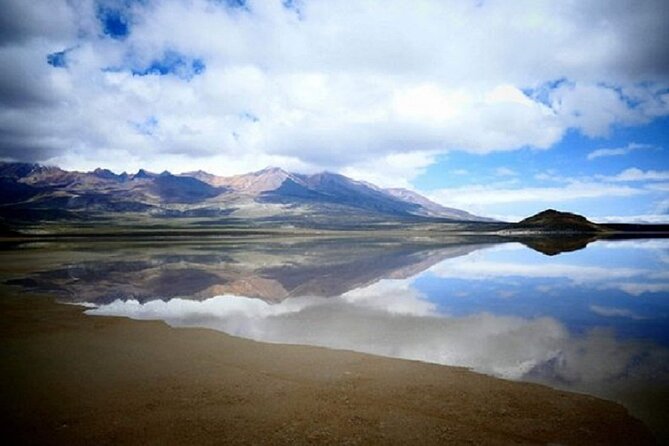
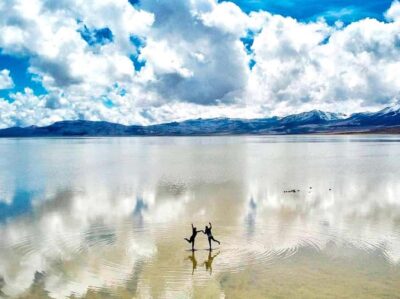
At 4,200 meters, Laguna de Salinas feels less like a normal day trip and more like a visit to another world. White salt flats, volcano views, flamingos, vicuñas, llamas, and wide-open Andean scenery fill the day. After rain, shallow water can turn the salt plain into a giant mirror, but wind and dry weather may leave you with a very different view.
I like the chance to see wildlife in the Salinas y Aguada Blanca National Reserve, and I like that the tour reaches several points rather than stopping only at the lagoon. Guides such as Patricia, Fanny, Jack, Fernando, Jennifer, and Jefferson have made a strong impression on some departures. The drawback is the road: expect dust, steep mountain sections, and a long, bumpy ride that can worsen altitude sickness or motion sickness.
In This Review
- Key points to know before booking
- Why Laguna de Salinas is worth the long ride
- The 6:00 a.m. start from central Arequipa
- Stop 1: the Arequipa salt flats
- Stop 2: wildlife in Salinas y Aguada Blanca
- Stop 3: Laguna de Salinas and the mirror effect
- Stop 4: the thermal wells
- Four hours of driving through the reserve
- Altitude, fitness, and practical comfort
- What the $30 price really covers
- Guide quality and language
- Who should book this Arequipa day trip?
- Booking, cancellation, and final advice
- Should you book the Laguna de Salinas tour?
- FAQ
- Where does the tour start and finish?
- How long does the Laguna de Salinas tour last?
- Is breakfast included?
- What extra fees should I budget for?
- Can I swim in the thermal wells?
- Will I see flamingos and other wildlife?
- Is the mirror effect at Laguna de Salinas guaranteed?
Key points to know before booking
- The altitude is the main challenge: The lagoon sits around 4,200 meters, so you need a reasonable level of fitness and should take altitude symptoms seriously.
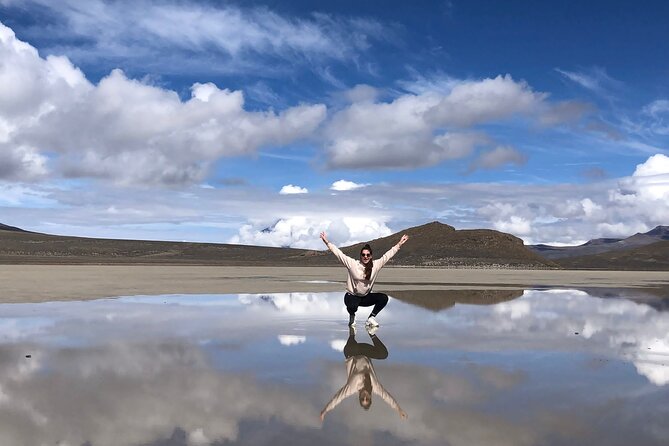
- The salt flats change with the weather: Rain can create reflective pools, while wind or dry conditions may prevent the famous mirror photos.
- Wildlife is part of the reward: You may see flamingos, parihuanas, vicuñas, guanacos, llamas, alpacas, Andean geese, and viscachas.
- The road is rough for much of the journey: The drive takes about two hours each way, with reports of dust, jolts, and car sickness.
- The $30 price is attractive but not all-inclusive: Bring money for breakfast, community or reserve charges, and the optional thermal wells.
- Guide quality can vary: Some guides offer lively bilingual explanations, while some departures have felt more like transport than a guided excursion.
Why Laguna de Salinas is worth the long ride
This tour is built around open space. The salt plain spreads beneath the high volcanoes, and the silence can be more memorable than any single attraction. You are not visiting a polished park with paved paths and neat signs. You are heading into a working salt-producing area and a protected high Andean reserve.
The salt is gathered in the Arequipa region, where flat white areas form across the ground. The appearance changes from season to season. After rain, water sits over parts of the salt and reflects the mountains. Under dry or windy conditions, the surface looks more like a pale desert.
That uncertainty is important. If your only goal is to copy the reflective photo shown in promotional images, this tour carries some risk. One departure had too much wind for the mirror effect, and another found no water at all. The scenery remains impressive, but the exact photo conditions are never guaranteed.
The mountain views help make up for that. Misti Volcano can appear dramatically along the route, and the road itself gives you a long look at the volcanic country around Arequipa. I would treat the mirror photos as a bonus, not the whole reason to go.
Other Arequipa days worth putting on the list:
- From Arequipa: Colca Canyon Full-Day Guided Tour with Meals
★ 4.5 · 982 reviews - Tour to the Salinas Lagoon and National Reserve in Arequipa
★ 4.5 · 548 reviews - From Arequipa: Sillar Route Trek
★ 4.2 · 461 reviews
The 6:00 a.m. start from central Arequipa
The day begins at 6:00 a.m. on C. Álvarez Thomas, close to central Arequipa. You return to Calle San Agustín, two blocks from the Plaza de Armas, which is handy if you plan to continue exploring the historic center afterward.
The early start serves a practical purpose. It gives you more time in the reserve and may help you reach the lagoon before larger groups. Several departures have found the area nearly empty, which matters in a place where the sense of space is part of the attraction.
Breakfast is not included. Some past departures stopped for a simple meal costing about 7 to 15 soles, but the timing and quality have not always been consistent. One group ate around 9:00 a.m., after several hours on the road. I would carry water, snacks, and some breakfast food even if you plan to buy a meal.
The vehicle is air-conditioned, and the group limit is 20 people. Smaller groups may use a Toyota Land Cruiser or another four-wheel-drive vehicle, which can move more easily along rough sections than a larger minibus. A smaller vehicle does not make the road smooth, but it can make the ride quicker and more manageable.
Stop 1: the Arequipa salt flats
The first main stop lasts about an hour and introduces the salt-producing area. Here, pale salt-covered plains spread across the high plain, with volcanoes and ridges providing scale in the background.
This is a good place to understand that the salt is not simply a pretty natural surface. It is also part of local production. The broad, geometric-looking patches give the area a working character, even when no active work is taking place during your visit.
Your guide may explain the salt and the surrounding area, but the amount of commentary depends on the departure. Some guides, including Patricia and Fernando, have been praised for explaining the route and making sure English-speaking participants could follow along. Other departures have received little information unless passengers asked questions.
If you want a more informative day, be direct early on. Tell the guide your preferred language and ask about the salt, wildlife, volcanoes, and local communities. That simple step may help turn a scenic transfer into a more useful tour.
Stop 2: wildlife in Salinas y Aguada Blanca
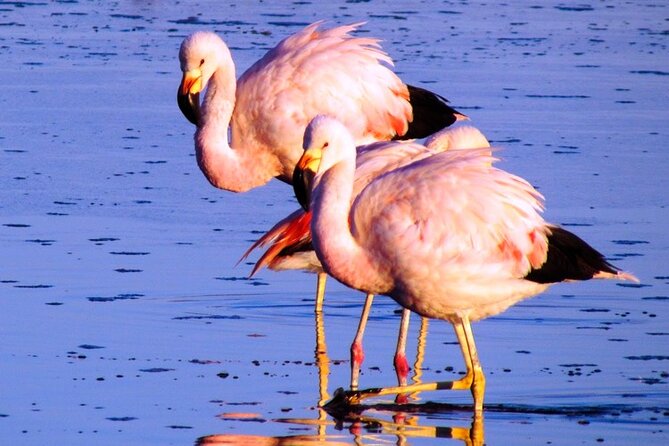
The national reserve is the heart of the day. Its high plains support several South American camelids, including vicuñas, guanacos, llamas, and alpacas. The reserve also shelters high Andean birds, with flamingos and parihuanas among the most sought-after sightings.
Wild animals do not arrange themselves beside the road for photographs. You may see vicuñas close to the vehicle, while birds on the water can be far away. Bring patience and, if you have one, a camera with a useful zoom. Even when the animals are distant, the sight of them moving through the huge open plain gives the journey a clear purpose.
Llamas and alpacas can sometimes be close enough for a more personal encounter, including opportunities to feed them. This is one of the more accessible parts of the day for families and casual photographers. Still, treat the animals gently and follow the guide’s instructions.
The reserve stop is listed at about 30 minutes, but the wider drive through the protected area takes much longer. Stops are made at points of interest along the route, so the day is not spent at one single viewpoint.
Same valley, a completely different kind of day:
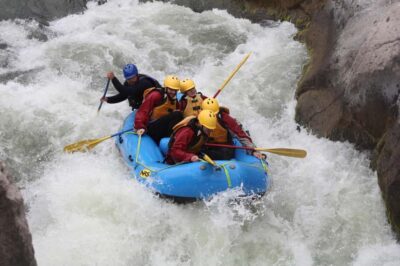
- Arequipa: Chili River White Water Rafting with Hotel Pickup
★ 4.8 · 329 reviews - 2-Day Tour Colca Canyon in Arequipa with end in Puno
★ 4.6 · 248 reviews - From Arequipa: 2-Day Colca Canyon Trekking Tour
★ 4.8 · 243 reviews - Colca Canyon Plus
★ 5.0 · 198 reviews
Stop 3: Laguna de Salinas and the mirror effect
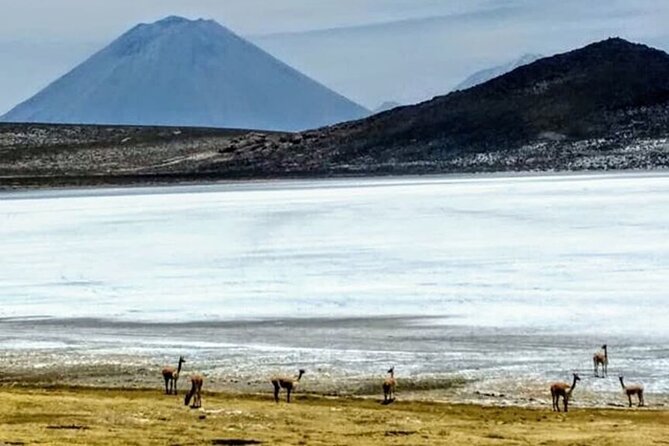
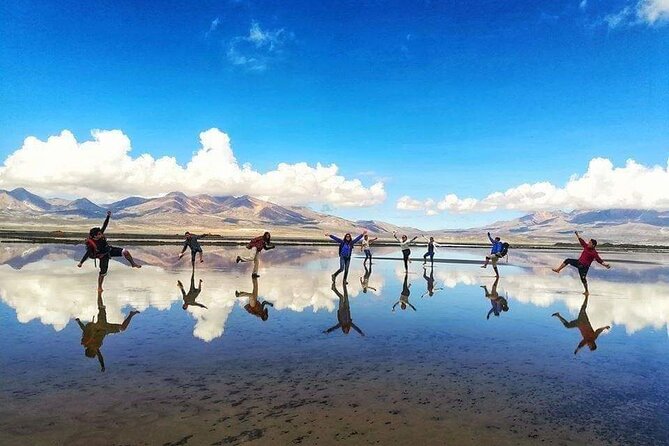
At Laguna de Salinas, you get time to walk nearby, take photographs, and look for flamingos and other birds. The lagoon is not always a deep blue body of water. Depending on recent rain, you may find thin pools spread across the salt surface, creating reflections of the mountains and sky.
This is where weather matters most. Wind breaks up the reflection, and a dry season can leave the salt plain without the water shown in many photographs. Even in those conditions, the white expanse and surrounding peaks can be striking, but the experience becomes more about scale and color than reflections.
The tour may include playful photo opportunities using perspective and the flat surface. Wear shoes that can handle wet or salty ground if water is present. Do not assume you can walk anywhere on the plain, and listen to local guidance about where it is safe to step.
Allow yourself time to look beyond the camera. Flamingos may be feeding in shallow water, and the reserve’s quiet atmosphere is easy to miss if you rush from one photo setup to another.
Stop 4: the thermal wells
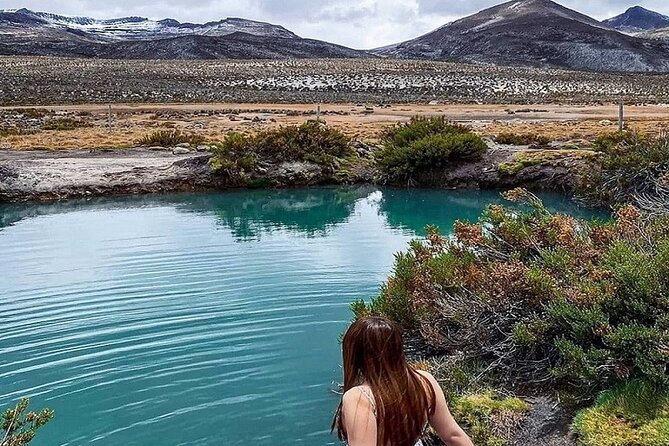
The thermal wells are small natural pools with moderately warm water. The stop lasts around 30 minutes, and bathing is optional.
The phrase hot springs may create the wrong expectation. The water has been described as about 19 degrees Celsius on one visit, which is cool rather than hot, especially in the high-altitude air. If you are hoping for a warm spa soak, this may disappoint you.
The entrance fee is listed as 5 soles per person. Bring a towel and a change of clothes only if you are sure you want to try the pools. Otherwise, you can use the stop for a short break and a look at the setting.
The wells add variety to a long day, but they are not the main reason to book this excursion. I would consider them a pleasant extra, not a deciding feature.
Four hours of driving through the reserve
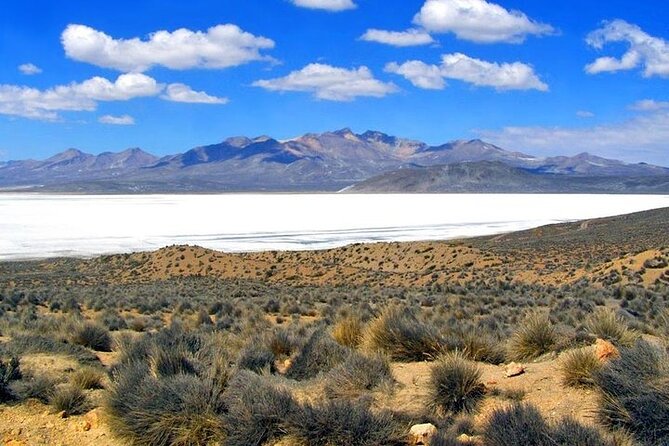
The route includes roughly two hours to the lagoon and two hours back, with additional stops. That means the vehicle is a major part of the experience, not just a way to reach the destination.
Parts of the road are unpaved, dusty, uneven, and steep. Several people have found the ride uncomfortable, and some experienced car sickness or altitude sickness as the road climbed. The driver can reduce the jolts by choosing a careful speed, but no vehicle can remove the roughness of the route.
Sit where you feel least motion, keep water within reach, and avoid a heavy breakfast before the climb. Snacks are useful because food stops are not fully fixed. If you know you react badly to winding roads or high altitude, this may not be the right day trip for you.
The long drive does have a payoff. You see changing views of the reserve rather than a single isolated attraction. The open road, volcanoes, wildlife, salt, and high plains all connect into one large Andean outing.
Altitude, fitness, and practical comfort
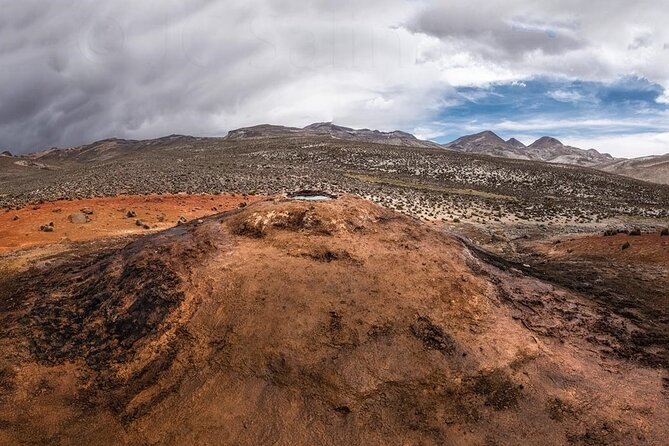
At about 4,200 meters, altitude is the issue you should take most seriously. The tour requires a moderate fitness level, and the quick rise from Arequipa can affect people who feel fine at lower elevations.
Headache, nausea, dizziness, and shortness of breath can make the day miserable. One participant became sick during a departure, while another credited the driver with helping manage altitude symptoms. A guide or driver can assist, but neither can prevent your body from reacting.
Give yourself time in Arequipa before taking this tour if possible. Pack warm layers, sun protection, water, snacks, and medication you already know is suitable for you. The high plain can feel cold, bright, windy, and dry in the same morning.
The vehicle is air-conditioned, but you will still leave it for viewpoints and the lagoon. Wear sturdy shoes and bring protection for dust. Service animals are allowed, though the altitude and rough road should be considered carefully before bringing one.
What the $30 price really covers
At $30 per person, the tour is inexpensive for an eight to ten-hour outing with transport and a professional guide. You are paying for a full day of access to a remote area without arranging a private vehicle, route, and driver yourself.
The value is strongest if you want scenery and wildlife at a low cost. It is weaker if you expect a polished, highly educational tour with every meal and entrance fee covered.
The price includes the air-conditioned vehicle and professional guide. It does not include breakfast, the thermal wells, or community and reserve charges. The published information lists a 10-sol community tax per person, while some past departures reported paying 20 soles for park entry. Breakfast has cost around 7 to 15 soles on some outings.
Because the extra fees have not been described consistently, carry small Peruvian soles and confirm the current charges before departure. A practical extra budget is at least 15 soles, with more if the current reserve fee is higher or you want breakfast and the thermal wells.
Guide quality and language
The best version of this tour includes a guide who explains what you are seeing, keeps the group together, and helps passengers handle the altitude. Patricia was praised for making sure an English-speaking participant understood the information. Other positive departures singled out Fanny, Jack, Fernando, Jennifer, and Jefferson for friendliness, patience, punctuality, or clear explanations.
Language service has not been equally reliable on every departure. Some people who booked an English-language experience received mostly Spanish commentary. If language is important to you, state it clearly when booking and confirm it at the start.
There have also been departures where the driver effectively served as guide. That may be acceptable if you mainly want transport and scenery, but it is a drawback if you want stories about the reserve, salt production, birds, and local life.
The group can include up to 20 people, so the level of personal attention depends on the day. A smaller group and a capable bilingual guide can make a noticeable difference.
Who should book this Arequipa day trip?
I would recommend it to you if you enjoy remote scenery, wildlife, volcano views, and long road journeys. It suits photographers who understand that weather controls the reflections, and it works well for people who want to see a less developed side of the Arequipa region.
It is also a good budget choice for solo visitors who do not want to hire a private car. The $30 base price gives you access to a place that would be difficult to reach independently.
I would hesitate if you have just arrived in Peru and are already feeling the altitude. I would also think twice if you dislike rough roads, dust, early starts, or uncertain meal stops. Families should judge the day by each person’s tolerance for a long vehicle ride, not only by the appeal of flamingos and llamas.
This is not the best match for anyone who wants a guaranteed mirror photograph. The lagoon’s surface depends on rain and wind, and the conditions can change quickly.
Booking, cancellation, and final advice
The tour starts at 6:00 a.m., lasts about eight to ten hours in the advertised schedule, and ends near Arequipa’s main square. Some departures have finished closer to six hours, so keep your evening plans flexible.
You can cancel for a full refund up to 24 hours before the start time. Changes or cancellations inside that window are not accepted, and poor weather may lead to a different date or a full refund.
Should you book the Laguna de Salinas tour?
Book it if you want a low-cost day of striking high-altitude scenery and wildlife, and you can handle a rough four-hour road journey. Go with realistic expectations: the reserve and mountains are the dependable rewards, while flamingo distance, mirror water, guide language, breakfast, and thermal-well conditions can vary.
Bring soles, snacks, water, warm clothing, sun protection, and patience. If you do, this can be one of the most memorable natural outings from Arequipa. If altitude or bumpy roads are a serious concern, choose a lower and shorter excursion instead.
FAQ
Where does the tour start and finish?
It starts at C. Álvarez Thomas 115 in Arequipa at 6:00 a.m. It ends on Calle San Agustín, two blocks from Arequipa’s Plaza de Armas.
How long does the Laguna de Salinas tour last?
The expected duration is about eight to ten hours. Some departures have taken closer to six hours, so you should keep your return schedule flexible.
Is breakfast included?
No. Breakfast is not included in the tour price. Food stops have cost about 7 to 15 soles on some departures, so bring cash and consider carrying snacks.
What extra fees should I budget for?
The thermal wells cost 5 soles per person and are optional. A 10-sol community tax per person is listed separately. Some departures have reported a 20-sol reserve or park entry charge, so confirm the current fee and carry extra soles.
Can I swim in the thermal wells?
Yes, bathing is optional during the thermal-well stop. The pools are natural and moderately warm, but one visit recorded water at about 19 degrees Celsius, so they may feel cool rather than hot.
Will I see flamingos and other wildlife?
The reserve is home to flamingos, parihuanas, vicuñas, guanacos, llamas, alpacas, and Andean geese. Wildlife sightings are possible, but birds may be far from the road and cannot be guaranteed.
Is the mirror effect at Laguna de Salinas guaranteed?
No. The reflective pools form after rain, and wind can break up the reflections. Dry conditions may leave little or no water on the salt plain, so the famous mirror photographs depend on the weather.
Just added around Arequipa
- Walking tour through the Historic Center of Arequipa★ 4.0 · 3 reviews
- Trek to the Route of the Sillar and Culebrillas in Arequipa★ 4.0 · 9 reviews
- 3-Day Colca Canyon trek with Professional Guide★ 5.0 · 40 reviews
- Trekking, Waterfalls and Thermal Baths★ 4.5 · 47 reviews
- Colca Full Day★ 5.0 · 57 reviews
- Full Day Tour to Colca Canyon from Arequipa★ 4.0 · 34 reviews
- Private 3 Day Colca Canyon Trekking tour (superior Service)★ 5.0 · 58 reviews
- Arequipa, Historic and Colonial City and Santa Catalina Monastery★ 4.5 · 42 reviews
Arequipa Tours, compared.
Tour to the Salinas Lagoon and National Reserve in Arequipa
Read our review →
Chili River White Water Rafting with Hotel Pickup
Read our review →
2-Day Tour Colca Canyon in Arequipa with end in Puno
Read our review →
Walking tour in the Historic Center of Arequipa
Read our review →Browse the lists this tour appears in