
Reviewed · SACRED VALLEY TOURS
Sacred Valley Vip Cusco
The clever part of this Sacred Valley day tour is its range. In about 12 hours, you move from Chinchero’s Inca walls and colonial church to Moray’s circular terraces, Maras’s salt pools, Ollantaytambo’s stone fortress, and Pisac’s market and ruins. It is a packed route, but it gives you a useful first look at several sides of the Cusco Region.
I like the mix of big archaeological sites and living local places. You are not only looking at old stones. You also visit a textile center, see salt still collected in small pools, eat lunch in Urubamba, and have time for handicrafts in Pisac. The group is limited to 10 people, which should make it easier to hear the guide than on a large coach.
The tradeoff is the schedule. Five major stops in one day means plenty of road time and only a limited window at each place. Pickup coordination also needs care, and the Maras salt mine admission was listed incorrectly in the booking information at 10 soles instead of the reported 20 soles, so bring room in your budget for that extra cost.
In This Review
- Key points at a glance
- Why this route works for a first Sacred Valley visit
- Chinchero begins with Inca stonework and a colonial church
- Moray turns Inca farming into a giant outdoor experiment
- Maras shows salt production on a remarkable scale
- Urubamba provides the day’s main meal break
- Ollantaytambo explains the phrase Last Living Inca City
- Pisac combines a market visit with an archaeological park
- The long schedule is the main question of value
- Who should book this Sacred Valley tour
- Final verdict: a strong overview with a demanding pace
- FAQ
- How long does the Sacred Valley VIP Cusco tour last?
- Which places are included?
- Is lunch included?
- What languages are available?
- How large is the group?
- Is the Maras Salt Mines admission included?
- Can I cancel the booking?
Key points at a glance
- Five famous Sacred Valley stops in one day: Chinchero, Moray, Maras, Ollantaytambo, and Pisac form a broad but busy route.
- Moray offers the tour’s most unusual sight: Its circular Inca terraces look like a giant bowl cut into the earth.
- Maras is more than a photo stop: More than 3,000 salt wells cover the slopes in a striking pattern.
- Pisac combines shopping and archaeology: You get time at the indigenous market as well as the finely built ruins above town.
- A small group of up to 10 matters: The format is better suited to questions and a more personal guide experience.
- Plan for an extra Maras fee: The actual salt mine charge is reported as 20 soles, not 10 soles.
Why this route works for a first Sacred Valley visit
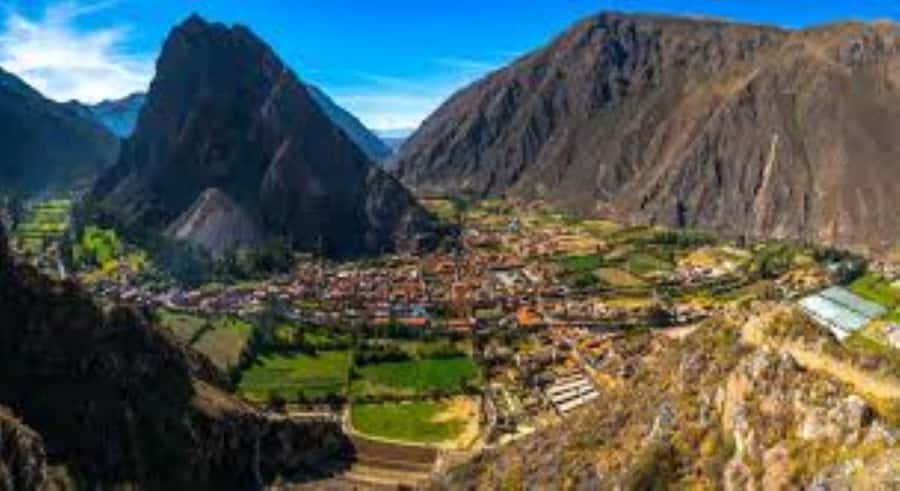
The Sacred Valley is not one single attraction. It is a long corridor of farming towns, ceremonial sites, terraces, markets, and mountain settlements. This itinerary gives you a quick tour of that variety without asking you to arrange several separate day trips.
You leave Cusco at about 7:00 am and return around 7:00 pm. That timing makes the outing a full day, not a relaxed morning tour. I would choose it if you have limited time in the region and want to see the main sights before deciding where to spend more time later.
The small-group setup is one of the better features. With no more than 10 participants, the guide can usually keep explanations focused and answer questions without shouting across a bus. The available guiding languages are English and Spanish. Specific guide names are not provided, so you should confirm the assigned guide if that matters to you.
The route is also practical for anyone who wants to continue planning around Cusco. It includes both the upper and lower parts of the valley, though this particular outing returns to Cusco around 7:00 pm. If you hope to stay overnight in Ollantaytambo, do not assume this booking includes a drop-off there. That is a different arrangement and should be confirmed before booking.
More sacred valley tours in Cusco:
- From Cusco: Sacred Valley & Maras Salt Mines Tour with Lunch
★ 4.8 · 2,227 reviews - From Cusco: Moray, Maras Salt Mines & Chinchero Weavers Tour
★ 4.8 · 1,925 reviews - Cusco: Sacred Valley, Pisac, Ollantaytambo, Salt Mines Moray
★ 4.6 · 1,058 reviews
Chinchero begins with Inca stonework and a colonial church
Chinchero is the first stop, and it sets up an important theme for the day: Peru’s older traditions were not erased when Spanish colonial life arrived. You see Inca wall construction alongside a historic colonial church, giving you a compact lesson in how different periods share the same town.
The stonework is the main reason to pay attention here. Inca builders were famous for fitting stones closely, and Chinchero lets you see that craft up close rather than only from a distant viewpoint. The church adds another layer, showing how colonial architecture and local religious life became part of the same setting.
The textile center is a useful addition. It gives the morning a human and practical focus after the archaeological remains. You can look at local textile work and, later in the day, compare the selection with handicrafts offered in Pisac.
Do not expect Chinchero to be a slow, stand-alone visit on this tour. It is the opening chapter in a long day. Listen closely to the guide here, because a clear explanation of the stones, church, and textile tradition will help you understand later stops.
Moray turns Inca farming into a giant outdoor experiment
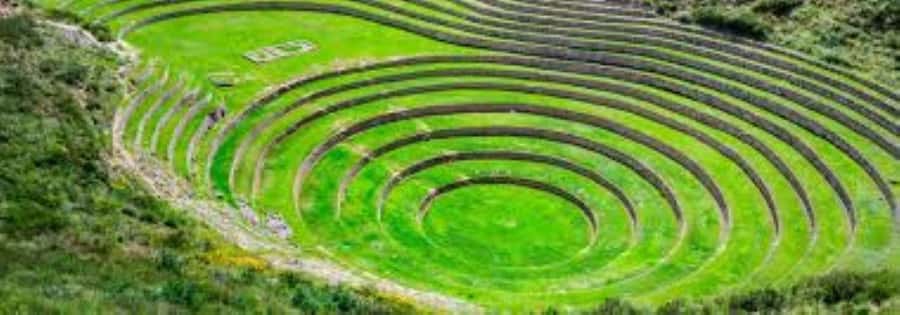
Moray is the most visually distinctive site on the route. Its circular terraces sink into the ground in wide rings, creating an almost theatrical view. The shape is memorable, but the agricultural purpose is what gives the site its value.
The terraces show how the Incas adapted farming to difficult highland conditions. The site is generally understood as an important agricultural area from Inca times, and the design raises questions about how people tested crops and managed different growing conditions. Your guide can provide the interpretation that a photograph cannot.
I like Moray because it breaks up the usual fortress-and-wall pattern of an archaeological tour. Instead of looking at rooms or defensive structures, you are looking at a huge piece of agricultural design. It helps you see the Inca world as organized around food production, not only rulers and ceremonies.
This is also a good place to pace yourself. The day has many stops, and Moray’s meaning is easy to miss if you treat it as a quick viewpoint. Give the circular terraces a moment, then use the guide’s explanation to connect the site to the wider valley.
Maras shows salt production on a remarkable scale
From Moray, the tour descends toward Maras and its salt mines. More than 3,000 salt wells spread across the slopes, producing a patterned scene that looks very different from Moray’s terraces. The salt pools have historical links to Inca use and remain one of the Sacred Valley’s most unusual sights.
The appeal here is the combination of natural water and human engineering. Salt water feeds the small wells, and evaporation leaves salt behind. The result is a working production area made up of thousands of individual pools rather than one large industrial site.
The visit is valuable because it connects the past with a continuing local practice. You are not simply seeing ruins. You are seeing how an old resource system shaped a place that still has an economic role.
There is one practical point you should not overlook. The booking information indicates a 10-sol admission cost, but the supplied on-site report says the charge is 20 soles. I would budget for 20 soles so the difference does not catch you by surprise. The tour price itself is not provided here, so I cannot judge its total cost against competing excursions, but this extra fee should be treated as separate.
Maras is also one of the stops where the weather and light can affect your experience. The pools are most striking when their colors and patterns are clear, but the tour schedule controls your arrival time. The main value is the scale and the unusual production method, not simply taking one quick photograph.
A few more Cusco trips to weigh up
- Sacred Valley (VIP) – Full Day Trip
★ 4.5 · 71 reviews - Sacred Valley with Peru Vip : Pisac, Ollantaytambo and Chinchero
★ 5.0 · 69 reviews - Sacred Valley and Machu Picchu Tour in 2 days with Peru Vip
★ 5.0 · 55 reviews - Sacred Valley VIP Tour with Maras and Moray from Cusco
★ 4.5 · 35 reviews
Urubamba provides the day’s main meal break
After the salt mines, you stop in Urubamba for a buffet lunch. This is a sensible point in the schedule. By then, you have already visited three sites, and a sit-down meal gives you a chance to rest before the afternoon’s larger archaeological stops.
A buffet can be useful on a tightly organized group tour because it keeps the meal moving. You are not waiting for each dish to arrive separately, which matters when the route still includes Ollantaytambo and Pisac. At the same time, the information provided does not list the menu, dietary choices, or whether drinks are included, so ask before booking if those details affect your plans.
I would view lunch mainly as a practical reset rather than the central attraction. The important point is that food is built into the day, so you do not need to arrange a separate midday stop while trying to keep up with the itinerary.
Ollantaytambo explains the phrase Last Living Inca City
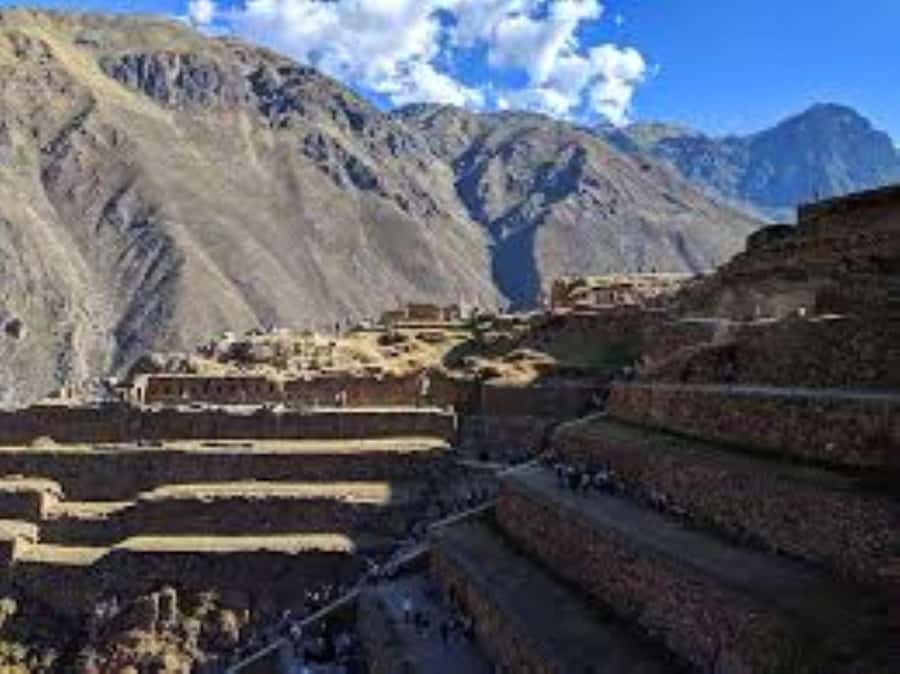
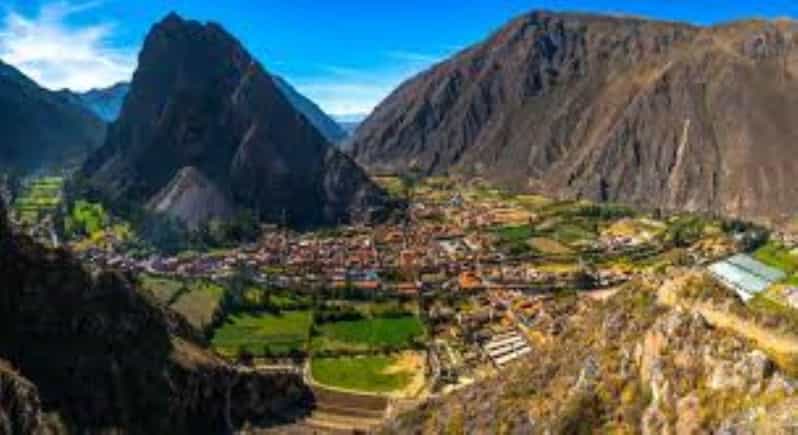
Ollantaytambo is one of the day’s major highlights. It is known as The Last Living Inca City, a name that points to the way its Inca plan and stone construction remain part of the present town.
The site offers a stronger sense of an organized settlement than a single isolated ruin. You can look at the stone buildings, terraces, and layout while also seeing the town around them. That combination helps you understand that the Inca world was made up of functioning communities, not just ceremonial monuments.
Ollantaytambo is likely to be one of the most demanding stops in terms of attention. There is a lot to take in, and it arrives late in a long day. I would save some energy for it instead of treating the first three stops as the entire event.
The itinerary does not specify how long you spend inside Ollantaytambo, so expect the guide to manage the timing. That is the price of fitting five locations into one outing. If this is the site you care about most, a longer dedicated visit may suit you better than this fast circuit.
Pisac combines a market visit with an archaeological park
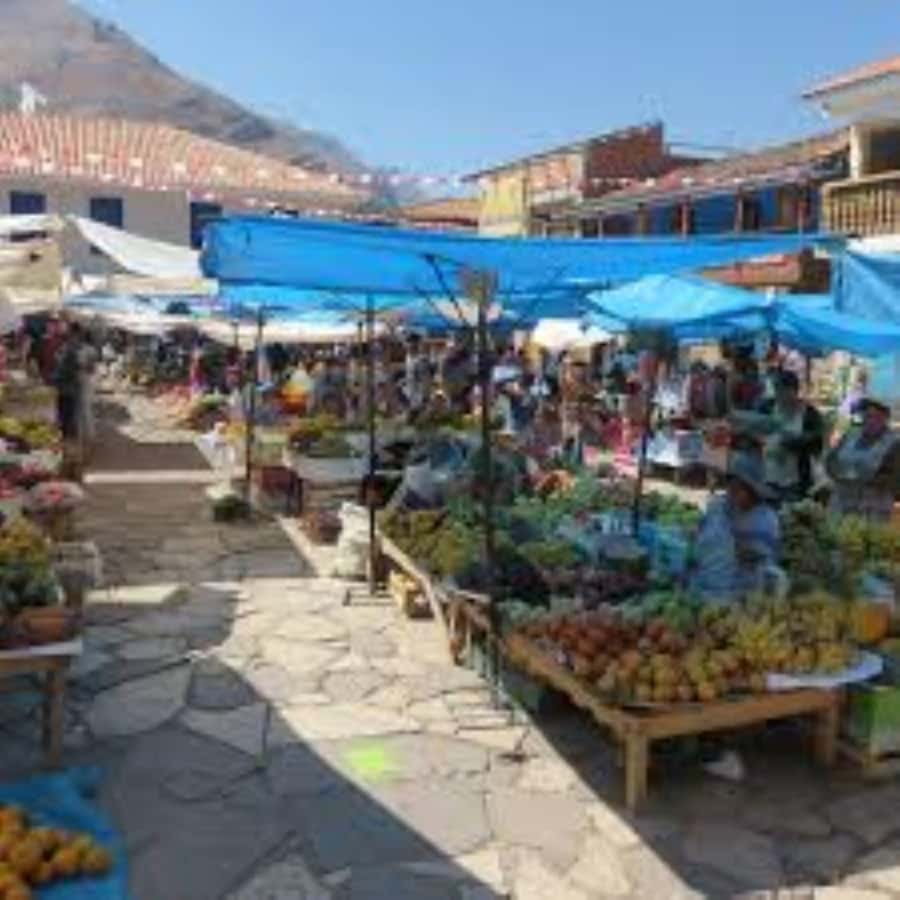
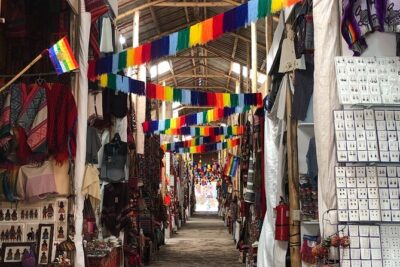
Pisac closes the route with two different experiences. First comes the town and its indigenous market, where you can look for handicrafts. Then you visit the Archaeological Park of Pisac, with finely crafted Inca stone buildings on the slopes of Intihuatana hill.
This pairing is smart. The market shows present-day craft and commerce, while the archaeological park takes you back to Inca construction. You can compare the skill and style of handmade goods with the precise stonework found above town.
The market is the practical shopping stop of the day. You may find textiles, small souvenirs, and other handicrafts, but the supplied details do not promise particular products or fixed prices. Bring a little patience for browsing and compare items before buying. A market is usually more enjoyable when you treat it as a chance to look rather than a task to complete.
The ruins above Pisac add the historical weight. The finely made stone buildings and the position on Intihuatana hill make this more than a shopping town. The route lets you finish with both local life and archaeology, though the late timing may leave you wishing for more time at each.
The long schedule is the main question of value
A full-day tour covering five major places can be good value when your time in Cusco is short. Transport between distant stops, a bilingual guide, and a buffet lunch are bundled into one day, and the group limit of 10 is more appealing than a crowded large-group format.
Still, value depends on what you want from the valley. If you prefer broad coverage, this route earns its place. You will see more in one day than you could manage easily on your own without careful planning.
If you prefer long visits, quiet walks, or detailed photography, the schedule may feel rushed. Chinchero, Moray, Maras, Ollantaytambo, and Pisac each deserve more time than a single circuit can provide. The tour gives you an introduction, not a slow study of every site.
The most important cost warning is the Maras admission discrepancy. The reported charge is 20 soles, while the booking information says 10 soles. Add that fee to your budget, and check the current amount before departure.
Pickup is another point to clarify. The available feedback specifically calls for better coordination between pickup arrangements and agencies. Confirm your pickup place and time in advance, and do not rely on a vague meeting instruction when the tour starts at 7:00 am.
Free cancellation up to 24 hours before departure and reserve-now, pay-later booking make the commitment less rigid. Those policies are useful if your Cusco plans are still shifting, but they do not solve the need to confirm pickup details.
Who should book this Sacred Valley tour
I would recommend it to you if:
- You have one open day and want the broadest possible Sacred Valley introduction.
- You want English or Spanish guiding.
- You prefer a small group capped at 10 people.
- You want archaeology, handicrafts, local production, and a buffet lunch in one package.
- You are comfortable with a 12-hour day and a return to Cusco around 7:00 pm.
I would look for a slower or private alternative if Ollantaytambo or Pisac is your main reason for visiting. A full-day circuit can show you the outline, but it cannot give every major site the same attention.
This tour also suits first-time visitors who want help connecting the sites. Moray makes more sense when someone explains its agricultural role. Maras is more meaningful when you understand how the salt wells work. Chinchero becomes more interesting when you see the Inca and colonial layers together.
Final verdict: a strong overview with a demanding pace
Sacred Valley Vip Cusco is a sensible choice when you want five major stops in one organized day. I like its combination of Inca engineering, colonial culture, living craft, salt production, and market life. Moray and Maras provide unusual sights, while Ollantaytambo and Pisac supply the large archaeological stops many people expect from the valley.
The drawbacks are clear: the day is long, the schedule is full, pickup coordination needs confirmation, and the Maras fee may be 20 soles rather than 10. If you accept those limits, the tour offers a useful, wide-angle introduction to the Cusco Region. Book it for coverage and convenience, not for an unhurried visit to every site.
FAQ
How long does the Sacred Valley VIP Cusco tour last?
The tour lasts 12 hours. It starts at about 7:00 am and returns to Cusco around 7:00 pm.
Which places are included?
The route includes Chinchero, Moray, the Maras Salt Mines, Ollantaytambo, and Pisac. Pisac includes both the indigenous market and the Archaeological Park of Pisac.
Is lunch included?
A buffet lunch in Urubamba is included in the itinerary. The available information does not specify the menu or drinks.
What languages are available?
Live guiding is available in English and Spanish.
How large is the group?
This is a small-group tour limited to 10 participants.
Is the Maras Salt Mines admission included?
The supplied information indicates an additional salt mine fee. It lists 10 soles, while the reported charge was 20 soles, so you should budget for 20 soles and confirm the current amount.
Can I cancel the booking?
You can cancel up to 24 hours in advance for a full refund. The reserve-now, pay-later option lets you book without paying at the time of reservation.
Just added around Cusco
- Waqrapukara 1 day trekking + meals★ 3.9 · 3 reviews
- Zipline over the Sacred Valley Trip★ 5.0 · 11 reviews
- Valle Sur Cusco | half day★ 4.3 · 3 reviews
- Visit to the Cochahuasi Animal Sanctuary with rescued animal★ 4.1 · 4 reviews
- Visit Pisac from Cusco: Private Transport★ 4.6 · 9 reviews
- Maras and Huaypo lagoon by ATV from Cuzco | Local Operator★ 4.7 · 4 reviews
- Trek to Humantay Lake from Cusco★ 4.9 · 8 reviews
- Trek to Choquequirao 4 days★ 3.8 · 4 reviews
Sacred Valley Tours, compared.

Sacred Valley & Maras Salt Mines Tour with Lunch
Read our review →
Moray, Maras Salt Mines & Chinchero Weavers Tour
Read our review →
Sacred Valley, Pisac, Ollantaytambo, Salt Mines Moray
Read our review →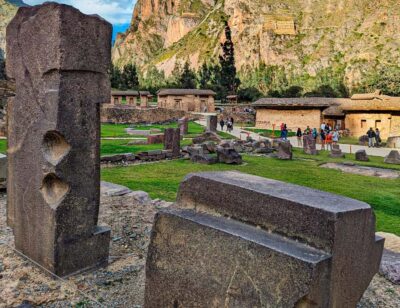
Chinchero,Moray & Salt Mines drop-off in Ollantaytambo
Read our review →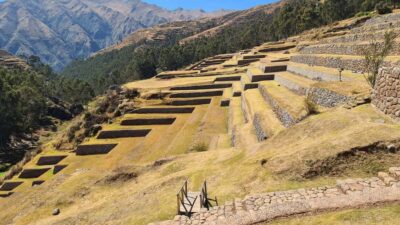

Pisac Indian Market and Ollantaytambo Fortress with Lunch
Read our review →
2-Day Trip to the Sacred Valley and Machu Picchu
Read our review →Browse the lists this tour appears in