
Reviewed · GUIDED
Peruvian Experience: Interactive, Cultural & Gastronomic Guided Tour
Peru’s past and food come together in this lively two-hour indoor tour. You start with an animatronic Inka Pachacutec and the country’s largest quipu, then roll through a short dark ride before making a Pisco Sour and a Peruvian dish yourself. I like the hands-on format, and I like that the final tasting covers 12 representative dishes rather than stopping at one plate. Guides such as Cesar have been singled out for warm, energetic hosting.
The main drawback is that this is a staged attraction, not a walk through Lima’s real markets or historic streets. The experience also has a strict non-refundable policy, and one troubling report describes arriving to locked doors with no response afterward, so I would confirm the operating time before paying.
In This Review
- Key points at a glance
- What this Miraflores experience is really trying to do
- Meeting Inka Pachacutec and the giant quipu
- Rolling through Peru on the dark ride
- Learning how Pisco becomes a Pisco Sour
- Preparing ceviche or causa with your own hands
- The 12-course taste of Peru
- How the staff shape the experience
- What the $92.43 price includes
- Practical details before you reserve
- Who will enjoy this two-hour Lima tour
- Should you book Peruvian Experience?
- FAQ
- Where does Peruvian Experience take place?
- How long does the experience last?
- What days and hours is it open?
- Is transportation from my hotel included?
- What happens during the Pisco portion?
- Do I get to cook?
- How many dishes are included in the tasting?
- How large is the group?
- Are photos included in the price?
- Can I cancel or change my booking?
Key points at a glance
- A compact tour of Peru: History, Inca technology, food, drink, music, and dance fit into about two hours.
- A real cooking component: You prepare ceviche or causa yourself, rather than only watching a chef.
- A Pisco lesson in a 1920s bar: You learn how Pisco is produced, then mix your own Pisco Sour.
- Twelve tastes at the finish: The closing meal gives you a broad introduction to Peruvian cooking.
- Small scheduled groups: The maximum group size is 15, which helps keep the demonstrations personal.
- Easy Miraflores meeting point: The venue is at Ca. San Martín 509, near public transportation, with no hotel pickup.
What this Miraflores experience is really trying to do
Peruvian Experience is designed as an indoor cultural show with food at its center. It is not a conventional museum, restaurant, or guided neighborhood walk. Instead, it moves you through a series of themed rooms and activities, using animation, film, theatrical sets, cooking, and tasting to tell a broad story about Peru.
That format works well if you have just arrived in Lima and want quick context before ordering your way through the city’s restaurants. It also suits families, solo visitors, and groups who want something social without committing to a full-day excursion.
I would set your expectations correctly. The history is presented for entertainment and orientation, not as a long academic lecture. The food is the main event, and the cultural material helps explain where those flavors and traditions come from.
The tour is offered Tuesday through Saturday, from 10:30 AM to 7:30 PM. Since the duration is about two hours, you should arrive 15 minutes early at the Miraflores venue. The advertised price is $92.43 per person. That is a serious price for a short activity, but it includes the guided program, cooking class, Pisco Sour class, cookie tasting, and 12-course food tasting. I would consider it good value if you plan to use it as your main introductory food activity in Lima. It is less attractive if you mainly want a large meal or a traditional market visit.
A few more Lima trips to weigh up
- Lima: Paracas and the Huacachina Oasis Guided Day Tour
★ 4.5 · 354 reviews - Lima: Pachacamac Ruins & Barranco Half-Day Guided Tour
★ 4.6 · 296 reviews - Guided Tours in Colonial and Modern Lima
★ 5.0 · 54 reviews
Meeting Inka Pachacutec and the giant quipu
The tour opens with a welcome from an animatronic version of Inka Pachacutec. He was a major Inca ruler, and using a moving figure gives the introduction a theatrical edge. Children are likely to respond better to this than to a quiet display case, while adults should treat it as a playful opening rather than a lifelike historical reconstruction.
Next comes the largest quipu in the experience. Quipus were knotted cords used by the Inca Empire to record information, often described in basic terms as an ancient calculating or record-keeping system. This is a useful stop because it introduces an important piece of Andean technology that many people do not know before arriving in Peru.
You also visit an area focused on Andean super beans and taste cookies made with those grains. This small tasting connects the cultural presentation to something you can eat right away. It is not the grand food portion of the tour, but it gives the opening section a local ingredient focus.
The staff use both English and Spanish, according to the experience details and direct feedback. That matters here because the tour moves quickly between short explanations, visual effects, demonstrations, and group participation. If you need a slower presentation, ask your guide to repeat anything important before the group moves on.
Rolling through Peru on the dark ride
The dark ride is the most unusual part of the program. You sit in a cart and move through a film-based presentation with special effects. The subject is Peru’s history, gastronomy, and outside influences on its culture and cuisine.
Think of it as an introduction with motion and theater rather than a theme-park thrill ride. The cart format keeps you moving, while the film gives the staff a way to cover a large amount of material in a short time. It should help you connect the later food activities to a wider national story.
This section will appeal most to people who enjoy visual presentation. If you prefer ruins, original artifacts, or long conversations with a local historian, it may feel simplified. Still, the short format has a practical advantage: you get a broad overview without spending half a day indoors.
A photo opportunity with Machu Picchu, the Mountain of Seven Colors, or another selected Peruvian background is available through chroma key. Those photos cost extra and are not included. I would treat them as an optional souvenir, not part of the tour’s core value.
Learning how Pisco becomes a Pisco Sour
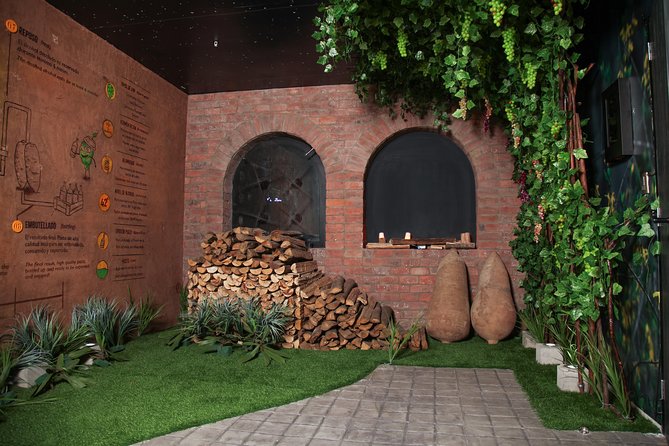
After the history section, you enter a recreated vineyard and learn about Pisco production. Pisco is Peru’s national drink, and this part gives you a basic look at the process before shifting to the bar.
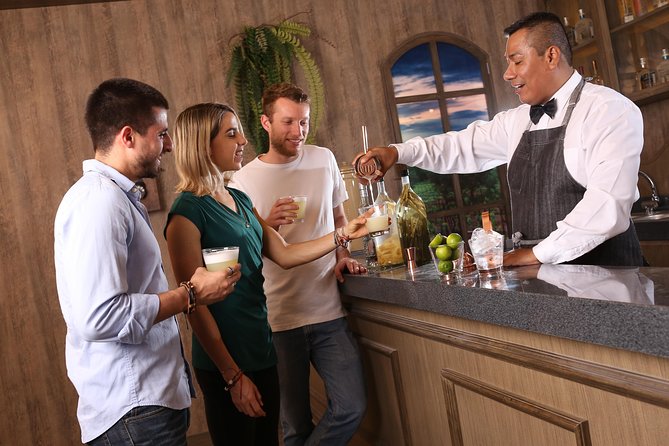
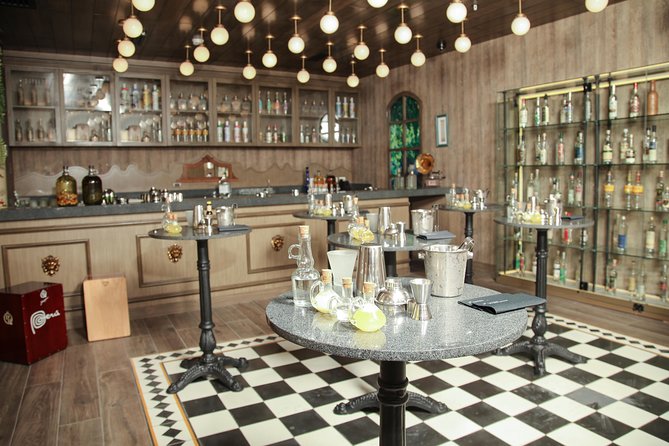
The setting is a thematic 1920s bar, where you receive a Pisco master class and prepare your own Pisco Sour. This is one of the strongest parts of the experience because you are not simply handed a cocktail. You get a short lesson, take part in the preparation, and leave with a better idea of how Peru’s signature drink fits into the country’s food culture.
The class is also built for families. Minors can participate, but they make a seasonal fruit shake instead of an alcoholic drink. That makes the activity more workable for a mixed-age group, though adults should remember that the program is still centered partly on a cocktail.
The precise amount of time spent on production and mixing is not specified, so do not expect a full winery visit or a technical spirits course. It is a lively introduction. If you are especially interested in Pisco, you may want to pair this with a separate tasting at a specialist bar.
Same valley, a completely different kind of day:
- Lima: Ultimate Peruvian Food Tour
★ 4.9 · 700 reviews - Full Day Paracas Ica and Huacachina from Lima All Included
★ 4.5 · 623 reviews - Lima’s Vibrant Heritage: Exploring the City’s Landmarks Half-day
★ 4.5 · 581 reviews - From Lima: Day trip to Paracas, Ica and Oasis Huacachina
★ 4.6 · 409 reviews
Preparing ceviche or causa with your own hands
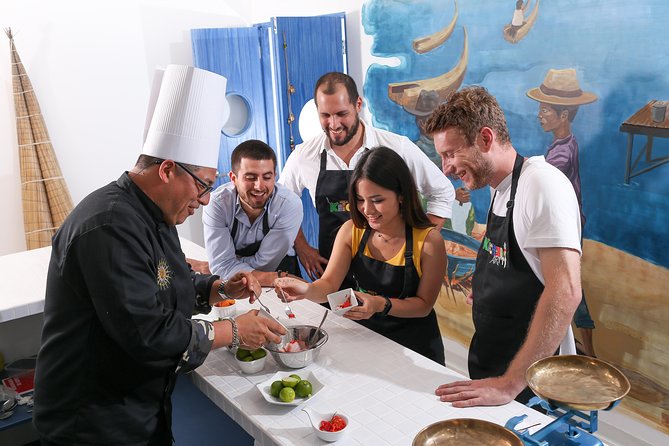
The cooking portion gives you a chance to prepare a representative Peruvian dish. The program describes a choice between ceviche and causa, two foods with very different textures and methods.
Ceviche introduces the bright, acidic style that makes Peruvian coastal cooking so famous. Causa offers a potato-based preparation and shows a different side of the country’s cuisine. The important point is that you participate in making the dish rather than watching a chef work from a distance.
This is especially useful before a restaurant meal. Once you have handled the ingredients and learned the basic method, you can recognize the dish on a menu and think about how your version compares with the one served in Lima. The class is described as fun and hands-on, not as professional chef training, so expect guidance and participation rather than advanced technique.
The information does not specify which dish each group will prepare or how much individual cooking space you receive. If you have a strong preference, ask at the start. You should also mention any dietary concerns before the class, since the included food program contains many different dishes and the available substitutions are not stated.
The 12-course taste of Peru
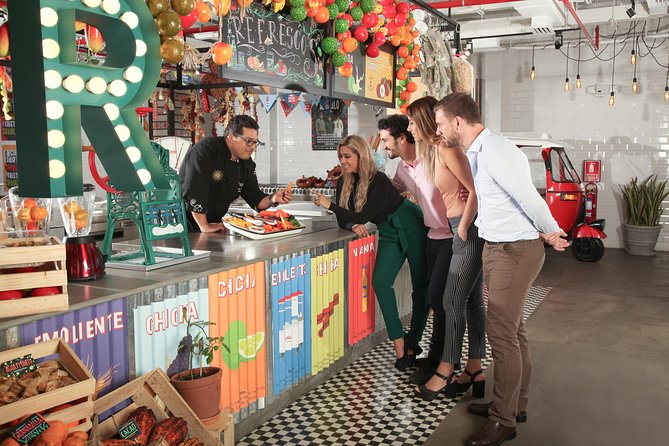
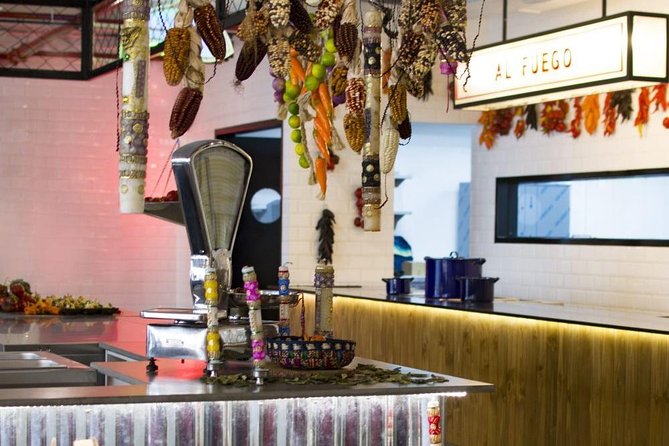
The final section recreates a typical Peruvian market, complete with theatrical staging, traditional dances, and a 12-course tasting. This is where the experience shifts from lesson to celebration.
Twelve tastes allow you to sample far more than the usual first-time order of ceviche and Pisco Sour. The exact menu is not provided, but the program describes the food as the most representative dishes of Peruvian cuisine. Portions may be tasting-sized, which is sensible because the point is variety rather than one large entree.
The market setting and dancing add sound and movement to the meal. It is not the same as buying fruit or spices in a working Lima market, but it does give the closing section a clear sense of place. Several comments praise the food, the chefs, the dancers, and the staff’s enthusiasm. One particularly useful pattern emerges: the tasting is often the favorite part for people who want flavor and entertainment in equal measure.
I would not book this solely as a substitute for Lima’s restaurant scene. The tasting is a guided sample, and a real meal in Miraflores will give you more control over what you order and how long you sit. But for a first look at Peruvian cooking, 12 small dishes can be a smart way to find out what you want to seek out later.
How the staff shape the experience
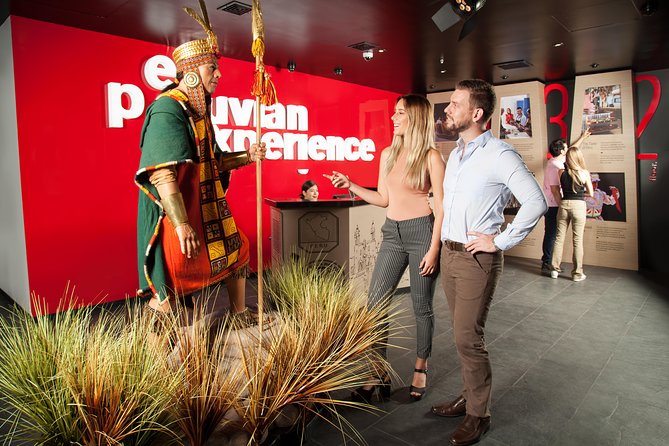
The staff receive strong praise for their friendliness and energy. Cesar is named as one guide who made a particularly good impression, and the program can be presented in both English and Spanish. That combination matters because the experience depends on participation. A flat or rushed guide would make the staged rooms feel mechanical, while an engaging host can turn the same material into a good group outing.
The tone appears warm and informal. You are expected to taste, mix, prepare, react, and join the group rather than quietly observe. Solo visitors can benefit from that structure because the cooking and cocktail activities create easy contact with other people.
There is also a useful point about the staff’s backgrounds. One local-language comment objected to a guide having lived in Venezuela, while the provider clarified that the guide was Peruvian and had spent time there. I would not treat a guide’s travel or residence history as a measure of cultural authenticity. The more practical question is whether the guide explains Peru clearly and handles the group well.
The group maximum is 15 people. That is small enough to make the cooking class manageable, though the experience may still feel busy when everyone is mixing drinks and tasting food at once.
What the $92.43 price includes
At $92.43 per person, this is not a budget activity. You are paying for a packaged production, several staff-led segments, food, drink instruction, and a large tasting rather than just admission to a museum.
The included elements are:
- The special-effects dark ride
- The Andean grain area and cookie tasting
- The vineyard and Pisco production explanation
- The Pisco Sour class in the 1920s-themed bar
- A cooking master class
- A 12-dish Peruvian tasting
The price makes the most sense for someone who values variety and convenience. In two hours, you get an introduction to history, Inca record-keeping, Andean ingredients, Pisco, cooking, food, dance, and music. Arranging all of those separately would take more time and probably more planning.
The value is weaker if you dislike theatrical attractions or already know Peruvian cuisine well. You may prefer to spend $92.43 on a longer restaurant meal, a market visit, or a specialized cooking class. Photos, tips, souvenirs, and hotel transportation are extra, so budget accordingly.
Practical details before you reserve
The meeting point and ticket redemption point are both at Peruvian Experience, Ca. San Martín 509 in Miraflores. The activity ends at the same location. Hotel pickup and drop-off are not included, but the venue is near public transportation.
Most people can participate, and the experience is limited to 15 people. The provider recommends arriving 15 minutes before your start time. Since the program is tightly scheduled, arriving late could mean missing the opening presentation or joining after the group has moved into the first room.
The stated operating dates run through June 18, 2026, with sessions Tuesday through Saturday from 10:30 AM to 7:30 PM. Confirm the exact start time when booking, especially if your visit falls near a holiday or outside the listed period.
The cancellation rule deserves careful attention. The experience is non-refundable and cannot be changed for any reason. Do not book it until you are confident about your Lima schedule.
One report describes arriving to find the doors chained and then receiving no response to calls or emails. That is a serious service concern, even though the overall rating is listed at 4.9 from 42 reviews and 98 percent recommend the experience. I would contact the venue shortly before your visit to confirm the session, save the confirmation details, and avoid booking it on a day when a missed appointment would disrupt your plans.
Who will enjoy this two-hour Lima tour
I would recommend Peruvian Experience to:
- First-time visitors who want a quick introduction to Peruvian food and culture
- Families who need an indoor activity with visual effects and hands-on tasks
- Solo visitors who like organized group activities
- Couples and friends looking for a food-centered outing in Miraflores
- People who want to taste many dishes before choosing what to order elsewhere
- Visitors who enjoy theatrical presentations more than formal museums
I would be more cautious if you want an authentic working market, a quiet historical tour, or a serious cooking course. The program recreates a market and uses special effects, so the experience is intentionally staged.
It is also not ideal for anyone seeking hotel-to-door transportation. You need to reach the Miraflores meeting point yourself, and the included program finishes there.
Should you book Peruvian Experience?
Book it if you want a lively introduction to Peru in a short block of time. The combination of a dark ride, Pisco Sour preparation, cooking class, dancing, and 12-course tasting gives you plenty to do, and the warm staff are a major part of the appeal.
Skip it if you want your cultural experience to happen mainly outdoors or in working local businesses. At $92.43, the value depends on enjoying the show as much as the food.
My practical advice is to reserve this early in your Lima planning, then confirm the session directly before you go. If you can accept its theatrical style and strict booking terms, it is a useful first taste of Peru, especially when your schedule leaves only two hours for an organized activity.
FAQ
Where does Peruvian Experience take place?
It takes place at Ca. San Martín 509 in Miraflores, Lima. The ticket redemption point and ending point are the same location.
How long does the experience last?
The guided experience lasts approximately two hours.
What days and hours is it open?
The listed hours are Tuesday through Saturday, from 10:30 AM to 7:30 PM. The stated operating period runs through June 18, 2026.
Is transportation from my hotel included?
No. Hotel pickup and drop-off are not included. The venue is near public transportation.
What happens during the Pisco portion?
You visit a vineyard area, learn about Pisco production, and prepare a Pisco Sour in a 1920s-themed bar. Minors make a seasonal fruit shake instead.
Do I get to cook?
Yes. The program includes a cooking master class in which you prepare a Peruvian dish, described as ceviche or causa.
How many dishes are included in the tasting?
The final tasting includes 12 representative dishes from Peruvian cuisine.
How large is the group?
The activity has a maximum of 15 participants.
Are photos included in the price?
No. Photos using chroma key backgrounds, such as Machu Picchu or the Mountain of Seven Colors, cost extra.
Can I cancel or change my booking?
No. The experience is non-refundable and cannot be changed for any reason.
Just added around Lima
- Lima Airport Transfers by SUV/Van★ 5.0 · 34 reviews
- Guided Tours in Colonial and Modern Lima★ 5.0 · 54 reviews
- Full Day Pilgrims★ 5.0 · 28 reviews
- Sandboarding and Off Road in Lima (National Park Lomas de Ancón)★ 5.0 · 54 reviews
- Tour Miraflores + Fotografía Profesional★ 5.0 · 47 reviews
- In Lima: Sandboarding Off Road Half Day!!★ 5.0 · 36 reviews
- Full day PRIVATE to Paracas, Ica and Huacachina from Lima All Inclusive and Lunch★ 5.0 · 55 reviews
- Lima City tour and Catacombs Museum (04 hours) Private Tour with guide in Lima★ 5.0 · 32 reviews
Guided, compared.

Paracas and Huacachina Oasis Full Day Guided Tour
Read our review →
Guided Tour of Historic and Monumental Trujillo
Read our review →
Paracas and the Huacachina Oasis Guided Day Tour
Read our review →
Pachacamac Ruins & Barranco Half-Day Guided Tour
Read our review →
Browse the lists this tour appears in