
Reviewed · MACHU PICCHU TOURS
From Cusco: 2-Day Sacred Valley and Machupicchu by Train
The smart feature of this tour is its pacing: you see the Sacred Valley first, sleep in Aguas Calientes, and visit Machu Picchu early the next day instead of trying to force everything into one exhausting outing. The first day brings Pisac, Ollantaytambo, valley views, and a train ride. The second keeps the main prize, Machu Picchu, in focus.
I like the careful organization and the small-group limit of 10. I also like the personal handoff between guides and drivers, which helps you manage the buses, trains, hotel, and site entrance without having to solve every step yourself. The main drawback is that the first day includes sales-focused stops, and lunch and dinner are not included.
In This Review
- Key points to know before you book
- Why two days is better than rushing Machu Picchu
- Cusco to Awana Kancha: a gentle start with a sales catch
- Taray viewpoint and the first Sacred Valley views
- Pisac: terraces, temples, and a famous market
- Urubamba lunch and the road to Ollantaytambo
- Choosing between the regular train and Vistadome 360°
- Aguas Calientes to the sanctuary gates
- Returning to Cusco by rail and road
- Guides, group size, and organization
- What to bring and what to budget
- Who will get the most from this tour
- Should you book the Sacred Valley and Machu Picchu tour?
- FAQ
- How long does the tour last?
- What places are visited on the first day?
- Is accommodation included?
- Is food included?
- Are train tickets included?
- Is the Machu Picchu entrance included?
- What passport information is required?
Key points to know before you book
- Two full days make Machu Picchu easier: You reach Aguas Calientes the evening before your visit, leaving the morning for the sanctuary rather than a rushed same-day trip.
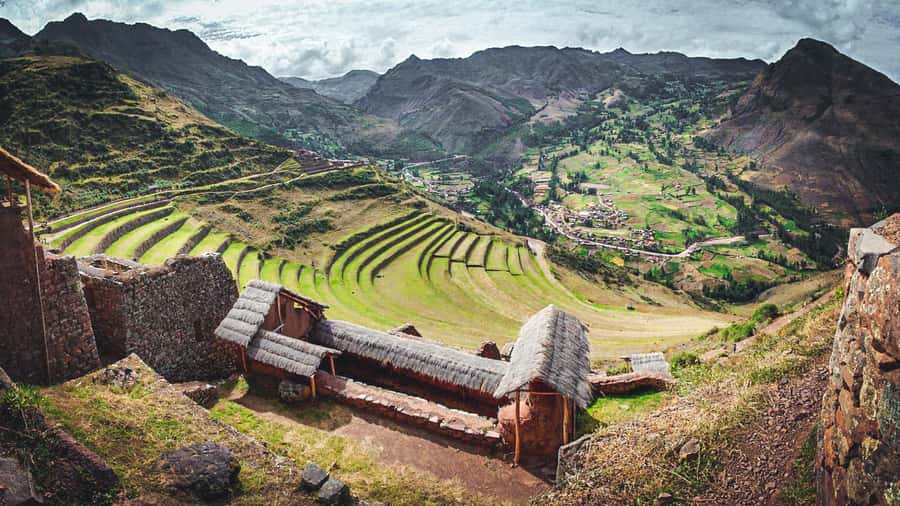
- Pisac and Ollantaytambo add real value: You see temples, terraces, channels, agricultural works, and a major Inca stronghold before Machu Picchu.
- Guides may change between days: Justino, Ivone, Martín, and Judy have been named as guides on different departures, with Judy and Justino receiving especially warm praise.
- The tour includes the expensive essentials: Machu Picchu admission, round-trip train tickets, the shuttle bus, one hotel night, breakfast, and hotel transfers are covered.
- The Sacred Valley day has commercial stops: Awana Kancha and other craft visits can be interesting, but you may feel pressure to buy alpaca goods, jewelry, salt, or souvenirs.
- Train upgrades need a close look: The Vistadome 360° option offers panoramic windows, but one detailed assessment found the larger windows were not worth paying extra for.
Why two days is better than rushing Machu Picchu
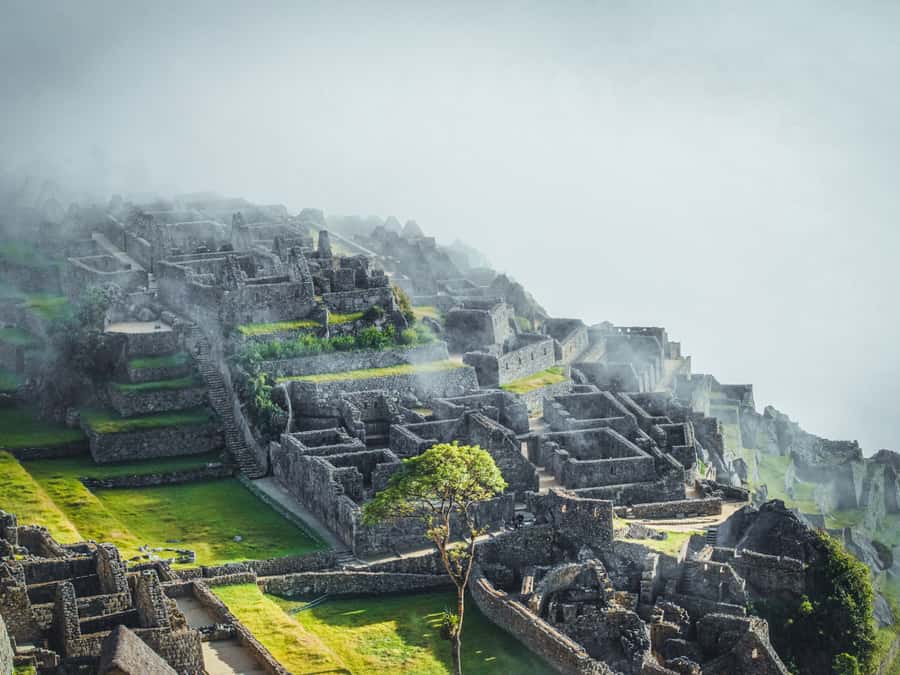
Machu Picchu is the headline, but this trip works because it does not treat the Sacred Valley as a disposable prelude. You spend the first day moving through several important sites, then sleep in Aguas Calientes, the town below the sanctuary. The next morning, you take the short bus ride up to the entrance with a guide.
That structure matters. A one-day plan from Cusco can leave you watching the clock from breakfast onward. Here, the train arrives in Aguas Calientes around 6:10 p.m., and the second day begins after breakfast at the hotel. You still have a packed schedule, but the major archaeological visit is not squeezed between a long drive from Cusco and a return train the same night.
The cost is $499 per person. That is not a budget outing, but the price includes several items that can become costly and confusing when booked separately: the Machu Picchu entrance, round-trip train tickets, the bus between Aguas Calientes and Machu Picchu, a three-star hotel, breakfast, transport from your Cusco hotel, and the return transfer to Cusco.
You still pay for lunch, dinner, the Pisac and Ollantaytambo archaeological sites, and optional upgrades. The two site admissions together are listed at $20, and Huayna Picchu costs an additional $30 if requested months ahead and available. For a traveler who values a managed trip, the price can be fair. For someone comfortable arranging trains, hotels, buses, and guides alone, the package may feel less attractive.
More machu picchu tours in Cusco:
- From Cusco: Full-Day Group Tour of Machu Picchu
★ 4.7 · 1,767 reviews - Machu Picchu Day Trip from Cusco
★ 4.5 · 1,644 reviews - Machu Picchu: Full-Day Tour from Cusco with Optional Lunch
★ 4.6 · 927 reviews
Cusco to Awana Kancha: a gentle start with a sales catch
Pickup is scheduled for 7:45 a.m. from your hotel lobby, after breakfast at the hotel. The vehicle passes Sacsayhuamán, Qenqo, and PucaPucara without stopping, so you get a quick visual introduction to the hills above Cusco rather than a full visit to those sites.
The first planned stop is Awana Kancha, where you spend about 30 minutes learning about textile production and seeing llamas, alpacas, and vicuñas. This is a useful introduction to Andean fiber traditions, especially if you want to understand the difference between the animals and the materials used in local weaving.
You should also know how to handle the commercial side of the visit. The stop can turn into a strong sales pitch for alpaca clothing and other goods. One account of the experience also flagged similar pressure involving sweaters, salt, and jewelry at other craft-oriented stops. I would treat these visits as cultural and shopping stops, not as quiet wildlife encounters.
You are not required to buy anything. If you are interested in textiles, ask questions and compare prices. If not, a polite no thanks is enough, and it helps to decide before the day begins that you will not make an unplanned purchase.
Taray viewpoint and the first Sacred Valley views
From Awana Kancha, the route continues to the Taray viewpoint. This is where the Sacred Valley opens below you, with the Urubamba River and Inca terraces providing the classic wide view.
The stop is short, but it serves a purpose. You see the valley from above before entering it, so the terraces and settlements make more sense when you encounter them at ground level. Bring your camera, but also take a moment to look at how the valley floor is shaped by the river and the surrounding mountains.
The route is designed for sightseeing rather than long hikes. If you want extended time at each ruin or a slower photographic tour, this schedule may feel brisk. Its strength is breadth: you see a lot in one day, with a guide explaining the main points as you go.
Pisac: terraces, temples, and a famous market
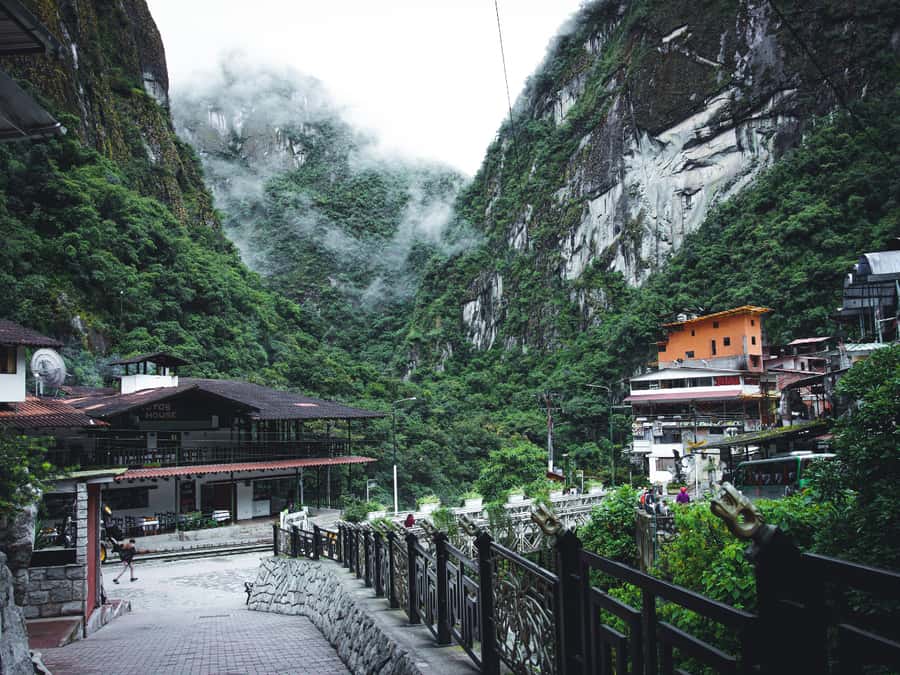
The vehicle takes you up to the Pisac archaeological site, giving you views across the valley as you explore. The complex includes temples, residences, altars, channels, and agricultural terraces.
Pisac is particularly useful for understanding how the Incas worked with steep mountain land. The terraces were not simply decorative walls. They were part of a larger farming system, and the guide explains the agricultural methods connected with the site.
The archaeological entrance is not included in the advertised price. You should budget an additional $20 for the entrance tickets to Pisac and Ollantaytambo combined. Confirm the current payment arrangements before departure, since the supplied details do not specify how the fee is collected.
After the ruins, the group visits the traditional market in Pisac village. You can look at pottery, jewelry, textiles, and local souvenirs, and you have a chance to interact with people selling their work. This is a good place to shop if you already know what you want.
It is less appealing if you prefer archaeological sites without a shopping component. The market is well known and heavily visited, so it is best approached as a practical buying stop rather than an untouched village scene.
More sacred valley tours in Cusco:
- From Cusco: Sacred Valley & Maras Salt Mines Tour with Lunch
★ 4.8 · 2,227 reviews - From Cusco: Moray, Maras Salt Mines & Chinchero Weavers Tour
★ 4.8 · 1,925 reviews - Cusco: Sacred Valley, Pisac, Ollantaytambo, Salt Mines Moray
★ 4.6 · 1,058 reviews - Cusco:Chinchero,Moray & Salt Mines drop-off in Ollantaytambo
★ 4.8 · 793 reviews
Urubamba lunch and the road to Ollantaytambo
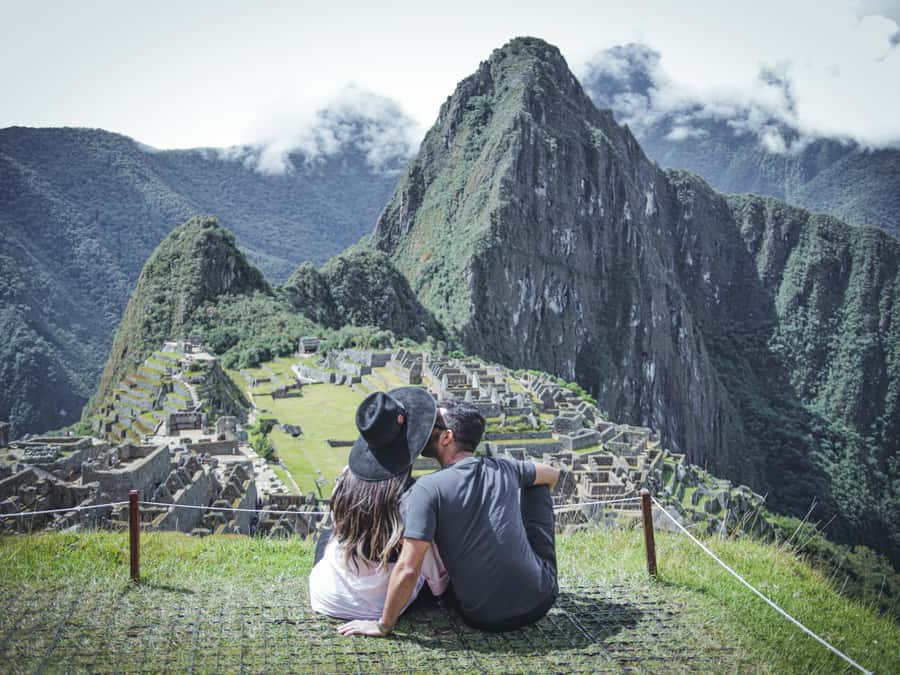
Around 1 p.m., lunch is scheduled in Urubamba at a buffet restaurant, with vegetarian choices available. Lunch is not included, so bring money for the meal. The buffet format is efficient for a tight schedule, though it gives you less freedom than choosing a small local restaurant on your own.
After lunch, the route continues to Ollantaytambo. This is one of the most worthwhile stops on the first day. Its terraces and stone ruins occupy a strategic position at the entrance to the road toward Machu Picchu.
The site also helps explain the conflict between the Inca state and the Spanish invaders. Ollantaytambo was strongly protected, and important events took place here during the invasion. A good guide can connect the massive terraces, the defensive position, and the later journey toward the cloud forest.
You need to allow time for the entrance fee here as well. The site is included in the sightseeing plan, but the archaeological admission is not part of the package price.
The schedule places the Ollantaytambo visit before the train. That is convenient because you do not have to return to Cusco after the Sacred Valley, then travel back toward Machu Picchu. Instead, you go directly to the station and continue by rail.
Choosing between the regular train and Vistadome 360°
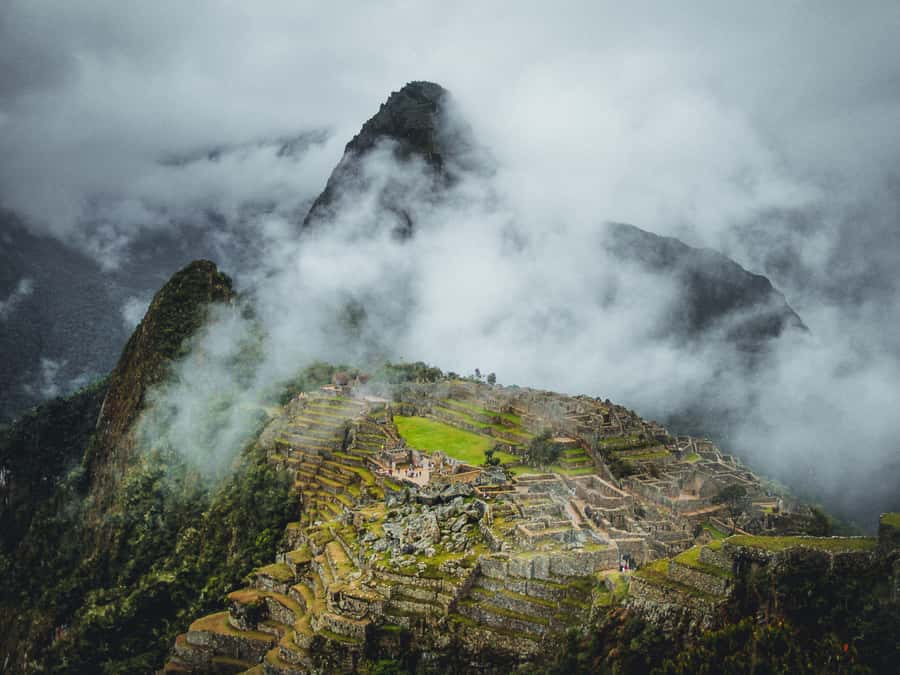
The train ride from Ollantaytambo to Aguas Calientes lasts about 1 hour and 45 minutes. It is one of the more relaxing portions of the trip, with mountain scenery outside the windows and a welcome break after the morning’s stops.
At booking, you can choose a normal train or the Vistadome 360° panoramic train. The panoramic option may appeal if you place a high value on broader windows and a more scenic rail setting. But do not assume that a higher class automatically transforms the journey.
One detailed experience found little practical difference between trains with larger windows and the regular service. My advice is to compare the actual surcharge before paying for an upgrade. The train itself is already included, so the question is whether the extra view or atmosphere is worth the difference to you.
Arriving around 6:10 p.m., you meet a representative outside the station and transfer to the Inti Punku Machupicchu Hotel & Suites or a similar three-star property. After check-in, the evening is free. Dinner is on your own, and the plan does not include extra hotel nights or an upgrade.
Aguas Calientes to the sanctuary gates
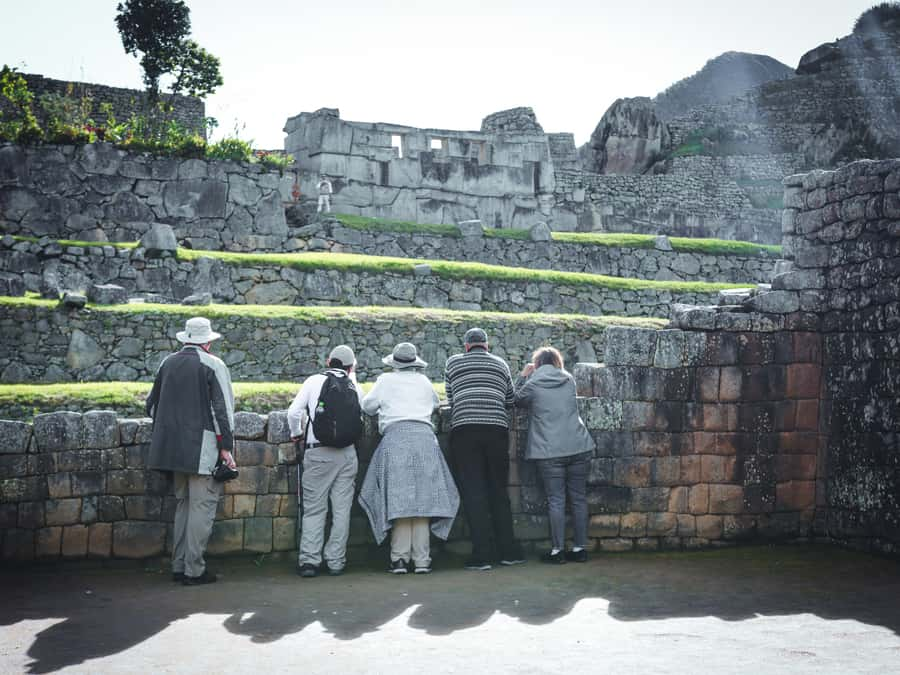
After breakfast, you meet your guide and go to the bus station in Aguas Calientes. The included shuttle bus takes you up to the main entrance of the Historic Sanctuary of Machu Picchu.
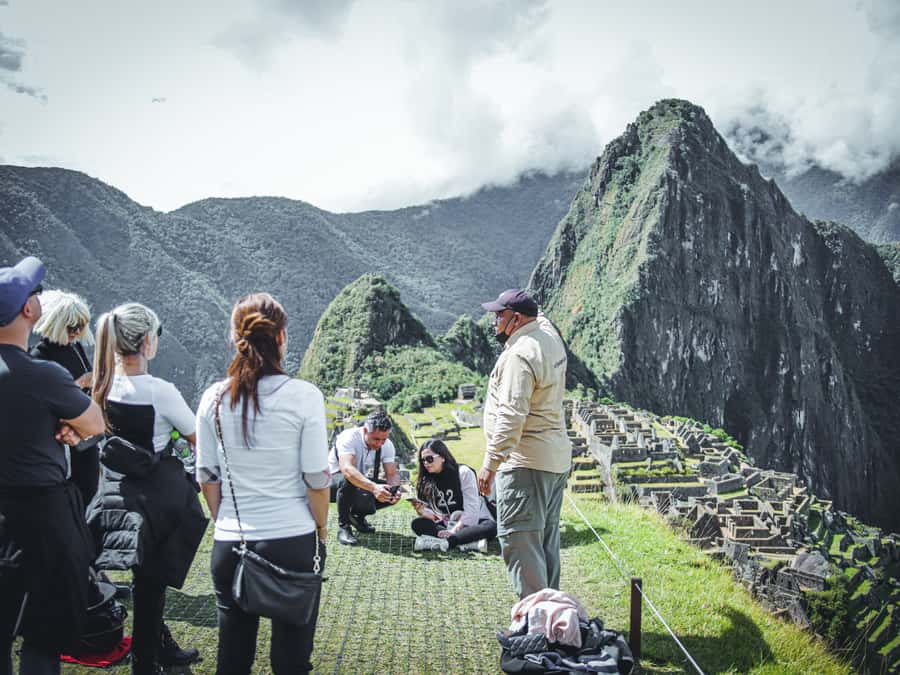
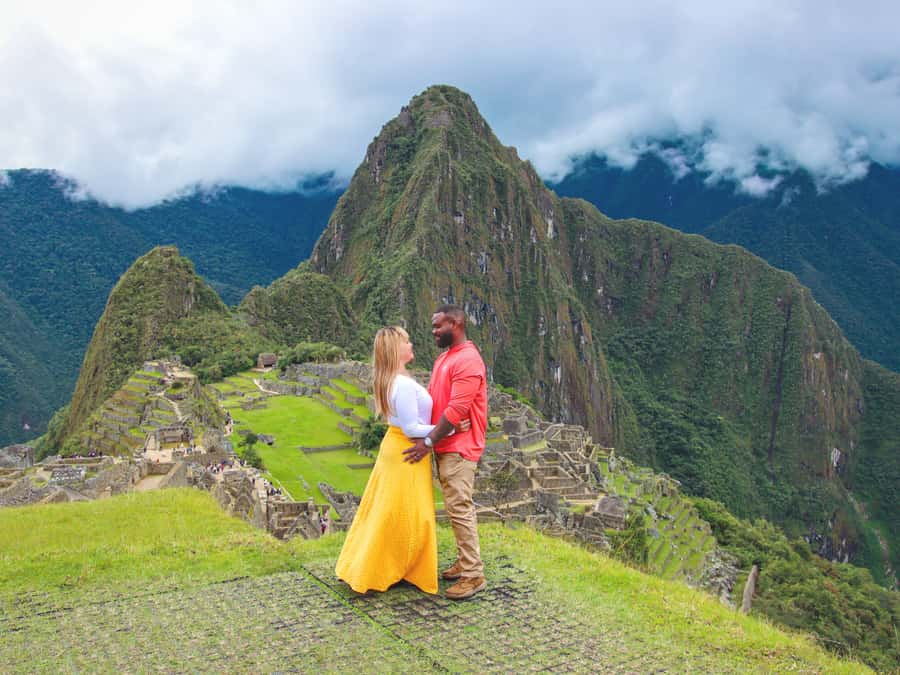
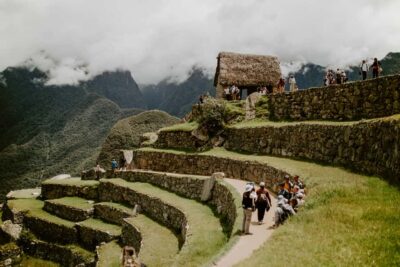
The visit begins with the classic photograph from the higher part of the site, followed by time in the lower section. Your guide explains the history and layout of the sanctuary as you walk through it.
The quality of this second-day guide matters a great deal. Guides vary by departure, but Justino, Ivone, Martín, and Judy have led portions of this experience. Justino was singled out for his command of both the Sacred Valley and Machu Picchu, while Judy received especially strong praise for her work at the sanctuary.
You should expect a structured guided visit, not unlimited independent wandering. The supplied details do not specify the exact circuit or the length of the guided portion, and Machu Picchu access follows the rules of the sanctuary. If you want Huayna Picchu, it is a separate $30 ticket that must be requested several months in advance and is subject to availability.
After the visit, you take the bus back to Aguas Calientes. Lunch is not included, so you have free time to eat before the scheduled afternoon train.
Returning to Cusco by rail and road
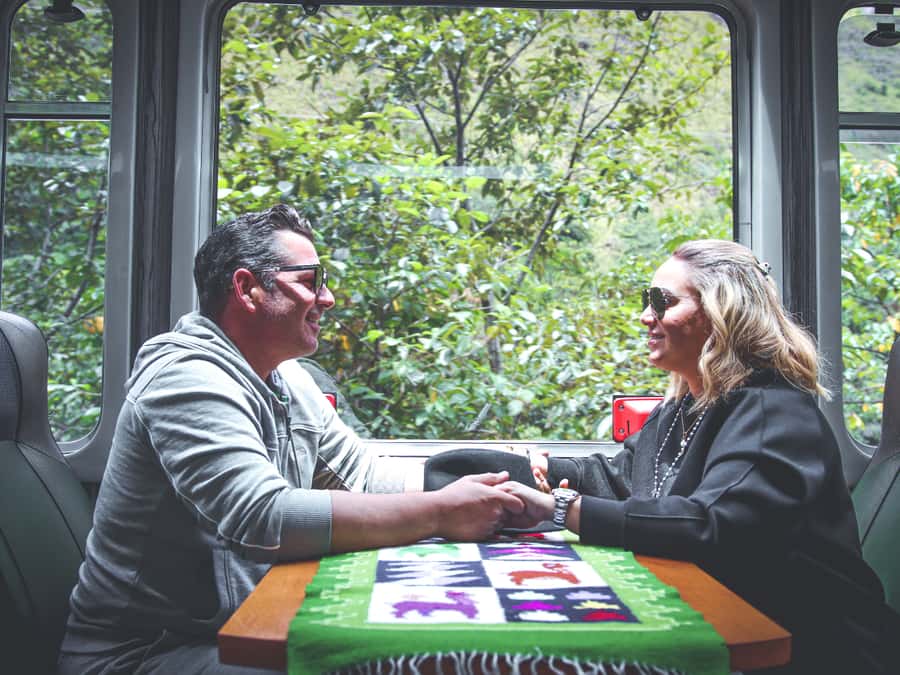
The train returns you from Aguas Calientes to Ollantaytambo. Your transport is scheduled to meet you at the station and drive you back to your Cusco hotel, with an estimated arrival around 6:30 p.m.
This final transfer is a major practical benefit. After a long morning at Machu Picchu and a train ride, you do not need to find a taxi or work out the onward route from Ollantaytambo. The day remains long, but the final leg is arranged.
The trip uses newer, smaller cars than some competing services, according to one detailed account. Since the exact vehicle can vary, I would treat that as a helpful possibility rather than a guarantee. The important point is that transport covers the full chain from your Cusco hotel to the Sacred Valley, the train station, Aguas Calientes, and back again.
Guides, group size, and organization
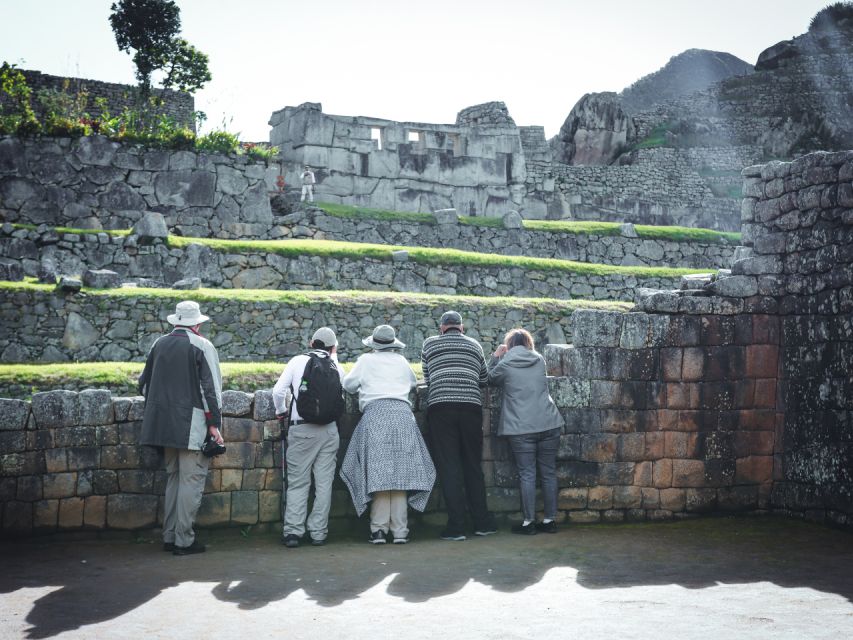
The advertised group limit is 10 people, which is small enough for a guide to manage questions and keep the group moving. One departure was experienced as a private guided trip with two different guides, but you should not assume every booking will be private. The published group type is small group.
A briefing takes place before departure. One particularly useful arrangement is a meeting at the Cusco hotel the evening before, when the operator provides tickets and a step-by-step schedule. That advance briefing can remove much of the worry from the train connections and hotel transfer.
The guides speak English and Spanish, and Portuguese is also listed as an available language. The guide on the Sacred Valley portion and the guide at Machu Picchu may be different people. That is normal for a route involving several towns and transport operators, but it means you should pay attention to the handoff instructions.
Organization is the core reason to book this tour. You are not simply hiring a guide for Machu Picchu. You are paying for someone to coordinate a complicated two-day chain of road transport, archaeological visits, train tickets, hotel accommodation, buses, and the final drive to Cusco.
What to bring and what to budget
Breakfast is included once, at the Aguas Calientes hotel. A bottle of water is also provided. Lunch and dinner are not included, so plan for meals in Urubamba, Aguas Calientes, and possibly during the return journey.
You should also budget for:
- $20 for the Pisac and Ollantaytambo archaeological admissions
- $30 for Huayna Picchu, only if requested in advance and available
- Souvenirs and personal expenses
- Any train-class surcharge
- Hotel upgrades or extra nights, if requested
Your passport details are required after booking for the rail and Machu Picchu arrangements. Provide each person’s full name, passport number, date of birth, and nationality exactly as shown on the passport.
Because the activity is non-refundable, check your dates carefully before paying. The starting time can vary with availability, although the described departure begins at 7:45 a.m.
Who will get the most from this tour
I would choose this experience if you want to see the Sacred Valley and Machu Picchu without arranging every ticket and transfer yourself. It suits first-time visitors who value clear instructions, hotel pickup, a guide at the major sites, and a small group.
It is also a good fit if you want more than a quick photograph at Machu Picchu. Pisac and Ollantaytambo give the first day substance, while the overnight stay keeps the sanctuary visit from becoming one long race.
I would hesitate if you dislike shopping stops or prefer to spend the day at fewer sites. The schedule includes several stops, and commercial presentations may feel intrusive. Independent planners may also find the $499 price high once they compare it with booking only the train, hotel, admission, and a guide.
Should you book the Sacred Valley and Machu Picchu tour?
Book it if your priority is simple, well-managed logistics and a fuller two-day introduction to the Cusco region. The strongest parts are the careful organization, the useful advance briefing, the included transport, and the chance to see both Pisac and Ollantaytambo before Machu Picchu.
Before booking, ask which train class is included, what the final site admission arrangements are, and whether your departure is private or shared. I would not pay extra for the panoramic train without checking the price difference, and I would approach the alpaca and craft stops with a firm shopping plan.
For $499, this is a solid convenience package rather than a bare-bones excursion. If you want a guide to handle the moving parts and you can accept a busy first day plus a few sales-oriented stops, it is a sensible way to connect Cusco, the Sacred Valley, and Machu Picchu in just two days.
FAQ
How long does the tour last?
The experience lasts two days. The described schedule leaves Cusco at 7:45 a.m. on the first day and returns to your Cusco hotel at an estimated 6:30 p.m. on the second day.
What places are visited on the first day?
The first day includes a stop at Awana Kancha, the Taray viewpoint, Pisac archaeological park, the Pisac market, Urubamba for lunch, and Ollantaytambo archaeological park. Sacsayhuamán, Qenqo, and PucaPucara are passed without stops.
Is accommodation included?
Yes. One night in a three-star hotel in Aguas Calientes is included, listed as Inti Punku Machupicchu Hotel & Suites or a similar property. Hotel upgrades and extra nights cost extra.
Is food included?
One breakfast is included at the hotel in Aguas Calientes, along with a bottle of water. Lunch and dinner are not included. The first-day plan includes a buffet lunch stop in Urubamba, but you pay for that meal yourself.
Are train tickets included?
Yes. Round-trip train tickets between Ollantaytambo and Aguas Calientes are included. You can choose between the normal train and the Vistadome 360° panoramic train when booking, depending on availability and any applicable price difference.
Is the Machu Picchu entrance included?
Yes. The entrance ticket to Machu Picchu and the guided visit to the sanctuary are included. Huayna Picchu requires a separate $30 ticket, requested several months in advance and provided only if available.
What passport information is required?
You must provide each person’s full name, passport number, date of birth, and nationality after making the reservation. These details are required for the two-day Sacred Valley and Machu Picchu train tour.
More 2-Day Experiences in Cusco
- From Cusco: 2-Day Trip to the Sacred Valley and Machu Picchu
★ 4.6 · 265 reviews - From Cusco: 2-Day Inca Trail to Machu Picchu
★ 4.2 · 244 reviews - Machu Picchu: Inca Trail 2-Day Overnight Guided Tour
★ 4.9 · 203 reviews - Short Inca trail to MachuPicchu || 2days – 1nigth ||
★ 5.0 · 103 reviews
More Train Experiences in Cusco
- Cusco: Machu Picchu 2-Day Inca Trail with Panoramic Train
★ 4.9 · 260 reviews - The First Class Machu Picchu Train by Inca Rail
★ 4.0 · 182 reviews - From Cusco: 1-day Machu Picchu Tour by Train
★ 4.6 · 138 reviews - 2-Day Machu Picchu Tour by train from Cusco ( All included )
★ 5.0 · 85 reviews
Just added around Cusco
- Waqrapukara 1 day trekking + meals★ 3.9 · 3 reviews
- Zipline over the Sacred Valley Trip★ 5.0 · 11 reviews
- Valle Sur Cusco | half day★ 4.3 · 3 reviews
- Visit to the Cochahuasi Animal Sanctuary with rescued animal★ 4.1 · 4 reviews
- Visit Pisac from Cusco: Private Transport★ 4.6 · 9 reviews
- Maras and Huaypo lagoon by ATV from Cuzco | Local Operator★ 4.7 · 4 reviews
- Trek to Humantay Lake from Cusco★ 4.9 · 8 reviews
- Trek to Choquequirao 4 days★ 3.8 · 4 reviews
Machu Picchu Tours, compared.
4-Day Inca Trail to Machu Picchu with Accommodation
Read our review →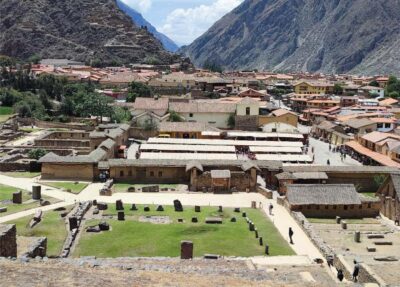
2-Day Trip to the Sacred Valley and Machu Picchu
Read our review →
Machu Picchu 2-Day Inca Trail with Panoramic Train
Read our review →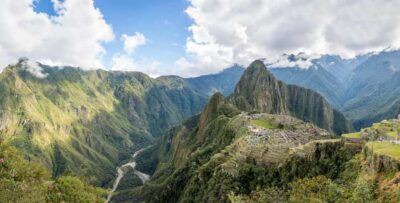
Browse the lists this tour appears in