
Reviewed · MACHU PICCHU TOURS
4 Days Inca Jungle Adventure to Machu Picchu
The fun begins high in the Andes, with a long downhill bike ride from Abra Malaga at 4,350 meters into warmer cloud forest. Over four days, you trade buses and paved roads for bicycles, jungle paths, a monkey bridge, hot springs, railway tracks, and finally Machu Picchu.
I like the mix of active travel and local life, especially the walk past coca, coffee, cacao, and fruit plantations. I also like that the trip includes rafting, zip-lining, and Cocalmayo hot springs, so the route never feels like one long hike. The catch is simple: Day 2 is tough, accommodations are basic, and the 4:00 am Machu Picchu start makes this a poor fit if you want a gentle holiday.
In This Review
- Key points at a glance
- The Inca Jungle route is about the journey
- Day 1: From Cusco to Abra Malaga by bike
- Day 2: Coffee, cacao, and a demanding cloud-forest hike
- Day 3: Zip-lines, railway tracks, and Aguas Calientes
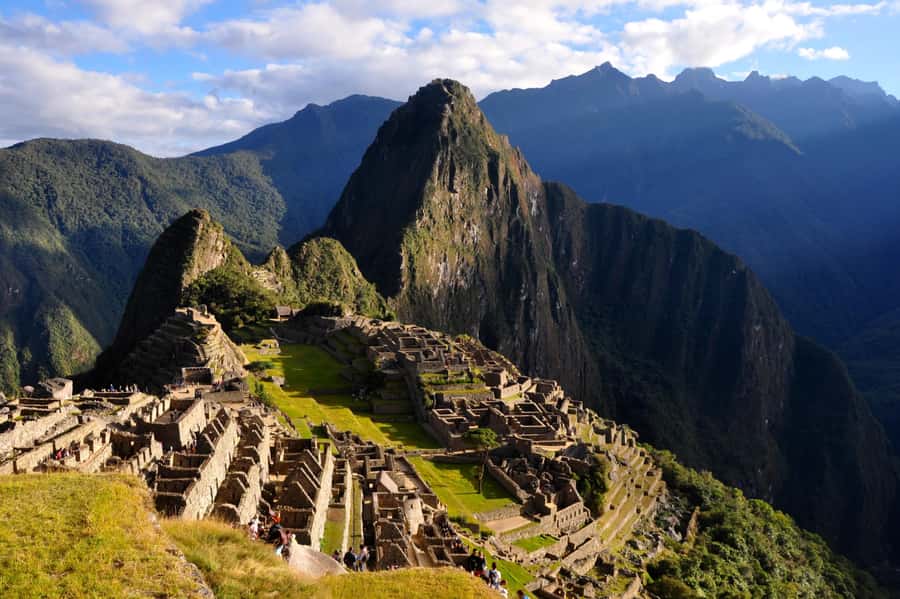
- Day 4: Sunrise at Machu Picchu
- What the $439 price really covers
- Who should book this four-day adventure
- Should you book the Inca Jungle Adventure?
- FAQ
- How long is the Inca Jungle Adventure?
- What time does pickup begin on the first day?
- Is Machu Picchu entry included?
- Is the bus to Machu Picchu included?
- Are Huayna Picchu and Machu Picchu Mountain included?
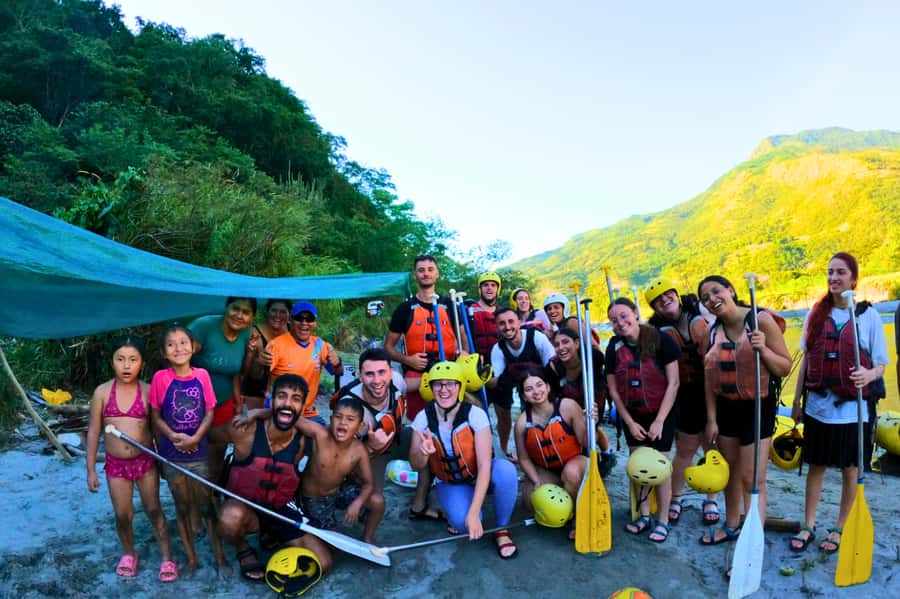
- Is rafting included?
- Is zip-lining included?
- What meals are included?
- What should I bring?
Key points at a glance
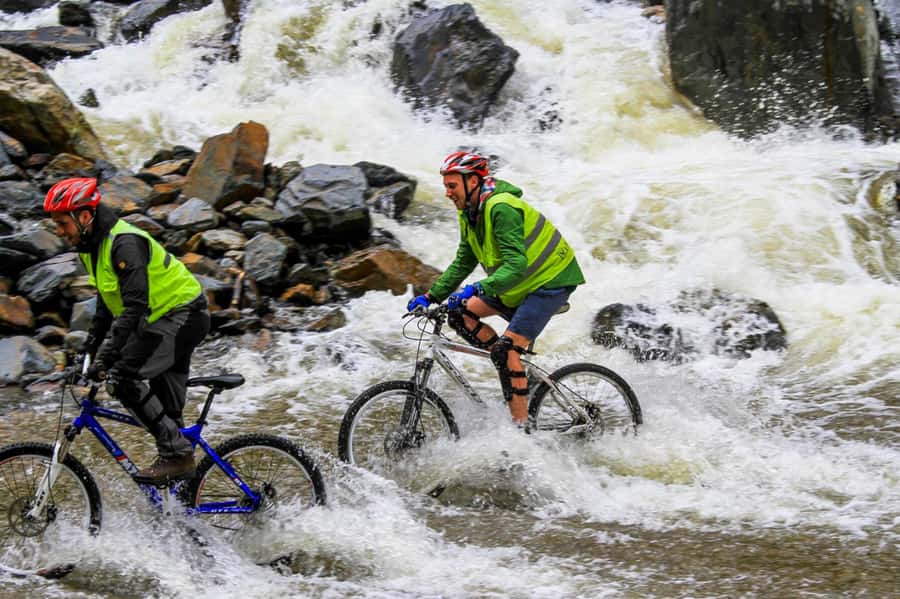
- 4,350-meter starting point: The first morning begins at Abra Malaga, followed by a mostly downhill mountain-bike ride to Huamanmarca.
- Four ways to reach Machu Picchu: Bike, hike, optional raft, and train or road transport all play a part.
- Plantation and Inca-path walking: Day 2 passes coca, coffee, cacao, and native fruit farms before reaching the Vilcanota River.
- Cocalmayo hot springs included in the route: Bring about $3 for entry and use the warm pools to ease tired legs.
- Small groups of up to 10: A bilingual English and Spanish guide leads the trip, with guides such as Andy and Carlitos having led previous departures.
- Basic but comfortable enough lodging: Three hostel nights include private bathrooms and hot showers on the Aguas Calientes night.
The Inca Jungle route is about the journey
Many Machu Picchu trips focus on one famous trail. This one gives you a string of different experiences on the way there. You start above the tree line, ride into the Andes, hike through the cloud forest, pass farms, cross the Vilcanota River, and walk beside the railway into Aguas Calientes.
That variety is the main reason I would choose this trip over a simple transfer to Machu Picchu. You get a better sense of how quickly Peru changes with altitude. The high pass is cold and open. Santa Maria and Santa Teresa are warm, green, and tropical. By the time you reach Machu Picchu, the journey itself has become part of the story.
The trip costs $439 per person. That price covers private transport from Cusco to Abra Malaga and Santa Maria, a mountain bike with safety gear, three hostel nights, nine meals, the guide, Machu Picchu entry, and the listed adventure activities. You still need to budget for hot-spring entry, food on the first morning and at Machu Picchu, snacks, and the final return option if it is not included in your chosen arrangement.
For an active four-day route with transport and park entry covered, the price is fair. It is not a luxury trip, though. You are paying for access, variety, and a tightly arranged route, not polished hotels or long free mornings.
More machu picchu tours in Aguas Calientes:
- From Aguas Calientes: Machu Picchu guided tour with tickets
★ 4.9 · 72 reviews - From Cusco: Machu Picchu 2 days
★ 3.6 · 29 reviews - Cusco: Machu Picchu Day Trip with Train + Entrance ticket
★ 4.5 · 17 reviews
Day 1: From Cusco to Abra Malaga by bike
Pickup begins at 7:00 am. If you stay in Cusco’s historic center, wait in your hotel lobby. If your lodging is outside that area, meet the group at the fountain in the main square. The trip starts with private transport toward Ollantaytambo, where you have time for breakfast and shopping.
That stop matters because breakfast is not included on Day 1. Eat well here and pick up snacks for the road. The rest of the morning takes you toward Abra Malaga, a high pass at 4,350 meters. At this height, cold air and altitude can affect you quickly, so do not treat the first bike ride as a casual spin.
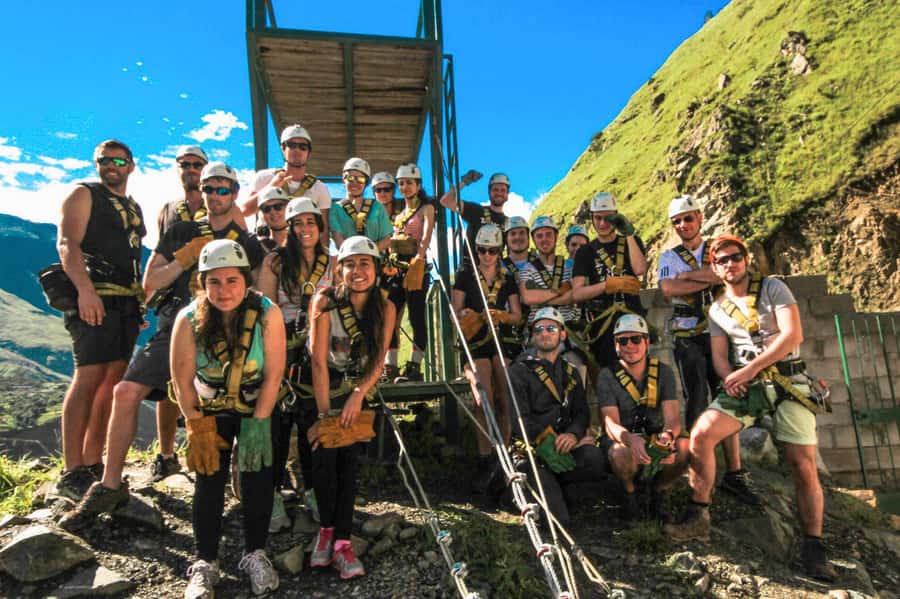
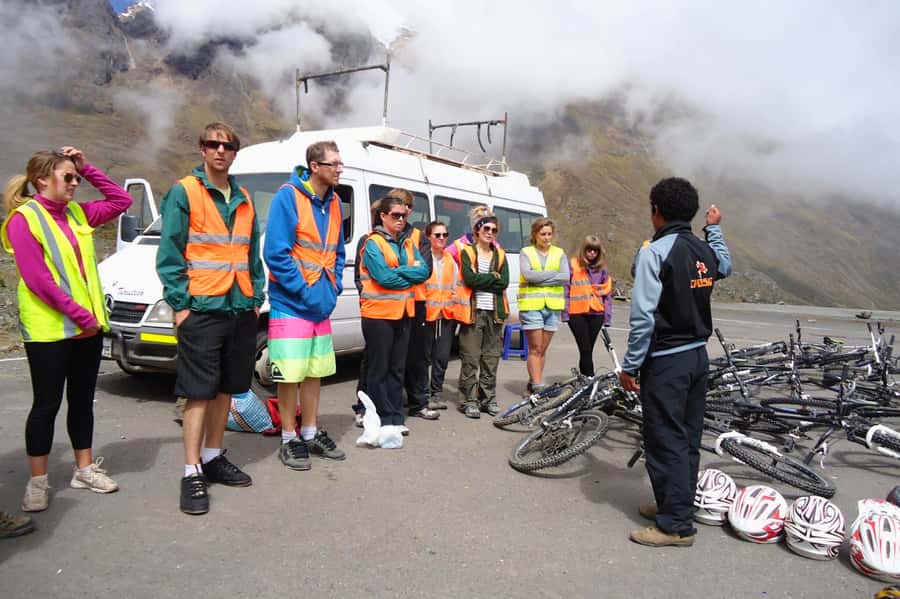
The route from Abra Malaga to Huamanmarca is mainly downhill, which makes it much more manageable than a full mountain ride with long climbs. You will still want basic biking confidence. Protective gear, including a helmet and knee pads, is supplied, but equipment does not replace good control on a descent.
The views change fast as you lose altitude. High Andean scenery gives way to warmer valleys and cloud forest. This is one of the most memorable parts of the trip, but it is also where you should pay attention to your body. The tour is not suitable for people with altitude sickness, and feeling fine in Cusco does not always mean you will feel fine at the pass.
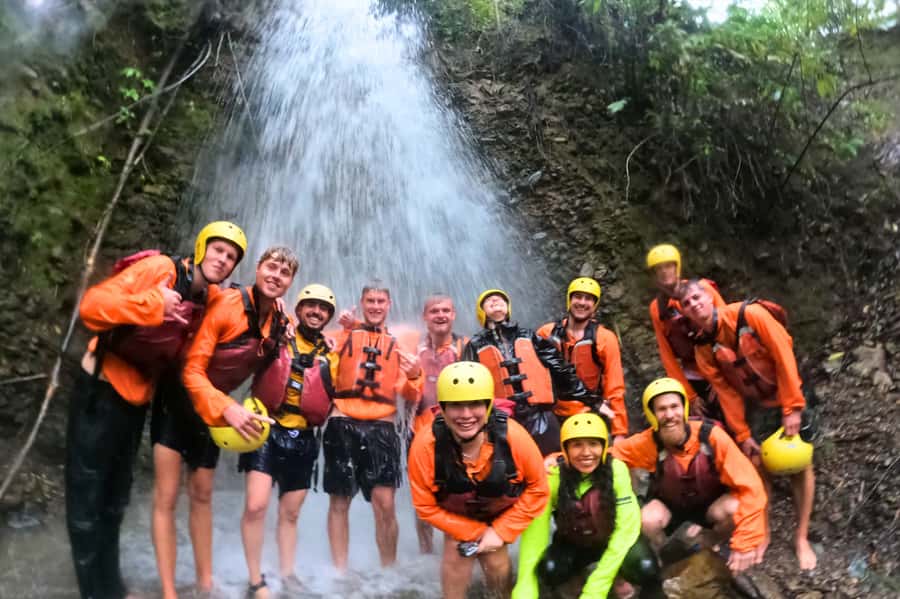
After reaching Huamanmarca, transport continues to Santa Maria. You can add rafting on the Vilcanota River if conditions and arrangements allow. Rafting gives the first day another burst of action, but you do not need it to get value from the trip. If you are already tired from the bike descent, skipping the optional activity may be the smarter choice.
Your first night is in a hostel in Santa Maria, with lunch and dinner provided. Accommodation is basic, but the trip is designed around location and activity, not hotel facilities.
Day 2: Coffee, cacao, and a demanding cloud-forest hike
Day 2 starts at 6:30 am after breakfast. This is the hardest day for many people, so the early start is useful. You leave Santa Maria on foot and head into the cloud forest, where the route passes coca, coffee, cacao, and native fruit plantations.
This section gives the trip a human scale. Instead of seeing the Andes only from a road, you move through working agricultural areas and stop at the Pispitayoq family house. The break there offers a chance to rest and see how food and farming fit into daily life along the route. The exact pace depends on the group, but you should expect a full day of walking.
The trail then follows an ancient Inca path toward Qellomayu village. The value here is not just the word Inca on the itinerary. You are walking through a route that links villages and plantations, with the guide adding context about the past and the region’s beliefs. Carlitos, one guide who has led this trip, is especially noted for bringing Inca history and religion into the walk. Andy has also led departures and is known for keeping the group moving during the tougher stretches.
Lunch comes at Qellomayu. Afterward, you hike for about three more hours toward the Vilcanota River. That timing is important. This is not a short nature stroll followed by a long lunch. If you are looking for a low-effort route to Machu Picchu, choose a different plan.
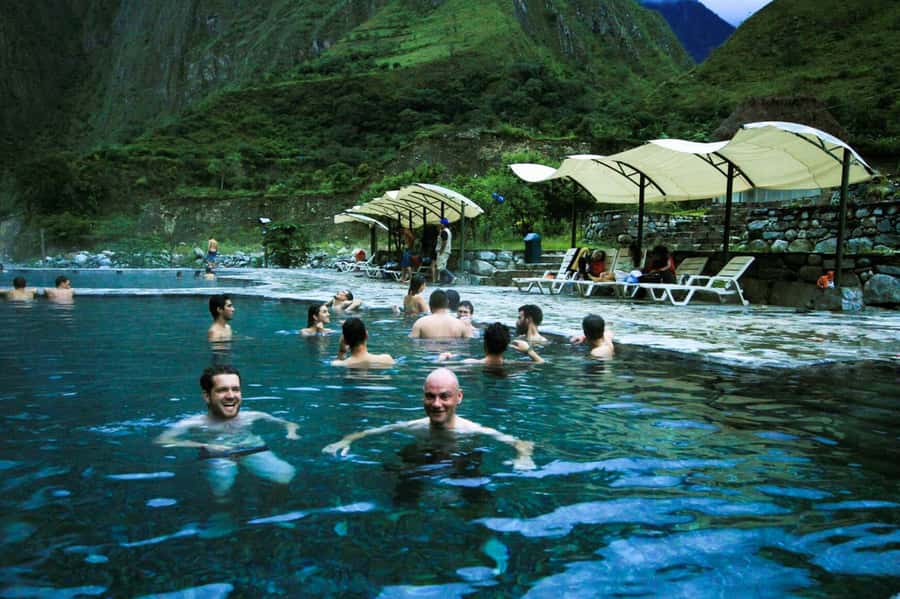
The monkey bridge crossing adds a small thrill to the afternoon. It is a memorable transition before the reward at Cocalmayo. The hot springs cost $3 to enter and are not included, so keep a few dollars handy. I consider this one of the best choices on the route because warm water can make a real difference after the day’s walking.
You finish in Santa Teresa, where you spend the night in a hostel. The accommodations on this trip range from family-style jungle lodging to simple hotels. They are described as clean and friendly, but you should pack with basic facilities in mind rather than expecting resort comfort.
Day 3: Zip-lines, railway tracks, and Aguas Calientes
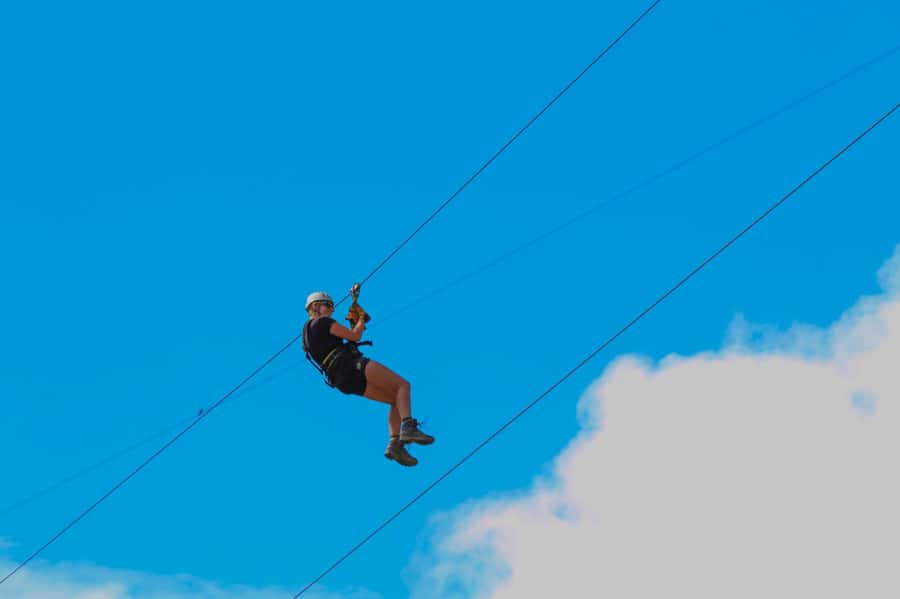
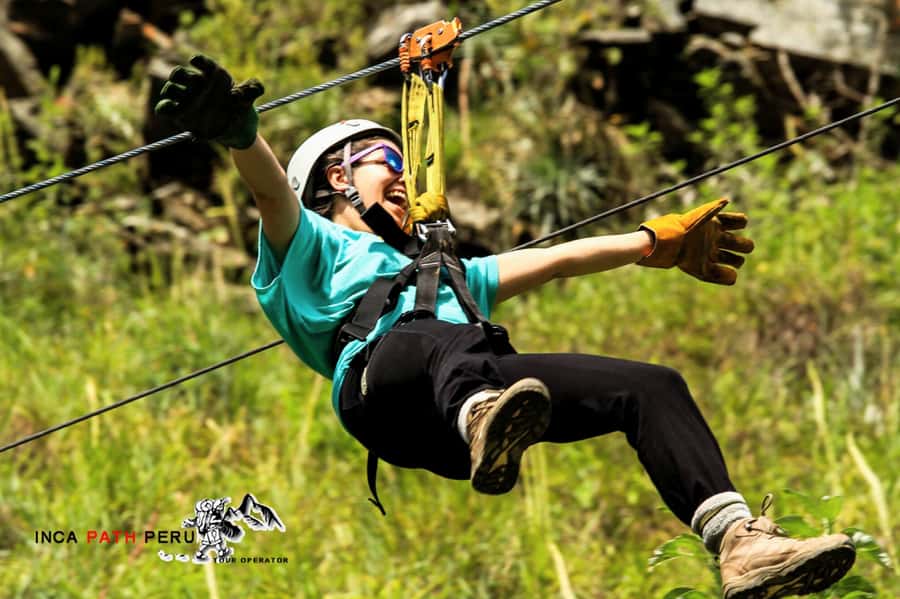
Breakfast begins the third morning at 7:00 am. You can choose an optional zip-line before setting off toward the Hydroelectric Central Station. Like rafting, it gives you a way to add speed and height to a trip already built around movement.
The walk to the station leads toward lunch, then the route follows the railway to Aguas Calientes. This is a very different kind of approach to Machu Picchu. Instead of climbing through a remote mountain pass, you walk beside the tracks through the forest, with views toward Machu Picchu Mountain.
You arrive around 5:00 pm and check into a hostel with a private bathroom and hot shower. That detail is welcome after two active days. It also gives you a short window to eat, rest, and prepare for the early morning.
Keep your overnight bag small. The route includes several changes in transport and lodging, and carrying less makes the whole trip easier. You do not need to bring everything you packed for Peru into Aguas Calientes.
The third night is also when you need to be ready for the next day’s Machu Picchu entry plan. The visit begins early, and exact entry timing for the site can be confirmed only close to the visit. If you want Huayna Picchu or Machu Picchu Mountain, book that extra climb well ahead of time. Those mountain permits are separate and limited.
More inca jungle trek in Aguas Calientes:
- 4-Day Inca Jungle Adventure, Mountain Biking, Rafting and Zipline
★ 5.0 · 60 reviews - 4 Days Inca Jungle to Machu Picchu Standard
★ 4.5 · 48 reviews - From Cusco: 4-Day Inca Jungle Adventure to Machu Picchu
★ 4.8 · 45 reviews - Inca Jungle Premium to Machu Picchu 4-Day and 3-Nights
★ 5.0 · 40 reviews
Day 4: Sunrise at Machu Picchu
The final day begins around 4:00 am. You meet your guide and either hike up to Machu Picchu or take the bus for an extra fee. The bus costs $15 one way, or about $30 for a round trip, so this is a real budget choice rather than a minor add-on.
The uphill walk saves money but adds effort after three active days. The bus is easier and faster, especially if your legs are sore or you want to conserve energy for the ruins. Sunrise conditions can change, so do not make your entire decision based on a guaranteed sunrise view.
Inside Machu Picchu, your guide leads a two-hour tour. This is valuable because the site is far more than a pretty photograph. A good guide can explain the purpose of the buildings, the role of religion, and how the Inca used the mountain setting. Guides such as Carlitos have a strong interest in Inca history and religion, while Andy’s style is more focused on keeping the group engaged and moving through a demanding itinerary.
After the guided visit, you have time to explore on your own. Huayna Picchu and Machu Picchu Mountain are possible add-ons if you have secured the right ticket in advance and have enough energy. They are not part of the standard price.
You return to Aguas Calientes around midday. Lunch is not included, so leave time and money for a restaurant meal. Your return to Cusco has two main patterns. The cheaper route involves walking back to the Hydroelectric Station, then taking a car for roughly seven hours. The more convenient option uses the train to Ollantaytambo, followed by a car, taking about five hours and costing more.
The train is not just a transfer. It gives you a scenic final look at the valley and is the better choice if you value comfort after the trek. The road option suits a tighter budget and anyone who does not mind a long vehicle ride.
What the $439 price really covers
At $439, this is a strong value if you plan to use the included structure. Private transport, three nights, meals, guide services, bike equipment, and Machu Picchu entry add up quickly when booked separately.
The small group limit of 10 is another plus. A guide can give clearer instructions during biking and activities, and the group is less likely to feel like a moving crowd. English and Spanish guiding is included.
Still, bring extra cash. Your likely additions include:
- $3 for Cocalmayo hot springs
- $15 for the bus up to Machu Picchu, or about $30 round trip
- Breakfast on Day 1
- Lunch at Machu Picchu
- Snacks
- Optional rafting and zip-lining if they carry an added charge
- The return option by train or car, depending on your booking choice
- Extra mountain permits for Huayna Picchu or Machu Picchu Mountain
The wording around the return to Cusco makes it important to confirm exactly which transport option your reservation includes. The route offers both car and train choices, but the cheaper and more convenient versions are not equal in time, comfort, or cost.
Who should book this four-day adventure
I would choose this trip if you want Machu Picchu wrapped inside a broader physical adventure. It fits people who enjoy changing modes of travel, do not mind simple hostels, and like having a guide handle the transport and timing.
It also suits you if you want more than ruins. The plantations, family stop, river crossing, hot springs, and railway walk provide a closer look at the area around Machu Picchu than a direct train trip does.
I would think twice if you have altitude problems, dislike early mornings, or want reliable hotel comfort. Day 2 requires stamina, and Day 4 starts before dawn. Basic biking experience is a sensible requirement, particularly for the downhill route from Abra Malaga.
Pack light, bring your passport, carry snacks, and keep money accessible for small fees. Do not feed animals, and listen closely to instructions during the bike ride, rafting, and zip-line activities.
Free cancellation up to 24 hours before departure and reserve-now, pay-later terms make the booking less rigid. Starting times should still be checked before you commit, since pickup and activity timing are central to this itinerary.
Should you book the Inca Jungle Adventure?
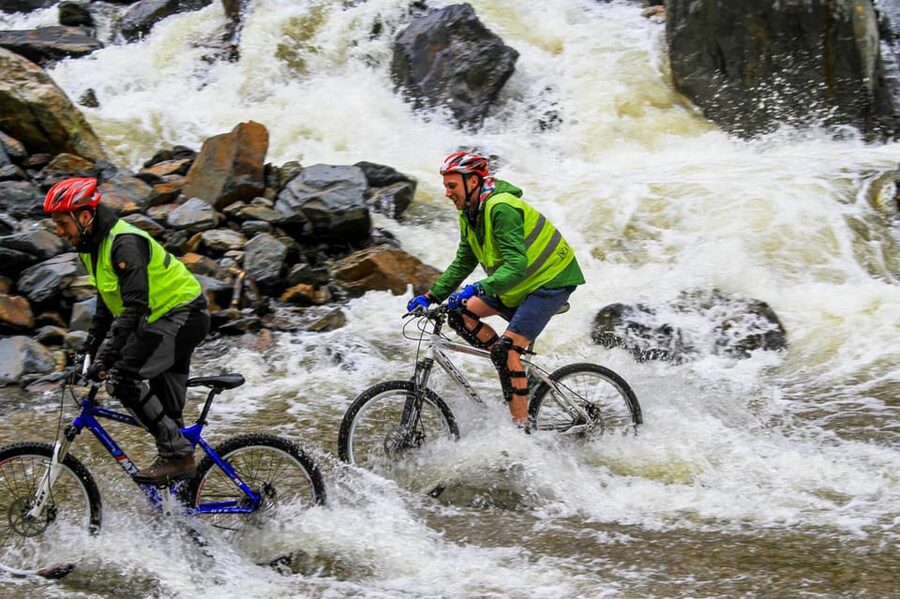
Book it if you want a lively, active route to Machu Picchu and can accept basic lodging and a demanding second day. The best parts are the rapid change from high Andes to tropical forest, the plantation walk, Cocalmayo, and the satisfying arrival at Aguas Calientes after walking beside the railway.
Skip it if your priority is comfort, a slow pace, or a single well-marked trek. For the right person, the $439 price buys far more than a ticket to Machu Picchu. It buys four days of movement, scenery, local stops, and several ways to reach one of Peru’s great sights.
FAQ
How long is the Inca Jungle Adventure?
The experience lasts four days and ends with your return to your hotel in Cusco.
What time does pickup begin on the first day?
Hotel pickup begins at 7:00 am. If you are not staying in Cusco’s historic center, wait at the fountain in the main square.
Is Machu Picchu entry included?
Yes. Machu Picchu entrance fees and a two-hour guided tour are included.
Is the bus to Machu Picchu included?
No. The bus costs $15 each way. You can also hike to Machu Picchu instead.
Are Huayna Picchu and Machu Picchu Mountain included?
No. Either mountain requires an extra fee and early booking.
Is rafting included?
River rafting is listed as an optional activity. Confirm any extra charge and availability when booking.
Is zip-lining included?
Zip-lining is optional on Day 3. Confirm any extra charge and availability when booking.
What meals are included?
The tour includes three breakfasts, three lunches, and three dinners. Breakfast on the first day, lunch at Machu Picchu, and snacks are not included.
What should I bring?
Bring your passport. A small bag is also practical because you change locations and use several forms of transport during the trip.
More 4-Day Experiences in Aguas Calientes
- Cusco: 4-Day Inca Trail to Machu Picchu with Accommodation
★ 4.8 · 432 reviews - Puerto Maldonado: 4-Day Tambopata Rainforest Tour
★ 4.6 · 213 reviews - Puerto Maldonado: Sandoval Lake 4-Day, 3-Night Guided Tour
★ 4.5 · 90 reviews - 4 Day Tour to the Manu National Park
★ 5.0 · 81 reviews
Just added around Aguas Calientes
- TOUR TO MACHU PICCHU FULL DAY BY TRAIN – The Best Adventure★ 3.2 · 4 reviews
- Salkantay Trek to Machu Picchu 5 Days with Sky Lodge Domes★ 5.0 · 5 reviews
- Rainbow Mountain tour and Machu Picchu tour by train★ 4.8 · 13 reviews
- Machupicchu tour by tourist train in 2 days★ 4.5 · 7 reviews
- Machu Picchu: Private Tour Guide Service for up to 15 people★ 4.5 · 3 reviews
- From Cusco: Train Ride and Guided Tour of Machu Picchu★ 5.0 · 6 reviews
- Machu Picchu Entry Ticket and Bus from Aguas Calientes★ 3.8 · 8 reviews
- Machu Picchu 2 Days / 1 Night (By Bus)★ 3.7 · 4 reviews
Machu Picchu Tours, compared.
4-Day Inca Trail to Machu Picchu with Accommodation
Read our review →
2-Day Trip to the Sacred Valley and Machu Picchu
Read our review →
Machu Picchu 2-Day Inca Trail with Panoramic Train
Read our review →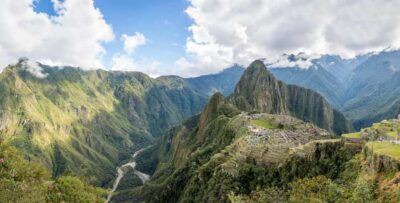
Browse the lists this tour appears in