
Reviewed · PISCO SOUR TASTINGS
Winery and Pisco Distillery tour
Ica’s pisco country is best understood with a glass in hand, and this tour takes you from grand Hacienda Tacama to smaller family-run cellars where production still feels personal. You’ll taste Peru’s national liquor at the source, not just order a pisco sour in a city bar. I especially like the mix of a major historic winery and modest artisanal producers, plus the chance to hear local background from guides such as William and Raúl.
The hotel pickup and small group limit of 12 make the day easy to manage, especially if you are staying in Huacachina or arriving by bus. I also like that Sam Travel Experiences communicates clearly before the tour and can help coordinate timing with another activity. The main drawback is the pace: three winery visits may feel like one stop too many if you prefer a slow tasting rather than a full afternoon of stops.
In This Review
- Key points to know before booking
- Why a pisco tour belongs on your Ica itinerary
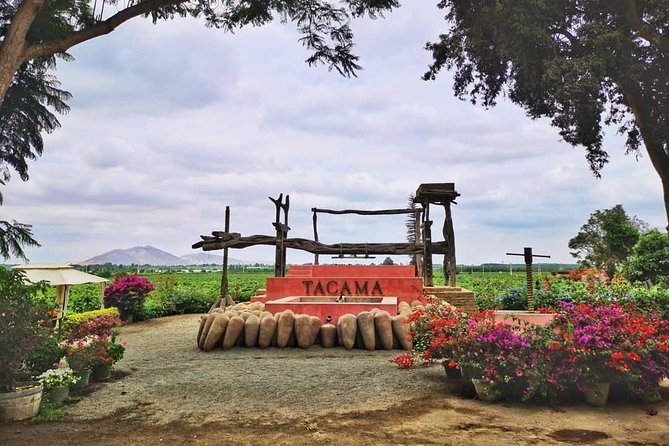
- Tacama: Peru’s oldest winery setting
- El Arrabal and the lunch break
- La Vieja Bodega Lovera and its old cellar
- Bodega Nietto and a family story from 1857
- What the tastings are really worth
- Transport, timing, and group size
- Is the $30.77 price good value?
- Who should book this winery day?
- Should you book this Ica pisco tour?
- FAQ
- How long does the winery and pisco tour last?
- What is included in the tour price?
- Is the Tacama entrance fee included?
- What happens if I book for a Monday?
- Can I be picked up from Huacachina?
- How many people can join the tour?
Key points to know before booking
- Tacama is the architectural and historical centerpiece, but its PEN 25 entrance fee is extra.
- Three winery stops give you a broad look at Ica’s pisco trade, from industrial production to old family cellars.
- El Arrabal includes time for lunch, though your meal is not part of the tour price.
- Monday departures replace Tacama with Bodega Vista Alegre because Tacama closes that day.
- Pickup is available from Ica and Huacachina hotels, with bus-station reception also offered.
- A 4.9 rating from 82 reviews and a 99 percent recommendation rate suggest a well-run experience, though the number of stops will not suit everyone.
Why a pisco tour belongs on your Ica itinerary
Ica is one of Peru’s main pisco-producing regions, and a winery visit gives useful context to a drink many people first meet in a cocktail. Pisco is distilled from grapes, and the character of the final spirit depends on the grapes, the producer, and the way the liquor is made.
You do not need to be a wine expert to enjoy this outing. The tasting format lets you compare wines, piscos, and cachinas without having to arrange transport between rural producers yourself. The guide also adds local background during the drives, which matters in a spread-out wine region where the ride between stops is part of the experience.
This is not a private, slow-food day built around one estate. It is a practical half-day circuit. You see several producers, sample their products, have time to eat, and return to Ica afterward. If you want a quick introduction to the region, that variety is useful. If you want long talks with one winemaker, it may feel busy.
More pisco sour tastings in Ica:
- ICA: Pisco and Wine Route with tasting in 03 Wineries
★ 4.3 · 80 reviews - Ica: Winery Tour with Pisco and Wine Tasting
★ 4.6 · 3 reviews - Ica: Tacama Winery and Pisco Tasting Tour with Hotel Pickup
★ 3.1 · 3 reviews
Tacama: Peru’s oldest winery setting
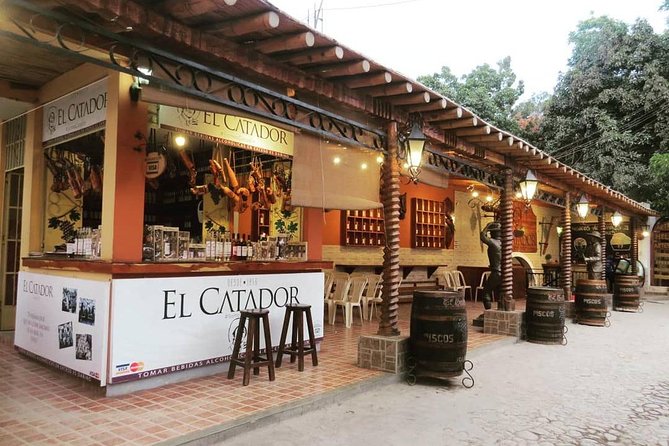
The first major stop is Hacienda Tacama, described as the oldest winery in South America. The estate uses grapes to produce wine, pisco, and sparkling wine, so the visit covers more than the country’s national spirit.
Tacama is likely to be the most polished stop of the day. Its buildings and grounds provide a strong sense of place, and the visit gives you the large-scale side of Ica’s wine business. Tastings of the winery’s different products are included in the experience, allowing you to compare styles rather than focus on a single bottle.
The Tacama visit is scheduled for about two hours. That is enough time for a proper look and tasting, but the exact balance between touring and sampling can vary with the group and the day’s schedule. The admission ticket is not included in the tour price. Budget PEN 25 per person, payable by card or cash according to the supplied tour information.
Tacama is closed on Mondays. On that day, the tour visits Hacienda Vista Alegre instead. Vista Alegre is presented as a winery of the same category, so Monday is not a lost day, but the stop is different. If Tacama’s architecture is your main reason for booking, avoid Monday.
El Arrabal and the lunch break
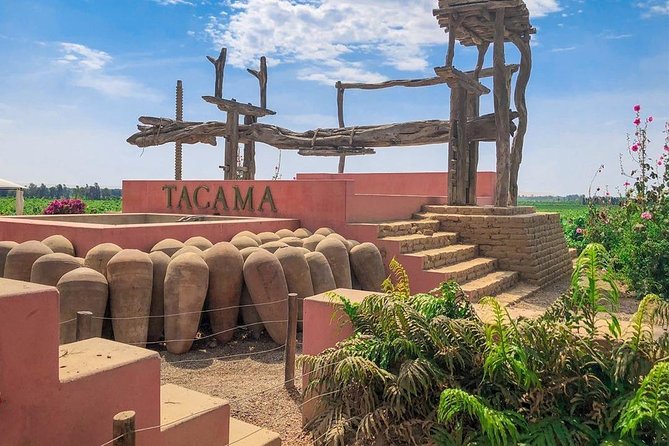
The tour then moves to Fundo, Hotel El Arrabal, described as an artisanal winery where traditional methods have been kept alive over the years. This stop helps balance the grander Tacama visit with a smaller producer.
At El Arrabal, the appeal is the connection between production and hospitality. You can taste local wine and pisco, then use the free time to have lunch at the vineyard restaurant. That meal is optional and paid separately, so plan to carry extra money.
The lunch pause is one of the most useful parts of the schedule. A five to six hour outing needs a real break, and eating at one of the vineyards saves you from trying to fit a separate restaurant visit into the day. It also gives you some breathing room between tastings.
Do not treat lunch time as a guarantee of a long, relaxed meal. The tour still has more stops afterward, and the group needs to stay on schedule. If you are arranging a later bus, dune buggy ride, or other Ica activity, tell the operator in advance. Clear communication is a strong part of the service, and the company has helped coordinate onward plans when timing matters.
La Vieja Bodega Lovera and its old cellar
The route continues to La Vieja Bodega Lovera, another artisanal producer. Its main draw is the production of piscos, wines, and cachinas, but the cellar adds an unusual historical detail: the winery keeps an authentic Spanish cava dating from the 16th and 17th centuries.
That cellar gives the stop more weight than a simple tasting room. You get a look at an older form of wine storage and a reminder that pisco production in the region is tied to long-standing Spanish grape-growing traditions.
The available schedule groups El Arrabal and La Vieja Bodega Lovera into a portion lasting about two hours. The exact order may vary, but together they form the tour’s more traditional side. These are the stops to pay attention to if you care about family production, older structures, and the link between local drink and regional history.
The trade-off is repetition. By this stage, you may have tasted several similar categories of wine and pisco. That is useful for comparison, but it can also make the afternoon feel long for anyone who is not especially interested in spirits.
A few more Ica trips to weigh up
- ICA! City Tours + Huacachina + Buggy + Sandboarding + Wine Cellar.
★ 4.5 · 29 reviews - From Ica or Huacachina: Tour to Tacama Vineyard and Artisanal Winery.
★ 4.0 · 4 reviews - Lima: Paracas & Huacachina Oasis Day Trip with Wine & Dunes
★ 4.7 · 266 reviews - Lima: Huacachina, Winery, & Nazca Lines from Pisco Airport
★ 4.7 · 31 reviews
Bodega Nietto and a family story from 1857
Bodega Nietto is the final named winery visit. It was founded in 1857 by the Gonzalez Misa family and remains a family operation, now under its fourth generation.
That detail gives the tasting a human scale. Rather than seeing only a product label, you can connect the bottle with a family that has continued making wine, pisco, and cachinas across generations. The visit is scheduled for about one hour, making it shorter than the Tacama stop.
Bodega Nietto is especially useful as a contrast with Tacama. Tacama represents a larger, more established winery experience, while Nietto shows how a family producer fits into the same regional tradition. Together, they give you a wider picture than either stop alone.
The visit finishes with a transfer back to your hotel in Ica. If you are staying in Huacachina, confirm the return arrangement carefully, particularly on a holiday. Holiday pickups are made at Plaza de Armas and Huacachina, while drop-off is at the operator’s Ica office or Plaza de Armas in Ica. That may mean arranging your own short transfer afterward.
What the tastings are really worth
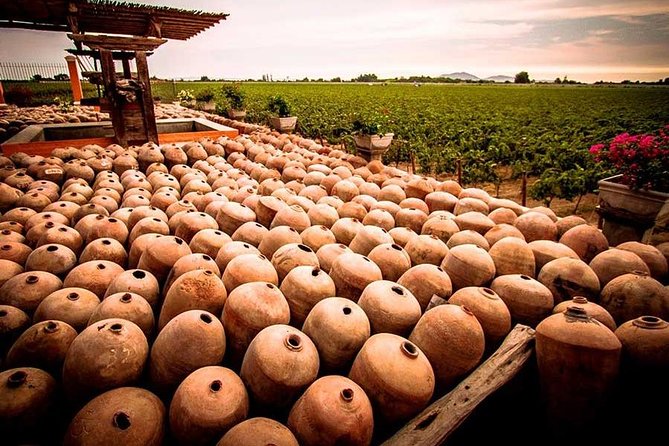
The value of the tastings depends on how you approach them. This is not simply a chance to drink several samples. It lets you compare products from different producers and notice how a polished estate differs from an artisanal bodega.
You will be offered wines, piscos, and other local products, including cachinas. The tour information does not specify the number or size of samples, so you should not book it expecting a fixed tasting menu. What you receive can depend on the producer and the day.
A good approach is to pace yourself. There are several stops, and the full outing lasts around five to six hours. Eat during the El Arrabal break, drink water, and remember that tasting at each winery does not require you to finish every sample.
The experience has a stronger cultural value if you are curious about how Peru’s national liquor is made. You can ask the guide about grape varieties, production, and regional differences. Sam is described as responsive and well informed about pisco, while William and Raúl have also led the route. The assigned guide is not guaranteed, but the company uses local guides who can add context during the drives and visits.
Transport, timing, and group size
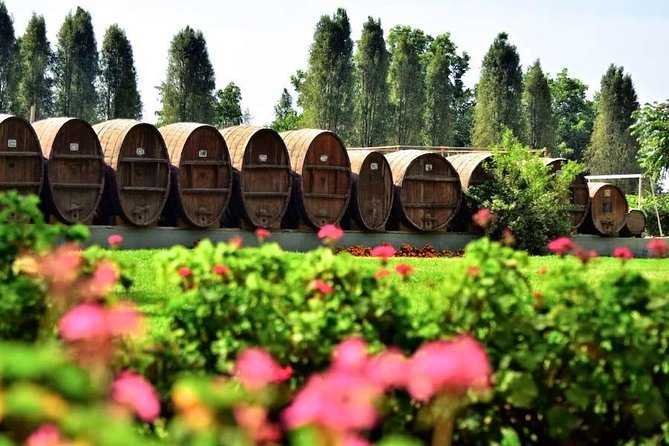
Round-trip transport is provided from hotels in Ica or Huacachina, and reception at the bus station is available. That is a meaningful benefit in Ica, where arranging several winery transfers on your own can be awkward and may require negotiating separate fares.
The tour runs for about five to six hours. Several departure times are offered, so you have some flexibility when fitting it around a bus arrival or another activity. Still, I would leave a generous gap before any fixed evening booking. Winery visits can run late, and holiday arrangements may differ.
The maximum group size is 12 people. That is not a private tour, but it is small enough for you to hear the guide and ask questions without shouting across a large coach. A smaller group also helps with the practical parts of the day, such as coordinating tastings and getting everyone back to the vehicle on time.
Pickup from a hotel is the simplest option. If you are arriving by bus, send the company your arrival details and confirm the meeting point. Sam Travel Experiences has been praised for giving clear instructions to people coming into Ica by bus, which can remove a fair amount of guesswork.
Is the $30.77 price good value?
At $30.77 per person, the tour is fairly priced for a five to six hour outing with transport, several winery visits, tastings, and a guide. You are paying for access and logistics as much as for the samples. The transport alone is useful if you are based in Huacachina or do not have a rental car.
The price does not include lunch, lodging, or the PEN 25 Tacama entrance fee. Add the entrance charge and your meal when setting your budget. The total remains reasonable for a half-day activity, but it is not an all-inclusive food and drink tour.
Value is strongest for first-time visitors to Ica who want an organized introduction. You see three types of winery experience in one outing: the large historic estate, the artisanal producers, and a multigenerational family bodega. You also avoid spending a day figuring out which places are open and how to reach them.
Value is weaker if you already know Ica’s wineries or dislike fixed circuits. One comment on the experience felt that three producers were one too many. That is a fair concern. The tour prioritizes breadth, not a slow visit at each estate.
Who should book this winery day?
I would recommend it to you if you are staying in Ica or Huacachina for a short time and want more than sand dunes and cocktails. It works well for couples, small groups, and solo visitors who prefer a guided route instead of arranging rural transport themselves.
It is also a good fit if you are interested in Peruvian food and drink but do not have much technical knowledge. You can learn by comparing products in place, with a guide available to explain what you are tasting.
Families and mixed-interest groups may also find the format workable, since the day includes buildings, old cellars, local history, a meal break, and transport. However, anyone who cannot or does not want to sample alcohol may find that much of the tour’s main purpose is lost.
I would hesitate if your schedule is tight or if you have a strong preference for private touring. A group of up to 12 is manageable, but you still follow a shared timetable. I would also avoid Monday if Hacienda Tacama is essential to your plans.
Booking about two weeks ahead is sensible. The average booking lead time is 15 days, and the group cap can make popular departure times fill first. Free cancellation is available until 24 hours before the start time. Late cancellations and changes are not accepted, and poor weather or insufficient bookings can lead to a new date, an alternative experience, or a full refund.
Should you book this Ica pisco tour?
Book it if you want a well-organized first look at Ica’s wine country, especially with hotel transport and several contrasting producers in one day. Tacama’s historic setting, the old Lovera cellar, and Nietto’s four-generation family story give the outing more substance than a basic tasting crawl.
Skip it if you want only one winery, a private guide, or a long unhurried lunch. The route covers a lot, and some people will find the third tasting tiring. For most visitors with a free half-day in Ica or Huacachina, though, the price, transport, small group, and range of stops make this a practical way to meet pisco where it is made.
FAQ
How long does the winery and pisco tour last?
The experience lasts approximately five to six hours.
What is included in the tour price?
The price includes reception at the bus station or hotel pickup in Ica, visits to El Arrabal, Bodega Nietto, and Tacama, tastings of piscos and wines, entrance to the specified tourist places, and free time for lunch.
Is the Tacama entrance fee included?
No. The Tacama ticket costs PEN 25 per person and can be paid by card or cash.
What happens if I book for a Monday?
Hacienda Tacama is closed on Mondays. The tour replaces it with Hacienda Vista Alegre, described as being in the same category as Tacama.
Can I be picked up from Huacachina?
Yes. Hotel pickup is available from Ica or Huacachina. On holidays, pickup is at Plaza de Armas and Huacachina, while drop-off is at the operator’s Ica office or Plaza de Armas in Ica.
How many people can join the tour?
The maximum group size is 12 travelers.
Just added around Ica
- Sandboard and SandSki Experience in Huacachina★ 5.0 · 46 reviews
- Huacachina Sandboard★ 5.0 · 29 reviews
- Professional Sandboarding and Sandskiing Tour, Ica, Peru★ 5.0 · 42 reviews
- Dune buggy in Huacachina★ 5.0 · 42 reviews
- Full Day Tour Canyon of the Lost in Ica Desert★ 4.5 · 30 reviews
- ICA! City Tours + Huacachina + Buggy + Sandboarding + Wine Cellar.★ 4.5 · 29 reviews
- From Huacachina: Sunset buggy and sandboarding★ 4.5 · 34 reviews
- One-Way Shuttle Transfer: Huacachina to Nazca★ 5.0 · 46 reviews
Pisco Sour Tastings, compared.
Cook an Authentic Ceviche And Peruvian Pisco Sour!
Read our review →
Pisco and Wine Route with tasting in 03 Wineries
Read our review →
Cusco by Night: Planetarium Cusco, Dinner, and Pisco Sour
Read our review →
Ballestas island & Paracas reserve from PISCO CRUISESHIP TERMINAL
Read our review →
Larco Museum, Pisco Old Tavern and Magic Water Circuit Evening Tour
Read our review →
Historic Walking Tour with Pisco Sour and Music Show
Read our review →
Amazing Peruvian Cooking Class Ceviche Seafood and Pisco Sour
Read our review →
Pisco Sour Secrets: Hands-On Mixology in Historic Cusco
Read our review →Browse the lists this tour appears in