
Reviewed · CUSCO TOURS
Quads in Cusco
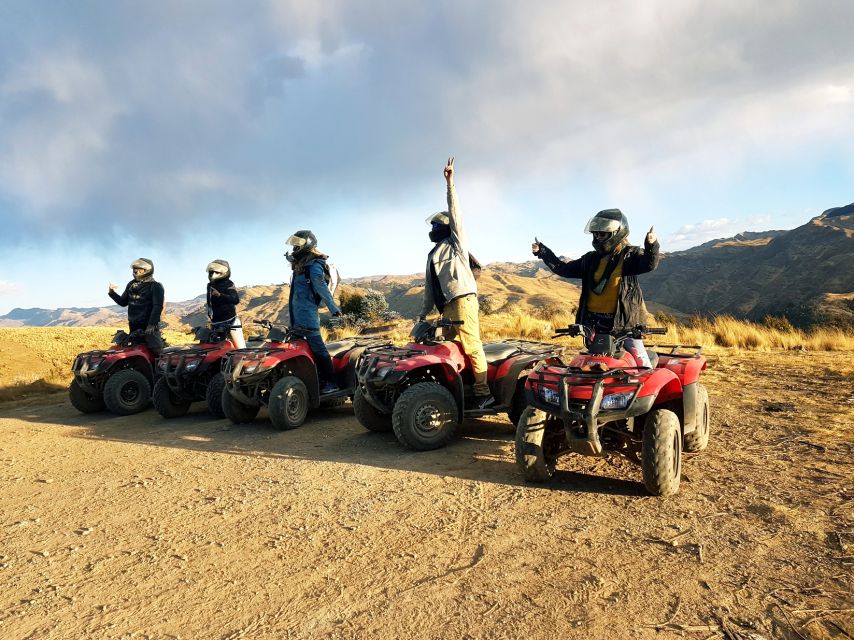
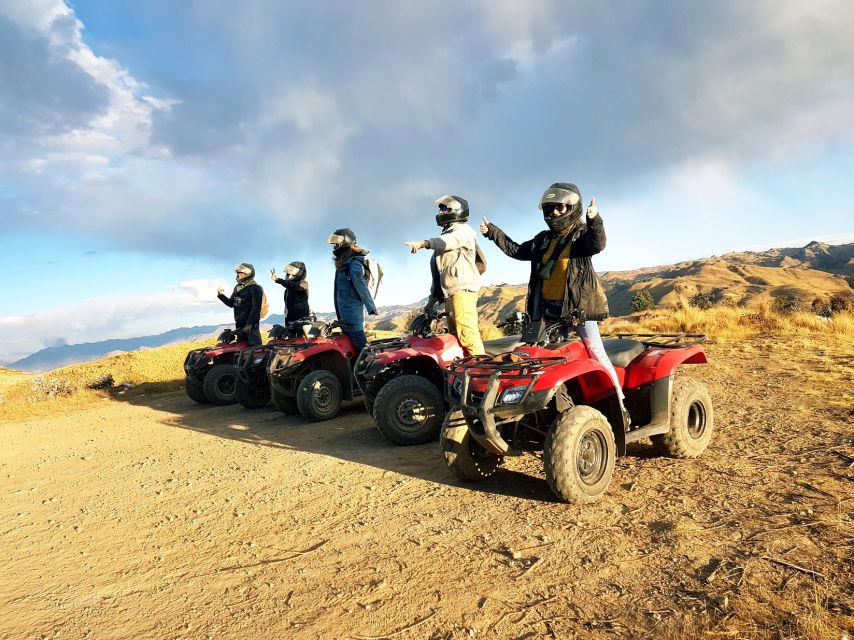
Moray’s great circular terraces and the white salt pools of Maras make a fine pair, but reaching them by ATV adds a real sense of motion and freedom. You trade the usual vehicle ride for mountain trails, rough roads, broad Andean views, and several hours behind the handlebars.
I like the small six-person group, which should make safety instructions and stops easier to manage. I also like the mix of archaeology and local work: Moray explains Inca farming experiments, while Maras remains tied to traditional salt production.
The main consideration is cost. At $70 per person, you still pay separately for archaeological entrance fees and food. The activity also is not suitable for pregnant people or those with mobility impairments, despite the general accessibility note, so confirm your needs before booking.
In This Review
- Key points at a glance
- Starting in Cusco with a short safety lesson
- Riding the Andean roads and mountain trails
- Moray and the Inca farming experiment
- Maras Salt Flats and a living local tradition
- What the $70 price really covers
- Who will enjoy this Cusco ATV trip
- Timing, flexibility, and practical planning
- The strongest reasons to book
- Should you book Quads in Cusco?
- FAQ
- How long does the ATV tour last?
- How much does the tour cost?
- Which places does the tour visit?
- Is transportation included?
- What languages does the guide speak?
- How many people are in the group?
- What should I bring, and who cannot join?
Key points at a glance
- Ride up to roughly 48 to 63 kilometers: The exact distance can vary, but the route provides substantial time on the ATV rather than a short spin.
- See two very different sites: Moray offers circular agricultural terraces, while Maras is a working salt-producing area with thousands of evaporation pools.
- Expect a four-hour outing: The time includes transport, instruction, riding, stops, and the return to Cusco.
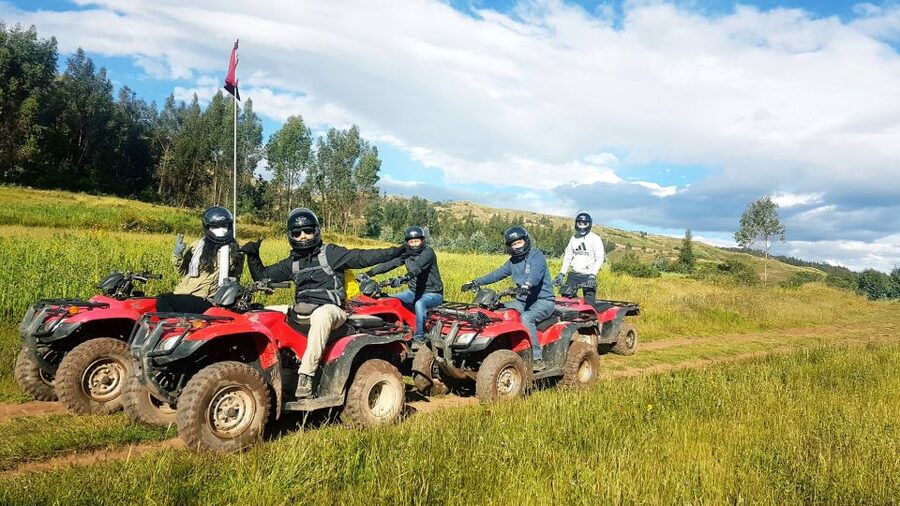
- Ride with no more than six participants: A small group is useful when you are learning the ATV and moving along mountain roads.
- Bring your passport or ID: You will need an official identity document, and entrance charges are not included.
- English- and Spanish-speaking guides lead the tour: Safety instructions and route guidance are provided before you set off.
Starting in Cusco with a short safety lesson
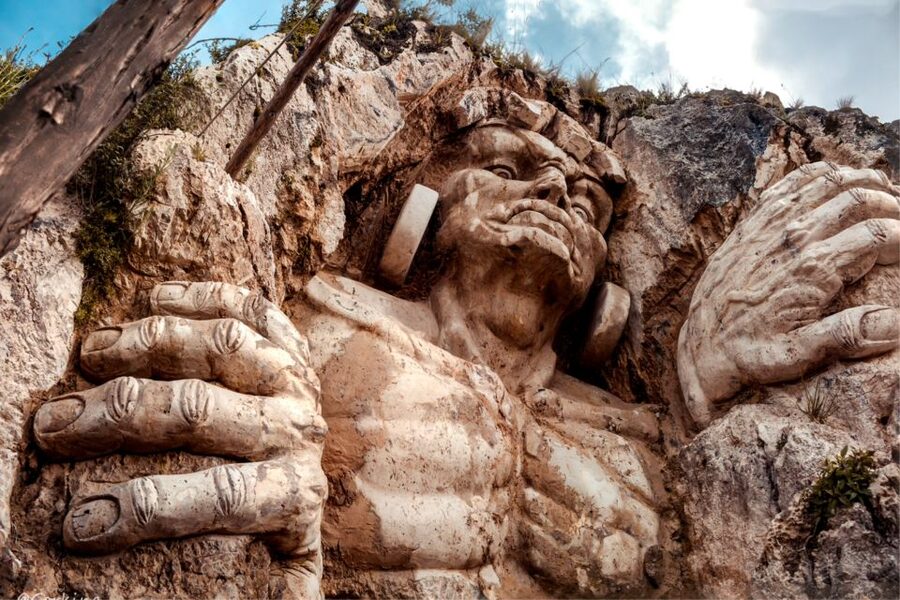
Cusco is the natural starting point for this outing. The city once served as the capital of the Inca Empire, and the trip quickly moves from historic streets toward the open mountain roads of the surrounding region.
Transportation is included, so you do not need to arrange your own way to the riding area. The exact meeting and departure details depend on the selected starting time, which you check when booking.
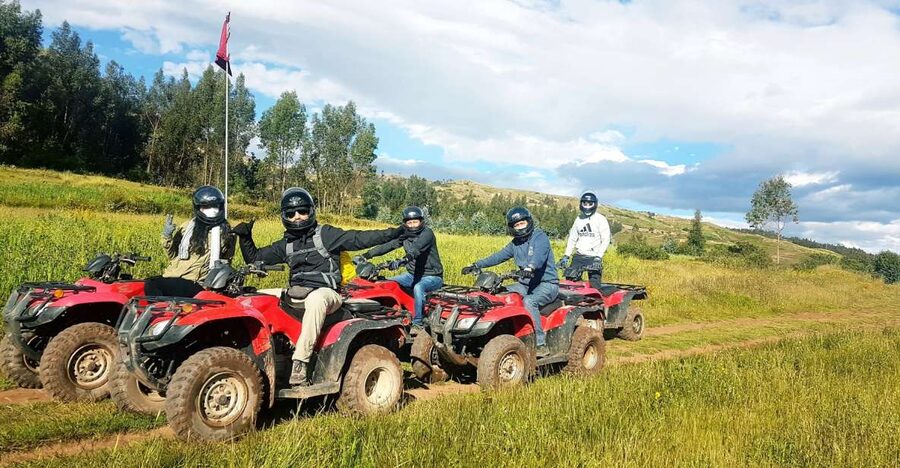
Before riding, your guide gives safety instructions and helps you become familiar with the quad. This part matters more than it may sound. If you have never handled an ATV, the first minutes are about learning how the machine responds, how to control your speed, and how to follow the guide on changing surfaces.
The guides speak English or Spanish. The group limit of six is a useful feature here. A large convoy can feel slow and awkward, especially when riders have different levels of confidence. A small group lets the guide keep a closer eye on everyone and makes it easier to ask questions.
You should bring your passport or ID card. Wear clothes that can handle dust and road spray, and choose sturdy footwear. The supplied information does not list a specific clothing requirement, but an ATV ride over mountain roads is not the place for delicate shoes or clothing you want to keep spotless.
Other Cusco days worth putting on the list:
- Cusco: Humantay Lake Tour with Breakfast and Buffet Lunch
★ 4.9 · 2,976 reviews - From Cusco: Sacred Valley & Maras Salt Mines Tour with Lunch
★ 4.8 · 2,227 reviews - From Cusco: Moray, Maras Salt Mines & Chinchero Weavers Tour
★ 4.8 · 1,925 reviews
Riding the Andean roads and mountain trails
The riding is a central part of the experience, not simply transport between two monuments. The route uses winding roads and mountain trails, with a mixture of surfaces that can include rocky sections. One account of the outing covered 48 kilometers, while another reached 63 kilometers, so you should expect a substantial ride, though the exact route may change.
That distance gives the trip its sense of adventure. You are not just stepping out of a van, taking a quick photograph, and moving on. You have time to get comfortable with the quad and see how the scenery changes as the road climbs and turns.
The surrounding views are a major reward. You may see snow-capped Andean peaks, open valleys, and wide mountain scenery. The route provides plenty of photo opportunities, but keep your camera secure while riding and wait for the designated stops before taking pictures.
This is still an ATV trip, not a quiet nature walk. The engine, rough surfaces, and changing road conditions are part of the deal. If you want a gentle sightseeing day with little physical involvement, a standard vehicle tour may suit you better. If you like being active and want the journey itself to count, the quad makes the outing more memorable.
Your guide provides safety equipment for the motorcycles, meaning the ATV ride comes with the basic protective gear supplied by the operator. Follow the guide’s pace and instructions rather than treating the route as a race. The goal is to enjoy the scenery and arrive safely at each stop.
Moray and the Inca farming experiment
Moray is the first major archaeological stop described for the tour. Its famous circular terraces look almost like a giant amphitheater cut into the earth, with rings descending toward the center.
The terraces were used by the Incas to test crops in different microclimates. Each level could have slightly different conditions, allowing farmers to study how plants responded to changes in temperature and elevation. That makes Moray more than a striking photograph. It offers a clear example of practical Inca agricultural planning.
The site also gives you a useful pause after the ride. You can leave the quad, walk around the archaeological area, and focus on the structure without trying to steer over uneven ground. Entrance fees are not included, so set aside extra money for the archaeological sites. The tour price covers transportation, the guide, and safety equipment, but not admission.
Moray can be appreciated quickly, but do not rush it. Look at how the terrace walls follow the circular pattern and how the design draws your eye inward. Your guide can add context in English or Spanish, and this is a good moment to ask questions about farming, crops, and the purpose of the terraces.
The site is also a reminder that Inca achievements were not limited to temples and stonework. Food production, water management, and adaptation to difficult mountain conditions were central to life in the Andes. Moray makes that practical side of Inca society easy to understand.
Maras Salt Flats and a living local tradition
From Moray, the route continues to the Maras Salt Flats. Here, thousands of small evaporation pools spread across the mountainside. Salt water flows into the pools, and as it evaporates, salt is collected in a process that local people have maintained for generations.
This stop feels different from Moray. At Moray, you are looking at an archaeological site connected to the Inca period. At Maras, you are seeing a traditional activity that still supports the local economy. The attraction is not only the unusual sight of the white pools, but also the connection between the place and the people who continue to work there.
You will be able to walk among the pools and learn about the traditional method of harvesting salt. Stay aware of where you step, since the pools are working evaporation areas rather than a decorative park. The salt pans can also look very different depending on light and conditions, so allow time for photographs without blocking paths or work areas.
The contrast between Moray and Maras is one of the strongest reasons to choose this tour. One stop explains how the Incas approached agriculture and microclimates. The other shows a long-running Andean trade and production practice. Together, they give the trip more substance than an ATV ride focused only on views.
Admission charges are not included here either. Since the supplied details refer to entrance fees for archaeological sites, check the current cost of each stop when you book. Food is also excluded, so plan for your own meal or snack arrangements around the four-hour schedule.
Same valley, a completely different kind of day:
- From Cusco: Full-Day Group Tour of Machu Picchu
★ 4.7 · 1,767 reviews - Machu Picchu Day Trip from Cusco
★ 4.5 · 1,644 reviews - Cusco: Half-Day City Tour with Sacsayhuaman and Q’enco
★ 4.6 · 1,129 reviews - Cusco: Sacred Valley, Pisac, Ollantaytambo, Salt Mines Moray
★ 4.6 · 1,058 reviews
What the $70 price really covers
The listed price is $70 per person. For that amount, you receive transportation, a professional guide, and motorcycle safety accessories. You also receive a four-hour guided route to Moray and Maras, with the chance to ride a substantial distance through the Andes.
The value is strongest if you want both sightseeing and an active outing. You are paying for the equipment, route support, instruction, and transport as well as access to two well-known destinations. The small group is another practical benefit, since the experience is limited to six participants.
The price is less attractive if you are comparing it with a basic sightseeing transfer. Admission fees and food are extra, so calculate the full day’s cost before booking. You should also ask yourself how much riding you want. If the ATV portion is the main reason you are interested, the price may feel fair. If you mainly want Moray and Maras, a regular vehicle tour could offer a simpler format.
The distance details suggest that this is not a short introductory ride. Routes reported at 48 and 63 kilometers indicate that you should be prepared to spend much of the outing on the ATV. That is a plus for riders who want genuine trail time, but it may be tiring for anyone unused to four hours of road vibration and active control.
Who will enjoy this Cusco ATV trip
I would recommend this outing to confident beginners and experienced ATV riders who want to combine outdoor activity with major cultural stops. You do not need to choose between archaeology and scenery here. The route gives you all three: riding, mountain views, and local history.
It is also a good fit for people who enjoy small organized groups. A maximum of six participants helps keep the outing personal and may reduce the waiting that can come with a larger convoy.
This is not suitable for pregnant women or people with mobility impairments. The activity information also lists wheelchair accessibility, but it separately says the experience is not suitable for people with mobility impairments. Those statements do not fully match, so contact the operator before booking if accessibility affects your decision.
You should also avoid the tour if you want a calm, polished excursion with no dust, rough roads, or physical participation. Alcohol and drugs are not allowed, and pets cannot join the activity.
Timing, flexibility, and practical planning
The duration is four hours, with starting times shown through the availability calendar. That makes it easier to fit the ride around other Cusco plans, but remember that the outing includes travel, instruction, riding, and stops. It is not four full hours at Moray or Maras.
The reserve-now-and-pay-later option can help if your Cusco schedule is still changing. Free cancellation is available up to 24 hours in advance for a full refund. Read the final booking terms carefully, especially if your plans depend on weather, altitude adjustment, or another timed activity.
A passport or ID card is required. Food is not provided, and the activity details do not specify a meal stop, so do not assume lunch is included. Bringing water is sensible, though only the passport or ID is specifically listed as required.
The route includes mountain roads and trails, so allow yourself time to get comfortable with the ATV before setting off. Clear instruction is one of the most praised parts of the operation, and it is worth listening closely even if you have ridden before. The guide’s advice will reflect the actual route and group.
The strongest reasons to book
The best feature is the combination of movement and meaning. You are not simply driven to two sites and returned to Cusco. You ride through the Andes, then stop to understand Inca agriculture at Moray and traditional salt production at Maras.
The guiding also earns emphasis. Safety instructions are clear, and the staff are described as attentive and communicative. That matters because the route includes winding roads and rocky trails, and a well-run briefing can make the difference between feeling nervous and enjoying the ride.
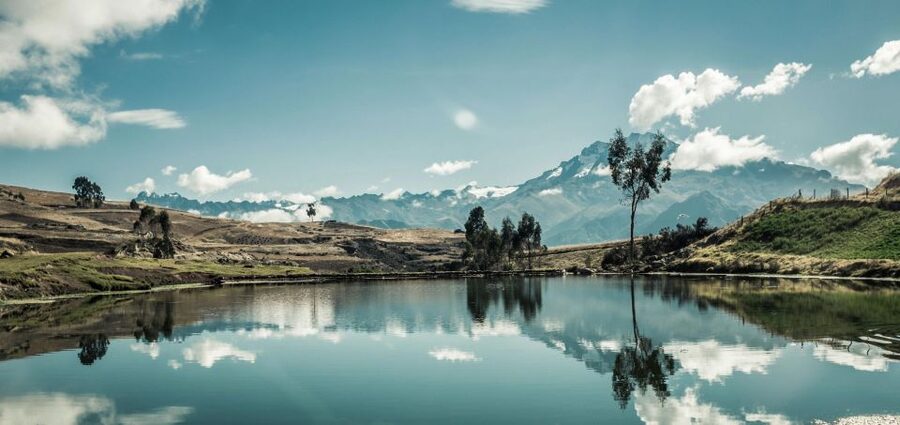
The scenery adds another layer. Snow-capped peaks and open mountain views make the route as appealing as the destinations. The reports of 48 and 63 kilometers also suggest that you get good value in actual riding time.
The main weakness is that the $70 price is not all-inclusive. You need extra money for entrance fees and food, and the four-hour format may feel demanding if you are not used to ATV riding. Still, those are clear tradeoffs rather than surprises if you plan ahead.
Should you book Quads in Cusco?
Book this tour if you want a small-group ATV adventure with meaningful stops and you are comfortable spending several hours on mountain roads. Moray and Maras make a particularly good pair, and the ride adds energy to what could otherwise be a standard sightseeing circuit.
Skip it if you prefer a relaxed vehicle tour, have mobility concerns, are pregnant, or want every cost included in advance. For active visitors who value scenery, Inca engineering, and a close look at local salt production, the $70 price can be worthwhile once you add the separate entrance fees and food.
FAQ
How long does the ATV tour last?
The activity lasts four hours. Starting times are available through the booking calendar.
How much does the tour cost?
The price is $70 per person. Entrance fees to archaeological sites and food are not included.
Which places does the tour visit?
The route visits Moray, known for its circular Inca agricultural terraces, and the Maras Salt Flats, where salt is collected through traditional evaporation pools.
Is transportation included?
Yes. Transportation is included along with a professional guide and safety accessories for the ATV ride.
What languages does the guide speak?
The tour is available with a live guide in English or Spanish.
How many people are in the group?
The activity is limited to six participants.
What should I bring, and who cannot join?
Bring your passport or ID card. The activity is not suitable for pregnant women or people with mobility impairments. Alcohol, drugs, and pets are not allowed.
Just added around Cusco
- Waqrapukara 1 day trekking + meals★ 3.9 · 3 reviews
- Zipline over the Sacred Valley Trip★ 5.0 · 11 reviews
- Valle Sur Cusco | half day★ 4.3 · 3 reviews
- Visit to the Cochahuasi Animal Sanctuary with rescued animal★ 4.1 · 4 reviews
- Visit Pisac from Cusco: Private Transport★ 4.6 · 9 reviews
- Maras and Huaypo lagoon by ATV from Cuzco | Local Operator★ 4.7 · 4 reviews
- Trek to Humantay Lake from Cusco★ 4.9 · 8 reviews
- Trek to Choquequirao 4 days★ 3.8 · 4 reviews
Cusco Tours, compared.
Humantay Lake Tour with Breakfast and Buffet Lunch
Read our review →
Sacred Valley & Maras Salt Mines Tour with Lunch
Read our review →
Moray, Maras Salt Mines & Chinchero Weavers Tour
Read our review →

Half-Day City Tour with Sacsayhuaman and Q’enco
Read our review →
Sacred Valley, Pisac, Ollantaytambo, Salt Mines Moray
Read our review →