
Reviewed · MARAS & MORAY TOURS
Moray and Salinera de Maras Half Day
Moray’s great circular terraces and Maras’s bright salt pools give you two very different views of the Sacred Valley in one morning. One site shows how the Incas worked with crops and altitude. The other turns hillside water into salt.
I like the low tour price and the fact that transport and a professional guide are included. I also like the compact route: you can see Moray, the salt fields, and Chinchero without committing to a full-day Sacred Valley program.
The main caution is the bus. One person found it painfully hot with no open windows or air-conditioning. The guide can also talk at length, so this suits you best if you want a steady stream of explanation rather than a quiet ride.
In This Review
- Key points to know before booking
- Why Moray and Maras make a smart half-day outing
- Moray’s giant terraces and the Inca farming question
- Maras Salt Mines: a working hillside of white pools
- Chinchero brings craft into the morning
- The transport matters more than the low fare suggests
- What the guide adds, and what can become too much
- The real cost and value of the outing
- Who should book this tour
- My call: affordable, useful, and best with realistic expectations
- FAQ
- What time does the tour start?
- How long does the tour last?
- What is included in the tour price?
- Are entrance tickets included?
- Is lunch included?
- Which places does the tour visit?
- Can I cancel for a full refund?
Key points to know before booking
- Moray’s circular terraces are the main archaeological stop, with time to learn how the Incas used the site for agriculture.
- Maras Salt Mines cost extra, with a listed entrance fee of PEN 20 per person.
- Moray costs extra, with a listed entrance fee of PEN 70 per person.
- Chinchero adds a textile visit, where you can see textile manufacturing and browse finished work.
- The tour begins at 8:30 am and lasts about six hours, including transport between stops.
- Lunch is not included, so carry snacks and water.
Why Moray and Maras make a smart half-day outing
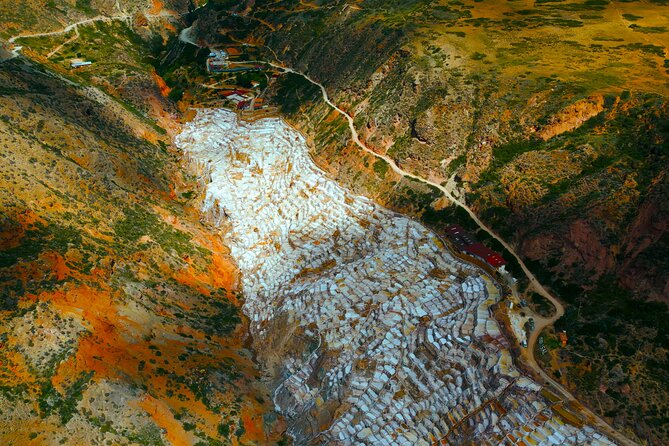
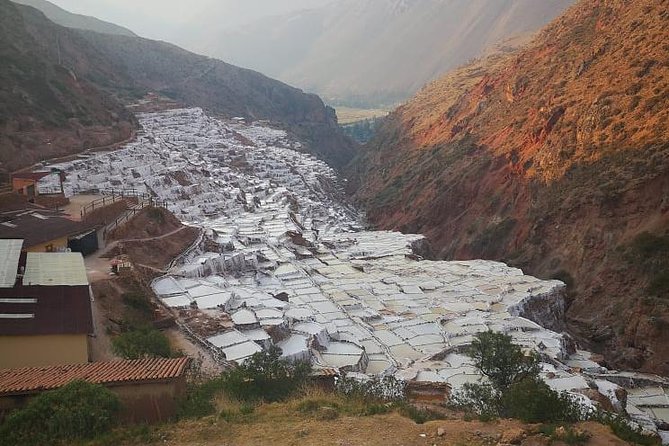
This is a useful pairing because the two main stops feel entirely different. Moray is about Inca engineering and farming. Maras is a working salt-producing area, where thousands of small pools catch mineral-rich water and leave salt behind as it dries.
You also get a short look at Chinchero, a town known here for textile production. The result is not a slow, scholarly day at one site. It is a brisk sampler of archaeology, agriculture, local production, and craft.
At $14 per person, the basic price is unusually low for a guided outing with round-trip transport. But that figure is not your final cost. Add PEN 70 for Moray and PEN 20 for the Maras Salt Mines, or PEN 90 per person in listed admission charges.
That still makes the tour affordable, especially if you want a guide and do not want to arrange separate transport. Just price the day honestly before booking. The cheap headline rate becomes a budget tour with moderate add-ons, not an all-inclusive excursion.
More maras & moray tours in Cusco:
- From Cusco: Sacred Valley & Maras Salt Mines Tour with Lunch
★ 4.8 · 2,227 reviews - From Cusco: Moray, Maras Salt Mines & Chinchero Weavers Tour
★ 4.8 · 1,925 reviews - Cusco: Sacred Valley, Pisac, Ollantaytambo, Salt Mines Moray
★ 4.6 · 1,058 reviews
Moray’s giant terraces and the Inca farming question
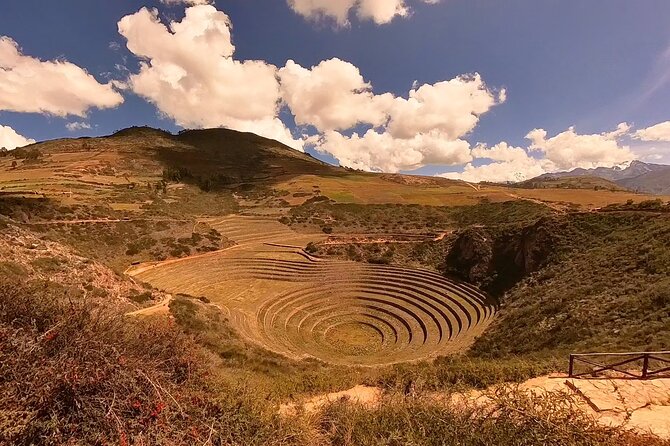
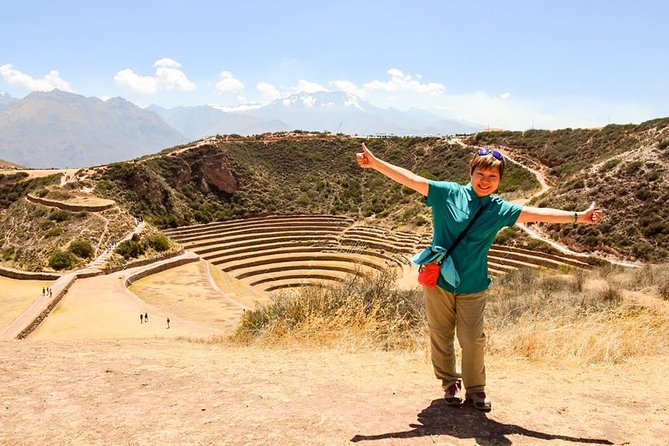
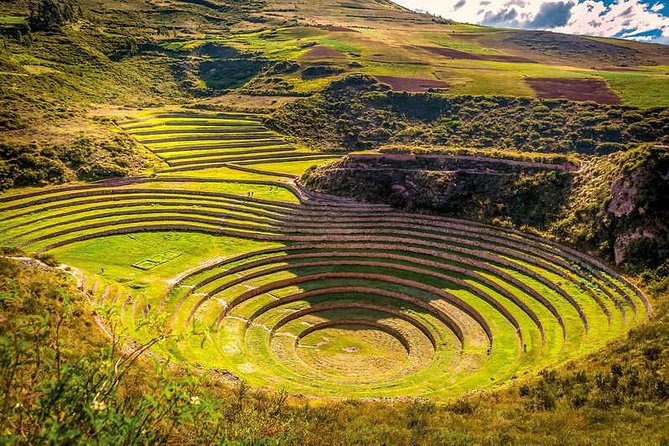
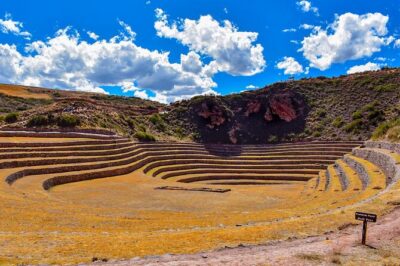
The first major stop is the archaeological center of Moray, reached by the road called Vía a Moray. Its famous terraces form broad circular depressions cut into the earth. From above, they look almost designed with a compass and ruler, though the site is far more than a dramatic photo stop.
This is where the guide matters. Without explanation, you see rings of stone and soil. With a good guide, you get a clearer sense of the site’s connection to agriculture and the way the Incas adapted farming to difficult mountain conditions.
The supplied information identifies Moray as a place where you learn how the Incas used the terraces for agriculture. That is the core of the visit, and it gives the stop more substance than a quick viewpoint. Guides Washington and Mario received especially strong praise for explaining the sites and helping people understand what they were seeing.
Allow your guide to set the pace here, but do not be shy about asking for a little quiet time. One guide was described as funny and engaging, while another person found the constant commentary tiring. The difference may come down to your own preference: some people want a running lesson, while others want to look, take photographs, and think.
Moray is also the more demanding ticket decision. The listed charge is PEN 70 per person, and it is separate from the $14 tour fee. One guide helped a person choose the most suitable tourist ticket for their plans, so it is worth asking your guide which ticket applies before paying.
Maras Salt Mines: a working hillside of white pools
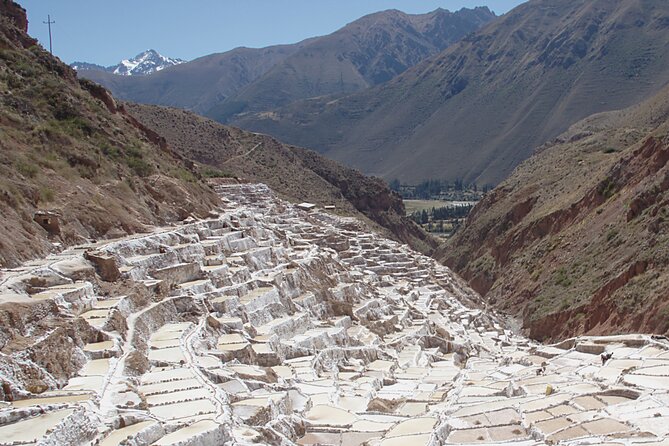
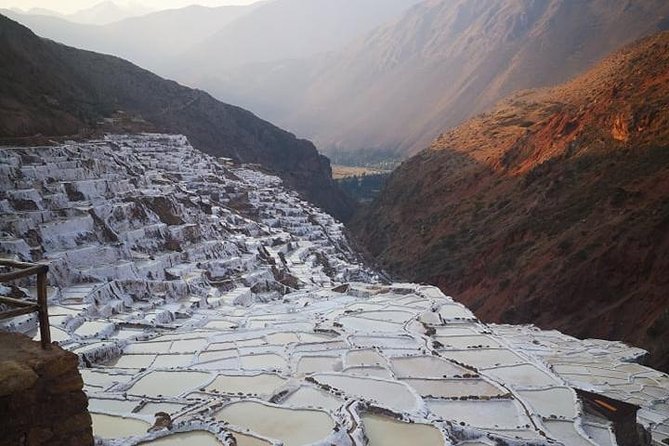
The second major stop is the Maras Salt Mines, also called Salinera de Maras. Here, the hillside is covered with small salt pools. Their pale surfaces and geometric edges create one of the most memorable sights near Cusco.
The appeal is not only visual. Maras shows a local production method in action. Salt water reaches the pools, and evaporation leaves salt behind. The many small basins make the area look almost like a patterned wall, with color and texture changing according to water, sunlight, and the stage of drying.
The listed admission fee is PEN 20 per person, and it is not included. Make sure you carry Peruvian soles or confirm payment arrangements before the stop. The tour description calls this a salt mine, but you should think of it as a salt-producing area made up of many shallow pools rather than an underground mine.
This stop can be brief but rewarding. You will want time for photographs, yet the guide’s explanation helps turn the view into a real place with a purpose. Some outings also add a shop selling Maras salt and chocolate. That can be a pleasant extra, but it is not the main reason to book, and it was not part of the stated core itinerary.
Chinchero brings craft into the morning
The final listed stop is Chinchero, where you visit a textile shop and see textile manufacturing. This adds a human and practical side to a day otherwise focused on stone terraces and salt pools.
Expect a demonstration-style visit rather than a long independent tour of the town. The point is to see how textiles are made and to browse the products. One person described the textile stop as a welcome part of the day, and another appreciated an additional shop with salt products.
These commercial stops are common on organized tours, so keep your expectations clear. If you enjoy local craft and may want to buy a textile, Chinchero gives the outing extra value. If you prefer only archaeological sites, the stop may feel like a sales interruption.
The schedule can also shift slightly. One person had to clarify that the plan was to return to Cusco rather than stop for an unplanned meal. If you are on a tight schedule, confirm the return plan with the guide before leaving Chinchero.
Same valley, a completely different kind of day:
- Cusco: Humantay Lake Tour with Breakfast and Buffet Lunch
★ 4.9 · 2,976 reviews - From Cusco: Full-Day Group Tour of Machu Picchu
★ 4.7 · 1,767 reviews - Machu Picchu Day Trip from Cusco
★ 4.5 · 1,644 reviews - Cusco: Half-Day City Tour with Sacsayhuaman and Q’enco
★ 4.6 · 1,129 reviews
The transport matters more than the low fare suggests
Round-trip transport is included, which is a major part of the value. Moray and Maras are outside Cusco, and arranging separate rides for both stops can cost more and require more planning than this tour.
The trade-off is comfort. One person found the vehicle extremely hot, with no airflow, open windows, or air-conditioning. The road sections were not considered very long, but heat can make even a short ride unpleasant, particularly after you have been walking in the sun.
I would prepare for a basic shared vehicle rather than a luxury coach. Bring water, a hat, and something small to eat. The tour does not include lunch, and one person specifically recommended carrying snacks.
The stated duration is about six hours, beginning at 8:30 am. Another account described the active outing as roughly four hours, which suggests that exact timing may vary with road conditions, waiting, shopping stops, or the order of visits. Plan for the full six-hour window instead of assuming an early return to Cusco.
What the guide adds, and what can become too much
A guide is included, and that is important at Moray. The site’s shape is striking, but the agricultural purpose is not obvious without context. At Maras, the guide can also explain how the salt pools work, rather than leaving you with a purely photographic stop.
Several guide names appear in the feedback, including Washington and Mario. Washington was praised for being attentive, helping with the right tourist ticket, sharing information, and checking that people were doing well. Mario was praised for explaining both visits clearly.
The best guides on this route seem to combine practical help with a sense of humor. That can make the road time pass quickly. But the tour may not suit you if you strongly prefer silence between stops. One person felt that the guide talked continuously, including about subjects outside the planned visits.
You can manage this politely. Ask for a few minutes at Moray or Maras to look around on your own, and use the stop itself for quiet photographs. The guide’s role is useful, but you do not have to turn every minute into a lecture.
The real cost and value of the outing
The $14 price is the tour’s strongest selling point. It covers round-trip transport and a professional guide, giving you a simple way to reach three stops from Cusco.
The extra admissions change the calculation:
- Tour price: $14 per person
- Maras Salt Mine admission: PEN 20 per person
- Moray admission: PEN 70 per person
- Lunch: not included
The total remains a reasonable way to see these places, but admission charges are not minor compared with the advertised tour fare. Read the price as a transport-and-guide rate, then budget separately for the sites.
I think the value is strongest for solo people and couples who want a straightforward half-day route. You avoid the cost and effort of hiring a private car, while still getting explanations at the two main sights.
The value is weaker if you want a polished vehicle, a private guide, a meal, or a slow pace. You may also prefer another option if you dislike textile shops and product stops. This is a practical budget outing, not a custom private tour.
Who should book this tour
Book it if you want to see Moray and Maras in one outing, need transport from Cusco, and like having a guide explain the sites. It is also a good fit if you want a smaller commitment than a full Sacred Valley day.
It suits people who can handle a six-hour morning and do not mind a basic vehicle. Most people can participate, according to the provided details, but the tour still includes outdoor site visits and transport between locations.
Think twice if your priority is comfort. The report of a sweltering bus is specific enough to take seriously. Ask about the vehicle if possible, especially during hot weather.
Also consider your tolerance for shopping stops. Chinchero is part of the planned route, and extra stops for salt or chocolate products may occur. That is useful if you enjoy local goods, less appealing if you want a strictly archaeological tour.
Confirmation is provided when you book. The stated cancellation policy allows a full refund when you cancel at least 24 hours before the start time. Changes or cancellations made inside that window are not accepted for a refund.
My call: affordable, useful, and best with realistic expectations
I would book this tour for the price and the route. Moray and Maras are a strong combination, and the guide adds real value, particularly at Moray, where the agricultural purpose deserves explanation.
I would not book it expecting a quiet vehicle, a meal, or a completely fixed schedule. Carry snacks, budget PEN 90 for the listed admissions, and confirm the pickup and return details before setting out.
If you want a cost-conscious way to see two memorable sites near Cusco, this is a sensible choice. If you want comfort and control above all else, pay more for a private arrangement.
FAQ
What time does the tour start?
The tour starts at 8:30 am.
How long does the tour last?
The stated duration is approximately six hours.
What is included in the tour price?
Round-trip transportation and a professional tour guide are included.
Are entrance tickets included?
No. The listed entrance fee for the Maras Salt Mine is PEN 20 per person, and the listed entrance fee for Moray is PEN 70 per person.
Is lunch included?
No. Lunch is not included, so you should bring snacks.
Which places does the tour visit?
The route includes the archaeological center of Moray, the Maras Salt Mines, and a textile shop and textile manufacturing visit in Chinchero.
Can I cancel for a full refund?
Yes, if you cancel at least 24 hours before the experience start time. Cancellations or changes made less than 24 hours before the start time are not accepted for a refund.
Just added around Cusco
- Waqrapukara 1 day trekking + meals★ 3.9 · 3 reviews
- Zipline over the Sacred Valley Trip★ 5.0 · 11 reviews
- Valle Sur Cusco | half day★ 4.3 · 3 reviews
- Visit to the Cochahuasi Animal Sanctuary with rescued animal★ 4.1 · 4 reviews
- Visit Pisac from Cusco: Private Transport★ 4.6 · 9 reviews
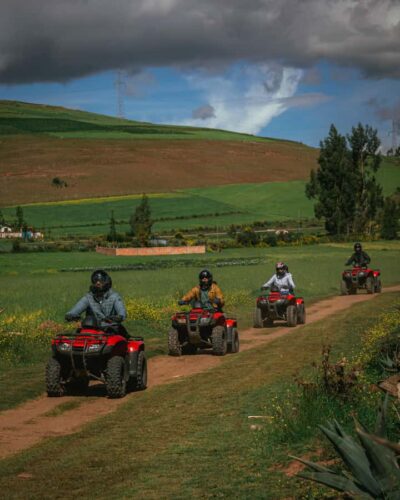
- Maras and Huaypo lagoon by ATV from Cuzco | Local Operator★ 4.7 · 4 reviews
- Trek to Humantay Lake from Cusco★ 4.9 · 8 reviews
- Trek to Choquequirao 4 days★ 3.8 · 4 reviews
Maras & Moray Tours, compared.

Sacred Valley & Maras Salt Mines Tour with Lunch
Read our review →
Moray, Maras Salt Mines & Chinchero Weavers Tour
Read our review →
Sacred Valley, Pisac, Ollantaytambo, Salt Mines Moray
Read our review →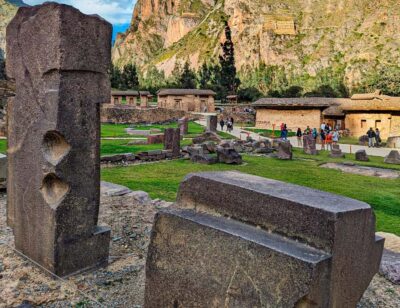
Chinchero,Moray & Salt Mines drop-off in Ollantaytambo
Read our review →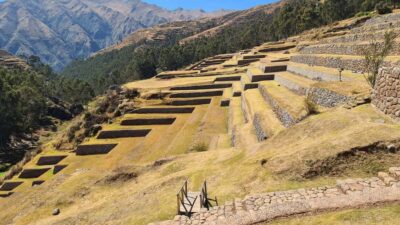

Moray, Maras Salt Mines & Chinchero Weavers Half-Day
Read our review →Browse the lists this tour appears in