
Reviewed · MARAS & MORAY TOURS
Moray and Maras half day tour
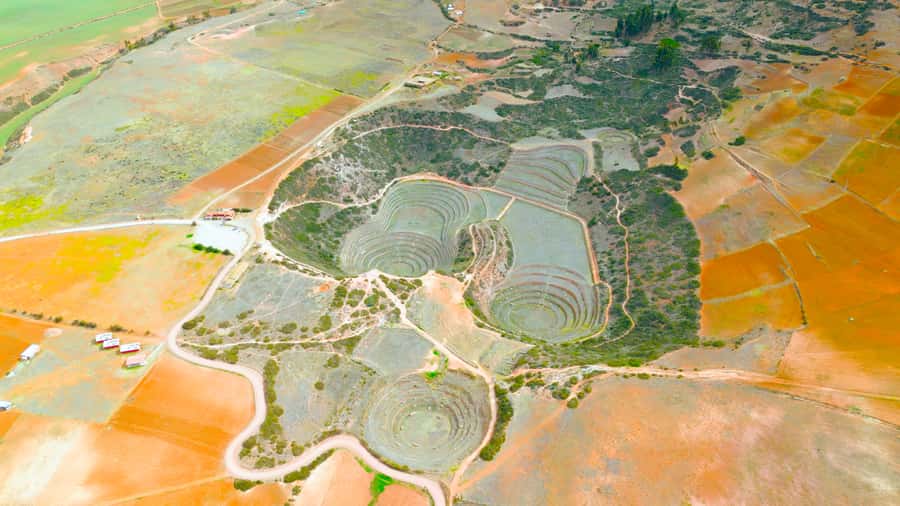
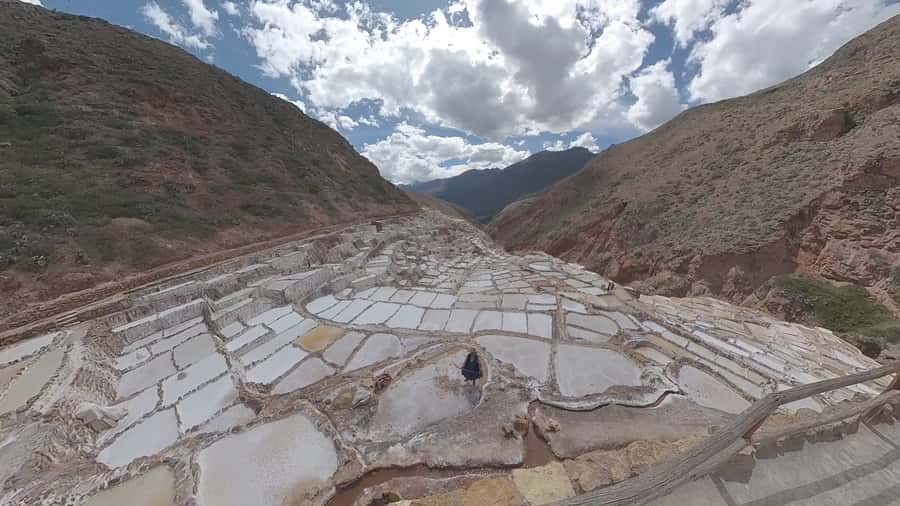
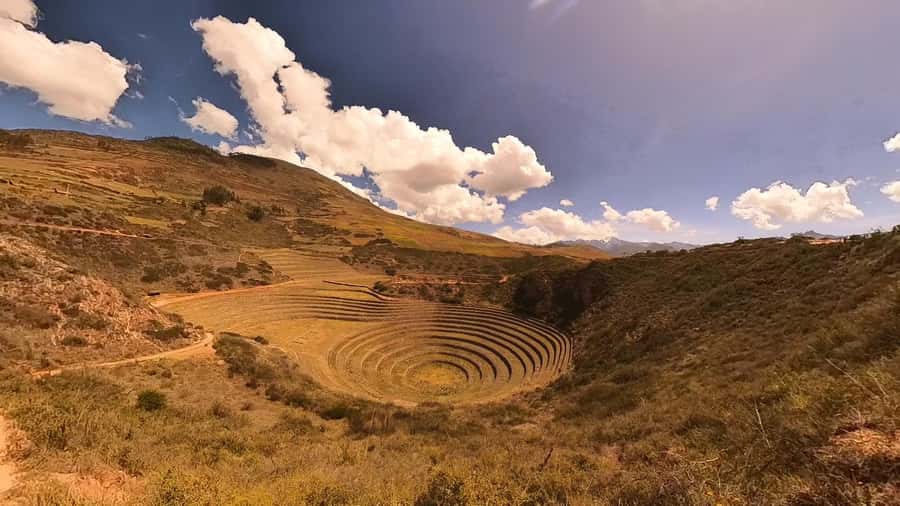
Moray’s great circular terraces look like an ancient amphitheater carved into the hills, but they were likely an Inca farming laboratory. Later, at Maras, thousands of little salt pans spread across a mountainside, fed by a salty spring. Together, these sites give you two very different views of Andean ingenuity.
I like the low $14 price and the efficient route from Cusco. I also like the mix of archaeology, working craft, and scenery: Chinchero shows how wool is dyed and woven, Moray explains crop growing at different heights, and Maras remains tied to local salt production.
The main caution is time and shopping pressure. The schedule gives only about 40 minutes at Moray and 40 minutes at the salt mines, and some booking reports describe sales pitches at textile and salt shops. Keep your priorities clear, and confirm how the 80 soles for entrance will be handled before paying.
In This Review
- Key points to know before booking
- Why Moray and Maras work well together
- Starting in Cusco and riding to Chinchero
- Chinchero’s natural dyes and textile stop
- Moray’s Inca farming circles
- The Maras Salt Mines after Moray
- What the $14 price really includes
- Who will enjoy this morning tour
- Practical advice for a smoother visit
- Cancellation and language details
- Should you book Moray and Maras?
- FAQ
- How long does the Moray and Maras tour last?
- Where does pickup take place?
- What is included in the tour price?
- How much cash should I bring for entrance tickets?
- How long is the visit to Chinchero?
- Where does the tour finish?
Key points to know before booking
- Moray’s circular terraces are the tour’s most unusual sight: The Inca built them in broad rings that created different growing conditions at different levels.
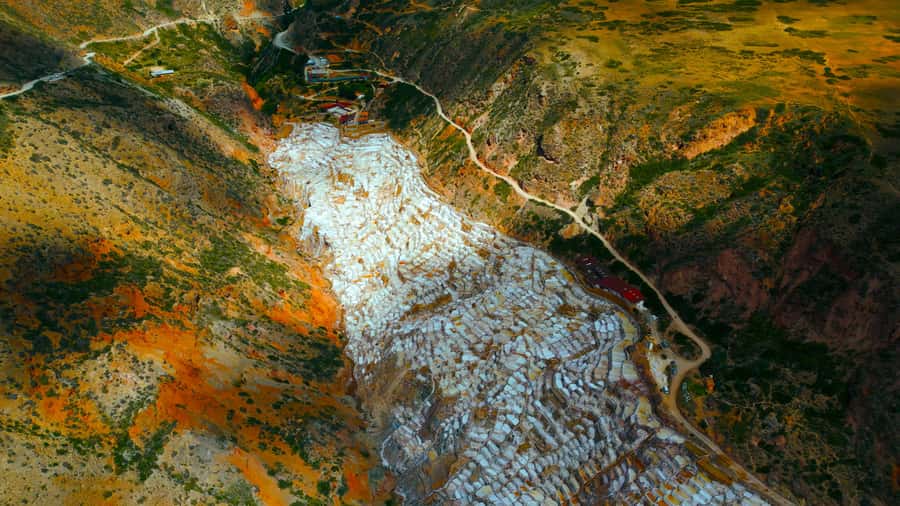
- Maras is a working salt site, not just a viewpoint: Water flows into hundreds of shallow pans, where salt is collected over time.
- Chinchero adds a craft stop: You’ll see wool colored with natural products and learn about the fabric-making process.
- The tour runs from about 8:20 am to 2:20 pm: Pickup is in Cusco’s historic center, with the return near Plaza Kusipata.
- The $14 fare is only part of the cost: Tourist transport and a bilingual guide are included, but you need 80 soles in cash for the Moray and Maras entrance tickets.
- This is a quick introduction: It suits you if you want the main sights in one morning, but not if you prefer long, unhurried visits.
Why Moray and Maras work well together
This half-day route links two sites that are close enough to visit in one morning but feel entirely different. Moray is about controlled agriculture and Inca engineering. Maras is about water, evaporation, labor, and a local product that is still collected today.
That contrast gives the outing more substance than a simple photo stop. At Moray, you look down into huge circular depressions and think about how the Inca used altitude and temperature. At Maras, you watch a natural spring feed a grid of salt ponds. One place is a puzzle from the past. The other is a living production site.
You also get a glimpse of Chinchero before reaching the main archaeological stops. It is a useful addition if you have limited time in the Cusco Region and want to see more than ruins from a vehicle window.
The pace is brisk. The full outing lasts five hours, including road time, so you should see it as a compact introduction rather than a full-day study of the Sacred Valley area.
More maras & moray tours in Cusco:
- From Cusco: Sacred Valley & Maras Salt Mines Tour with Lunch
★ 4.8 · 2,227 reviews - From Cusco: Moray, Maras Salt Mines & Chinchero Weavers Tour
★ 4.8 · 1,925 reviews - Cusco: Sacred Valley, Pisac, Ollantaytambo, Salt Mines Moray
★ 4.6 · 1,058 reviews
Starting in Cusco and riding to Chinchero
Pickup is scheduled in Cusco’s main square at about 8:20 am. Pickups are available in the historic city center. If your lodging is outside that zone, you will be given a meeting point instead, so check the pickup instructions closely.
The first vehicle ride takes about 40 minutes. You’ll be traveling by tourist transport with a bilingual Spanish and English guide. The road transfer is not the main event, but it helps connect the city with the rural highlands around Chinchero.
At this point, you’ll want water, a light layer, and cash within easy reach. The tour specifically requires 80 soles in cash for entrance tickets. Do not bury that money at the bottom of your bag.
Because the outing leaves in the morning and returns around 2:20 pm, it fits neatly beside other Cusco plans. You should still avoid scheduling a major fixed activity immediately afterward. Roads and pickup timing can vary, and the final drop-off is one block from the main square, not necessarily at your hotel.
Chinchero’s natural dyes and textile stop
The Chinchero visit takes about 30 minutes and focuses on local textile production. You’ll see how wool is colored with natural products and hear about the process used to produce the fabrics.
This stop can be genuinely useful. It gives you a basic understanding of how color and material are handled before you see woven goods for sale. If you like practical demonstrations, it adds a human side to a morning otherwise centered on ancient sites.
The stop is also the part of the route that needs the clearest boundaries. A booking report describes the textile sellers as very forceful about purchases. That does not make the demonstration worthless, but it does mean you should decide in advance how you want to handle the sales pitch.
You can enjoy the explanation without buying anything. If you are interested in purchasing a textile, ask about the material, dyeing method, and price before getting drawn into a long sales conversation. If you are not shopping, a polite and firm no thanks should be enough.
The 30-minute limit matters. You’ll get an introduction, not a full workshop or a quiet visit through a village market. Think of Chinchero as a short cultural stop that sets up the regional context.
Moray’s Inca farming circles
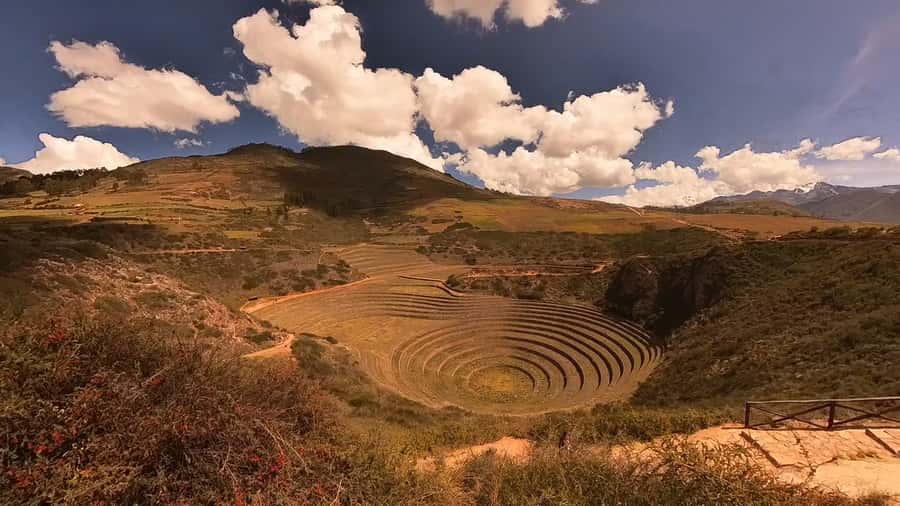
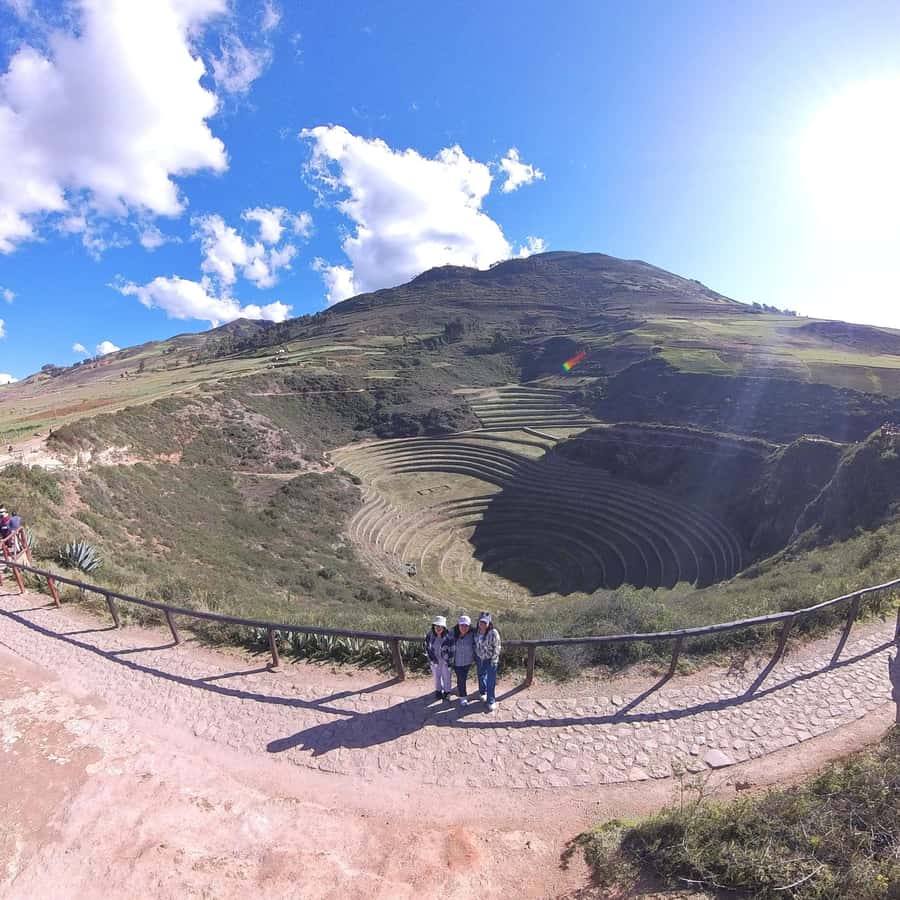
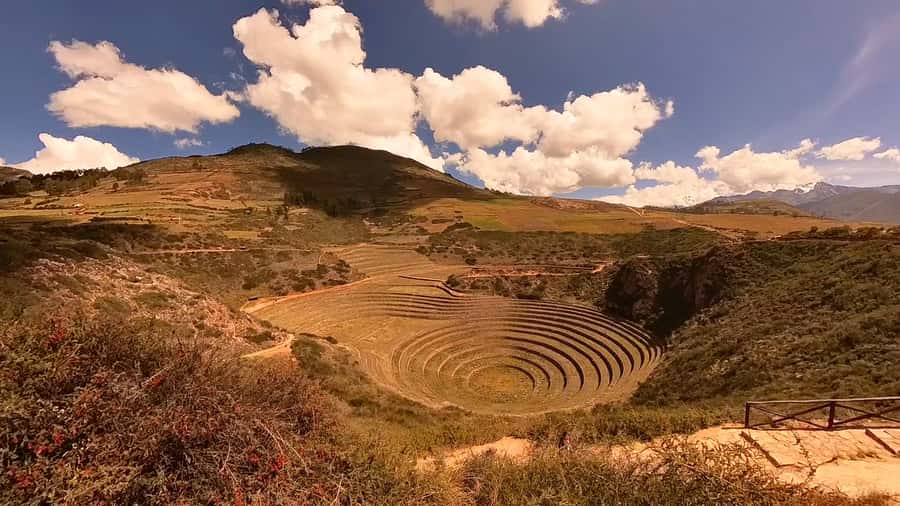
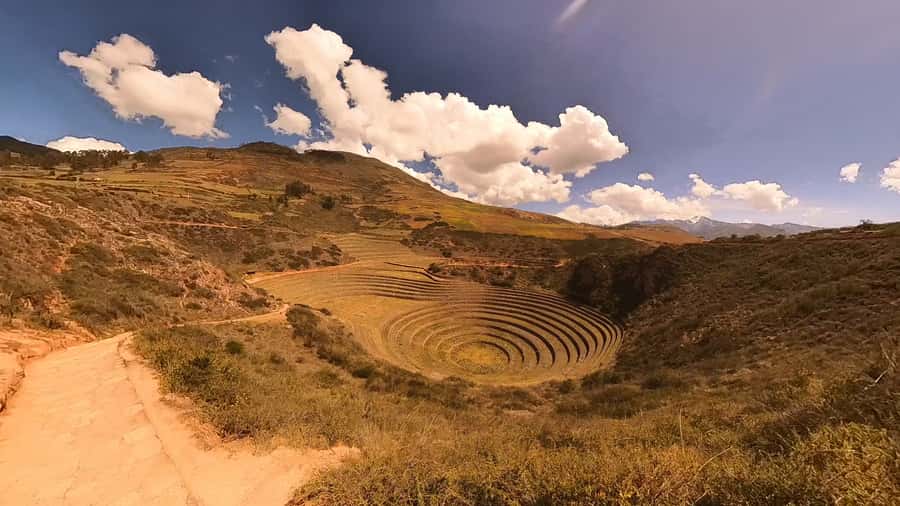
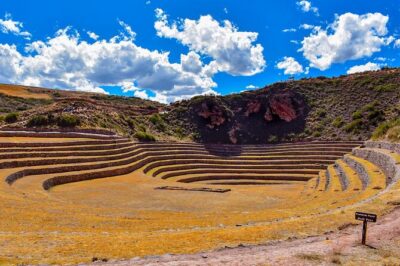
Moray is the archaeological centerpiece. The site contains broad, circular terraces descending into large bowl-shaped hollows. From above, the rings look almost too neat to be natural.
The important point is what the terraces may have done. The changing height of each level created different growing conditions, allowing Inca farmers to test plants and adapt varieties to different altitudes. The guide explains this agricultural purpose while you look across the circles.
You should pay attention to the scale. Photographs often flatten Moray into a pattern of rings. In person, the depth and careful construction make the site easier to understand. The terraces show that Inca engineering was not limited to roads, walls, and temples. It also shaped the conditions needed to grow food in a difficult mountain environment.
The scheduled visit lasts about 40 minutes. That is enough to see the main view and hear the basic explanation, especially if the group keeps moving. It is not enough for a slow walk, extended photography, or a detailed archaeological discussion.
This is one reason the tour suits first-time visitors who want a broad overview. If Moray is high on your personal list, you may wish for more time. One German booking report praised the efficient pace but still noted that some stops could have used longer visits. That is the central trade-off here: you cover more ground, but each stop is tightly managed.
Pay close attention when the guide collects the entrance money. The stated requirement is 80 soles in cash for Moray and the Maras Salt Mines. One serious customer report alleged that money was collected for Moray without a ticket being provided. I cannot establish what happened, but you can protect yourself by asking what the payment covers and requesting confirmation of the entry arrangements before handing over cash.
Same valley, a completely different kind of day:
- Cusco: Humantay Lake Tour with Breakfast and Buffet Lunch
★ 4.9 · 2,976 reviews - From Cusco: Full-Day Group Tour of Machu Picchu
★ 4.7 · 1,767 reviews - Machu Picchu Day Trip from Cusco
★ 4.5 · 1,644 reviews - Cusco: Half-Day City Tour with Sacsayhuaman and Q’enco
★ 4.6 · 1,129 reviews
The Maras Salt Mines after Moray
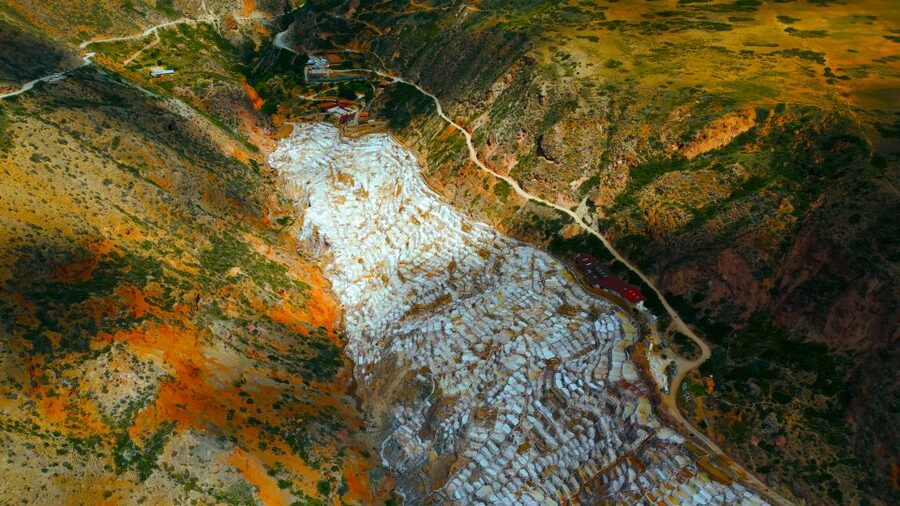
The drive from Moray to Maras takes about 45 minutes. That transfer is a substantial part of the morning, but it connects the two main sights without requiring a separate day.
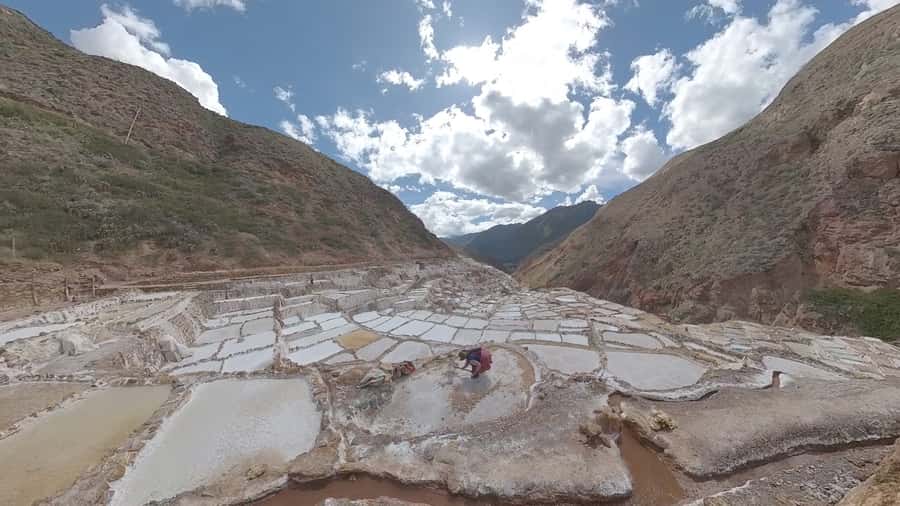
At the Maras Salt Mines, you’ll see many shallow pans arranged across the mountainside. Salt-rich water enters the pools, and evaporation leaves salt behind. Local workers have used this natural supply for centuries, and the site still has a practical purpose rather than being only an archaeological display.
The visual effect is striking. The white and pale earth-colored pools spread across the slope, while the surrounding Andean scenery gives you a sense of how high and exposed the site is. Conditions and color can change with weather and season, so your view may not match every photograph you have seen.
The visit is scheduled for about 40 minutes. That gives you time to look at the salt pans, learn how extraction works, and take photographs. It may feel short if you want to study the entire hillside or walk slowly from one section to another.
The salt mines are also where you should watch for an additional sales stop. A customer report described the group being taken to a salt shop that was not part of the advertised route, with less time left for the terraces. Another report also described several unwanted sales pitches. Since shopping can reduce your time at the actual sites, ask the guide how long the stop will last and make it clear that you want the promised sightseeing time.
What the $14 price really includes
At $14 per person, this is a budget-friendly way to reach Moray and Maras from Cusco. Private transport for the same route would usually cost more, and arranging separate transport to both sites can be inconvenient if you are unfamiliar with the area.
The price includes tourist transport and a professional bilingual guide. That is the core value. You are paying for a planned route, a vehicle, and explanations in Spanish and English rather than simply hiring a ride.
The important extra cost is the 80-sol entrance fee. It is not included, and cash is specifically required. For a fair comparison with other Cusco excursions, add that fee to the advertised price before deciding.
The tour is good value if you want the two headline sights quickly and do not mind a short craft stop. It is less attractive if you dislike organized shopping visits or want complete control over how long you spend at each archaeological site.
The rating of 4.4 from 16 bookings suggests a generally positive experience, but the score should not hide the practical concern about sales pressure. The strongest praise centers on the guide’s explanations, the appealing combination of stops, and the quick organization. The clearest criticism concerns shortened sightseeing time and unplanned shopping.
Who will enjoy this morning tour
I would recommend this outing to you if you have only a few days in Cusco and want to see Moray and Maras without giving up an entire day. It also works well if you appreciate having transport and a bilingual guide arranged for you.
It is a good fit for first-time visitors who want context rather than only photographs. The guide can connect Chinchero’s textile work, Moray’s farming terraces, and Maras’s salt production into a basic picture of how people used local materials and mountain conditions.
You should think twice if you are a serious photographer, slow walker, or archaeology enthusiast. The 40-minute visits are fixed and the group may move quickly. You may feel rushed at Moray, particularly if time is taken up by shopping.
This is also not the right choice if you want a completely independent day. The route, transport, and timing are organized for you, which makes the tour easy, but leaves little room for personal detours.
Practical advice for a smoother visit
Bring the full 80 soles in cash, plus a little extra if you want to buy something at Chinchero or the salt stop. Keep your entry money separate so you can discuss the fee clearly before payment.
Wear shoes suitable for uneven ground and bring sun protection. The supplied information does not specify the exact walking conditions, but both Moray and the salt mines are open-air mountain sites, so practical clothing makes sense.
Use the short stops wisely. At Moray, first listen to the explanation from the main viewing area, then take photographs. At Maras, look closely at how the pools are arranged and how water moves through the system, rather than treating the site as only a scenic overlook.
If you do not want to shop, say so politely at the textile and salt stops. If a sales visit begins to take longer than expected, ask when the group will return to the archaeological site. That small question can help protect your limited time.
The return is scheduled for about 2:20 pm, ending one block from Cusco’s Plaza Kusipata. This is convenient for lunch or an afternoon walk through the center.
Cancellation and language details
You can cancel up to 24 hours before departure for a full refund. The reserve-now-and-pay-later option also helps if your Cusco plans are still changing.
The live guide service is offered in Spanish and English. Pickup is included within Cusco’s historic center, while other locations receive a designated meeting point.
Should you book Moray and Maras?
Book it if you want a low-cost, five-hour route covering two of the Cusco Region’s most unusual sights. Moray’s circular agricultural terraces and Maras’s working salt pans make a strong pair, and the Chinchero textile stop adds variety.
Before booking, accept three limits: the 80-sol entrance fee is extra, the schedule is fast, and shopping pressure may occur. Confirm how the entrance money will be handled, guard your time at Moray and Maras, and do not feel obliged to purchase textiles or salt.
For a first look at these sites, the tour offers solid value. For a slower, more independent visit, choose a private arrangement or a longer excursion instead.
FAQ
How long does the Moray and Maras tour last?
The tour lasts five hours, beginning at about 8:20 am and ending around 2:20 pm.
Where does pickup take place?
Pickup is available in the historic center of Cusco, including the main square area. If your location is outside that zone, you will receive a meeting point.
What is included in the tour price?
The price includes tourist transport and a professional bilingual guide in Spanish and English.
How much cash should I bring for entrance tickets?
You should bring 80 soles in cash for entrance to Moray and the Maras Salt Mines.
How long is the visit to Chinchero?
The Chinchero arts and crafts stop lasts about 30 minutes and includes a demonstration of natural wool dyeing and textile production.
Where does the tour finish?
The tour finishes one block from Cusco’s Plaza Kusipata.
Just added around Cusco
- Waqrapukara 1 day trekking + meals★ 3.9 · 3 reviews
- Zipline over the Sacred Valley Trip★ 5.0 · 11 reviews
- Valle Sur Cusco | half day★ 4.3 · 3 reviews
- Visit to the Cochahuasi Animal Sanctuary with rescued animal★ 4.1 · 4 reviews
- Visit Pisac from Cusco: Private Transport★ 4.6 · 9 reviews
- Maras and Huaypo lagoon by ATV from Cuzco | Local Operator★ 4.7 · 4 reviews
- Trek to Humantay Lake from Cusco★ 4.9 · 8 reviews
- Trek to Choquequirao 4 days★ 3.8 · 4 reviews
Maras & Moray Tours, compared.

Sacred Valley & Maras Salt Mines Tour with Lunch
Read our review →
Moray, Maras Salt Mines & Chinchero Weavers Tour
Read our review →
Sacred Valley, Pisac, Ollantaytambo, Salt Mines Moray
Read our review →
Chinchero,Moray & Salt Mines drop-off in Ollantaytambo
Read our review →

Moray, Maras Salt Mines & Chinchero Weavers Half-Day
Read our review →Browse the lists this tour appears in