
Reviewed · LARCO MUSEUM TOURS
Lima: Larco Museum Entry Ticket
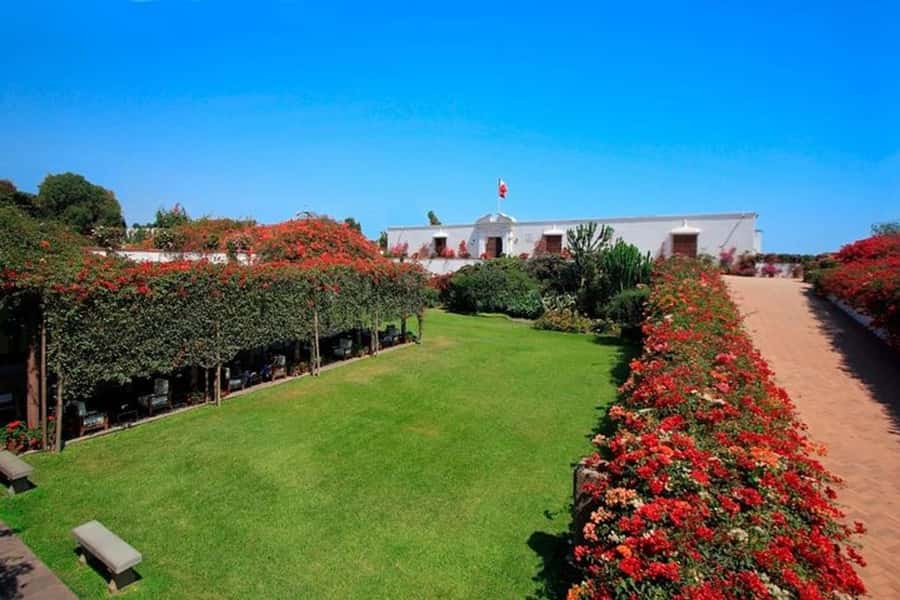
The Larco Museum puts 45,000 pieces of ancient Peruvian art inside an 18th-century vice-royal mansion, then adds gardens full of color and flowers. The collection moves from pottery and textiles to gold, silver, and a separate display of pre-Columbian erotic art. I like the clear range of cultures and objects, and I like that the setting feels as memorable as the galleries.
I also appreciate the two-hour visit, which fits neatly into a day of sightseeing in Lima. The main drawback is that food and drinks cost extra, and you must bring the correct ticket emailed the day before, not just the booking voucher.
In This Review
- Key Points To Know Before You Go
- Why the Larco Museum Deserves Time in Lima
- Entering the Restored Vice-Royal Mansion
- Seeing 45,000 Pieces Without Feeling Lost
- Moche Pottery and Scenes From Ancient Life
- Gold, Silver, and Ancient Metalworking
- Textiles With Color and Careful Craftsmanship
- The Pre-Columbian Erotic Art Collection
- Gardens, Flowers, and the Restaurant Break
- Is the $25 Ticket Good Value?
- Getting There and Handling the Ticket
- Who Will Get the Most From This Visit?
- Should You Book the Larco Museum?
- FAQ
- Where is the Larco Museum located?
- How long does the museum visit take?
- How much does admission cost?
- What does the ticket include?
- Are food and drinks included?
- What should I bring?
- Can I enter with the GetYourGuide voucher?
- Can I bring luggage or a large bag?
- Where do I enter the museum?
- Can I cancel the booking?
Key Points To Know Before You Go
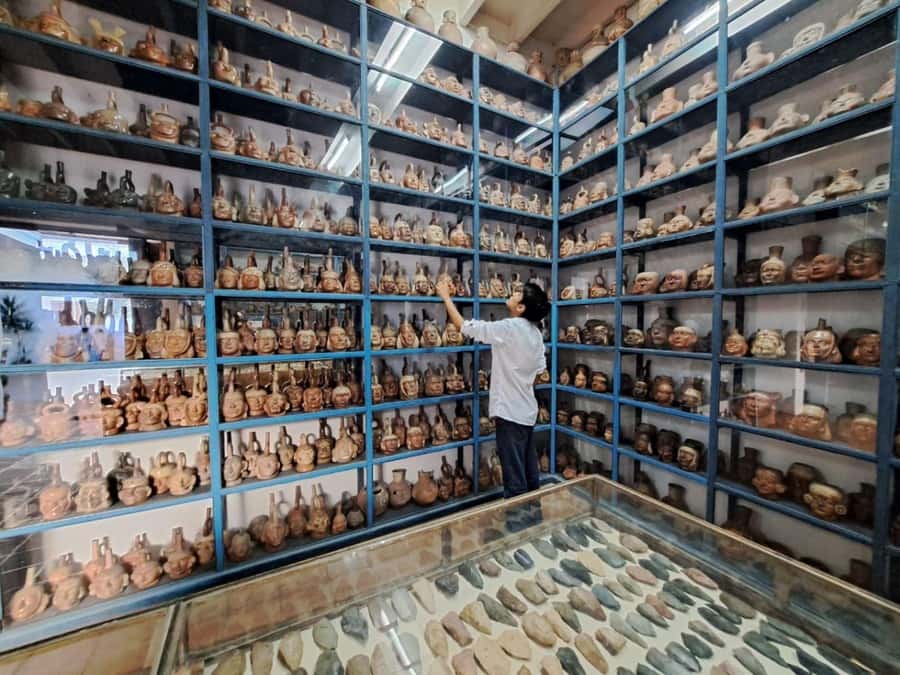
- 45,000 ancient Peruvian artifacts: See pottery, textiles, jewelry, ceremonial objects, gold, and silver from several pre-Columbian cultures.
- Moche pottery with human detail: Look for vessels showing daily life, ceremonies, and subjects that can be surprisingly direct.
- A dedicated erotic art collection: This gallery presents sexuality as part of pre-Columbian symbolism and culture.
- An 18th-century mansion and gardens: The setting gives the museum a calm, handsome character beyond the objects indoors.
- About two hours on site: The visit offers a useful introduction without taking over your entire Lima itinerary.
- Ticket details matter: Enter at the main gate with the ticket sent by email the day before, and bring your passport or ID card.
Why the Larco Museum Deserves Time in Lima
Many museums ask you to imagine the world around an artifact. The Larco Museum helps by placing a wide range of objects together, so you can compare materials, artistic styles, and uses as you move through the galleries.
You can expect a broad look at Peru before Spanish rule. The collection covers pottery, textiles, precious metals, jewelry, and ceremonial items. That range matters because ancient societies did not express themselves through one art form alone. A painted vessel might reveal daily life, while a gold ornament points to status, ritual, or technical skill.
I would set aside two hours for the visit. That gives you time to look closely without rushing every case. If you read every explanation carefully, you may want longer, but the suggested duration works well for a first visit.
The museum also gives you a change of pace from Lima’s streets. Inside, you have displays and historical context. Outside, the flowers and gardens offer a quiet place to pause. One verified booking described the museum as beautiful both inside and outside, with colorful flowers and a small restaurant attached. That detail is useful if you want a break after the galleries.
More larco museum tours in Lima:
- Larco Museum, Pisco Old Tavern and Magic Water Circuit Evening Tour
★ 4.5 · 66 reviews - Lima in a Day: City Sightseeing Tour, Larco Museum and Magic Water Circuit
★ 4.5 · 63 reviews - Lima´s Vibrant Heritage & Larco Museum of Cultures Half Day Tour
★ 5.0 · 48 reviews
Entering the Restored Vice-Royal Mansion
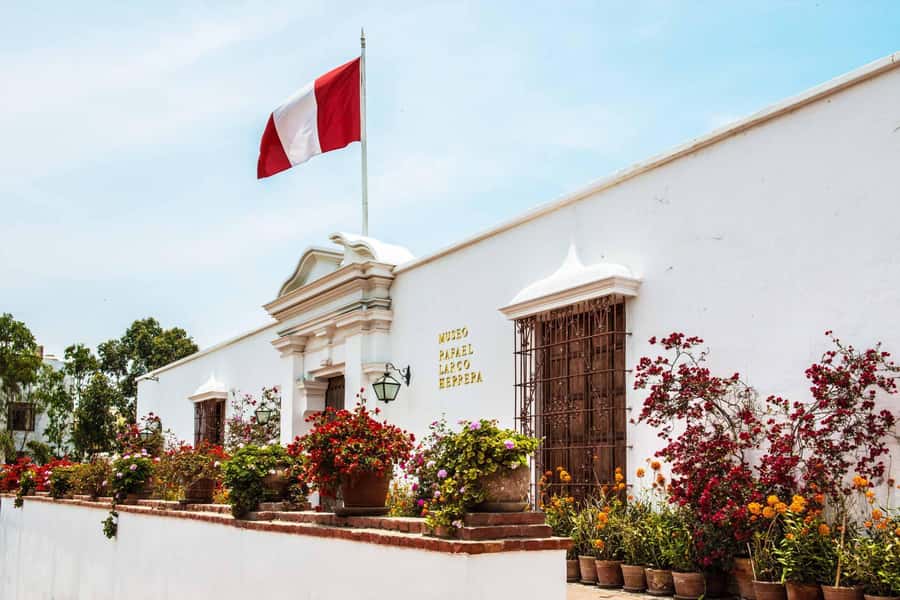
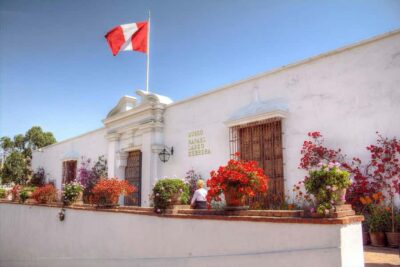
The building is part of the experience, not just a container for the collection. The Larco Museum occupies a restored 18th-century vice-royal mansion, giving the visit an older, more intimate setting than a modern exhibition hall.
As you enter, take a moment to notice how the rooms and outdoor areas shape your visit. The mansion gives the objects a sense of place, while the gardens soften the transition between galleries. I like this combination because you are not simply moving from one display case to another. The architecture and planting create useful pauses.
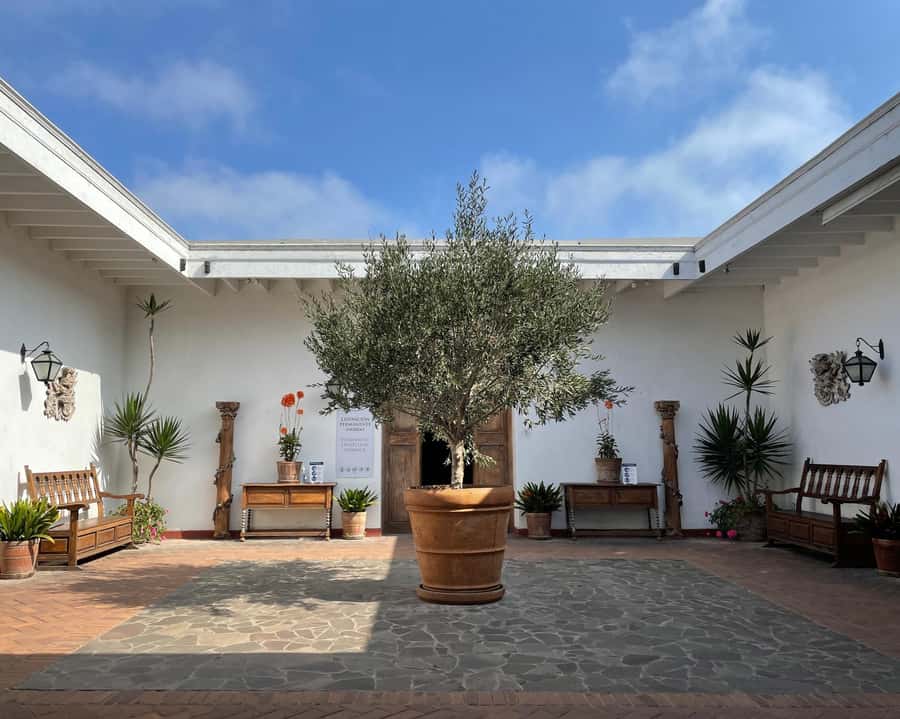
The garden area is also practical. Two hours of concentrated looking can tire you, especially when many pieces have detailed explanations. A short pause outdoors helps you reset before returning to the collection or heading to the attached restaurant.
Do not expect the mansion alone to explain every period of Peruvian history. Its main value is atmosphere and setting. The educational work comes from the objects and their accompanying information.
Seeing 45,000 Pieces Without Feeling Lost
A collection of 45,000 artifacts sounds enormous, but you will not see every piece during a normal two-hour visit. The point is to encounter the museum’s main themes and standout types of art, not to count your way through the entire collection.
Start with the broad picture. Ancient Peru was home to different cultures and civilizations, each with its own artistic language and traditions. The museum gives you a chance to see those differences through the materials people used and the subjects they chose to portray.
The pottery deserves close attention. Moche ceramics are especially important here, with detailed scenes of daily life and ceremonial practices. Some vessels show people, animals, activities, and expressions with unusual care. Others can be provocative. Instead of treating them as simple decoration, look at the information provided beside them and consider what each object may reveal about social life and belief.
This is where the museum works best for curious visitors. You can enjoy the shapes and colors at a glance, then pause when a scene catches your eye. The collection rewards both quick viewing and slower study.
The large number of pieces can also feel like a lot. If you try to inspect everything, the final galleries may blur together. I suggest choosing a few areas that matter most to you, then giving those sections your attention.
Moche Pottery and Scenes From Ancient Life
The Moche pottery collection is one of the most compelling parts of the visit because it brings human subjects into the artwork. Rather than showing only abstract patterns, these pieces often depict people, ceremonies, and everyday activities.
That makes them easy to connect with, even when the culture is unfamiliar. A vessel can show how artists observed the body, clothing, behavior, and ritual. The craftsmanship is not only technical. It also reflects decisions about what was important enough to record in clay.
Some Moche pieces are frank and sexually explicit. That may surprise you, but it is part of the museum’s wider message: ancient Peruvian art covered subjects that modern displays sometimes separate or soften. The museum gives these objects a cultural setting instead of presenting them only as curiosities.
You should allow yourself time in this section. Details can be small, and the most interesting feature may not be obvious from several steps away. Families and school-age children may want to know in advance that the museum includes a dedicated erotic art collection.
A few more Lima trips to weigh up
- Pachacamac’s Inka Pyramids Tour including Museum Small-Group
★ 5.0 · 65 reviews - From Lima: Pachacamac Inka Pyramids & The Larco Museum Tour
★ 4.8 · 43 reviews - Lima: Huaca Ruins and Larco Museum at Night with Dinner
★ 4.9 · 35 reviews - Lima city tour: Larco Museum and Huaca Pucllana
★ 4.8 · 33 reviews
Gold, Silver, and Ancient Metalworking
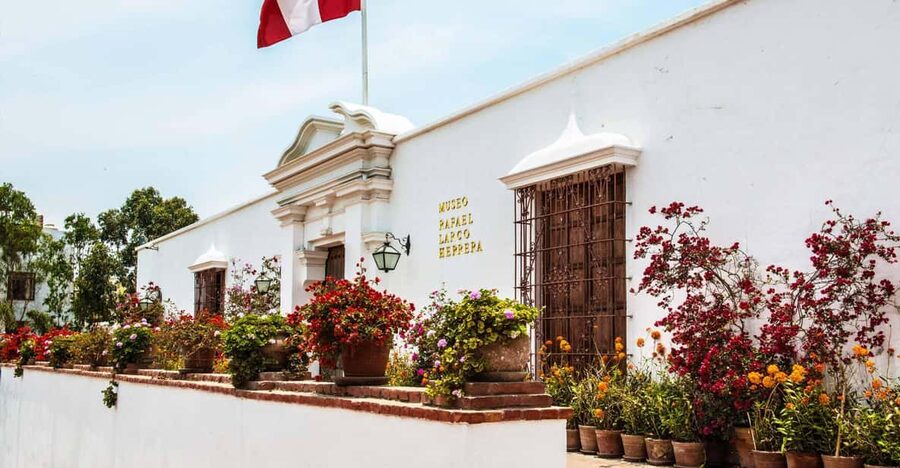
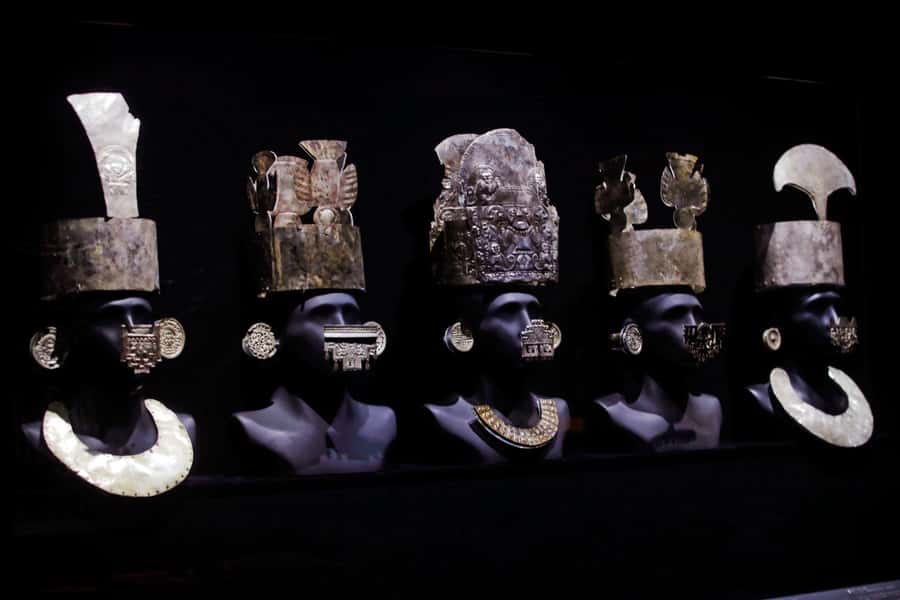
The gold and silver objects provide a different kind of experience. Pottery shows the skill of shaping and painting clay, while precious-metal pieces reveal the technical ability and social importance of metalwork.
You might find elaborate jewelry and ceremonial items in this part of the collection. Their materials signal that they were not ordinary household objects. Gold and silver could mark status, support ritual, or communicate power through form and shine.
I find it useful to look beyond the obvious sparkle. Ask what the object was meant to do, who might have worn or handled it, and why a society devoted time and valuable materials to its creation. The displays and explanations help place the pieces within the cultures that produced them.
The drawback is familiar with any museum collection heavy on precious metals: a case of small objects can demand close attention. If you are tired or moving too quickly, you may miss the fine work. Slow down for a few key pieces rather than trying to absorb every item.
Textiles With Color and Careful Craftsmanship
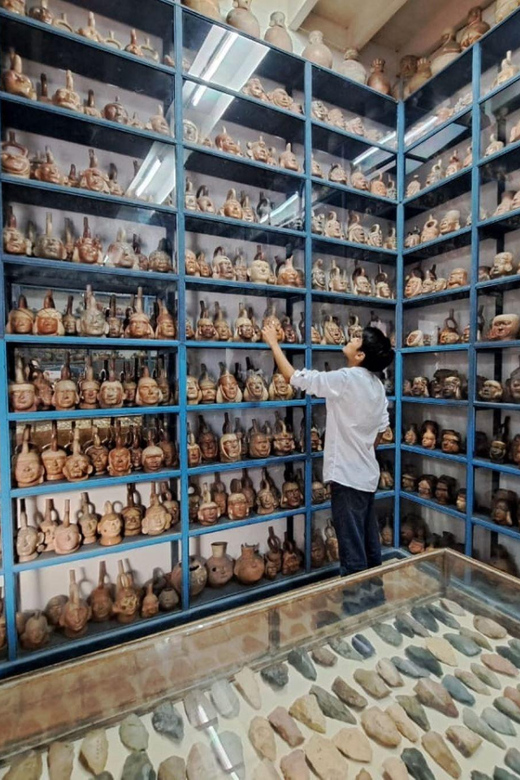
The textile collection shows another side of ancient Peruvian creativity. Weaving requires planning, patience, and control of pattern, color, and fiber. These pieces can look delicate, but their design carries information about craftsmanship and tradition.
Textiles are easy to overlook after the bright metal displays, so give them a deliberate stop. Notice the patterns and colors, then read the explanations for context. The collection shows that ancient Peruvian art was not limited to pottery or precious objects.
You may find this section especially rewarding if you enjoy fashion, design, or handcraft. It also helps balance the collection. Metal objects can feel formal and ceremonial, while textiles bring attention to materials that were part of daily use and cultural identity.
The available details do not specify individual textile types or materials, so I would avoid arriving with a fixed checklist. Let the displays guide you and focus on the visible workmanship.
The Pre-Columbian Erotic Art Collection
The erotic art collection is one of the museum’s most distinctive features. It offers a direct look at how sexuality appeared in pre-Columbian art, including its symbolic and cultural meaning.
This is not a side issue hidden among unrelated objects. The museum presents the erotic material as its own collection, making it easier to understand the subject within a broader cultural frame. The Moche pottery section also includes provocative depictions, so the theme may appear more than once during your visit.
I recommend treating this gallery as an important cultural exhibit rather than a novelty stop. The objects can challenge modern assumptions about what ancient societies chose to represent. Their value lies in what they reveal about ideas, rituals, bodies, and social life.
It is also the one part of the museum you should consider before booking if you are visiting with children or anyone who may prefer to skip sexually explicit imagery. The supplied information does not give an age policy, so you should use your own judgment.
Gardens, Flowers, and the Restaurant Break
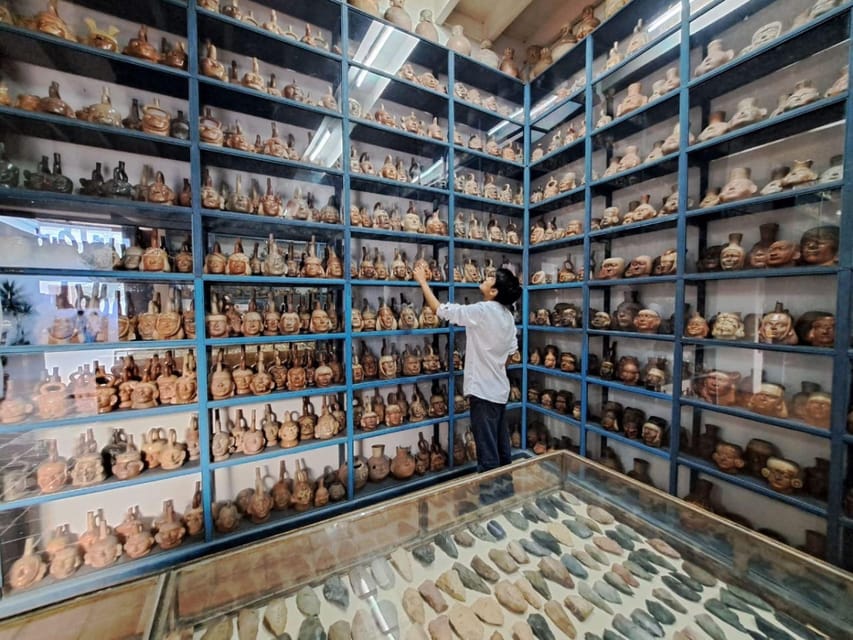
The gardens give the museum a welcome outdoor dimension. After examining cases and reading labels, you can step outside among flowers and take a quieter look at the mansion.
This part of the visit is not a separate tour or formal activity. It is simply a pleasant setting that makes the museum easier to enjoy at a relaxed pace. I would use it as a natural pause between gallery sections, especially if you plan to spend the full two hours on site.
A small restaurant is attached to the museum. Food and drinks are not included in the $25 admission, but having an on-site option can be convenient. You can decide after the visit instead of arranging another stop immediately.
Do not count on the restaurant as part of the ticket. It is an extra purchase, and the entry price covers museum admission only.
Is the $25 Ticket Good Value?
At $25 per person, this is not a bargain-basement museum stop. The value comes from the scale and variety of the collection, the special erotic art section, and the attractive historic setting.
I think the price makes sense if you want one strong introduction to pre-Columbian Peru. You are not paying only to see a few famous objects. You are getting access to a collection of 45,000 artifacts, with pottery, textiles, gold, silver, jewelry, and ceremonial pieces presented in one place.
The two-hour duration also helps the value calculation. You can fit the museum into a larger Lima day without giving up an entire afternoon. If you are mainly interested in modern art, food, or Lima’s colonial streets, the ticket may feel less essential. If ancient Peruvian culture is high on your list, it is easier to justify.
The ticket includes entry only. Food and drinks cost extra, and no guide is named in the supplied details. Plan on exploring the museum independently unless your booking provides additional arrangements.
Getting There and Handling the Ticket
The meeting point is simple: use the museum’s main gate. The location is in Lima Province at coordinates -12.0722329, -77.07063459999999.
Bring your passport or ID card. Large bags and luggage are not allowed, so leave bulky items elsewhere before arriving. This is especially important if you are visiting between hotel checkout and an onward journey.
You receive the entry ticket by email the day before the activity. The GetYourGuide voucher confirms your booking but is not the document that grants access to the museum. Save the emailed ticket where you can open it quickly at the gate.
The experience offers skip-the-ticket-line entry, which can save time at arrival. Starting times depend on availability, so check the calendar before committing to a tight schedule.
You can cancel up to 24 hours in advance for a full refund, and you can reserve now while paying later. Those terms are helpful if your Lima plans are still shifting.
Who Will Get the Most From This Visit?
I would recommend the Larco Museum to anyone who wants a serious look at ancient Peru without signing up for a long guided excursion. History fans will find plenty of material, while art lovers can focus on form, color, technique, and subject.
It also suits you if you prefer self-paced sightseeing. The two-hour visit lets you choose how much time to give pottery, textiles, precious metals, and erotic art. The mansion and gardens make the experience less demanding than a large, modern museum with endless rooms.
Families should consider the erotic collection before arrival. The museum may still suit older children, but the supplied information does not provide a recommended age or content guidance.
You should think twice if your luggage is with you, since large bags are not allowed. You should also confirm that you have the emailed ticket before leaving for the museum.
Should You Book the Larco Museum?
Book it if you want one well-rounded stop devoted to pre-Columbian Peru. The combination of 45,000 artifacts, detailed Moche pottery, textiles, gold, silver, erotic art, a vice-royal mansion, and gardens gives you more than a quick photo opportunity.
At $25, it is best for you if the subject matters enough to justify a dedicated museum visit. The ticket is less compelling for a short Lima stay focused on other themes, but the two-hour format makes it easy to add to a busy itinerary.
My practical advice is simple: reserve a time that leaves room to explore without rushing, bring your ID, keep luggage to a minimum, and watch for the separate ticket email. If ancient Peruvian art interests you, this is a strong and convenient choice.
FAQ
Where is the Larco Museum located?
The museum is in Lima Province, Peru. The listed coordinates are -12.0722329, -77.07063459999999.
How long does the museum visit take?
The stated duration is two hours. Starting times depend on availability.
How much does admission cost?
The price is $25 per person.
What does the ticket include?
The ticket includes entry to the museum.
Are food and drinks included?
No. Food and drinks are not included in the admission price.
What should I bring?
Bring your passport or ID card. You should also have the entry ticket sent by email the day before.
Can I enter with the GetYourGuide voucher?
The GetYourGuide voucher confirms your booking but is not valid for entry. Use the ticket emailed to you the day before.
Can I bring luggage or a large bag?
No. Luggage and large bags are not allowed.
Where do I enter the museum?
Enter through the museum’s main gate and show the ticket sent by email.
Can I cancel the booking?
Yes. You can cancel up to 24 hours in advance for a full refund. You can also reserve now and pay later.
Just added around Lima
- Guided Tours in Colonial and Modern Lima★ 5.0 · 54 reviews
- Full Day Pilgrims★ 5.0 · 28 reviews
- Lima Airport Transfers by SUV/Van★ 5.0 · 34 reviews
- Sandboarding and Off Road in Lima (National Park Lomas de Ancón)★ 5.0 · 54 reviews
- Tour Miraflores + Fotografía Profesional★ 5.0 · 47 reviews
- In Lima: Sandboarding Off Road Half Day!!★ 5.0 · 36 reviews
- Full day PRIVATE to Paracas, Ica and Huacachina from Lima All Inclusive and Lunch★ 5.0 · 55 reviews
- Lima City tour and Catacombs Museum (04 hours) Private Tour with guide in Lima★ 5.0 · 32 reviews
Larco Museum Tours, compared.
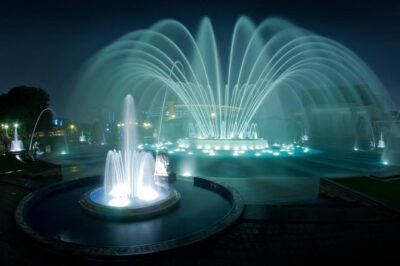
Larco Museum, Pisco Old Tavern and Magic Water Circuit Evening Tour
Read our review →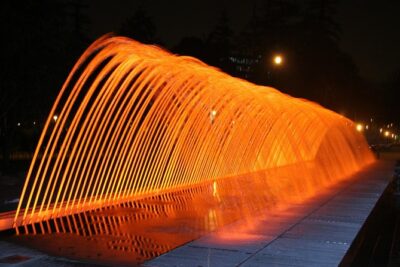
Lima in a Day: City Sightseeing Tour, Larco Museum and Magic Water Circuit
Read our review →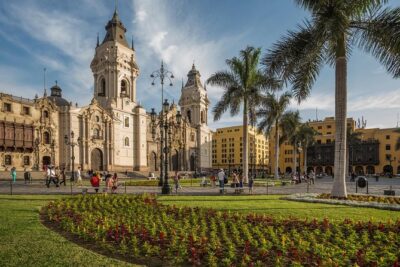
Lima´s Vibrant Heritage & Larco Museum of Cultures Half Day Tour
Read our review →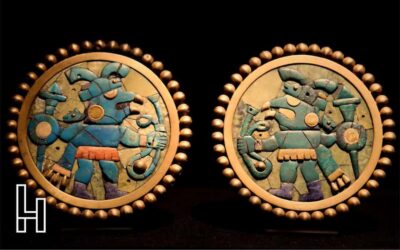
Pachacamac Inka Pyramids & The Larco Museum Tour
Read our review →
Huaca Ruins and Larco Museum at Night with Dinner
Read our review →
Larco Museum Entry Ticket & Guided Tour with Pickup
Read our review →Browse the lists this tour appears in