
Reviewed · SACRED VALLEY TOURS
From Cusco: Chinchero, Moray, Maras, Ollantaytambo, Pisaq
The best thing about this Sacred Valley tour is its wide sweep. In one long day, you see Inca terraces, a working salt-mining tradition, royal enclosures, a cemetery, and the soaring stonework of Ollantaytambo. Chinchero and Maras also bring local life into the picture, not just old ruins.
I like the bilingual guide and the vehicle limited to 18 people, which make a packed route easier to manage. I also like the Andean buffet lunch in Urubamba, especially for anyone who wants a proper meal rather than a quick snack between sites.
The tradeoff is clear: this is a fast-moving day with many stops. You get a strong first look at the Sacred Valley, but the guided visits are short, so anyone who prefers slow walks and long photo breaks may find the pace rushed.
In This Review
- Key points to know before booking
- Why this route works for a first Sacred Valley visit
- Chinchero: alpaca fiber, textiles and an Inca enclosure
- Moray’s circular terraces and the agricultural puzzle
- Maras Salt Mines: an ancient process still in use
- Urubamba lunch breaks up the long day
- Ollantaytambo Fortress and the most imposing stonework
- Pisaq: terraces, cemetery and royal enclosures
- Transport, timing and the real cost
- Who will enjoy this Sacred Valley day trip
- Practical ways to make the day better
- Should you book this tour?
- FAQ
- How long does the tour last?
- Which places are included?
- Is hotel pickup included?
- Where does the tour end?
- Is lunch included?
- Are entrance fees included?
- What languages are available?
- How many people can ride in the vehicle?
- Can I cancel the booking?
Key points to know before booking
- Six major stops in one day: Visit Chinchero, Moray, Maras, Ollantaytambo and Pisaq, with a textile center added to the route.
- A working tradition at Maras: More than 4,000 salt pits are still linked to local salt production.
- Only 18 seats: The tourist vehicle has a maximum capacity of 18 people, smaller than a large coach.
- Lunch is included: Urubamba provides a 40-minute Andean buffet with a vegetarian option.
- Entrance fees are extra: Budget 70 soles for the tourist ticket and 20 soles for the Maras Salt Mines.
- A long but efficient day: The tour lasts about 12 hours and ends near Cusco’s Plaza de Armas.
Why this route works for a first Sacred Valley visit
The Sacred Valley is not one single ruin. It is a long region filled with agricultural terraces, mountain settlements, Inca ceremonial sites and living traditions. This route gives you a useful overview of several different sides of it.
You begin in the high country near Cusco, then travel through several parts of the valley before returning to the city. The route is designed for variety rather than depth. Instead of spending half a day at one archaeological site, you collect a series of distinct experiences.
That makes the tour especially useful if you have limited time in Cusco. It can also help you decide which places deserve a longer return visit. The downside is the clock. The schedule allows about one hour at Chinchero, 30 minutes at Moray, 40 minutes at the salt mines, 40 minutes at Ollantaytambo and 40 minutes at Pisaq, before adding the road time between them.
The guide provides explanations in English or Spanish, and the route includes a first-aid kit. The vehicle carries no more than 18 people, a practical middle ground between a private outing and a large group tour.
More sacred valley tours in Cusco:
- From Cusco: Sacred Valley & Maras Salt Mines Tour with Lunch
★ 4.8 · 2,227 reviews - From Cusco: Moray, Maras Salt Mines & Chinchero Weavers Tour
★ 4.8 · 1,925 reviews - Cusco: Sacred Valley, Pisac, Ollantaytambo, Salt Mines Moray
★ 4.6 · 1,058 reviews
Chinchero: alpaca fiber, textiles and an Inca enclosure
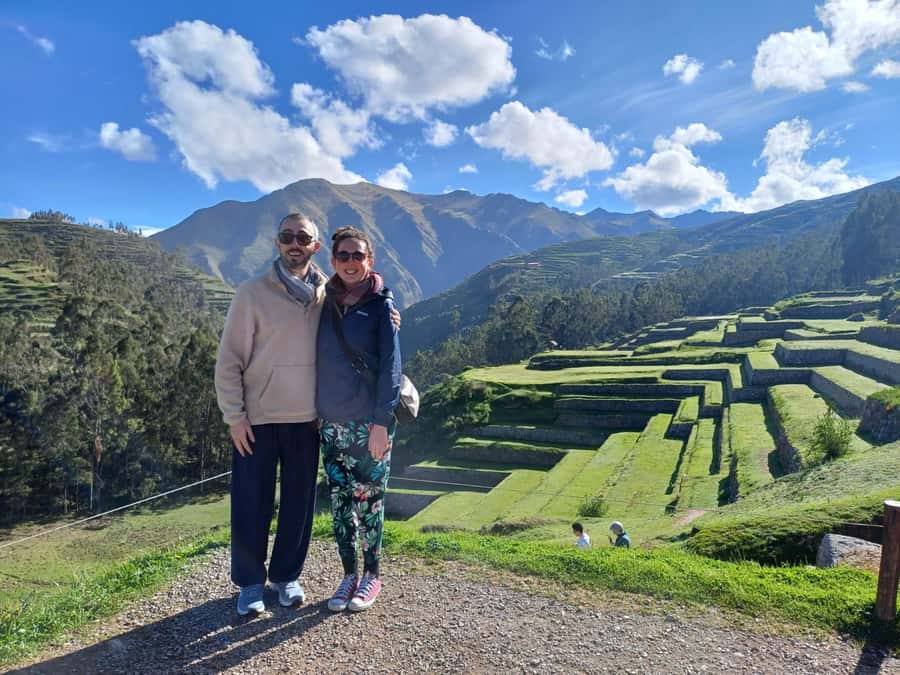
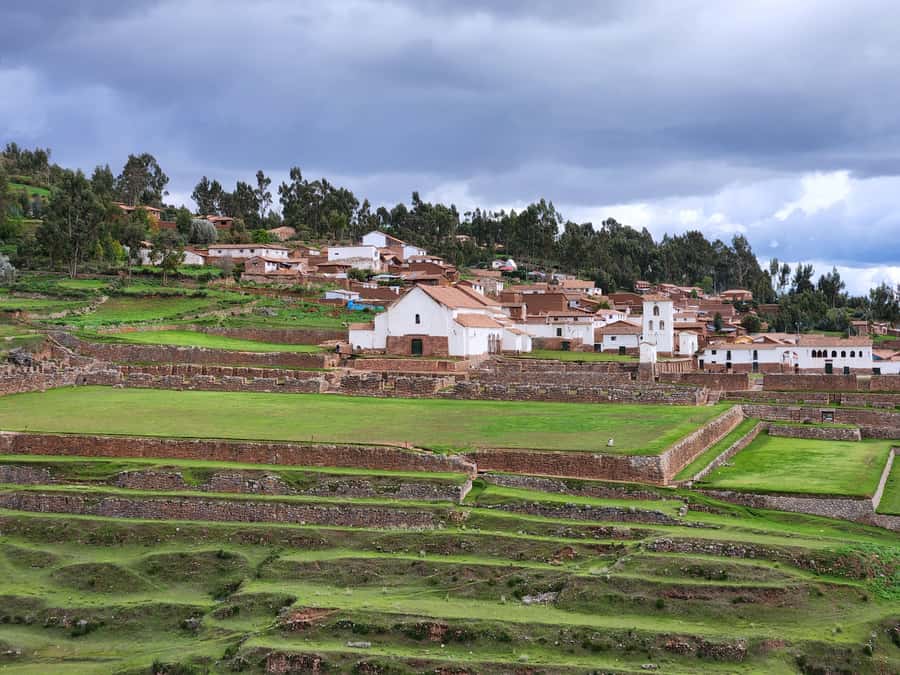
The first major stop is Chinchero, about an hour from Cusco by road. The visit begins at a textile center, where you learn how alpaca fiber is turned into textiles.
This part matters because it connects the ancient sites with present-day skill. You are not only looking at stones and terraces. You see how local craft remains part of the area’s economy and cultural identity. The explanations cover the textile-making process, and there is time to look at the finished work.
After the textile center, the tour moves to the archaeological site of Chinchero. Your guide explains the site and points out the enclosure associated with the Inca ruler Tupac Yupanqui. The stop combines an archaeological visit with a look at Quechua craft traditions, giving the day a more human focus from the start.
The scheduled visit is about an hour. That is enough for a guided introduction, but not for an unhurried study of every section. If you want extensive time at the textile center or detailed photography, keep your expectations modest.
Moray’s circular terraces and the agricultural puzzle
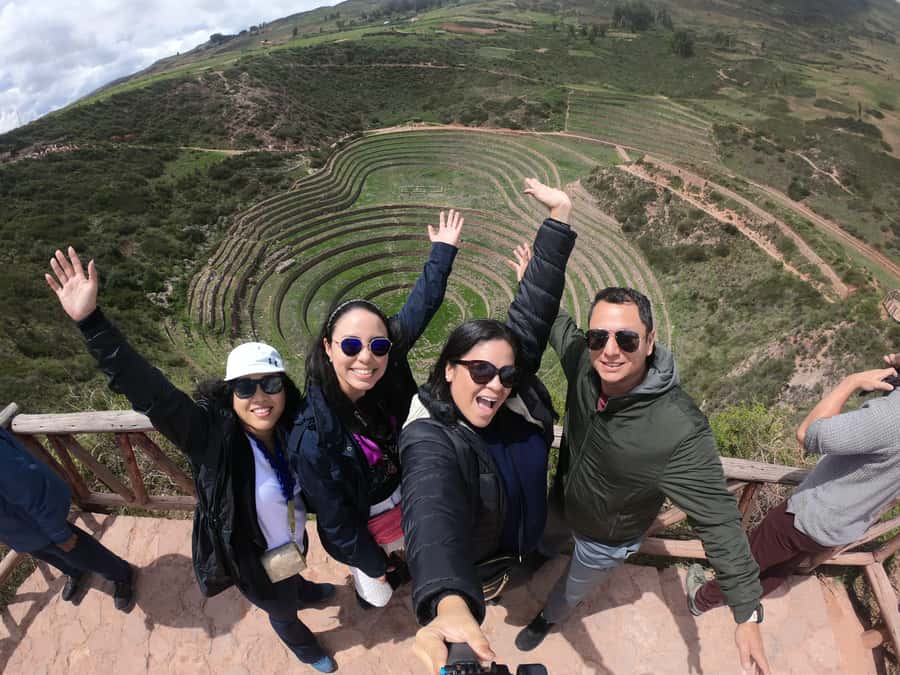
From Chinchero, the vehicle continues for around 30 minutes to Moray. The site is best known for its huge circular terraces, which sink into the ground in a series of broad rings.
Moray is considered an experimental agricultural laboratory. The terraces create different levels within the circular formations, and this unusual design is one reason the site attracts so much attention. Your guide explains how the Incas may have used the area for agricultural study and production.
You have about 30 minutes here. That is enough to see the main formations and hear the explanation, but the stop is short compared with the time spent on the road. Wear shoes that feel secure, since the route involves walking around an archaeological site rather than viewing it from a bus.
Moray is one of the tour’s most visually striking stops. The circles are easy to understand at a glance, even if the larger questions about their exact use are more complex. I would treat this as a strong introduction, not a full archaeological study.
Maras Salt Mines: an ancient process still in use
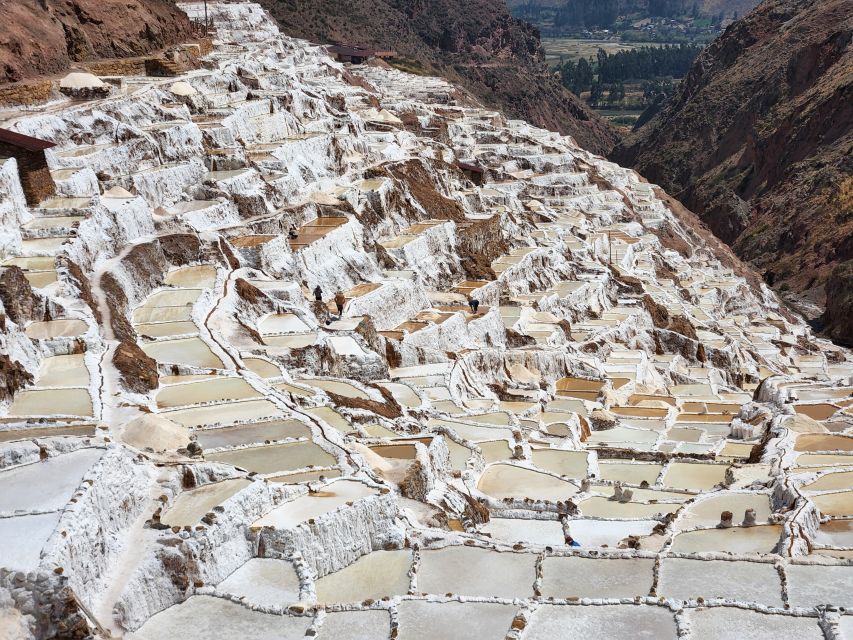
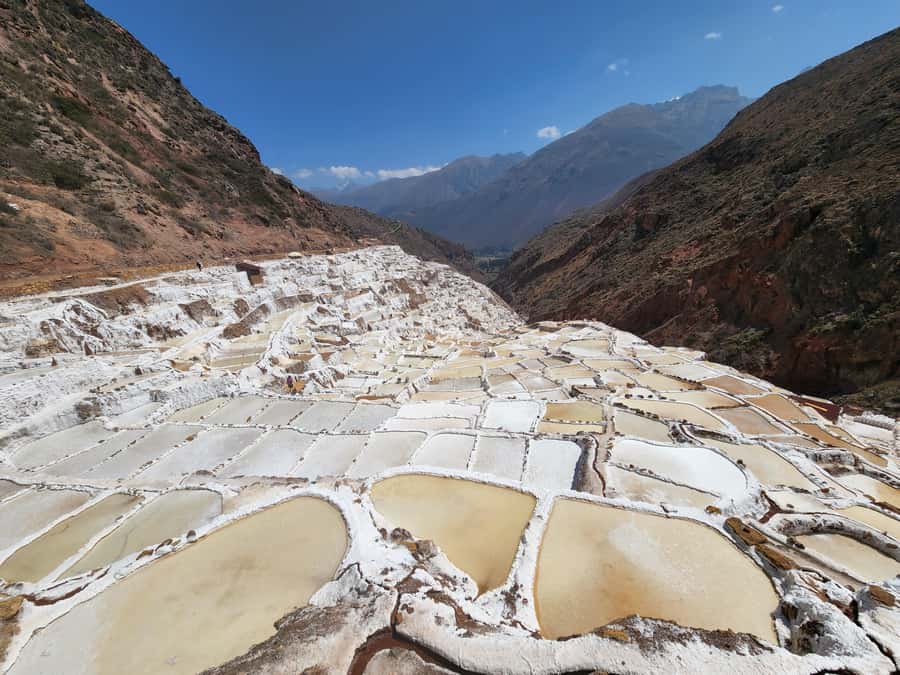
Near Moray, the tour continues to the Maras Salt Mines. More than 4,000 small pits spread across the mountainside, where salt is extracted from naturally salty water.
The process is the point of the visit. Water flows into the pits and evaporates, leaving salt behind. Local people continue the tradition today, so Maras is both an archaeological and working site. The visit gives you a direct look at how an old method remains useful in the present.
The guided stop lasts about 40 minutes. Your guide explains the extraction process, and you have time to view the many small salt pans arranged across the slope. The sight is very different from Moray, which helps keep this full-day route from feeling repetitive.
The Maras entrance fee is not included. Set aside 20 soles for it, in addition to the 70 soles tourist ticket. Drinks and snacks are also extra, so carrying some local currency is sensible.
More maras & moray tours in Cusco:
- Cusco:Chinchero,Moray & Salt Mines drop-off in Ollantaytambo
★ 4.8 · 793 reviews - Sacred Valley: Chinchero, Moray, Ollantaytambo & Pisac+Lunch
★ 4.8 · 501 reviews - Sacred Valley: Maras & Moray by Quad Bike from Cusco
★ 4.6 · 418 reviews - From Cusco: Quad bike tour Moray and Salt Mines
★ 4.7 · 314 reviews
Urubamba lunch breaks up the long day
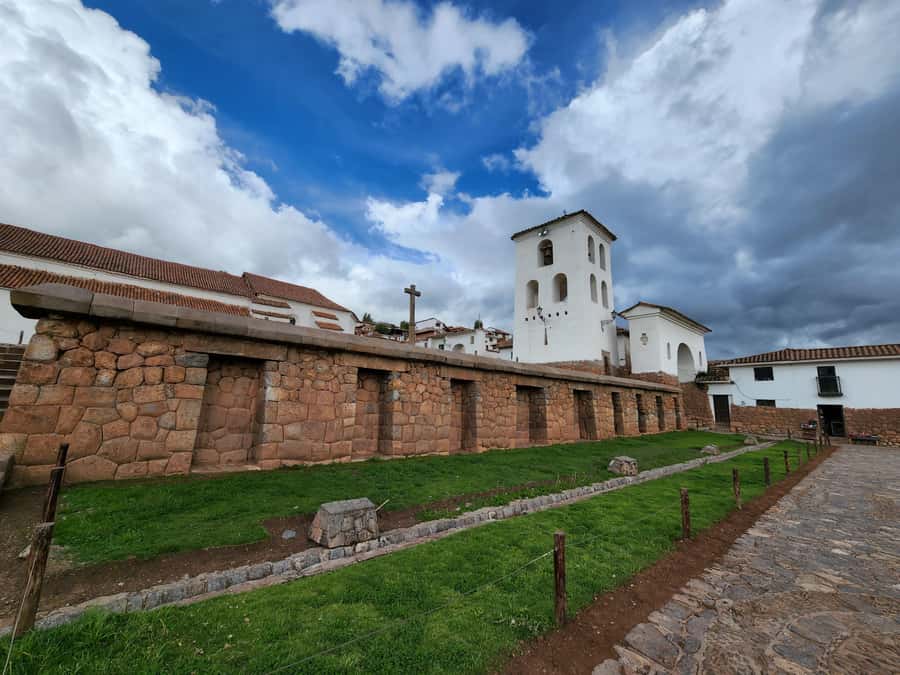
After Maras, you travel for about 30 minutes to Urubamba for a 40-minute Andean buffet lunch. A vegetarian option is available.
This is a useful pause. By this stage, you have already spent several hours moving between sites, walking, listening and taking photographs. A seated meal gives you time to reset before the afternoon visits.
The buffet format also works well for a mixed group. You can choose what suits you instead of waiting for one fixed dish, and the vegetarian option makes the meal easier for different diets. Do not expect a long restaurant stop, though. Forty minutes is enough for lunch, but not for a leisurely meal.
Drinks are not included. If you want something beyond the buffet, plan to pay separately.
Ollantaytambo Fortress and the most imposing stonework
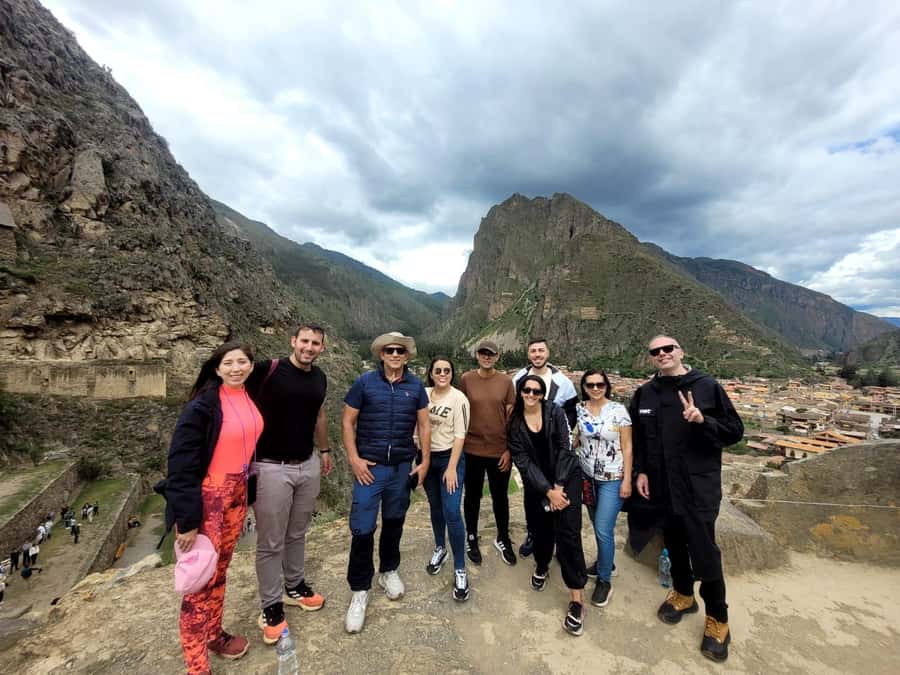
After lunch, the route heads to Ollantaytambo, one of the day’s major highlights. The archaeological site includes the fortress and its main enclosures, with large Inca constructions rising above the settlement.
Ollantaytambo was built as a major fortress to defend the entrance toward Machu Picchu. That purpose helps explain the site’s commanding position and heavy stonework. The guide puts the structures into context while you walk through the main areas.
The scheduled visit is about 40 minutes. You will see the principal enclosures and get a useful introduction, but the site deserves more time than the schedule allows if you like architecture or want to examine the stonework closely.
This is also the stop most likely to make you wish for a slower tour. The scale of Ollantaytambo is impressive, and the visit can feel brief. Still, including it in a single-day route adds real value because it is a very different experience from the smaller terraces at Moray or the salt pans at Maras.
Pisaq: terraces, cemetery and royal enclosures
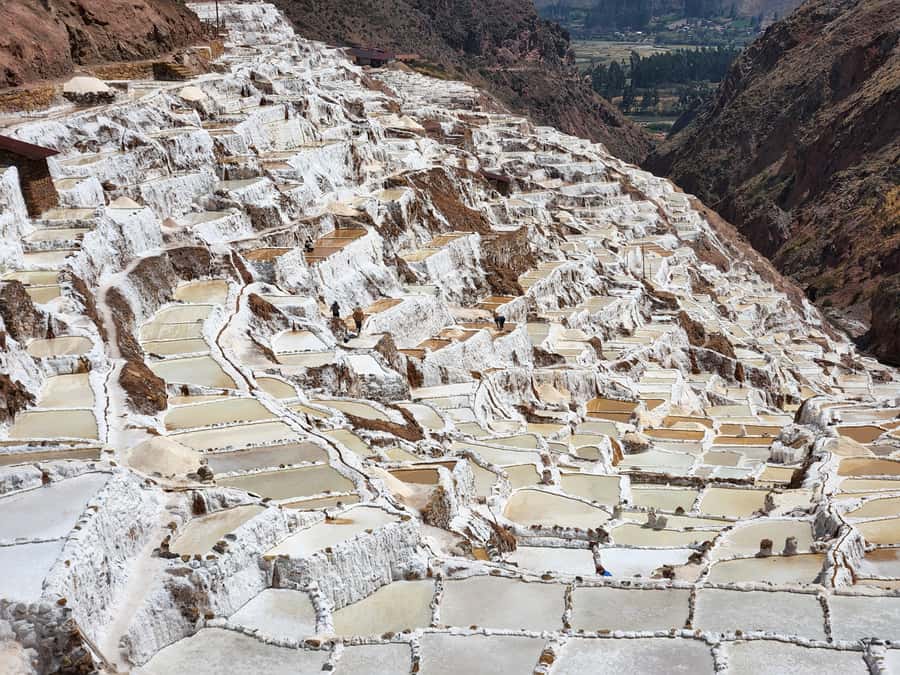
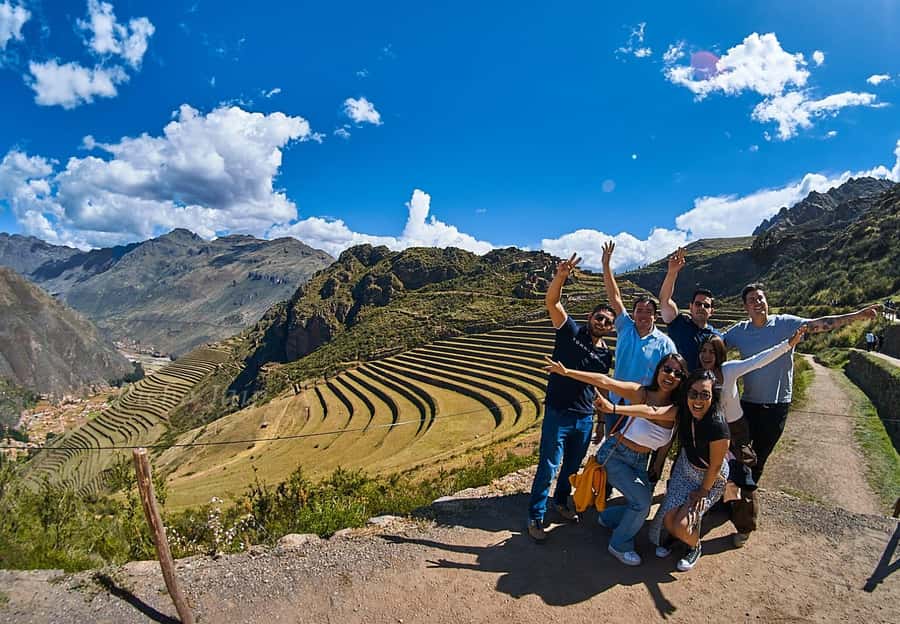
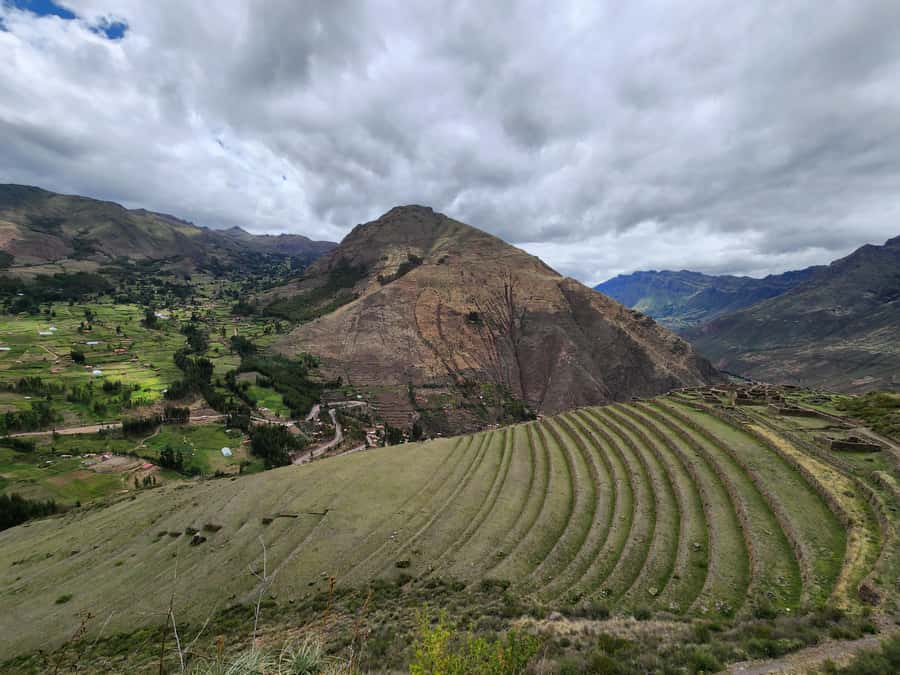
The final archaeological stop is Pisaq. Here, you visit agricultural terraces, an Inca cemetery and enclosures linked to Inca royalty.
Pisaq helps you see how the Incas organized a settlement across difficult mountain terrain. The terraces show the agricultural side of the site, while the cemetery and royal areas point to social and ceremonial life.
The guided visit lasts around 40 minutes. That gives you a clear overview, but the site’s range means you will not inspect every section in detail. The combination of terraces, cemetery and royal enclosures makes Pisaq a worthwhile final stop, though you may be tired by then.
The order also means the day ends with another archaeological site rather than a market or free time. If shopping is your main interest, this particular route may not be the best match. Its focus is on sites and explanations.
Transport, timing and the real cost
The tour lasts about 12 hours, including the drive between sites. Pickup is available from hotels and Airbnb properties in Cusco’s historic center, with several central pickup points also listed. The day ends at Plaza Regocijo, about one block from Cusco’s main square.
The vehicle has a maximum capacity of 18 people. That does not make the outing private, but it should feel more manageable than a large bus. The route includes several stretches of road, including roughly 40 minutes to Chinchero, 30 minutes to Moray, 20 minutes to Maras, 30 minutes to Urubamba, 20 minutes to Ollantaytambo, one hour to Pisaq and 45 minutes back toward Cusco.
Those transfers are part of the experience, but they also explain why the schedule feels tight. One especially long stretch comes between Ollantaytambo and Pisaq. If you are prone to motion sickness, the repeated mountain roads are worth considering. One guest specifically praised the driver’s handling of the difficult curves, but the road time remains a real feature of the day.
The base price is $45 per person. That is a fair price for transport, a bilingual guide, the textile-center visit, the full route and buffet lunch. However, the advertised price is not the complete outing cost. Add 70 soles for the tourist ticket and 20 soles for the Maras Salt Mines, then allow extra for drinks and snacks.
For a first look at five major sites, the value is strong. For a relaxed archaeological experience, a private guide or a two-day Sacred Valley plan would suit you better, though that would cost more.
Who will enjoy this Sacred Valley day trip
I would recommend this tour to you if you want to cover the region’s main sights in one day and prefer having transport and explanations organized for you. It is a good fit for first-time visitors with limited time in Cusco.
It also suits anyone interested in both ancient sites and living craft. Chinchero’s alpaca textiles and Maras’s continuing salt production add something that a ruins-only excursion would miss.
You should think twice if you dislike early starts, long road journeys, repeated boarding and short visits. The schedule is built for coverage. A visitor who wants to sit quietly at one site, sketch stonework or take dozens of photographs may feel hurried.
The tour is not suitable for people over 95 years old, according to the stated restrictions. Drones are not allowed. No other specific accessibility details are provided, so you should ask the operator directly if you need mobility assistance.
Practical ways to make the day better
Wear comfortable shoes for walking around uneven archaeological sites. Bring water and snacks, since they are not included, and keep money available for the two entrance fees.
A light layer is useful because the day moves between different parts of the Cusco Region. The tour involves outdoor visits at Chinchero, Moray, Maras, Ollantaytambo and Pisaq, so sun protection is also sensible.
Keep your camera ready, but do not plan every stop around photographs. The visits are short, and listening to the guide will help you understand why each place matters.
Most important, decide what kind of day you want before booking. This is a sampler of the Sacred Valley, not a slow cultural retreat. Its strength is the range of experiences packed into one organized route.
Should you book this tour?
Book it if you want an efficient, good-value introduction to the Sacred Valley, especially if you have one free day and want to see Moray, Maras, Ollantaytambo and Pisaq without arranging separate transport.
The strongest parts are the range of stops, the smaller vehicle, the bilingual guide and the included buffet lunch. The main weakness is the pace. You will see a lot, but several visits will feel like an introduction rather than a full exploration.
For many first-time visitors, that is a sensible bargain at $45 plus entrance fees. If Ollantaytambo or Pisaq is a top priority and you want time to really study the sites, book a slower or private outing instead.
FAQ
How long does the tour last?
The experience lasts about 12 hours, including transportation between Cusco and the Sacred Valley sites.
Which places are included?
The route includes Chinchero, Moray, the Maras Salt Mines, Urubamba, Ollantaytambo Fortress and Pisaq. Chinchero also includes a visit to a textile center.
Is hotel pickup included?
Pickup is included from hotels and Airbnb properties located in the historic center of Cusco.
Where does the tour end?
The tour ends at Plaza Regocijo, about one block from Cusco’s main square.
Is lunch included?
Yes. A buffet lunch in Urubamba is included, with a vegetarian option available.
Are entrance fees included?
No. The tourist ticket costs 70 soles, and entry to the Maras Salt Mines costs 20 soles. Drinks and snacks are also not included.
What languages are available?
The live guide is available in English or Spanish.
How many people can ride in the vehicle?
The tourist vehicle has a maximum capacity of 18 people.
Can I cancel the booking?
You can cancel up to 24 hours in advance for a full refund. The activity also allows you to reserve now and pay later.
Just added around Cusco
- Waqrapukara 1 day trekking + meals★ 3.9 · 3 reviews
- Zipline over the Sacred Valley Trip★ 5.0 · 11 reviews
- Valle Sur Cusco | half day★ 4.3 · 3 reviews
- Visit to the Cochahuasi Animal Sanctuary with rescued animal★ 4.1 · 4 reviews
- Visit Pisac from Cusco: Private Transport★ 4.6 · 9 reviews
- Maras and Huaypo lagoon by ATV from Cuzco | Local Operator★ 4.7 · 4 reviews
- Trek to Humantay Lake from Cusco★ 4.9 · 8 reviews
- Trek to Choquequirao 4 days★ 3.8 · 4 reviews
Sacred Valley Tours, compared.

Sacred Valley & Maras Salt Mines Tour with Lunch
Read our review →
Moray, Maras Salt Mines & Chinchero Weavers Tour
Read our review →
Sacred Valley, Pisac, Ollantaytambo, Salt Mines Moray
Read our review →
Chinchero,Moray & Salt Mines drop-off in Ollantaytambo
Read our review →

Pisac Indian Market and Ollantaytambo Fortress with Lunch
Read our review →
2-Day Trip to the Sacred Valley and Machu Picchu
Read our review →Browse the lists this tour appears in