
Reviewed · SACRED VALLEY TOURS
From Cusco: Chinchero, Moray, Maras, Ollantaytambo and Pisaq
The striking thing about this Sacred Valley tour is how much ground it covers in one day. From Chinchero’s weaving traditions to the salt pools of Maras, then on to Ollantaytambo and Pisaq, you get a fast but useful introduction to the Cusco region. I like the wide range of stops, and I like that guides such as Carlos and Henry have been praised for clear explanations of Inca culture. The trade-off is simple: the schedule can feel rushed, especially at Moray and Pisaq.
I also like the $35 price, which includes hotel pickup, van transport, a bilingual guide, and a buffet lunch. Just remember that the tourist ticket costs 70 soles and Maras charges another 20 soles, so the advertised price is not your final cost.
In This Review
- Key points at a glance
- What this Sacred Valley day tour is really like
- Chinchero brings weaving and Inca remains together
- Moray’s circular terraces need more than a photograph
- Maras turns saltwater into a hillside mosaic
- Urubamba provides a needed pause at midday
- Ollantaytambo is the strongest archaeological stop
- Pisaq can be beautiful, but timing is the main concern
- The van route is efficient, but not relaxed
- Is $35 good value once tickets are added?
- How to prepare for the altitude and pace
- Who should book this Sacred Valley route?
- Should you book this $35 Sacred Valley tour?
- FAQ
- How long is the tour?
- Where does the tour begin?
- Where does the tour finish?
- Which places are included?
- Is lunch included?
- Are entrance tickets included?
- What languages does the guide speak?
- What should I bring?
- Are drones allowed?
- Can I cancel the booking?
Key points at a glance
- Five major sights in one day: Chinchero, Moray, Maras, Ollantaytambo, and Pisaq are all included.
- Early start from Cusco: The first pickup comes early, helping you reach the sites before the biggest crowds.
- Strong guiding matters here: Carlos and Henry have been praised for clear historical explanations in English and Spanish.
- Buffet lunch in Urubamba: You get a substantial midday meal without arranging your own restaurant.
- Expect a fast pace: Shopping stops for weaving, salt, and silver can reduce time at the archaeological sites.
- Extra entrance fees apply: Bring 70 soles for the tourist ticket and 20 soles for Maras.
What this Sacred Valley day tour is really like
This is a full-day road tour built for visitors who want to see the main sights around Cusco without arranging separate transport. You leave from your hotel in Cusco, travel by van through the Sacred Valley, stop at five important places, eat lunch in Urubamba, and return to Plaza Regocijo in the late afternoon or early evening.
The route covers a lot. That is the appeal, and also the problem. You can collect views, photographs, and useful background on the Inca Empire in a single day, but you will not have long, quiet visits at every site.
I would treat this as a first look at the Sacred Valley rather than a slow archaeological study. If your time in Peru is short, the tour gives you plenty for the money. If you want to explore every terrace and temple at leisure, you will likely find the timing too tight.
The guide is an important part of the experience. The tour runs in English and Spanish, and past guides named Carlos and Henry received especially strong praise for their explanations. A bilingual guide may need to switch between languages, which can slow the commentary slightly, but good guiding helps you understand why these places matter rather than simply taking photographs and moving on.
More sacred valley tours in Cusco:
- From Cusco: Sacred Valley & Maras Salt Mines Tour with Lunch
★ 4.8 · 2,227 reviews - From Cusco: Moray, Maras Salt Mines & Chinchero Weavers Tour
★ 4.8 · 1,925 reviews - Cusco: Sacred Valley, Pisac, Ollantaytambo, Salt Mines Moray
★ 4.6 · 1,058 reviews
Chinchero brings weaving and Inca remains together
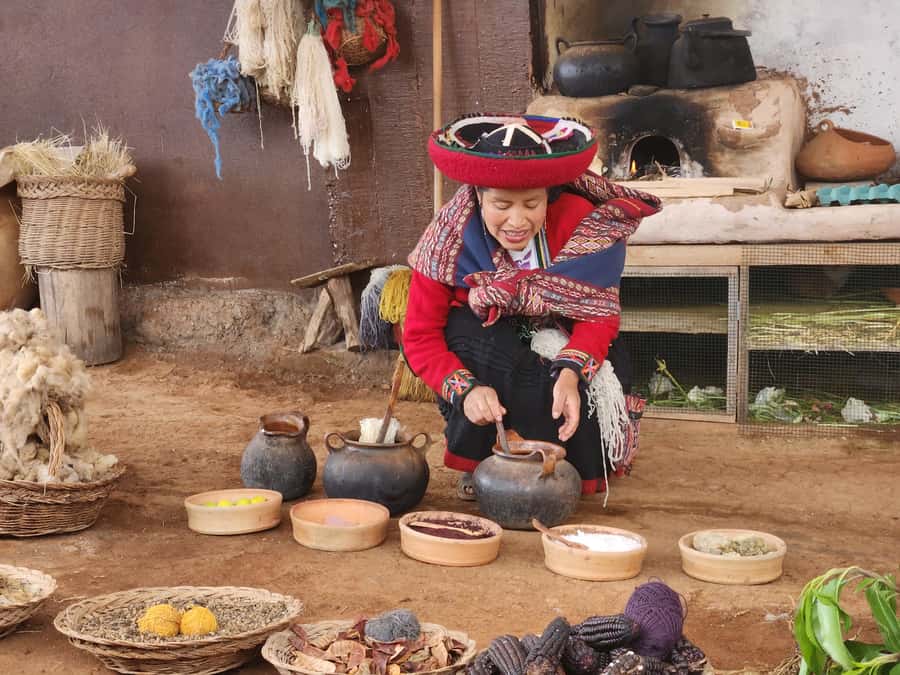
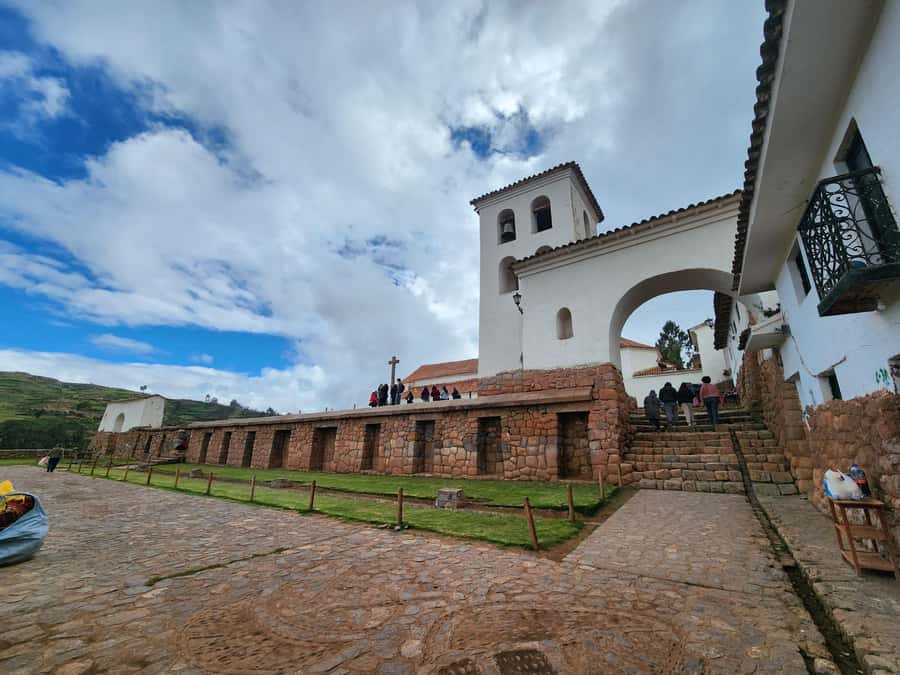
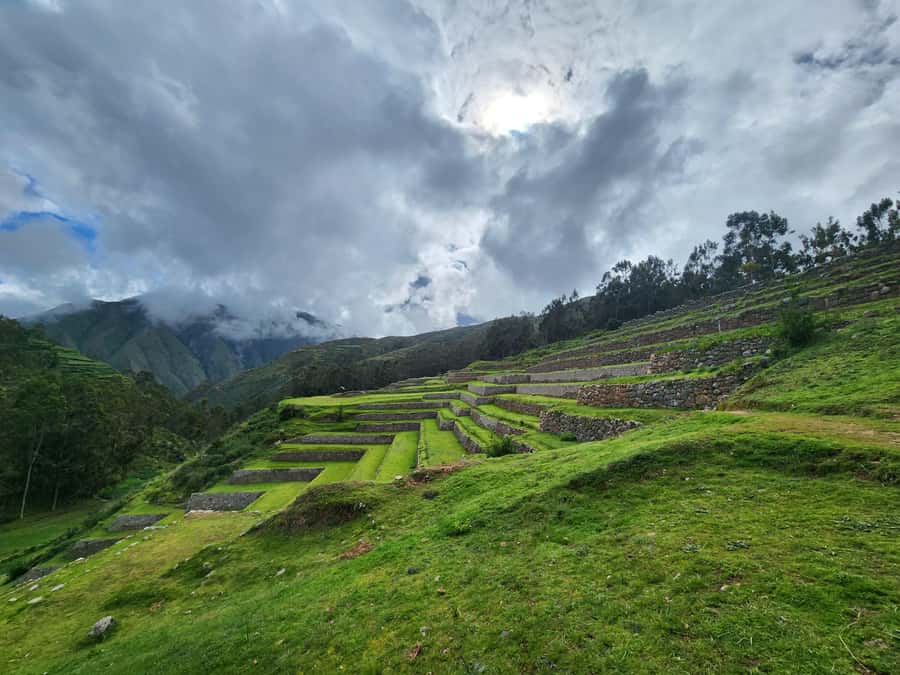
Your first stop is Chinchero, about 40 minutes from Cusco by van. This Andean village combines a colonial church, nearby Inca remains, and a long-running weaving tradition.
The cultural stop is a local weaving cooperative. You can see traditional Andean techniques demonstrated and learn how woven goods are made. This adds a human side to a day otherwise focused on stonework and archaeological sites.
Chinchero is useful early in the route because it sets up the region’s mix of Inca and Spanish influence. The colonial church and Inca remains sit within the same general visit, giving you a quick sense of how the area changed after the Spanish conquest.
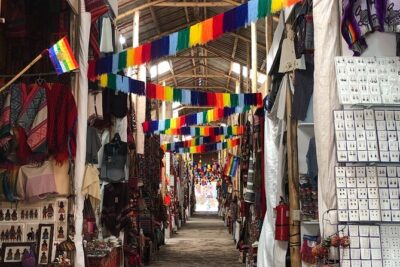
Be aware that cooperative visits can also function as shopping stops. That is not automatically a bad thing, especially if you want textiles, but it takes time from the archaeological stops. One past schedule included weaving, salt, and silver shopping visits. Three commercial stops can feel like too much on a day already packed with major ruins.
Moray’s circular terraces need more than a photograph
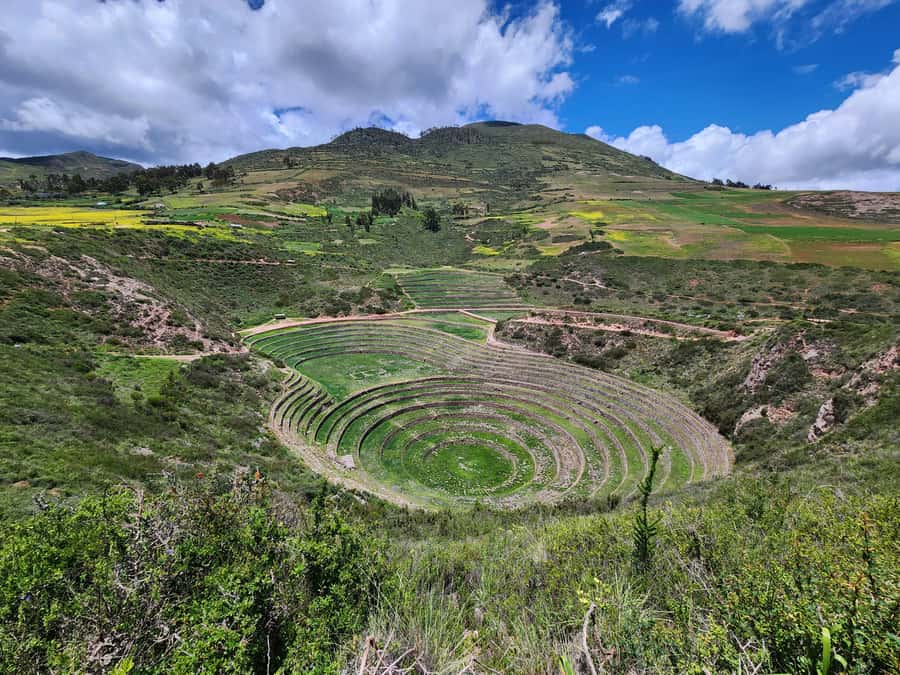
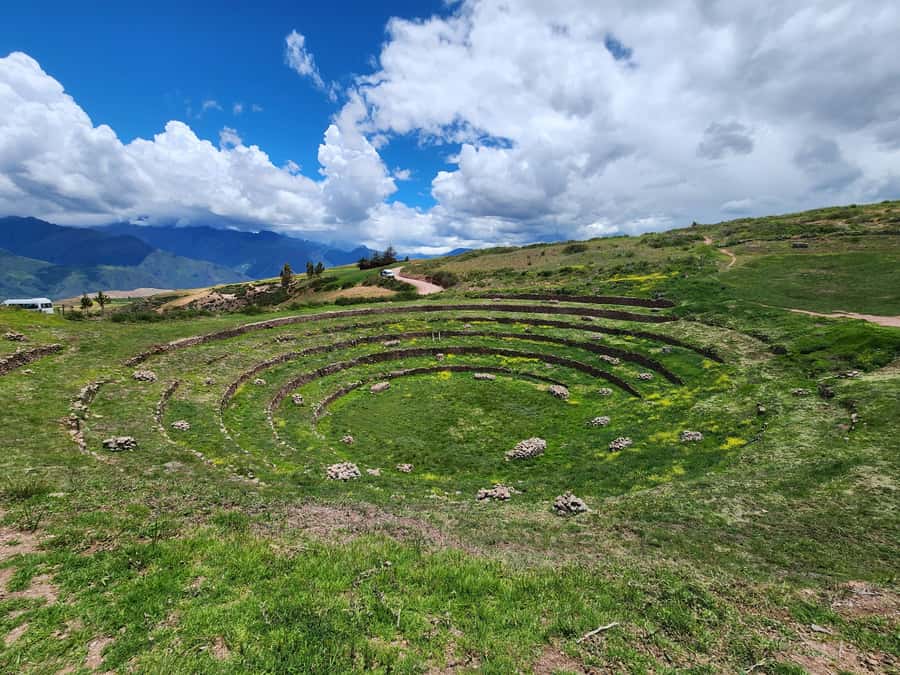
After roughly 30 minutes on the road, you reach Moray. The site is known for its huge circular agricultural terraces, which descend into broad bowl-shaped formations.
The unusual design is the reason to come. The Incas are widely thought to have used the terraces to test crops under different growing conditions and altitudes. Your guide explains the layout and its possible agricultural purpose while you look down across the rings.
The visit is scheduled for about 30 minutes. That is enough to see the site and take photographs, but not much more. In practice, some departures may spend less than 20 minutes here, particularly if the group is behind schedule or shopping stops take longer than planned.
I would pay close attention to the guide at Moray because the terraces are easier to appreciate when you understand their function. Without that explanation, the stop can become a quick viewpoint visit. The setting is impressive, but the value comes from connecting the shape of the terraces to Inca farming methods.
Wear shoes with a good grip. The tour calls for comfortable walking shoes, and that advice applies at every archaeological site on this route.
Maras turns saltwater into a hillside mosaic
A short drive of about 20 minutes takes you to Maras, famous for its salt mines. Thousands of small pools spread across the hillside, each one collecting salt from a natural brine source.
The pools have been used since Inca times. Water flows through the system, and salt is gathered as it dries. The sight is unlike the stone terraces at Moray, so the two stops work well together: one shows agricultural planning, while the other shows the use of a natural mineral source.
The official visit lasts about 30 minutes. You will have time for photographs and a guide’s explanation, but you should not expect a long walk through every part of the saltworks.
Maras has its own entrance charge of 20 soles. This is separate from the 70 soles required for the tourist ticket, so carry local currency. The information provided does not specify whether every personal expense is payable by card, so cash is the safer choice.
A salt-focused shopping stop may also be part of the day. You might find local products worth browsing, but keep an eye on the clock. The main point of Maras is the hillside system itself, not the shop.
More maras & moray tours in Cusco:
- Cusco:Chinchero,Moray & Salt Mines drop-off in Ollantaytambo
★ 4.8 · 793 reviews - Sacred Valley: Chinchero, Moray, Ollantaytambo & Pisac+Lunch
★ 4.8 · 501 reviews - Sacred Valley: Maras & Moray by Quad Bike from Cusco
★ 4.6 · 418 reviews - From Cusco: Quad bike tour Moray and Salt Mines
★ 4.7 · 314 reviews
Urubamba provides a needed pause at midday
The van continues for about 30 minutes before lunch in Urubamba. The meal lasts around 45 minutes and is served as a buffet in a traditional local restaurant.
This is a practical choice for a long day. You do not have to search for food between sites, and the buffet gives you a chance to choose what suits you before the afternoon visits. The meal has received strong praise for its flavor and range.
Still, 45 minutes passes quickly. If you want to eat slowly, take a break, and refill your water bottle, you will need to manage your time. The lunch stop is a welcome rest, but it is not a leisurely dining experience.
Bring water with you throughout the day. The tour specifically recommends a water bottle, hat, sunscreen, and clothing suited to changing weather. You will also move through different altitudes, so pace yourself and avoid turning every short stop into a hard walk.
Ollantaytambo is the strongest archaeological stop
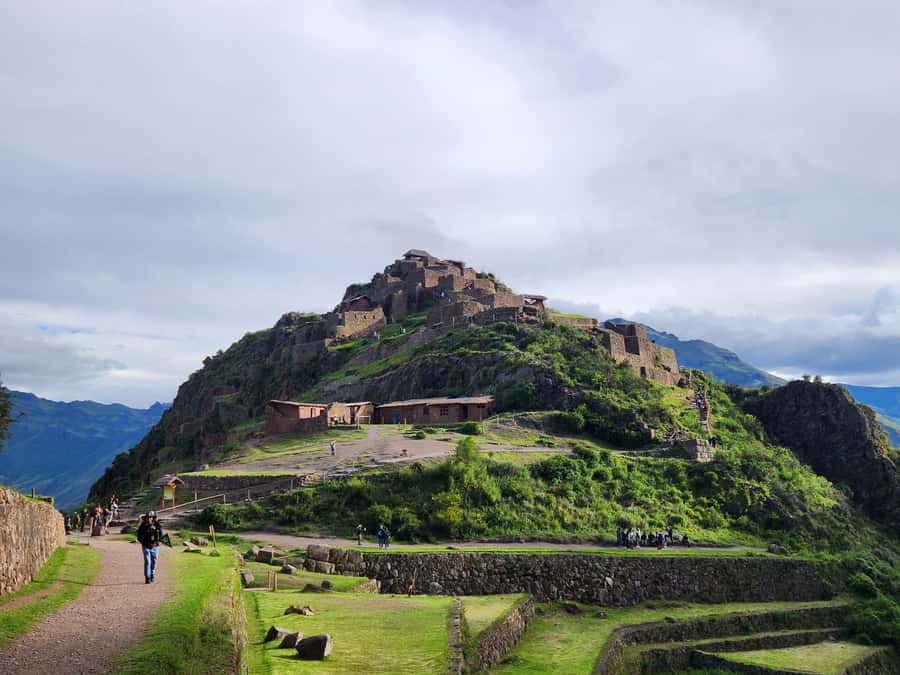
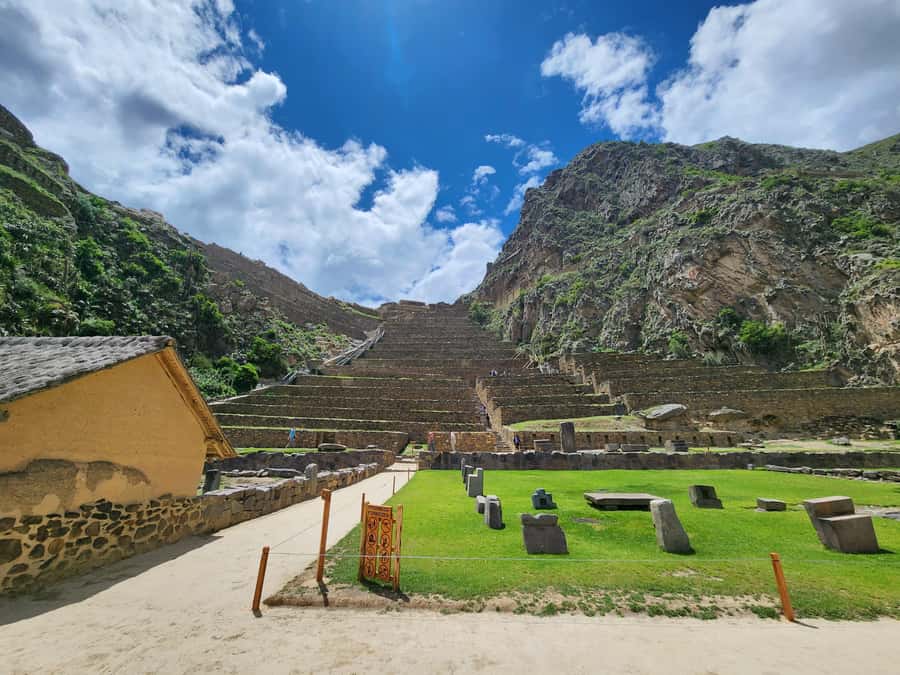
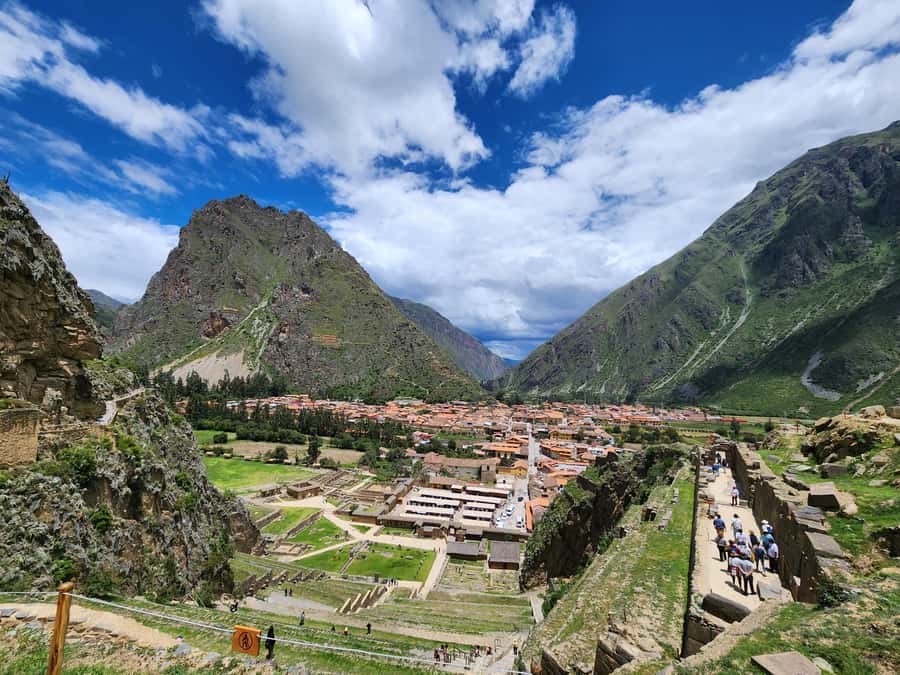
After lunch, you drive about 20 minutes to Ollantaytambo. This is one of the most memorable parts of the route, with a well-preserved Inca town and large terraces rising above it.
The site served as an administrative and religious center during the Inca Empire. You will see terraces, temples, and a ceremonial area, while the guide explains how the town’s position and stone construction supported its role.
The scheduled visit is about 40 minutes. That is longer than the listed time at Moray and Maras, but Ollantaytambo still deserves more if you have the option. The ruins are extensive, and the steep terraces make the site feel larger once you begin looking beyond the first viewpoint.
The town is also important because it gives you a clearer sense of how the Incas organized a living settlement, not just a ceremonial site. You can connect the agricultural terraces, religious structures, and strategic setting in one place.
This is where the tour’s brisk pace becomes most noticeable. You will see the main areas and hear the essential explanation, but you will not have much time for a slow climb or close inspection of every stone. If Ollantaytambo is your priority, consider returning on a separate visit or arranging a slower route.
Pisaq can be beautiful, but timing is the main concern
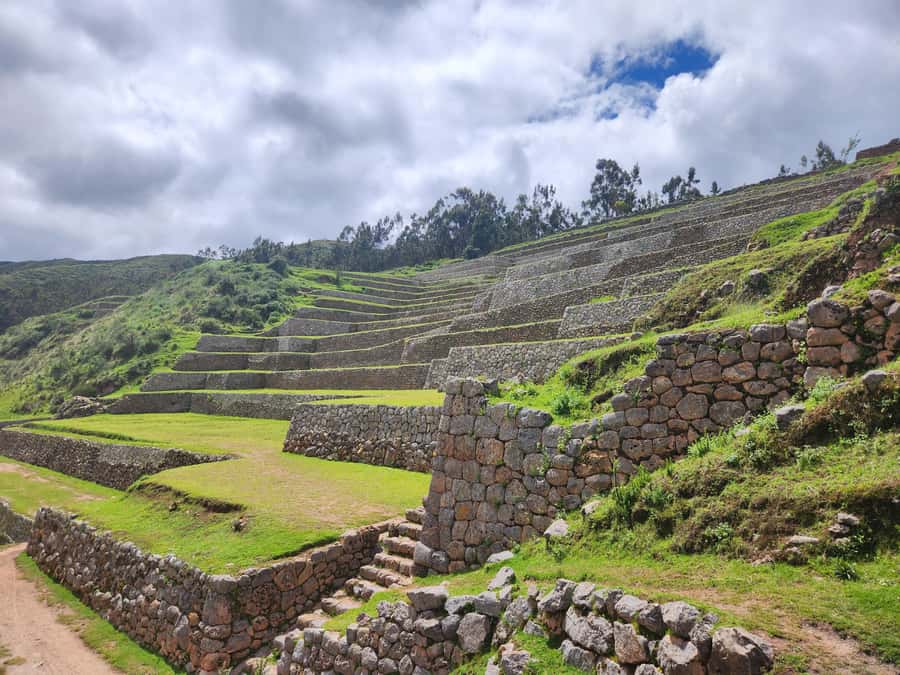
The final major site is Pisaq, reached after about an hour in the van. Its Inca ruins include terraces, tombs, and religious structures set against the surrounding mountains.
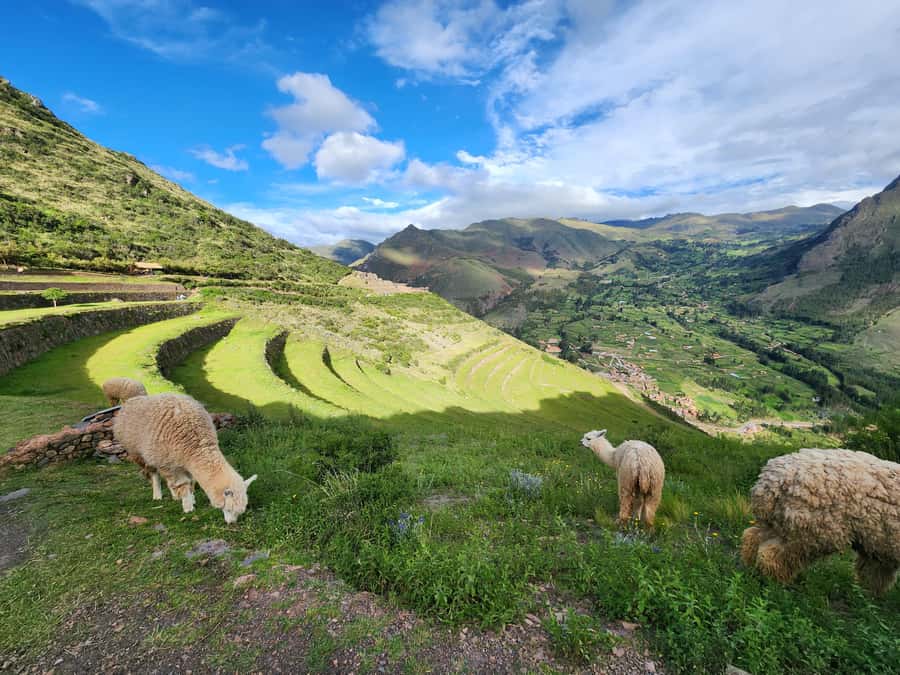
Pisaq is a substantial archaeological site, not a quick roadside viewpoint. The terraces stretch across the slopes, and the setting gives you a strong visual sense of how the Incas worked with steep terrain.
The planned visit is 30 minutes, followed by a one-hour return journey to Cusco. The schedule creates a real risk: some departures reach Pisaq close to closing time. In that situation, you may have only about 10 minutes to walk around before the site shuts, even though the ruins are large and worth more time.
This is the biggest weakness of the tour. You are using the tourist ticket for five sites, yet Pisaq may receive the least useful amount of time because it comes last. If seeing Pisaq properly matters to you, ask the operator about the day’s timing before booking, or choose a tour that gives Pisaq a longer visit.
The van route is efficient, but not relaxed
The transport is by van, with hotel pickup in Cusco and a final drop-off at Plaza Regocijo. The driving sections are broken into several shorter legs, though the return from Ollantaytambo to Pisaq and then Cusco includes longer stretches.
An early departure is important. It gives the group a better chance of reaching the sites before they fill up and helps protect the later schedule. One booking made the night before received a quick phone call to confirm the pickup point and useful advice about what to bring. Pickup was reported as punctual on that departure.
The route is busy because it tries to connect places spread across the Sacred Valley. You should expect time in the van, frequent boarding and unloading, and a guide who must keep the group moving.
The final drop-off is Plaza Regocijo rather than necessarily your hotel. Since hotel pickup is included but the stated finish point is Plaza Regocijo, confirm the return arrangement if you need to reach a different part of Cusco.
Is $35 good value once tickets are added?
At $35 per person, the tour is inexpensive for a full day of transport, a professional English or Spanish guide, hotel pickup, and a buffet lunch. You also avoid the work of planning a route between five separate sites.
The extra fees matter. You need 70 soles for the tourist ticket and 20 soles for Maras, making 90 soles in required entrance charges in addition to the advertised tour price. Bring more local currency for tips and personal purchases.
The value is strongest if you have limited time in Cusco and want a broad introduction. Five major stops, lunch, and transport in one day offer a lot for the base price.
The value is weaker if your main goal is time at each ruin. The shopping stops can be frustrating, and the late arrival at Pisaq can make one of the most important sites feel like an afterthought. You are paying for coverage, not a slow, detailed examination of every monument.
How to prepare for the altitude and pace
You will move through different altitudes during the day, so wear comfortable clothes and practical shoes. The tour recommends a hat, sunscreen, water, and a camera.
The sun can be strong, even when the air feels cool. Pack sunscreen and cover your head, especially during the open archaeological visits. Water is essential because the schedule keeps you moving.
I would also bring local currency. You need the two entrance fees, and you may want to buy something at the weaving, salt, or silver stops. Tips and other personal expenses are not included.
Drones are not allowed. Leave yours behind rather than risking a problem at the archaeological sites.
This is not a day for heavy luggage or fragile footwear. You will enter and leave the van repeatedly and walk around terraces and ruins. Comfortable shoes will make a bigger difference than stylish ones.
Who should book this Sacred Valley route?
I would recommend it to first-time visitors with only one free day, people staying in Cusco who want the main highlights, and anyone who prefers a guide to explain the Inca sites. It also suits budget-minded visitors who want transport and lunch handled in one booking.
The tour works particularly well if you value variety. You see weaving, agricultural terraces, salt production, a major Inca town, and extensive ruins in one sweep.
I would be cautious about booking it if you dislike shopping stops, need a relaxed lunch, or want serious time at Pisaq and Moray. Families and older visitors should also consider the fast pace, varying altitude, and repeated walking sections.
Free cancellation up to 24 hours before departure and the option to reserve now and pay later make it easier to fit into a changing Peru itinerary. Still, the key decision is not flexibility. It is deciding if you prefer breadth or depth.
Should you book this $35 Sacred Valley tour?
Book it if you have limited time and want an affordable, guided introduction to the Sacred Valley. The route is ambitious, the buffet lunch is useful, and strong guides such as Carlos and Henry can make the historical details come alive.
Do not book it expecting a leisurely day. Ask about shopping stops and the expected arrival time at Pisaq before committing. If the operator can limit the commercial visits and protect time at the ruins, this is a very good-value day. If not, you will still see a great deal, but some of the best sites may receive only a quick look.
FAQ
How long is the tour?
The experience lasts one full day, beginning with pickup in Cusco and ending in the late afternoon or early evening.
Where does the tour begin?
Pickup is provided in Cusco, including hotel pickup.
Where does the tour finish?
The stated finish point is Plaza Regocijo in Cusco.
Which places are included?
The route includes Chinchero, Moray, Maras, Urubamba for lunch, Ollantaytambo, and Pisaq.
Is lunch included?
Yes. A buffet lunch in a traditional local restaurant in Urubamba is included.
Are entrance tickets included?
No. The tourist ticket costs 70 soles, and the entrance fee for Maras costs 20 soles.
What languages does the guide speak?
The live guide service is offered in Spanish and English.
What should I bring?
Bring comfortable walking shoes, a hat, sunscreen, water, a camera, and local currency for entrance fees, tips, and personal expenses.
Are drones allowed?
No. Drones are not allowed on the tour.
Can I cancel the booking?
You can cancel up to 24 hours in advance for a full refund. The tour also offers a reserve-now, pay-later option.
Just added around Cusco
- Waqrapukara 1 day trekking + meals★ 3.9 · 3 reviews
- Zipline over the Sacred Valley Trip★ 5.0 · 11 reviews
- Valle Sur Cusco | half day★ 4.3 · 3 reviews
- Visit to the Cochahuasi Animal Sanctuary with rescued animal★ 4.1 · 4 reviews
- Visit Pisac from Cusco: Private Transport★ 4.6 · 9 reviews
- Maras and Huaypo lagoon by ATV from Cuzco | Local Operator★ 4.7 · 4 reviews
- Trek to Humantay Lake from Cusco★ 4.9 · 8 reviews
- Trek to Choquequirao 4 days★ 3.8 · 4 reviews
Sacred Valley Tours, compared.

Sacred Valley & Maras Salt Mines Tour with Lunch
Read our review →
Moray, Maras Salt Mines & Chinchero Weavers Tour
Read our review →
Sacred Valley, Pisac, Ollantaytambo, Salt Mines Moray
Read our review →
Chinchero,Moray & Salt Mines drop-off in Ollantaytambo
Read our review →

Pisac Indian Market and Ollantaytambo Fortress with Lunch
Read our review →
2-Day Trip to the Sacred Valley and Machu Picchu
Read our review →Browse the lists this tour appears in