
Reviewed · CUSCO PLANETARIUM & STARGAZING
Excursion to the Planetarium of Cusco | New experience
Cusco’s night sky has more to offer than a pretty view. At the Cusco Planetarium, you learn how Inca observers connected stars, animals, seasons, and daily life, then look upward through professional telescopes. The setting gives the evening a clear purpose beyond another city tour.
I like two things here. First, the Inca astronomy talk and virtual sky projection give you context before you look through a telescope. Second, the small group, limited to 10 people, should make the guide’s explanations easier to follow. Blankets are provided for the outdoor viewing, a thoughtful touch after sunset.
The main concern is time. The tour is sold as four hours, but the actual visit can be closer to an hour and a half, with about two hours including transport. At $39, that difference matters. Confirm the schedule and pickup details before paying.
In This Review
- Key points to know before booking
- Why Cusco’s night sky tells an Inca story
- Meeting at Plaza Regocijo around sunset
- Inside the planetarium’s interpretation rooms
- The virtual sky projection on the dome
- Outdoor telescope viewing and the night walk
- The four-hour promise versus the actual time
- What the small group changes
- What is included, and what you should plan for
- Who will enjoy this evening most
- Is the Cusco Planetarium excursion worth $39?
- FAQ
- Where does the excursion begin?
- How long does the activity last?
- What languages does the guide speak?
- How large is the group?
- What happens at the Cusco Planetarium?
- Is telescope viewing guaranteed?
- Are meals included?
- Can I cancel the booking?
Key points to know before booking
- The tour begins around 5:30 to 6:00 PM at Plaza Regocijo and returns to central Cusco at about 8:00 PM according to the planned schedule.
- The focus is Inca astronomy, not only modern stargazing. You start with an indoor explanation and a virtual presentation.
- Telescope viewing depends on weather, so clouds can change the final part of the evening.
- The group is limited to 10 people, with a guide speaking English or Spanish.
- Blankets are provided for outdoor viewing, useful once the sun goes down.
- The advertised four-hour duration may not match the real schedule, so ask how long you will actually spend at the planetarium.
Why Cusco’s night sky tells an Inca story
The appeal of this outing is not simply pointing out stars. The planetarium introduces you to Inca astronomy, a way of reading the sky that helped shape ideas about time, nature, farming, and the world around Cusco.
That cultural angle makes the visit more useful than an ordinary telescope session. You are not just asked to identify a planet or constellation. You first hear how the Incas viewed the heavens, then see those ideas represented indoors before going outside.
I like this order. A dark sky can be impressive, but without an explanation, you may remember only a few bright points. The interpretation rooms and dome presentation give the stars a story and a place in Andean culture.
The experience is also a good change of pace after a day among Cusco’s churches, plazas, and stone walls. Instead of walking through another historic building, you spend the evening looking above the city. It is a simple shift, but it can make the trip feel more varied.
More cusco planetarium & stargazing in Cusco:
- Cusco by Night: Planetarium Cusco, Dinner, and Pisco Sour
★ 5.0 · 75 reviews - Planetarium Cusco OFFICIAL SITE: Andean Astronomy experience
★ 4.3 · 32 reviews - Cusco: Planetarium and Night Tour with Dinner and Pisco Sour
★ 4.9 · 9 reviews
Meeting at Plaza Regocijo around sunset
The planned departure is from Plaza Regocijo between 5:30 and 6:00 PM. This central meeting point is practical if you are already in the historic center, and the outing is timed for the transition from daylight to evening.
The transportation to the planetarium takes less than 20 minutes. That short ride keeps the excursion easy to fit into a Cusco itinerary. You do not lose most of the evening in a long transfer.
There is one point to clarify before booking. The activity information includes hotel pickup, but the detailed meeting instructions specify Plaza Regocijo. One price option may offer hotel pickup while this version requires you to reach the plaza yourself. Ask the provider to confirm the exact arrangement for your booking.
That small check can prevent an awkward start. If you are staying in the center, Plaza Regocijo should be straightforward. If your hotel is farther away, allow enough time to reach the meeting point before the stated departure window.
The return is planned for Cusco’s Plaza de Armas at about 8:00 PM. That makes the outing manageable for a later dinner or another evening plan, though the actual return may be earlier if the program runs closer to two hours.
Inside the planetarium’s interpretation rooms
Once you arrive, the first formal part is a talk on Inca astronomy in the interpretation rooms. This is where the tour earns much of its cultural value.
The material is meant to explain the Inca constellations and the way the night sky was understood in the Andes. The exact depth can depend on the guide and the time available, so you should not expect a full university course. Still, the subject is unusual enough to make this more than a standard city excursion.
I would pay close attention during this section. It provides the terms and ideas that make the later sky viewing easier to understand. If the explanation is brief, use the small-group setting to ask a direct question in English or Spanish.
The guide leads in either language, and the group is limited to 10 participants. That is a useful size for an astronomy presentation. You are less likely to be lost in a large crowd, and there is a better chance to hear the guide clearly.
The planetarium is described as one of the most unique observatories in the world. Take that as a sign of its special subject and setting, not as a promise of a giant museum complex. One review described it as a small planetarium, so set your expectations for a focused visit rather than a large science center with hours of exhibits.
The virtual sky projection on the dome
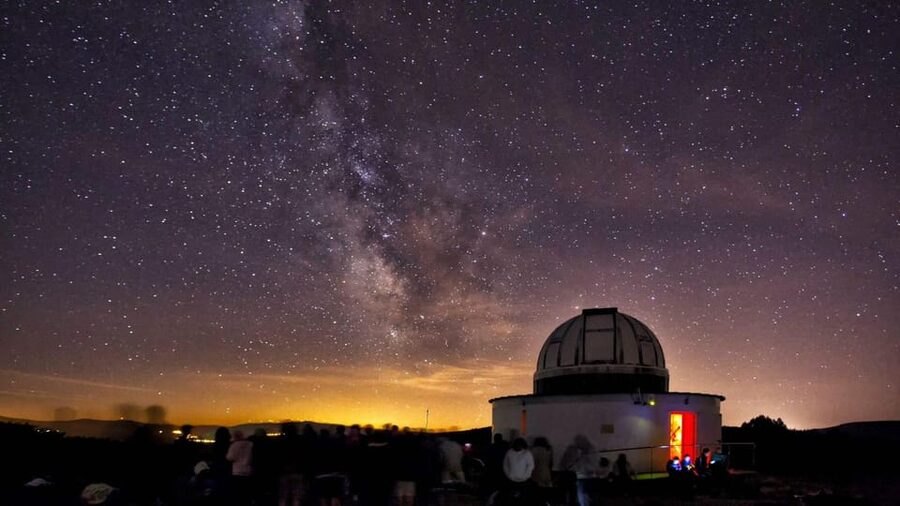
After the introductory talk, you move to a virtual projection of the sky on the planetarium dome. This indoor portion is important because it does not depend on clouds or rain.
The dome can show the Inca constellations in a controlled setting, giving you a clear view even when outdoor conditions are poor. That makes the presentation the dependable core of the excursion.
It also prepares you for the outdoor telescope session. You have already heard what to look for, so the shift from the virtual sky to the real one has more meaning. The presentation can help you notice patterns that would otherwise be easy to miss.
The quality of the evening may depend on how much time the guide gives this part. One traveler found the visit enjoyable but felt there was not enough information about how the Incas used the constellations. If you want a strong cultural explanation, ask questions rather than quietly accepting a short presentation.
That is especially important because the advertised four-hour duration may create high expectations. A program that includes transport, a talk, a dome show, and telescope viewing can feel full if each section receives proper attention. If the on-site time is only about an hour and a half, the pace may feel much tighter.
Same valley, a completely different kind of day:
- Cusco: Humantay Lake Tour with Breakfast and Buffet Lunch
★ 4.9 · 2,976 reviews - From Cusco: Sacred Valley & Maras Salt Mines Tour with Lunch
★ 4.8 · 2,227 reviews - From Cusco: Moray, Maras Salt Mines & Chinchero Weavers Tour
★ 4.8 · 1,925 reviews - From Cusco: Full-Day Group Tour of Machu Picchu
★ 4.7 · 1,767 reviews
Outdoor telescope viewing and the night walk
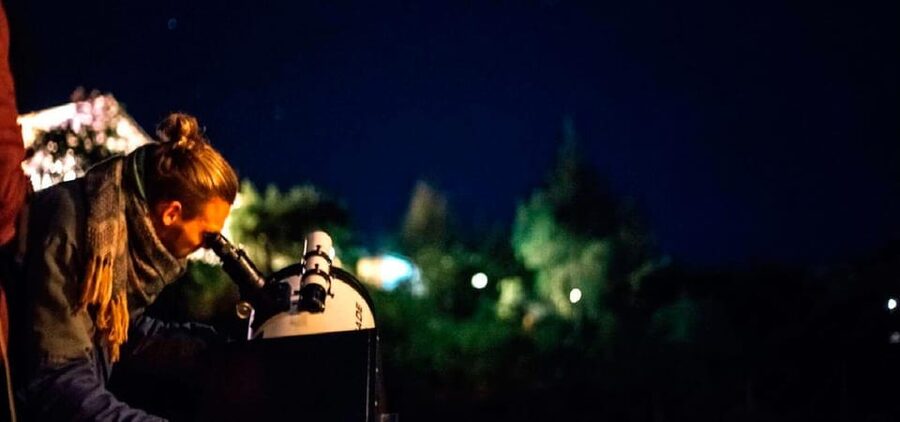
The final activity is outdoor observation with professional telescopes. You may be able to view constellations and planets through the equipment, but this part is subject to weather conditions.
That weather clause is not a minor detail. Clouds can limit what you see, and a clear sky can make the final session the highlight of the evening. The indoor program still gives you something to do if telescope viewing is reduced, but the outdoor portion is a major reason many people book.
Blankets are provided for the stargazing session. That is practical after sunset, when you may be standing or sitting outside for a while. You should still dress for an evening outdoors and wear comfortable shoes, since the tour includes a night walk.
The walk is not described as a long hike. It is part of the movement around the observatory and outdoor viewing area. You should think of it as a short evening outing, not a demanding trek.
The professional telescopes add value, but do not expect every visit to produce a dramatic view of numerous planets. The equipment can only show what is visible that night, from that location, under those conditions. The experience is best approached as a guided look at the sky, not a guaranteed sequence of spectacular sightings.
The four-hour promise versus the actual time
This is the most important practical issue in the whole booking.
The activity is listed as four hours, with departure between 5:30 and 6:00 PM and a planned return around 8:00 PM. That schedule itself suggests roughly two and a half hours from meeting to return, depending on the exact start time.
Yet the actual outing can be much shorter. One person spent about an hour and a half at the planetarium and roughly two hours including transportation. Another felt the visit lasted little more than an hour and considered the price high for the amount of time on site.
You should ask three questions before reserving:
- What is the exact pickup or meeting point for this price?
- How long will the group stay at the planetarium?
- What happens if clouds prevent telescope viewing?
These questions do not mean the tour is automatically poor. A compact evening program can still be enjoyable, especially if the guide gives a good explanation and the sky is clear. But the value changes sharply if you expect four full hours of activity and receive less than two hours door to door.
The published price is $39 per person. That is reasonable for a small guided outing with transportation, admission, and telescope access if you value the cultural explanation and the chance to observe a clear sky. It feels less attractive if the visit is short and the astronomy talk is thin.
Think of the price as paying for a specialized evening activity, not a long excursion. If the only goal is to see stars, weather and timing make the purchase uncertain. If you want an introduction to Inca astronomy with a guide, dome presentation, and possible telescope viewing, the price has a stronger case.
What the small group changes
A maximum of 10 participants is one of the better features here. Astronomy works best when you can hear the explanation and get a turn at the telescope without being pushed through a large crowd.
A small group also suits the subject. Inca astronomy may raise questions about constellations, planets, and how people used the sky. With fewer people, you have a better chance to ask for clarification in your preferred language.
Still, a small group does not guarantee a long or detailed program. The total time and guide’s approach matter just as much. The provider is Chullos Travel Cusco, and the guide leads in English or Spanish, but no individual guide names are provided for this activity.
If language is important to you, select the language clearly when booking and confirm it if needed. A short astronomy talk is much more useful when you can follow every detail.
What is included, and what you should plan for
The price includes tourist transportation, admission to the Cusco Planetarium, and a live guide in English or Spanish. Hotel pickup is listed as included, but the detailed meeting instructions point to Plaza Regocijo, so confirm which arrangement applies.
Meals are not included. With a planned return around 8:00 PM, you may want to eat before departure or plan dinner afterward. Since the schedule can be shorter than advertised, do not rely on the excursion to fill a full evening.
Travel insurance is not included, and extra expenses are your responsibility. Alcohol and drugs are not allowed during the activity.
Bring practical evening clothing. Blankets are supplied for outdoor stargazing, but the presence of blankets is also a clear hint that the final portion takes place outside after dark. Comfortable shoes make sense for the short night walk and movement around the observatory.
Most of all, bring flexible expectations about the telescope session. The provider cannot control the weather, and the final outdoor viewing may be reduced or unavailable under poor conditions.
Who will enjoy this evening most
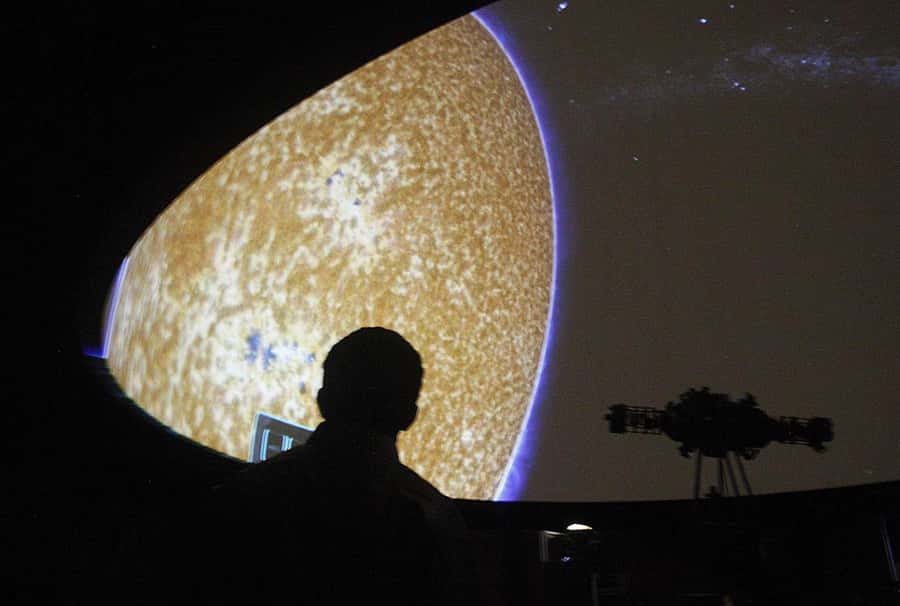
I would recommend this activity to you if you enjoy cultural topics, astronomy, or unusual evening plans in Cusco. It is especially suitable if you want to learn about the Inca view of the heavens rather than spend another night in restaurants or bars.
Families with older children may also like the mix of science, stories, projection, and telescopes. The small group and bilingual guide can make the format easier to manage than a large public presentation.
It may suit you less if you need a tightly timed four-hour program or want a long, technical astronomy session. The short actual duration reported by some participants is the biggest warning sign.
It is also not the best choice if your schedule is already packed and you dislike weather-dependent activities. The telescope viewing is not guaranteed, and the on-site program may be shorter than the headline duration.
The outing pairs well with a daytime visit to Cusco’s historic center or nearby archaeological sites. You get a different view of the region at night, with the focus shifting from stones and buildings to the sky above them.
Is the Cusco Planetarium excursion worth $39?
I would book this tour if you can confirm a clear schedule, want an English or Spanish introduction to Inca astronomy, and like the idea of a small-group evening with telescope viewing.
I would hesitate if the provider cannot explain the duration or pickup arrangement. At $39, the outing offers fair value when the talk, dome projection, and outdoor viewing all receive enough time. It is harder to justify if you spend only a little over an hour at a small planetarium.
The best way to make the decision is simple: treat the excursion as a two-hour evening activity unless the provider confirms otherwise. If the sky is clear and the guide gives a thoughtful explanation, you may come away with a memorable new way to look at Cusco. If you need a long program with guaranteed telescope viewing, choose something less dependent on weather and timing.
Free cancellation up to 24 hours before the activity and reserve-now, pay-later booking make it easier to keep your plans flexible. Use that flexibility to check the forecast, confirm the meeting point, and ask how much time you will actually spend at the observatory.
FAQ
Where does the excursion begin?
The detailed meeting instructions say to meet at Plaza Regocijo between 5:30 and 6:00 PM. Hotel pickup is also listed as included, so confirm which pickup arrangement applies to your booking.
How long does the activity last?
The advertised duration is four hours. The planned return to Cusco is around 8:00 PM, but the actual visit may be closer to an hour and a half, with about two hours including transportation.
What languages does the guide speak?
The live guide leads in English or Spanish.
How large is the group?
The activity is limited to 10 participants.
What happens at the Cusco Planetarium?
You receive a talk on Inca astronomy in the interpretation rooms, followed by a virtual sky projection on the planetarium dome. The visit then moves outdoors for telescope observation if weather allows.
Is telescope viewing guaranteed?
No. Outdoor telescope viewing depends on weather conditions.
Are meals included?
No. Meals are not included in the activity price.
Can I cancel the booking?
You can cancel up to 24 hours in advance for a full refund. The activity also offers reserve-now, pay-later booking.
Just added around Cusco
- Waqrapukara 1 day trekking + meals★ 3.9 · 3 reviews
- Zipline over the Sacred Valley Trip★ 5.0 · 11 reviews
- Visit to the Cochahuasi Animal Sanctuary with rescued animal★ 4.1 · 4 reviews
- Valle Sur Cusco | half day★ 4.3 · 3 reviews
- Visit Pisac from Cusco: Private Transport★ 4.6 · 9 reviews
- Maras and Huaypo lagoon by ATV from Cuzco | Local Operator★ 4.7 · 4 reviews
- Trek to Humantay Lake from Cusco★ 4.9 · 8 reviews
- Trek to Choquequirao 4 days★ 3.8 · 4 reviews
Cusco Planetarium & Stargazing, compared.
Cusco by Night: Planetarium Cusco, Dinner, and Pisco Sour
Read our review →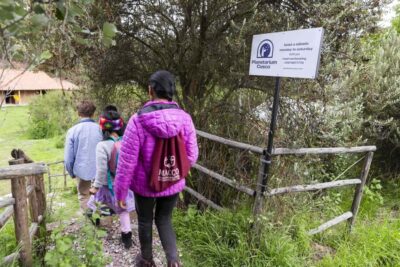
Planetarium Cusco OFFICIAL SITE: Andean Astronomy experience
Read our review →
Planetarium and Night Tour with Dinner and Pisco Sour
Read our review →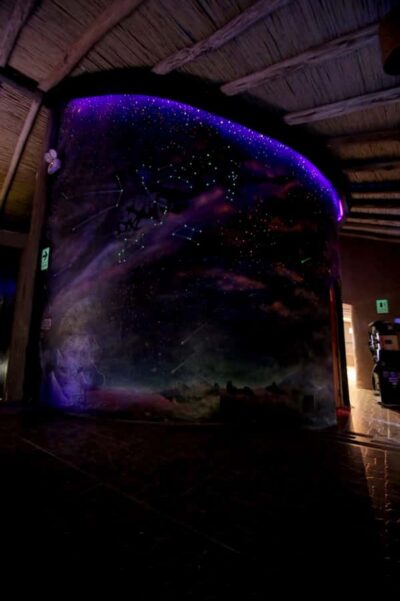
Browse the lists this tour appears in