
Reviewed · SACRED VALLEY TOURS
Cusco: Zipline in the Sacred Valley
The best part of this Sacred Valley outing is its four-cable progression. You begin with a gentle run to get comfortable, then work up to the fastest cable, an acrobatic Superman or Superwoman position, and a final crossing with broad views of the canyon, valley, and snowy peaks. The scenery is the real reward, but the speed supplies plenty of fun.
I like the clear build-up in difficulty and the fact that transport, helmets, harnesses, gloves, and the zipline itself are included for $45. The guides speak English or Spanish and are described as friendly, helpful, and experienced. The main consideration is physical: this is not suitable for pregnant women, wheelchair users, or people with pre-existing medical conditions.
In This Review
- Key points to know before you book
- Four cables that build your confidence
- Leaving Cusco for Mirador de Racchi
- Getting fitted with the safety equipment
- The first cable: a sensible introduction
- The second cable: the fastest run
- The third cable: Superman and monkey-style options
- The fourth cable: the best mountain views
- What $45 includes, and what it does not
- Who should book this Sacred Valley ride
- Timing, cancellation, and simple preparation
- Should you book the four-cable zipline?
- FAQ
- Where does the zipline activity take place?
- How long does the experience last?
- How far is the base from Cusco?
- Is hotel pickup included?
- How many ziplines are included?
- Which zipline is the fastest?
- Can I try a Superman or Superwoman position?
- What equipment is provided?
- What languages do the instructors speak?
- Is food included?
- Who should not take part?
- Can I cancel for a refund?
Key points to know before you book
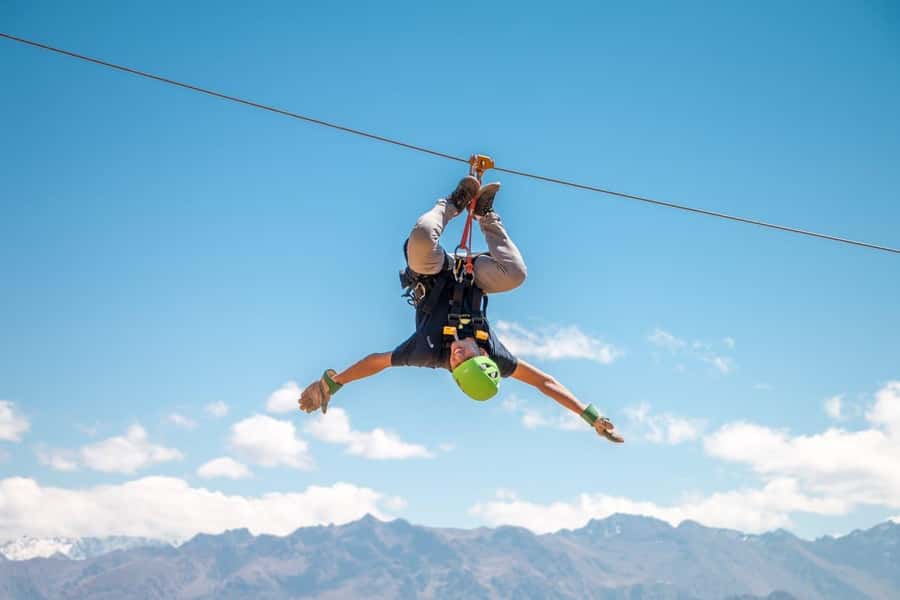
- Four cables with four different moods: Start gently, reach top speed on the second line, try an upside-down or monkey-style option if offered by the guides, then finish with the best views.
- Mirador de Racchi setting: The launch base sits about 40 minutes from Cusco, giving you views over the Sacred Valley, canyon, and mountain peaks.
- Transport is included: Pickup and return transport are provided for hotels near or within Cusco’s historic center.
- Safety comes first: You receive a harness, helmet, gloves, and an explanation of the activity before crossing the cables.
- A short half-day outing: The full experience takes about three hours, including the ride to and from the base.
- Bring a camera and cash: Food and personal extras are not included.
Four cables that build your confidence
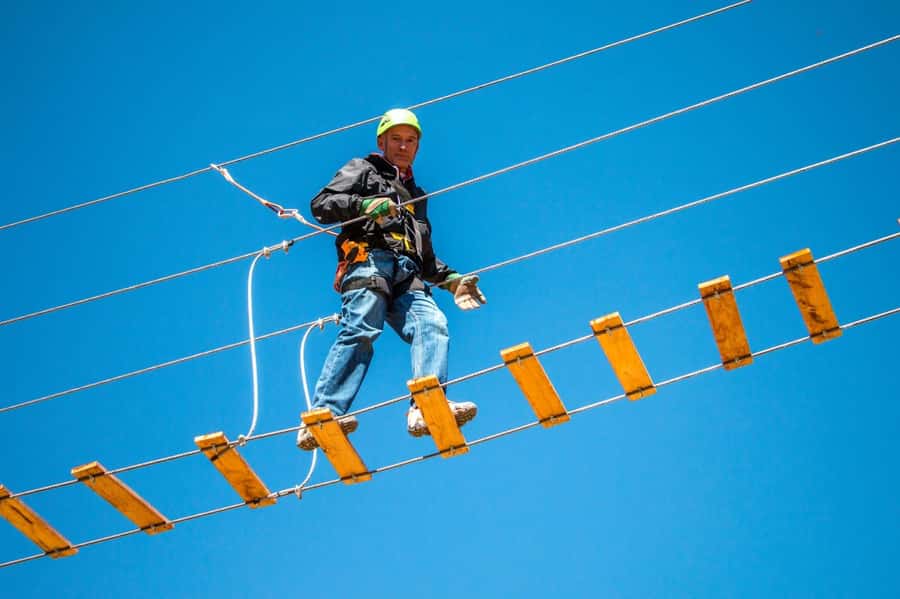
This activity works well because the ziplines are arranged as a small progression rather than one single blast across the valley. You are not asked to begin with the fastest run. The first cable lets you learn the basic body position, understand the equipment, and get used to the sensation of leaving solid ground.
That opening run is described as soft. I see that as a useful feature, especially if this is your first zipline experience or you are unsure how you will react to height. The early cable gives you time to listen to the instructions, test your balance, and settle your nerves before the faster sections begin.
The second cable brings the most speed. This is the point for pure forward motion, with the strongest feeling of flying. You will want to pay attention to the instructions on braking and body position, since the appeal here is speed, not complicated movement.
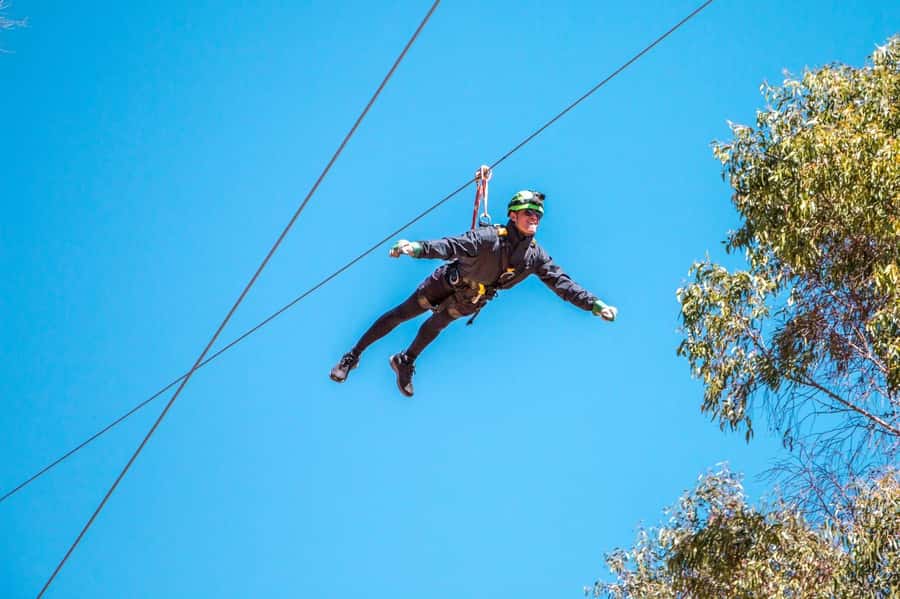
The third cable is aimed at more extreme movement. This is where you may be able to use a Superman or Superwoman position, stretching out horizontally as you cross. One review specifically mentions an upside-down, monkey-style option, so ask the guides what movements are permitted on the day. Do not assume every position is available for every participant or under every condition.
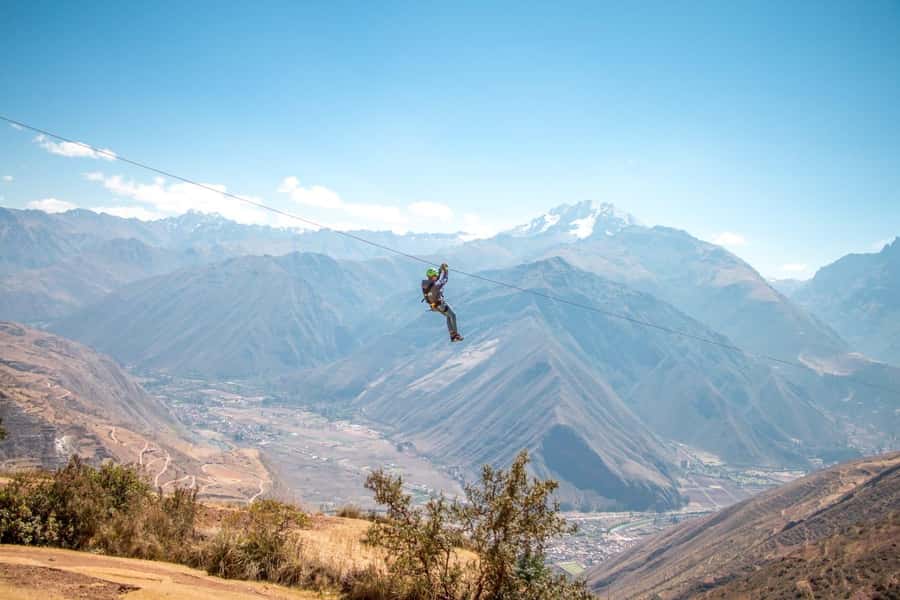
The fourth and final cable is the scenic finish. It offers the best views of the canyon, Sacred Valley, and surrounding mountains. If taking pictures matters to you, this is the crossing to remember, though you should follow the guide’s instructions about cameras and loose items before you begin.
More sacred valley tours in Peru:
- From Cusco: Sacred Valley & Maras Salt Mines Tour with Lunch
★ 4.8 · 2,227 reviews - From Cusco: Moray, Maras Salt Mines & Chinchero Weavers Tour
★ 4.8 · 1,925 reviews - Cusco: Sacred Valley, Pisac, Ollantaytambo, Salt Mines Moray
★ 4.6 · 1,058 reviews
Leaving Cusco for Mirador de Racchi
Pickup is provided from hotels near or within Cusco’s historic center. The trip to the base at Mirador de Racchi takes about 40 minutes, so the outing is easy to fit into a half-day plan. It is also useful if you want an active break from museums, ruins, and walking tours.
The ride is part of the practical value of the $45 price. You are not arranging separate transport to the launch point, and return transport is included as well. The exact pickup time depends on availability, so check the start times before booking and leave room in your day for the full three-hour outing.
The drive also changes the pace of the day. You leave the city and reach an elevated viewpoint in the Sacred Valley, where the activity is surrounded by open mountain views rather than urban streets. The setting is not just a backdrop for the zipline. It gives the experience its sense of place.
That said, the listed transfer time is approximate. Road conditions, pickup arrangements, and the number of hotel stops can affect the schedule. If you have a timed train, flight, or another fixed appointment, do not place it too close to the end of this activity.
Getting fitted with the safety equipment
At the base, you receive the equipment needed for the crossing: a harness, helmet, and gloves. The guides then explain the safety procedures before you begin. This step matters because a zipline is only enjoyable when you understand how to hold yourself, follow instructions, and move through the activity in the correct order.
The guide team speaks English and Spanish. That gives you a choice of instruction language and should make it easier to ask questions before the first cable. The available information does not give the guides’ names, but it does identify them as friendly, helpful, and experienced.
Use this briefing to clarify the practical points that matter to you. Ask which cable is fastest, which movements are permitted on the third run, and what to do with your camera. A short question on the ground is better than uncertainty once you are clipped in above the valley.
The equipment is included in the price, so you do not need to rent a harness or helmet separately. You should still wear clothing that allows comfortable movement and secure anything you carry, since loose items can become a problem on a fast crossing. The stated packing advice is simple: bring a camera and cash.
The first cable: a sensible introduction
The first zipline is intentionally gentle. Its job is to help you become familiar with the activity before the faster and more adventurous sections. I like this design because it makes the outing friendlier to beginners without taking away the excitement for people who already enjoy aerial activities.
Pay attention to the guide during this first run. Notice how the harness feels, how your body moves along the cable, and how the landing process works. Once you understand the rhythm, the next three cables become easier to enjoy.
The first line may be the least dramatic in terms of speed, but do not dismiss it. It is your chance to look around and take in the Sacred Valley before adrenaline takes over. You will also have a better idea of how much movement you want on the later cables.
A few more Peru trips to weigh up
- 4-Day Inca Jungle Adventure, Mountain Biking, Rafting and Zipline
★ 5.0 · 60 reviews - Cusco Rafting and Zipline Adventure
★ 4.5 · 47 reviews - 07 Day: Inca Jungle Adventure with Mountain Bike, Rafting, Zipline & Trek
★ 5.0 · 36 reviews - From Cusco: Via Ferrata and Sky Lodge Zipline
★ 5.0 · 16 reviews
The second cable: the fastest run
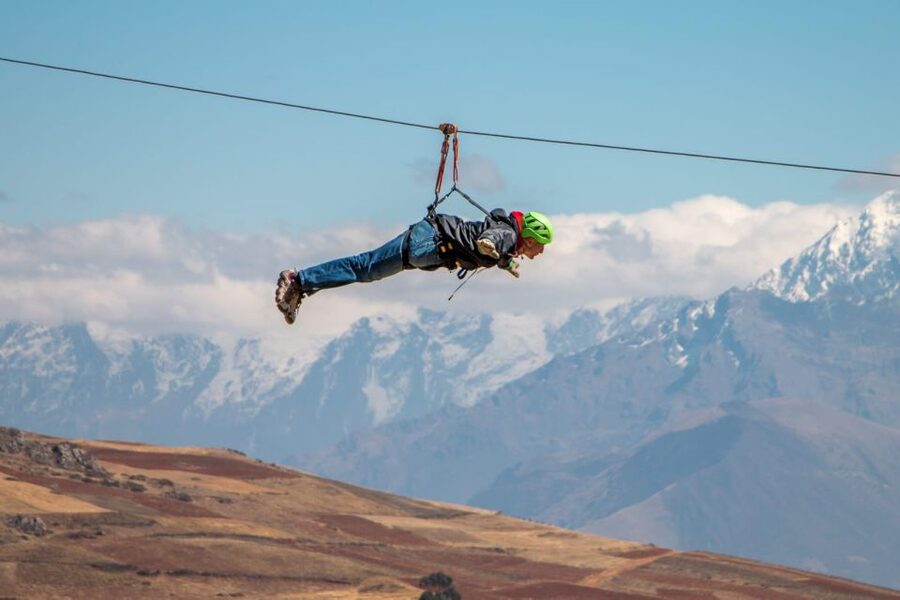
The second cable provides the maximum sensation of speed. This is likely to be the purest adrenaline moment of the four, with less emphasis on tricks and more on moving quickly across the space.
If you prefer a calmer experience, the first cable gives you a useful test before reaching this point. If you want the fastest run, the sequence places it early enough that you still have energy for the more unusual third cable and the scenic fourth cable.
The speed can make it harder to focus on the views, so consider treating this one as the action shot and saving your attention for the last crossing. Your camera should only come out if the guides allow it and if it can be secured properly.
The third cable: Superman and monkey-style options
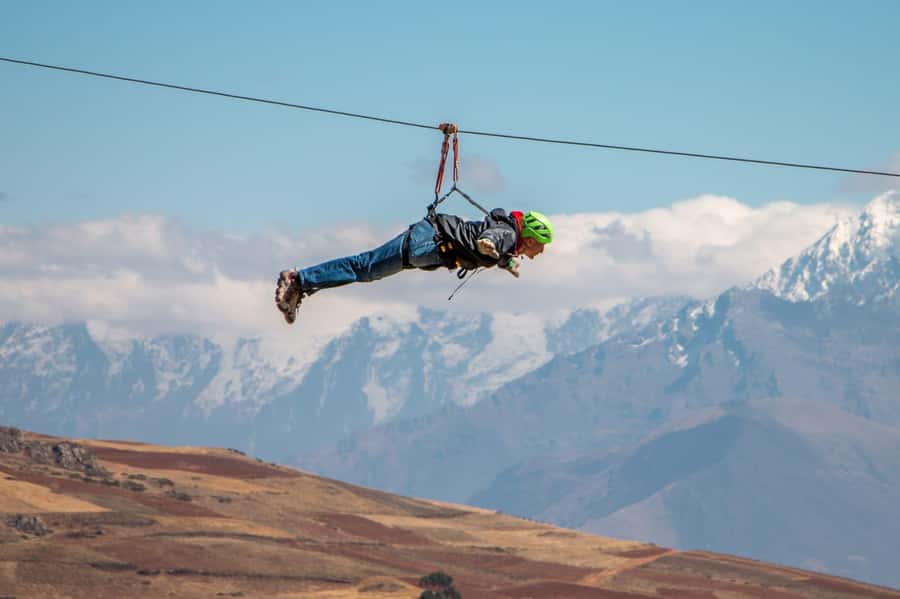
The third line is designed for extreme movements, including the Superman or Superwoman position. A review of the experience also mentions an upside-down or monkey-style option, which adds a playful challenge for participants who want more than a standard seated crossing.
These positions are not the main attraction for everyone. If you are happy simply to ride the cable, you can focus on the flight and the views. If you want to try a trick, listen carefully to the guide and ask what is safe and permitted before leaving the platform.
The third cable is where the experience feels most personal. You choose how adventurous to be. The standard position offers the basic ride, while an approved movement can make the crossing feel like a small stunt.
The fourth cable: the best mountain views
The final cable is promoted for its views of the canyon, Sacred Valley, and mountains. It is the natural scenic payoff after the first cable’s introduction, the second cable’s speed, and the third cable’s acrobatics.
The snowy peaks are an important part of the view. The high mountain setting gives the ride a strong sense of place, rather than making it feel like a generic amusement-park zipline. You are moving above a valley that is one of the defining areas around Cusco.
This is also the best moment to slow down mentally. You may not be able to stop or linger while crossing, but you can keep your eyes open and take in the scale around you. If photography is allowed, prepare before the ride and follow the equipment rules. A camera is listed as something to bring, but the guides’ safety instructions come first.
What $45 includes, and what it does not
At $45 per person, the price is reasonable for a three-hour outing that includes round-trip transport from the Cusco historic center area, safety equipment, guide instruction, and four zipline crossings. The four-cable format gives you more variety than a single short ride, and each cable has a clear purpose.
The strongest value comes from the combination of transport and setting. You are paying not only for the activity but also for the ride to Mirador de Racchi and back. You also avoid arranging your own safety gear.
Food is not included, and extra expenses are your responsibility. Bring cash for anything you may want during the outing. Since the activity lasts about three hours, you may want to eat before or after, depending on the starting time. No meal is promised as part of the experience, so plan accordingly.
The price makes the most sense if you want a focused burst of outdoor activity rather than a full-day Sacred Valley tour. This does not include a broad valley sightseeing program or a meal. It is a zipline excursion with panoramic views and transport.
Who should book this Sacred Valley ride
I would recommend this for you if you want an active side trip from Cusco, enjoy mountain views, and like the idea of gradually increasing the challenge. Beginners benefit from the gentle first cable, while more confident participants have the fast second line and movement options on the third.
It also suits people who want a compact outing. Three hours is long enough to leave the city, complete four runs, and return without giving up an entire day. The English and Spanish instruction makes the activity practical for an international audience.
You should think twice if you dislike heights, do not want a speed-focused activity, or have a medical condition that could make ziplining unsafe. The experience is specifically not suitable for pregnant women, wheelchair users, or people with pre-existing medical conditions.
The activity may not fit every mobility need because wheelchair users cannot participate. The available information does not provide a minimum age, maximum weight, clothing policy, or exact group size, so ask the provider about those points if they affect your decision.
Timing, cancellation, and simple preparation
The duration is three hours, but starting times depend on availability. Check the schedule carefully, especially if you are coordinating this with another Cusco activity. Pickup is from a hotel near or within the historic center, and both outward and return transport are included.
You can cancel up to 24 hours in advance for a full refund. The reserve-now, pay-later option lets you hold a place without paying immediately, which is useful when your Cusco schedule is still shifting.
Bring a camera if you want pictures, but do not expect to use it freely while moving along the cables. Carry cash for food or other personal expenses, since those are not included. The most important preparation is to arrive ready to listen to the safety briefing and follow the guides’ directions.
Should you book the four-cable zipline?
Book it if you want fast outdoor fun with strong Sacred Valley views and a simple three-hour plan from Cusco. The gentle opening cable, fastest second line, trick-focused third cable, and scenic final run create a well-paced experience. Included transport and equipment make the $45 cost easier to justify.
Skip it if you need a wheelchair-accessible activity, are pregnant, have a pre-existing medical condition, or want a relaxed sightseeing tour with meals and cultural stops. For everyone else, this is a good fit for adding speed, height, and mountain scenery to a Cusco itinerary without sacrificing a full day.
FAQ
Where does the zipline activity take place?
The activity takes place in the Cusco Region of Peru, at a base near the Mirador de Racchi in the Sacred Valley.
How long does the experience last?
The activity lasts about three hours. Starting times depend on availability.
How far is the base from Cusco?
The trip from the pickup area to the base takes approximately 40 minutes.
Is hotel pickup included?
Yes. Outward and return transport are included for hotels near or within Cusco’s historic center.
How many ziplines are included?
The activity includes four cables, each with a different length and purpose.
Which zipline is the fastest?
The second cable is the fastest and provides the strongest sensation of speed.
Can I try a Superman or Superwoman position?
The third cable is designed for extreme movements such as the Superman or Superwoman position. Ask the guides which movements are permitted during your visit.
What equipment is provided?
A harness, helmet, and gloves are provided, along with the zipline activity and transport.
What languages do the instructors speak?
The instructors speak English and Spanish.
Is food included?
No. Food and extra personal expenses are not included. Bring cash if needed.
Who should not take part?
The activity is not suitable for pregnant women, wheelchair users, or people with pre-existing medical conditions.
Can I cancel for a refund?
Yes. You can cancel up to 24 hours in advance for a full refund.
Just added around Peru
- Walking tour through the Historic Center of Arequipa★ 4.0 · 3 reviews
- Waqrapukara 1 day trekking + meals★ 3.9 · 3 reviews
- Zipline over the Sacred Valley Trip★ 5.0 · 11 reviews
- Valle Sur Cusco | half day★ 4.3 · 3 reviews
- Visit to the Cochahuasi Animal Sanctuary with rescued animal★ 4.1 · 4 reviews
- VISIT THE NATIONAL RESERVE OF PARACAS BY ATV★ 4.8 · 23 reviews
- Uros Floating Islands Tour in Puno★ 3.7 · 9 reviews
- Vinicunca Mountain Tour – Full Day Tour to Rainbow Mountain★ 3.4 · 4 reviews
Sacred Valley Tours, compared.

Sacred Valley & Maras Salt Mines Tour with Lunch
Read our review →
Moray, Maras Salt Mines & Chinchero Weavers Tour
Read our review →
Sacred Valley, Pisac, Ollantaytambo, Salt Mines Moray
Read our review →
Chinchero,Moray & Salt Mines drop-off in Ollantaytambo
Read our review →
Pisac Indian Market and Ollantaytambo Fortress with Lunch
Read our review →
2-Day Trip to the Sacred Valley and Machu Picchu
Read our review →Browse the lists this tour appears in