
Reviewed · SACRED VALLEY TOURS
Cusco: Sacred Valley of the Incas Tour
The most striking part of this day is the change in altitude and scenery as you leave Cusco for the Sacred Valley. In roughly 10 hours, you move from high mountain streets to fertile valley fields, then back up to Chinchero, where Inca ruins and living weaving traditions share the same town.
I like the strong mix of sites: Pisac gives you terraces and ceremonial ruins, while Ollantaytambo delivers huge stonework and a fortress climbing the mountainside. I also like the chance to see Andean weaving in Chinchero rather than only browsing finished souvenirs. The main drawback is the packed schedule, plus a reported pickup delay that left one family waiting with luggage for 45 minutes before joining a full bus.
In This Review
- Key points to know before booking
- A full day from Cusco to the Sacred Valley
- First views from Cusco into the Sacred Valley
- Pisac market and the first archaeological site
- Urubamba provides the midday pause
- Ollantaytambo and its huge mountain terraces
- Chinchero adds living Andean craft
- Transport and timing deserve careful thought
- The guide can shape the whole day
- What the $22 price really covers
- Who should book this Sacred Valley tour?
- Should you book it?
- FAQ
- How long does the Sacred Valley tour last?
- What places does the tour visit?
- Is lunch included?
- How much is the entrance ticket?
- Is hotel pickup available?
- What languages are available?
Key points to know before booking
- Pisac combines a market visit with high mountain ruins, so you get both local crafts and major Inca remains.
- Ollantaytambo is the visual centerpiece, with massive terraces and stones set high above the town.
- Chinchero reaches 12,342 feet, higher than Cusco, so altitude and cold or wet weather can matter.
- The 70-sol tourist ticket is extra, and you buy it at the first archaeological stop, Pisac.
- Lunch in Urubamba is not included, giving you a break after the morning ruins but adding to the day’s cost.
- Guide Luis earned strong praise for patience and clear explanations, a useful quality on a long group outing.
A full day from Cusco to the Sacred Valley
This tour covers the best-known stops in one long circuit. You leave from the historic center of Cusco, at Iglesia del Triunfo, and return to the same area in the early evening. Hotel pickup is included, but you should wait in the lobby 10 minutes before the scheduled time.
The price is just $22 per person, which makes this a low-cost way to reach several sites that would take more planning and separate transport on your own. That price does not include lunch or the 70-sol tourist ticket, so your real cost will be higher. Still, transport and a live guide in English or Spanish make the basic price attractive.
The day is not designed for a slow, private visit. You will spend about an hour at the main archaeological sites and move between several towns. If you want to study every wall, take long photo breaks, or shop without watching the clock, a private or multi-day plan may suit you better.
More sacred valley tours in Cusco:
- From Cusco: Sacred Valley & Maras Salt Mines Tour with Lunch
★ 4.8 · 2,227 reviews - From Cusco: Moray, Maras Salt Mines & Chinchero Weavers Tour
★ 4.8 · 1,925 reviews - Cusco: Sacred Valley, Pisac, Ollantaytambo, Salt Mines Moray
★ 4.6 · 1,058 reviews
First views from Cusco into the Sacred Valley
Cusco sits at 11,152 feet, or 3,399 meters. The route soon opens toward the Sacred Valley, and the first scenic lookout gives you a useful view of the wide valley below. This is not just a photo stop. It helps you understand the geography that made the area so important to the Incas.
The valley floor sits lower than Cusco, and the contrast is easy to see. Mountains rise sharply around cultivated land and scattered settlements. The lookout is a good early pause before the first major ruins, especially if you need a moment to adjust to the altitude.
You should bring water, sun protection, and a hat. Rain gear is also sensible. Conditions can change quickly in the Andes, and the tour moves between several elevations during the day.
Pisac market and the first archaeological site
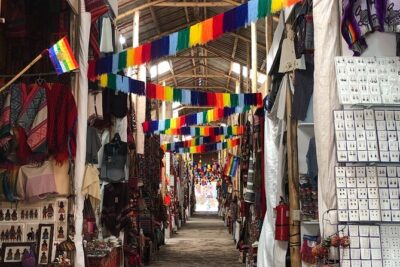
Pisac is the first major stop, and the visit has two different parts. In town, you have about 30 minutes with a guide and time to see the artisan market. Local sellers display handwoven textiles and silver jewelry, giving you a chance to look at Andean craft traditions before climbing toward the archaeological site.
The market is useful if you want gifts, but keep the short schedule in mind. You may need to choose between browsing carefully and staying close to the group. The tour is not built around extended shopping, so use this stop to get a quick sense of the work on offer rather than expecting a long market session.
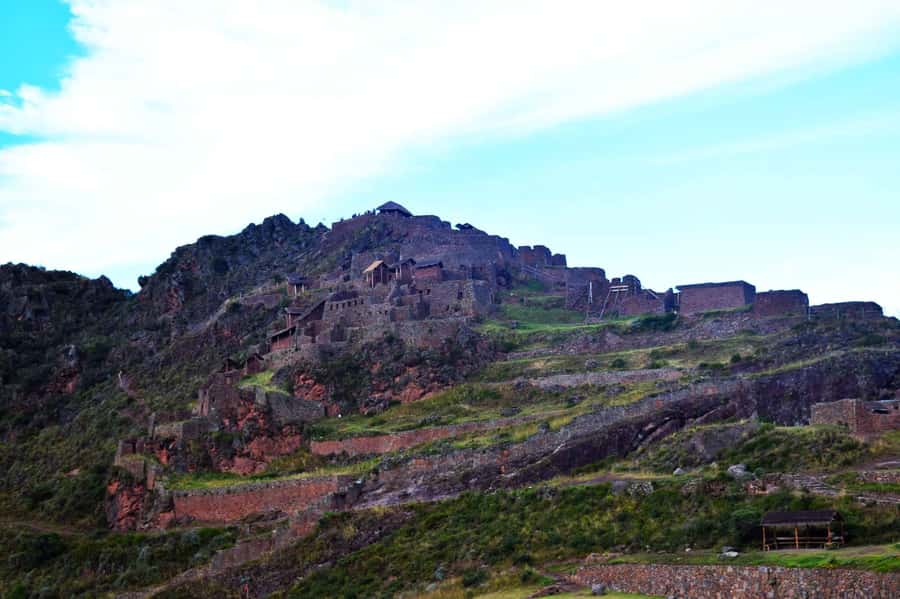
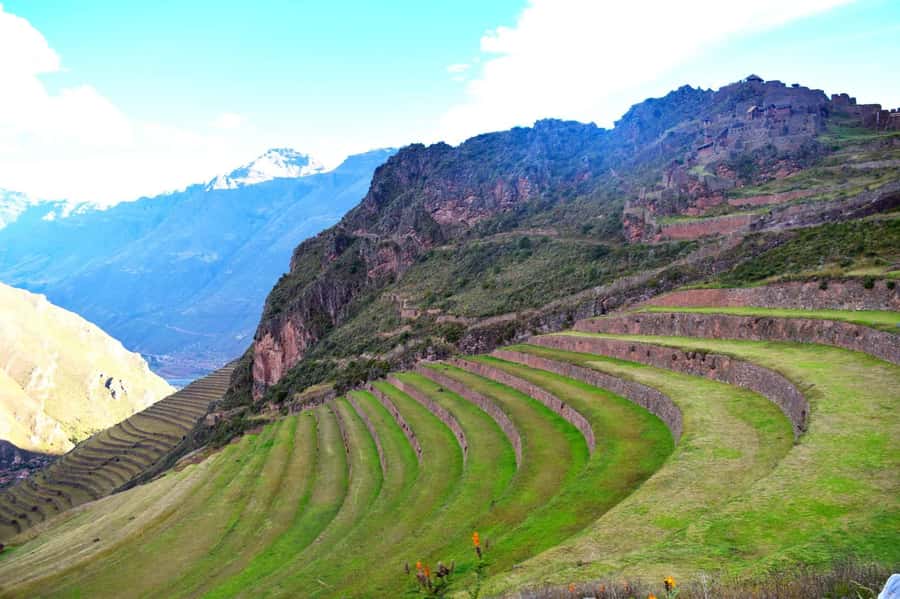
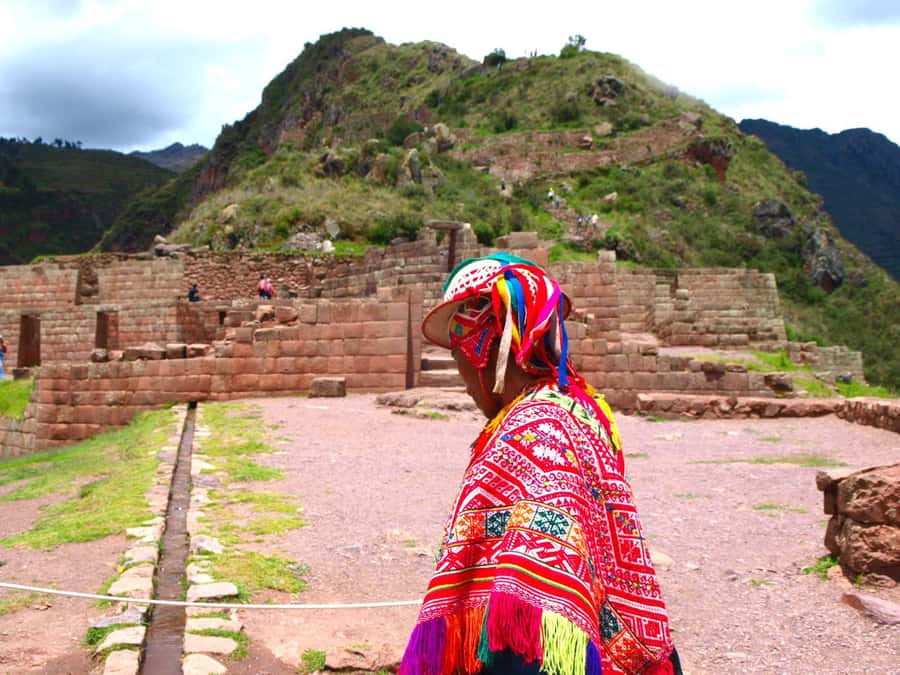
The Pisac archaeological site sits much higher, at about 10,980 feet, or 3,347 meters. You spend roughly an hour here with the guide. Ancient terraces spread across the slopes, while ceremonial structures look out over the valley below.
The terraces are one of the clearest examples of how the Incas worked with steep mountain ground. They were not simply decoration. They created usable farming levels and helped turn difficult terrain into productive land. From above, the scale of the work becomes easier to grasp.
The ceremonial temples add another layer. Your guide can explain what you are seeing, but the value of the stop also comes from the setting. You are looking across the valley from a site built to control, farm, and honor this highland world.
The 70-sol tourist ticket is not included. You can buy it at the entrance to the first place visited, which is Pisac. Have cash or a suitable payment method ready, and do not assume the tour price covers admission.
Urubamba provides the midday pause
After Pisac, the route follows the fertile valley toward Urubamba, at about 9,420 feet, or 2,870 meters. This is the lunch stop, and you have about an hour.
Lunch is not included, so plan for an additional expense. The supplied details do not name a restaurant or set menu, so the practical approach is to treat this as a scheduled break rather than a food highlight. You get time to eat, rest, and prepare for the afternoon’s largest site.
This pause matters because the morning includes altitude, walking, and uneven archaeological ground. If you are feeling tired, use the hour well. Drink water, eat enough, and keep your belongings organized before returning to the vehicle.
Same valley, a completely different kind of day:
- Cusco: Humantay Lake Tour with Breakfast and Buffet Lunch
★ 4.9 · 2,976 reviews - From Cusco: Full-Day Group Tour of Machu Picchu
★ 4.7 · 1,767 reviews - Machu Picchu Day Trip from Cusco
★ 4.5 · 1,644 reviews - Cusco: Half-Day City Tour with Sacsayhuaman and Q’enco
★ 4.6 · 1,129 reviews
Ollantaytambo and its huge mountain terraces
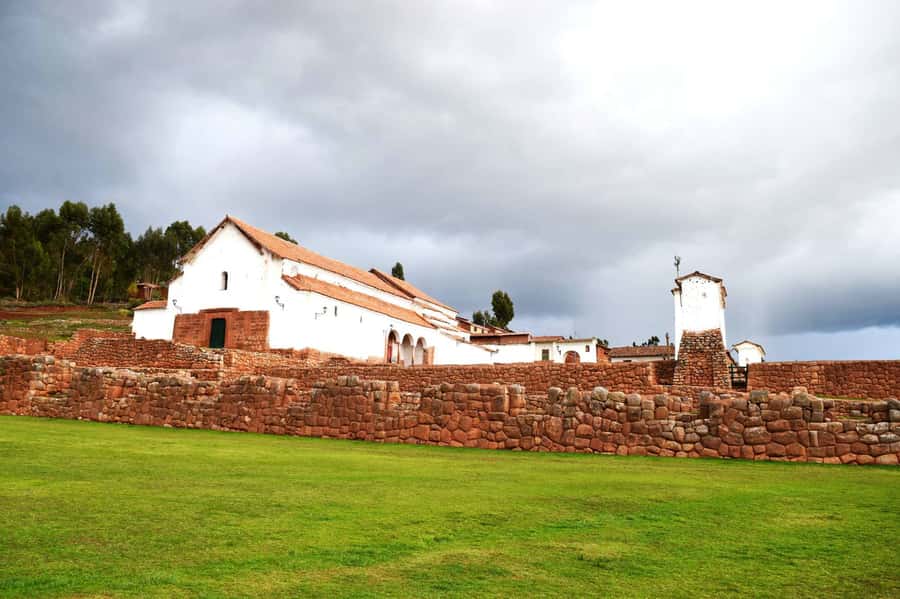
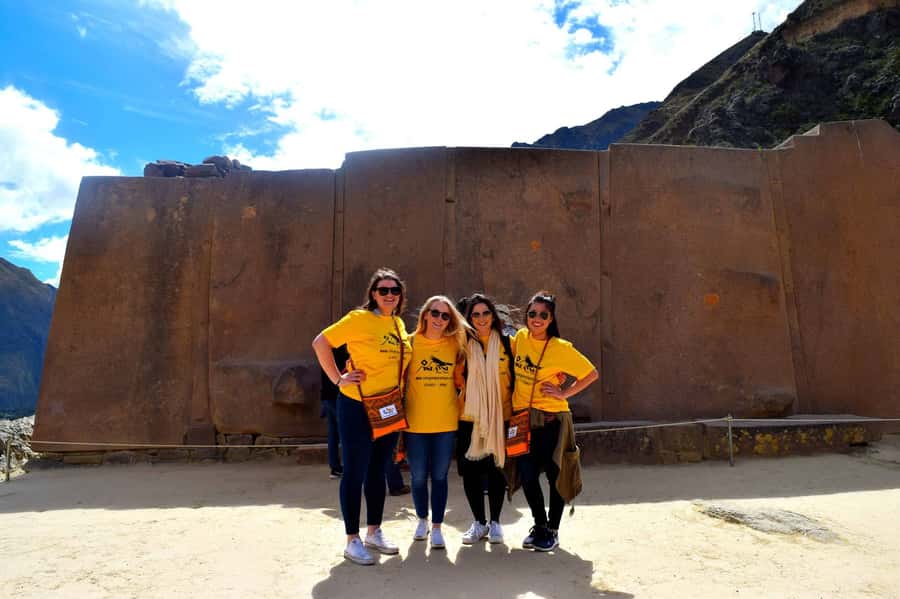
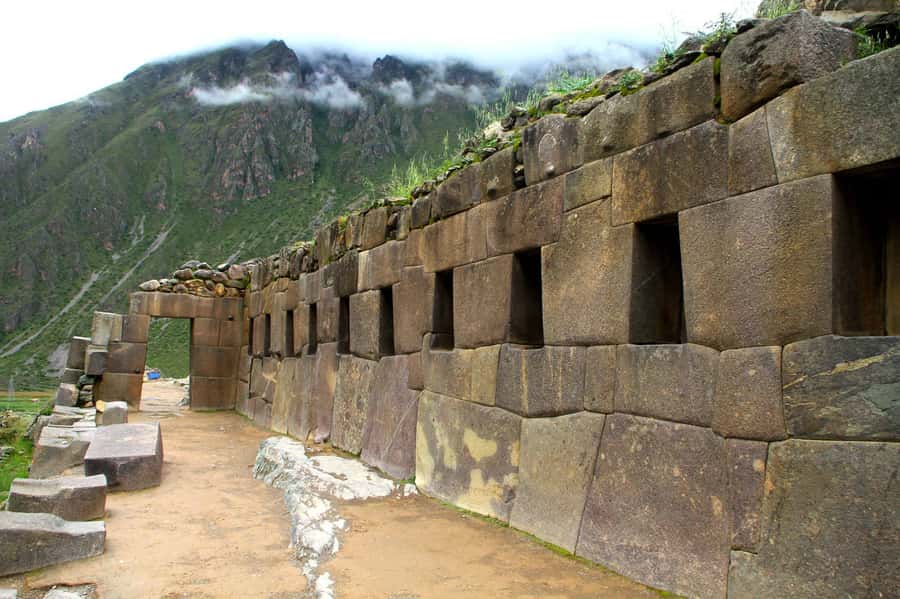
Ollantaytambo is the strongest reason to choose this tour. The town sits at about 9,160 feet, or 2,792 meters, and its fortress rises dramatically above it. You receive about an hour with the guide.
The site had both strategic and spiritual importance. Its massive stone terraces climb the mountainside, creating a powerful view even before you study the details. The scale of the stones and the steep setting make Ollantaytambo feel different from Pisac. Pisac spreads across high slopes, while Ollantaytambo confronts you with a more concentrated wall of Inca engineering.
You should expect stairs, uneven ground, and walking in open sun. The information provided does not give a precise route or mobility support, and the tour is not suitable for people with mobility impairments. If you have a medical condition, especially one affected by altitude or exertion, this is not a casual decision.
The time limit is the chief compromise. One hour lets you see the main area and hear the essential explanation, but it may feel short if you want to linger. A recent account describes a family leaving before the Ollantaytambo ruins because the wife became ill, which is a useful reminder that the day can be physically demanding.
Chinchero adds living Andean craft
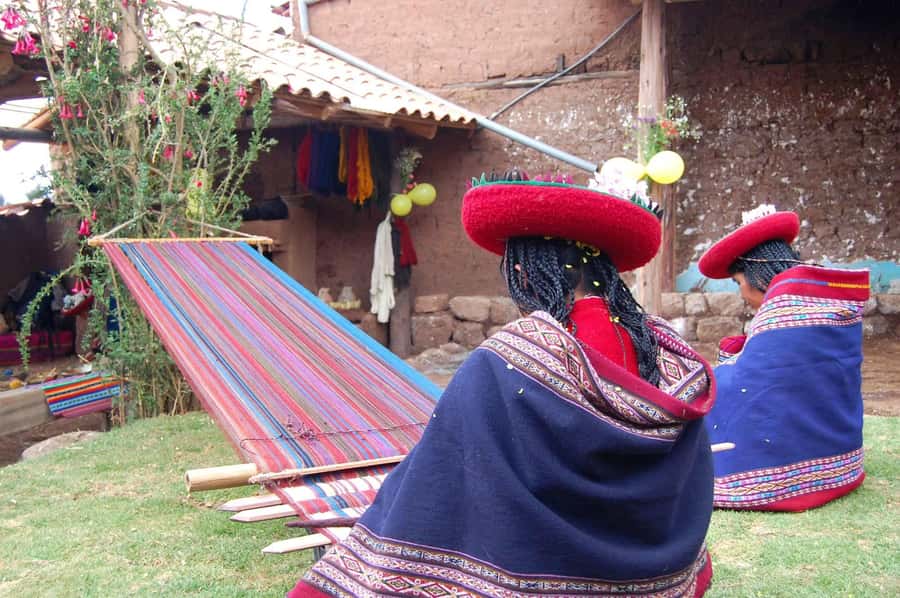
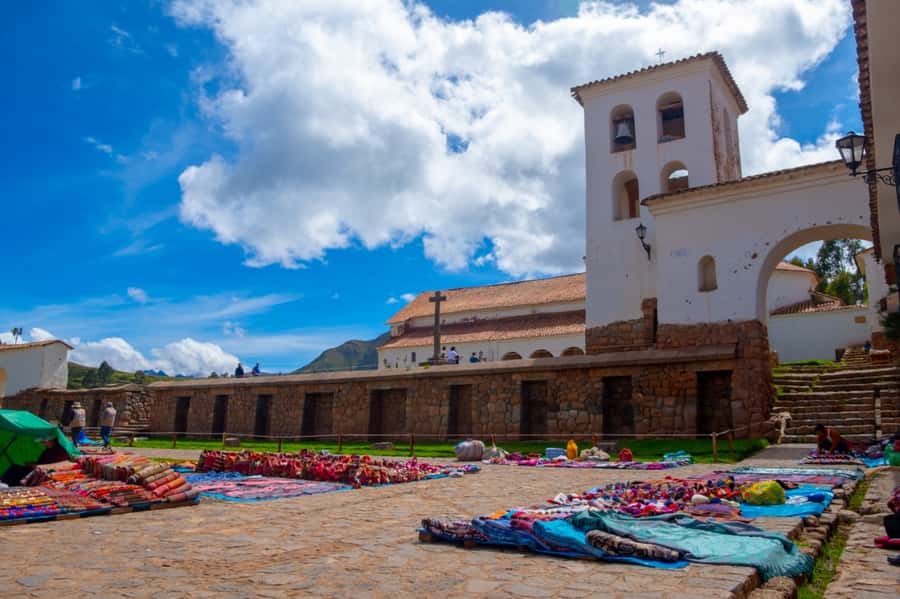
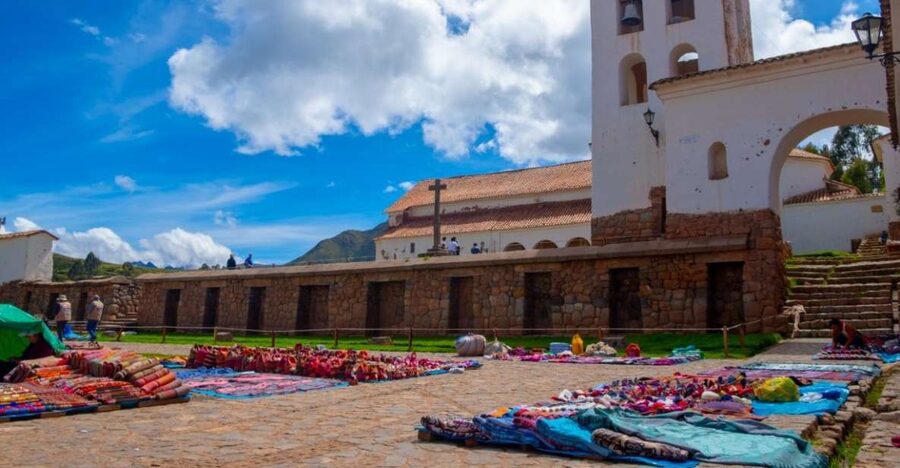
The final major stop is Chinchero, at 12,342 feet, or 3,762 meters. That makes it higher than Cusco and the highest point listed on this route. The town is known for Inca ruins, a colonial church, and textile workshops.
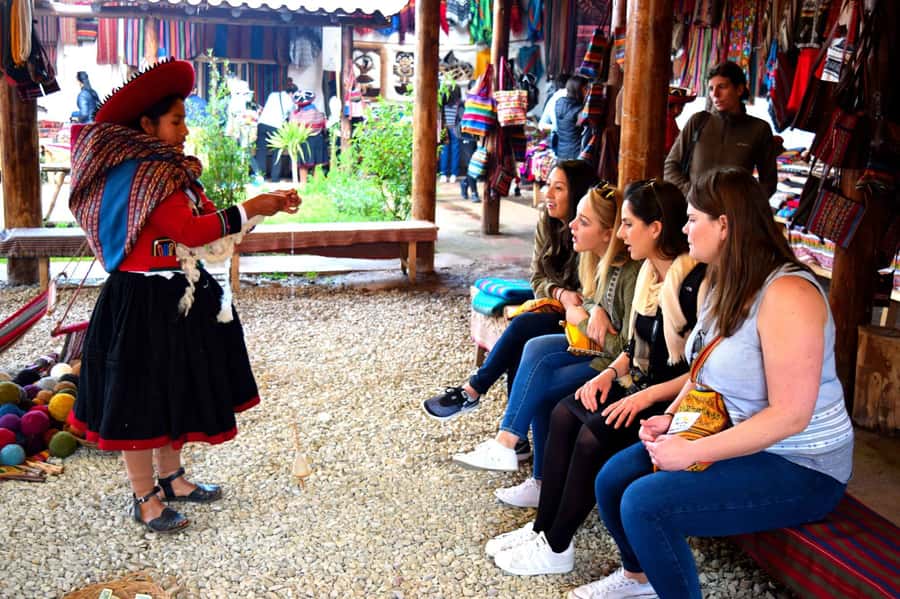
The weaving demonstration is the most distinctive part. Artisans show traditional techniques, letting you see how Andean textile work is made rather than only finding finished goods on a market table. For me, this gives the stop more value than a standard souvenir break. It connects the older sites with a craft tradition that continues in the region.
Chinchero also shows how different periods overlap. Inca remains and a colonial church occupy the same town, while the weaving workshops connect the past with present-day local work. You have about an hour with a guide, enough for an introduction but not a lengthy workshop.
The high altitude can be felt here, even if you handled Cusco well. Keep your pace steady, drink water, and bring a warm layer and rain protection. The tour instructions specifically advise a passport or identity card, sun protection, water, and rain gear.
Transport and timing deserve careful thought
Transport to and from your hotel is included, but the pickup process may not always be smooth. One recent pickup was scheduled for 7:30 in the morning, yet a family waited outside with bags for 45 minutes. They were then taken by car to meet a full bus and ended up separated across the vehicle.
That does not prove every departure will run this way, but it is a practical concern. Keep your phone available, wait in the hotel lobby as instructed, and avoid planning a tight commitment for the evening. The day lasts about 10 hours, and delays can affect your return.
The tour has two listed pickup options in the historic center, including Iglesia del Triunfo, and the return is to the same central area. The details also say hotel pickup and drop-off are available. Confirm the exact meeting arrangement before departure, especially if your accommodation sits outside the central area.
Group size is not specified. Since one account describes a full bus, you should be prepared for a shared vehicle rather than a small private outing. That keeps the price low, but it can make boarding, seating, and timing less flexible.
The guide can shape the whole day
A good guide matters on a route with four stops and a lot of driving. The guide is expected to explain the sites in English or Spanish, and Luis is specifically praised for being patient and well informed. Those qualities are important here because the tour moves quickly and the ruins can look confusing without context.
You will get the most from the experience if you listen during the site walks and ask direct questions. At Pisac and Ollantaytambo, the guide helps connect terraces, temples, stonework, farming, and military planning. At Chinchero, the explanation can help you see weaving as a local skill with meaning, not just a sales pitch.
The guide cannot remove every limitation of a large group. If the bus is full, you may not sit with everyone in your party. Families and couples who need to stay together should board promptly and keep the pickup process organized.
What the $22 price really covers
At $22, this is a strong transport-and-orientation deal. You reach Pisac, Urubamba, Ollantaytambo, and Chinchero in one day, with a bilingual guide and return transport. Reproducing that route independently would require arranging several rides and working out the sequence yourself.
The admission ticket changes the calculation. Add 70 soles for the tourist ticket, plus lunch and any market purchases. Even then, the tour can remain good value for someone who wants a broad first look at the valley.
The low price also explains the trade-offs. You should not expect a private vehicle, long stays at each ruin, or total control over meal and departure times. I would choose this option for convenience and coverage, not for a quiet, highly personalized day.
Who should book this Sacred Valley tour?
I would recommend it to a first-time visitor with one free day who wants to see the main sights without arranging several transfers. It also suits budget-conscious visitors who value a guide and do not mind a long group day.
It is a good fit if you enjoy mixing major ruins with local culture. Pisac covers the market and archaeological side, Ollantaytambo provides the grandest ruins, and Chinchero adds weaving and colonial-era sights.
I would be cautious if you have a medical condition, mobility limitations, or difficulty with high altitude. The route reaches more than 12,000 feet and includes archaeological sites with uneven ground and stairs. You should also think twice if you dislike early pickups, full buses, fixed meal stops, or limited time at each place.
Bring your passport or ID, water, sunscreen, a hat, and rain gear. Pets, alcohol, drugs, weapons, and sharp objects are not allowed. You can cancel up to 24 hours before departure for a full refund, and the reserve-now, pay-later option gives you some flexibility while your Cusco plans settle.
Should you book it?
Book this tour if you want maximum Sacred Valley coverage for a low base price and can accept a fast pace. The strongest moments are likely to be the Pisac terraces, the massive Ollantaytambo fortress, and the Chinchero weaving demonstration.
Skip it in favor of a slower or private plan if you need extra time, guaranteed seating with your party, or a gentler altitude schedule. For everyone else, this is a useful overview of the valley, with solid value and some real logistical risks to keep in mind.
FAQ
How long does the Sacred Valley tour last?
The tour lasts about 10 hours and returns to Cusco in the early evening.
What places does the tour visit?
The route includes a scenic viewpoint, Pisac town and its artisan market, the Pisac archaeological site, Urubamba for lunch, Ollantaytambo Fortress, and Chinchero.
Is lunch included?
No. Lunch in Urubamba lasts about one hour and must be paid for separately.
How much is the entrance ticket?
The tourist ticket costs 70 soles and is not included. You can buy it at the entrance to the first location, Pisac.
Is hotel pickup available?
Yes. Pickup and drop-off are included. You should wait in your hotel lobby 10 minutes before the scheduled pickup time.
What languages are available?
The live guide is available in English or Spanish.
Just added around Cusco
- Waqrapukara 1 day trekking + meals★ 3.9 · 3 reviews
- Zipline over the Sacred Valley Trip★ 5.0 · 11 reviews
- Valle Sur Cusco | half day★ 4.3 · 3 reviews
- Visit to the Cochahuasi Animal Sanctuary with rescued animal★ 4.1 · 4 reviews
- Visit Pisac from Cusco: Private Transport★ 4.6 · 9 reviews
- Maras and Huaypo lagoon by ATV from Cuzco | Local Operator★ 4.7 · 4 reviews
- Trek to Humantay Lake from Cusco★ 4.9 · 8 reviews
- Trek to Choquequirao 4 days★ 3.8 · 4 reviews
Sacred Valley Tours, compared.

Sacred Valley & Maras Salt Mines Tour with Lunch
Read our review →
Moray, Maras Salt Mines & Chinchero Weavers Tour
Read our review →
Sacred Valley, Pisac, Ollantaytambo, Salt Mines Moray
Read our review →
Chinchero,Moray & Salt Mines drop-off in Ollantaytambo
Read our review →
Pisac Indian Market and Ollantaytambo Fortress with Lunch
Read our review →
2-Day Trip to the Sacred Valley and Machu Picchu
Read our review →Browse the lists this tour appears in