
Reviewed · CUSCO TOURS
Cusco: Archeological Sites Tour and Forest Photo Experience
Cusco’s best short introduction to Inca archaeology is spread across several sites, and this five-hour tour links four hilltop ruins with Coricancha, the former Temple of the Sun in the city center. The Qenqo Forest photo session adds something different from a standard ruins circuit.
I like the efficient route and the included hotel pickup, especially if you have only half a day. I also like that the price includes a digital souvenir photograph and access to Qenqo Forest. The main concern is tour operation: the published rating is only 3.3 from four reviews, and one October 2023 booking reported poor organization, a missed final ruin, no offered photos, and uncomfortable treatment on the bus.
In This Review
- Key points to know before booking
- Why this route works well in half a day
- Qenqo, where stone becomes a ceremonial space
- Puca Pucara and the old road network
- Sacsayhuaman and the giant limestone walls
- Tambomachay, the Inca baths
- Qenqo Forest and the promised photograph
- Coricancha, the city-center finale
- What the $17 price really buys you
- Practical preparation for Cusco’s high-altitude circuit
- Who should book this experience
- Should you book the Cusco ruins and forest photo tour?
- FAQ
- How long does the tour last?
- Which archaeological sites are included?
- Is Coricancha included?
- Are the archaeological entrance fees included?
- Is hotel pickup provided?
- What languages are available?
Key points to know before booking
- Four Inca sites outside central Cusco: Visit Qenqo, Puca Pucara, Sacsayhuaman, and Tambomachay in one half-day.
- Qenqo Forest photo session: An expert photography guide is meant to take photographs, with one digital souvenir file included.
- Coricancha is an extra stop: The temple visit is included in the guided plan, but its 15-sol entrance fee is not included.
- Budget price, extra costs: The advertised $17 price does not cover the 70-sol Tourist Ticket or food and drinks.
- Flexible booking terms: You can cancel up to 24 hours ahead for a full refund and reserve without paying immediately.
- Allow for timing problems: The itinerary may change, and one recorded booking did not reach the final ruin because of delays.
Why this route works well in half a day
The tour covers the four major Inca sites within and around Cusco, then finishes at Coricancha. That gives you two useful views of Inca culture: large ceremonial and defensive sites outside the city, followed by the precise stonework and religious importance of the Temple of the Sun.
I find this route appealing for a first day in Cusco. You do not need to arrange several taxis, work out the order of the ruins, or figure out how to return to town. Hotel pickup and return are included, and the final drop-off is in central Cusco.
The tradeoff is pace. Five hours is enough for an introduction, not a slow archaeological study. If you want time for long walks, quiet photography, or detailed explanations at every wall, a private tour with a longer schedule may suit you better.
The tour operates in English and Spanish. No individual guide names are provided, so you should not book this expecting a particular guide. The driver is supposed to hold a sign with your last name and will wait no more than five minutes after the scheduled pickup time. Be in the hotel lobby about 10 minutes early.
Other Cusco days worth putting on the list:
- Cusco: Humantay Lake Tour with Breakfast and Buffet Lunch
★ 4.9 · 2,976 reviews - From Cusco: Sacred Valley & Maras Salt Mines Tour with Lunch
★ 4.8 · 2,227 reviews - From Cusco: Moray, Maras Salt Mines & Chinchero Weavers Tour
★ 4.8 · 1,925 reviews
Qenqo, where stone becomes a ceremonial space
Qenqo is the first stop, described as a natural rock formation adapted into a ceremonial center. It is an excellent opening because it feels different from the massive masonry at Sacsayhuaman. Here, the rock itself is the focus.
You will see a site shaped by both nature and human work. The name is often associated with winding or zigzag forms, and the visit centers on how the Incas used the existing stone rather than simply building over it. The supplied information does not promise a specific underground chamber or ritual demonstration, so keep your expectations focused on the carved rock and ceremonial setting.
Qenqo also gives access to the forest photo session later in the route. That pairing makes practical sense, since you return to the same general area for photographs. Ask the guide early when the photo session will happen and how the digital file will be delivered. One booking reported that the promised photographs were not offered, so it is wise to confirm this before leaving the site.
Puca Pucara and the old road network
Puca Pucara is presented as a military site with remains of guard posts, stairways, streets, houses, and patios. Its position gives the ruins a practical feel. This was not only a ceremonial place. It helped control movement along the route approaching Cusco.
I like this stop because the surviving features let you think about daily use, not just royal ceremony. Stairs and patios are easier to picture as part of a working settlement than a single monumental wall. Your guide can help explain how the site may have supported guards and travelers moving through the area.
The visit is likely to be shorter than at Sacsayhuaman, which is useful on a five-hour schedule. Still, this is one of the places where a rushed guide could reduce the experience to a quick photo stop. Pay attention to the layout rather than expecting a large, fully preserved complex.
Sacsayhuaman and the giant limestone walls
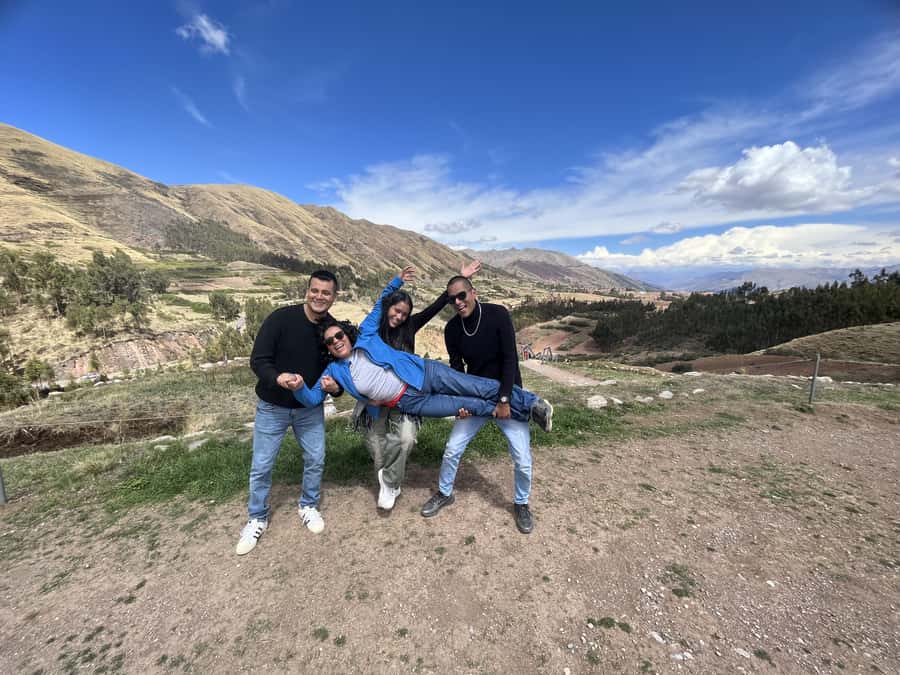
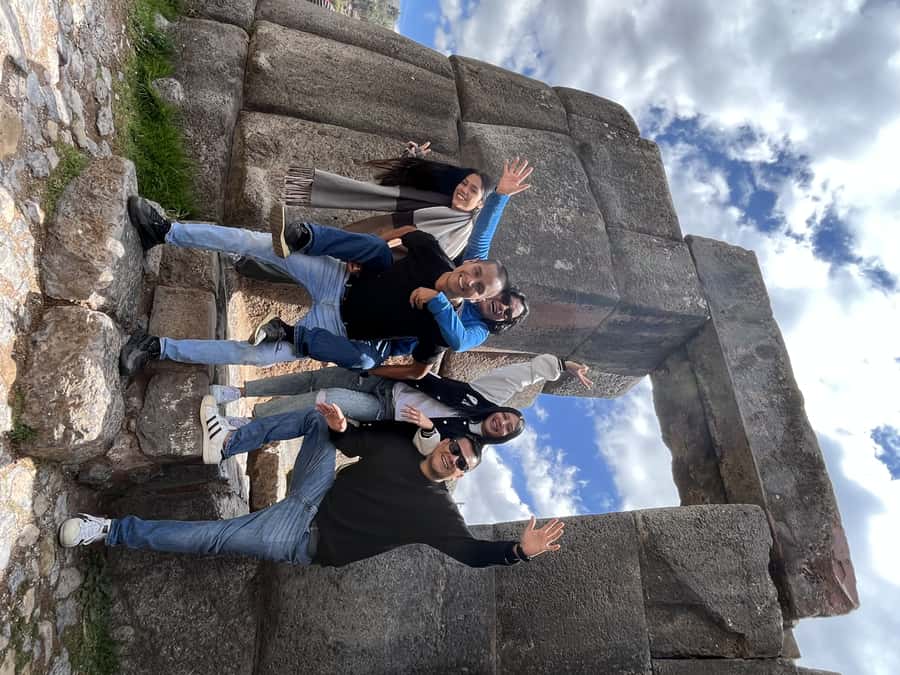
Sacsayhuaman is the visual heavyweight of the route. The site was built with huge limestone blocks and is described as a solar sanctuary created by the final Inca dynasties. It also served as a defensive stronghold protecting Cusco from attack.
The size of the stones is the main reason to come. Their tight fit and irregular shapes show the precision of Inca masonry better than a small museum display can. You will also get a broad view over the city, although the exact viewpoint and time available depend on the guide and traffic.
Sacsayhuaman deserves more than a rushed lap. If the group arrives late, this is the stop most likely to expose the problem because the site is large and the important features are spread out. The report of a missed final ruin makes punctual pickup and a clear schedule especially important. At the start, ask how long the group will spend at each location.
The site also carries difficult historical context. The Spanish conquest changed its use and damaged parts of the complex, while local traditions continue to give the area strong cultural meaning. The supplied tour details do not promise a long history lecture, so you may want to read a little beforehand if that background matters to you.
Same valley, a completely different kind of day:
- From Cusco: Full-Day Group Tour of Machu Picchu
★ 4.7 · 1,767 reviews - Machu Picchu Day Trip from Cusco
★ 4.5 · 1,644 reviews - Cusco: Half-Day City Tour with Sacsayhuaman and Q’enco
★ 4.6 · 1,129 reviews - Cusco: Sacred Valley, Pisac, Ollantaytambo, Salt Mines Moray
★ 4.6 · 1,058 reviews
Tambomachay, the Inca baths
Tambomachay is about nine kilometers from Cusco and is known for its water fountains. The site may have served as a temple dedicated to water and purification, which gives the visit a quieter, more reflective mood than Sacsayhuaman.
Water is the star here. The channels and fountains show how carefully the Incas managed a natural resource and placed it within a sacred setting. You will not need a large site to understand the point: the design is compact, and the effect comes from the flow of water and the stonework around it.
Because Tambomachay is the fourth ruin, timing matters. The activity promises all four ruins, but the schedule can be modified, and one booking reported arriving too late to visit the final ruin. I would confirm at pickup that Tambomachay is still on the planned route and ask the guide to notify the group if delays threaten the stop.
Qenqo Forest and the promised photograph
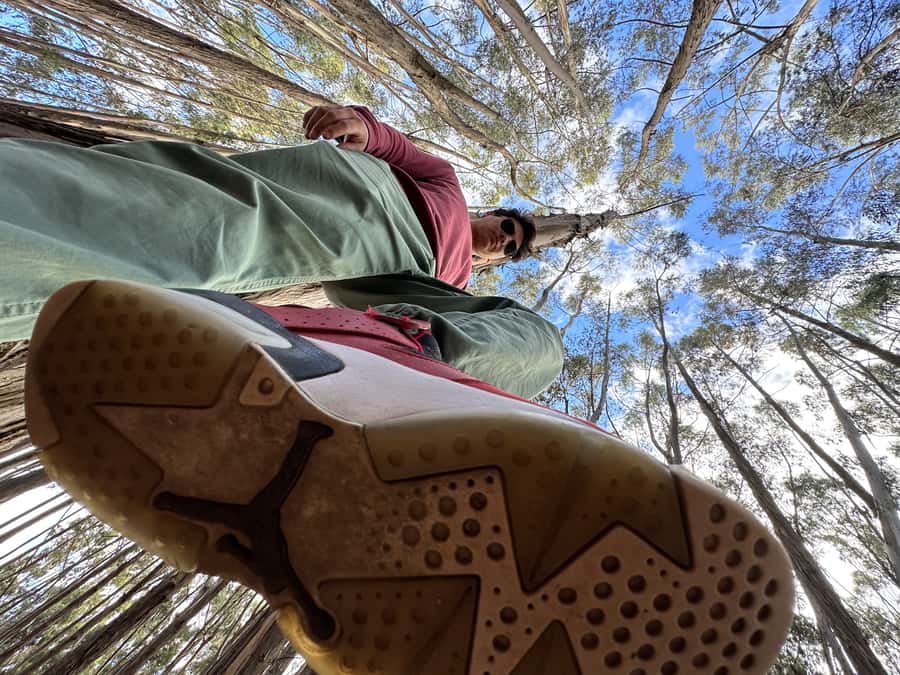
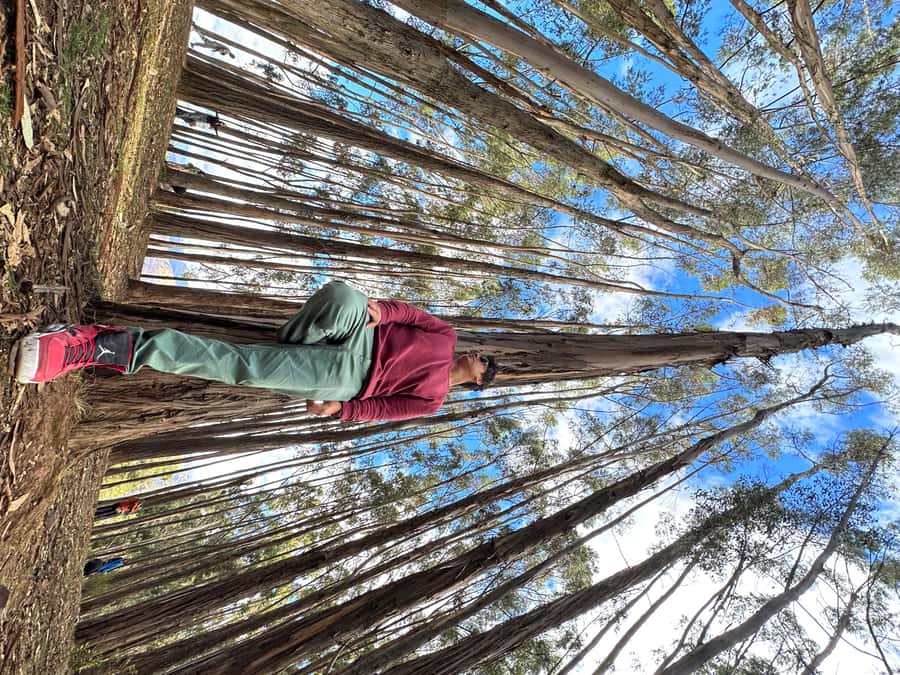
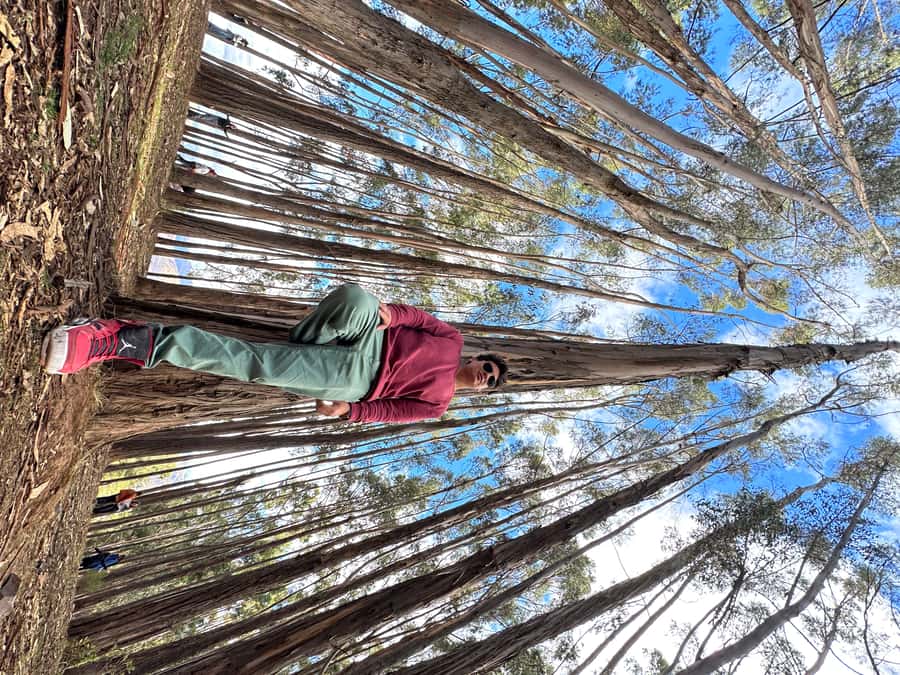
The forest session is the most unusual part of this tour. After the archaeological stops, you enter Qenqo Forest for photographs in a natural setting. An expert photography guide is meant to take the images, and one digital souvenir photograph is included.
This could be a nice change of rhythm. Ruins tours often produce the same type of picture: standing beside a wall while trying to avoid other people in the frame. A dedicated session gives you a better chance of receiving a planned portrait instead of a quick snapshot.
The details are limited. The activity does not state how many photographs are taken, how long the session lasts, or how the file is sent. It promises one souvenir image in digital form, not a complete edited gallery. Ask these questions before the session begins, and check that the guide has your contact details for delivery.
The forest setting may also be affected by weather. Cusco can shift from bright sun to rain quickly, so bring a jacket and rain gear even if the morning looks clear. Comfortable clothes will help if you are moving between rocky sites and the forest.
Coricancha, the city-center finale
The final stop is Coricancha, the former Temple of the Sun. Its importance comes through both its religious role and its architecture. The stone construction was associated with the most important temple of the Inca Empire, and the site shows how Spanish colonial building later occupied an Inca sacred foundation.
Ending here is smart. After the hilltop ruins, you return to central Cusco and see a more concentrated form of Inca craftsmanship. Coricancha helps connect the outlying ceremonial, military, and water sites to the political and religious center of the city.
The entrance fee is not included. You pay 15 soles for Coricancha, in addition to the 70-sol Tourist Ticket required for the four archaeological sites. These fees matter because they change the real cost of the activity. The $17 tour price is attractive for transport and guiding, but it is not the final amount you will spend.
Bring cash for these charges. Food and drinks are also excluded, so eat beforehand or carry a snack and water. The tour information does not promise a meal stop.
What the $17 price really buys you
At $17 per person, the basic price is low for a half-day route with hotel pickup, return transport, a live guide, five guided locations, Qenqo Forest access, and a digital photograph. If all elements operate as planned, the transport alone can make the package useful.
The required fees add 85 soles before you buy anything to eat or drink. The four ruins require the 70-sol Tourist Ticket, while Coricancha costs 15 soles. You should compare the full cost with a simple taxi arrangement, not only the headline price.
The strongest value is convenience. You get a prearranged route and a guide in English or Spanish. The weaker point is reliability. The low 3.3 rating from four reviews is not enough to prove that every departure will have problems, but it is enough reason to confirm the schedule, photo service, and entrance arrangements at pickup.
One French booking dated October 5, 2023 described being separated from local participants, being told to sit at the back of the bus, missing the final ruin because of late arrival, and not receiving the advertised photo. It also described confusion around a tea tasting and a shop visit. Tea and shopping are not part of the supplied tour inclusions, so do not book this activity expecting either one.
Practical preparation for Cusco’s high-altitude circuit
Wear comfortable shoes. The route includes archaeological sites with stone surfaces, stairs, and uneven ground, so sandals or stiff city shoes may be less comfortable.
Bring a sun hat and biodegradable sunscreen. Add a jacket and rain gear because the activity specifically recommends both. Comfortable clothing will help during the transfers and the forest session.
Carry cash for the Tourist Ticket and Coricancha entrance. You will also need money for food and drinks, which are not included. Keep your booking details and the driver’s name information ready when you wait in the lobby.
The tour begins with hotel pickup in Cusco. Be ready 10 minutes before your scheduled time. The driver is supposed to hold a sign with your last name and will not wait beyond five minutes after pickup time. That is a small detail, but missing the vehicle can ruin a five-hour plan before it starts.
Cusco weather can shift quickly, and the route includes exposed ruins as well as a forest. A light layer and rain protection are more useful than packing for one type of weather. Comfortable shoes matter more than dressing up for the photographs.
Who should book this experience
I would consider this tour if you want a low-cost overview of Cusco’s major nearby ruins and prefer someone else to organize the transport. It suits first-time visitors, short stays, and anyone who wants a photo session added to a standard archaeology route.
It also works for people who want Coricancha and the four surrounding ruins in one outing. The English and Spanish guide option makes it practical for international visitors, though the exact guide is not identified in advance.
I would hesitate if you need a slow, carefully managed visit or if missing one site would be a serious disappointment. The route has many moving parts, and the documented service complaint raises fair questions about timing and follow-through. A private guide or a tour with a stronger recent operating record may offer more control.
You can cancel up to 24 hours before departure for a full refund, and the reserve-now, pay-later option keeps your plans flexible. Those terms reduce some booking risk, but they do not fix an on-the-day scheduling problem.
Should you book the Cusco ruins and forest photo tour?
Book it if the low price, hotel transport, and broad coverage matter most. You will see Qenqo, Puca Pucara, Sacsayhuaman, Tambomachay, Qenqo Forest, and Coricancha in one compact outing, with entrance fees added separately.
Before paying, ask for confirmation that all four ruins and the photo session are included in your departure. At pickup, confirm the order of stops, the time allowed at each site, and how the digital photograph will be delivered.
My call is cautious: good route, attractive price, uneven confidence in execution. It is a reasonable budget choice for flexible visitors, but not the tour I would choose for a once-only Cusco visit unless the operator clearly confirms the schedule and photo arrangements.
FAQ
How long does the tour last?
The activity lasts five hours, including the visits to the four ruins, Qenqo Forest, and Coricancha.
Which archaeological sites are included?
The route includes Qenqo, Puca Pucara, Sacsayhuaman, and Tambomachay.
Is Coricancha included?
Coricancha is included in the guided route, but its 15-sol entrance fee is not included in the tour price.
Are the archaeological entrance fees included?
No. The 70-sol Tourist Ticket is not included. The separate 15-sol Coricancha entrance fee is also excluded.
Is hotel pickup provided?
Yes. Pickup and return to your hotel in Cusco are included. Wait in the hotel lobby 10 minutes before the scheduled time, and look for a driver holding a sign with your last name.
What languages are available?
The live tour guide is available in English or Spanish.
Just added around Cusco
- Waqrapukara 1 day trekking + meals★ 3.9 · 3 reviews
- Zipline over the Sacred Valley Trip★ 5.0 · 11 reviews
- Valle Sur Cusco | half day★ 4.3 · 3 reviews
- Visit to the Cochahuasi Animal Sanctuary with rescued animal★ 4.1 · 4 reviews
- Visit Pisac from Cusco: Private Transport★ 4.6 · 9 reviews
- Maras and Huaypo lagoon by ATV from Cuzco | Local Operator★ 4.7 · 4 reviews
- Trek to Humantay Lake from Cusco★ 4.9 · 8 reviews
- Trek to Choquequirao 4 days★ 3.8 · 4 reviews
Cusco Tours, compared.
Humantay Lake Tour with Breakfast and Buffet Lunch
Read our review →
Sacred Valley & Maras Salt Mines Tour with Lunch
Read our review →
Moray, Maras Salt Mines & Chinchero Weavers Tour
Read our review →

Half-Day City Tour with Sacsayhuaman and Q’enco
Read our review →
Sacred Valley, Pisac, Ollantaytambo, Salt Mines Moray
Read our review →