Reviewed · MORNING
Cusco: Archaeological Park Morning Tour
Sacsayhuamán is the star here: huge fitted stones, high terraces, and broad views make it one of the most striking Inca sites around Cusco. I like the way this six-hour outing links the famous fortress with smaller places such as Qenqo’s underground chambers and Tambomachay’s water channels.
I also like the easy morning timing and included hotel pickup, especially if you are still finding your way around Cusco. The main drawback is that the route details are not fully consistent: one description includes Puca Pucara and Tambomachay, while the detailed schedule lists Coricancha and an eucalyptus forest. Confirm the exact stops before you pay.
In This Review
- Key things to know before you go
- Why this morning tour makes sense in Cusco
- The 8:45 AM pickup and ride uphill
- Coricancha, Cusco’s Inca and colonial crossroads
- Sacsayhuamán and the great fitted stones
- Qenqo’s carved rock and underground galleries
- The eucalyptus forest and the uncertain route
- Puca Pucara, the Inca watchpoint
- Tambomachay and the Inca water system
- Time, walking, and what to carry
- What the $13 price really covers
- Who should book this Cusco tour?
- Should you book the Archaeological Park Morning Tour?
- FAQ
- How long does the tour last?
- Where does the tour pick me up?
- Where does the tour finish?
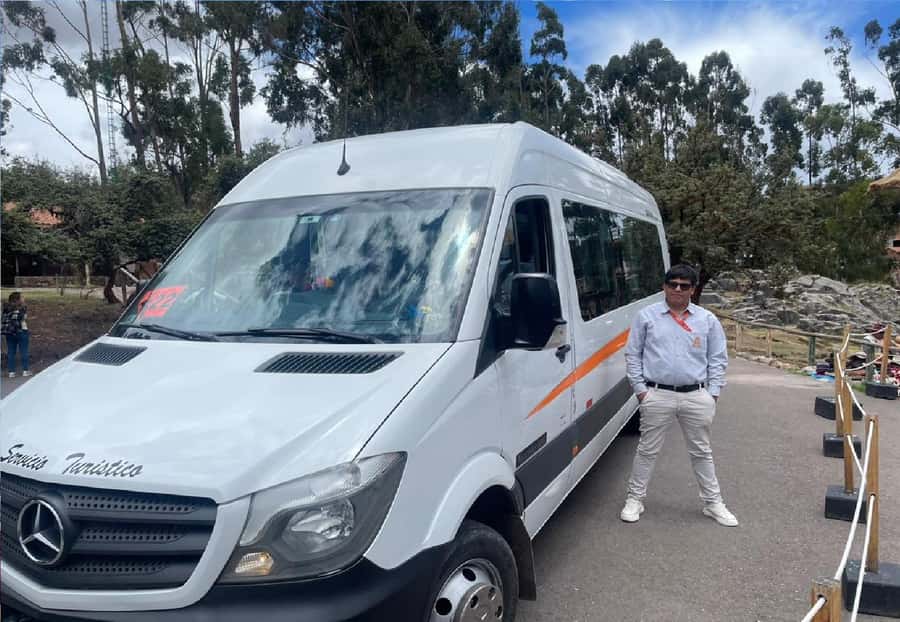
- Is transportation included?
- What languages does the guide speak?
- Which archaeological sites are included?
- Is the tourist ticket included?
- Is Coricancha included in the price?
- What should I bring?
- Can I cancel the booking?
Key things to know before you go
- Sacsayhuamán brings the biggest wow factor: See enormous stones, terraces, towers, and sacred areas above Cusco.
- Qenqo feels unlike the other sites: Its carved rock and underground galleries offer a more enclosed, ceremonial visit.
- The route may vary: Puca Pucara and Tambomachay are described in the tour highlights, while the schedule also names Coricancha and the eucalyptus forest.
- The $13 price is only part of the cost: Add 70 soles for the tourist ticket and 15 soles for Koricancha, if that stop is included.
- Pickup is built for central Cusco: Hotels near the main square are covered, while farther hotels receive a separate meeting address.
- The tour ends downtown: Return is planned for Calle Plateros, around 2:00 to 2:30 PM, rather than necessarily at your hotel.
Why this morning tour makes sense in Cusco
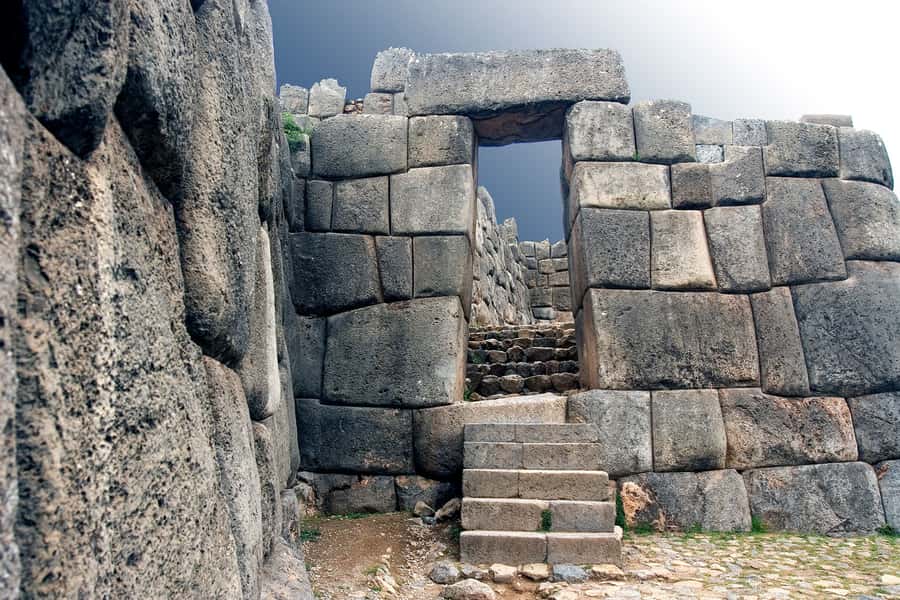
Cusco is full of Inca remains, but the sites are spread across the hills above and around the city. Seeing them on foot and by local transport can take time, with uphill streets and confusing connections. This tour gives you a fixed route, round-trip transportation, and a guide who can explain what you are looking at.
You begin around 8:45 AM, which leaves the afternoon open. That is useful if you want lunch in central Cusco, visit a museum, or simply rest after the altitude and walking. The planned finish is around 2:00 to 2:30 PM, usually at Calle Plateros in the historic center.
The cost looks attractive at $13 per person, but treat it as the transport and guiding fee rather than the full admission price. You also need to budget 70 soles for the tourist ticket. An additional 15 soles is listed for Koricancha. Since the published route gives two different versions of the stops, ask exactly which admissions apply to your departure.
A few more Cusco trips to weigh up
- Sacred Valley Experience and Machu Picchu Sunrise 2-day Journey
★ 5.0 · 60 reviews - Humantay Lake small group with late morning departure option
★ 4.5 · 55 reviews - 08am Departure Rainbow Mountain Tour: Late Morning Tour
★ 4.9 · 28 reviews
The 8:45 AM pickup and ride uphill
Pickup is offered from a long list of hotels and hostels near central Cusco, including places around Plaza de Armas, Plaza Regocijo, San Blas, and Calle Plateros. If you stay farther away, you will be given a specific address where you should meet the group.
That detail matters. One reported problem involved a passenger being dropped far from the hotel at the end, then struggling to find the provided address while tired and hungry. I would save the meeting point in your phone, carry a little water and a snack, and ask at the start where the final drop-off will be.
The transportation portion is listed as a bus or coach ride of about 20 minutes. Exact travel time can vary with Cusco traffic and the route used. You should expect some walking and uneven ground at the archaeological sites, so comfortable shoes are not optional decoration.
The guide speaks English or Spanish. A guide called Willians received especially warm praise for making the visit enjoyable and helping explain the history of the area. Guide quality can shape this kind of outing, since bare stone walls are much easier to understand when someone points out their purpose and setting.
Coricancha, Cusco’s Inca and colonial crossroads
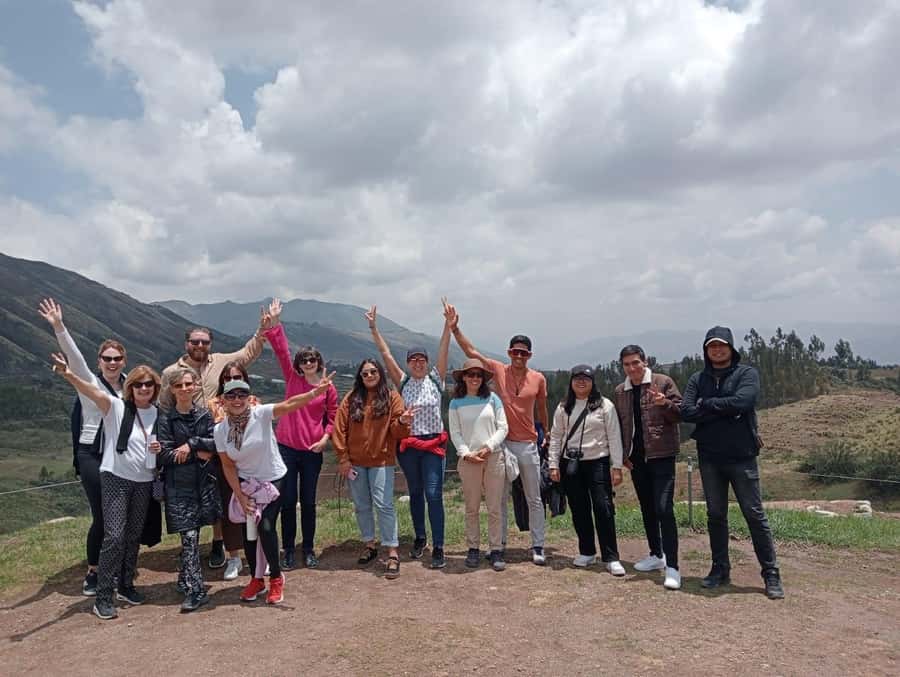
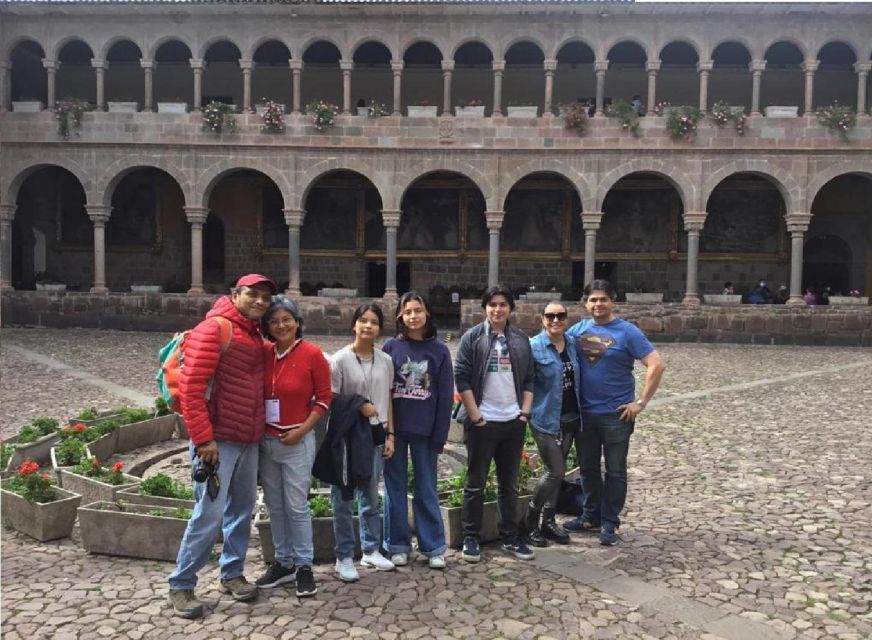
The detailed schedule begins with Coricancha, also called the Temple of the Sun, and allows about 45 minutes for a guided visit. This is an important stop because it shows how the Inca sacred center was later incorporated into colonial Cusco.
The tour description separately lists 15 soles for entry to Koricancha. That suggests the site may require an extra payment beyond the 70-sol tourist ticket. Confirm this before departure, particularly because the shorter summary of the route does not mention Coricancha at all.
Forty-five minutes is enough for an introduction, but not for a slow museum visit. Listen closely to the guide and focus on the construction, the religious role of the site, and the way the building fits into modern Cusco. If your group begins at Coricancha, this is likely your first lesson in how the city layers Inca and colonial history in the same few blocks.
Sacsayhuamán and the great fitted stones
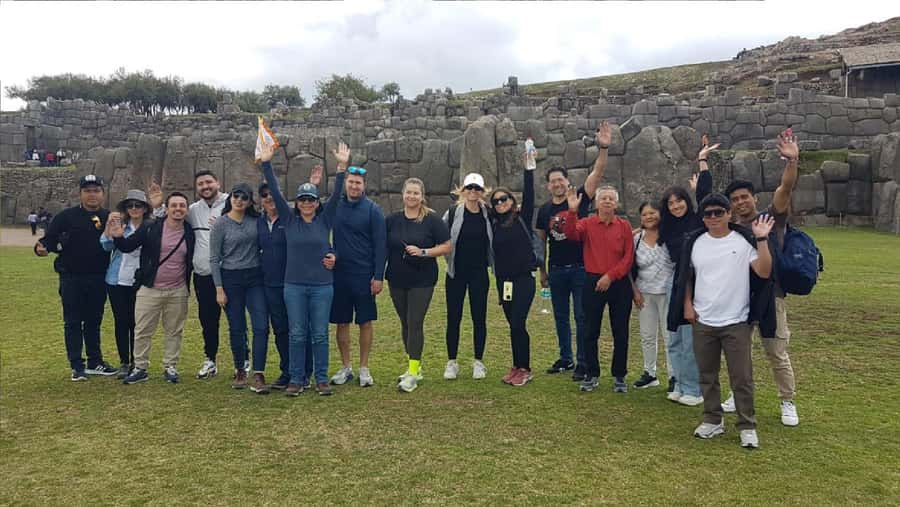
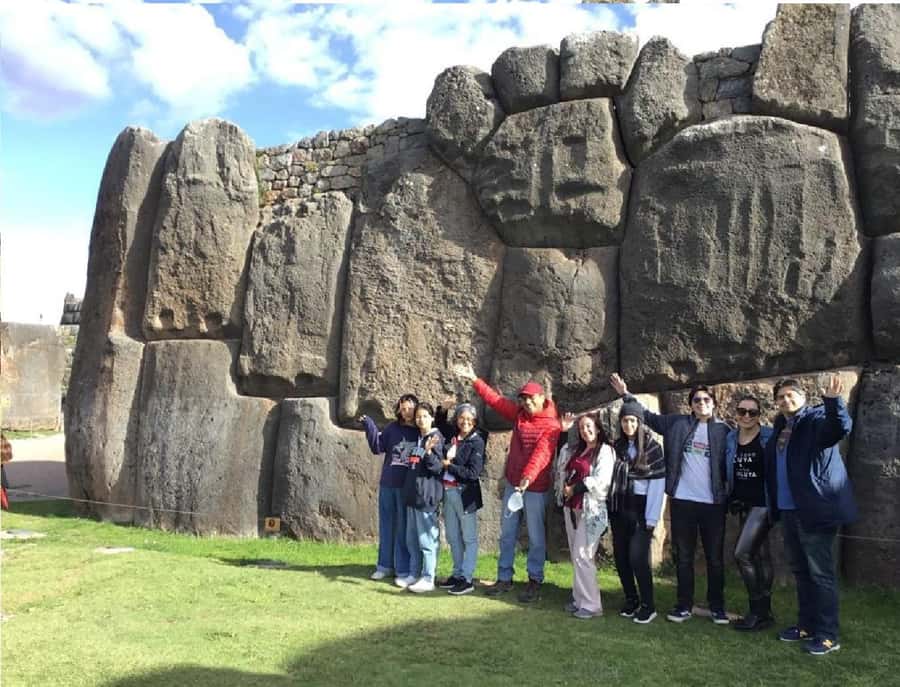
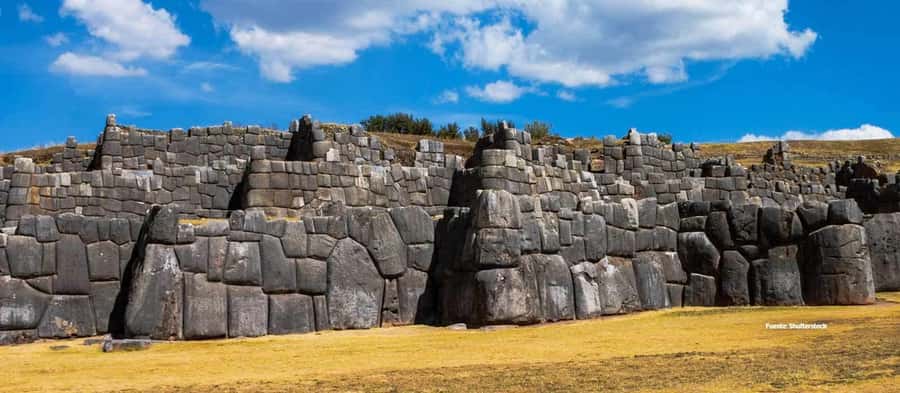
Sacsayhuamán is the main reason to choose this outing. The site sits above Cusco and includes immense stone walls, terraces, towers, and areas linked with worship of the sun and water.
The scale is hard to grasp from a photograph. Some stones are so large that the walls seem out of proportion to the people standing beside them. Look closely at the joints, where blocks fit together without the broad mortar lines you see in many other ancient structures.
The guided visit lasts about 45 minutes in the detailed schedule. That is enough to learn the basic layout and hear why Sacsayhuamán mattered, but you will not have unlimited time to wander every terrace. Stay near the guide if you want the explanations, and take photographs when the group pauses.
The open setting also gives you wide views over Cusco. Bring water, even on a cool morning. The sun can feel strong at altitude, and the site has exposed paths with little shelter. The tour description calls attention to towers and temples where the Incas honored the sun god and water, so the guide should help connect the large defensive-looking walls with their ceremonial role.
Same valley, a completely different kind of day:
- Cusco: Humantay Lake Tour with Breakfast and Buffet Lunch
★ 4.9 · 2,976 reviews - From Cusco: Sacred Valley & Maras Salt Mines Tour with Lunch
★ 4.8 · 2,227 reviews - From Cusco: Moray, Maras Salt Mines & Chinchero Weavers Tour
★ 4.8 · 1,925 reviews - From Cusco: Full-Day Group Tour of Machu Picchu
★ 4.7 · 1,767 reviews
Qenqo’s carved rock and underground galleries
Qenqo, also written Q’enco or Qenqo, offers a different mood. Instead of the huge open walls of Sacsayhuamán, you encounter carved stone, narrow passages, and underground galleries described as a labyrinth used for sacrifices to the Sun God.
The guided visit is planned for about 45 minutes. This is a good place to stay with the explanation, since the meaning of the carved surfaces and chambers is not always obvious at first glance. You might find the spaces feel more mysterious than grand, especially after the broad terraces at Sacsayhuamán.
The language about sacrifices can make Qenqo sound dramatic, but the value of the stop is seeing how Inca ceremonial spaces could be shaped around natural rock. Look for the contrast between open stone platforms and the darker, more enclosed galleries.
The ground may be uneven, and the visit involves walking through or near confined areas. The activity is not considered suitable for pregnant women. Pets are also not allowed.
The eucalyptus forest and the uncertain route
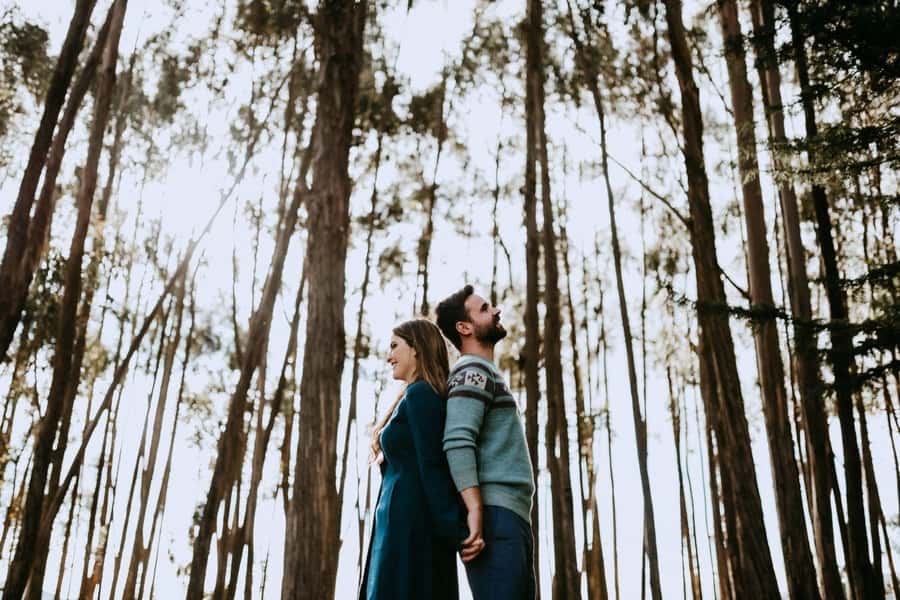
The detailed schedule includes a 35-minute photo stop at the Bosque de Eucaliptos de K’enko. This is not the same as a full archaeological visit. You should think of it as a pause for photographs and fresh air between the main ruins.
The forest can break up the stone-heavy sightseeing, but the tour does not provide many details about what happens there. Your guide may use the stop to point out the surrounding views or regroup the party. Keep your expectations modest: the schedule calls it a photo stop, not a major attraction.
Here is the route issue you should take seriously. The main tour description promises Puca Pucara and Tambomachay after Qenqo, while the detailed itinerary names Coricancha, Sacsayhuamán, Qenqo, and the eucalyptus forest, then finishes at Calle Plateros. These are not minor wording differences. They change both the admission costs and the shape of the day.
Ask the provider to confirm your exact departure route. If Puca Pucara and Tambomachay matter most to you, get that answer in writing before booking.
Puca Pucara, the Inca watchpoint
In the version of the route that includes Puca Pucara, you visit an Inca surveillance and control center made of terraces, staircases, and large walls. Its name is often translated as Red Fortress, though the important thing for you is its position and design rather than the label.
The site is described as a place for watching movement through the surrounding area. The terraces and elevated position create excellent views, and the tour specifically highlights the watchtowers and scenery.
Puca Pucara is less massive than Sacsayhuamán, but that can be an advantage. You can focus on how an Inca site worked as part of a wider network of roads, resting places, water sources, and control points. If the guide is good, this stop helps you see the sites as connected pieces rather than isolated ruins.
Because Puca Pucara appears in the highlights but not the detailed schedule, do not assume it is guaranteed on every departure. Confirm it.
Tambomachay and the Inca water system
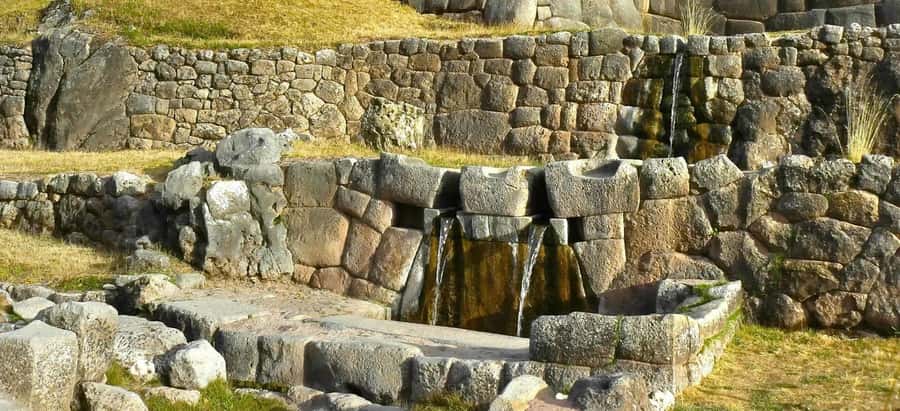
Tambomachay is described as an Inca resting place with aqueducts, small waterfalls, and several water gutters. It is the quietest-sounding stop in the group and may appeal to you if you enjoy engineering as much as temples and fortifications.
The water channels are the main attraction. They show how carefully the Incas handled flowing water, directing it through stone-built channels instead of treating it as a simple natural feature. The guide can help explain the purpose of the aqueducts and why water carried religious meaning as well as practical value.
Tambomachay also gives the tour a useful change of pace. After the heavy walls of Sacsayhuamán and the enclosed spaces at Qenqo, the sound and movement of water offer something more peaceful. Still, the exact visit depends on which route your group follows, so confirm it along with Puca Pucara.
Time, walking, and what to carry
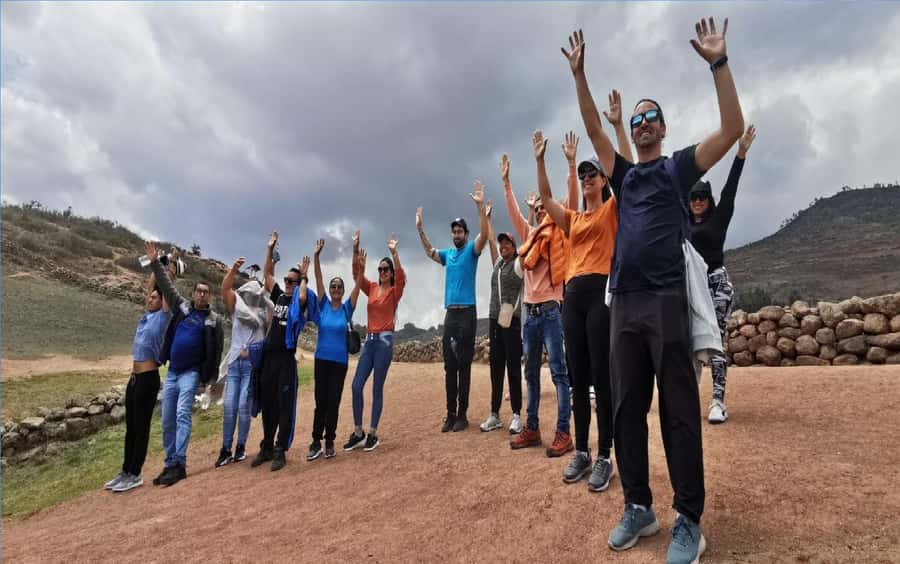
Six hours is a good length for a first look at the nearby archaeological sites, but it is not a leisurely private tour. You will move between several locations, listen to explanations, take photographs, and return to the city in the early afternoon.
Bring:
- Your passport or identification card
- Comfortable walking shoes
- Water
The passport or ID requirement is worth taking seriously because archaeological admissions may require identification. Wear shoes with a secure sole, since the sites include terraces, stairs, and uneven paths. A light layer is practical for a morning that may begin cool and become sunny.
Pregnant women are specifically advised not to take this activity. Pets are not permitted.
What the $13 price really covers
At $13, the base price is appealing. You receive hotel pickup from the listed central locations, transportation, and a professional guide. For someone who wants a quick orientation to the main Inca sites without arranging taxis, that is useful value.
But the advertised price does not include the 70-sol tourist ticket. Koricancha requires another 15 soles according to the cost details. If your route includes only the outer archaeological sites, the Koricancha fee may not apply, which is another reason to confirm the schedule.
I would compare the total cost, not the headline price. The tour becomes a better deal if you value transport and clear explanations. It is less attractive if you want long visits, complete control over the order of stops, or a guaranteed hotel return.
The rating is 4.2 from six published ratings, a small sample that suggests a generally positive but not flawless experience. The strongest praise centers on the guide and the chance to learn the area’s story. One clear caution concerns an unwanted sales pitch at a llama farm. That stop is not part of the stated itinerary, so ask if any extra commercial visit is planned and speak up if you prefer to keep the day focused on archaeology.
Who should book this Cusco tour?
I would choose this tour if you have limited time in Cusco, want a guided introduction, and are comfortable with a group schedule. It is particularly useful during your first days in the city, when the route, altitude, and local transport can feel like a lot to manage at once.
It also suits you if Sacsayhuamán is high on your list and you want to pair it with Qenqo, Puca Pucara, and Tambomachay in one morning. The guide’s explanations add value, especially at Qenqo and Tambomachay, where the purpose of the remains is not immediately clear.
I would look for another option if you need a fully confirmed itinerary, direct hotel drop-off, or an unhurried archaeological visit. The route discrepancy is the biggest concern. A private tour could give you more control, but it would almost certainly cost more than $13 plus admissions.
Should you book the Archaeological Park Morning Tour?
Book it if you want an inexpensive, structured introduction to Cusco’s nearby Inca sites and you are willing to confirm the final route first. Sacsayhuamán and Qenqo make the outing worthwhile, while Puca Pucara and Tambomachay add useful variety if they are included.
Before booking, ask two simple questions: Are Puca Pucara and Tambomachay included on this departure, and does the group return to my hotel or to Calle Plateros? If the answers suit your plans, the tour offers a practical half-day of major ruins, guiding, and views for a modest base price.
FAQ
How long does the tour last?
The activity lasts six hours. Pickup begins around 8:45 AM, and the return to central Cusco is planned for about 2:00 to 2:30 PM.
Where does the tour pick me up?
Pickup is included from hotels near Cusco’s main square, with listed locations around Plaza de Armas, Plaza Regocijo, San Blas, and nearby central streets. If your hotel is farther away, you will receive a specific meeting address.
Where does the tour finish?
The detailed schedule lists Calle Plateros as the finish point. The tour may not return you directly to your hotel.
Is transportation included?
Yes. Round-trip transportation and a bus or coach transfer are included.
What languages does the guide speak?
The live guide is available in English or Spanish.
Which archaeological sites are included?
The tour information highlights Sacsayhuamán, Qenqo, Puca Pucara, and Tambomachay. The detailed schedule also lists Coricancha and the Bosque de Eucaliptos de K’enko, so confirm the exact route before booking.
Is the tourist ticket included?
No. The tourist ticket costs 70 soles and is not included in the activity price.
Is Coricancha included in the price?
Coricancha appears in the detailed schedule, but its 15-sol admission is listed separately. Confirm whether your departure includes this stop and fee.
What should I bring?
Bring your passport or ID card, comfortable shoes, and water.
Can I cancel the booking?
You can cancel up to 24 hours in advance for a full refund. A reserve-now-and-pay-later option is also available.
Just added around Cusco
- Waqrapukara 1 day trekking + meals★ 3.9 · 3 reviews
- Zipline over the Sacred Valley Trip★ 5.0 · 11 reviews
- Valle Sur Cusco | half day★ 4.3 · 3 reviews
- Visit to the Cochahuasi Animal Sanctuary with rescued animal★ 4.1 · 4 reviews
- Visit Pisac from Cusco: Private Transport★ 4.6 · 9 reviews
- Maras and Huaypo lagoon by ATV from Cuzco | Local Operator★ 4.7 · 4 reviews
- Trek to Humantay Lake from Cusco★ 4.9 · 8 reviews
- Trek to Choquequirao 4 days★ 3.8 · 4 reviews
Morning, compared.


Sacred Valley Experience and Machu Picchu Sunrise 2-day Journey
Read our review →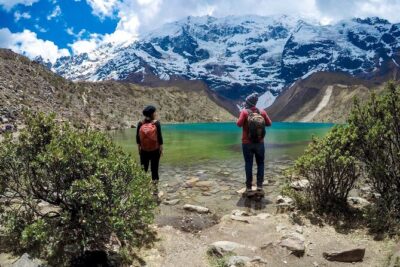
Humantay Lake small group with late morning departure option
Read our review →
08am Departure Rainbow Mountain Tour: Late Morning Tour
Read our review →