
Reviewed · PRIVATE DRIVERS
Cusco: Alpaca and Llama Farm Tour w/ Transfer & Weaving Demo
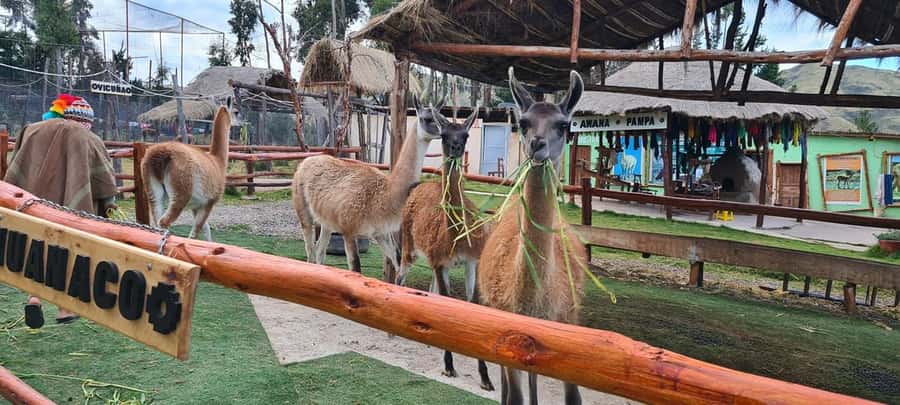
The best part of this short Cusco outing is seeing the full Andean camelid family in one place: two kinds of alpacas, four kinds of llamas, plus vicuñas and huanacos. You can feed some of the animals by hand, take close-up photos, and learn why vicuñas are called the gold of the Andes. I like that the visit connects cute animals with serious cultural history.
I also like the traditional textile demonstration, especially the practical lesson on wool quality and spotting imitation baby alpaca fabric. The ride takes you out of central Cusco in about 20 minutes, and guides such as Marlith, Holger, Olga, and Maylith have been praised for answering questions well. The main caution is that the visit can feel commercial at the end, and one guest found the animal portion rushed.
In This Review
- Key points
- Why this farm visit works well near Cusco
- The short ride from Cusco to Manos de la Comunidad
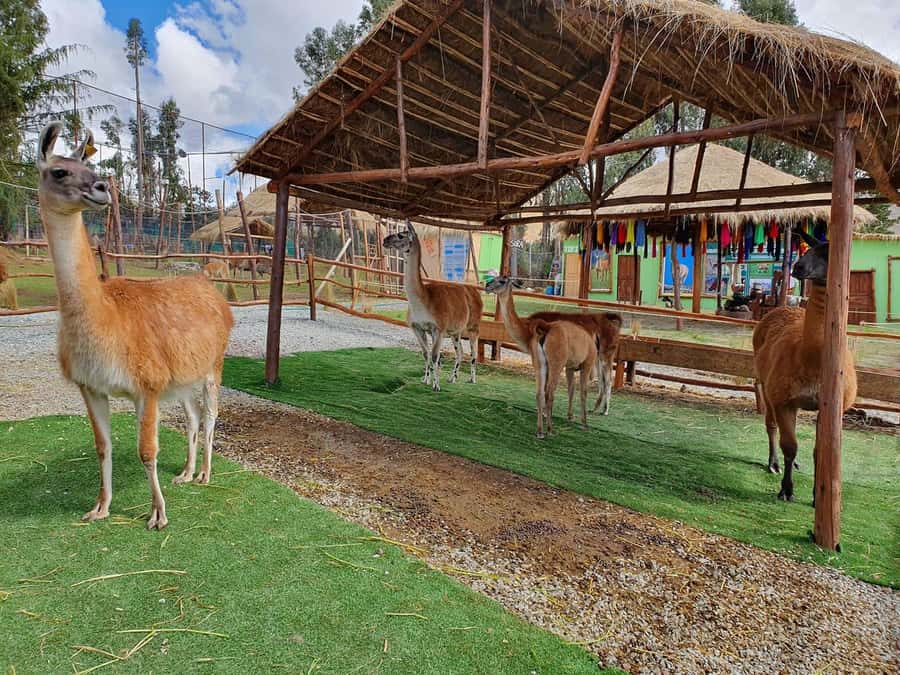
- Meeting the alpacas, llamas, vicuñas, and huanacos
- Inca connections that make the animals matter
- Watching Andean weaving and natural dyeing
- The gift shop: useful information, higher prices
- How the timing affects your day
- Who will enjoy this Cusco tour most
- Booking details worth knowing
- Should you book the alpaca and llama farm tour?
- FAQ
- How long does the Cusco alpaca and llama farm tour last?
- How far is the farm from Cusco?
- Does the tour include hotel pickup and drop-off?
- What animals can I see?
- Can I feed or pet the animals?
- Is the weaving demonstration included?
- What languages are available?
- Is the activity wheelchair accessible?
- Is water included?
- Are souvenirs included in the price?
- Can I cancel for a refund?
Key points
- Four kinds of llamas and two kinds of alpacas: See how the animals differ in size, wool, coloring, and behavior.
- Vicuñas and huanacos included: Meet the wild ancestors and relatives of domesticated Andean camelids.
- Hands-on animal time: You may feed and pet the llamas and alpacas, with good chances for photos.
- Traditional weaving demonstration: Watch wool preparation, natural dyeing, spinning, and textile work.
- A quick escape from Cusco: The farm is about 20 minutes from the historic center, making this easy to fit into a busy schedule.
- A shopping stop with a caveat: The final shop can be useful for learning about textiles, but prices may be higher than in Cusco.
Why this farm visit works well near Cusco
Cusco offers grand churches, Inca stonework, and day trips that demand an early start. This farm visit gives you something different: a gentle half-day activity where the central characters have soft noses, long necks, and remarkably varied personalities.
The farm is listed as Manos de la Comunidad and sits roughly 20 minutes from Cusco’s historic center. Your hotel pickup and return transfer remove the need to arrange a taxi, which matters in a city where streets can be steep, narrow, and confusing.
At $34 per person, the price is reasonable if you value transport and a live guide. You are paying for more than animal viewing: the visit combines a farm tour, Andean history, cultural interpretation, and a weaving demonstration. If you only want a quick photo with an alpaca, you can probably spend less elsewhere. If you want context and a tidy, guided outing, the price makes better sense.
The total activity lasts about 150 minutes, with around 80 minutes set aside for the guided visit. The rest covers transfers and the transition between parts of the experience. One person found the whole visit shorter than expected, so you should not treat the advertised duration as two and a half hours of continuous animal time.
A few more Cusco trips to weigh up
- Cusco: Abode of the Gods ATV Tour with Transfer
★ 4.5 · 118 reviews - Cusco Airport Pickup and Private Transfer
★ 5.0 · 82 reviews - Cusco Private Airport Transfer: Fast, Reliable Hotel Drop-Off
★ 5.0 · 80 reviews
The short ride from Cusco to Manos de la Comunidad
Pickup begins in Cusco, followed by a drive up toward the farm. The route can offer broad views over the city as the vehicle climbs, though the trip also follows winding roads. If you are prone to motion sickness, sit where you usually feel most comfortable and keep the ride in mind when planning your day.
The short transfer is one of the tour’s strongest practical features. You can fit it into a morning or afternoon without giving up a full day for the Sacred Valley or Machu Picchu. It also makes a sensible first activity after arriving in Cusco, when you may want to stay active but are still adjusting to the altitude.
Several people found the pace easy and relaxed, and one described it as a useful way to get used to Cusco’s elevation. That does not mean you should ignore altitude symptoms, but a short farm visit is less demanding than a long hike or a full-day archaeological excursion.
Your guide speaks English or Spanish, depending on the departure. Names associated with the experience include Marlith, also written as Marileth or Maylith, Holger, sometimes written as Olger, and Olga. The strongest guide experiences come from the way they explain animal traits, local culture, and Inca connections while still leaving time for questions and photos.
Meeting the alpacas, llamas, vicuñas, and huanacos
The animal portion begins with an explanation of South American camelids and the process of domestication. You learn which animals were developed by Andean societies and how alpacas and llamas relate to their wild relatives.
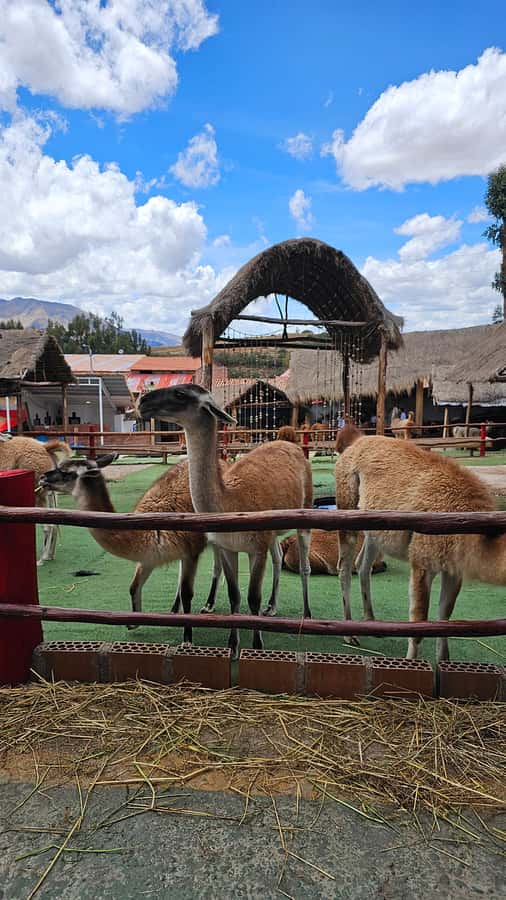
The two alpaca varieties are usually discussed together, allowing you to compare their wool and appearance. You also see four types of llamas. The guide helps you notice details beyond the familiar long neck and oversized ears, including differences in body shape, fleece, coloring, and temperament.
This is where the visit becomes more useful than a simple photo stop. Before the tour, an alpaca, llama, vicuña, and huanaco may look like variations on the same animal. Afterward, you have a clearer sense of which are domesticated, which are wild, and why each has mattered to Andean communities.
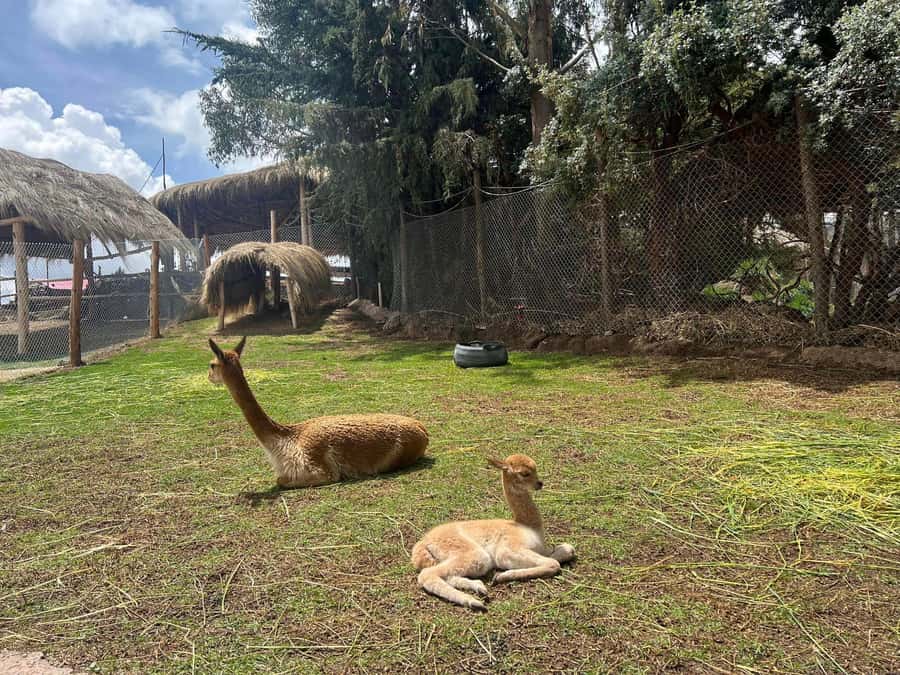
Vicuñas receive special attention because their wool is exceptionally valuable and the animals are known locally as the gold of the Andes. Huanacos add another useful piece of the story as wild relatives connected to the camelid family.
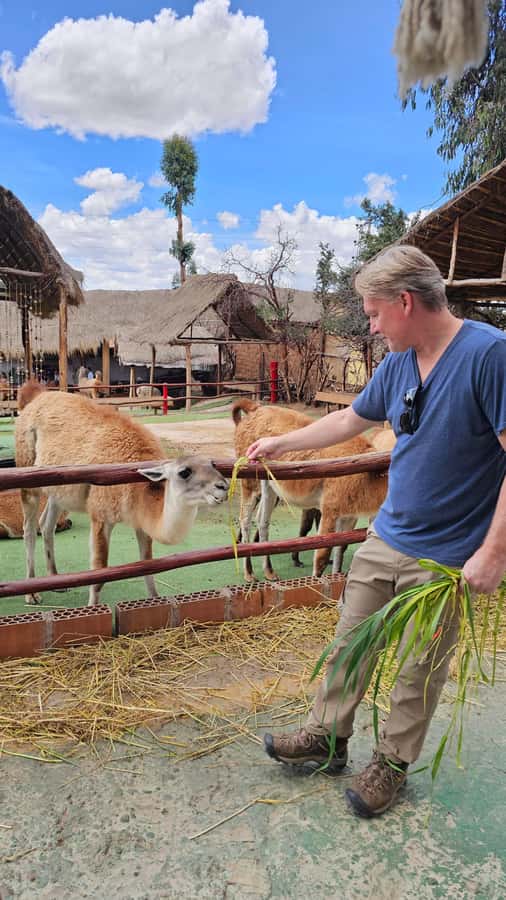
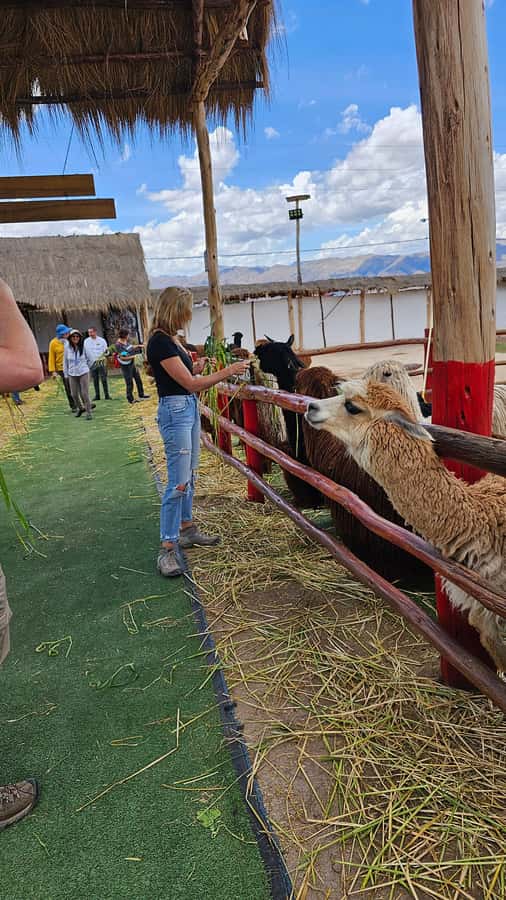
You may feed and pet some of the animals by hand. That close contact is a major draw, especially for families and anyone who wants more than distant viewing. You can take photos at close range, but remember that the animals set the pace. If one wanders away or seems uninterested, give it space.
The setting also includes more than the headline animals. Past visits have included deer, guinea pigs, and rescued condors. These extras are not guaranteed as the main focus of the visit, but they can add variety and give the conservation side more weight.
One useful point is that the animals have been described as rescues. That changes the feel of the stop. You are not simply looking at livestock in a display; you are also hearing about care and conservation. Still, the experience remains partly commercial, so keep your expectations balanced.
Inca connections that make the animals matter
The guide explains how ancient Andean societies domesticated camelids and how the Incas developed particular species for different needs. Llamas were important pack animals, while alpacas were valued for their fiber. Vicuña wool carried a special status because of its quality and limited supply.
This historical layer gives the animals a place in the wider story of Peru. You are not just learning which one has the fluffiest face. You are learning how wool, transport, status, trade, and daily life fit together in the Andes.
The explanations work best when you ask questions. Guides have answered questions about Cusco, Inca culture, Peruvian customs, food, and local life in addition to the farm’s main subject. One guide even offered restaurant and pisco sour suggestions, a useful bonus if this is one of your first days in town.
The amount of history is manageable. You will not get an academic lecture, and that is a good match for a 150-minute outing. Expect clear background information rather than a detailed study of Inca society.
Same valley, a completely different kind of day:
- Cusco: Humantay Lake Tour with Breakfast and Buffet Lunch
★ 4.9 · 2,976 reviews - From Cusco: Sacred Valley & Maras Salt Mines Tour with Lunch
★ 4.8 · 2,227 reviews - From Cusco: Moray, Maras Salt Mines & Chinchero Weavers Tour
★ 4.8 · 1,925 reviews - From Cusco: Full-Day Group Tour of Machu Picchu
★ 4.7 · 1,767 reviews
Watching Andean weaving and natural dyeing
After the animals, the visit turns to traditional weaving. You watch local textile workers demonstrate the skills used to turn wool into finished fabric. The presentation can include preparation, spinning, dyeing, and weaving, with an explanation of how natural colors are produced.
This section gives the farm visit its cultural purpose. Alpaca wool is not simply a souvenir material. It supports long-standing textile skills and remains an important part of Peru’s economy and identity.
Pay attention to the lesson about genuine baby alpaca fabric. The name can mislead shoppers, since it does not necessarily mean fabric made from a baby animal. The demonstration helps you understand labeling, fiber quality, and the difference between authentic material and cheaper substitutes.
The weaving segment also helps you read the textiles you see later in Cusco. You may come across hats, scarves, blankets, sweaters, and yarn in markets and shops. The more you know about fiber and workmanship, the less likely you are to pay a premium for a product that does not match its label.
Some of the textiles shown may be old or traditional pieces, adding a historical element to the demonstration. The exact presentation can vary, but the purpose is consistent: show the skill behind Andean cloth rather than treating it as a simple retail product.
The gift shop: useful information, higher prices
The tour usually ends near a large retail area. This is the part that requires the most practical judgment.
The shop can be helpful because you have just learned how to assess wool, weaving, and fabric quality. It may also carry attractive products that are difficult to find in exactly the same setting elsewhere. If you want a textile and prefer buying from a place connected to the demonstration, this is a convenient moment.
But prices may be high. One shopper compared yarn sold for 15 soles in a Cusco shop with a similar product priced at 60 soles here. That is a large difference, so check the price before you commit.
You might feel watched while looking around. One person described that feeling but also noted there was no direct pressure to buy. I would treat the shop as optional: browse, ask questions, compare prices, and buy only what fits your budget.
The retail stop does not erase the value of the farm visit, but it is important to know that this is not a purely rural or noncommercial experience. The cultural demonstration and animal visit lead into a sales environment. For some people that is convenient. For others it slightly weakens the sense of an authentic community visit.
How the timing affects your day
The tour’s 150-minute length makes it easy to combine with time in central Cusco. You can use it as a gentle first or second activity, especially if you are not ready for a demanding excursion.
The 80-minute guided portion is enough to cover the animals, cultural background, and weaving, but it is not generous if you want to linger at every enclosure. One guest felt rushed and wanted more time with the animals. If you are traveling with children or taking many photos, keep that possibility in mind.
A private departure may occur if only one person books that day, as happened for one participant. Do not assume you will receive a private tour, but a small group can make it easier to ask questions and spend time with the animals.
The separate entrance is described as a way to skip the line. Hotel pickup and drop-off are included, along with a guide, farm admission, weaving demonstration, and water. Souvenirs cost extra, of course, and the shop is where you will need the most price awareness.
The activity is wheelchair accessible according to the supplied information. Since the visit includes an animal farm and a transfer on winding roads, you should still confirm practical mobility details before booking if you need specific assistance.
Who will enjoy this Cusco tour most
I would recommend this outing to several kinds of visitors:
- First-time visitors to Cusco: It introduces local animals, textiles, and Inca-era connections without taking a full day.
- Families: Feeding and petting the animals gives children a clear focus, while the weaving demonstration adds an educational element.
- Shoppers interested in Peruvian textiles: The wool lesson can help you judge fabric and ask better questions in Cusco markets.
- Visitors adjusting to altitude: The relaxed schedule can be easier than a hike, though it is not a substitute for rest if you feel unwell.
- Animal lovers: You get close access to alpacas and llamas, plus the chance to see vicuñas, huanacos, and possibly rescued condors.
- People with limited time: The farm is close enough to Cusco for a short outing rather than a full-day commitment.
I would be less enthusiastic if your main goal is an untouched rural experience. The farm is connected to tourism, and the retail stop is a clear part of the visit. You should also choose something else if you want hours of quiet animal observation, since the schedule may feel brisk.
Booking details worth knowing
You can cancel up to 24 hours before the activity for a full refund. A reserve-now, pay-later option is also available, which helps if your Cusco plans are still shifting.
Starting times depend on availability. English and Spanish guiding are offered. Hotel pickup and drop-off are included, so enter your Cusco location carefully when arranging the experience.
The overall rating is 4.9 from 151 bookings, and the praise centers on the guides, animal interaction, clear explanations, and weaving presentation. The recurring reservations are the commercial feel, high shop prices, and the possibility of a shorter or faster visit than expected.
That is a fair trade for a tour that covers several subjects in a compact window. The farm gives you close animal contact, the guide adds meaning, and the weaving demonstration sends you back into Cusco with a better eye for textiles.
Should you book the alpaca and llama farm tour?
Book it if you want an easy, well-organized introduction to Andean animals and weaving, especially during your first days in Cusco. The combination of hotel transfers, close animal contact, a guide in English or Spanish, and a short cultural demonstration gives you solid value for $34.
Go with realistic expectations. This is a tourist-oriented farm visit, not a remote working ranch. Allow time for the shop without feeling obliged to buy, and do not expect unlimited time with every animal.
For most visitors, the tour earns its place as a useful half-day activity. It is friendly, informative, photo-friendly, and light on physical effort. If you can accept the commercial finish and slightly brisk pace, I would book it.
FAQ
How long does the Cusco alpaca and llama farm tour last?
The activity lasts 150 minutes, including the transfer from Cusco and the return to your hotel. The guided farm visit is listed as 80 minutes.
How far is the farm from Cusco?
The farm is about 20 minutes from Cusco’s historic center.
Does the tour include hotel pickup and drop-off?
Yes. Hotel pickup and return drop-off in Cusco are included.
What animals can I see?
You can see two varieties of alpacas, four types of llamas, vicuñas, and huanacos. Other animals seen during the experience have included rescued condors, deer, and guinea pigs.
Can I feed or pet the animals?
The experience allows close animal interaction, and visitors have fed and petted llamas and alpacas by hand.
Is the weaving demonstration included?
Yes. A traditional weaving demonstration is included, along with information about wool and textile production.
What languages are available?
Live guides are available in English and Spanish.
Is the activity wheelchair accessible?
The activity is described as wheelchair accessible.
Is water included?
Yes. Water is included.
Are souvenirs included in the price?
No. Souvenirs and purchases from the retail area are not included.
Can I cancel for a refund?
You can cancel up to 24 hours in advance for a full refund. A reserve-now, pay-later option is also available.
Just added around Cusco
- Waqrapukara 1 day trekking + meals★ 3.9 · 3 reviews
- Zipline over the Sacred Valley Trip★ 5.0 · 11 reviews
- Valle Sur Cusco | half day★ 4.3 · 3 reviews
- Visit to the Cochahuasi Animal Sanctuary with rescued animal★ 4.1 · 4 reviews
- Visit Pisac from Cusco: Private Transport★ 4.6 · 9 reviews
- Maras and Huaypo lagoon by ATV from Cuzco | Local Operator★ 4.7 · 4 reviews
- Trek to Humantay Lake from Cusco★ 4.9 · 8 reviews
- Trek to Choquequirao 4 days★ 3.8 · 4 reviews
Private Drivers, compared.
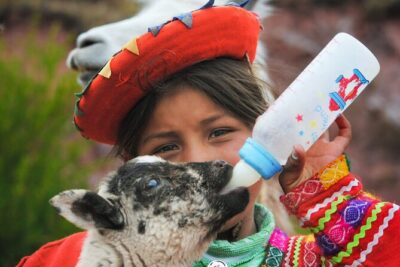

Cusco Private Airport Transfer: Fast, Reliable Hotel Drop-Off
Read our review →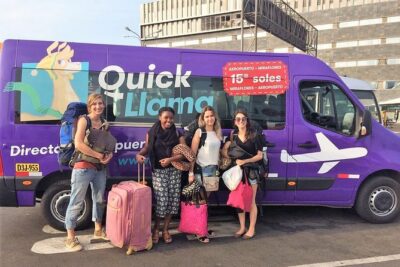
QuickLlama: Door-to-door transfer from Miraflores to Lima Airport
Read our review →
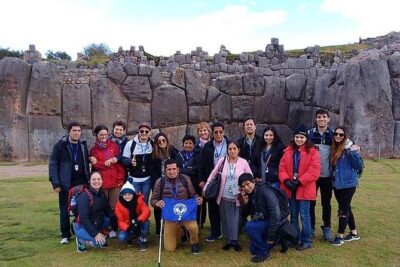
CUSCO MAGICAL 4D Transfer, Hotel, City Tour, Sacred Valley and Machu picchu
Read our review →
2 Day Trek Including Transfer to Puno / Colca Canyon
Read our review →Browse the lists this tour appears in