
Reviewed · SACRED VALLEY TOURS
Complete Sacred Valley Tour Small group Pisac, Maras, Moray & Ollantaytambo
The best thing about this Sacred Valley tour is how much ground it covers in one long day. You move from Inca terraces at Pisac to the strange circular bowls of Moray, the white salt pools of Maras, and the massive stonework of Ollantaytambo. It is a useful route for seeing the valley’s major sights without arranging separate taxis and tickets.
I like the small group of two to eight people, which gives the guide room to answer questions and keep the day moving. I also like the chance to finish in Ollantaytambo, especially if you are continuing toward Machu Picchu. The drawback is the schedule: lunch may not arrive until around 2 p.m., and the basic buffet setting may disappoint people expecting a polished meal.
In This Review
- Key points at a glance
- Why this route works so well
- Pisac ruins, terraces above the valley
- Pisac Market, a short cultural stop
- Moray and the Inca agricultural bowls
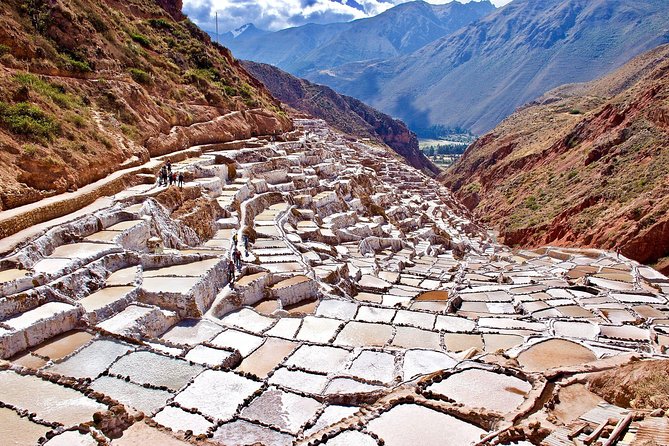
- Maras salt pools, a bright change of scene
- Urubamba lunch, useful but not the main event
- Ollantaytambo, the grand finale
- Guides, vehicles, and the pace of the day
- Is the 73.47 dollar price good value?
- Who should book this Sacred Valley tour?
- Final verdict: a strong one-day Sacred Valley sampler
- FAQ
- How long does the Sacred Valley tour last?
- What places are included?
- How large is the group?
- Are entrance tickets included?
- Is lunch included?
- Can I be picked up from my Cusco hotel?
- Can the tour end in Ollantaytambo?
Key points at a glance
- Four major sights in one day: Visit Pisac, Moray, Maras, and Ollantaytambo, with time at each site rather than only quick roadside photos.
- A strong guide can make the difference: Guides named Jimy, Jaime, and Juan have been praised for clear English, Spanish explanations, and enthusiasm for Inca science, religion, and engineering.
- Bring 90 soles in cash: The Sacred Valley ticket costs 70 soles and the salt mine ticket costs 20 soles, with admission charges not included in the tour price.
- Private air-conditioned transport: The vehicle is arranged for the group, avoiding a series of local connections across a wide valley.
- Plan for a late lunch: The buffet in Urubamba is included, but the timing can be around 2 p.m., so carry a snack.
- Useful for a Machu Picchu route: Ask about ending in Ollantaytambo, where the train station is reported to be a 5 to 10 minute walk from the town center.
Why this route works so well
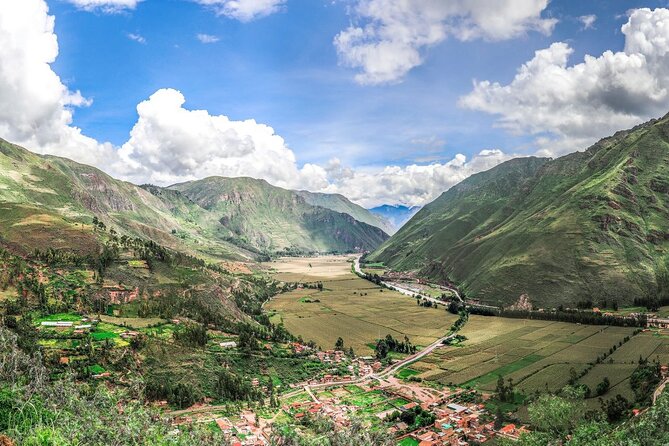
The Sacred Valley is not one single attraction. It is a broad corridor of farmland, villages, archaeological sites, and steep Andean slopes, and each stop shows a different piece of how the Inca world functioned.
Pisac gives you terraces and religious architecture. Moray raises questions about crop growing at different temperatures. Maras shows a working salt-producing site shaped by both Inca-era water management and later colonial use. Ollantaytambo brings you to some of the boldest stone construction in the region.
That range gives the tour real value. You are not spending the entire day looking at similar walls. The stops change in scale and mood, from a market visit to a mountain-side saltworks. The guide’s explanations matter here. Jimy, Jaime, and Juan are specifically praised for making the Inca discoveries, beliefs, and engineering easier to understand.
The group limit of eight is another practical plus. A large bus tour can turn every stop into a head count. With a small group, you have a better chance to ask about the stonework, pause for photos, or take a short break when the altitude catches up with you.
The day is still demanding. The tour lasts about 12 hours, and the route includes several places at high elevation. One guide was noted for encouraging breaks and paying attention to the effects of altitude. That is the right approach, but you should still arrive rested and carry water and a snack.
More sacred valley tours in Cusco:
- From Cusco: Sacred Valley & Maras Salt Mines Tour with Lunch
★ 4.8 · 2,227 reviews - From Cusco: Moray, Maras Salt Mines & Chinchero Weavers Tour
★ 4.8 · 1,925 reviews - Cusco: Sacred Valley, Pisac, Ollantaytambo, Salt Mines Moray
★ 4.6 · 1,058 reviews
Pisac ruins, terraces above the valley
The first major stop is the Parque Arqueologico Pisac, where you have about an hour. Admission is not included, and it is covered by the 70-sol Sacred Valley ticket.
Pisac is a good opening stop because it immediately shows how the Inca adapted steep mountain slopes for farming and settlement. The agricultural terraces are the main visual draw, with long stone lines following the contours of the hills. They are more than decoration. They reveal the scale of Inca labor and the importance of controlling soil, water, and growing space in the Andes.
You will also see carved stonework and learn about different parts of Inca culture. A strong guide can turn what first looks like a pile of walls into a plan for agriculture, worship, storage, and defense.
An hour is enough for an introduction, but not for a slow study of every section. If you like archaeology and photography, you may wish for more time here. The tour has four major sites to fit into one day, so the guide must keep the group moving.
The mountain setting is part of the appeal. Your guide and driver point out photo spots across the Sacred Valley, where fertile plains contrast with the surrounding high Andes. That contrast explains why the valley was such an important settlement area: its climate supported crops in a region where farming conditions could be much harsher.
Pisac Market, a short cultural stop
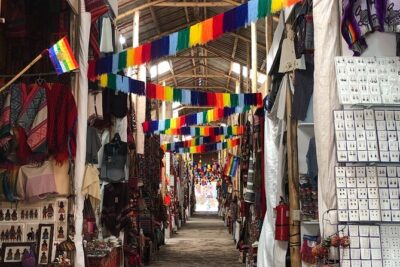
After the ruins, the group spends about 45 minutes at Pisac Market. There is no admission charge, and you have time to look at crafts and interact with local people.
This stop works best if you treat it as a brief chance to browse rather than a major cultural program. You may find textiles, souvenirs, and handmade goods, but the useful question is what you actually want to buy. Prices can vary, so compare before paying and remember that a market visit is not the same as seeing traditional daily life without commerce.
Some people dislike shopping stops on organized tours because they can feel rushed or designed mainly to produce sales. Here, the cultural stops were described as more interesting than expected, but the quality of the experience can still depend on your guide and how much time you want to spend browsing.
One practical note is worth highlighting: a driver was described as impatient when the group asked to see the marketplace, even though it was part of the planned route. That appears to be an isolated complaint rather than the general pattern, but it is a reminder to confirm the day’s stops at the start. If the market matters to you, say so clearly.
Moray and the Inca agricultural bowls
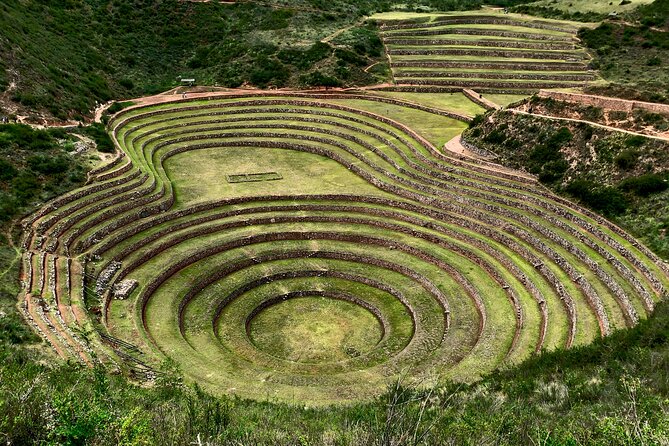
Moray receives about an hour, with admission not included. The site consists of three large, bowl-shaped terrace formations cut into the ground.
Moray feels different from Pisac. Instead of terraces climbing a mountainside, the rings descend into broad circular depressions. The exact purpose is not certain, but they are widely considered an agricultural testing site. The changing depth and shape of the terraces created different growing conditions, allowing the Inca to study how crops responded to temperature and elevation.
That idea gives the site its interest. You are looking at engineering, but also at a practical attempt to understand food production across a difficult region. Ask your guide to explain what is known and what remains uncertain. Good guiding avoids presenting every theory as proven fact.
The time allocation here is fairly generous compared with the salt mines. You can take in the full shape of the terraces, listen to the explanation, and take photos without racing through the visit. The site is open and exposed, so the sun and altitude may make the hour feel longer than expected. A hat, water, and sensible walking shoes are useful choices.
Moray is also one of the tour’s most distinctive stops. If you have already seen several Inca walls in Cusco, these circular formations offer something visually different.
More maras & moray tours in Cusco:
- Cusco:Chinchero,Moray & Salt Mines drop-off in Ollantaytambo
★ 4.8 · 793 reviews - Sacred Valley: Chinchero, Moray, Ollantaytambo & Pisac+Lunch
★ 4.8 · 501 reviews - Sacred Valley: Maras & Moray by Quad Bike from Cusco
★ 4.6 · 418 reviews - From Cusco: Quad bike tour Moray and Salt Mines
★ 4.7 · 314 reviews
Maras salt pools, a bright change of scene
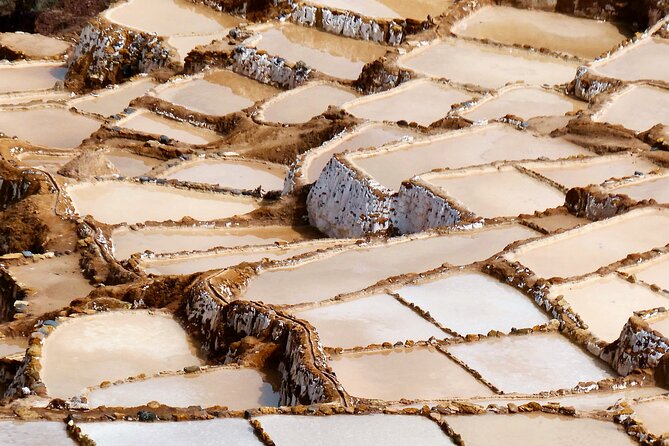
The Maras salt mines are about two miles from Moray. The visit lasts around 45 minutes, and the salt mine ticket costs 20 soles in cash.
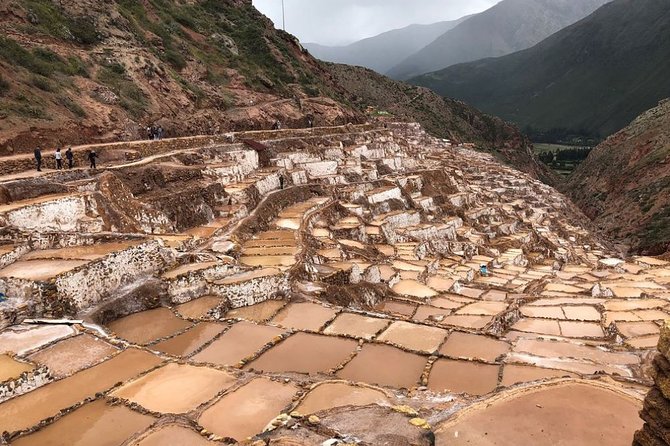
More than 3,000 pools are cut into the mountain side. A small stream fills them, and as the water evaporates, salt remains behind in a patchwork of pale pools. The effect changes with the light and the amount of water in each basin, making Maras one of the day’s best photo stops.
The site also adds a useful layer to the valley story. Maras was considered a salt-producing center during the colonial period, and the pools show how a simple natural resource was organized into thousands of small working units. The narrow channels and repeated basins are easy to understand once you see how water moves through them.
Forty-five minutes is usually enough for photos and a short explanation, though the stop is less about exploring a large archaeological complex and more about seeing the saltworks from the viewing area. The additional fee is easy to overlook because it is separate from the Sacred Valley ticket. Bring small cash and budget for both admissions.
The salt pools are a good reason to choose this tour over a basic Sacred Valley route. They add texture and color to a day that might otherwise focus only on ruins.
Urubamba lunch, useful but not the main event
A buffet lunch in Urubamba is included in the price. The timing can be late, around 2 p.m., because of the distance between stops and the order of the route.
The meal is practical rather than memorable. One description noted a large, rather empty hall with average food, some dishes left uncovered, and flies nearby. Another assessment found plenty of variety and considered the lunch good. Taken together, the sensible expectation is a filling buffet with choices such as rice and pasta, not a special food experience.
I would bring a snack from Cusco. You may not need it, but a small sandwich, fruit, or energy bar will make the late lunch easier, especially after walking at altitude. If you have dietary concerns, the supplied information does not specify special meal arrangements, so ask the operator before booking.
Lunch does save you the trouble of finding a restaurant during a tightly packed day. That has value. You are paying for convenience and time, not fine dining.
Ollantaytambo, the grand finale
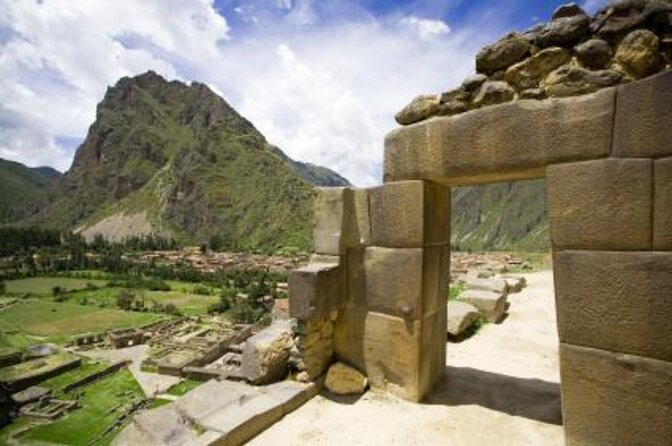
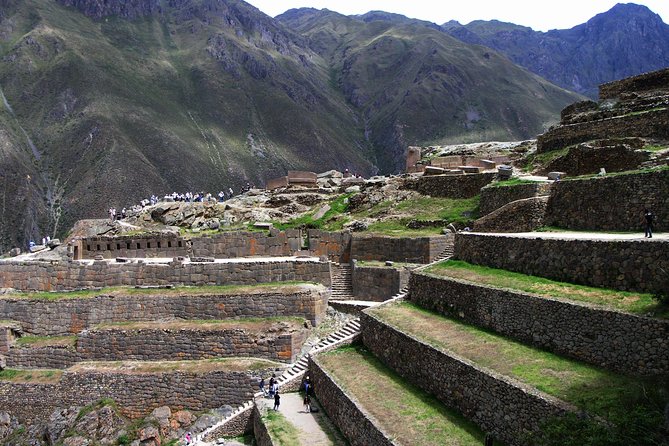
The final major stop is the Archaeological Park of Ollantaytambo, with about an hour at the ruins. Admission is listed as free within this tour information, though the 70-sol Sacred Valley ticket is listed separately and should be clarified when you book.
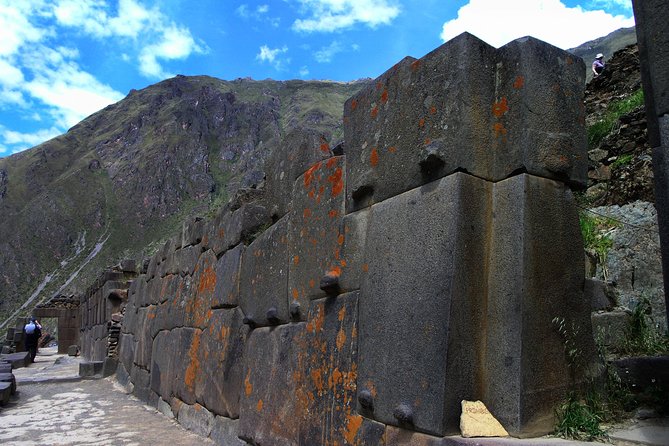
Ollantaytambo is one of the day’s strongest sites. Its huge stone terraces and carefully fitted masonry show the power and ambition of the Inca builders. The site was developed during the height of the Inca period, and the scale of the construction is easy to appreciate even if you are not an archaeology specialist.
The ruins also include a striking rock formation linked with the Inca god Wiracocha. Your guide can help you see how natural rock, sacred belief, and architecture were treated as part of one setting rather than separate subjects.
An hour allows a focused visit, but you should not expect to cover every corner at a slow pace. The site is large enough that your guide will need to choose the key points. Jimy was praised for combining clear English with interesting facts, and one account described Juan as able to explain the subject in several languages. The guide’s skill is especially useful here, where the stones are impressive but their meaning is not always obvious.
The option to end in Ollantaytambo is a major practical advantage for people heading toward Aguas Calientes and Machu Picchu. The town center is described as a 5 to 10 minute walk from the train station. The published meeting information says the activity ends back at the Cusco meeting point, so confirm the drop-off arrangement and select the correct option before paying. Do not assume every booking includes the Ollantaytambo finish.
Guides, vehicles, and the pace of the day
The tour includes an English and Spanish professional guide, private air-conditioned transportation, and a maximum group of eight. Pick-up from your Cusco hotel is included if you choose that option. Otherwise, the stated starting point is Plaza Regocijo in Cusco, and the listed end point is the same meeting point unless another arrangement is selected.
The guides are one of the most praised parts of the experience. Jimy is described as professional, clear in English, and full of useful facts. Jaime is praised for his command of the sites, while Juan is credited with making the day interesting across several languages. The strongest descriptions focus not just on facts, but on genuine enthusiasm for Inca culture, science, religion, and practical inventions.
The vehicle arrangement is sensible for this route. A private air-conditioned van avoids the uncertainty of piecing together transport between Pisac, Moray, Maras, and Ollantaytambo. The small group also means less time lost loading people in and out.
The pace is brisk but reasonable. Expect roughly 30 to 60 minutes at Pisac and Ollantaytambo, about an hour at Moray, and 45 minutes at the market and salt mines. The day includes driving, walking, photos, explanations, shopping, and lunch, so it is not a quiet or leisurely outing.
Is the 73.47 dollar price good value?
At $73.47 per person, the tour is not the cheapest way to reach one Sacred Valley site, but it offers a lot in one package. You get a full-day route, private transportation, a guide, a small group, and lunch.
The main extra cost is admission. Budget 70 soles in cash for the Sacred Valley ticket and 20 soles for Maras, for a stated total of 90 soles per person. The supplied information repeats the Maras admission as both a general exclusion and a separate PEN20 charge, so treat 20 soles as the expected salt mine cost and confirm current details at booking.
That means the real day cost is higher than the headline tour price. It is still fair if you value a guide and organized transport, particularly for a first visit to Cusco. The value is strongest when you use the Ollantaytambo finish to support a wider Machu Picchu trip, since it can save you from returning to Cusco before taking the train.
The value is weaker if you prefer slow visits, independent meals, or choosing only two sites. You are buying coverage and convenience, not flexibility.
Who should book this Sacred Valley tour?
I would recommend it to you if you have one free day in Cusco and want a broad introduction to the valley. It suits people who enjoy archaeological sites but also want a market, a working salt operation, a buffet lunch, and varied scenery.
It is particularly useful before Machu Picchu, provided you can arrange the Ollantaytambo drop-off. The route gives you context for Inca engineering and agriculture before you reach the more famous citadel.
Families and mixed-interest groups may also like the variety. Someone interested in history can focus on Pisac and Ollantaytambo, while a photographer may prefer Moray, Maras, and the valley views.
I would hesitate if you dislike early starts, long touring days, late meals, or organized shopping stops. The 12-hour duration is the price of fitting in four major areas. You should also take altitude seriously and use the guide’s suggestion to pause when needed.
The cancellation terms are generous if your plans are uncertain: you can cancel for a full refund up to 24 hours before the start time. Changes or cancellations inside that window are not accepted for a refund.
Final verdict: a strong one-day Sacred Valley sampler
This is a well-rounded route with an unusually useful finish in Ollantaytambo. The strongest reasons to book are the small group, the range of sites, and the quality of guides such as Jimy, Jaime, and Juan.
The weak points are clear too: bring cash for admissions, carry a snack for the late lunch, and do not expect the buffet to be a highlight. Confirm hotel pick-up and the Ollantaytambo ending, since the standard meeting information points back to Plaza Regocijo.
Book this tour if you want an efficient, well-explained introduction to the Sacred Valley and value having transport, lunch, and a guide handled for you. Choose a slower private tour instead if you want long walks, extended photography, or complete control over every stop.
FAQ
How long does the Sacred Valley tour last?
The tour lasts approximately 12 hours.
What places are included?
The route includes the Pisac archaeological park, Pisac Market, Moray, the Maras salt mines, and the Archaeological Park of Ollantaytambo. It also includes lunch in Urubamba.
How large is the group?
The tour has a minimum group size of two and a maximum of eight people.
Are entrance tickets included?
No. The Sacred Valley ticket is listed at 70 soles per person, and the Maras salt mine ticket is listed at 20 soles per person. Both are payable in cash according to the supplied information.
Is lunch included?
Yes. A buffet lunch in Urubamba is included.
Can I be picked up from my Cusco hotel?
Hotel pick-up is included if you select that option. The stated meeting point is Plaza Regocijo in Cusco.
Can the tour end in Ollantaytambo?
An option to end in Ollantaytambo is described, which can help if you are continuing to Aguas Calientes or Machu Picchu. The standard meeting information says the activity ends back at the Cusco meeting point, so confirm the selected drop-off option when booking.
Just added around Cusco
- Waqrapukara 1 day trekking + meals★ 3.9 · 3 reviews
- Zipline over the Sacred Valley Trip★ 5.0 · 11 reviews
- Valle Sur Cusco | half day★ 4.3 · 3 reviews
- Visit to the Cochahuasi Animal Sanctuary with rescued animal★ 4.1 · 4 reviews
- Visit Pisac from Cusco: Private Transport★ 4.6 · 9 reviews
- Maras and Huaypo lagoon by ATV from Cuzco | Local Operator★ 4.7 · 4 reviews
- Trek to Humantay Lake from Cusco★ 4.9 · 8 reviews
- Trek to Choquequirao 4 days★ 3.8 · 4 reviews
Sacred Valley Tours, compared.

Sacred Valley & Maras Salt Mines Tour with Lunch
Read our review →
Moray, Maras Salt Mines & Chinchero Weavers Tour
Read our review →
Sacred Valley, Pisac, Ollantaytambo, Salt Mines Moray
Read our review →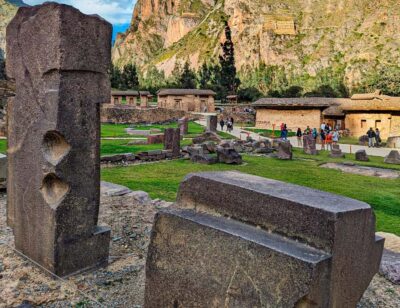
Chinchero,Moray & Salt Mines drop-off in Ollantaytambo
Read our review →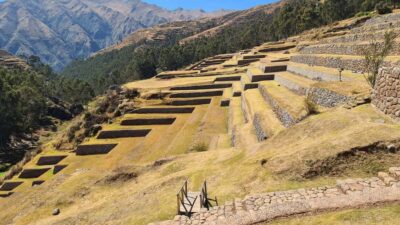

Pisac Indian Market and Ollantaytambo Fortress with Lunch
Read our review →
2-Day Trip to the Sacred Valley and Machu Picchu
Read our review →Browse the lists this tour appears in