Reviewed · TICKETS
Cochahuasi Animal Sanctuary® Admission Ticket
Cochahuasi is a working refuge for rescued Andean animals, not a polished city zoo. Your local guide leads you past pumas, condors, bears, monkeys, llamas, and alpacas while explaining how abuse, trafficking, injuries, and human contact changed each animal’s future. The rescue stories are the heart of the visit.
I like the included guide, who gives meaning to what you see, and the small maximum of 15 people. I also like that your admission supports animals that may never survive in the wild. The main drawback is clear: some enclosures can feel small and poorly maintained, so visitors expecting a modern wildlife park may leave disappointed.
In This Review
- Key points to know before you go
- Why Cochahuasi matters beyond a quick animal stop
- Walking among pumas, condors, bears, and Andean animals
- The guide changes what you see
- The honest tradeoff: rescue work versus visitor comfort
- Getting there from Cusco takes more planning than expected
- What the $10 admission is really buying
- Who will get the most from this visit
- Booking details that affect your day
- Should you book Cochahuasi Animal Sanctuary?
- FAQ
- How much does admission to Cochahuasi Animal Sanctuary cost?
- How long does the visit take?
- What animals can you see at the sanctuary?
- Is a guide included?
- Can the animals return to the wild?
- Is transportation from Cusco included?
- Should I arrange a taxi for the return trip?
- Are food and drinks included?
- Can children visit the sanctuary?
Key points to know before you go
- Rescued pumas include animals once kept in a Lima disco, with severe damage to their teeth and claws.
- A local guide is included, helping you understand which animals may return to the wild and which need permanent care.
- Alpaca contact may be possible, but feeding or petting is not presented as a guaranteed part of every visit.
- The sanctuary is about 30 minutes from Cusco, and arranging a driver to wait can save you a difficult return trip.
- Expect 45 to 90 minutes on site, with a maximum group size of 15 people.
- The $10 admission has good value, especially when you want a short, meaningful stop rather than a full-day excursion.
Why Cochahuasi matters beyond a quick animal stop
Cochahuasi Animal Sanctuary gives you a close look at a difficult side of wildlife conservation. These are not animals gathered for display simply because they are interesting. They were rescued from abuse, illegal trafficking, abandonment, or lives shaped too heavily by people.
That distinction matters. Some animals can recover and return to the wild. Others cannot, because of lasting injuries, health problems, or human imprinting. A sanctuary becomes their long-term home, not a temporary hotel before release.
This can make the visit emotional. You may see a beautiful puma or condor, then hear that it cannot hunt, fly, or behave normally without human care. The experience asks you to look past the animal’s appearance and understand the damage behind its rescue.
I like that the guide is part of the admission. Without that explanation, you might see enclosures and leave with only a vague sense of what the sanctuary does. With the guide, the visit becomes a short lesson in rescue, rehabilitation, and the hard choices involved in protecting wildlife.
A few more Cusco trips to weigh up
- Machu Picchu Entrance Ticket
★ 4.5 · 108 reviews - Machu Picchu: Tour Guide Service & Entrance Ticket Circuit-2
★ 4.6 · 90 reviews - Machu Picchu Private Tour from Aguas Calientes (Tickets included)
★ 5.0 · 84 reviews
Walking among pumas, condors, bears, and Andean animals
Your visit centers on the sanctuary itself. A local guide takes you through the grounds and introduces the animals in care. The visit generally lasts from 45 minutes to 1 hour 30 minutes, depending on the pace of the walk and the amount of time you spend asking questions.
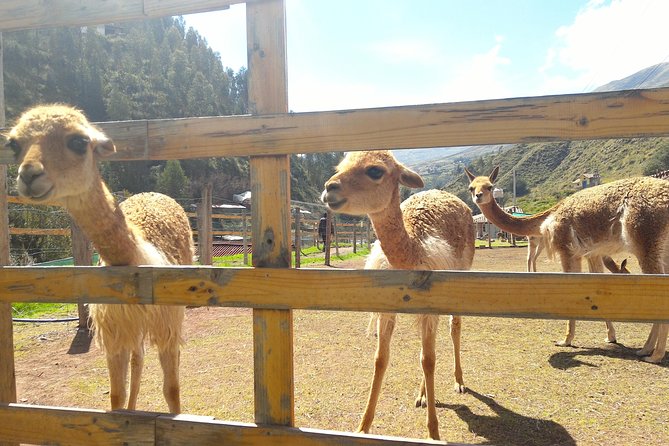
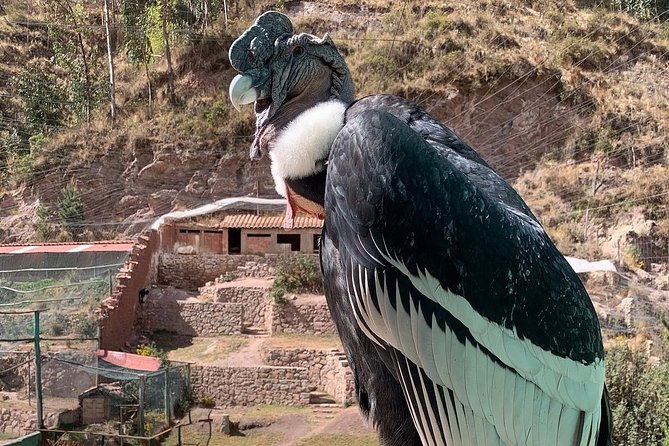
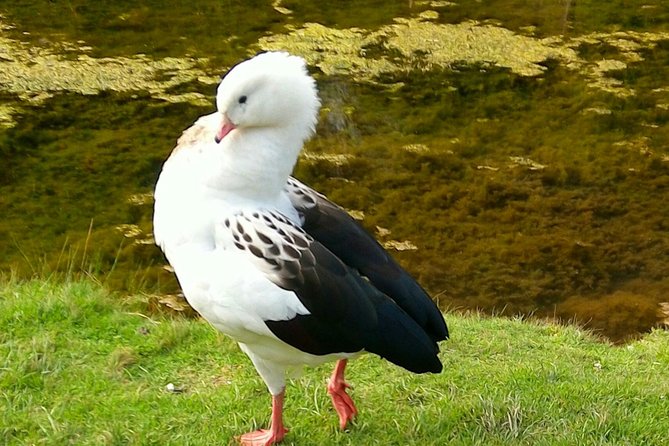
The animal collection includes several species associated with the Andes and wider South American wildlife. You may see condors, pumas, bears, monkeys, llamas, and alpacas. The mix gives you plenty of variety for a relatively short stop.
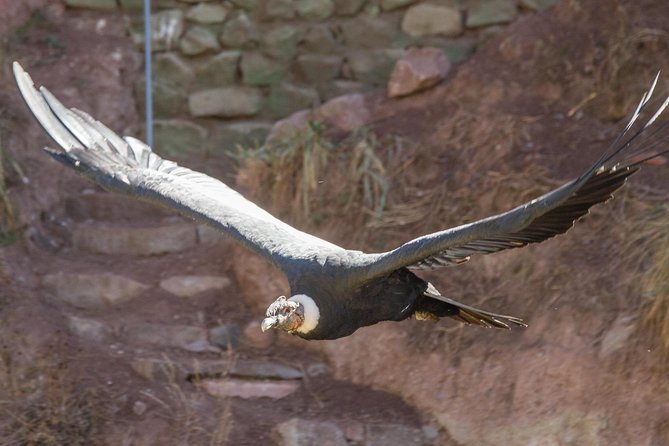
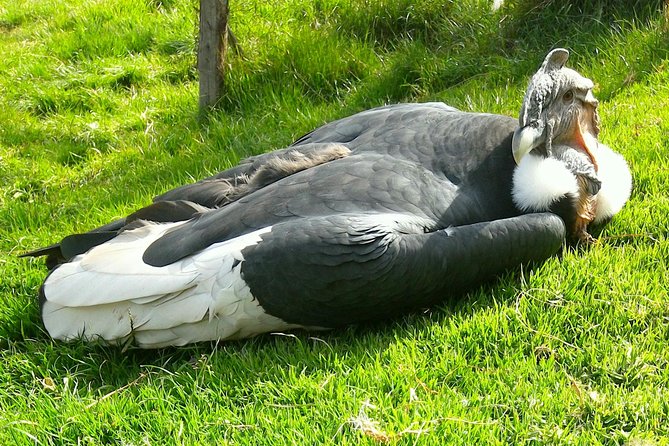
The condors are a particular highlight. Seeing these large birds at close range gives you a better sense of their size than a distant sighting in the mountains. Still, close viewing also makes the conservation message more immediate. A condor in human care is a reminder that rescue is sometimes necessary, but never an ideal replacement for freedom.
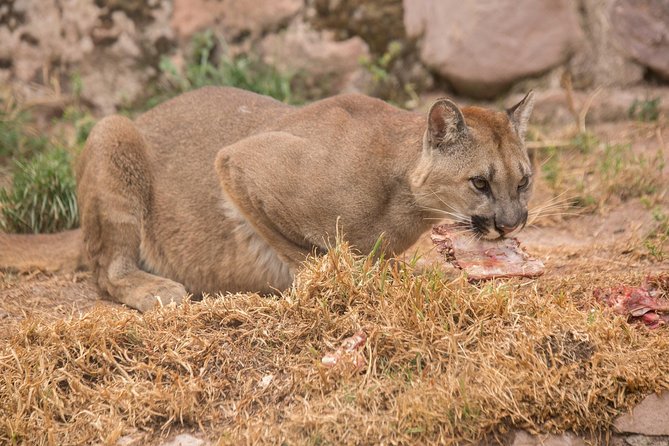
The pumas carry some of the hardest stories. Two were reportedly kept in a Lima disco and had their teeth and claws removed. The sanctuary arranged dentures so they could eat meat. That detail is painful, but it explains why a rescued animal may remain in care for life, even when it looks strong and healthy.
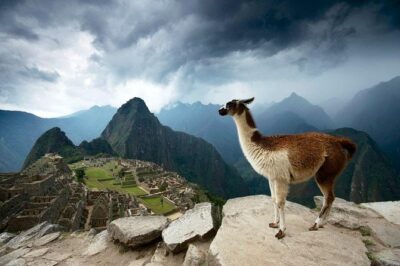
You may also find the llamas and alpacas easier to connect with. One visit included the chance to feed and pet alpacas, which became a memorable part of the afternoon. Treat this as a possible interaction rather than a guaranteed feature of every admission, since the experience can depend on the animals, staff, and conditions on the day.
The guide changes what you see
The included local guide is one of the strongest reasons to book this experience rather than simply arrive, look around, and leave. The guide explains the history of individual animals and their current condition, including whether rehabilitation might lead to release.
That information helps you read the enclosures with more care. A small space may still raise concerns, but you also learn that some animals cannot be safely released. A bear or puma that has been mistreated by people may lack the skills needed to hunt, avoid danger, or live with its own kind.
The guide can also explain the sanctuary’s conservation work and the difference between rehabilitation and permanent refuge. That is valuable for families, since children often focus first on seeing the animals and then begin asking why they are there.
Language is worth considering. One visit had an excellent English-speaking guide, but the supplied details do not promise a particular language for every session. If clear English explanations are essential to you, confirm this before booking.
The group limit of 15 people is another practical plus. This is not a huge coach group moving through at once. A smaller group makes it easier to hear the guide and ask about the animals, though the actual feel of the visit can still depend on how many people arrive at your time.
The honest tradeoff: rescue work versus visitor comfort
Cochahuasi may challenge your idea of what a sanctuary should look like. Some visitors find the animal areas small, the grounds poorly maintained, or the setting less clean than expected. Those concerns should not be brushed aside.
The sanctuary team explains that every animal was rescued from abuse or illegal trafficking and that some cannot return to nature. That gives the enclosures a serious purpose. It does not erase the visual impact of seeing animals in cages or compact living areas.
I would approach Cochahuasi with two thoughts at once. The animals need a safe place because of what happened to them. At the same time, any responsible refuge should keep improving space, cleanliness, enrichment, and animal care. The visit lets you support the work, but it also gives you a chance to observe the conditions for yourself.
This is best for someone interested in conservation and rescue, not someone seeking a glossy attraction with immaculate facilities and carefully staged animal encounters. If you want only dramatic wildlife photography, the visit may feel limited. If you want to understand what happens after trafficking or abuse, it has real weight.
Same valley, a completely different kind of day:
- Cusco: Humantay Lake Tour with Breakfast and Buffet Lunch
★ 4.9 · 2,976 reviews - From Cusco: Sacred Valley & Maras Salt Mines Tour with Lunch
★ 4.8 · 2,227 reviews - From Cusco: Moray, Maras Salt Mines & Chinchero Weavers Tour
★ 4.8 · 1,925 reviews - From Cusco: Full-Day Group Tour of Machu Picchu
★ 4.7 · 1,767 reviews
Getting there from Cusco takes more planning than expected
Cochahuasi is roughly 30 minutes from Cusco, but its remote setting makes the return journey the key logistical issue. A taxi or Uber can take you there, but finding a ride back may not be simple once you finish.
The most useful advice is to arrange transportation in both directions. One practical option is to hire a taxi from Cusco and ask the driver to wait during your visit. A reported round trip cost about 100 soles total, though prices can vary and the supplied information does not guarantee that rate.
If you use a taxi or ride-hailing service, do not assume the driver will remain nearby unless you agree to it. A driver who waits can turn this into an easy half-day outing. Without that plan, you could finish the sanctuary visit and find yourself trying to arrange transport from a remote location.
The sanctuary visit itself is short enough to fit into an afternoon. Allow extra time for the ride, questions with the guide, and transport delays. You do not need to give it a full day, but squeezing it between tightly timed Cusco activities would be unwise.
What the $10 admission is really buying
The price is $10 per person. At the sanctuary, the direct entrance price has been reported as 20 soles per person, so the online ticket may offer a better deal depending on the exchange rate and your booking date. The online option also lets you reserve ahead and avoid waiting in line.
The bigger value is the guide. You are not paying only to walk through animal enclosures. You are paying for an explanation of the sanctuary’s work and the stories of animals that would otherwise be difficult to understand.
For a 45 to 90-minute stop, $10 is reasonable if you care about wildlife rescue and want a guided experience. It is less convincing if you judge attractions mainly by size, polish, or the number of activities included.
Food and drinks are not included, and the supplied details do not describe dining facilities at the sanctuary. Plan to eat before or after the visit rather than counting on a meal there.
If you can afford to give extra, a donation may help the sanctuary care for animals that require permanent shelter. That is optional, of course. Your admission already supports the visit, and you should never feel pressured to add money.
Who will get the most from this visit
I would recommend Cochahuasi to animal lovers, families with children, and anyone looking for a short outing from Cusco with a clear conservation purpose. Children must be accompanied by an adult, and the moderate physical fitness requirement suggests you should be comfortable walking around the grounds.
The visit also suits people who prefer direct contact with local conservation work over a highly produced attraction. The guide’s explanations, the rescue histories, and the chance to see Andean species up close give the outing a personal quality.
It may not suit you if you are very sensitive to animals living in enclosures, or if poorly maintained areas would overshadow the conservation message. The most negative reaction to the sanctuary came from someone who felt the small spaces continued the animals’ earlier suffering. That is a serious concern, and you should think about your own comfort before booking.
Families should prepare children for a different kind of animal visit. This is not simply a place to admire cute animals. Some stories involve cruelty, trafficking, and permanent injury. That can be upsetting, but it can also lead to a useful conversation about responsible wildlife protection.
Booking details that affect your day
Confirmation is provided when you book. The experience is commonly reserved about six days ahead, so advance booking makes sense if you have a fixed Cusco schedule.
The maximum group size is 15 people. The ticket includes a local guide and sanctuary admission. Food and drinks are not included.
You can cancel for a full refund if you do so at least 24 hours before the scheduled start time. Cancellations or changes made within 24 hours are not accepted for a refund. The cut-off follows local time in Cusco.
Because the activity takes place outside the city center and transportation is not listed as included, I would sort out your ride before the day begins. That single step can make the difference between a relaxed afternoon and a frustrating one.
Should you book Cochahuasi Animal Sanctuary?
Book it if you want a short, guided wildlife visit that supports rescued animals and helps you understand why some cannot return to nature. The condors, pumas, alpacas, and rescue stories give the stop genuine substance, and the $10 price is fair for admission plus a local guide.
Go with realistic expectations. This is not a large modern park, and the condition of the enclosures may trouble you. Arrange round-trip transport, allow at least an hour with extra time around it, and remember that animal interaction is not guaranteed.
For me, the best reason to go is not simply seeing Andean species. It is learning what rescue means after an animal has been abused, trafficked, injured, or shaped by people. If that purpose matters to you, Cochahuasi is worth adding to your Cusco plans.
FAQ
How much does admission to Cochahuasi Animal Sanctuary cost?
The admission ticket costs $10 per person. The direct entrance price at the sanctuary has been reported as 20 soles per person.
How long does the visit take?
The visit lasts approximately 45 minutes to 1 hour 30 minutes.
What animals can you see at the sanctuary?
The sanctuary cares for animals including condors, pumas, bears, monkeys, llamas, and alpacas.
Is a guide included?
Yes. A local guide is included with the admission ticket and explains the animals’ stories, recovery, and conservation work.
Can the animals return to the wild?
Some rescued animals may be released after rehabilitation. Others cannot return because of injuries, health problems, or human imprinting and remain at the sanctuary permanently.
Is transportation from Cusco included?
No transportation is listed as included. The sanctuary is about 30 minutes from Cusco, so you should arrange your own ride.
Should I arrange a taxi for the return trip?
Yes. Because the sanctuary is remote, arranging round-trip transportation or asking a taxi driver to wait is recommended. One reported taxi arrangement cost about 100 soles total.
Are food and drinks included?
No. Food and drinks are not included in the admission ticket.
Can children visit the sanctuary?
Yes, but children must be accompanied by an adult. Visitors should also have a moderate level of physical fitness.
Just added around Cusco
- Waqrapukara 1 day trekking + meals★ 3.9 · 3 reviews
- Zipline over the Sacred Valley Trip★ 5.0 · 11 reviews
- Valle Sur Cusco | half day★ 4.3 · 3 reviews
- Visit to the Cochahuasi Animal Sanctuary with rescued animal★ 4.1 · 4 reviews
- Visit Pisac from Cusco: Private Transport★ 4.6 · 9 reviews
- Maras and Huaypo lagoon by ATV from Cuzco | Local Operator★ 4.7 · 4 reviews
- Trek to Humantay Lake from Cusco★ 4.9 · 8 reviews
- Trek to Choquequirao 4 days★ 3.8 · 4 reviews
Tickets, compared.

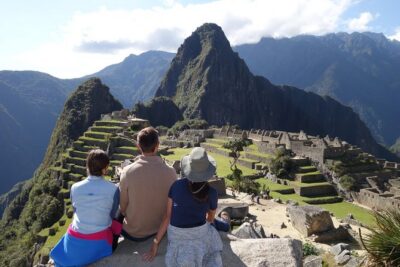
Machu Picchu Private Tour from Aguas Calientes (Tickets included)
Read our review →
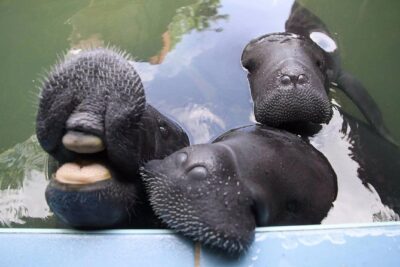
Amazon Rescue Center – Manatees Conservation Center Admission Ticket
Read our review →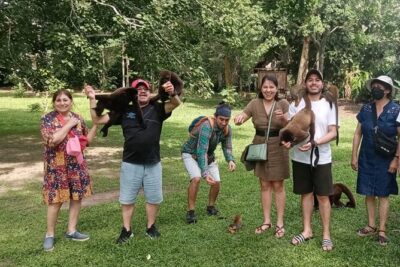
Monkey Island,Amazon River & Native Aquatic Species – All tickets
Read our review →
2-Day Tour: Sacred Valley & Machu Picchu – All Tickets Included
Read our review →