
Reviewed · EVENING EXPERIENCES
Arequipa | Ascent to Chachani Volcano 2 days / 1 night
Chachani is not a sightseeing stop with a quick photo and a bus ride back. It is a real two-day mountain climb, beginning with a 4×4 ride from Arequipa and ending with a pre-dawn push toward the summit. The mountain also connects to the city below: the same volcanic stone found around Chachani helped give Arequipa its nickname, The White City.
I like the small group size, limited to 10 people, and the plain, practical setup. You get transport, a guide, tents, lunch, and breakfast without a packed tourist program. I also like the summit timing, since reaching Chachani around 5 a.m. gives you a chance to see Misti, Ubinas, Sabancaya, Coropuna, Ampato, and Hualca Hualca in the clear morning light. The main drawback is simple: this is a hard altitude climb, with a 2 a.m. start and no trekking gear included.
In This Review
- Key points at a glance
- Chachani and the White City connection
- Leaving Arequipa at 7:30 a.m. by 4×4
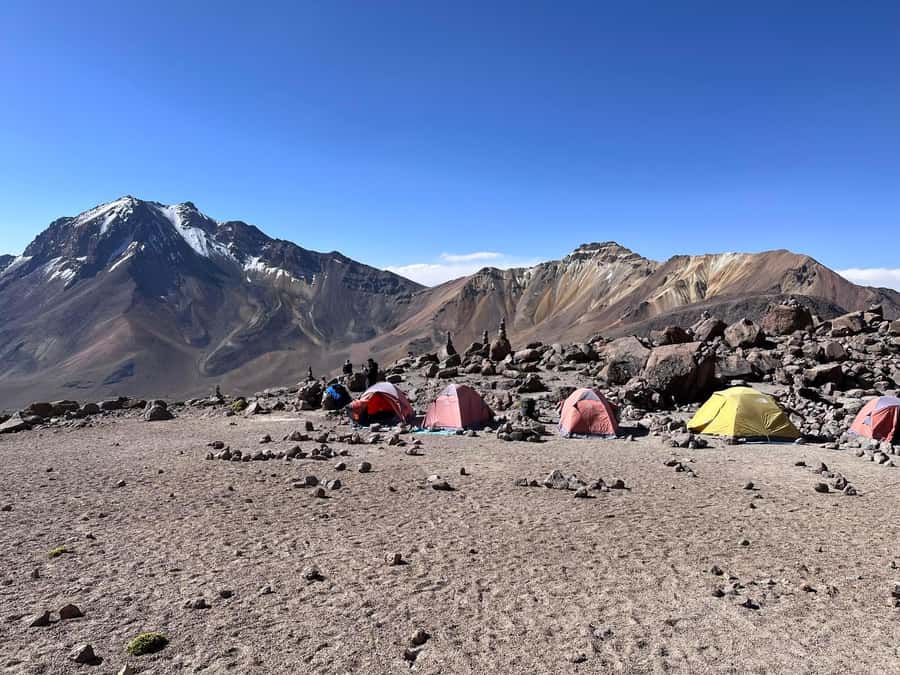
- The two-hour walk to 5,200 meters
- What sleeping at 5,200 meters means
- The 2 a.m. summit attempt
- The summit view around 5 a.m.
- Descending to base camp and returning to Arequipa
- What to bring and what is missing
- Who should book this Chachani climb?
- Is $144 a fair price?
- Booking details that matter
- Should you book it?
- FAQ
- How long does the Chachani Volcano experience last?
- What time is hotel pickup in Arequipa?
- Where does pickup take place?
- How high is the base camp?
- What time does the summit hike begin?
- Is trekking equipment included?
- What languages are available for the guide?
Key points at a glance
- A 5,200-meter base camp: You spend the night at very high altitude before the summit attempt, so acclimatization matters.
- A 2 a.m. wake-up: The summit hike begins in darkness and can reach the top around 5 a.m. if weather allows.
- Small groups of up to 10: This gives the guide more room to support people at different speeds.
- Arequipa’s white volcanic stone: Chachani connects directly to the pale stone used in many city churches and buildings.
- Basic mountain camping: Your tent, lunch, and breakfast are included, but poles, shoes, backpacks, and snacks are not.
- A serious hike for fit adults: The climb is not suitable for pregnant women, wheelchair users, people with heart or back problems, or people over 60.
Chachani and the White City connection
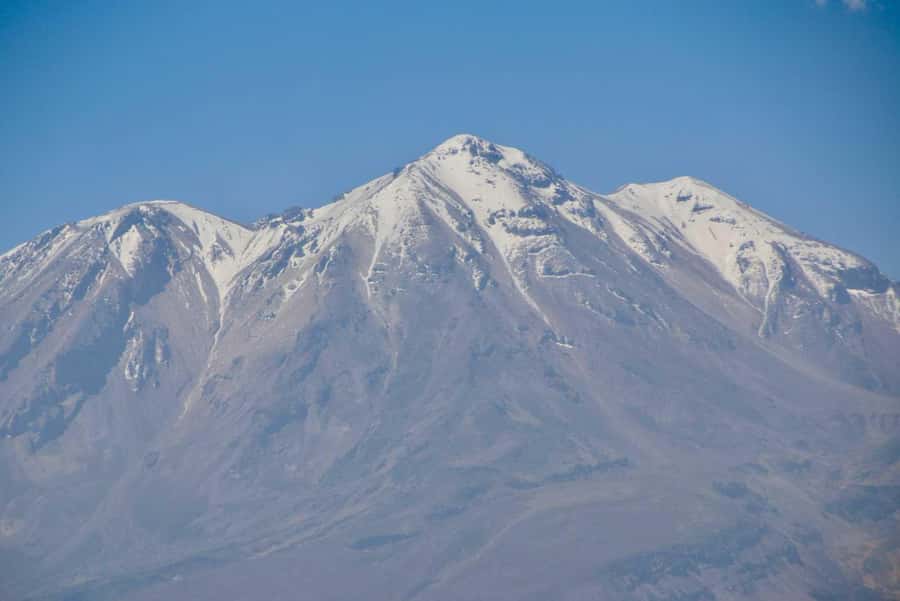
Arequipa’s pale buildings are not just a style choice. The city is known for its white volcanic stone, and that local material is one reason it earned the name The White City. As you leave the city and head toward Chachani, you are seeing the volcanic setting behind that familiar architecture.
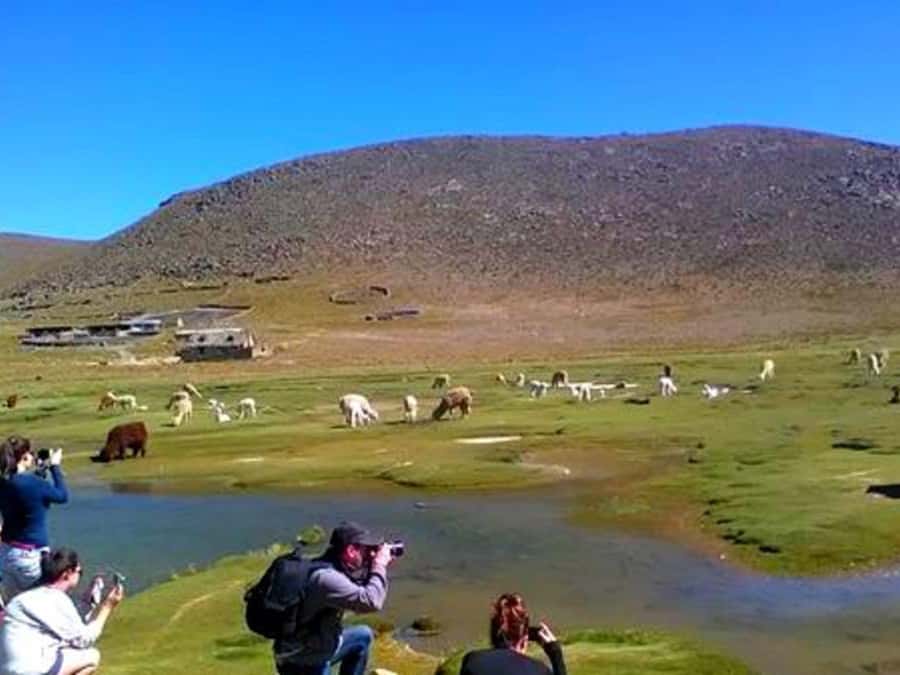
The experience takes place in the Arequipa Region, but it does not feel like a standard city excursion. After hotel pickup, the 4×4 heads toward Pampa Cañahuas, on the back side of Chachani. The route moves you from city streets into a high, open mountain setting where the volcano itself becomes the focus.
I like this connection because it gives the climb a little more meaning. You are not simply ticking off a summit. You are also seeing the source of the volcanic world that shaped Arequipa’s buildings and identity.
Still, the white-stone connection is context, not a separate stop with a long explanation. The main event is the mountain. If your priority is Arequipa’s churches, plazas, and architecture, plan city sightseeing separately.
A few more Arequipa trips to weigh up
- 2 Day 1 Night Trek / Colca Canyon
★ 4.5 · 92 reviews - From Puno to Arequipa: 2 Days/1 Night Colca Canyon Tour
★ 3.6 · 83 reviews - Arequipa: Colca Canyon Trekking 2 days and 1 night + food
★ 4.8 · 3 reviews
Leaving Arequipa at 7:30 a.m. by 4×4
Pickup is scheduled for 7:30 a.m. from your hotel in Arequipa. The available pickup area includes hotels around the Historical Centre and Plaza de Armas, and you should wait in the lobby from 10 minutes before the arranged time.
The 4×4 matters here. The route to Pampa Cañahuas is not presented as a normal road transfer followed by an easy walk. You are heading toward the rear of a major volcano, and the vehicle takes you to the point where the foot journey begins.
The drive is also part of the altitude transition. By about 10 a.m., you are expected to reach Pampa Cañahuas, where the guide gives basic recommendations and helps the group prepare. Use this pause well. Check your clothing, water, medication, and pack before walking away from the vehicle.
The group is capped at 10 people, with guiding in English or Spanish. That is a useful balance for a climb like this. You are not in a large procession, and the guide has a better chance of keeping track of everyone as the pace changes.
No individual guide names are provided, so you should choose the language you need when booking and use the briefing to ask practical questions. The required briefing takes place one day before the climb at 6 p.m. Treat it as an important mountain meeting, not a minor formality.
The two-hour walk to 5,200 meters
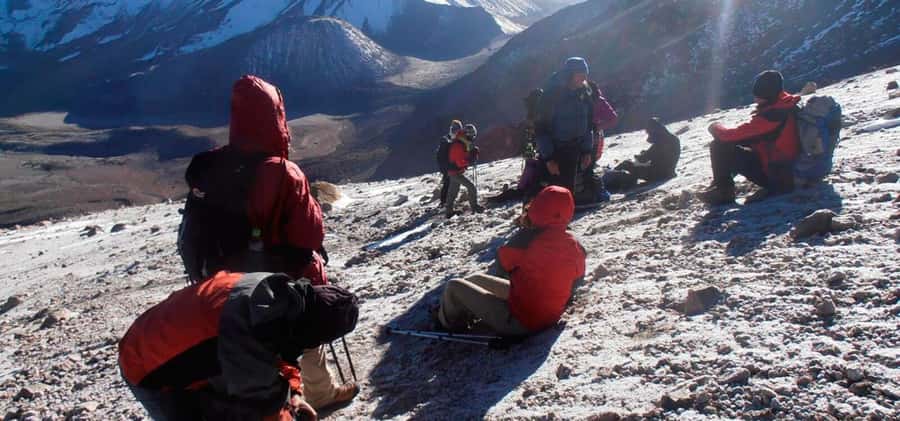
From the starting point, you walk for about two hours toward base camp. The route is described as a gradual ascent of low intensity, but do not mistake that phrase for an easy stroll. At this altitude, even a gentle uphill grade can feel demanding.
The base camp sits at 5,200 meters above sea level. That number tells you more about the trip than the word low intensity. You need to be comfortable walking uphill, carrying your personal items, and managing cold conditions before the harder summit attempt.
I would keep your first afternoon conservative. Walk at a steady pace, follow the guide’s instructions, and do not spend your energy racing ahead. A mountain climb is not improved by arriving at camp exhausted.
Once you reach camp, the team sets up the tents. Lunch is included and may be soup with pasta or canned food. This is basic fuel, not a restaurant meal, and that is reasonable for a remote overnight climb. Bring snacks for extra energy because they are not included.
The afternoon includes time to rest, with the itinerary also allowing a visit, guided time, free time, and sunset. Exact conditions will shape how much of that happens. At high altitude, resting may be more useful than trying to fill every minute.
What sleeping at 5,200 meters means
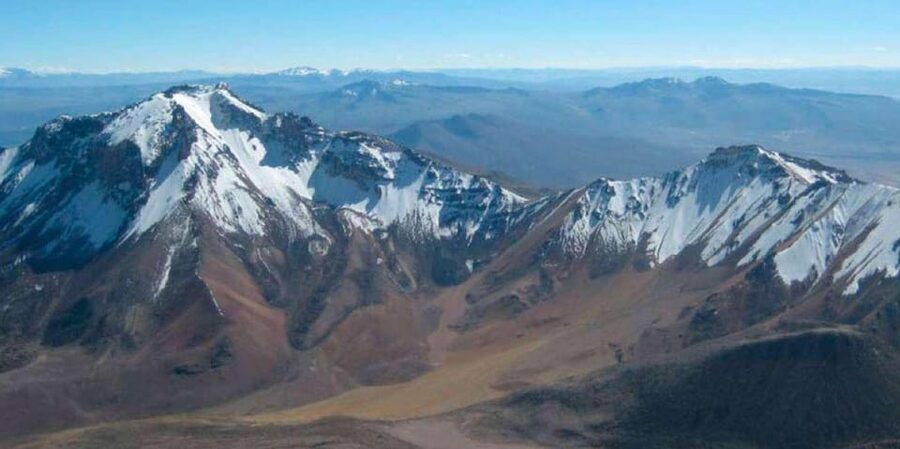
The overnight tent stay is one of the most important parts of the trip. You are not simply saving money by camping. You are spending the night close to the route so the summit attempt can begin early.
The setup is functional. At nightfall, tea is served and you go to sleep. The early bedtime is necessary because the alarm comes at 2 a.m. Do not expect a long, comfortable night. You may sleep lightly, and the combination of altitude, cold, and anticipation can make rest difficult.
Bring a jacket and a change of clothes, as requested. Personal medication is also essential. The supplied information does not specify a sleeping bag, mattress, or other camping details, so ask the operator exactly what the tent setup includes before departure.
This is also the point where you should judge how your body feels. If you are unwell at base camp, tell the guide. The summit is not worth hiding symptoms or forcing yourself onward.
Same valley, a completely different kind of day:
- From Arequipa: Colca Canyon Full-Day Guided Tour with Meals
★ 4.5 · 982 reviews - Tour to the Salinas Lagoon and National Reserve in Arequipa
★ 4.5 · 548 reviews - From Arequipa: Sillar Route Trek
★ 4.2 · 461 reviews - Arequipa: Chili River White Water Rafting with Hotel Pickup
★ 4.8 · 329 reviews
The 2 a.m. summit attempt
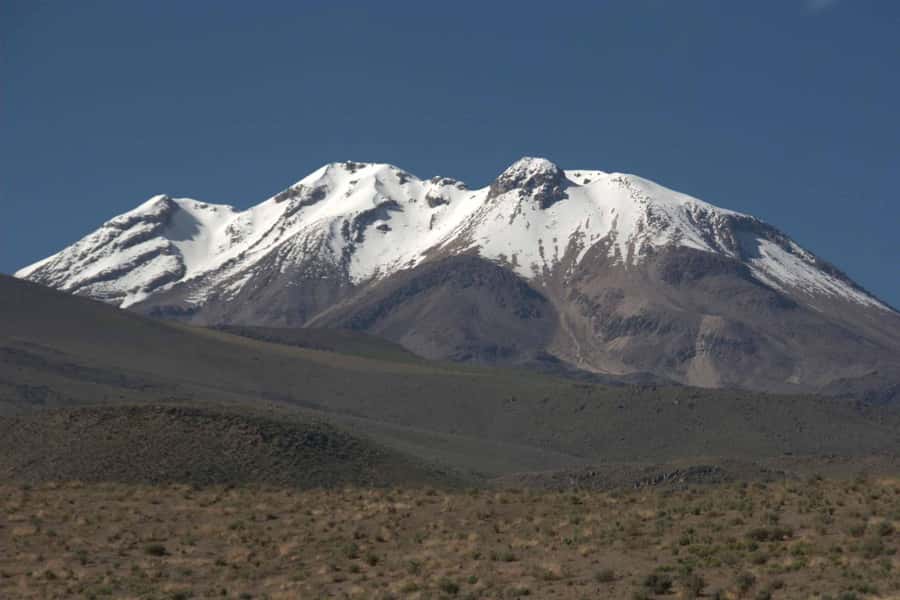
Day two begins at 2 a.m. You get ready, check that your equipment is in order, and eat breakfast to warm up before setting off.
The summit hike is the demanding part of the experience. The group may reach the top around 5 a.m. if the weather is good, but that timing is not a promise. Darkness, cold, wind, trail conditions, and individual pace all matter.
You will need to manage your own expectations. A successful climb is not only about standing on the summit. It is also about making sensible choices at altitude and staying with the guide’s instructions. The small group format helps, but it does not remove the physical challenge.
The climb is described as similar to hiking up a mountain, which is a useful way to frame it. This is not technical climbing information, and no ropes or specialist climbing skills are listed. Even so, it is an intense hike at extreme altitude. Trekking shoes, a backpack, and poles are not included, so you must arrange them yourself or ask about available rental equipment during the briefing.
One recent booking experience praised the guide team for focusing on summit support rather than putting on a large tourist show. That matches the nature of this trip. The appeal is the climb itself, with a guide helping you manage the route and effort.
The summit view around 5 a.m.
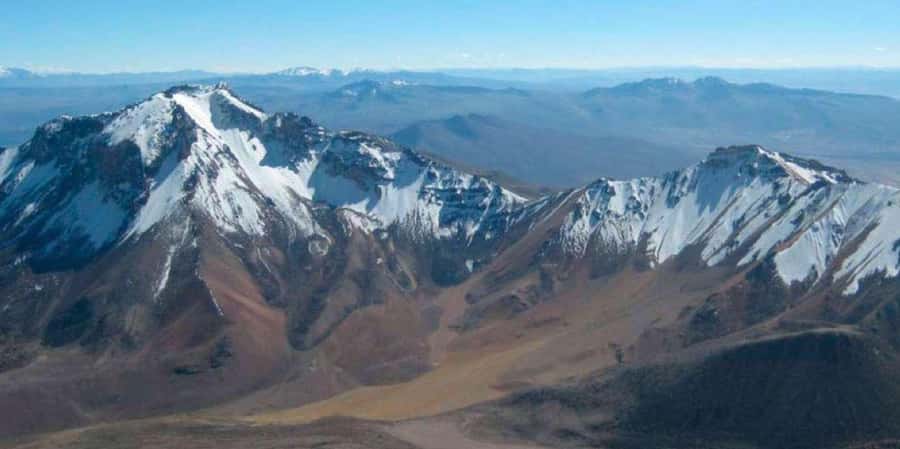
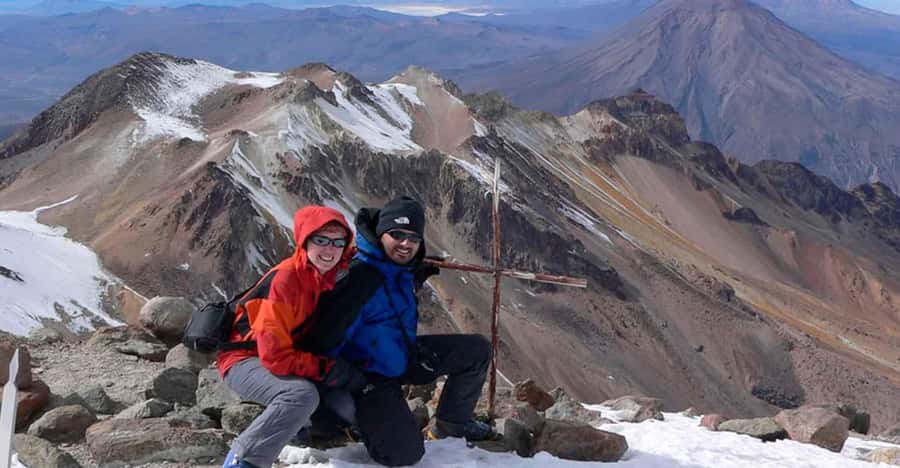
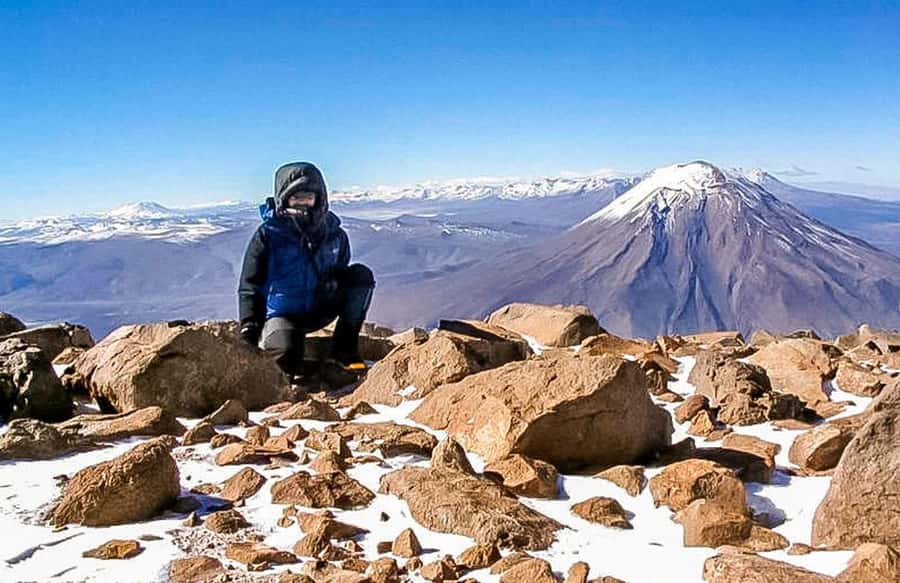
At the summit, you have free time to recover and look across the surrounding volcanoes. The named views include Coropuna, the snow-covered peaks of Ampato, Hualca Hualca, active Sabancaya, Misti, and Ubinas.
The early hour should give the stop a strong sense of occasion. You are arriving as the day begins, after a night start and several hours of effort. The view is not just a scenic reward. It also helps you understand how many volcanic peaks shape the region around Arequipa.
Do not linger beyond your comfort level. The summit stop is a chance to rest and take in the view, but you will still need to descend. Keep your jacket close, protect your energy, and listen when the guide is ready to move.
Weather is the key variable. The schedule says the summit may be reached around 5 a.m. if conditions are good. Clouds or poor weather can change the experience, and you should book this as an adventure rather than a guaranteed viewpoint.
Descending to base camp and returning to Arequipa
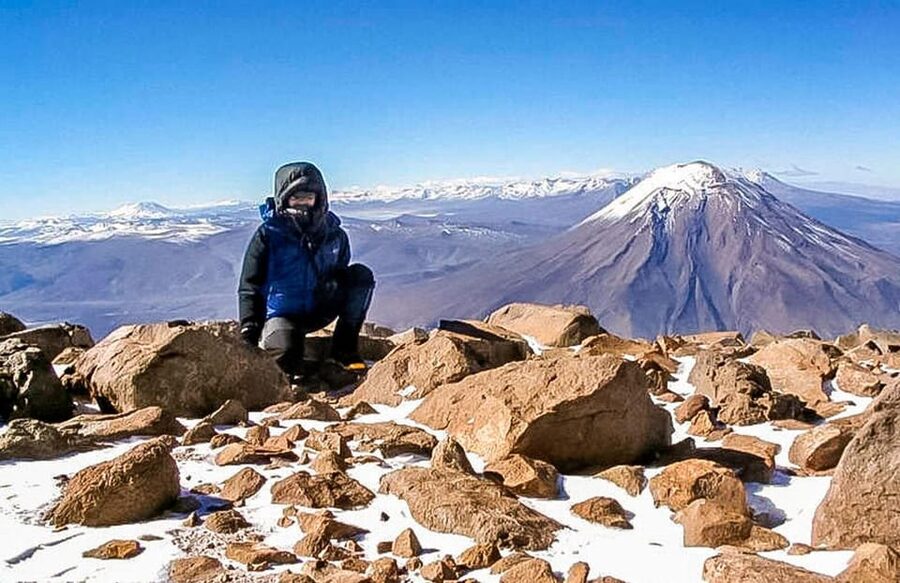
After the summit stop, you descend toward base camp, taking several breaks along the way. The downhill route may feel easier than the ascent, but tired legs and altitude still require care. Descend at a controlled pace and use the rest stops instead of trying to hurry.
At the starting point, the 4×4 waits to take you back to Arequipa. Drop-off is listed for Plaza de Armas or the Historical Centre. After the early start and summit attempt, the return ride is a welcome end to a demanding day.
The included transport adds real value to the $144 price. You are not arranging a separate high-altitude transfer, overnight camp, or return journey. The guide, tent accommodation, first-day lunch, and second-day breakfast are also included.
The value is strongest if you need a simple package and do not already have mountain equipment. The price is less complete if you must rent shoes, poles, and a backpack, then buy snacks and possibly arrange other personal supplies. One booking experience noted that needed gear was available for the adventure, but the official inclusions do not promise specific equipment, so confirm availability and cost before you go.
What to bring and what is missing
The required list is short:
- Passport
- Change of clothes
- Jacket
- Personal medication
You should also plan for the items not included. Trekking poles, suitable shoes, and a backpack are your responsibility. Snacks are not included, either.
Water deserves special attention. One person reported running short of water needed for cooking and found the ascent intense. That is a practical warning for you. Ask how much drinking and cooking water is supplied, then carry enough personal water for the stated hike if the operator permits it.
The information does not give a precise water allowance, sleeping-bag specification, or equipment-rental price. Ask those questions at the 6 p.m. briefing. A few minutes of preparation can prevent a cold, thirsty, uncomfortable night.
Who should book this Chachani climb?
I would recommend it to fit adults who want a direct mountain challenge from Arequipa and are willing to accept basic camping. It suits you if the thought of a small group, an early summit attempt, and wide volcano views sounds better than a polished sightseeing package.
It is also a good match if you value practical support over entertainment. The English and Spanish guide, 4×4 transport, and group limit of 10 keep the focus on getting up and down the mountain.
This is not a good choice if you need a relaxed schedule, indoor accommodation, or a gentle day trip. The 2 a.m. start is tough, the base camp is at 5,200 meters, and the final ascent is intense.
The stated restrictions are clear. The activity is not suitable for pregnant women, people with back or heart problems, wheelchair users, or people over 60. If any medical concern applies to you, seek professional advice before booking and speak openly with the operator at the briefing.
Is $144 a fair price?
At $144 per person, the package covers the parts that can make a high-altitude outing complicated: hotel pickup, 4×4 transport, an English or Spanish guide, one night in tents, lunch, and breakfast.
The strongest value comes from the small group and transport. A group of up to 10 is more manageable than a large operation, especially when people climb at different speeds. The 4×4 also removes the need to solve the remote transfer yourself.
The price does not cover everything. You must budget for snacks and trekking gear, including poles, shoes, and a backpack. You should also ask what camping equipment is supplied and how water is handled.
For a self-contained summit attempt with basic support, the price is reasonable. For someone who already owns gear and wants a stripped-back climb, it may be especially appealing. For someone expecting a fully equipped, comfortable expedition, the package may feel limited.
Booking details that matter
You can cancel up to 24 hours before the activity for a full refund, and the reserve-now, pay-later option keeps your plans flexible. Availability controls the starting time, so check the date carefully.
Pickup is included from any hotel in Arequipa, with the lobby meeting time set for 10 minutes before pickup. The briefing is one day before the climb at 6 p.m., and you should attend with questions about gear, water, meals, weather, and the tent setup.
The advertised rating is 4.9 from 10 reviews, with specific praise for attentive guiding and summit support. The most useful practical point is not the number itself. It is the reminder that this is a low-frills climb built around the mountain, not a staged show.
Should you book it?
Book this Chachani ascent if you want a serious two-day hike, can handle a night at 5,200 meters, and are comfortable bringing or arranging your own trekking equipment. The small group, included 4×4, and early summit view give the trip real value.
Skip it if you want comfort, a late morning start, or a predictable sightseeing day. Before paying, confirm the equipment available, water arrangements, and your own readiness for altitude. If those pieces are in place, this is a focused way to see the volcanic country around Arequipa and test yourself on Chachani.
FAQ
How long does the Chachani Volcano experience last?
The experience lasts two days and includes one night in tents at base camp.
What time is hotel pickup in Arequipa?
Pickup is scheduled for 7:30 a.m. You should wait in your hotel lobby from 10 minutes before the scheduled pickup time.
Where does pickup take place?
Pickup is available from hotels in Arequipa, including the Historical Centre and the area around Plaza de Armas.
How high is the base camp?
The base camp is located at 5,200 meters above sea level.
What time does the summit hike begin?
The second day begins at 2 a.m. with preparation and breakfast, followed by the climb toward the summit.
Is trekking equipment included?
No. Trekking poles, shoes, and backpacks are not included. Snacks are also not included.
What languages are available for the guide?
The live guide is available in English or Spanish.
Just added around Arequipa
- Walking tour through the Historic Center of Arequipa★ 4.0 · 3 reviews
- Trek to the Route of the Sillar and Culebrillas in Arequipa★ 4.0 · 9 reviews
- 3-Day Colca Canyon trek with Professional Guide★ 5.0 · 40 reviews
- Trekking, Waterfalls and Thermal Baths★ 4.5 · 47 reviews
- Colca Full Day★ 5.0 · 57 reviews
- Full Day Tour to Colca Canyon from Arequipa★ 4.0 · 34 reviews
- Private 3 Day Colca Canyon Trekking tour (superior Service)★ 5.0 · 58 reviews
- Arequipa, Historic and Colonial City and Santa Catalina Monastery★ 4.5 · 42 reviews
Evening Experiences, compared.
Lima Evening Tour: Magic Water Circuit & Fountain Show
Read our review →
Water Magic Circuit, Downtown and Catacombs Night Tour
Read our review →
Ballestas Islands and Huacachina Sunset Day Trip
Read our review →
Guided tour in Trujillo at Sunset “El Collector de Atardeceres”
Read our review →
From Puno to Arequipa: 2 Days/1 Night Colca Canyon Tour
Read our review →
Cusco by Night: Planetarium Cusco, Dinner, and Pisco Sour
Read our review →Browse the lists this tour appears in