
Reviewed · CUSCO TOURS
07 Day Andean Experience Through the Living Culture of the Incas
Machu Picchu is the headline, but this seven-day trip gives you the needed context. You see how the Incas built, farmed, worshipped, traded, and still influence daily life around Cusco. The route moves from the high streets of Cusco to the Sacred Valley, then down to Machu Picchu and back into the hills.
I like the built-in acclimatization day, which matters at Cusco’s 3,400-meter altitude, and I like the mix of major ruins with working traditions, especially the Maras salt pools and Pisac Market. The tour also handles the costly pieces, including admissions, train travel, Machu Picchu buses, transfers, hotels, and breakfasts.
The main drawback is the pace. You cover a lot in seven days, with early starts, long road journeys, and several high-altitude stops. The day reserved for free time is useful, but optional activities can turn it into another full day on the move.
In This Review
- Key points to know before booking
- Cusco at 3,400 meters: a smart first day
- Sacsayhuaman and Cusco’s four hillside ruins
- Ollantaytambo, where the old town still functions
- Machu Picchu: an early start with a major payoff
- Moray and Maras: Inca science and living salt production
- A free Cusco day with several optional choices
- Cochawasi, Pisac Ruins, and the market
- A short farewell in Cusco
- What $1,299 includes, and where the value lies
- The guide can shape the whole week
- Packing and altitude advice for this route
- Who should book this Andean itinerary?
- Should you book the 07 Day Andean Experience?
- FAQ
- Where does the tour begin?
- How high is Cusco?
- How many nights of accommodation are included?
- Are meals included?
- Is train transportation to Machu Picchu included?
- Is entry to Huayna Picchu included?
- What documents should I bring?
- Is this a private tour?
Key points to know before booking
- Machu Picchu by train and bus: The package includes an Inca Rail Voyager or Expedition train, plus round-trip buses from Aguas Calientes to the citadel.
- Cusco begins at 3,400 meters: Day one is set aside for rest and getting used to the altitude before serious sightseeing.
- A strong Sacred Valley lineup: Ollantaytambo, Moray, Maras, Pisac, and the Pisac Market each show a different side of Inca and Andean life.
- Six nights in three-star hotels: Lodging is based on double occupancy, with six breakfasts included.
- Private activity: Only your own group participates, with an English-speaking guide throughout the trip.
- Guides are a major part of the experience: Past bookings have been led by Jonathan, Yeny, Percy, Herlin, Ronald, Julio, Saul, and others. You can ask if a preferred guide is available, but assignment is not guaranteed.
Cusco at 3,400 meters: a smart first day
Your trip begins at Alejandro Velasco Astete Airport, where an Inkayni Peru Tours representative meets you and takes you to your accommodation in Cusco. At roughly 3,400 meters, Cusco is high enough to affect even fit visitors, so the quiet first day is more than a soft landing.
Use the afternoon to rest, drink water, and take a gentle look around your neighborhood. You are not being asked to rush into a full city tour or hike. That is good planning. The group briefing is scheduled for about 5:00 PM, giving you a chance to meet your guide and learn how the next six days will work.
Because no exact hotel names are supplied, you should confirm the property and room arrangements before paying. The package specifies three-star hotels and double occupancy, but not single-room supplements or the location of each hotel.
Other Cusco days worth putting on the list:
- Cusco: Humantay Lake Tour with Breakfast and Buffet Lunch
★ 4.9 · 2,976 reviews - From Cusco: Sacred Valley & Maras Salt Mines Tour with Lunch
★ 4.8 · 2,227 reviews - From Cusco: Moray, Maras Salt Mines & Chinchero Weavers Tour
★ 4.8 · 1,925 reviews
Sacsayhuaman and Cusco’s four hillside ruins
Day two begins with Sacsayhuaman, high above Cusco at about 3,700 meters. Its huge fitted stones are the reason this site grabs your attention before the guide says much at all. Some stones weigh more than 100 tons, and the tight joins show the precision of Inca masonry.
The site was built during the reign of Pachacutec and later reused by the Spanish. What remains is not a complete fortress, but the scale of the surviving walls still gives you a clear sense of Inca ambition. Bring a jacket, take the inclines slowly, and give yourself time to look closely at the stonework.
The route continues to Qenko, Tambomachay, and Puca Pucara. These stops are smaller, so the guide’s explanation matters. Qenko is linked with sacred altars and ceremonial use. Tambomachay is associated with water and ritual baths. Puca Pucara served as a guard post or stopping point on the approaches to Cusco.
Together, the four sites make a useful half-day circuit. You see military construction, sacred spaces, water engineering, and defensive planning rather than visiting one isolated ruin. The listed visit lasts about five hours and includes admission.
Ollantaytambo, where the old town still functions
In the afternoon, the route drops to Ollantaytambo at about 2,792 meters. This lower altitude can feel easier after Sacsayhuaman, and the town offers one of the most appealing contrasts on the trip: Inca streets and foundations are still part of a living settlement.
The cobbled lanes are not simply a museum setting. People still use them, and the town retains a strong connection to Andean customs. The archaeological site rises above the settlement, with terraces and imposing stonework that reveal how carefully the Incas shaped both the town and its surroundings.
Ollantaytambo is also important for the Machu Picchu section. Your train departs from here, so the town functions as both a cultural stop and a transport hub. You should expect a full day, not a relaxed afternoon. The combination of early sightseeing, altitude, and the move to Ollantaytambo can leave you tired by evening.
Machu Picchu: an early start with a major payoff
Day three is the emotional center of the trip. After breakfast, you board a morning bus to Machu Picchu, then enter the citadel with your guide for a detailed visit.
The guided route covers temples, ceremonial areas, terraces, and storage buildings. That range matters. Machu Picchu is easy to experience as a series of famous views, but the explanation helps you understand it as a carefully organized site with religious, agricultural, residential, and practical functions.
The day lasts about 12 hours, so plan for a long outing. Lunch in Aguas Calientes is not included. You return there after the guided visit for a meal and a rest, with the schedule continuing into the afternoon or evening.
The package includes an Inca Rail Voyager or Expedition train and round-trip buses to Machu Picchu. That is a valuable part of the price because rail tickets, citadel entry, and buses can add up quickly when arranged separately. The exact train schedule can affect how much free time you have, so ask for the planned departure and return times.
Huayna Picchu and Machu Picchu Mountain are not included. If you want one of those additional climbs, you need to secure the extra ticket in advance and pay the separate entrance fee. Do not wait until arrival. Availability is controlled, and the regular Machu Picchu visit already fills much of the day.
Same valley, a completely different kind of day:
- From Cusco: Full-Day Group Tour of Machu Picchu
★ 4.7 · 1,767 reviews - Machu Picchu Day Trip from Cusco
★ 4.5 · 1,644 reviews - Cusco: Half-Day City Tour with Sacsayhuaman and Q’enco
★ 4.6 · 1,129 reviews - Cusco: Sacred Valley, Pisac, Ollantaytambo, Salt Mines Moray
★ 4.6 · 1,058 reviews
Moray and Maras: Inca science and living salt production
Day four brings you back from Aguas Calientes to Ollantaytambo, then into the highlands. Moray sits at about 11,482 feet, so this is another day when the altitude deserves respect.
Moray’s circular terraces look almost theatrical from above. Their design created different growing conditions at different levels, and the site is often understood as an Inca agricultural testing ground. The value of the stop is not just the unusual shape. It shows the practical side of Inca power, including how food production could be adapted to difficult mountain conditions.
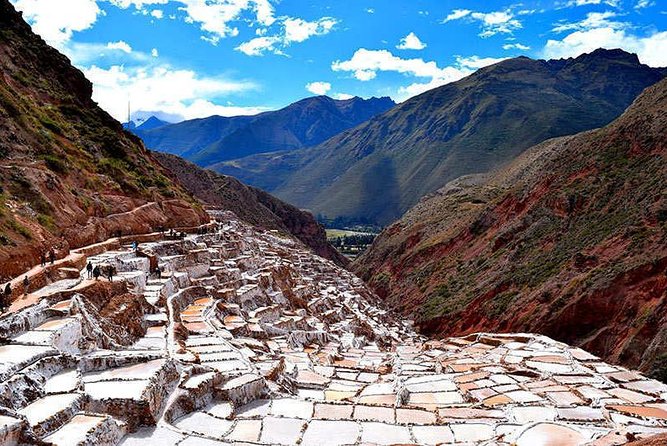
Next comes the Maras Salt Mines at about 11,090 feet. More than 3,000 salt pools run down the mountainside, and local families still harvest salt from them. The pools catch the sun and form a bright pattern against the darker mountain slopes.
This stop adds something the large ruins cannot: a direct link between the past and present. You are not only looking at old stone. You are seeing a traditional Andean industry that remains part of local life.
The day lasts about eight hours and includes entry fees. Road conditions, altitude, and the number of stops can make it feel longer than the schedule suggests. Wear shoes with a firm grip and bring sun protection. A waterproof layer is also sensible, since mountain weather can change quickly.
A free Cusco day with several optional choices
Day five is intended to give you control. You can walk through Cusco’s historic center, sit in a plaza, shop, or simply recover from the first four busy days.
You can also choose an optional activity offered by Inkayni Peru Tours. The listed choices include Rainbow Mountain Trek, a Cusco City Tour, horseback riding near Sacsayhuaman, and an ATV outing to Apukunaq Tianan. The details of these add-ons, including price, duration, transport, and entrance arrangements, are not provided, so ask before selecting one.
This free day is one of the tour’s better design choices. A fixed itinerary through the Andes can become tiring, and you may want time for a slow breakfast or independent wandering. On the other hand, the day is listed as lasting about seven hours with admission included, which suggests the optional program can become a structured sightseeing day rather than a completely open day.
If you are still adjusting to Cusco’s altitude, keep the pace gentle. If you feel strong and want another major outing, Rainbow Mountain is the most demanding option listed, but the supplied details do not specify its walking distance or altitude. Get those facts before committing.
Cochawasi, Pisac Ruins, and the market
Day six returns to the Sacred Valley. The first stop is Cochawasi Animal Sanctuary, where you can see Andean animals including pumas, condors, alpacas, and llamas. It gives the day a change of rhythm after several archaeological sites.
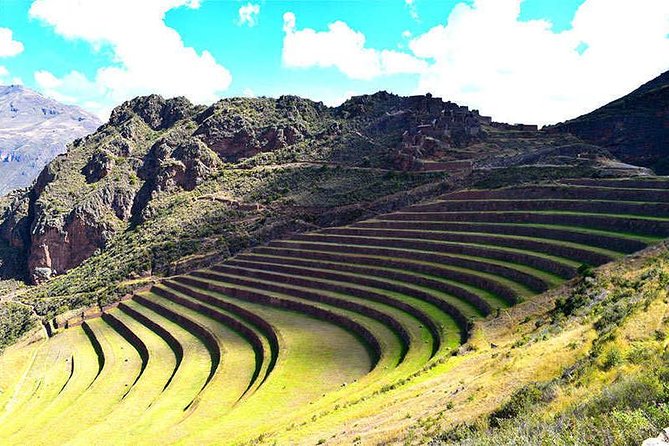
Pisac Ruins follow at about 2,972 meters. The site includes terraces and temples, with a design said to resemble a condor. The terraces also show how the Incas made use of steep mountain terrain, while the temples point to the ceremonial role of the settlement.
After the ruins, you descend to Pisac Market. This is the place to browse textiles, jewelry, ceramics, and other handmade goods. You should allow time to compare items rather than buying at the first stall. Talking with artisans and looking at the work closely makes the market more than a souvenir stop.
The order is helpful. You see the archaeological site first, then enter the modern commercial center below it. That makes the connection between historic Pisac and present-day craft traditions easier to understand.
This is another seven-hour day. Market visits can be enjoyable, but they also involve sales pressure in places. Decide what you want to spend before arriving, and carry small amounts of local currency if you plan to buy. The tour does not state what meals are included beyond the six breakfasts, so budget separately for lunch and other food.
A short farewell in Cusco
The final morning includes a quick tour of Cusco’s historic center. An optional free walking tour is also available. Since the airport transfer is arranged around your flight time, the amount of sightseeing depends on when you depart.
Do not schedule an early international connection without confirming the pickup time. The tour includes airport transfers, but your flight details determine how much of the final morning you can use.
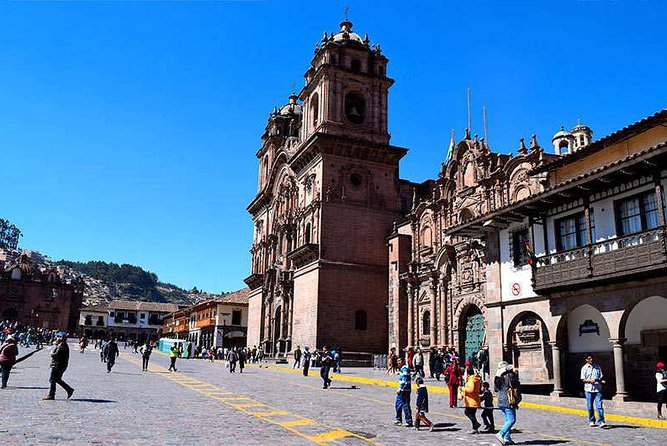
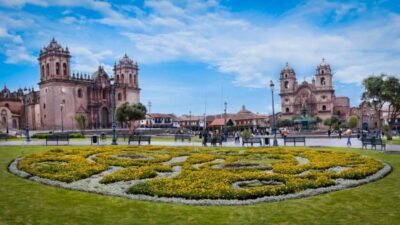
Cusco’s center is where the trip’s themes come together. Inca foundations support Spanish colonial buildings, and the modern city continues around them. After a week of ruins and mountain towns, this short final look helps place the archaeological sites within a living city.
What $1,299 includes, and where the value lies
At $1,299 per person, the price covers six nights in three-star hotels based on double occupancy, six breakfasts, all listed entrance fees, transfers, the train to Machu Picchu, buses to the citadel, and an English-speaking guide throughout the trip.
That is a solid package for someone who wants the main logistics handled. Machu Picchu admission and rail transport are usually the pieces that require the most advance planning. Adding the Sacred Valley ruins, Cusco sites, airport transfers, and several hotel nights makes the price easier to justify.
Still, you should read the inclusions carefully. International and local flights are not included. Lunches and dinners are not listed, and travel insurance is your responsibility. Huayna Picchu and Machu Picchu Mountain also cost extra.
The tour is private, meaning only your group participates. That can be valuable if you want the guide to adjust the pace or help with practical matters. The size of your party is not stated, so ask how the private arrangement works for your booking.
The guide can shape the whole week
This itinerary contains plenty of strong material, but the guide is the person who turns it into a coherent trip. Inkayni guides named in the supplied information include Jonathan, Yeny, Percy, Herlin, Ronald Ccana Soralero, Julio, Saul, and others.
Jonathan is repeatedly praised for his care, photography, help with restaurant reservations, and ability to explain Inca culture in an approachable way. Yeny is described as especially strong on local culture and history. Herlin is noted for coordination at Machu Picchu, while Percy is praised for safety and trip organization.
Those details suggest a useful strategy: ask at booking if a preferred guide is available, but do not assume a specific person will lead your departure. Guide quality can vary, and one serious complaint described inappropriate behavior that made some women in the group uncomfortable. The company acknowledged the concern and said it would address it.
That is worth taking seriously. A good guide should be respectful, clear, punctual, and attentive to personal boundaries. If you are traveling alone or in a group of women, confirm how to contact the company during the trip and speak up quickly if anything feels wrong.
Packing and altitude advice for this route
Bring your original passport. You need it for the trip, and the booking information specifically lists it as required.
A waterproof jacket or rain poncho is important for mountain weather and Machu Picchu. Pack sunscreen with an SPF of at least 35, personal medication, and a camera. Comfortable shoes are sensible because the route includes ruins, cobbled streets, terraces, and market areas.
The altitude is the bigger issue. Cusco sits at 3,400 meters, Sacsayhuaman is higher, and Moray and Maras are above 11,000 feet. Day one is reserved for acclimatization, but you should still move slowly and avoid treating the first few days like a race.
If you are a student and want the discount, bring your current university card. The supplied details do not state the discount amount or eligibility rules, so confirm those before booking.
Who should book this Andean itinerary?
I would choose this tour if you want the classic Cusco and Machu Picchu route arranged in one package, with a guide present throughout and enough structure that you do not have to coordinate trains, buses, ruins, and hotels yourself.
It suits first-time visitors who want culture as well as famous sights. The schedule includes working salt pools, a market, an animal sanctuary, and a living Inca town, not only monumental ruins.
You should think twice if you prefer slow travel, long free afternoons, or independent hotel and restaurant choices. The seven days are packed, and the 12-hour Machu Picchu day is followed by another highland outing. The itinerary is manageable, but it rewards early mornings and steady energy.
The activity is non-refundable and cannot be changed for any reason, so check your flights, passport, health needs, and preferred dates before paying.
Should you book the 07 Day Andean Experience?
Book it if you want a well-organized first trip to the Cusco region with Machu Picchu at its center. The included train, buses, entrances, hotels, transfers, breakfasts, and guide provide real value at $1,299, especially for anyone uneasy about handling Peru’s transport system alone.
Skip it if your priority is a quiet pace or extensive independent time. Before booking, confirm the hotel names, meal arrangements, train schedule, private group details, optional activity costs, and whether a preferred guide such as Jonathan or Yeny is available.
For the right visitor, this is a busy but rewarding week. You get the grand ruins, but also the salt harvesters, market stalls, animal care, mountain farming, and daily life that make the Andes more than a collection of postcard stops.
FAQ
Where does the tour begin?
The tour begins in Cusco, Peru. Pickup is offered from Alejandro Velasco Astete Airport, where a representative takes you to your accommodation.
How high is Cusco?
Cusco is at about 3,400 meters, or 11,000 feet. The first day is reserved for rest and acclimatization.
How many nights of accommodation are included?
Six nights are included in three-star hotels, based on double occupancy.
Are meals included?
Six breakfasts are included. Lunches and dinners are not listed as included, and lunch in Aguas Calientes on the Machu Picchu day is specifically not included.
Is train transportation to Machu Picchu included?
Yes. The package includes an Inca Rail Voyager or Expedition train to Machu Picchu, along with round-trip buses to the citadel.
Is entry to Huayna Picchu included?
No. Huayna Picchu requires an additional entrance fee and an advance ticket. Machu Picchu Mountain also requires an additional ticket.
What documents should I bring?
Bring your original passport. If you are a student and want to qualify for a discount, bring your current university card.
Is this a private tour?
Yes. Only your group participates in this private activity, and an English-speaking professional guide accompanies you throughout the trip.
Just added around Cusco
- Waqrapukara 1 day trekking + meals★ 3.9 · 3 reviews
- Zipline over the Sacred Valley Trip★ 5.0 · 11 reviews
- Valle Sur Cusco | half day★ 4.3 · 3 reviews
- Visit to the Cochahuasi Animal Sanctuary with rescued animal★ 4.1 · 4 reviews
- Visit Pisac from Cusco: Private Transport★ 4.6 · 9 reviews
- Maras and Huaypo lagoon by ATV from Cuzco | Local Operator★ 4.7 · 4 reviews
- Trek to Humantay Lake from Cusco★ 4.9 · 8 reviews
- Trek to Choquequirao 4 days★ 3.8 · 4 reviews
Cusco Tours, compared.
Humantay Lake Tour with Breakfast and Buffet Lunch
Read our review →
Sacred Valley & Maras Salt Mines Tour with Lunch
Read our review →
Moray, Maras Salt Mines & Chinchero Weavers Tour
Read our review →

Half-Day City Tour with Sacsayhuaman and Q’enco
Read our review →
Sacred Valley, Pisac, Ollantaytambo, Salt Mines Moray
Read our review →