
Reviewed · LIMA TOURS
Lima: Spiritual Healing with Xanga – The Smokeable Ayahuasca
Lima is not the usual place people picture for an Ayahuasca experience. Yet this four-hour ceremony takes you up a mountain above the city, where Paul guides a small group through cleansing rituals, Coca and Hapé ceremonies, sound therapy, and Xanga, a smokeable plant medicine with the same active ingredient associated with Ayahuasca. I like the short 15 to 30 minute effect, which gives you more control than a traditional four-hour brew. I also like the personal scale, with no more than four participants.
The main consideration is that this is still a powerful psychoactive experience, not a casual sightseeing stop. Claims about emotional healing should be treated as personal aims, not medical guarantees, and anyone using prescription medicine or managing a health condition should contact the provider before booking.
In This Review
- Key points at a glance
- What this Lima Xanga experience really is
- Meeting Paul and preparing in Lima
- The 20-minute hike to the ceremony site
- Cleansing, offerings, and Andean ceremony
- Sound therapy before the Xanga session
- The Xanga ceremony and its short cycles
- Fruit, refreshments, and time to process
- Is $300 a fair price?
- Who should consider booking?
- Practical preparation for the day
- Should you book this Lima Xanga ceremony?
- FAQ
- How long does the Xanga experience last?
- How many people can join?
- Who leads the ceremony?
- What is included in the price?
- Is transportation included?
- What should I bring?
- Who cannot take part?
Key points at a glance
- A mountaintop setting in Lima: Reach the ceremony site by a roughly 20 minute uphill hike, with time outdoors before and after the session.
- Shorter medicine effects: Each Xanga journey lasts about 15 to 30 minutes, and several journeys may be possible during the ceremony.
- Paul provides one-to-one attention: The group is limited to four people, and the guide speaks English and Spanish.
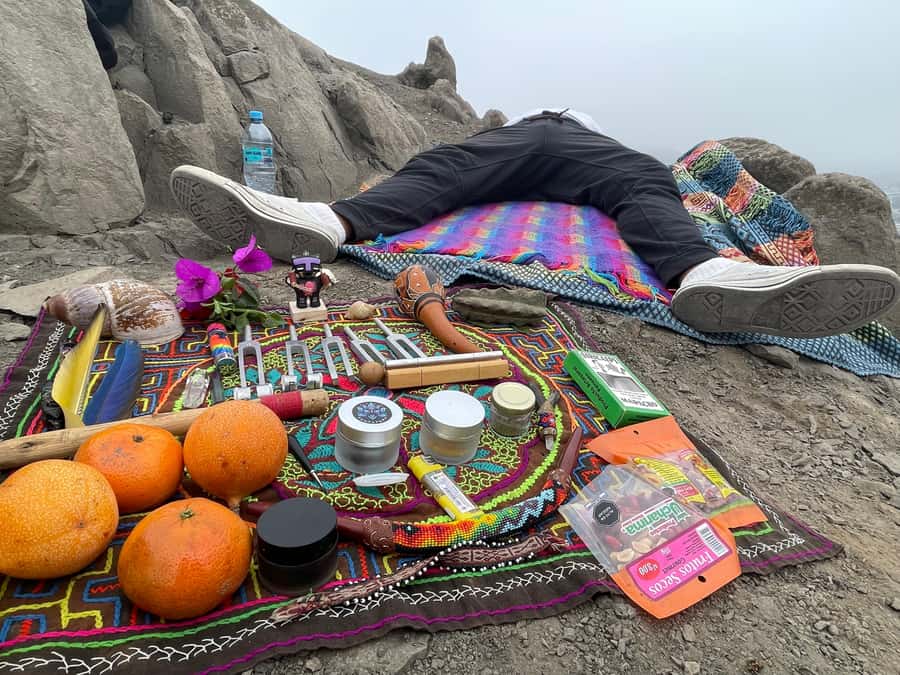
- A full ceremonial sequence: Palo Santo, White Mexican Sage, sacred essences, a Pachamama offering, Coca, Hapé, and sound therapy come before the Xanga session.
- Time for integration: Fruit, refreshments, and guided reflection are included after the medicine.
- A serious commitment: You must be at least 18, cannot be pregnant, and should avoid alcohol and other drugs for at least 48 hours beforehand.
What this Lima Xanga experience really is
This is presented as a smokeable alternative to drinkable Ayahuasca. The preparation is made in house from Mimosa Hostilis as its principal ingredient, along with Egyptian Blue Lotus flower, Syrian Rue, and other plants. The stated active ingredient is the same one found in Ayahuasca, but the experience is much shorter.
That shorter window changes the practical feel of the session. Traditional Ayahuasca ceremonies often last around four hours, while each Xanga effect is described as lasting about 15 to 30 minutes. You may be invited to journey more than once, but the shorter cycles can make the experience feel easier to approach for someone who is not ready for an all-night or full-day ceremony.
The provider also says Xanga is less likely than drinkable Ayahuasca to cause nausea, vomiting, or other unwanted effects. That does not mean the experience is risk-free or predictable. A psychoactive medicine can affect people differently, and the right dose, preparation, and setting matter greatly.
I would approach the ceremony with an open mind but without expecting a guaranteed cure, revelation, or solution. The stated goals include emotional healing, mental clarity, spiritual connection, and freedom from addictive behavior. Those are significant claims. Consider them as possible personal intentions rather than promised results.
Other Lima days worth putting on the list:
- Lima: Ultimate Peruvian Food Tour
★ 4.9 · 700 reviews - Full Day Paracas Ica and Huacachina from Lima All Included
★ 4.5 · 623 reviews - Lima’s Vibrant Heritage: Exploring the City’s Landmarks Half-day
★ 4.5 · 581 reviews
Meeting Paul and preparing in Lima
Your meeting point is at Huaca de La Luna 420. The directions take you past Ovalo de los Condores, up Los Fresnos, past the church, and along Prolongacion de Los Fresnos to Vilcabamba. You then turn toward Huaca de La Luna and look for a grey building at number 420, opposite a building with wooden garage doors.
Because the directions involve several turns and a building without a number, allow extra time and contact Paul if you have trouble finding the entrance. The provider says Paul can be reached by phone or through the top right button on the intercom when you arrive.
Paul leads the ceremony and has training in Andean shamanic traditions. The most consistent praise in the supplied feedback concerns his calm manner, careful explanations, and personal attention. That matters here more than it would on an ordinary city tour. You are not simply following a guide from one sight to another. You are placing yourself in a setting where trust, timing, and clear instructions are important.
The group limit is four participants. That is a useful number for a ceremony because you get a more personal setting without necessarily being alone with the guide. It also means the tone may depend on the other people present. If you need complete privacy, ask about the group arrangement before you book.
The 20-minute hike to the ceremony site
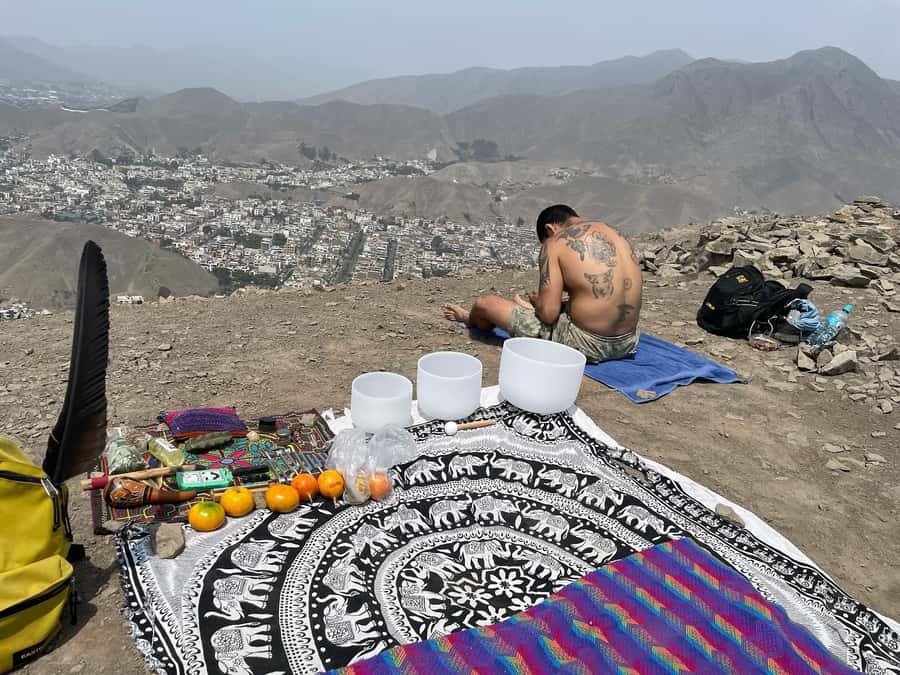
The ceremony includes a mountain hike of roughly 20 minutes in one direction, although the itinerary describes about 30 minutes for each hiking section. Plan for an uphill walk rather than a flat stroll. Comfortable clothes, a sun hat, and a light jacket are specifically recommended.
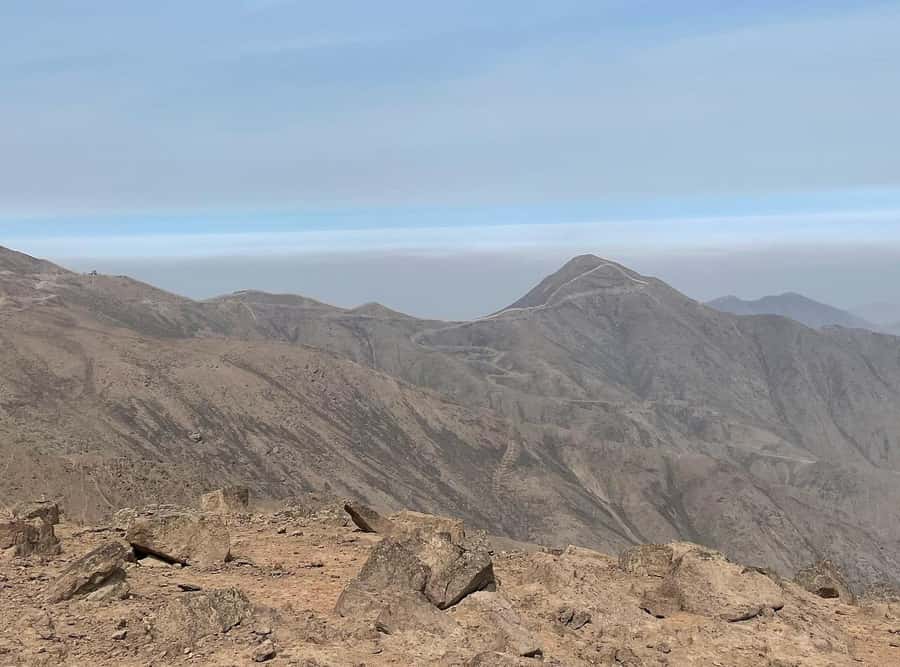
This walk gives the activity a clear break from ordinary Lima. You leave the meeting point, get some physical movement, and arrive at an outdoor site with wide views. One participant specifically valued watching the view change as the day progressed. That is a small detail, but it explains why the mountain setting is more than decoration. It gives you a calm place to pause before and after the medicine.
The drawback is simple: the hike may be tiring or uncomfortable if you are not used to walking uphill, especially under the sun. Bring suitable clothing and take the pace seriously. The experience is not designed as a strenuous trek, but you should still be ready for uneven or inclined ground.
The exact setting is described as a serene mountaintop location, not as a fully equipped indoor venue. If weather, mobility, or outdoor conditions are a concern, ask the provider for current details before committing.
Cleansing, offerings, and Andean ceremony
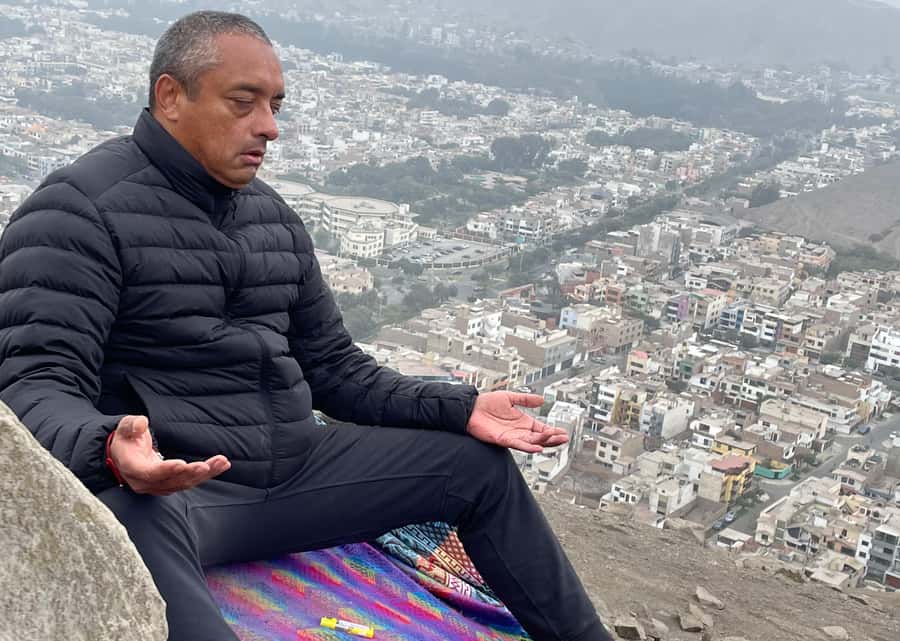
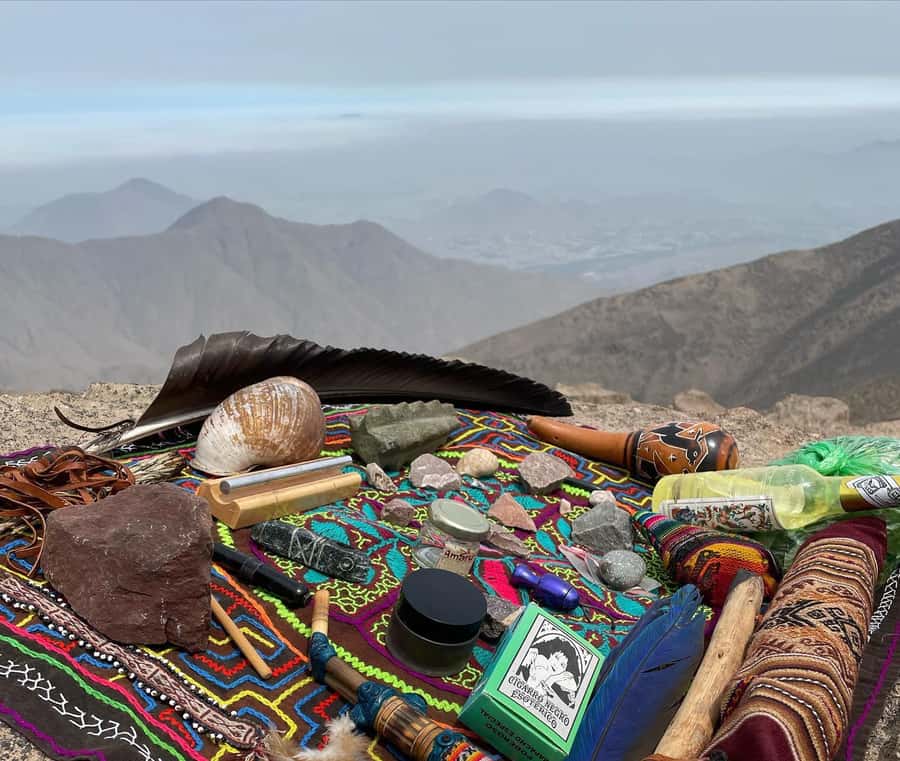
Once you reach the site, the ceremony begins with several rituals. Palo Santo, White Mexican Sage, and sacred essences are used in a cleansing intended to purify the mind, body, and spirit.
You then make an offering to Pachamama, or Mother Earth. This gives the session a clear Andean frame. Instead of treating the medicine as a stand-alone product, the ceremony places it within a sequence of gratitude, preparation, and reflection.
A Coca Ceremony follows, connecting the session with ancestral energies. Coca has an important place in Andean ceremonial life, and its presence helps distinguish this experience from a generic wellness session. The ceremony also includes Hapé, a plant-based snuff traditionally used in some Indigenous and spiritual settings to clear and focus the mind.
These elements may be meaningful if you want a structured spiritual ceremony rather than a purely recreational encounter. They may feel less familiar if you have never taken part in this kind of ritual. Paul’s role is to explain and guide the process, but you should still ask questions before taking part in any step you do not understand.
Same valley, a completely different kind of day:
- From Lima: Day trip to Paracas, Ica and Oasis Huacachina
★ 4.6 · 409 reviews - Private transfers from Lima Airport or to Lima Airport
★ 4.0 · 359 reviews - Lima: Paracas and the Huacachina Oasis Guided Day Tour
★ 4.5 · 354 reviews - Lima: The Charm of Barranco & Pre Inca Pyramid in Miraflores
★ 4.9 · 322 reviews
Sound therapy before the Xanga session
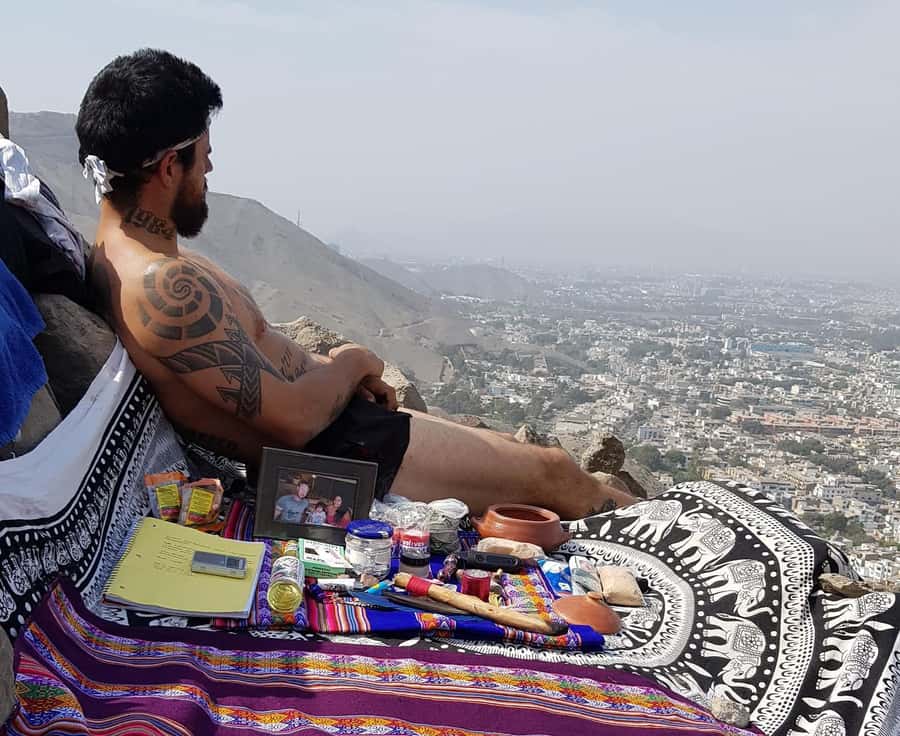
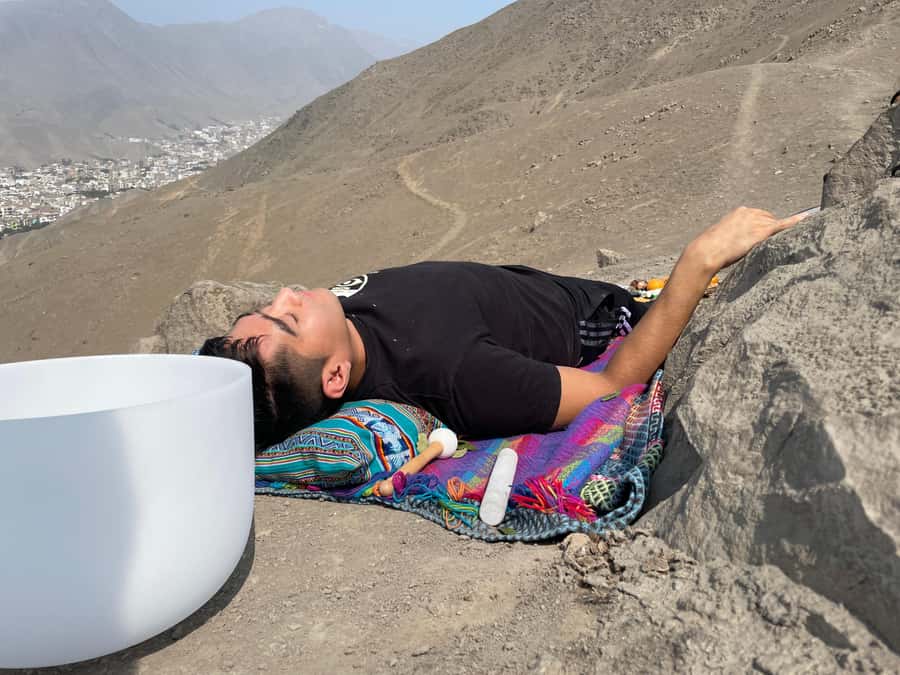
Sound therapy is used to help you relax and settle into the ceremony. In practical terms, this creates a transition from the physical effort of the hike to the inward focus of the medicine.
I like this pacing. You are not expected to arrive, take the medicine, and immediately process an intense experience. The ceremony gives you several stages first: cleansing, offering, Coca, Hapé, and sound. That sequence can help you slow down and decide how you feel before continuing.
The session is individually tailored, so the exact rhythm may vary. A small group can help Paul notice when someone needs reassurance or quiet. The supplied feedback repeatedly points to his ability to know when to speak and when to remain silent, a useful skill in a ceremony where too much chatter can be distracting.
The Xanga ceremony and its short cycles
The central session uses Xanga, prepared from Mimosa Hostilis with Blue Lotus, Syrian Rue, and other plants. The stated effect lasts around 15 to 30 minutes per journey. Various journeys are possible during the ceremony, depending on the session and your response.
That shorter duration is the main selling point for people comparing this with drinkable Ayahuasca. You have a more compact period of intensity, followed by a return toward normality. The provider says participants generally finish without unwanted after-effects, but you should not interpret that as a personal guarantee.
The experience may be emotional, visual, spiritual, or difficult to describe. One person described it as intense but easier to handle because Paul was present and helped them stay grounded. Another said the ceremony shifted their perspective. Those descriptions suggest that you should arrive with realistic expectations. You may find the experience moving, confusing, or simply not right for you.
You are not required to force a result. If you feel overwhelmed, the supplied information says you can step away, reset, and still enjoy the fruit and the view. That flexibility is important. A good ceremony should leave room for your own response rather than treating intensity as proof of success.
Do not book this as a substitute for medical care. The experience may support personal reflection, but the claims about treating anxiety, addiction, or emotional pain are not a promise of treatment. If you take prescription medication or have any health problem, contact Paul for advice before booking. Avoid alcohol and other drugs for at least 48 hours before the ceremony.
Fruit, refreshments, and time to process
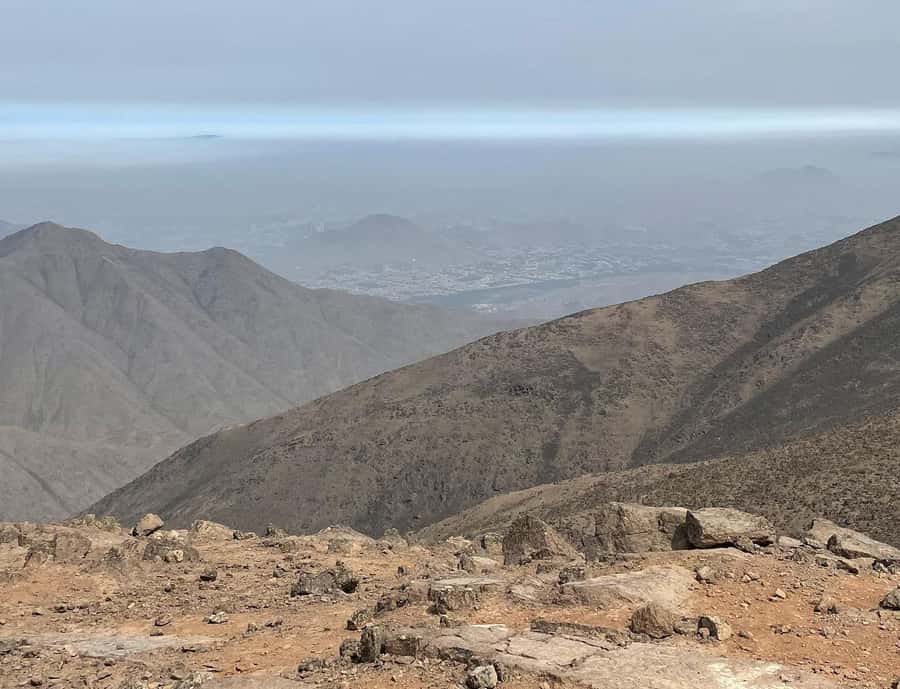
After the Xanga session, you receive fruit and refreshments, with time for integration therapy. This closing stage is one of the more practical features of the experience.
A short medicine effect does not mean the experience ends the moment the strongest sensations fade. Quiet conversation and reflection can help you sort through what happened. Paul’s approach, as described in the feedback, is patient and unhurried. One participant valued having space to reflect afterward rather than being rushed away.
The food and refreshments are modest, but they serve a useful purpose. You can sit, recover, and take in the mountain view before hiking back down. If you are booking another activity immediately afterward, leave plenty of breathing room. The official duration is about four hours, and the day may not feel finished the instant the ceremony ends.
Is $300 a fair price?
At $300 per person, this is expensive compared with a standard Lima walking tour or a simple mountain outing. You are paying for a small group, several hours of personal guidance, preparation of the medicine, the ceremony, the hike, sound therapy, refreshments, and the guide’s attention.
The value depends almost entirely on what you want. If you are seeking a structured spiritual ceremony with an English or Spanish speaking guide and a short medicine cycle, the personal format may justify the price. Four participants is a much smaller group than many commercial activities, and the ceremony is individually tailored.
Transportation to the meeting point is not included. Paul has helped arrange a taxi for at least one participant, but you should budget separately for getting there and returning. Personal expenses are also excluded.
I would not judge the price by the mountain walk or fruit alone. The central question is whether you value careful preparation and support during a powerful experience. If you are uncertain about the medicine, spending $300 may feel like a steep way to test your curiosity. Read the health guidance closely and ask questions before paying.
Who should consider booking?
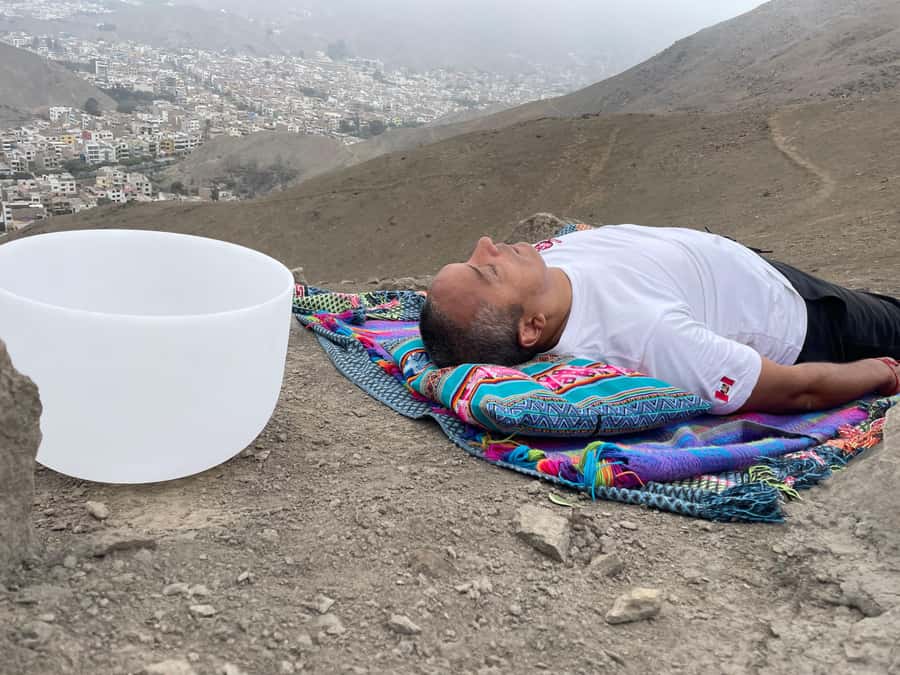
This experience suits adults who are actively seeking a spiritual ceremony and are comfortable with a psychoactive plant medicine. It may appeal to you if a four-hour Ayahuasca session feels too long, if you want a small group, or if you prefer a mountain setting within Lima Province rather than a jungle retreat.
It also suits people who value personal guidance. Paul’s calm presence and attention are central to the experience, and the feedback repeatedly praises his compassion, patience, and ability to explain each stage.
You should think twice if you are looking for ordinary sightseeing, a guaranteed mental health result, or a quick tourist thrill. This is not suitable for pregnant women or anyone under 18. Alcohol and other drugs are prohibited, and you should not have consumed them for at least 48 hours before the ceremony.
The mountain hike also makes this less suitable if an uphill outdoor walk is difficult for you. Ask about the exact conditions before booking if you have mobility concerns or health issues.
Practical preparation for the day
Wear comfortable clothes that allow you to walk and sit outdoors. Bring a sun hat and a jacket, since conditions can change during the several hours at the mountain site.
Do not arrive after drinking alcohol or using other drugs. The stated minimum is 48 hours without them. If you use prescription medication or have a health condition, contact the provider in advance rather than waiting until the meeting point.
Keep your schedule open after the ceremony. The listed duration is three to four hours, including the walks, rituals, medicine, and integration time. The experience may be brief in its strongest phase, but you will want time afterward to rest and think.
Free cancellation is available up to 24 hours before the start time, and you can reserve now and pay later. Check the available start times when booking, since the ceremony is not offered as an open-ended drop-in activity.
Should you book this Lima Xanga ceremony?
Book it if you want a serious, intimate spiritual ceremony and understand that the medicine can be intense even though each journey is short. The best reasons to choose it are the small group, the mountaintop setting, the careful sequence of rituals, and Paul’s hands-on guidance.
Do not book it simply because it promises healing or because Ayahuasca is fashionable. Ask about the ingredients, your medications, the group arrangement, and the outdoor conditions first. If those answers suit you, this offers a rare way to take part in a guided Xanga ceremony without leaving Lima.
FAQ
How long does the Xanga experience last?
The full activity lasts about four hours, including the hike, rituals, ceremony, and integration time. Each Xanga journey is described as lasting approximately 15 to 30 minutes.
How many people can join?
The activity is limited to four participants, making it a small-group ceremony.
Who leads the ceremony?
Paul leads the ceremony. He is described as an experienced practitioner trained in Andean shamanic traditions and guides the activity in English or Spanish.
What is included in the price?
The $300 price includes the mountain hike, cleansing rituals, Pachamama offering, Coca Ceremony, Hapé Ceremony, sound therapy, Xanga ceremony, fruit, refreshments, and integration therapy.
Is transportation included?
No. Transportation to the meeting point and personal expenses are not included. The meeting point is at Huaca de La Luna 420 in Lima Province.
What should I bring?
Bring a sun hat, comfortable clothing, and a light jacket. The activity includes an uphill mountain hike and time outdoors.
Who cannot take part?
The ceremony is not suitable for pregnant women or children under 18. You should also avoid alcohol and other drugs for at least 48 hours beforehand, and contact the provider if you have health problems or take prescription medication.
Just added around Lima
- Guided Tours in Colonial and Modern Lima★ 5.0 · 54 reviews
- Full Day Pilgrims★ 5.0 · 28 reviews
- Lima Airport Transfers by SUV/Van★ 5.0 · 34 reviews
- Sandboarding and Off Road in Lima (National Park Lomas de Ancón)★ 5.0 · 54 reviews
- Tour Miraflores + Fotografía Profesional★ 5.0 · 47 reviews
- In Lima: Sandboarding Off Road Half Day!!★ 5.0 · 36 reviews
- Full day PRIVATE to Paracas, Ica and Huacachina from Lima All Inclusive and Lunch★ 5.0 · 55 reviews
- Lima City tour and Catacombs Museum (04 hours) Private Tour with guide in Lima★ 5.0 · 32 reviews
Lima Tours, compared.

Full Day Paracas Ica and Huacachina from Lima All Included
Read our review →
Lima’s Vibrant Heritage: Exploring the City’s Landmarks Half-day
Read our review →

Paracas and the Huacachina Oasis Guided Day Tour
Read our review →
The Charm of Barranco & Pre Inca Pyramid in Miraflores
Read our review →
Full Day to Paracas and Huacachina Desert Oasis
Read our review →
Pachacamac Ruins & Barranco Half-Day Guided Tour
Read our review →Browse the lists this tour appears in