
Reviewed · LIMA TOURS
La casa de Aliaga, an alive colonial jewel at Lima center.
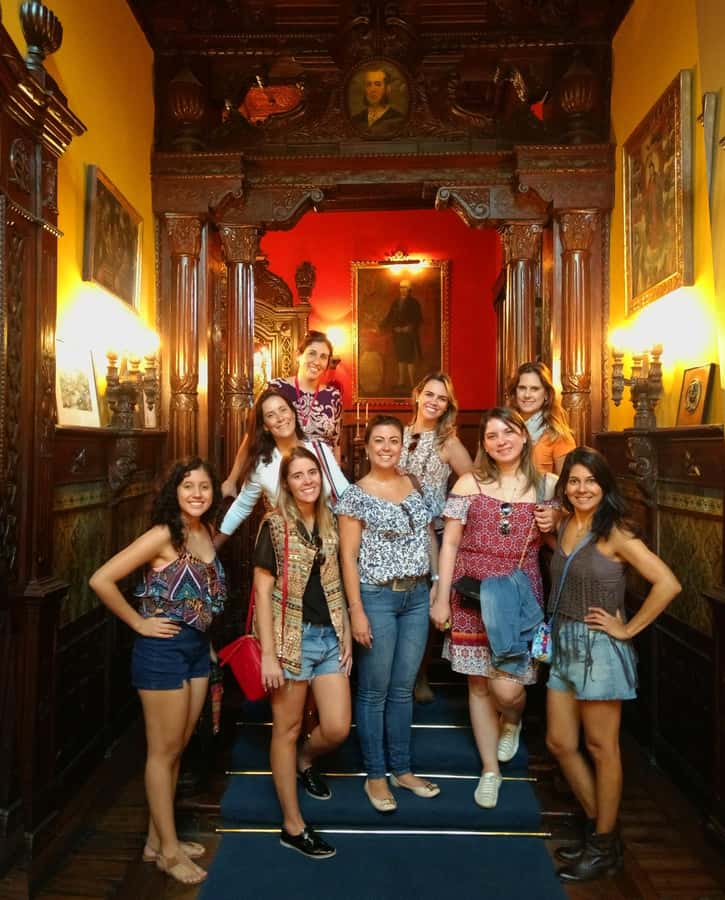
Casa de Aliaga is not a museum frozen behind glass. It is a working family home beside Lima’s Government Palace, occupied by the 16th direct descendant of the Spanish conqueror who founded the family line in Peru. That makes this short visit feel unusually personal.
I like the house’s location, which puts you right in the middle of Lima’s historic center, and I like the chance to see architecture, paintings, and furnishings still tied to one family. The main caution is that the visit lasts only 40 minutes, and only a small part of the mansion is open.
In This Review
- Key points to know
- Why Casa de Aliaga feels different from a standard museum
- Meeting beside Government Palace in Lima’s historic center
- What the 40-minute visit includes
- The family story behind the mansion
- Architecture, paintings, and the feeling of a private home
- Is the price fair for 40 minutes?
- How the guide affects the experience
- Who should book this Lima experience?
- A practical way to fit it into your day
- Should you book Casa de Aliaga?
- FAQ
- Where does the Casa de Aliaga tour meet?
- How long does the visit last?
- How much does entry to Casa de Aliaga cost?
- Is the tour available in English?
- Is Casa de Aliaga wheelchair accessible?
- Can I cancel the booking?
Key points to know
- Peru’s oldest mansion: Casa de Aliaga traces its story to the foundation of Lima and is presented as one of the oldest homes in the Americas.
- A living family residence: The current owner is the 16th direct descendant and retains a noble title connected with the house.
- A central meeting point: You meet at the door beside Peru’s Government Palace, within the pedestrian historic-center circuit.
- A short, focused tour: The guided visit lasts about 40 minutes, making it easy to fit around other central Lima sights.
- English or Spanish guiding: The house permits only a small list of authorized guides, so guide assignment matters.
- Allow for the extra entrance fee: The experience costs $40 per person, while entry to the house costs an additional S/. 35, or about $9.
Why Casa de Aliaga feels different from a standard museum
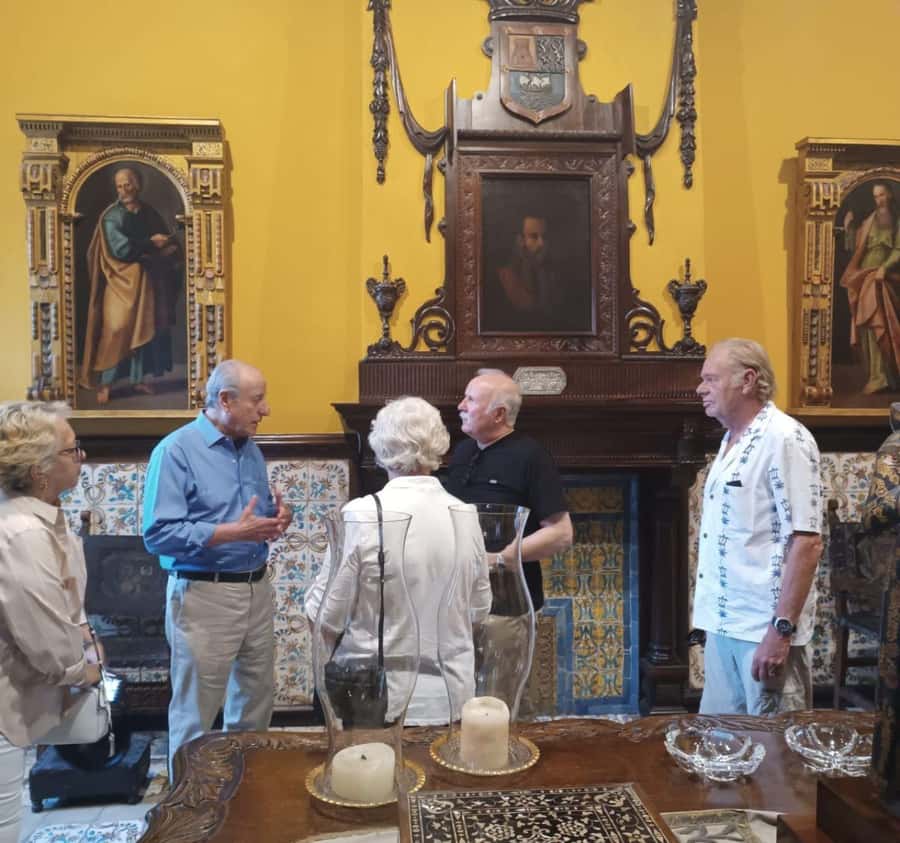
Lima has grand churches, government buildings, and formal museums. Casa de Aliaga offers something else: a look at a private residence that has continued through centuries of political and social change.
The house has been connected with Lima from the city’s foundation to the present day. Its walls, construction materials, paintings, and careful upkeep are part of the story. You are not simply looking at colonial objects arranged for display. You are seeing how one powerful family preserved its home and identity over generations.
That distinction matters. In a museum, every room is selected for public viewing. At Casa de Aliaga, the presentation is more limited and more intimate. You see only a small section, but what you see belongs to a house that remains alive and inhabited.
I would not book this visit expecting a large palace tour with room after room. I would book it for the unusual connection between private life, colonial architecture, and Peru’s social history. The house offers a narrow window, but it is a meaningful one.
Other Lima days worth putting on the list:
- Lima: Ultimate Peruvian Food Tour
★ 4.9 · 700 reviews - Full Day Paracas Ica and Huacachina from Lima All Included
★ 4.5 · 623 reviews - Lima’s Vibrant Heritage: Exploring the City’s Landmarks Half-day
★ 4.5 · 581 reviews
Meeting beside Government Palace in Lima’s historic center
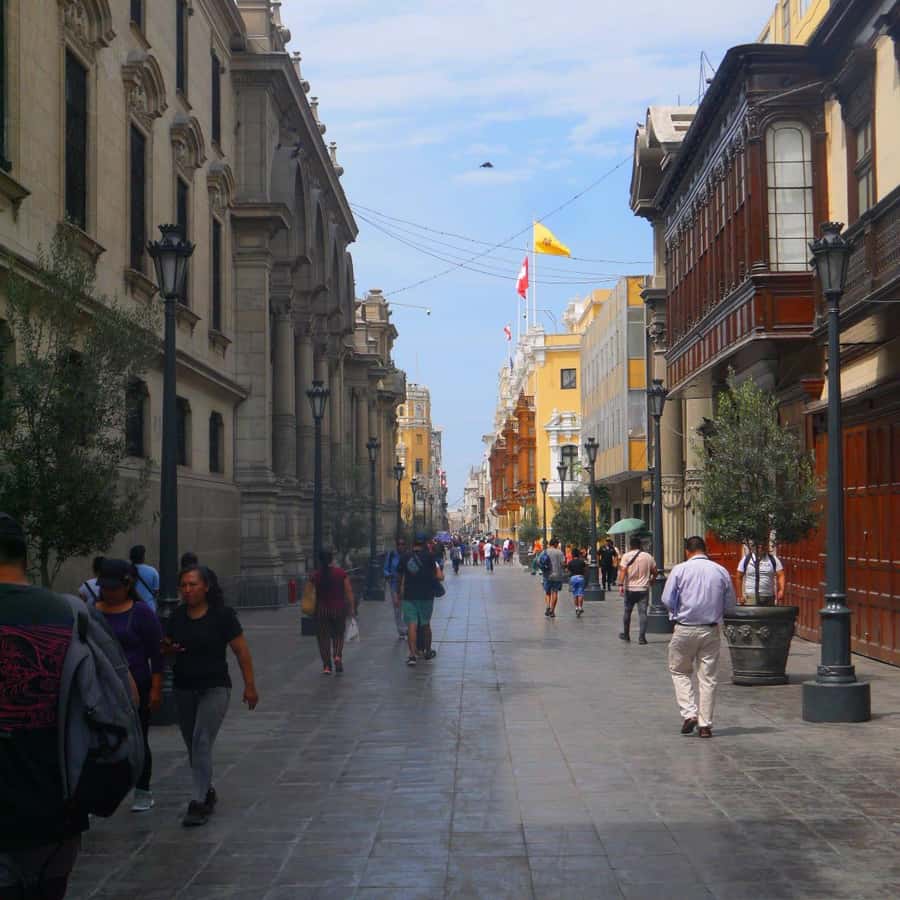
The meeting point is simple: Casa de Aliaga’s entrance, right beside Peru’s Government Palace. You do not need to travel out to a distant neighborhood or arrange a separate transfer. The address places you in the center of Lima’s pedestrian sightseeing area.
This is useful if you are already exploring the historic center. You can pair the visit with nearby colonial churches, plazas, and government buildings without spending extra time crossing the city. The setting also hints at the family’s importance. The mansion is not tucked away on a quiet suburban street. It sits beside one of the country’s most important official buildings.
Arrive at the house rather than assuming your guide will meet you elsewhere. The visit operates through guides authorized by Casa de Aliaga, and that is a practical detail worth taking seriously. A scheduling mix-up once left a group waiting for an hour before a replacement guide arrived. The problem was eventually handled, but the delay and lack of explanation were frustrating.
I would confirm the start time before setting off and keep the provider’s contact details handy. That is especially sensible if you have a timed museum visit, restaurant reservation, or airport transfer later in the day.
What the 40-minute visit includes
The tour is a guided walk through the accessible section of Casa de Aliaga. Your guide explains the home’s place in Lima’s history, points out architectural features and artworks, and connects the building with the family that has maintained it.
The supplied details do not give a room-by-room list, so I would avoid expecting a fixed route through every famous chamber. The house is a private residence, and only a small section is available to the public. That limitation is part of the experience, not a surprise to discover at the door.
A good guide can make the difference. Nicholas received particular praise for being warm and well informed, and another guide was described as very interesting and informative. The tour is available in English or Spanish, so you can choose the language that lets you follow the family stories and architectural details most easily.
Because the visit is brief, listen for the connections rather than trying to inspect every object. Look at the materials used in the building, the wall finishes, the paintings, and signs of long-term maintenance. These details show how a colonial house changed while keeping a strong sense of continuity.
The short format also makes the tour approachable. If you have only part of an afternoon in central Lima, 40 minutes is manageable. If you are looking for a full morning of historic interiors, this will feel too limited.
The family story behind the mansion
Casa de Aliaga’s strongest feature is its continuing family connection. The current owner is described as the 16th direct descendant of a Spanish conqueror in Peru. The family also retains a count’s title, adding another layer to the house’s social story.
You do not need to be fascinated by aristocratic titles to find this useful. The family line helps explain why the property survived as a residence rather than becoming only a public monument. It also gives the guide a clear thread to follow: the house, its occupants, and the changing society around it.
The building’s role is tied to the formation of Peru’s social structure. Its construction and decoration reflect the resources and status available to an influential family during the colonial period. Later generations kept the home in use, allowing you to see how an old residence can carry political and cultural memory into modern Lima.
I appreciate that the tour presents history through a place where people actually lived. You may find the experience more revealing than a collection of disconnected dates because the walls and rooms give those stories a physical setting.
At the same time, remember that this is one family’s view of Lima’s past. It offers valuable evidence about elite life and social power, but it cannot represent every group that shaped Peru. I would pair it with a broader museum or walking tour if you want a fuller account of the country’s history.
Same valley, a completely different kind of day:
- From Lima: Day trip to Paracas, Ica and Oasis Huacachina
★ 4.6 · 409 reviews - Private transfers from Lima Airport or to Lima Airport
★ 4.0 · 359 reviews - Lima: Paracas and the Huacachina Oasis Guided Day Tour
★ 4.5 · 354 reviews - Lima: The Charm of Barranco & Pre Inca Pyramid in Miraflores
★ 4.9 · 322 reviews
Architecture, paintings, and the feeling of a private home
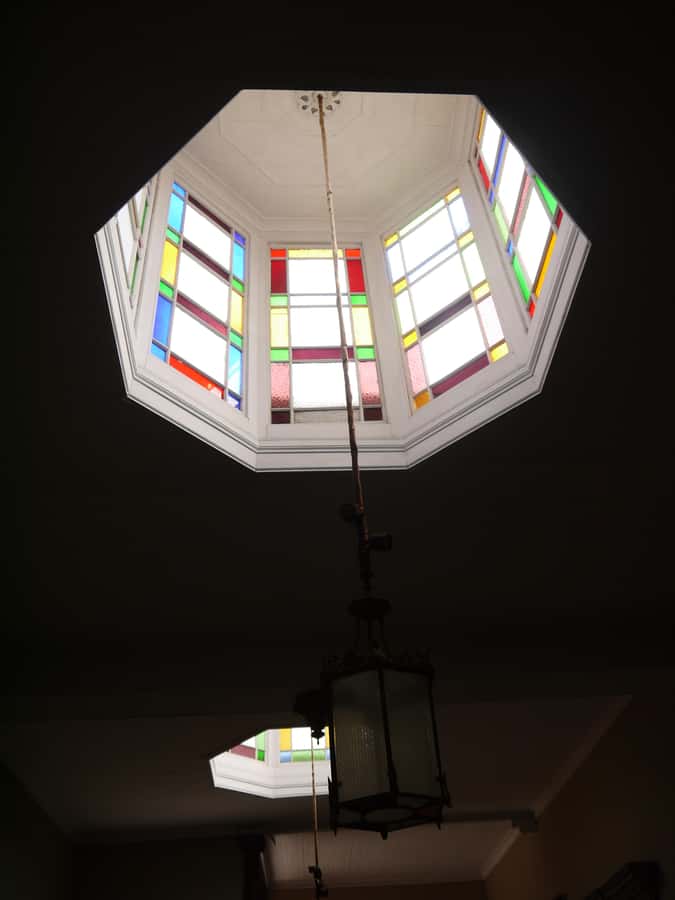
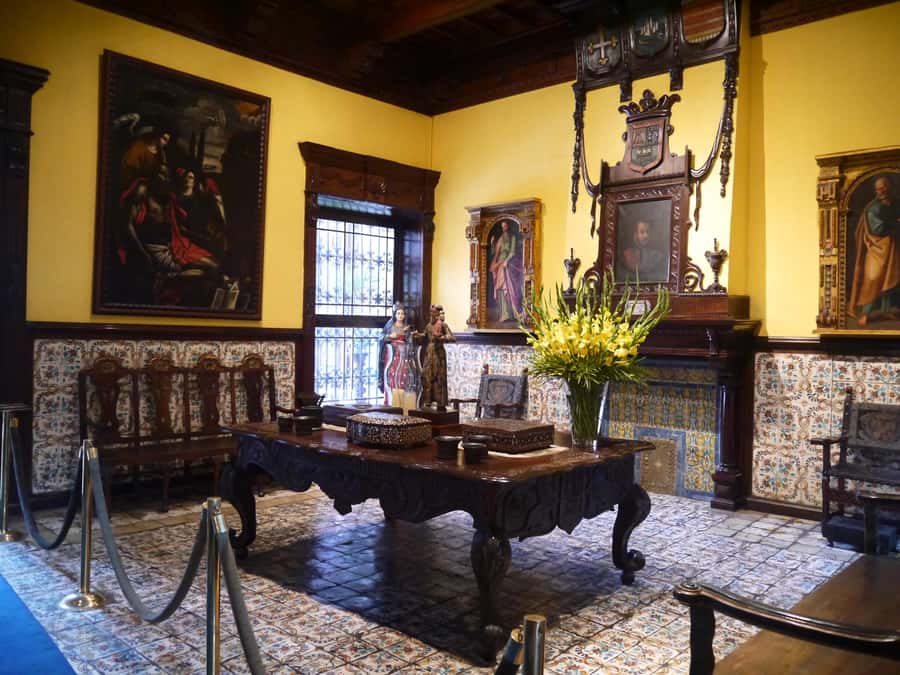
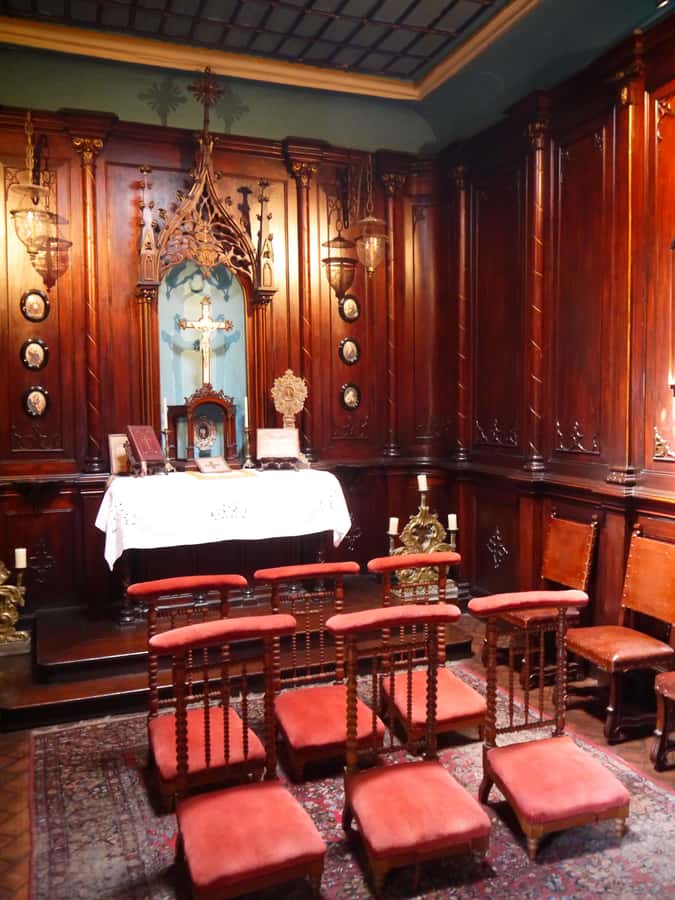
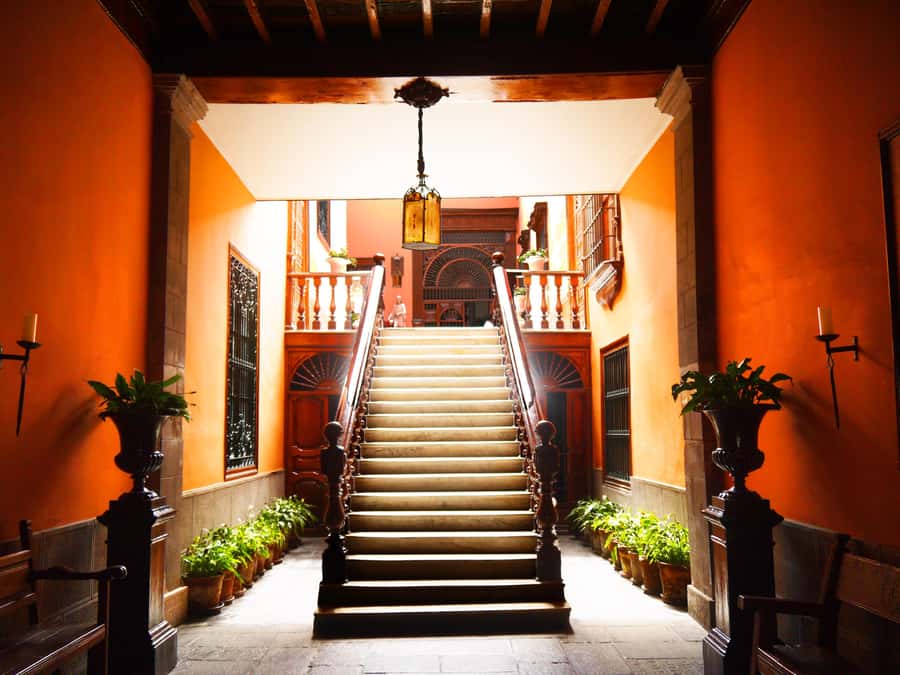
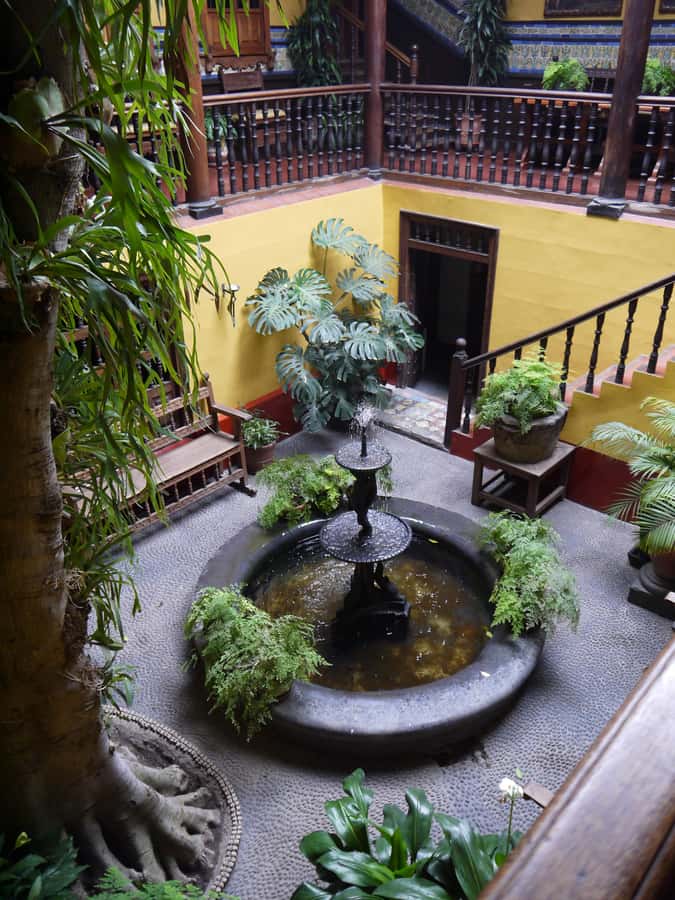
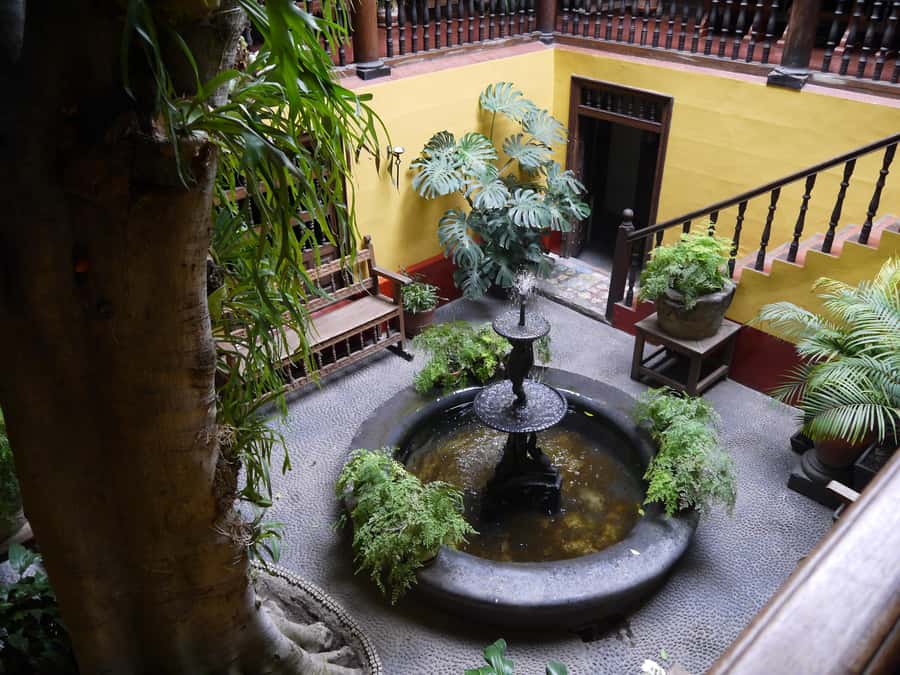
The house’s appeal is visual as well as historical. You can expect colonial architectural details, old construction materials, paintings, and walls maintained as part of a functioning residence.
The condition of the house matters. A poorly preserved historic building can feel like a shell. Casa de Aliaga’s careful upkeep helps you imagine the rooms as part of a continuing household rather than a ruined relic. The art and finishes are not just decoration. They show taste, wealth, and the way a family chose to present itself over time.
You might find the atmosphere more memorable than any single object. The house is described as alive with art and stories, and that is the right way to think about it. Its value comes from the combination of setting, ownership, age, and use.
Do not expect unrestricted photography or access to every corner unless your guide confirms it. A private home has limits, and the open section is small. For some people, that restraint makes the visit feel special. For others, paying for a short tour and then seeing only part of the building may feel disappointing.
Is the price fair for 40 minutes?
The experience costs $40 per person, and the entrance fee is separate at S/. 35, or roughly $9. Your total is therefore about $49 per person before any other trip expenses.
That is not a low-cost attraction for a 40-minute visit. I would compare it with the value of access, not simply the clock. You are paying for a guide authorized by the house, a private-home setting, and a look at a property that is not presented like an ordinary public museum.
The price makes more sense if you care about colonial architecture, family history, or unusual cultural sites. It makes less sense if you want a long tour with many rooms, extensive displays, or a large collection of objects.
The separate entrance charge is easy to overlook, so include it when planning your budget. Reservations are included, but admission is not. You can reserve now and pay later, and cancellation is free up to 24 hours before the visit, which helps if your Lima plans are still changing.
How the guide affects the experience
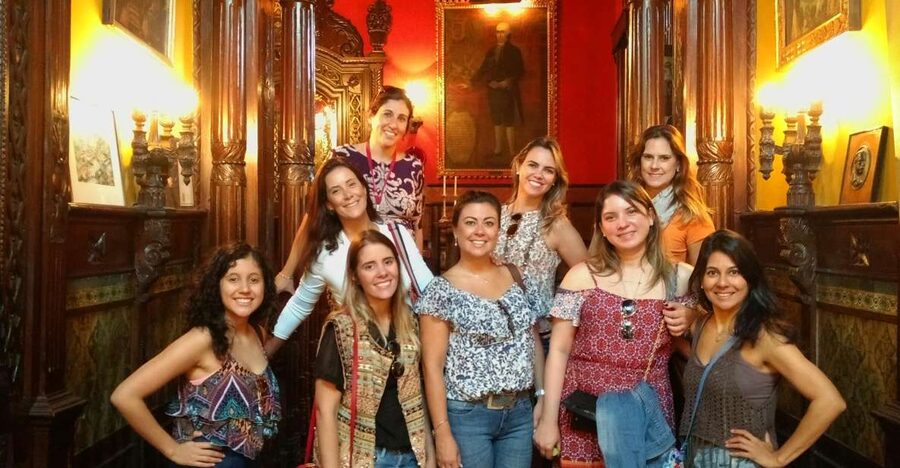
This tour depends heavily on the guide. The house can provide the setting, but the guide supplies the explanation that connects a wall, painting, or family detail to Lima’s past.
Nicholas was singled out for his warm manner and strong command of the subject. Another guide was described as informative and engaging. Those comments point to the best version of the tour: a clear explanation delivered by someone who can answer questions and give meaning to what you are seeing.
There is also a practical warning. The authorized-guide system is small, and one scheduled visit suffered from a guide no-show. A replacement eventually arrived, but the group waited an hour. I would not treat this as a reason to dismiss the house, but I would avoid placing the visit immediately before something you cannot miss.
If your assigned guide changes, ask for confirmation at the meeting point. If there is a delay, contact Expertizia Travel rather than waiting without information. The experience has earned a rating of 3.9 from 12 recorded bookings, which reflects a strong response to the house and guides, along with some real concern about scheduling.
Who should book this Lima experience?
I would recommend Casa de Aliaga to you if you enjoy:
- Historic homes rather than only major museums
- Colonial architecture and domestic interiors
- Family stories linked to Peru’s political and social past
- Short activities that fit into a day in central Lima
- Guided visits in English or Spanish
- Cultural sites with a personal, lived-in quality
You may want to skip it if you need a large attraction with many rooms or prefer to explore independently. The visit is guided, brief, and restricted to part of the mansion. The extra entrance fee also makes it a poor choice for a very tight budget.
It suits couples, solo visitors, and small groups who want a focused look at one of Lima’s unusual historic properties. It can also work well for anyone who has already seen the main plaza and wants a less predictable stop nearby.
The house is wheelchair accessible, which makes it more practical for visitors who need step-free access. The available information does not describe every interior surface or route, so it is still sensible to confirm current access details when booking.
A practical way to fit it into your day
Plan Casa de Aliaga as one stop within your historic-center walk. Since the entrance is beside Government Palace, you can continue on foot through the nearby pedestrian area after the 40-minute visit.
Give yourself a little extra time before the start. The official tour itself is short, but arriving early helps you find the entrance and deal with any meeting-point confusion. I would also avoid scheduling a major attraction immediately afterward, given the past guide delay.
Think of the visit as a concentrated historical pause. You enter, hear the family and architectural story, see the accessible rooms and artwork, and return to the center with a better sense of how old Lima’s elite households functioned.
The house is not a substitute for the city’s larger museums. It works best beside them. A museum can provide wider context, while Casa de Aliaga gives you one surviving home in which that context took shape.
Should you book Casa de Aliaga?
Book it if the idea of entering Peru’s oldest mansion, still tied to the same family line, interests you more than checking off a large public museum. The location is excellent, the 40-minute format is easy to fit into a central Lima walk, and guides such as Nicholas can make the architecture and family story come alive.
Before paying, remember the real cost: $40 for the tour plus about $9 for admission. Also confirm the timing and leave room for a possible scheduling problem.
I would call this a worthwhile specialist visit, not an essential attraction for every first-time visitor. If you value authenticity, old houses, and personal history, the price can be justified. If you want broad collections or guaranteed access to a large building, spend your budget elsewhere.
FAQ
Where does the Casa de Aliaga tour meet?
You meet at the entrance to Casa de Aliaga, right beside Peru’s Government Palace in Lima’s historic center.
How long does the visit last?
The guided visit lasts approximately 40 minutes.
How much does entry to Casa de Aliaga cost?
The tour price is $40 per person. Admission to the house costs an additional S/. 35, or about US $9.
Is the tour available in English?
Yes. Live guiding is available in English and Spanish.
Is Casa de Aliaga wheelchair accessible?
Yes, the activity is listed as wheelchair accessible.
Can I cancel the booking?
Yes. You can cancel up to 24 hours before the activity for a full refund. You can also reserve now and pay later.
Just added around Lima
- Lima Airport Transfers by SUV/Van★ 5.0 · 34 reviews
- Guided Tours in Colonial and Modern Lima★ 5.0 · 54 reviews
- Full Day Pilgrims★ 5.0 · 28 reviews
- Sandboarding and Off Road in Lima (National Park Lomas de Ancón)★ 5.0 · 54 reviews
- Tour Miraflores + Fotografía Profesional★ 5.0 · 47 reviews
- In Lima: Sandboarding Off Road Half Day!!★ 5.0 · 36 reviews
- Full day PRIVATE to Paracas, Ica and Huacachina from Lima All Inclusive and Lunch★ 5.0 · 55 reviews
- Lima City tour and Catacombs Museum (04 hours) Private Tour with guide in Lima★ 5.0 · 32 reviews
Lima Tours, compared.


Full Day Paracas Ica and Huacachina from Lima All Included
Read our review →
Lima’s Vibrant Heritage: Exploring the City’s Landmarks Half-day
Read our review →

Paracas and the Huacachina Oasis Guided Day Tour
Read our review →
The Charm of Barranco & Pre Inca Pyramid in Miraflores
Read our review →
Full Day to Paracas and Huacachina Desert Oasis
Read our review →
Pachacamac Ruins & Barranco Half-Day Guided Tour
Read our review →Browse the lists this tour appears in