
Reviewed · LIMA TOURS
8-Day Peru Ancestral Energies
Machu Picchu is the headline, but the real appeal of this eight-day Peru route is how much ground it covers. You move from Lima’s colonial center to Cusco, the Sacred Valley, the Inca citadel, and the high waters of Lake Titicaca without having to arrange each transfer yourself.
I like the efficient planning and the strong mix of places. You get Lima’s museums, Cusco’s markets and temples, huge Inca sites, a train ride to Machu Picchu, and living Andean communities on Taquile Island. The guides and drivers are praised for being punctual, helpful, and quick to answer questions.
The tradeoff is pace. You change hotels and reach high altitude quickly, with little spare time for rest. The tour also ends at Juliaca Airport rather than returning you to Lima, and international and domestic flights are extra. Altitude sickness deserves serious planning, not a last-minute thought.
In This Review
- Key points to know before booking
- Lima begins with colonial Peru and gold
- Cusco mixes markets, temples, and Inca stonework
- Sacsayhuaman and the four sites above Cusco
- Chinchero, Moray, and the living town of Ollantaytambo
- Machu Picchu by train and mountain bus
- The long road from Cusco to Puno
- Uros and Taquile on Lake Titicaca
- What the $1,264 price really covers
- Transport, group size, and the pace of the route
- Who should choose this Peru tour
- Should you book the 8-Day Peru Ancestral Energies tour?
- FAQ
- Where does the tour begin and end?
- Are flights included in the price?
- What time should the Lima to Cusco flight arrive?
- Is Machu Picchu admission included?
- Which Machu Picchu circuit will I take?
- How many nights and meals are included?
Key points to know before booking
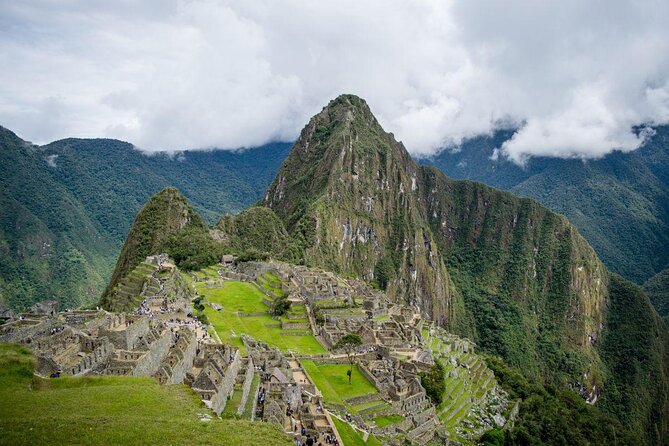
- Machu Picchu by train: Ride from Ollantaytambo to the Machu Picchu station, then take the winding bus up to the ruins.
- A useful route through the Andes: Lima, Cusco, the Sacred Valley, Machu Picchu, Puno, and Lake Titicaca fit into one organized trip.
- Four included lunches and seven breakfasts: Meals are partly covered, but you still need to budget for most dinners, drinks, and some other food.
- Small shared groups: The tour has a maximum of 15 people, with English-Spanish guides.
- High-altitude days: Cusco, La Raya, Puno, and Lake Titicaca require preparation, especially for anyone prone to altitude sickness.
- A one-way finish: The tour begins at Lima Airport and ends at Juliaca Airport, 36 kilometers from Puno.
Lima begins with colonial Peru and gold
Your first day starts at Jorge Chávez International Airport, where a transfer takes you to your hotel. The sightseeing portion then turns to Lima’s Historical Center, giving you a compact introduction to Peru before the Andes take over.
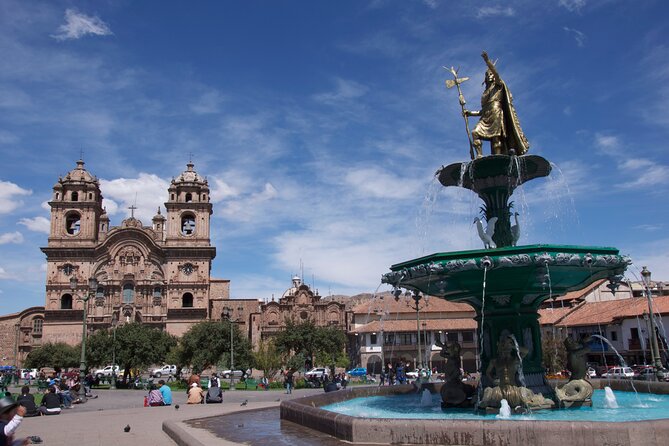
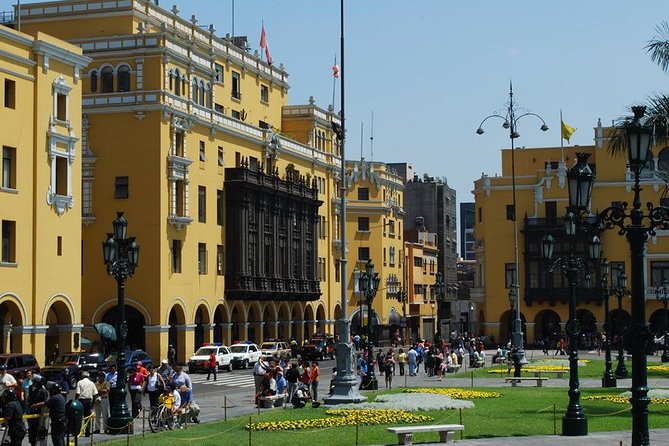
At Plaza Mayor, you see the Government Palace, Municipality, and Cathedral of Lima. The Convent of Santo Domingo adds a more intimate look at colonial religious life, while the Universidad Mayor de San Marcos connects the city to one of the oldest institutions of higher learning in the Americas.
I especially like ending in the Larco Museum. Its collection of gold pieces, textiles, and ceramics gives you visual context before you encounter Inca sites in person. The museum is also a sensible first-day stop because it helps you recognize the craft traditions and ceremonial objects that appear again during the trip.
The Lima visit lasts about five hours. Since your arrival time and flight schedule can affect the day, keep your first morning free of ambitious personal plans. The tour includes the scheduled sightseeing and transfer, but food and drinks are not included unless specifically stated.
Other Lima days worth putting on the list:
- Lima: Ultimate Peruvian Food Tour
★ 4.9 · 700 reviews - Full Day Paracas Ica and Huacachina from Lima All Included
★ 4.5 · 623 reviews - Lima’s Vibrant Heritage: Exploring the City’s Landmarks Half-day
★ 4.5 · 581 reviews
Cusco mixes markets, temples, and Inca stonework
You fly from Lima to Cusco on the second day, and the timing matters. Your flight must arrive by noon, so book a morning departure. Once in Cusco, airport assistance and a hotel transfer are included.
The afternoon walk starts at San Cristóbal Square, where you get a broad view over the city. This is a useful first stop because Cusco’s steep streets and red-tiled roofs make more sense when you can see the city’s shape from above.
San Pedro Market brings you closer to daily life. You can see the products that supply Cusco, smell local ingredients, and get a sense of the food culture. It is less polished than a museum, which is exactly why it belongs on the route.
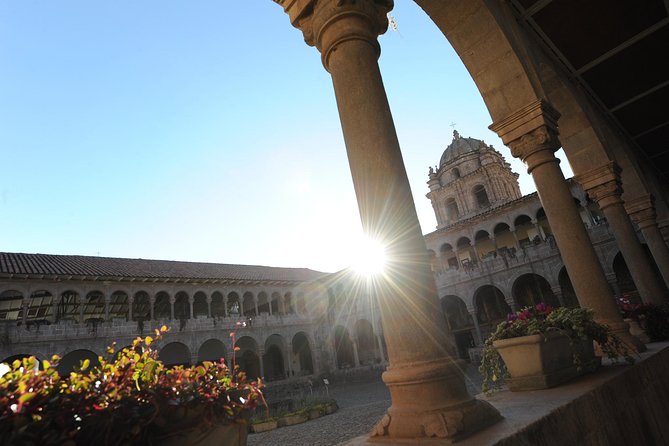
At Qorikancha, the former Temple of the Sun, the tour explains the importance of a place once covered in gold. The building also helps you understand how Spanish colonial structures were placed over or beside Inca foundations.
The walk continues through San Blas, the artisans’ district, and down Hatun Rumiyoc. Look for the Twelve Angled Stone in the wall associated with Inca Roca. The precise stonework is easy to appreciate even if you know little about Inca architecture.
The afternoon ends at the Plaza de Armas and the Cathedral, which contains valuable colonial works. This four-hour visit is full but manageable. Still, Cusco is already high above sea level, so avoid treating the first afternoon as a test of endurance. Walk at an easy pace and keep water close.
Sacsayhuaman and the four sites above Cusco
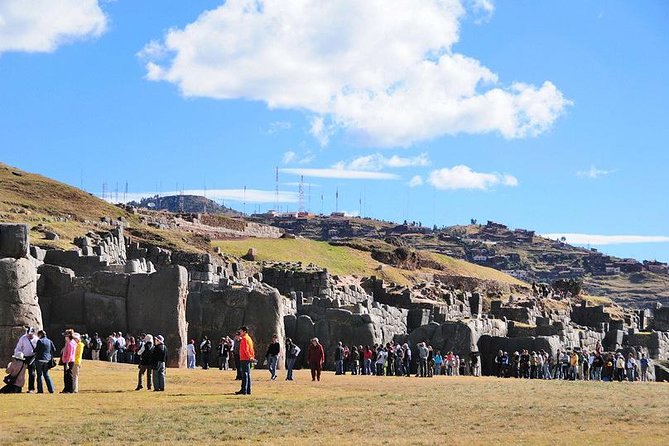
Day three moves outside the city to Sacsayhuaman, where enormous stone construction meets open Andean scenery. The scale is the point. You can see why this site is often considered one of the great engineering achievements of the Inca world.
The visit continues to Q’enqo, an Inca ceremonial site with an altar cut into the rock. Puca Pucará provides a lookout, while Tambomachay brings water and sacred design into the story. Together, these sites show that the area around Cusco was not simply a collection of isolated ruins.
This is a four-hour morning tour, followed by a free afternoon. I like that pause in the schedule. You can rest, return to a favorite Cusco street, visit a café, or simply give your body time to adjust before the Sacred Valley and Machu Picchu.
Admission to the archaeological sites is included. Wear shoes that feel secure on uneven ground, but the tour information does not require specialized equipment. The main practical issue is altitude and the amount of walking over stone and sloping paths.
Chinchero, Moray, and the living town of Ollantaytambo
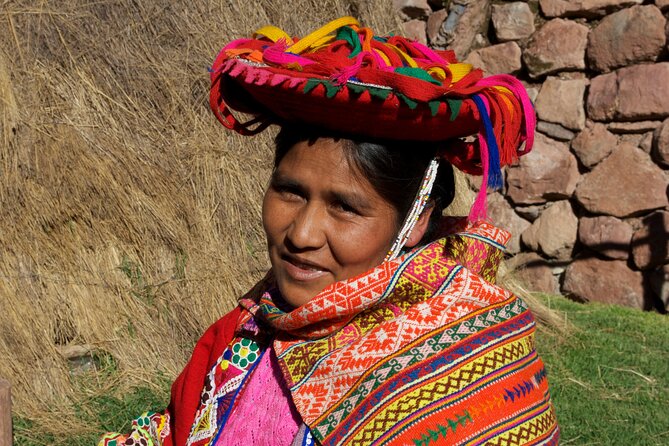
Day four opens the Sacred Valley with Chinchero, known for its colorful setting and weaving traditions. At a textile center, you see old methods for dyeing and spinning alpaca wool. This stop matters because it connects the famous ruins to skills that remain part of local life.
The Inca plaza and colonial church show how different periods share the same town. The combination is common in Peru, but seeing the two side by side makes the country’s layered past easier to understand.
Moray is one of the trip’s most unusual archaeological stops. Its concentric agricultural terraces are thought to have helped recreate different growing conditions. From the viewpoint, the circular forms are clear, and the site feels very different from the fortress-style ruins around Cusco.
Lunch is included on this day. Afterward, you continue to Ollantaytambo, described as the last living Inca town. The remains here include the Temple of the Ten Windows, the Bath of the Princess, and the Sun Temple.
Ollantaytambo is also your overnight base, which is a smart arrangement. Instead of returning to Cusco and retracing the road early the next day, you are already near the train station. The schedule is still busy, but the overnight location reduces unnecessary backtracking.
Same valley, a completely different kind of day:
- From Lima: Day trip to Paracas, Ica and Oasis Huacachina
★ 4.6 · 409 reviews - Private transfers from Lima Airport or to Lima Airport
★ 4.0 · 359 reviews - Lima: Paracas and the Huacachina Oasis Guided Day Tour
★ 4.5 · 354 reviews - Lima: The Charm of Barranco & Pre Inca Pyramid in Miraflores
★ 4.9 · 322 reviews
Machu Picchu by train and mountain bus
Day five is the trip’s big event. You board your selected train at Ollantaytambo and arrive at Machu Picchu station, where staff assist with the bus connection. The bus climbs a winding road beside the Urubamba River and its deep canyon.
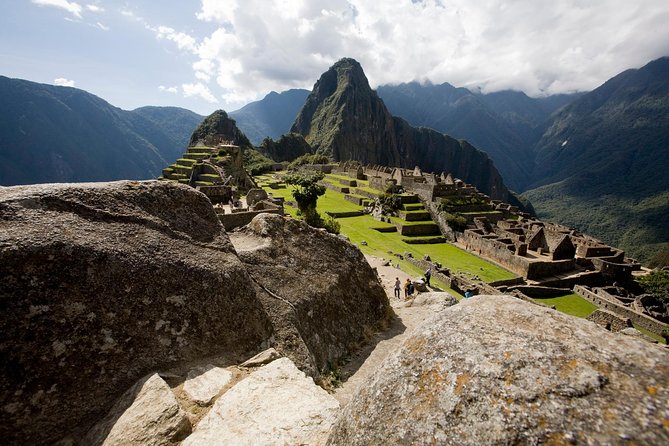
At Machu Picchu, the route takes in terraces, stairways, ceremonial areas, and urban spaces. A guide adds value here because the site can look like a series of beautiful stones unless you understand how its parts worked together.
Lunch is included, and the return journey takes you back by train before a transfer to your Cusco hotel. The day lasts about six hours, though transport schedules and time at the site shape the actual rhythm.
Pay close attention to the assigned Machu Picchu circuit. The site now uses several routes to spread people across different areas. Route 2 is the priority, but if it is unavailable, you may be offered circuit 3B or 1B before the ticket is issued.
This is not a minor booking detail. The route determines what you see, and the Machu Picchu admission ticket cannot be refunded or changed after issue. If you need a different date later, you must buy a new ticket. Confirm the circuit choice before the ticket is finalized.
The long road from Cusco to Puno
Day six takes you from Cusco to Puno by tourist bus. The road follows the Vilcanota River before reaching the Collao plateau, and the journey is as much about the high Andean setting as the stops along the way.
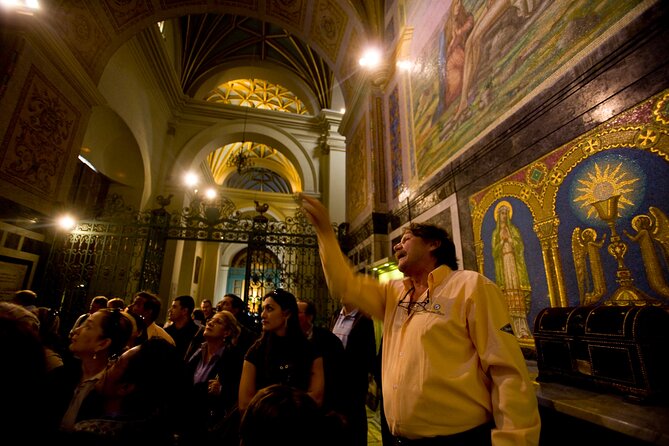
At Andahuaylillas, you visit the Church of the Apostle Saint Peter, often called the Sistine Chapel of America. Its 17th-century murals cover the walls and ceiling, making this a worthwhile stop for anyone interested in colonial art.
Racchi follows with the remains of the Temple of Wiracocha. The surviving columns and walls give you an idea of the size of the original complex. At La Raya, the route reaches 4,800 meters above sea level, the highest point of the trip. This is where waters divide between the Lake Titicaca basin and rivers flowing toward the Amazon.
The altitude here is not a footnote. If you have suffered from altitude sickness, bring medicine or ask your doctor for advice before departure. Take symptoms seriously and tell your guide if you feel unwell.
Lunch is included, followed by a visit to the Pucara Site Museum. Pucara is associated with the familiar small bull figures, often called toritos de Pucará. You arrive in Puno and transfer to your hotel after a demanding travel day.
The listed sightseeing time is about four hours, but the full bus journey takes much of the day. Think of this as a transfer with cultural stops, not a short excursion.
Uros and Taquile on Lake Titicaca
On day seven, you board a motorboat from Puno for the Uros islands. The Uros communities built floating islands using ancient methods and developed a way of life around the lake. The stop is also commercial, since local people earn a living from visitors. Go with an open mind, enjoy the explanation of how the islands are made, and understand that purchases and demonstrations are part of the visit.
The boat continues to Taquile Island, where Quechua traditions remain strong in a region that is mainly Aymara. The community is known for maintaining its clothing, customs, and way of life. Music and dances form part of the welcome, followed by lunch at a community restaurant.
After lunch, you take a walk around the island for views across Lake Titicaca. The excursion lasts about five hours, but boat travel and the high altitude can make the day feel longer. Bring protection from the sun and allow time for a steady pace.
A simple, nutritious lunch is included. Other food and drinks are generally your responsibility, so keep that in mind when planning your spending.
What the $1,264 price really covers
At $1,264 per person, this package offers solid value if you want a structured trip rather than a collection of separate bookings. Seven nights of accommodation, airport and hotel transfers, shared transport, admission tickets, guides, the Machu Picchu railway ticket, seven breakfasts, and four lunches are included.
The train ticket depends on the hotel category selected, and accommodation is subject to availability. That means you should confirm the hotel level before paying if room standard matters to you.
The price does not include flights from Lima to Cusco or from Juliaca to Lima. You also pay international airport taxes and the Lima to Cusco and Puno charges listed at $32 per person. Food and drinks not specifically included are extra, as are most dinners.
The value is strongest for a first visit. You avoid arranging several complicated transfers, finding a Machu Picchu train, coordinating the Lake Titicaca boat, and matching hotel nights to the route. The value is weaker if you want long stays in each city or the freedom to change plans day by day.
Transport, group size, and the pace of the route
The maximum group size is 15 people. That is small enough for a guide to answer questions and keep the group together, while still using shared vehicles and tours rather than private arrangements.
The tour’s practical reputation rests on punctual guides and drivers, helpful service, good transport, and prompt answers to questions. Those details matter in Peru, where a missed transfer can affect a train, hotel arrival, or flight connection.
You should still expect a busy schedule. The route covers several regions in eight days, and some days combine sightseeing with long transfers. The free afternoon in Cusco is your main built-in recovery period.
English-Spanish guiding is included. No individual guide names are supplied, so you should not book this expecting a particular person. The useful thing is the presence of a guide throughout the major visits, especially at Qorikancha, Sacsayhuaman, the Sacred Valley sites, Machu Picchu, and the high-altitude stops.
Who should choose this Peru tour
I would choose this tour if you want Peru’s major sights in one clean route and prefer having transport, lodging, tickets, and local explanations arranged for you. It suits first-time visitors who value structure and do not want to manage the details of train stations, airport pickups, and changing hotel bases.
It also works well for people who want more than Machu Picchu. Lima’s Larco Museum, Cusco’s market, Moray’s terraces, Andahuaylillas, Racchi, Pucara, and Taquile give the trip a broader cultural shape.
I would hesitate if you need a slow holiday, dislike shared transport, or want to choose every restaurant and hotel yourself. The schedule has little room for missed connections or spontaneous changes, and the altitude makes rest important.
At booking, provide each participant’s passport name, number, expiry date, and country. Give the operator your international and domestic flight details, and remember that the tour starts at Lima Airport and ends at Juliaca Airport, not Lima. Free cancellation is available up to 24 hours before the start time, but late cancellations and late changes are not accepted.
Should you book the 8-Day Peru Ancestral Energies tour?
Book it if your goal is a well-organized first look at Peru’s Andean heart, with Machu Picchu and Lake Titicaca both included. The route is ambitious, but the included transport and local guides remove much of the work that can make independent planning stressful.
Skip it if you want generous downtime or a flexible return to Lima. Before committing, check your flight times, confirm the Machu Picchu circuit, review the hotel category, and prepare for high altitude. With those points settled, the $1,264 package offers a practical way to see a remarkable amount of Peru in just over a week.
FAQ
Where does the tour begin and end?
The tour begins at Jorge Chávez International Airport in Lima. It ends at Inca Manco Cápac International Airport in Juliaca, which is 36 kilometers from Puno.
Are flights included in the price?
No. Flights from Lima to Cusco and from Juliaca to Lima are not included. The operator can assist with those bookings.
What time should the Lima to Cusco flight arrive?
You need to book a morning flight from Lima to Cusco. An arrival by noon is considered too late for the scheduled activities.
Is Machu Picchu admission included?
Yes, the Machu Picchu admission ticket and round-trip railway ticket are included. The railway ticket depends on the selected hotel category.
Which Machu Picchu circuit will I take?
Route 2 is given priority. If it is unavailable, circuit 3B or circuit 1B may be offered for your confirmation before the ticket is issued.
How many nights and meals are included?
The package includes seven nights of accommodation, seven breakfasts, and four lunches. Other food and drinks are not included unless specifically stated.
Just added around Lima
- Guided Tours in Colonial and Modern Lima★ 5.0 · 54 reviews
- Full Day Pilgrims★ 5.0 · 28 reviews
- Lima Airport Transfers by SUV/Van★ 5.0 · 34 reviews
- Sandboarding and Off Road in Lima (National Park Lomas de Ancón)★ 5.0 · 54 reviews
- Tour Miraflores + Fotografía Profesional★ 5.0 · 47 reviews
- In Lima: Sandboarding Off Road Half Day!!★ 5.0 · 36 reviews
- Full day PRIVATE to Paracas, Ica and Huacachina from Lima All Inclusive and Lunch★ 5.0 · 55 reviews
- Lima City tour and Catacombs Museum (04 hours) Private Tour with guide in Lima★ 5.0 · 32 reviews
Lima Tours, compared.
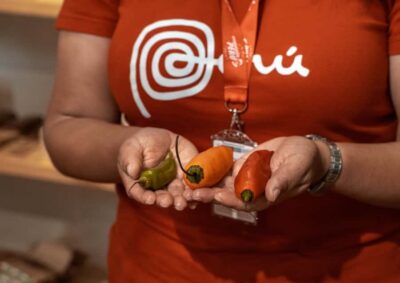

Full Day Paracas Ica and Huacachina from Lima All Included
Read our review →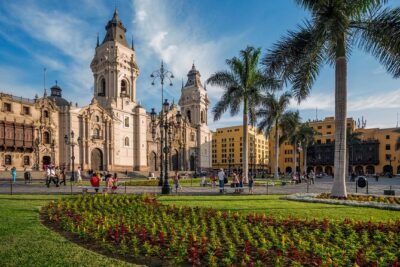
Lima’s Vibrant Heritage: Exploring the City’s Landmarks Half-day
Read our review →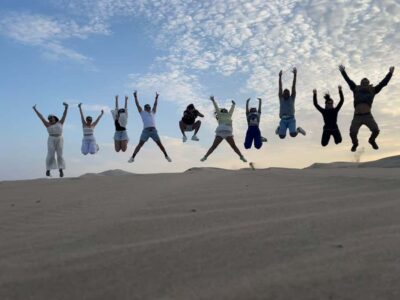

Paracas and the Huacachina Oasis Guided Day Tour
Read our review →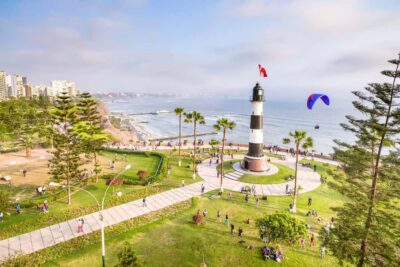
The Charm of Barranco & Pre Inca Pyramid in Miraflores
Read our review →
Full Day to Paracas and Huacachina Desert Oasis
Read our review →
Pachacamac Ruins & Barranco Half-Day Guided Tour
Read our review →Browse the lists this tour appears in